Iran
ICE

Iran & Minneapolis: fearful symmetry

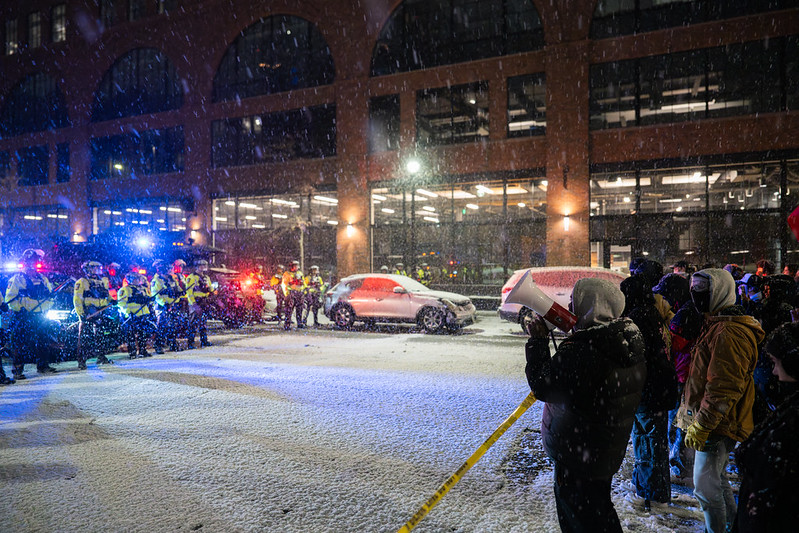
As ICE agents open fire on protesters in Minneapolis, Portland and Los Angeles, Trump frames his military threats against Iran in terms of human rights and democracy—an atypical nod back to the neocons. Following mass deadly repression, the protests in Iran appear to have abated—for now. In Minnesota, both Trump and protesters are turning up the heat. Trump’s blatant hypocrisy highlights the imperative of international solidarity. The challenge for stateside protesters is to repudiate the calumny that the Iran protests are CIA or Mossad astroturf, and recognize them as a genuine self-organized popular uprising. The challenge for Iranian protesters is to repudiate Trump’s bid to exploit them for his imperial ends, as well to reject the ambitions of the reactionary “crown prince” Reza Pahlavi to install himself as leader. In Episode 313 of the CounterVortex podcast, Bill Weinberg urges that explicit mutual support between the anti-authoritarian struggles in the US and Iran is what can move the historical process forward at this grim hour. (Photo: Chad Davis)

Iran
#iranprotests

Iran: mass repression under internet blackout

As angry protests spread across Iran, the government has shut down internet and telecommunications access across the country. Under the cloak of internet darkness, there is reason to believe a general massacre of demonstrators is underway, with reports emerging of hospitals overwhelmed with casualties. Some estimates have placed the death toll at nearly 600. The Iranian government has only intensified its rhetoric. Chief Justice Gholam-Hossein Mohseni-Ejei promised no leniency for protesters, whom he characterized as “enemies of the Islamic Republic of Iran.” (Image: Hajar Morad via Twitter)

Africa
Bobi Wine

Uganda: police repression in lead-up to elections

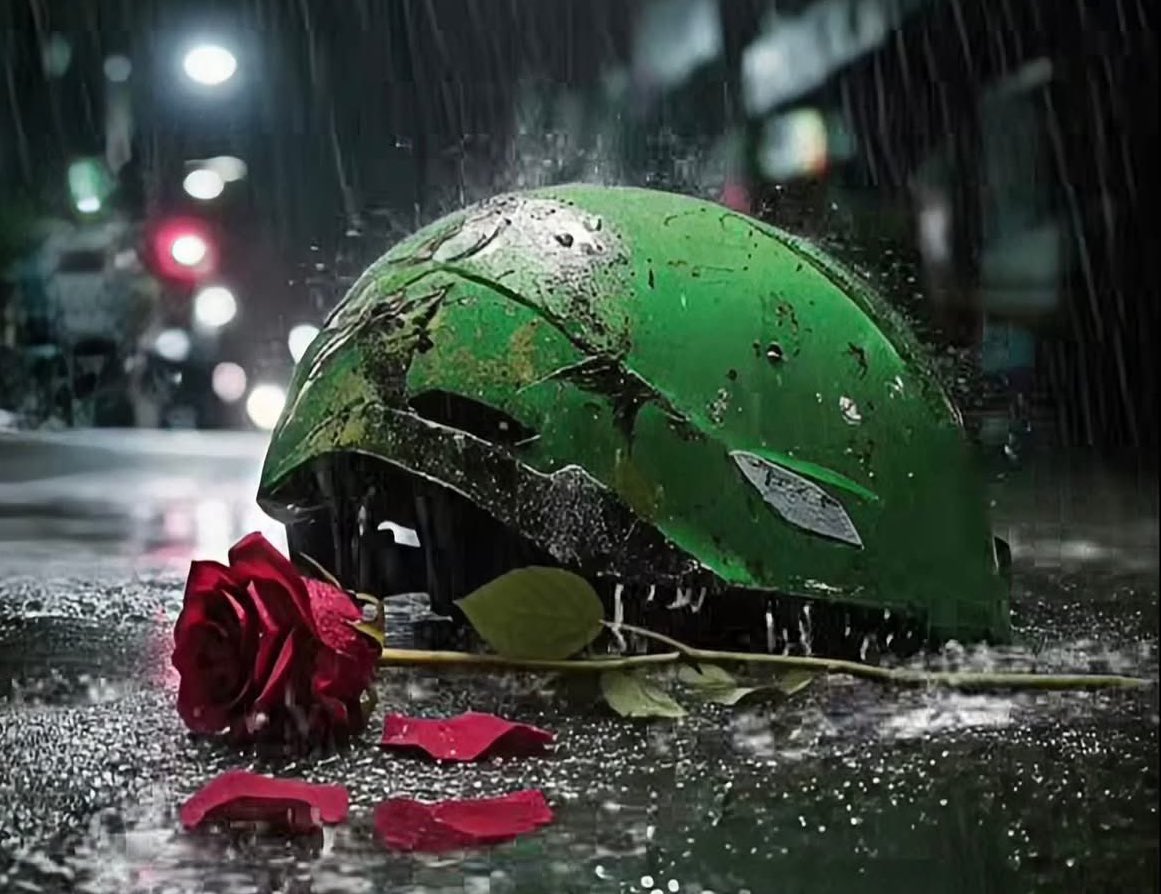
Amnesty International reported that Ugandan security forces have unlawfully targeted opposition rallies with excessive force and arbitrary arrests, with some detainees subject to torture and other mistreatment. Protests have mounted nationwide in the lead-up to this month’s election, in which President Yoweri Museveni of the long-entrenched National Resistance Movement seeks an to extend his 40-year rule. He faces a challenge in leading opposition candidate Robert Kyagulanyi Ssentamu, popularly known as Bobi Wine, of the National Unity Party. Wine has repeatedly spoken out against the repression faced by his supporters, and explicitly likened his campaign to a battle, saying: “Our campaign is not the ordinary campaign. We are almost at war. You can see the soldiers and vehicles deployed. These people even knock and kill our supporters.” (Photo: Bobi Wine campaigning in helmet and flack jacket alongside police armored vehicle. Credit: National Unity Party)

Iran
Tehran

Protest wave spreads across Iran

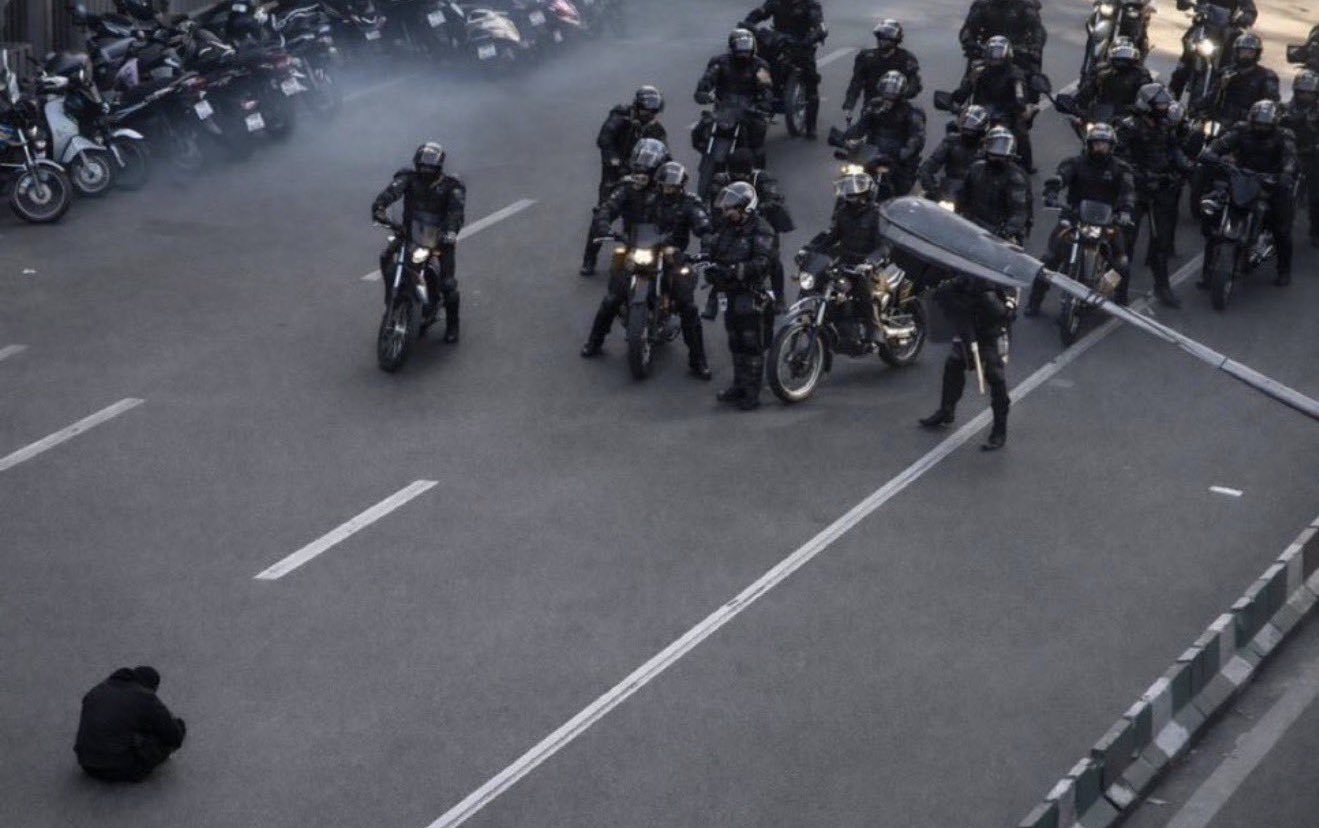
On the third day of protests by Tehran bazaar merchants in response to the dire economic situation in Iran, the strike started to spread across the country. Shopkeepers in Isfahan, Ahvaz, Shiraz, Kermanshah and Najafabad closed their stalls and held protest gatherings, where they were joined by students who walked off university campuses. Security forces responded with multiple arrests and the use of live fire and tear-gas, with one student reported severely injured in Tehran. Protest slogans escalated beyond economic grievances, openly targeting clerical rule and Supreme Leader Ayatollah Ali Khamenei. A photo of a lone protester blocking a column of police motorcycles on a Tehran freeway has gone viral, drawing comparisons to the iconic “tank man” photo from Tiananmen Square in June 1989. (Photo via Twitter)

Southern Cone
Chile

Chile’s turn to the hard right

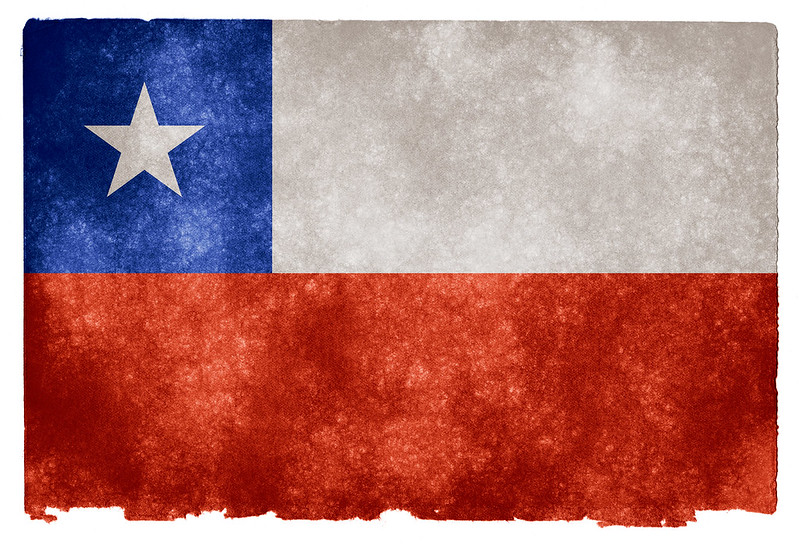
The rising wave of far-right populism has arrived in Chile with the victory in the presidential race of José Antonio Kast, an ultra-conservative who campaigned on fighting crime and carrying out mass deportations. Emulating Donald Trump, Kast exploited a backlash against migrants—especially Venezuelans—and pledged to build a separation wall on the border with Peru. His victory marks the country’s sharpest shift to the right since the restoration of democracy after the brutal dictatorship of Augusto Pinochet 30 years ago—an era and figure that Kast has openly admired. (Image: Nicolas Raymond via Flickr)

Africa
Tanzania

Post-electoral violence rocks Tanzania

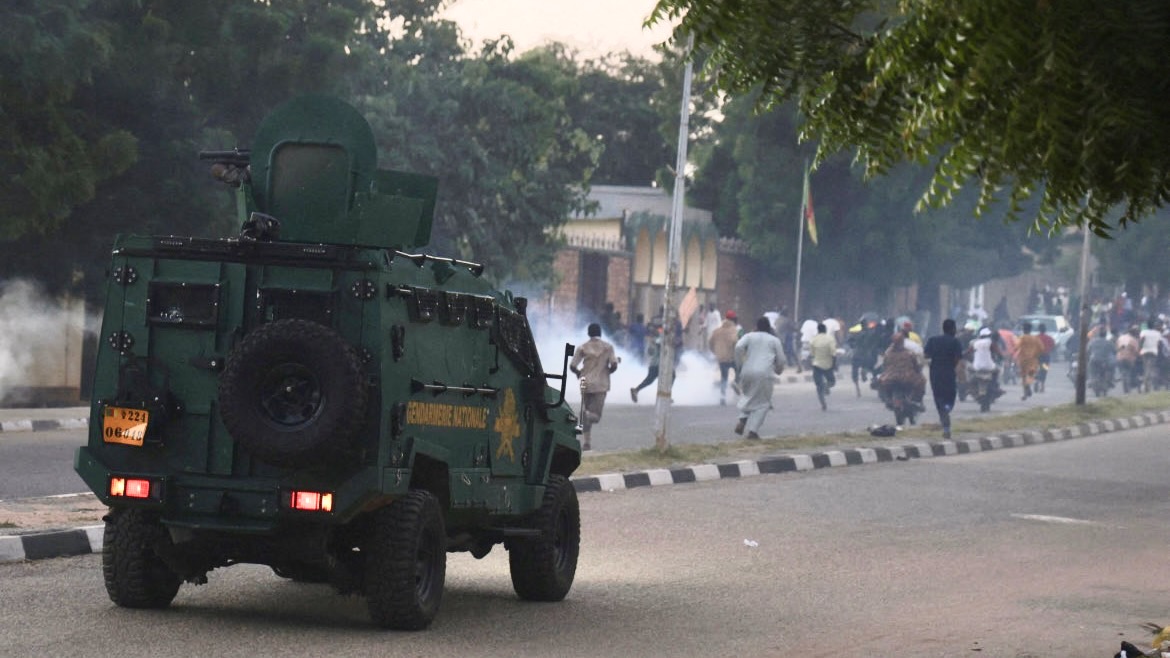
Protests have escalated in Tanzania following elections widely viewed as a sham. Violence erupted on polling day over the exclusion from the ballot of President Samia Suluhu Hassan’s two biggest challengers, and increasing government repression. The protesters defied a heavy security presence to target polling stations, police vehicles, and businesses connected to the ruling party, some chanting “We want our country back!” An unknown number of people were shot dead, and Amnesty International has called for an investigation. Protests continue despite an internet blackout and the deployment of soldiers to enforce a lockdown. (Photo via Twitter)

Africa
Cameroon

Post-electoral violence sweeps Cameroon

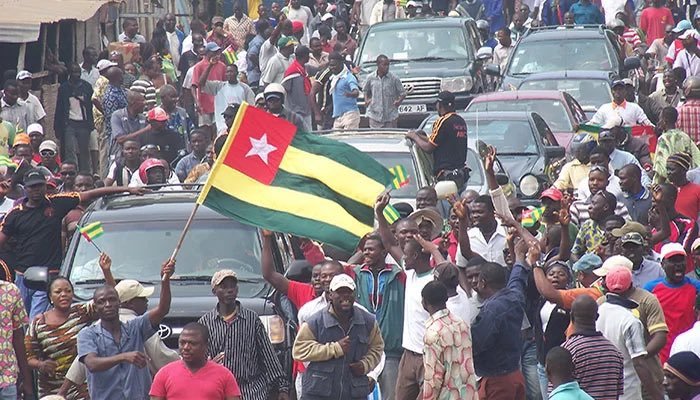
The Office of the UN High Commissioner for Human Rights expressed concern over the protests and repression that have swept Cameroon following contested presidential election results. Demonstrators immediately defied a ban on public gatherings to support the opposition after the election, but the situation escalated after the Constitutional Council announced five days later that long-ruling President Paul Biya had won. The opposition rejected the results and proclaimed their candidate, Issa Tchirola Bakary, as the legitimate winner, urging citizens to demonstrate peacefully. Thousands took to the streets demanding recognition of an opposition victory, to be met with repression; clashes between protesters and security forces led to fatalities and numerous arrests. The protests have shaken the capital, Yaoundé; the economic capital, Douala; and the northern towns of Garoua and Maroua. Local jails are filled with opposition supporters who accuse Biya of rigging the polls. Biya is now to assume his eighth term in office as the world’s oldest president at age 92, having ruled Cameroon for 43 years. (Photo: Twitter via Peoples Dispatch)

The Andes
Bolivia

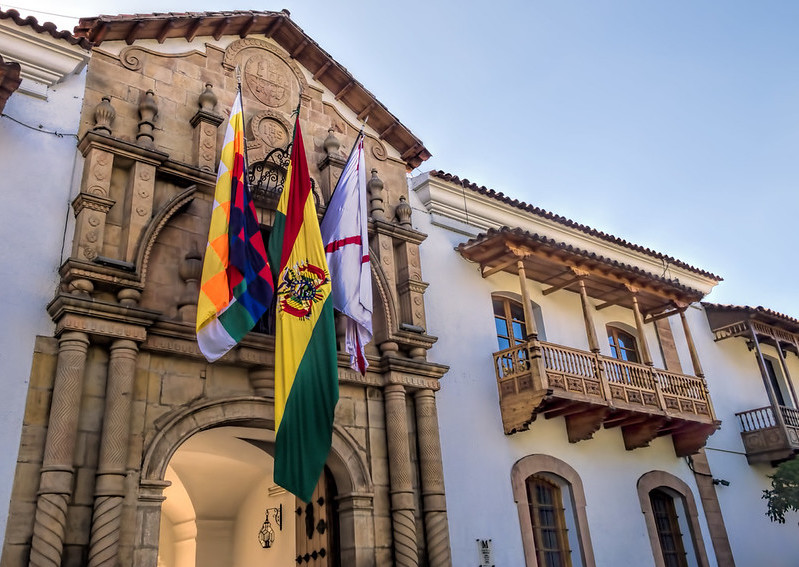
Bolivia: far-right candidate defeated —at least

Rodrigo Paz, a center-right senator and son of a former president, won Bolivia’s run-off election—defeating former far-right president Jorge “Tuto” Quiroga, who ran on a platform that pledged an IMF bailout for the troubled economy and widespread privatization of state industries and natural resources. For the first time since 1997, there was no candidate on the ballot from the Movement toward Socialism (MAS), the party of former president Evo Morales. A candidate from MAS, which had ruled all but one year since 2006, was eliminated in the first round in August. However, some of the social policies put in place by the MAS have now been adopted by Paz. (Photo: Dan Lundberg/Flickr)

Africa
Ivory Coast

Côte d’Ivoire elections in atmosphere of repression

Amnesty International called on Côte d’Ivoire authorities to end the repression of peaceful protests ahead of the upcoming presidential elections, following the dispersal of a demonstration by security forces in Abidjan and the arrest of 255 individuals. The Ivorian government’s ban on peaceful assemblies is part of a broader set of measures announced by the National Security Council ahead of the elections later this month. Protesters have repeatedly attempted to defy the ban after the Electoral Commission barred two opposition candidates from running in the race. (Image: David Peterson/Pixabay)

The Andes
Lima

Peru: new government prepares security crackdown

Peru’s Congress voted unanimously to remove President Dina Boluarte from office for “moral incapacity,” replacing her with congressional leader José Jerí. Once in office, Jerí quickly appointed as head of the Interior Ministry the former commander of the Peruvian National Police (PNP), Vicente Tiburcio Orbezo. Tiburcio has had a long career fighting organized crime and armed insurgents, having been part of the team within the PNP’s Special Intelligence Group (GEIN) that carried out the arrest of Shining Path leader Abimael Guzmán in 1992. He subsequently served in campaigns against both the Shining Path and Túpac Amaru Revolutionary Movement (MRTA). He was chosen by Jerí with a mission of addressing the crisis of “citizen security” in Peru. (Photo: Wikipedia)

South Asia
Muzaffarabad

Unrest erupts in Azad Kashmir

The politically volatile region of Pakistan-administered Azad Jammu Kashmir has once again plunged into a crisis of civil unrest. Local protests over government plans to drop subsidies for wheat and electricity rapidly transformed into a broader movement demanding comprehensive reform and regional economic relief. The demonstrations have pressured the government into negotiations and legal concessions, after initial harsh repression only further fueled public dissent. (Photo of Muzaffarabad via Wikimedia Commons)

The Andes
CONAIE

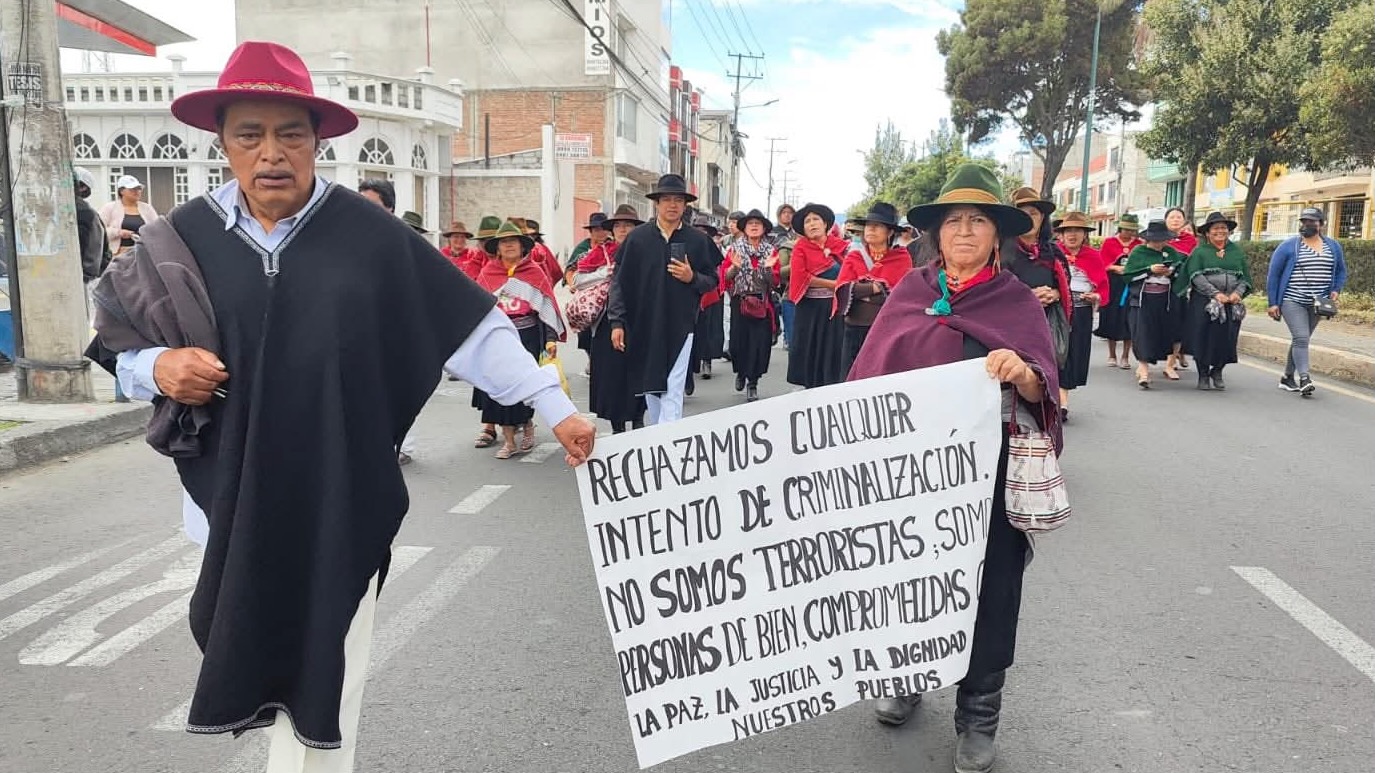
Popular protests turn deadly in Ecuador

Widespread protests in Ecuador, sparked by cuts to fuel subsidies, reached a boiling point, as an indigenous land defender was killed by the armed forces, a government aid convoy was reportedly attacked by protesters, and 12 soldiers went missing. Meanwhile, the government continued to advance its plan to rewrite the constitution—an initiative that has further intensified public anger. Undeterred, the powerful Confederation of Indigenous Nationalities (CONAIE), which initiated the nationwide strike, announced that it would extend the action. (Photo: CONAIE via Peoples Dispatch)