Greater Middle East
Yemen

Yemen: UAE-backed southern separatist forces advance

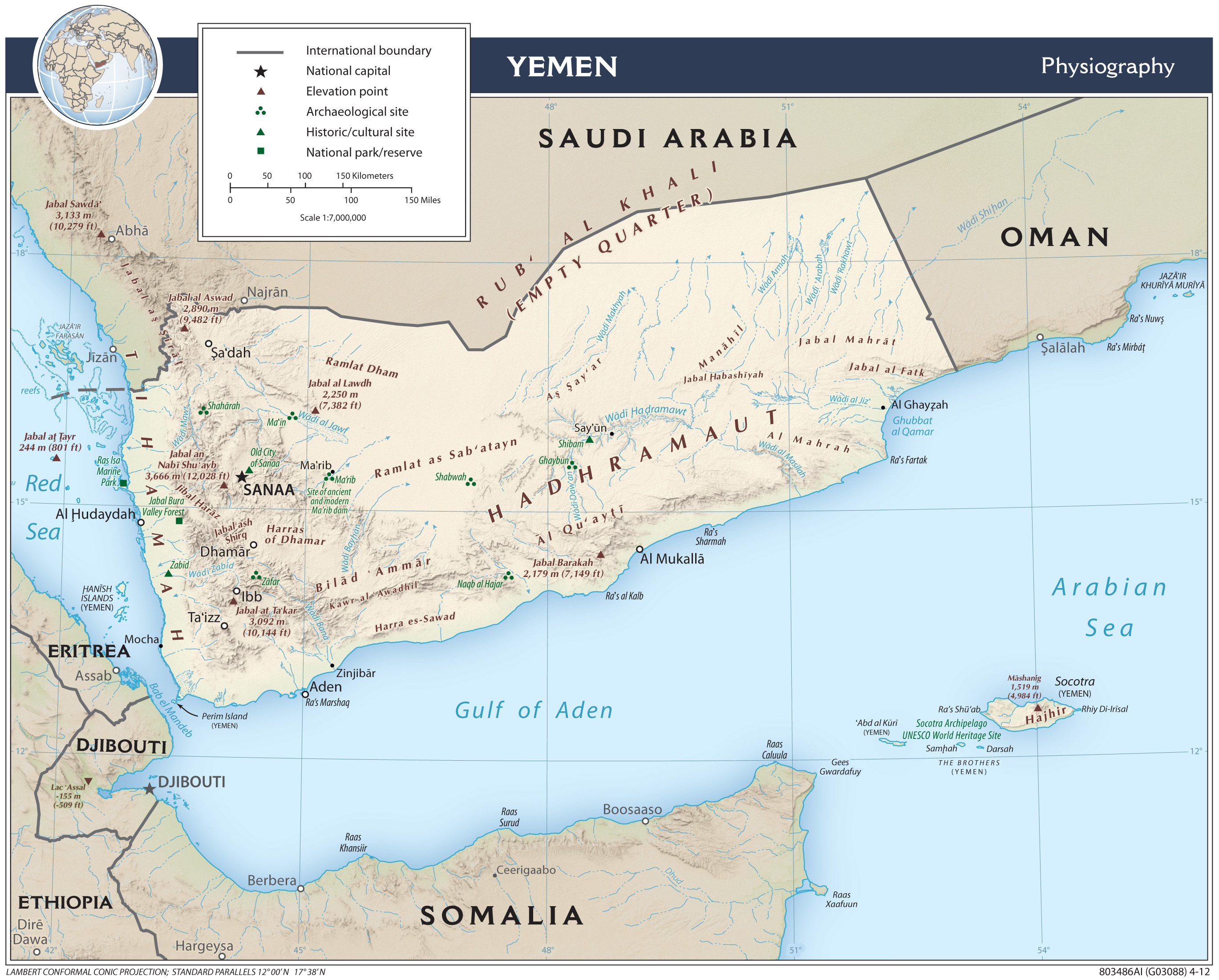
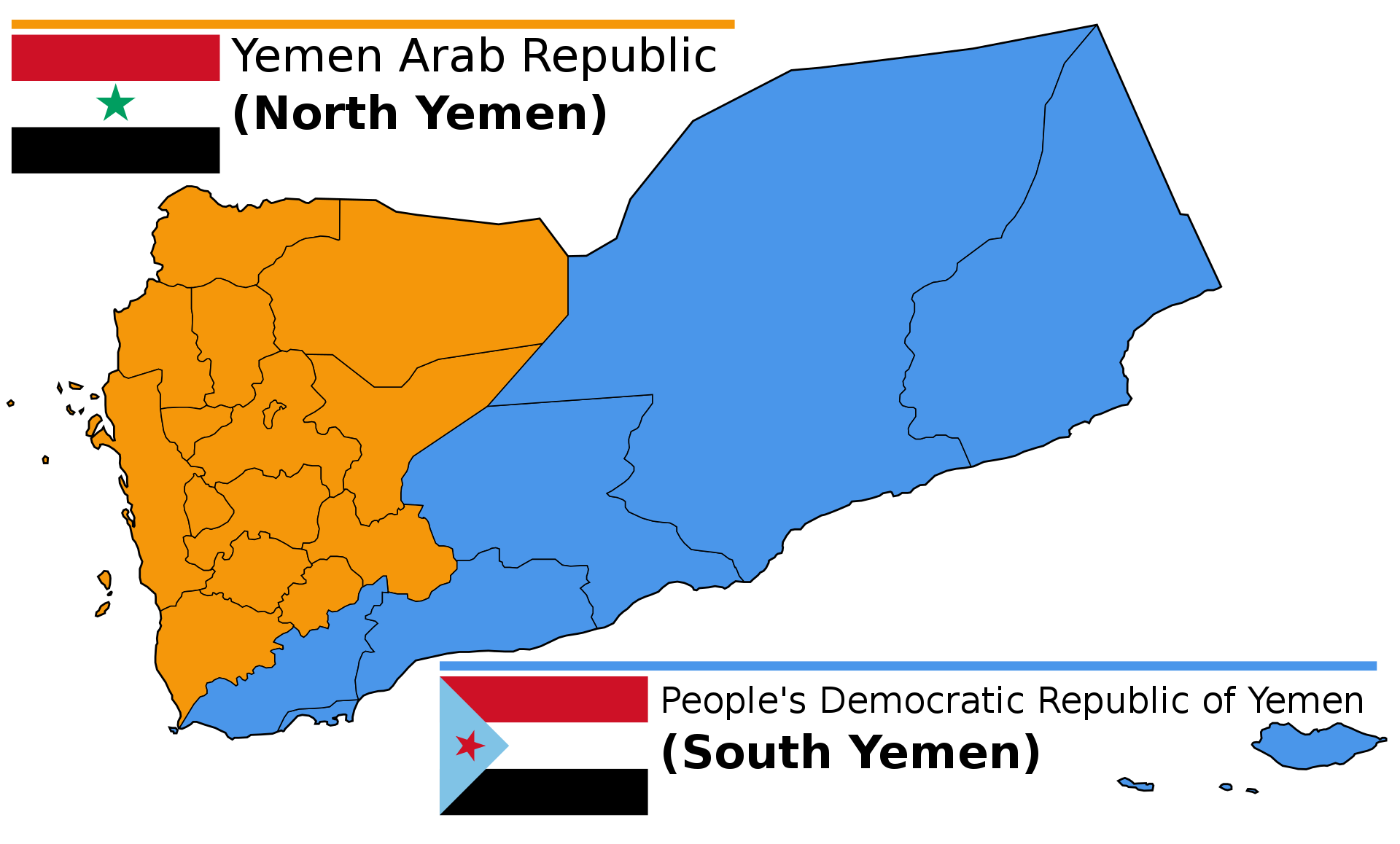
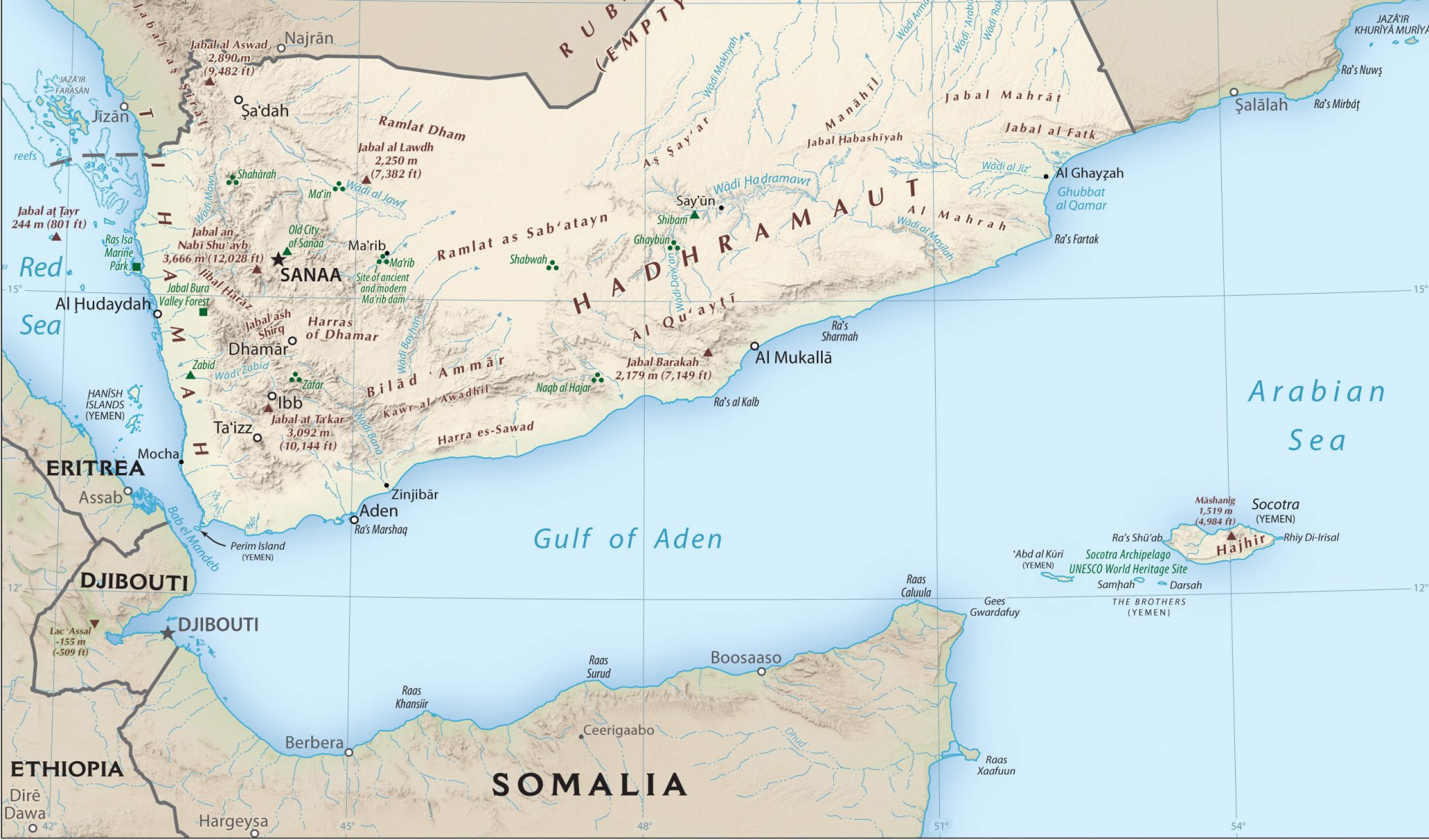
Yemen’s separatist Southern Transitional Council, which is said to be backed by the United Arab Emirates, has been rapidly advancing through large parts of the country’s south and east, in Hadramawt, al-Mahra and Shabwa provinces. They are taking over control from groups backed by Saudi Arabia, including the Hadramawt Tribal Alliance. While all forces involved are supposed to be on the same side in a broader anti-Houthi alliance, the move is yet another reminder that Yemen’s war is not over, and that it involves a variety of actors and local grievances. (Map of Yemen before 1990 unification via Wikipedia)
Planet Watch
Rakhine

Deadly strikes on hospitals: the new norm?

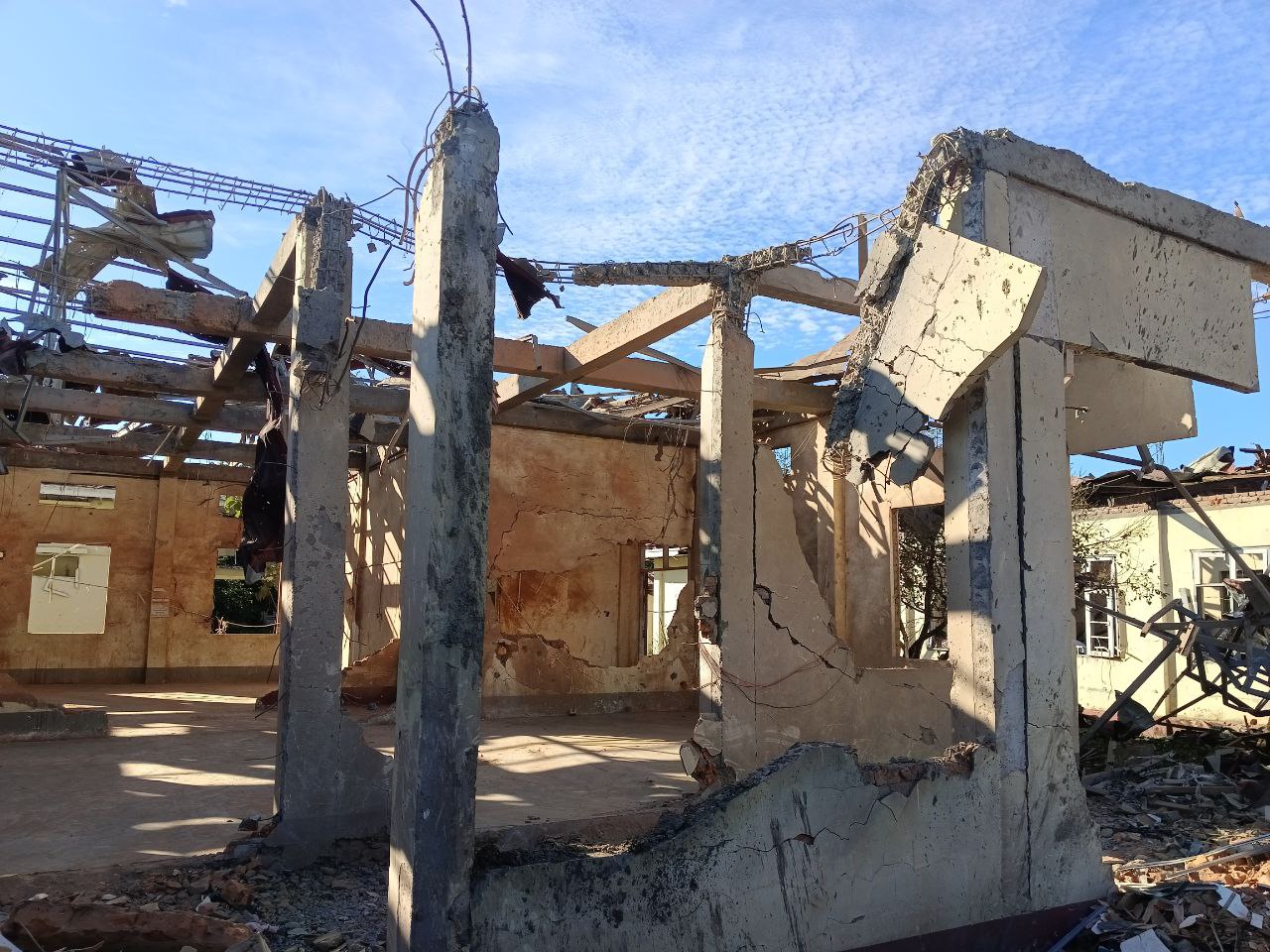
On World Humanitarian Day in August, World Health Organization director-general Tedros Adhanom Ghebreyesus released a statement calling attention to intensifying attacks on healthcare workers and facilities, which constitute war crimes under international humanitarian law. “We must stop this becoming the norm,” he wrote. The events of the past weeks suggest such attacks are now already the norm. In Sudan, the WHO reported that over 100 people, including 63 children, were killed when drone strikes attributed to the Rapid Support Forces hit a kindergarten and nearby hospital in South Kordofan. In Burma’s Rakhine state, a military airstrike destroyed the Mrauk-U general hospital, killing at least 31 people and wounding dozens more. It was the 67th attack on a healthcare facility in Burma this year, according to the WHO. Attacks on healthcare facilities killed a record 3,600 people in 2024, mainly in Gaza, Ukraine, Lebanon, Burma and Sudan. This year is on course to surpass that toll. In Gaza alone, at least 917 people were killed by Israeli attacks on healthcare facilities between Oct. 7. 2023 and June of this year. (Photo: Myanmar Now)

Greater Middle East
Yemen

Yemen: Houthi authorities round up opposition

Houthi authorities in Yemen have detained dozens of political opponents since July, Human Rights Watch (HRW) reported. The rights group said that at least 70 people associated with the opposition party Yemeni Congregation for Reform, or Islah, were detained in Dhamar governorate. HRW noted that 21 of these individuals have been subject to an “unfair trial” on “dubious accusations of espionage,” with 17 sentenced to death by firing squad, and two sentenced to 10 years imprisonment. HRW emphasized that it is illegal under Yemeni law to make arrests without a warrant, and that detention without a legal basis or prompt charges and criminal proceedings violates both domestic and international law. (Map via PCL)

Greater Middle East
MBS

Trump dismisses Saudi human rights concerns

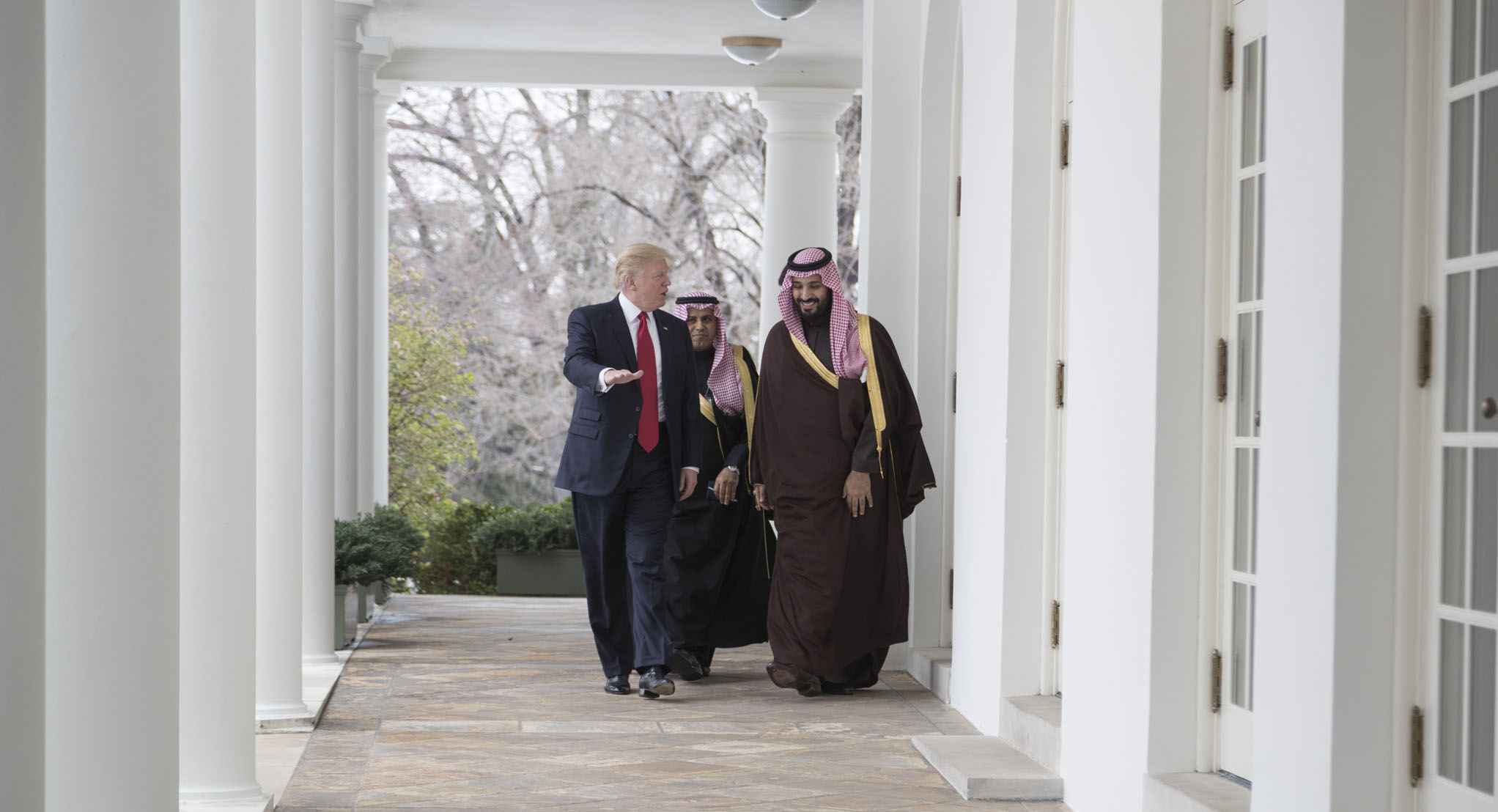
President Donald Trump praised Saudi Crown Prince Mohammed bin Salman as “incredible in terms of human rights” during an Oval Office meeting, preemptively deflecting questions about the kingdom’s extensive record of abuses as the crown prince pledged $1 trillion in US investments. The comments came despite weeks of pressure from human rights advocates urging Trump to confront the crown prince over Saudi Arabia’s recent grave abuses, an incomplete list of which is said to include record numbers of executions, torture of dissidents, systematic repression of women, and the killing of hundreds of Ethiopian migrants at the Yemen border. Human Rights Watch pointed out that Trump’s meeting with bin Salman came just five months after Saudi authorities executed journalist Turki al-Jasser, who had been arrested for social media posts critical of the regime in 2018 and charged with “high treason.” Executions in Saudi Arabia are carried out by beheading with a sword. (Photo of Mohammed bin Salman’s 2017 White House visit via Wikimedia Commons)

Greater Middle East
Yemen

Houthi attacks on Red Sea shipping condemned as war crimes

Human Rights Watch criticized renewed attacks launched by Yemen’s Houthi rebels on commercial cargo ships in the Red Sea. HRW characterized the recent attacks—one deadly—as  war crimes, and called for their immediate cessation as well as the release the crew members in Houthi custody. Houthi authorities claimed one of the attacked ships, which was returning from delivering aid to Somalia, was headed for the Israeli port of Eilat. However, this has not been corroborated. (Map via PCL)

Greater Middle East
warplanes

Civilian toll of US bombing in Yemen

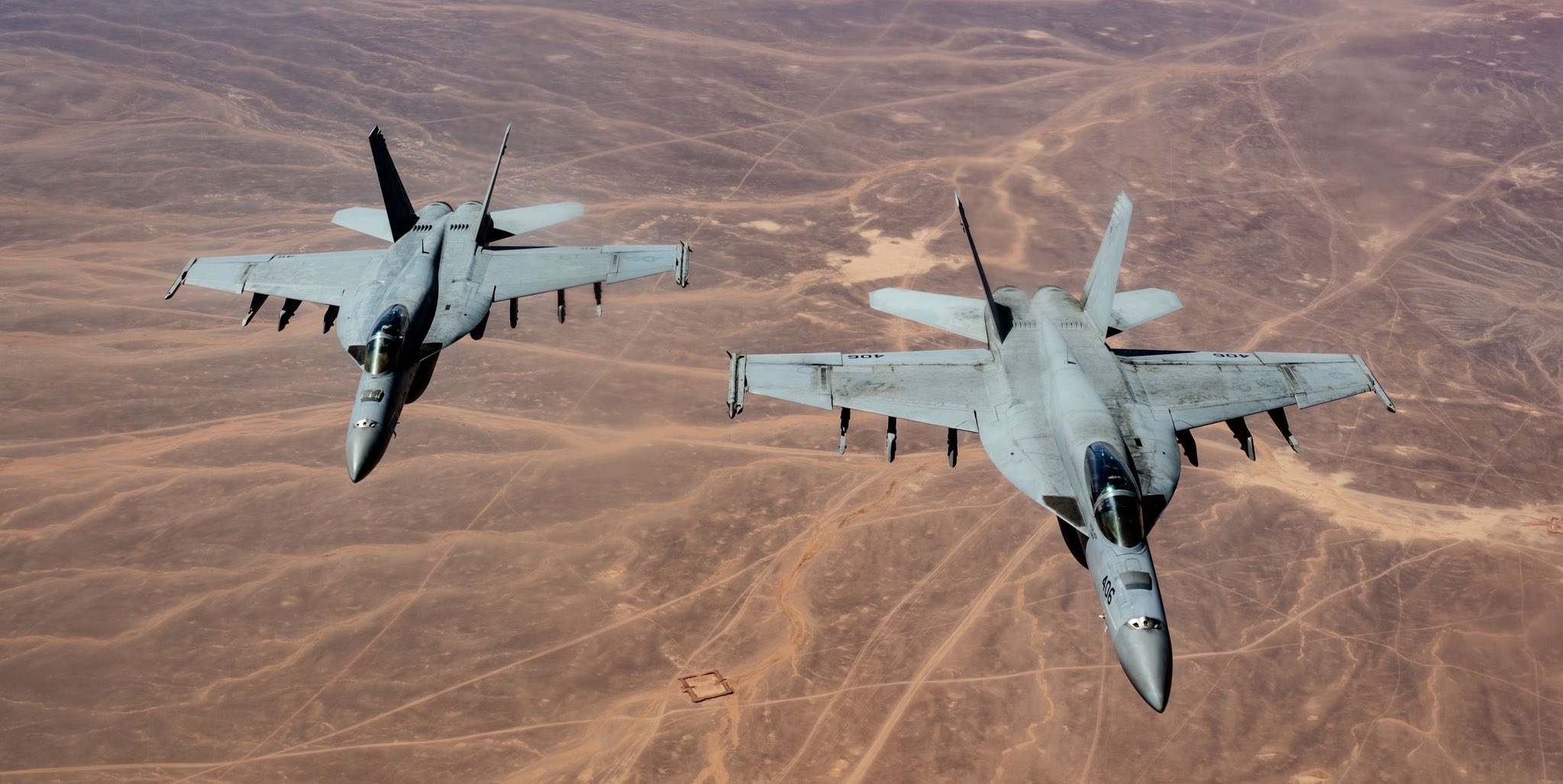
A late May ceasefire between Yemen’s Houthi rebels and the US appears to be holding, although Israel and the Houthis are still in conflict, with the latter saying this week that they have joined Iran’s war effort. A new report from casualty monitor AirWars looks at the civilian death toll during the 53 days of “Operation Rough Rider,” when Trump escalated a long-running US bombing campaign in Yemen. The monitor says at least 224 civilians were killed between the operation’s start in mid-March until the May truce, marking a massive escalation from previous US campaigns. If you also include the 258 civilians counted as killed in the previous 23 years of US operations against the Houthis, al-Qaeda, and other groups, it takes the overall civilian toll from US bombing in Yemen to almost 500. (Photo: CENTCOM)

Watching the Shadows
travel ban

Trump issues new ‘travel ban’ proclamation

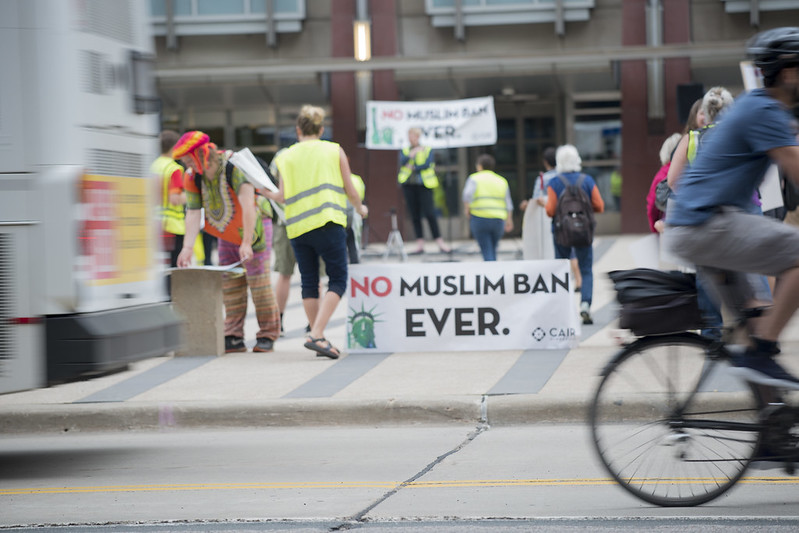
President Donald Trump issued a proclamation implementing a nearly full travel ban on nationals from a dozen countries, severely restricting potential entry into the United States. The proclamation is based on an executive order issued on Trump’s first day in office that laid the foundation for the administration to enact extensive immigration controls. Commentators have harshly criticized the ban, pointing out that it disproportionately affects Muslim-majority and African countries. Amnesty International’s secretary general Agnes Callamard lambasted Trump for the action, calling it “discriminatory, racist and downright cruel.” The restrictions bear a striking resemblance to Trump’s 2017 travel ban, which blocked travel to the United States from seven Muslim-majority countries. (Photo: Minneapolis protest of 2018 Supreme Court decision upholding Trump’s first travel ban. Credit: Fibonacci Blue/Flickr)

Greater Middle East
Yemen

Signal breach exposes flippant attitude to civilian deaths

Nearly 60 people, including children, have been killed as the United States expands its two-week bombing campaign in Yemen to include (according to a review by the Associated Press) “firing at ranking personnel as well as dropping bombs in cities.” This comes as recently exposed Signal messages between senior US officials discussing the air-strikes demonstrated a flippant attitude towards the lives of Yemeni civilians. In one disturbing exchange concerning an apparent strike on a civilian apartment building, National Security Advisor Mike Waltz writes: “The first target—their top missile guy—we had positive ID of him walking into his girlfriend’s building and it’s now collapsed.” “Excellent,” comes the reply from Vice President JD Vance. The messages, which were brought to light after a journalist from The Atlantic was mistakenly added to the officials’ group chat in a staggering breach of normal security protocols, show a callous indifference to the ethical implications of bombing civilian areas. This is perhaps unsurprising for a country that provided many of the planes and trained many of the pilots involved in the Saudi-led bombing campaign that killed over 9,000 Yemenis between 2015 and 2022. (Map via PCL)

Greater Middle East
warplanes

Trump launches air-strikes on Yemen, Iraq

President Donald Trump ordered a series of air-strikes on Yemen’s capital, Sanaa, promising to use “overwhelming lethal force” until the Houthi rebels cease their attacks on shipping along a vital maritime corridor. Houthi authorities said 13 civilians were killed in the strikes. Yemen’s Houthi rebels, who control the capital, have said they will resume attacks on ships in the Red Sea in response to Israel’s renewed blockade on aid to Gaza. Following the January Hamas-Israel ceasefire, the Houthis had paused their campaign of attacks on shipping, which they depict as a gesture of solidarity with the Palestinians (although many targets are not linked to Israel). Days before the strikes on Sanaa, a US air-raid in Iraq’s Anbar province reportedly killed Abdallah Makki Muslih al-Rifai, the second-highest ranking ISIS leader. (Photo: CENTCOM)

Watching the Shadows
Guantanamo

US transfers 11 Guantánamo detainees to Oman

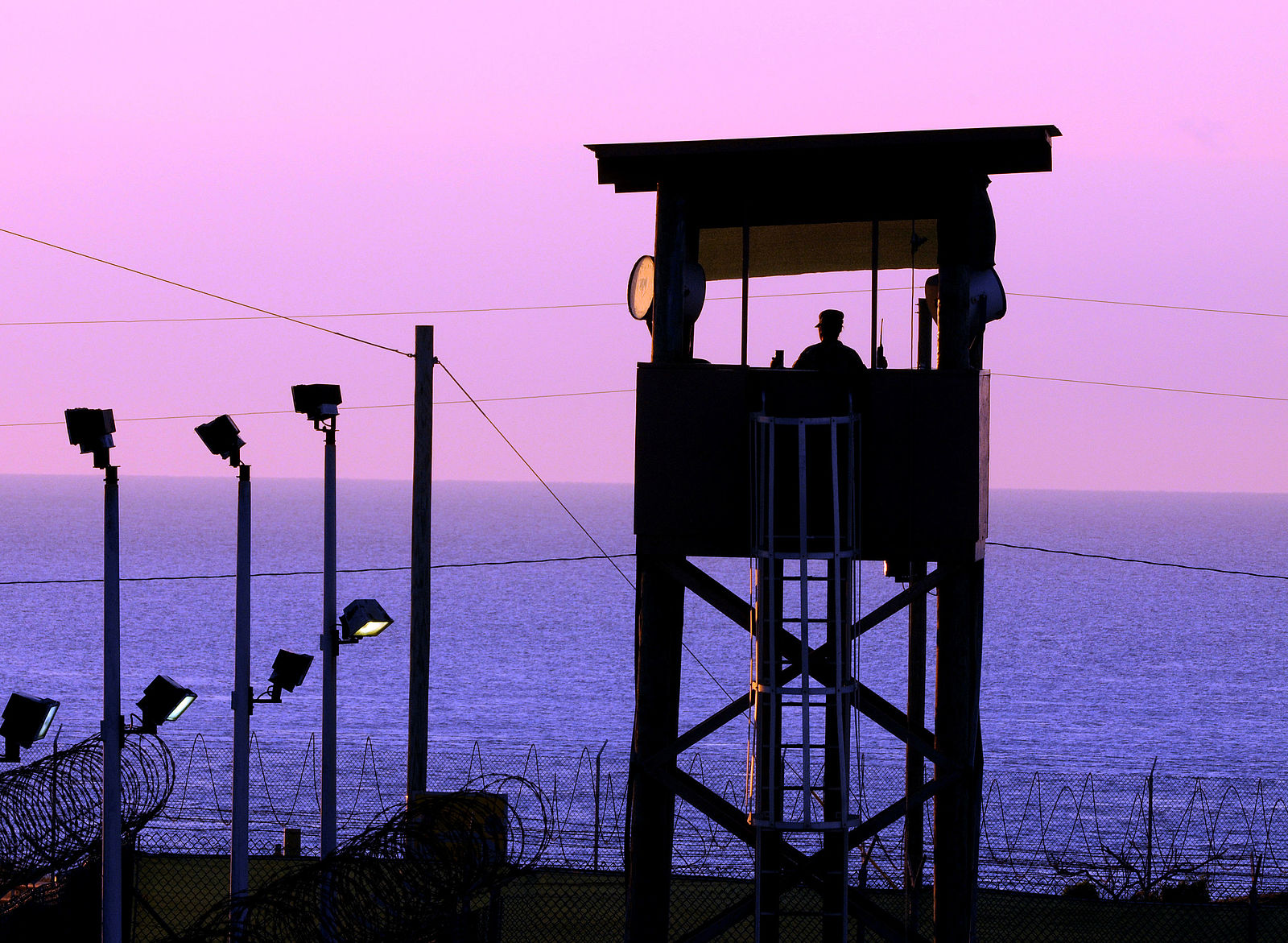
The US Department of Defense (DoD) announced the transfer of 11 Yemeni detainees from Guantanamo Bay prison to Oman, marking a significant step in reducing the population of the detention facility. The DoD stated that the Periodic Review Board (PRB) “determined by consensus” that the detention of the Yemeni prisoners under the law of war was no longer necessary as the prisoners did not continue to pose a significant national security threat. With this transfer, the DoD reduced the number of detainees at Guantanamo Bay by more than half, leaving only 15 in the detention center. (Photo: Gino Reyes/Wikimedia Commons)

Syria
Maariyah

Israeli troops fire on Syrian protesters

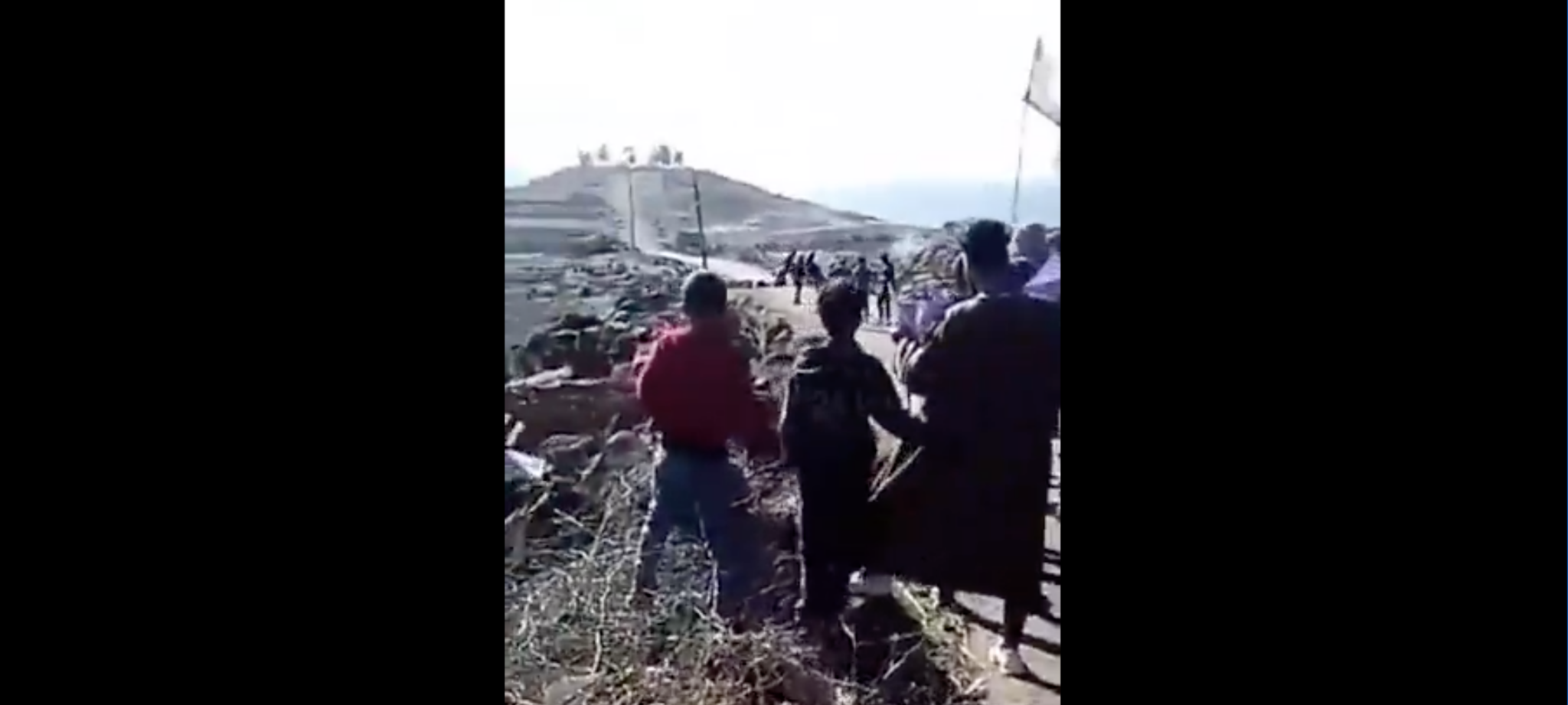
One was wounded as Israeli troops opened fire on Syrian protesters near the village of Maariyah, in southern Daraa province. Local residents gathered at a position the Israel Defense Forces (IDF) had established in the area, chanting “Free, free Syria; Israel get out!” One protester was shot in the leg. The IDF said its soldiers had fired in response to “a threat.” The incident came after villagers said that the troops, stationed in an abandoned Syrian army outpost, were preventing local farmers from accessing their fields. Maariya is near the Israeli-annexed Golan Heights, but outside the demilitarized “buffer zone” established by a 1974 ceasefire agreement between Israel and Syria. The news appears to confirm reports that IDF troops have advanced beyond the “buffer zone.” (Image via Twitter)

Greater Middle East
warplanes

US air-strikes on Yemen, Syria

Pentagon Central Command forces carried out multiple air-strikes against Houthi weapons facilities in Yemen. Both Air Force and Navy aircraft, including F-35C fighter jets, were involved in the strikes, which were in response to Houthi attacks on commercial ships and US-led coalition military vessels in the Red Sea, Bab al-Mandab Strait and Gulf of Aden. CentCom also conducted strikes against targets at two locations “associated with Iranian groups in Syria.” The strikes were in response to drone and artillery attacks on US personnel that took place at Mission Support Site “Green Village” in northeast Syria. (DOD News)