Greater Middle East
Daraya

Podcast: Libya and Syria, 12 years later

In Episode 165 of the CounterVortex podcast, Bill Weinberg notes the simultaneous 12th anniversary of the start of both the NATO intervention in Libya and the Syrian revolution. The NATO intervention was at root a bid to to control the political trajectory of the Arab Revolution, and bring about a Thermidor in which Western-backed technocrats would be ascendant. The Syrian people seized back the initiative with their popular uprising against the Bashar Assad dictatorship. But, following the precedent set in Libya, the Great Powers have intervened, seeking to impose their own order—over the heads of the Syrian people. This time, however, the principal interventionist power has not been the West seeking to coopt the revolution, but Russia seeking to prop up the genocidal ancien régime. Listen on SoundCloudor via Patreon. (Photo: Daraya, 2011 via Leila’s Blog)

Syria
Idlib displaced

Unnatural disaster in Syria’s northwest

In the wake of the devastating earthquake that has killed some 15,000 in Turkey and Syria, the contested political situation in the latter country is raising particular dilemmas. Aid agencies warn of “catastrophic” implications for Syria’s rebel-controlled northwest, where millions of displaced and vulnerable people were already in precarious straits and relying on humanitarian support before the quake. At least half of the estimated 2,000 dead in Syria are in the rebel-controlled area. Due to Russian influence at the UN on behalf of the Bashar Assad regime, humanitarian access is already limited to one border crossing—Bab al-Hawa. And Moscow and Damascus have been pressuring to close that one as well. (Photo: UNHCR)

Europe
Kremlin

US to designate Wagner Group ‘transnational criminal organization’

The US Treasury Department announced that it will designate the Russian mercenary organization Wagner Group as a “transnational criminal organization,” imposing further sanctions on the group’s financial activities. The Treasury Department press release on the move stated: “Wagner personnel have engaged in an ongoing pattern of serious criminal activity, including mass executions, rape, child abductions, and physical abuse in the Central African Republic (CAR) and Mali.” The Wagner Group is believed to have some 50,000 mercenaries fighting in Ukraine. (Photo: Wikipedia)

Syria
Iran

Turkey seeks Moscow ‘green light’ for assault on Rojava

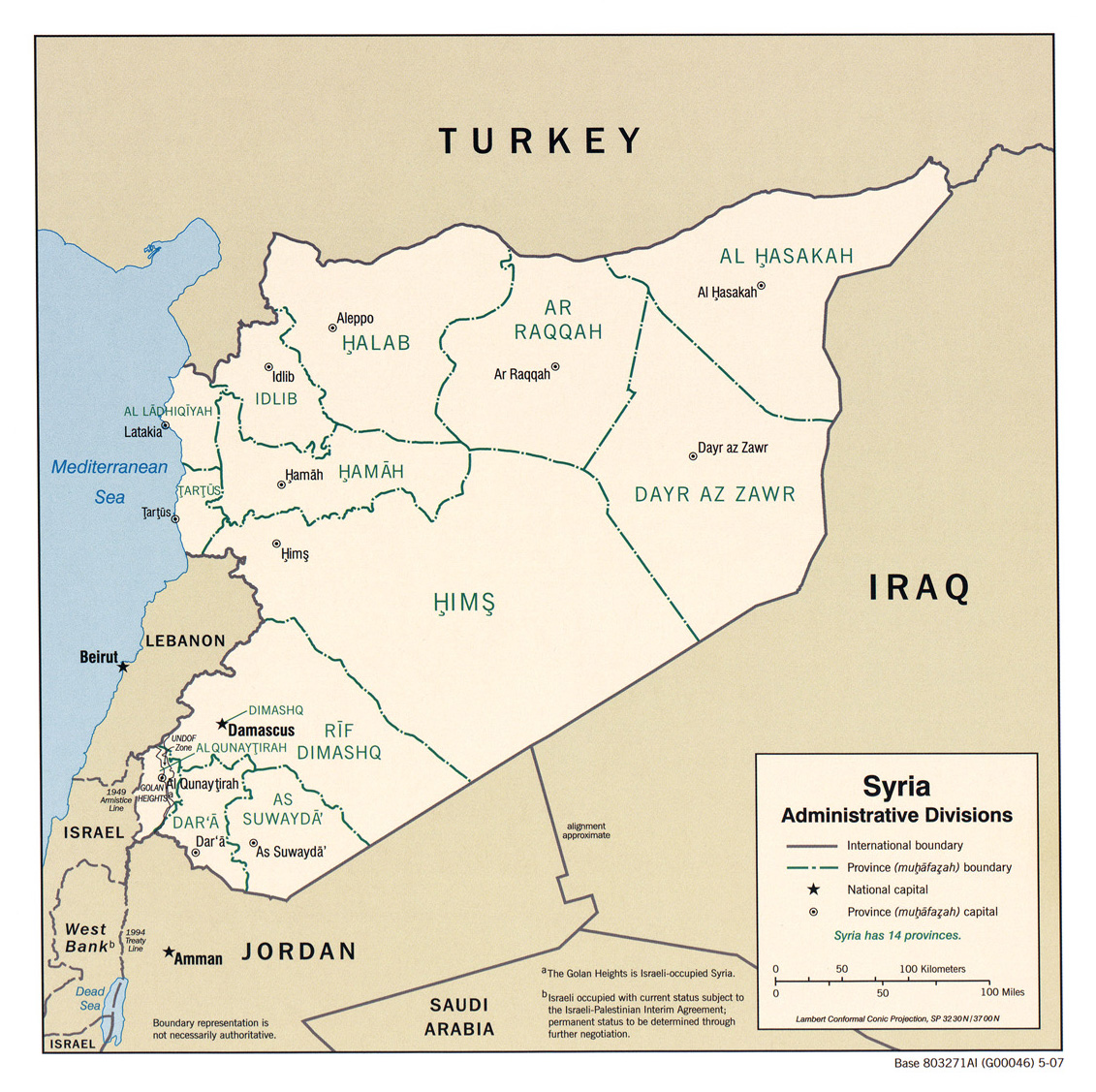
Turkey is now openly seeking cooperation from Russia, foremost foreign backer of the Bashar Assad dictatorship, in a long-planned cross-border operation into northern Syria against the Kurdish autonomous zone in the region, known as Rojava. Turkish Defense Minister Hulusi Akar said: “We are in talks and discussing with Russia about all issues including opening the airspace.” Meanwhile, ISIS sleeper cells are coming to life in the extremist group’s former de facto capital of Raqqa, which is jointly occupied by the US-backed Kurdish-led Syrian Democratic Forces (SDF) and Assad regime forces. Several have been killed on both sides as presumed ISIS militants launch armed attacks on SDF positions in the city. (Image: Pixabay)

Syria
SDF

Syria: SDF cooperation with Pentagon suspended

With Turkey preparing a new offensive against the reduced Kurdish autonomous zone in northern Syria’s Rojava region, the Kurdish-led Syrian Democratic Forces (SDF) have announced a halt to military cooperation with the United States. In a statement, the SDF said that “all coordination and joint counterterrorism operations” with the US-led coalition battling ISIS remnants in Syria have been suspended. The move is evidently intended to place pressure on the US to do more to constrain Turkish President Recep Tayyip Erdogan, who reportedly now has his sights on the remaining significant strongholds of the autonomous administration, Tal Rifaat, Manbij and Kobane. The US has some 600 troops embedded with the SDF in Syria. (Photo: SOHR)

Europe
Pushilin

Podcast: Ukraine: against the ‘Nazi’ calumny

In Episode 152 of the CounterVortex podcast, Bill Weinberg calls out the relentless propaganda exploitation of the Azov Battalion to tar Ukraine as “Nazi” by the same pseudo-left hucksters (e.g. the inevitable Grayzone) who engage in shameless shilling for the fascist regime of Bashar Assad in Syria—which is beloved of the radical right and which employed fugitive Nazis to train its security forces. These hucksters also (of course) join with far-right figures such as Marjorie Taylor Greene and NickFuentes in openly rooting for Putin and opposing aid to Ukraine. And while hyperventilating about the Azov Battalion (which years ago purged its far-right leadership), they make no note of the Nazis fighting on the Russian side in Ukraine. This is both pseudo-pacifist war propaganda and fascist pseudo-anti-fascism. Listen on SoundCloud or via Patreon. (Image: Denis Pushilin, head of the Russian-backed Donetsk “People’s Republic,” giving an award to one of his thugs who is wearing two Nazi insignia on his sleeve. Credit: The Sun. Fair use rights asserted)

Europe
Hagal

Propaganda exploitation of Italy neo-Nazi bust

Italian police carried out raids against an armed neo-Nazi network called the Order of Hagal, arresting five suspected militants. Searches in Naples and other cities turned up large caches of fascist regalia. In addition to swastika flags and Mussolini portraits was a banner of Ukraine’s Azov Battalion, with whom one member of the network is said to have fought. This is avidly jumped on by Putin propaganda outlet Grayzone, under the headline: “Blowback: Italian police bust Azov-tied Nazi cell planning terror attacks.” Grayzone of course fails to mention that in the press photos where the regalia is displayed, the Azov Battalion ensign appears directly below that of the European Solidarity Front for Syria, a pro-Assad formation rooted in Italy’s far-right Casa Pound movement. (Photo: IPA/Fotogramma via  Sky TG24. Fair use rights asserted.)

Syria
rojava

Turkey bombs Rojava, pressures Sweden

Turkish warplanes carried out air-strikes on several towns within the Kurdish autonomous zone in northern Syria, known as Rojava. Among the towns hit was Kobane, from where Ankara says the order was given for the suicide attack in Istanbul that left six dead. ”Kobane, the city that defeated ISIS, is subjected to bombardment by the aircraft of the Turkish occupation,” tweeted a spokesperson for the Kurdish-led Syrian Democratic Forces (SDF). Both the SDF and affiliated Kurdistan Workers Party (PKK), named by Turkish authorities as behind the Istanbul attack, deny any involvement. Three days after the blast, Sweden acceded to Turkish demands that it stiffen “anti-terrorist” measures as a precondition for joining NATO. The Swedish Riksdag adopted a constitutional amendment facilitating passage of laws to limit freedom of association for those who engage in or support “terrorism.” Turkey has long accused Sweden of giving harbor to exiled PKK sympathizers. (Photo via ANF)

Greater Middle East
Iran

Multiple interventions continue in Syria

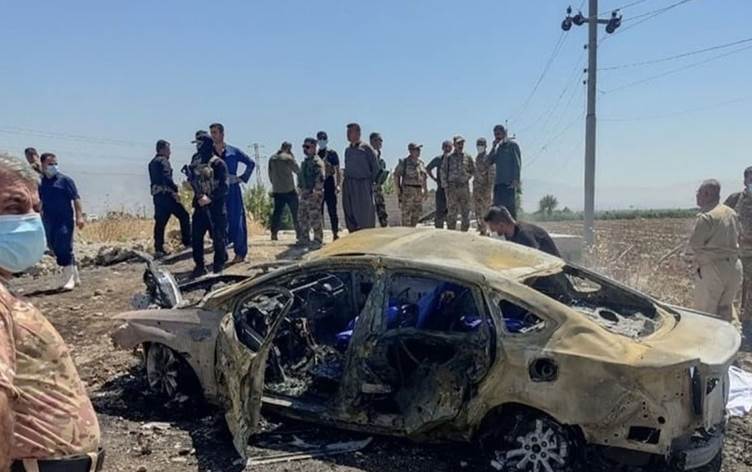
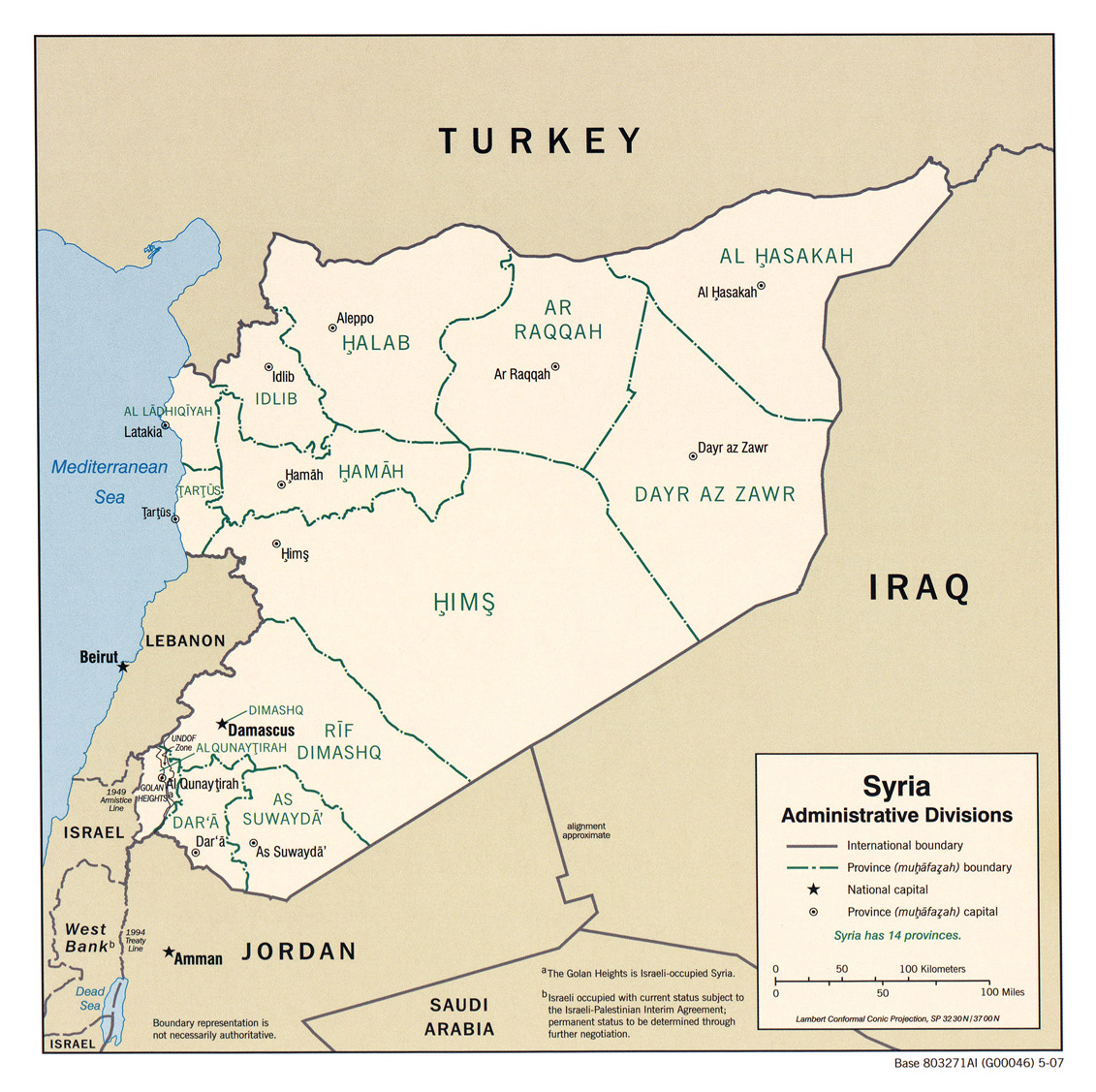
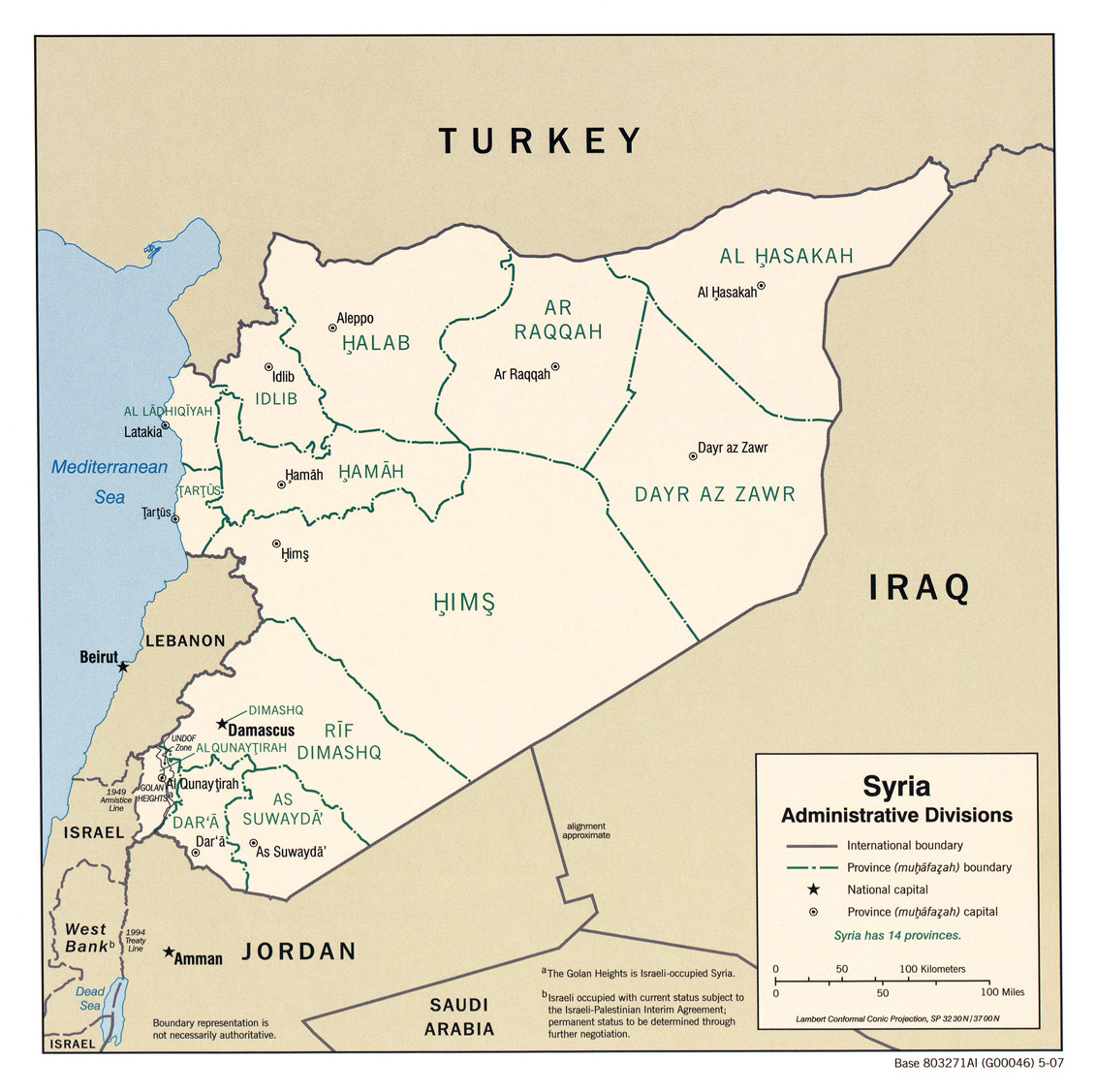
An air raid on the convoy of an Iran-backed militia in eastern Syria’s Deir az-Zor province left 14 presumed fighters dead and made brief headlines. There was immediate speculation that the raid was the latest in the small but growing handful of times over the course of the 10-year Syrian war that the US has bombed forces allied with the Assad regime. The strikes did immediately follow the slaying of a US aid worker in Iraq. However, Israel has for years also carried out sporadic air-strikes on similar targets in Syria, and has likewise come under suspicion in this attack. Getting far less media attention are ongoing air-strikes by Russia and the Assad regime on the remaining pocket of rebel control in Syria’s northwest. Just three days before the Deir az-Zor attack, Russian or regime strikes in Idlib province targeted a displaced persons camp, leaving at least seven noncombatants dead—and winning few international headlines. (Image: Pixabay)

Europe
Jill Stein

Podcast: against pseudo-pacifist war propaganda II

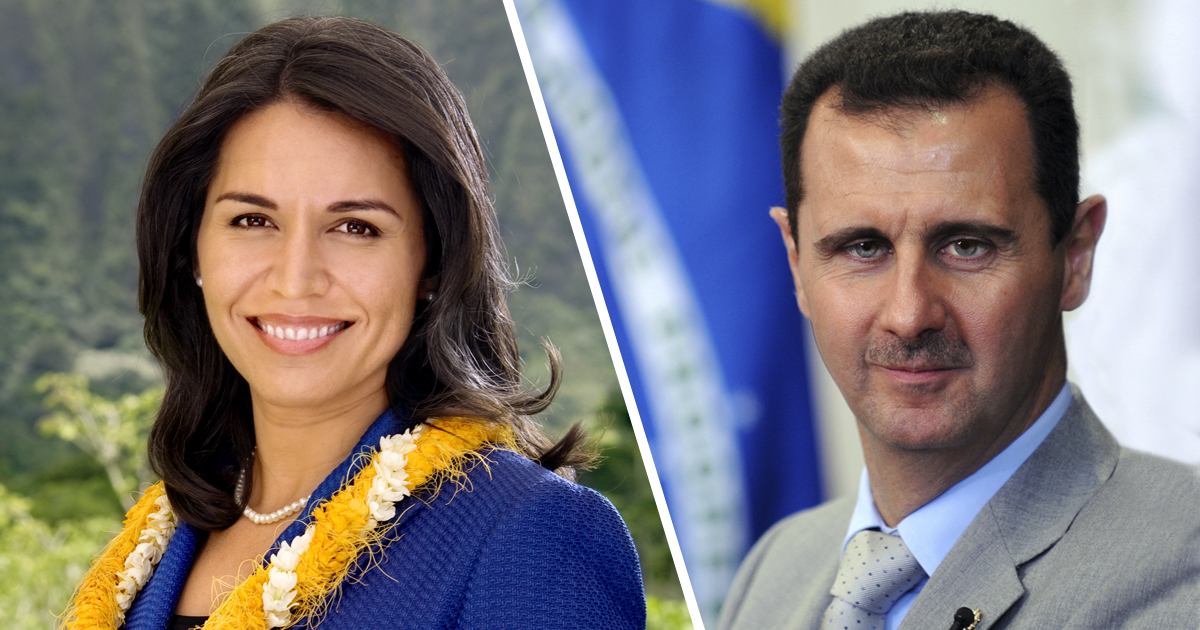
In Episode 148 of the CounterVortex podcast, Bill Weinberg notes that the ANSWER Coalition—a formation so “tankie” that it actually displays portraits of the genocidal Syrian dictator Bashar Assad at its Orwellian “anti-war” rallies—is holding a panel at The People’s Forum in New York on “The Real Path to Peace in Ukraine.” The headlining speaker is to be Jeremy Corbyn, who was bashed by Ukraine’s government as a “useful idiot” of Vladimir Putin for joining a panel demanding a cut-off of military to aid to the besieged nation. Other panelists are even more subservient to Moscow’s military aims, including Vijay Prashad, Medea Benjamin, Jill Stein and Brian Becker. Notably absent from the panel (of course) are any progressive Ukrainian voices—such as Yuliya Yurchenko or Vladislav Starodubtsev of the Ukrainian left-opposition group Sotsialniy Rukh (Social Movement), Taras Bilous, editor of the Ukrainian socialist journal Commons, or Artem Chapeye, Noam Chomsky’s Ukrainian translator who called Chomsky out in an open letter for abetting Russian propaganda after the war began. All these Ukrainian voices, whatever strong criticism they may have of the neoliberal government of Volodymyr Zelensky, are unequivocal on the need to defend Ukraine against Russian imperialist assault. Whereas this hypocritical “anti-war” panel is an exercise in pseudo-pacifist war propaganda. Listen on SoundCloud or via Patreon. (Photo of Jill Stein dining with Putin via social media)

Planet Watch
Chad

Podcast: climate change and the global struggle II

In Episode 147 of the CounterVortex podcast, Bill Weinberg notes the recent statement from the UN Environment Program that “only a root-and-branch transformation of our economies and societies can save us from accelerating climate disaster.” Studies from similarly prestigious global bodies have raised the prospect of imminent human extinction. An International Energy Agency report released last year warned that new fossil fuel exploration needed to halt by 2022 in order to keep warming within the limits set by the 2015 Paris Agreement. Adoption of new technologies and emissions standards does mean that CO2 emissions from energy generation (at least) are likely to peak by 2025. But the IEA finds that this would still lead to global temperatures rising by 2.5 C above pre-industrial levels by century’s end—exceeding the Paris Agreement limits, with catastrophic climate impacts. And the catastrophic impacts, already felt in places like Chad and Cameroon, win but scarce media coverage. Climate-related conflict has already escalated to genocide in Darfur. Climate protests in Europe—at oil terminals and car shows (as well as, less appropriately, museums)—do win some attention. But the ongoing resistance to oil mega-projects in places like Uganda and Tanzania are comparatively invisible to the outside world. The dire warnings from the UN and IEA raise the imperative for a globalized resistance with an explicitly anti-capitalist politics. Listen on SoundCloud or via Patreon. (Photo of Tantaverom region of Chad via UNDP)