Iraq
Turkey

Turkish strikes on Iraq after Ankara blast

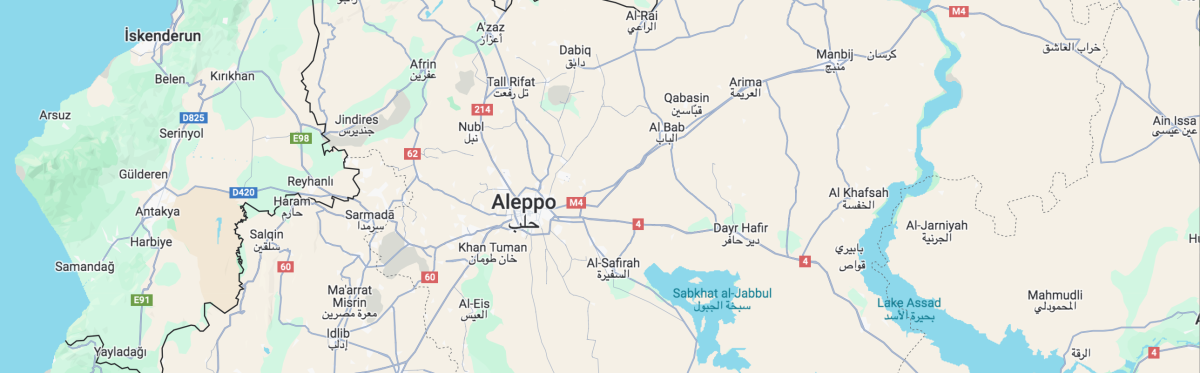
Turkey launched a wave of air-strikes on Kurdish rebel positions in northern Iraq, hours after a suicide blast at the Interior Ministry complex in Ankara. The Turkish military said 20 targets were destroyed and several fighters of the Kurdistan Workers Party (PKK) “neutralized.” The People Defense Forces (HPG), armed wing of the PKK, released a statement saying a “sacrificial action” against the Ministry was carried out by a unit of their Immortal Brigade. Two assailants, both women, were killed in the attack, and two police officers wounded. The statement said the attack was a “warning” to the Turkish government over its ongoing military operations against Kurdish militants both in Syria and Iraq. (Map: CIA)

Syria
idlib

Syria: revolution reborn

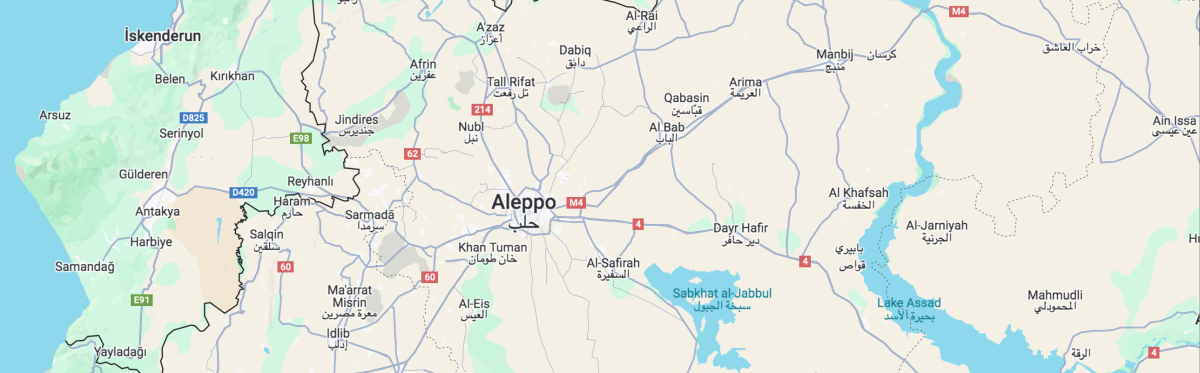
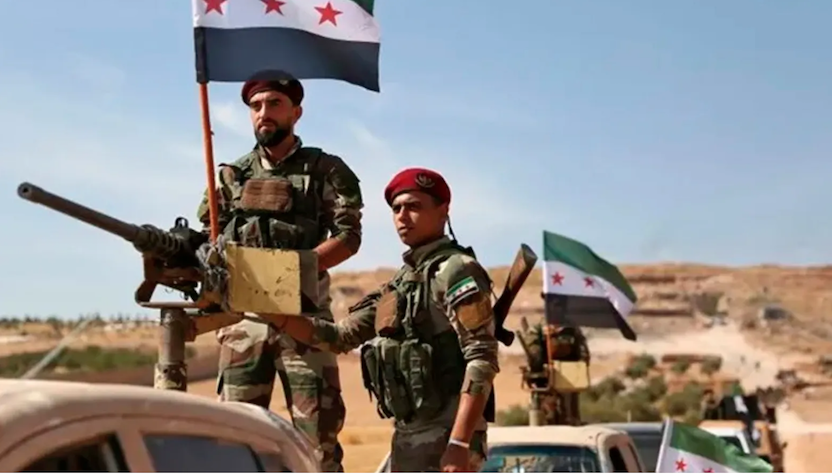
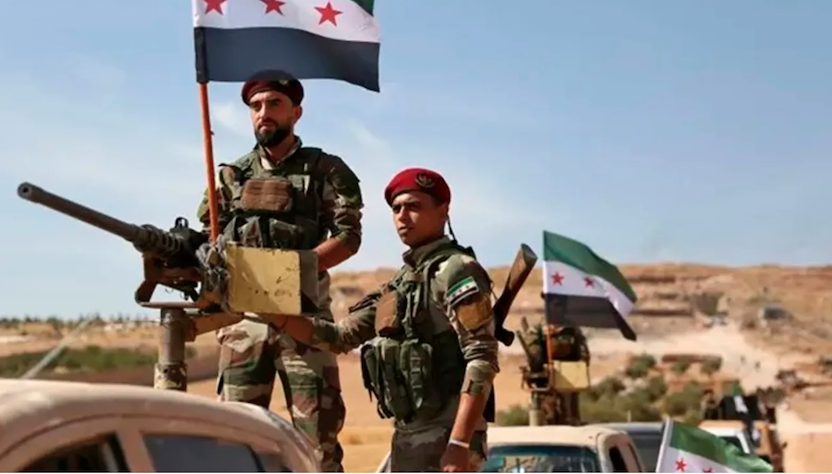
The Free Syria flag again flew high in villages, towns and cities across the country, as thousands filled the streets, reviving the chants of the revolution. Protests first erupted in the regime-held south of the country, especially the Druze-majority city of Suwayda. They were triggered by a recent increase in fuel prices as the regime has yet again cut subsidies. But the protests soon escalated to renewed calls for the downfall of the Bashar Assad dictatorship, and spread to other regime-held cities—including Aleppo, the country’s largest, which was savagely bombarded by regime and Russian warplanes in 2015-6. Demonstrations in support of the new uprising were also mobilized in the opposition-held northern pocket of the country. (Photo of Idlib demonstration by Omar Albam, via Leila’s blog)

Syria
Afrin

Turkey intransigent on Syria occupation zone

In his drive for “normalization” of his regime, Syran dictator Bashar Assad has been welcoming meetings with regional leaders in recent months. However, in comments to a reporter, he set a withdrawal of Turkish troops from northern Syria as a precondition for any meeting with Turkey’s President Recep Tayyip Erdogan. “Erdogan’s objective in meeting me is to legitimize the Turkish occupation in Syria,” Assad said. Turkey’s Defense Minister Yasar Guler responded by saying: “It is unthinkable for us to withdraw without ensuring the security of our borders and our people.” Ankara continues to demand the establishment of a 30-kilometer deep “buffer zone” cleared of any Kurdish armed groups. (Photo: Mark Lowen via Wikimedia)

Syria
Idlib displaced

Syria: grim reality behind Assad’s new aid offer

The Security Council has failed to renew the resolution allowing the UN to deliver aid across the border from Turkey to rebel-held northwest Syria, throwing into question the future of a relief effort that is crucial for millions of people. The day after the resolution expired, Russia vetoed a new resolution that would have allowed access through one border crossing into the region, Bab al-Hawa, for nine months. Two days after that, The Assad regime said it will allow UN aid into the northwest via Bab al-Hawa for six months—if it is done “in full cooperation and coordination with the government.” But this is unlikely to be welcomed by many Syrian and international aid groups, given that the current system was set up back in 2014 largely because of the Assad regime’s obstruction of aid. (Photo: UNHCR)

Syria
Jisr al-Shughur

Russia, Israel both still bombing Syria

At least 13 people, nine of them civilians, were killed in Russian air-strikes within the so-called “de-escalation zone” in northern Syria’s Idlib province, with some of the strikes hitting a crowded vegetable market. The area targeted in the raid, already suffering a severe displacement crisis, is controlled by the Tahrir al-Sham (HTS) Islamist faction. Meanwhile, sporadic Israeli air-strikes on regime-held Syrian territory also continue—with apparent tacit approval from Russia, as long as they target the Iranian military presence in the country. (Photo: @SyriaCivilDef)

Watching the Shadows
Randi Nord

Podcast: ‘tankies,’ ‘false flags’ & the ‘gray zone’

A tankie agent carried out “false flag” vandalism of a synagogue and other Jewish targets in Detroit, attempting to blame it on the Azov Battalion and tar Ukrainians. She turns out to have been a member of the retro-Stalinist Workers World Party and a staff writer for openly dictator-shilling MintPress News—which has itself engaged in “false flag” disinformation, blaming the Syrian rebels for chemical attacks against their own strongholds by the Bashar Assad regime. MintPress has also received funding directly from the Assad Lobby. In Episode 176 of the CounterVortex podcast, Bill Weinberg examines this ultra-cynical propaganda nexus, and asks whether such agents are mere “useful idiots” for the Kremlin or actual conscious assets operating in the “gray zone“—the sphere of “hybrid warfare” in which the line between state and non-state actors is blurred. Listen on SoundCloud or via Patreon. (Image: Bob from Brockley)

Syria
syrian refugees

Lebanon: halt ‘refoulement’ of Syrian refugees

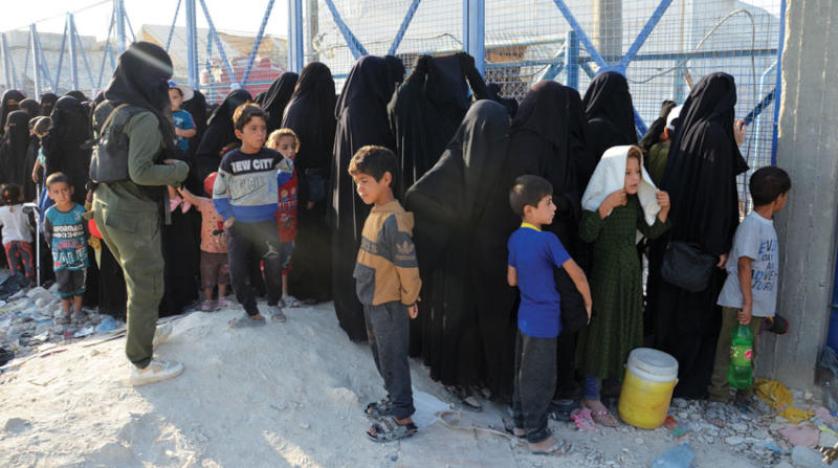
The Syrian Network for Human Rights (SNHR) joined with 20 other human rights organizations to issue a joint statement protesting Lebanon’s summary deportation of Syrian refugees. The rights organizations say the deportations violate the international law principle of non-refoulement, which protects individuals from being returned to a country where they may face torture, cruel or degrading treatment, or other irreparable harm. “The Lebanese Armed Forces have recently summarily deported hundreds of Syrians back to Syria, where they are at risk of persecution or torture,” the statement charges. “The deportations come amid an alarming surge in anti-refugee rhetoric in Lebanon and coercive measures intended to pressure refugees to return.” (Photo: EU Civil Protection & Humanitarian Aid via Flickr)

Syria
syria

Syria: regime ‘normalization’ —amid war and hunger

At a closed meeting in Cairo, Arab League foreign ministers approved a measure to readmit Syria after more than a decade of suspension—a critical victory for the normalization of Bashar Assad’s genocidal regime. This diplomatic coup, however, cannot mask the reality that Syria’s war is not over. Assad may have retaken most of the country, but various rebel and Kurdish forces still control much of the north. Civilians are still being killed in shelling and other violence. Even before earthquakes devastated large parts of northern Syria three months ago, continuing conflict and a debilitating economic crisis meant deepening hunger. Humanitarian needs in Syria were already at a record high. But amid mounting global crises, the UN-coordinated appeal for Syria in 2023 is only eight percent funded. And food prices are still rising, making it harder still for aid groups to meet the urgent and growing needs of millions of Syrians. (Photo: Giovanni Diffidenti/UNICEF via UN News)

Greater Middle East
Border wall

Turkish border guards torture, kill Syrians: report

Turkish border guards are indiscriminately shooting at Syrian civilians on the border with Syria, as well as using excessive force and even torture against asylum-seekers and migrants trying to cross into Turkey, Human Rights Watch charges. A new report cites hundreds of deaths along the border in recent years, with several killings and abuses this year. Since the beginning of 2023, the Syrian Observatory for Human Rights has recorded 11 deaths and 20 injuries along the frontier caused by Turkish border guards. Human Rights Watch independently documented and verified two such incidents. (Photo: Wikimedia Commons)

Palestine
Jerusalem

Israel’s paramilitary plan advances

The Israeli cabinet authorized plans for a paramilitary “National Guard” sought by far-right National Security Minister Itamar Ben-Gvir to target violence and unrest in Palestinian communities within Israel. Prime Minister Benjamin Netanyahu’s office said that a committee comprised of Israel’s existing security forces is to determine the Guard’s responsibilities, and whether it will be subordinate to the Israel Police or take orders directly from Ben-Gvir, as he demands. Opposition leader Yair Lapid responded by calling the plan an “extremist fantasy of delusional people,” and slammed a decision to cut budgets from other ministries “to fund Ben-Gvir’s private militia.” (Photo: RJA1988 via Jurist)

Syria
ssnyc

Syria: reject ‘normalization’ of Assad regime

Syrian dictator Bashar Assad arrived in the United Arab Emirates for an official visit—another advance in the attempt to normalize his genocidal regime. The trip was accompanied by more pomp than Assad’s visit to the UAE last year, his first to an Arab state since the Syrian revolution began in March 2011. The UAE trip follows a visit to Oman last month. Days before the UAE visit, Assad was in Moscow for a meeting with Vladimir Putin at the Kremlin. In addition to voicing support for Putin’s war in Ukraine, Assad told Russia state media that he welcomes any expansion of Moscow’s military bases in Syria. Meanwhile, opposition activists held a demonstration in Idlib, within Syria’s diminished pocket of rebel control, marking the 12th anniversary of the revolution. Thousands gathered under the Free Syria flag in the city’s center, to proclaim that the revolution survives and to oppose normalization of the regime. (Photo: Syrian Revolution commemoration in Times Square, NYC. Via Syria Solidarity NYC)