Afghanistan

ISIS claims latest Kabul attack

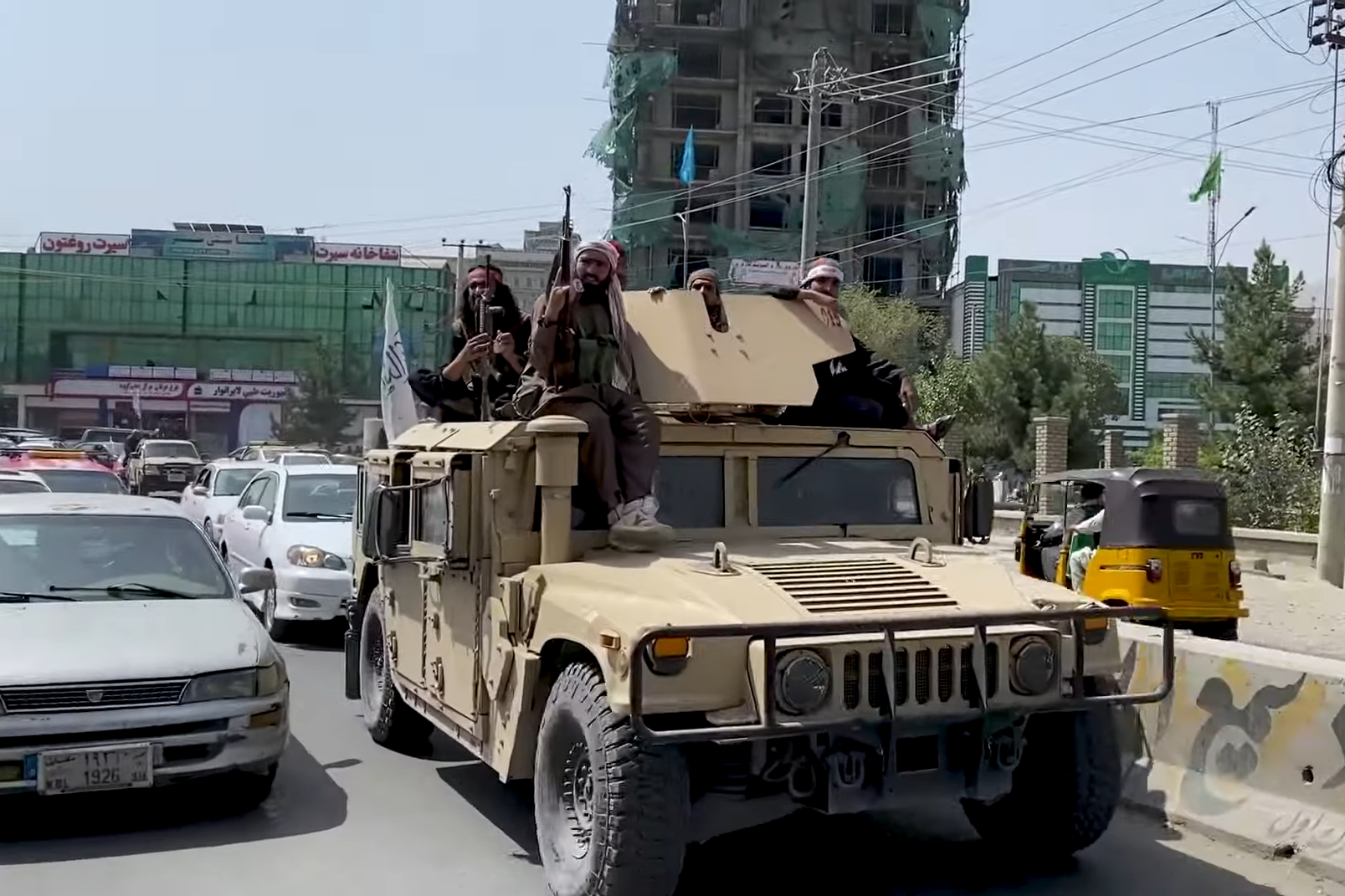
A coordinated attack on a compound of the Afghan army in capital Kabul left at least 11 soldiers dead. Two suicide bombers blew themselves up outside the barracks of the army's 111th division in Qargha district before a small team of gunmen moved in. The Islamic State claimed responsibility for the attack through its Amaq news agency. This was the third large attack in Kabul since Taliban insurgents launched an assault on Intercontinental Hotel that left over 20 dead. The second attack came when presumed Taliban militants denoted an ambulance packed with explosives near an Interior Ministry compound, killing over 100. Another six people were killed in an assault claimed by ISIS on the office of aid group Save the Children in the eastern city of Jalalabad. (Photo: Khaama Press)

Africa

Social progress in ‘unrecognized’ Somaliland

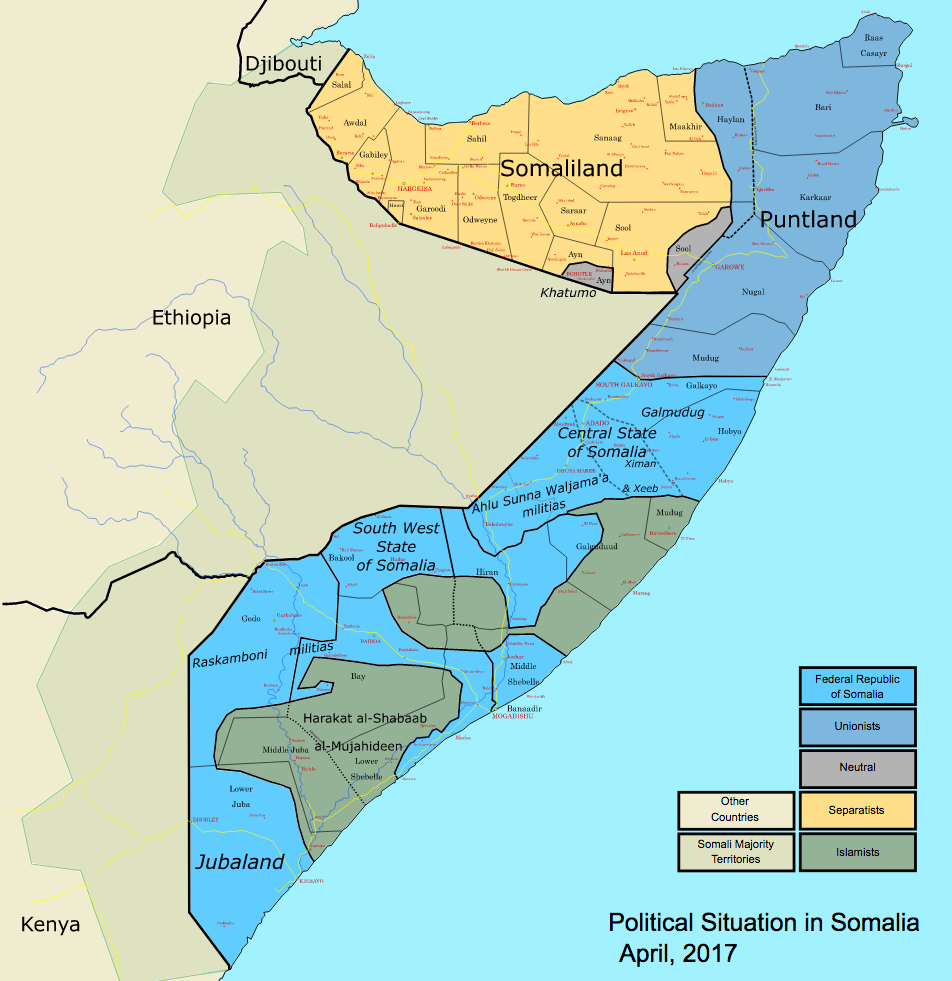
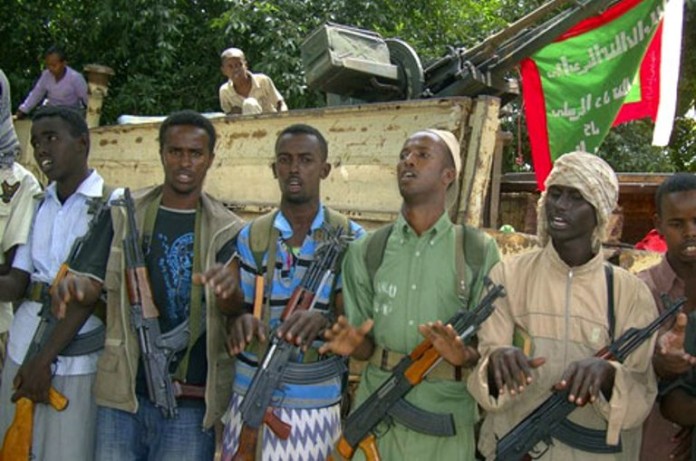
The unrecognized but de facto independent republic of Somaliland made rare headlines when its parliament voted to instate criminal penalties for rape—actually a groundbreaking move in the region. The "official" government of Somalia still has no law against rape. And while Somaliland just elected a new president by popular vote, Somalila's president was chosen by parliament. Regular elections are impossible in Somalia due to the fact that the government has no effective control of its own territory—despite military support of an Ethiopia-led "peacekeeping" force.

Iran

Iran: uprising against austerity —and clerical rule?

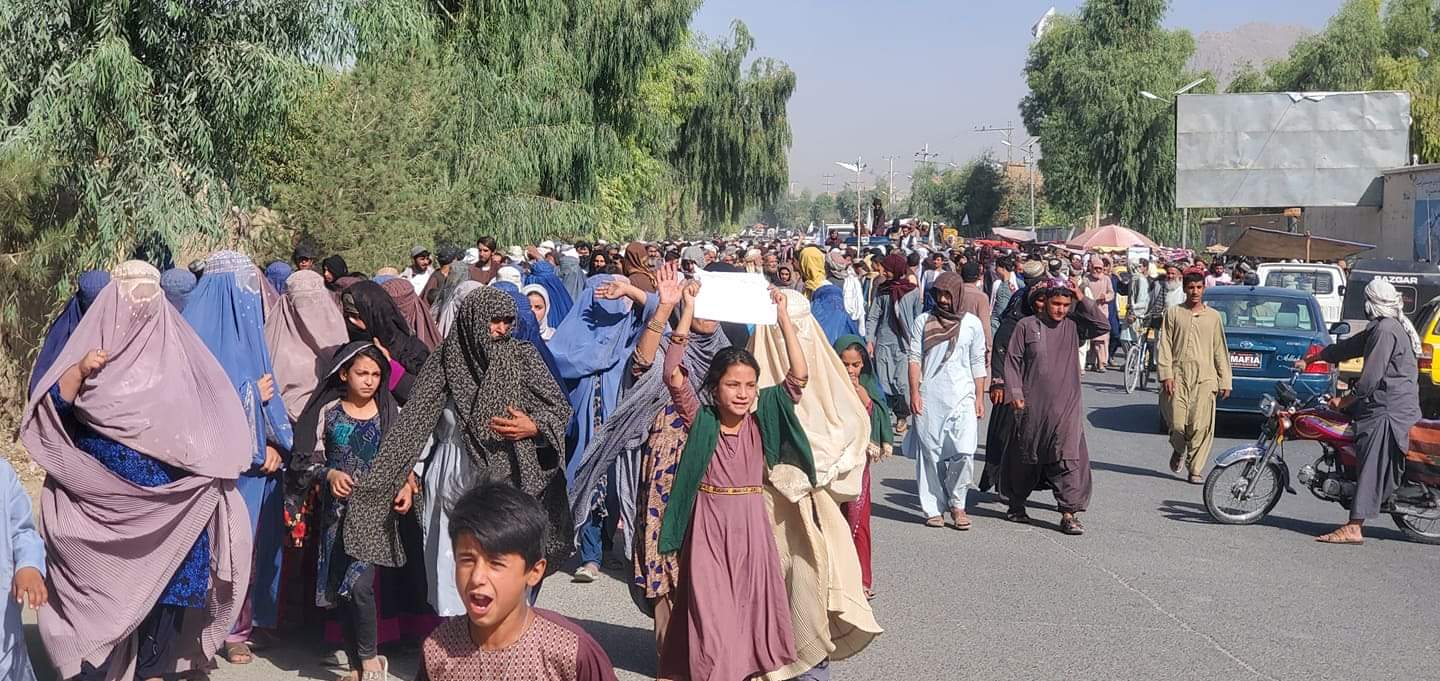
A wave of protests across Iranian cities began as a response to inflation and economic pain, but shows signs of escalating to a popular repudiation of clerical rule. Spontaneous protests first broke out in the northeast city of Mashhad, where security forces responded with tear-gas and water cannons. Since then, protests have been reported from Kermanshah and Hamadan in the west, Rasht and Sari in the north, Ahvaz in the southwest, and Qom and Isfahan in central Iran. Arrests are also reported from the capital, Tehran, where a group of demonstrators attempted to occupy a public square. Protests began with the slogan "Death to high prices!" But as repression mounted, demonstrators began chanting "Death to the dictator," in apparent reference to President Hassan Rouhani and the ruling mullahs. (Photo: Center for Human Rights in Iran)

South Asia

Hatred of Ahmadis behind Pakistan protests

The protests that paralyzed Islamabad and other Pakistani cities were ostensibly sparked by changes to the oath of office, eliminating text recognizing Mohammed as God's final prophet. But behind this was orthodox Sunni fear of the Ahmadiyya Muslim sect, which holds that 19th century founder Mirza Gulam Ahmed was the last prophet. As the protests mounted, Ahmadi Muslims faced threats across Pakistan, the Islamic world and the diaspora.

Greater Middle East

Egypt: Sufis targeted in Sinai mosque massacre

At least 235 were killed and over 100 wounded in a suicide attack as people gathered for Friday prayers at a mosque in Egypt's North Sinai. Women and children are among the dead. The mosque is said to be run by adherents of a local Sufi order, and includes a zawiya—a lodge used by order members for prayer and chanting. Although no group has yet claimed responsibility for the massacre, followers of Sufi Islam have faced numerous attacks by ISIS cells operating in the Sinai Peninsula.

North Africa

Tunisia: one step forward, one step back

Tunisia's parliament voted to overturn a 1973 directive prohibiting marriage between a Muslim woman and a non-Muslim man—a victory for the country's transition to secular rule. But one day earlier, the parliament voted overwhelmingly to approve a controversial amnesty law pardoning thousands implicated in corruption and embezzlement under the former regime of Zine El-Abidine Ben Ali. The opposition bloc boycotted the vote, as protesters massed outside the parliament building, calling the step a move back toward dictatorship.

North Africa

Libya: fatwa against ‘infidel’ Berbers

The Amazigh Supreme Council (ASC) of Libya, representing the Berbers in the country's western mountains, responded strongly to the fatwa issued by clerical authorities attached to the "Interim Government" based in Libya's east against the practice of Ibadhi branch of Islam. The fatwa refers to Ibadhi Muslims as "infidels." Nearly all followers of Ibadhi Islam in Libya are ethnic Berbers in the Nafusa Mountains. The ASC called the fatwa "a direct incitement for genocide."

Afghanistan

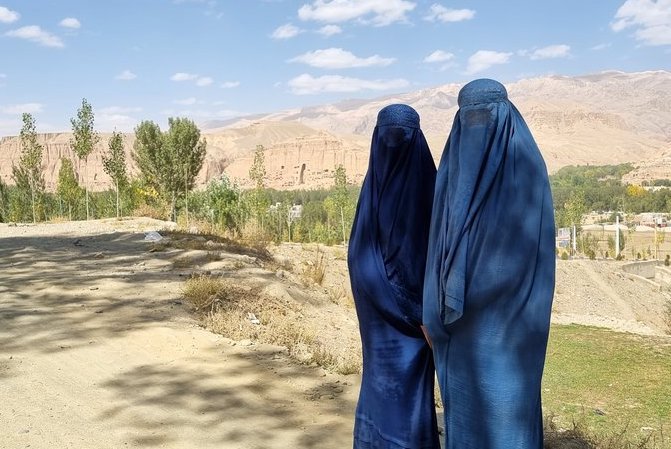
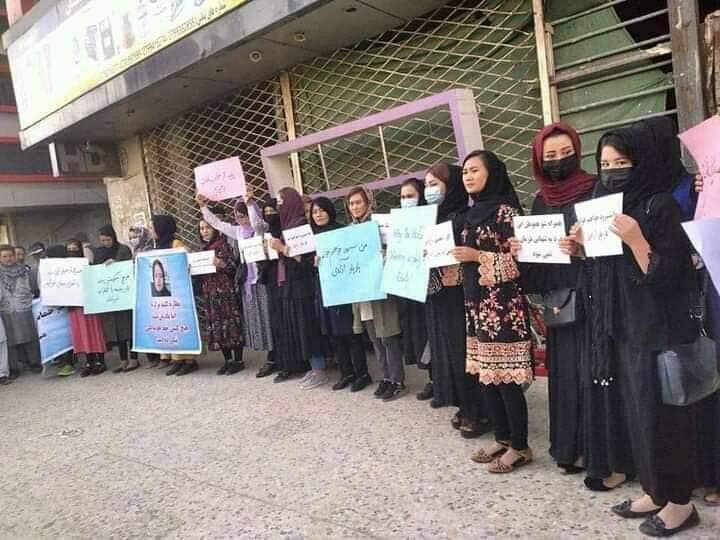
Women excluded from Afghanistan peace talks

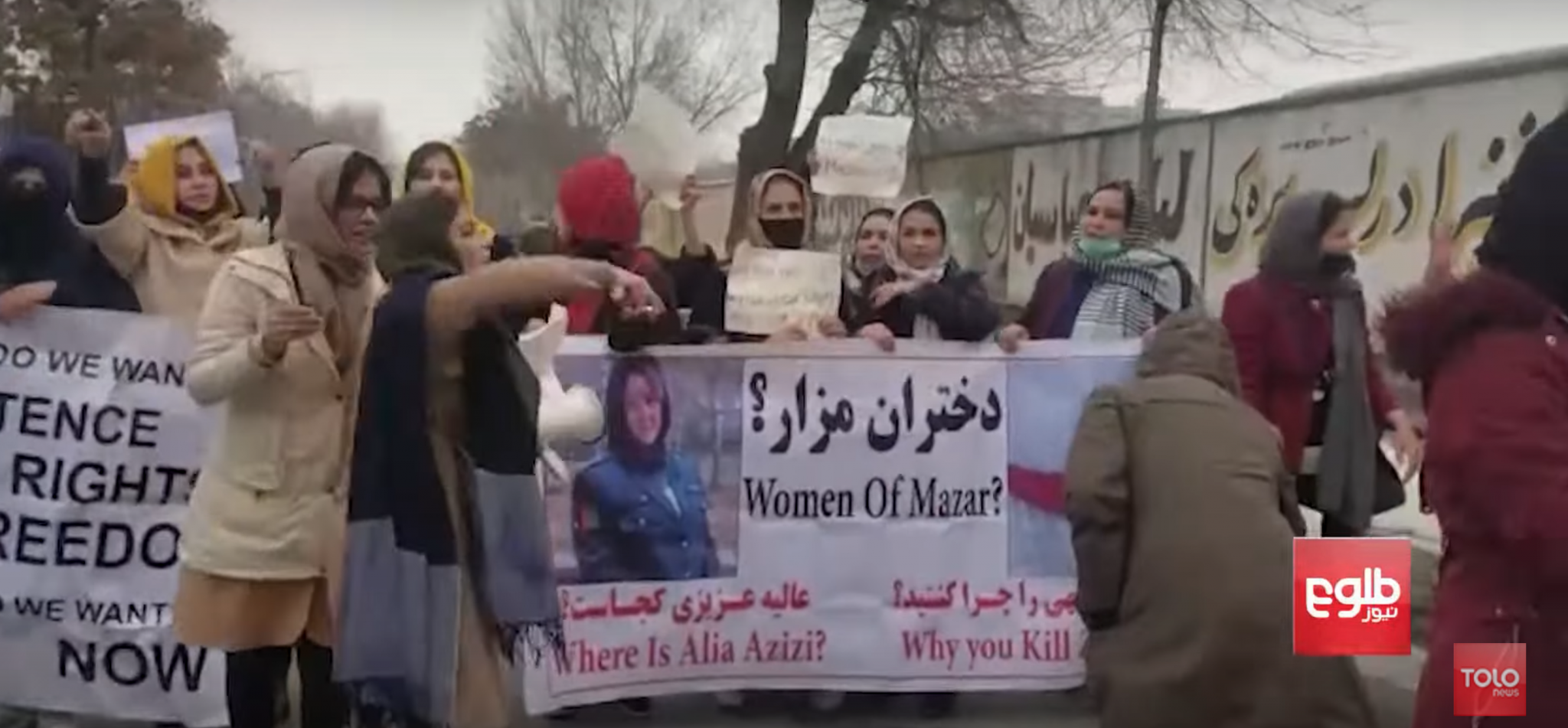
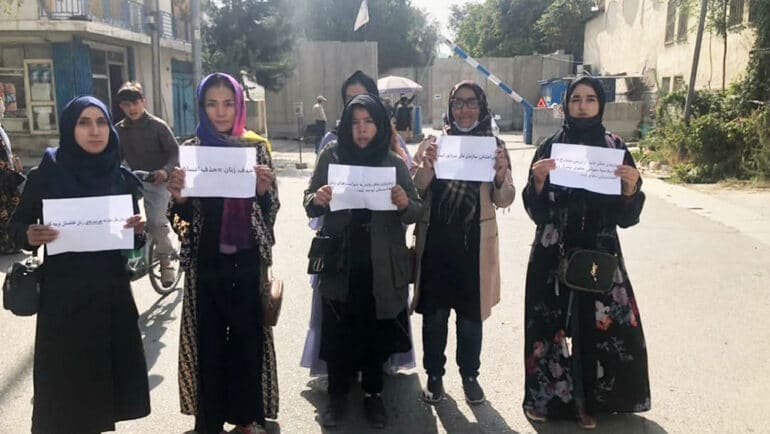
The "Kabul Process" peace talks opened in Afghanistan's capital—but with no representatives from the Taliban or other insurgent groups, and practically no presence of Afghan women.

Greater Middle East

Abused women forcibly deported to Saudi Arabia

Two sisters abused by their family in Saudi Arabia were deported by Turkey—despite their asylum bid and fears they will be tortured or even executed by Saudi authorities.

Iran

Right-wing populist slammed in Iran

Hardliner Ebrahim Raeesi reluctantly accepted Hassan Rouhani's victory after a bitter campaign, with cultural rights for Kurds and other ethnic minorities a critical dividing line.