

Iran
Tehran

Protest wave spreads across Iran

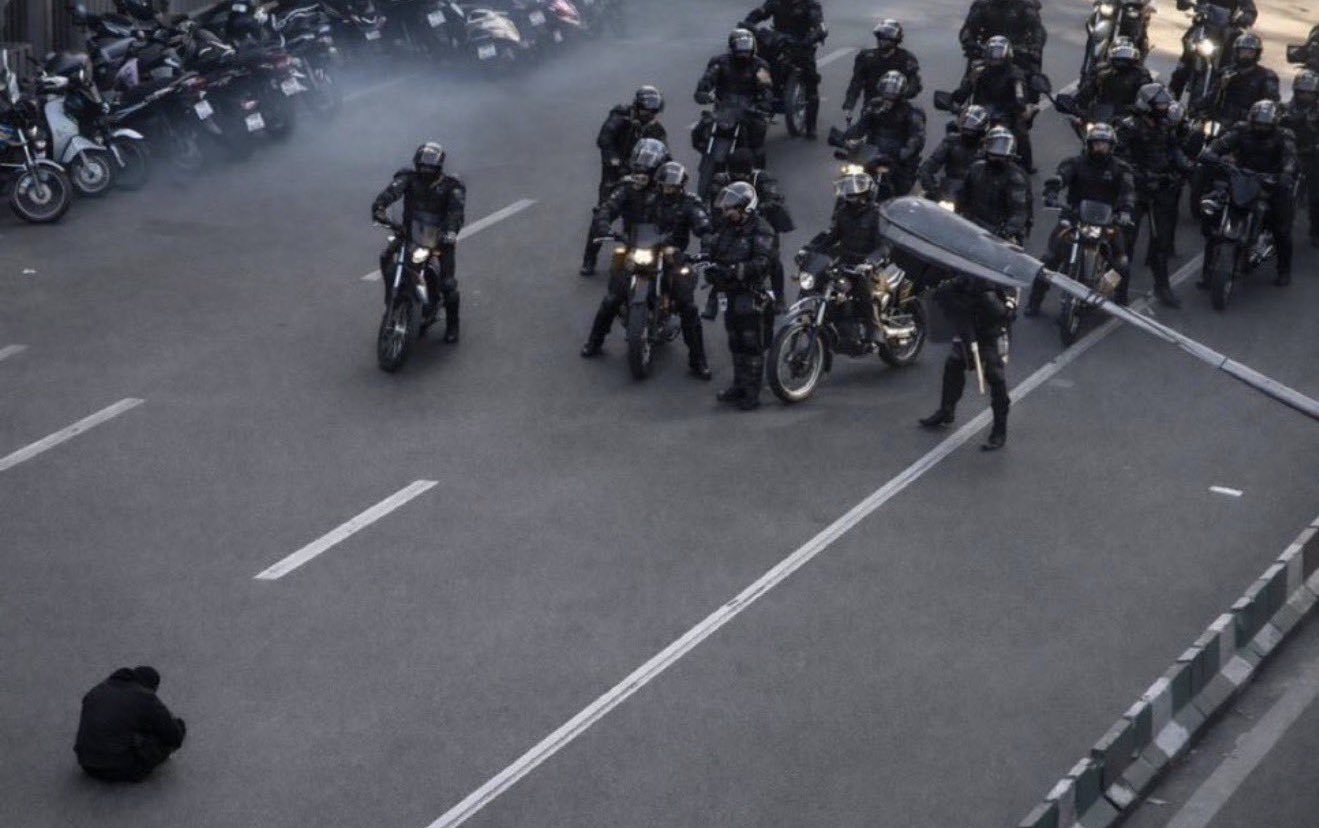
On the third day of protests by Tehran bazaar merchants in response to the dire economic situation in Iran, the strike started to spread across the country. Shopkeepers in Isfahan, Ahvaz, Shiraz, Kermanshah and Najafabad closed their stalls and held protest gatherings, where they were joined by students who walked off university campuses. Security forces responded with multiple arrests and the use of live fire and tear-gas, with one student reported severely injured in Tehran. Protest slogans escalated beyond economic grievances, openly targeting clerical rule and Supreme Leader Ayatollah Ali Khamenei. A photo of a lone protester blocking a column of police motorcycles on a Tehran freeway has gone viral, drawing comparisons to the iconic “tank man” photo from Tiananmen Square in June 1989. (Photo via Twitter)

Central America
Honduras

Post-electoral tension in Honduras

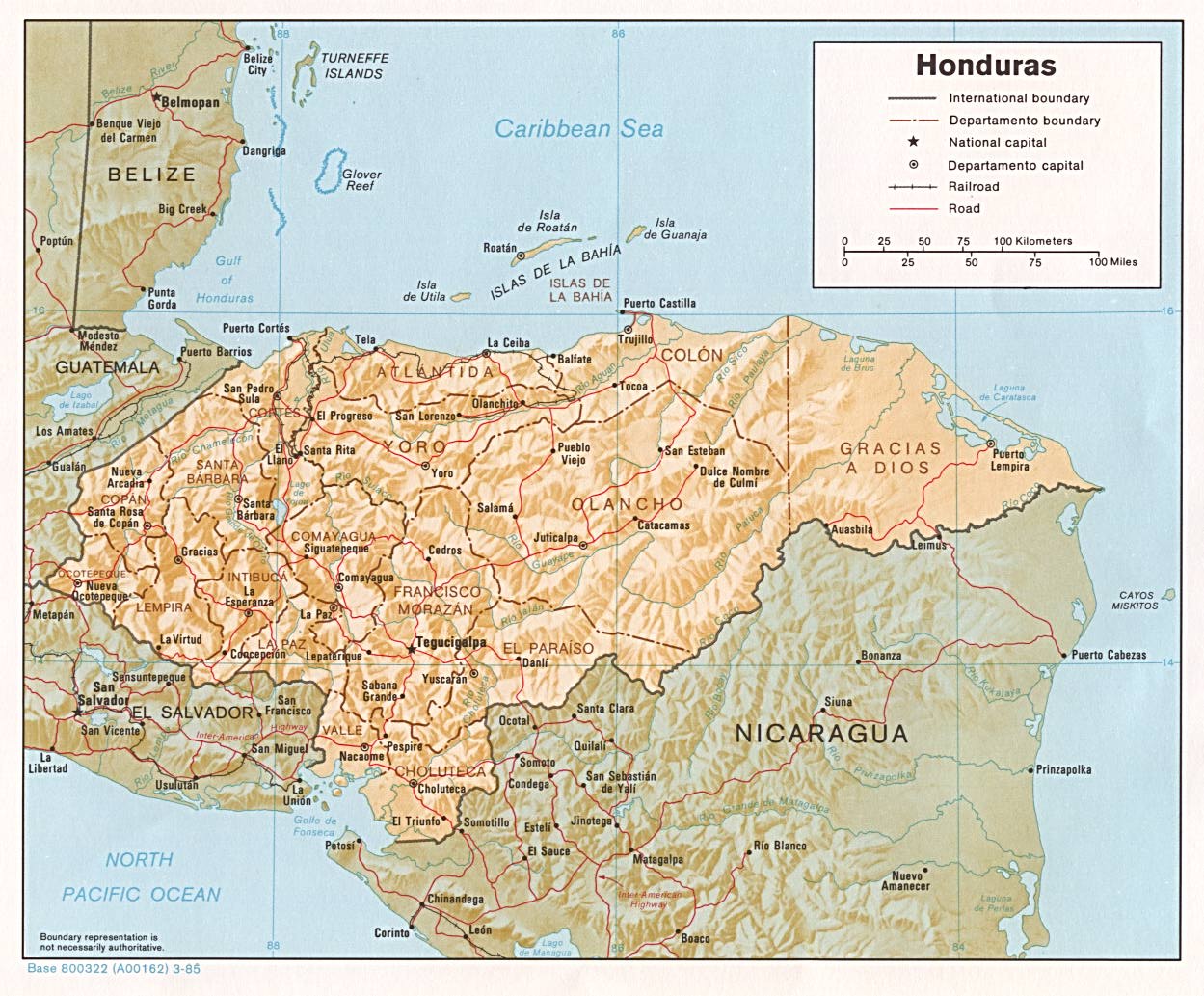
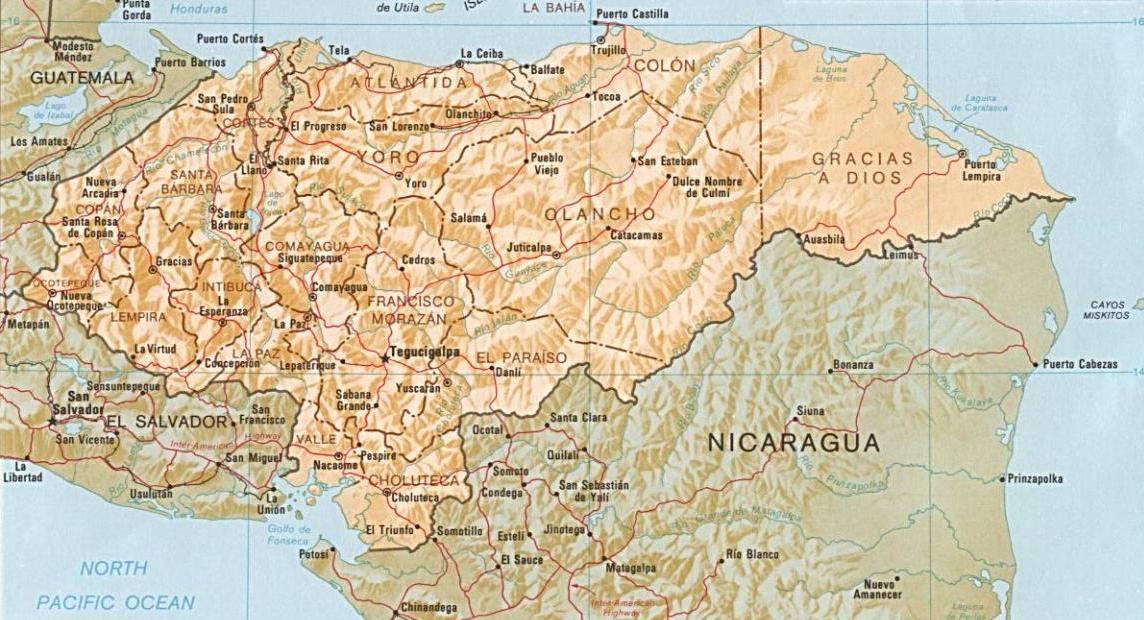
Honduras is on tenterhooks as the results of its presidential election have not yet been finalized, and Trump has threatened reprisals if his favored candidate fails to win. Since the voting, ex-president Juan Orlando Hernández—convicted in the US last year of drug trafficking and bribery—was pardoned by Trump and released from prison. Adding to the unease is the country’s deeply flawed vote-transmission system, which has crashed twice during the count. This has enabled politicians from across the spectrum—as well as Trump—to fuel the tension by raising allegations of fraud. (Map: Perry-Castañeda Library)

Afghanistan
Durand

Fighting breaks out along Durand Line

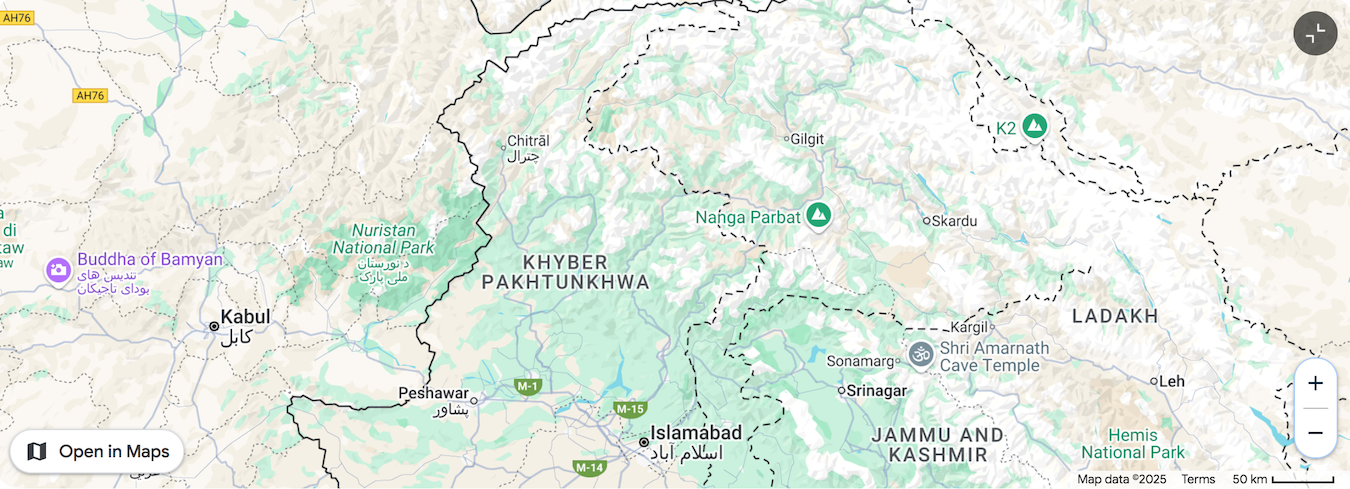
According to reports in Pakistan’s media, the Afghan Taliban and affiliated militants launched an attack from the Afghan side of the border, killing at least 23 Pakistani troops and injuring some 30 others. Pakistan’s Foreign Minister Ishaq Dar stated that troops responded to cross-border raids by “Fitna-e-Khawarij and Fitna-e-Hindustan terrorist elements.” This appears to be a reference to the Tehrik-i-Taliban Pakistan (TTP), which Islamabad accuses the Afghan Taliban of providing sanctuary to. In contrast, a statement from Hamdullah Fitrat, spokesman for the Islamic Emirate of Afghanistan, said that conditions on the “imaginary line” with Pakistan are under control. Relations between Pakistan and Afghanistan have been fraught with tension, especially around the disputed Durand Line border. Established in 1893 between British India and Afghanistan, this border has never been officially recognized by any Afghan government since the partition of India in 1947, leading to a persistent territorial dispute. (Map: Google)

Africa
Madagascar

‘Gen Z’ uprisings in Morocco, Madagascar

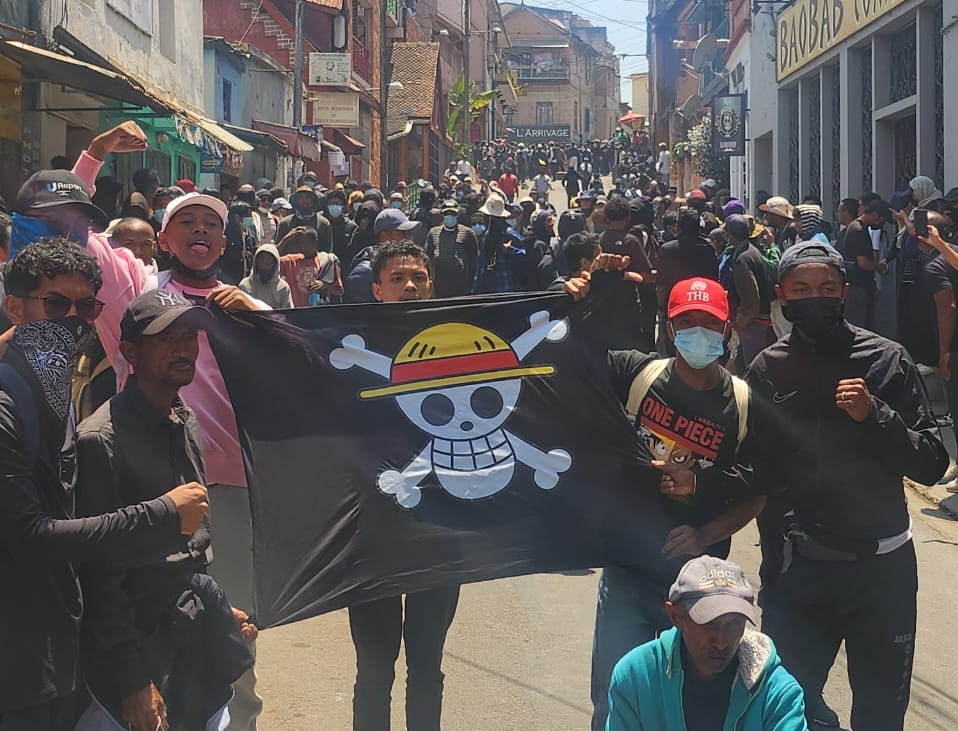
Youth-led protests demanding better education and healthcare in Morocco escalated into violent clashes with security forces. The protests were organized online by a loose network calling itself “GenZ 212,” after Morocco’s country code. In the southern cities of Tiznit, Inzegane and Ait Amira, as well as the eastern city of Oujda and Temara near the capital Rabat, hundreds of protesters hurled stones at security forces attempting to disperse the gatherings. At least two protesters were killed when police opened fire in Lqliaa, near the coastal city of Agadir. But there was far worse violence in Madagascar, where President Andry Rajoelina announced the dissolution of the government in response to youth protests over power and water shortages. The UN criticized Malagasy authorities’ response to the demonstrations, reporting at least 22 people killed and hundreds injured. The Madagascar demonstrations were also organized under the banner of “Gen Z.” (Photo via Mika R/Twitter. Madagascar protesters use appropriated image from One Piece manga series.)

Palestine
GREAT Trust

White House plans revealed for mass displacement of Gazans

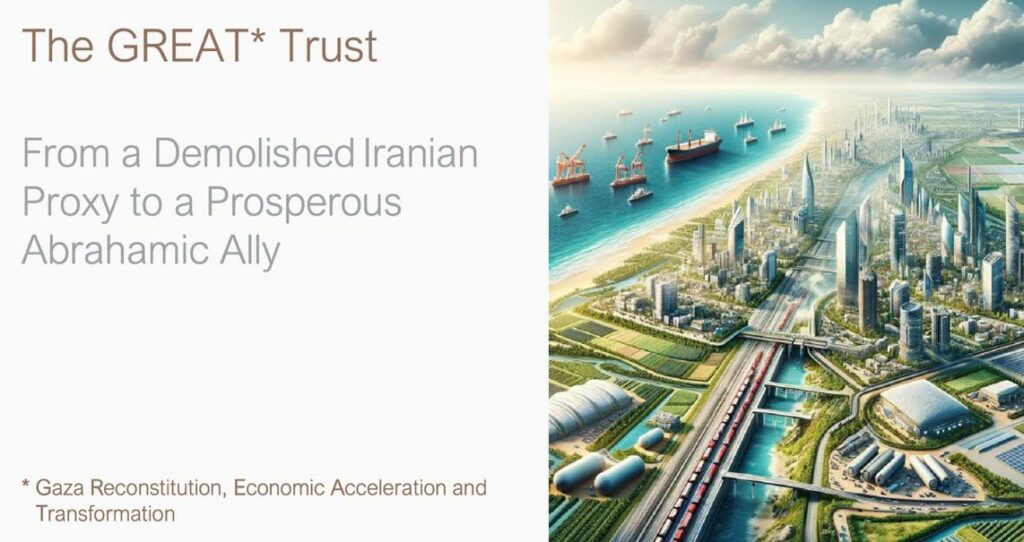
Future plans for the Gaza Strip currently circulating among United States government officials call for the relocation of the entire population to make way for construction of tourist resorts and tech industry hubs under a decade of US administrative control, according to a Washington Post exclusive. The 38-page document obtained by the newspaper includes full-color artist renderings of the envisioned “Riviera of the Middle East.” The prospectus, yet to be officially approved, would see the US take the Strip under trusteeship for at least 10 years, overseeing “voluntary departures” of the residents to third countries or into “restricted” zones within the territory. A “Gaza Reconstitution, Economic Acceleration & Transformation Trust” (GREAT Trust) would be established to coordinate the effort. (Image via Mada Masr)

North Africa
Betty Lachgar

Moroccan feminist arrested for ‘blasphemy’

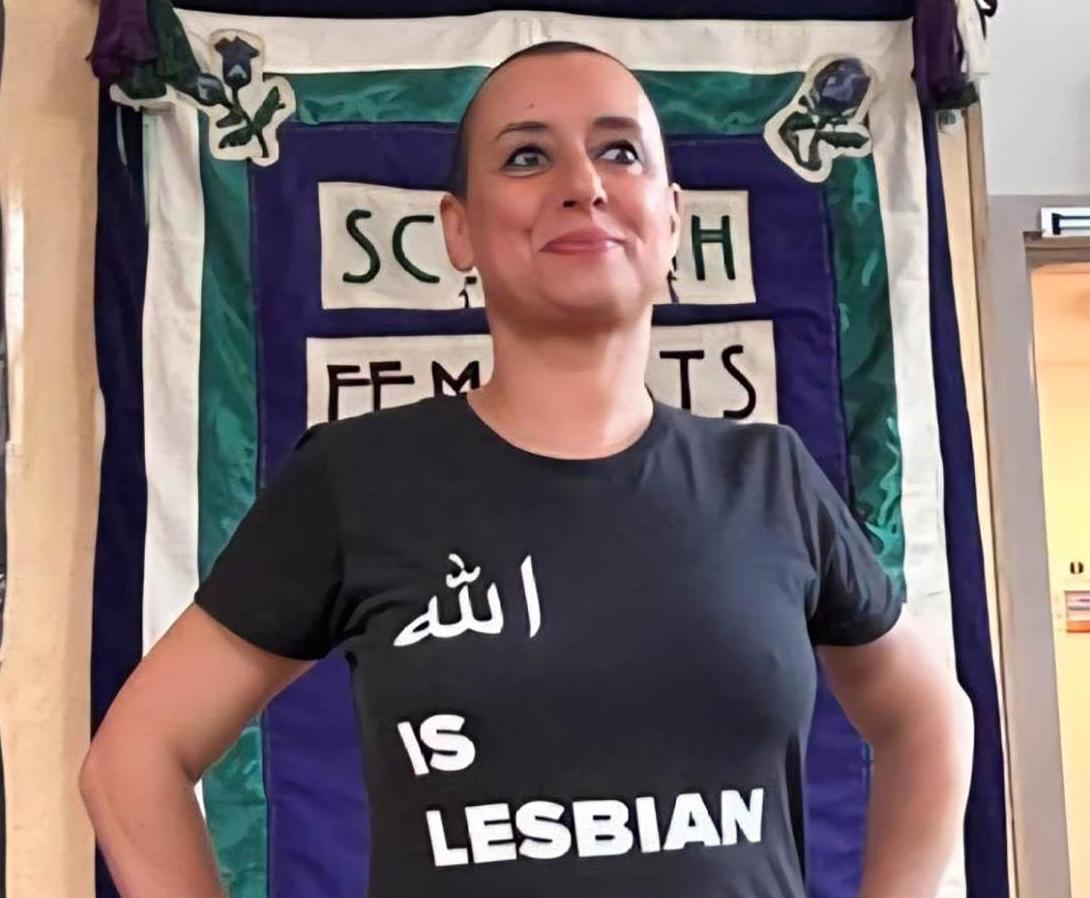
Prominent Moroccan feminist Ibtissam Lachgar was arrested by the kingdom’s Judicial Police after posting a photo of herself on social media wearing a t-shirt with the word for God in Arabic (Allah) followed by the English words: “is a lesbian.” This reference to the international feminist catchphrase “God is a lesbian” won her “blasphemy” charges from the Rabat prosecutor’s office. The charge carries penalties ranging from six months to two years’ imprisonment or a fine of up to $20,000. The penalty can be increased to five years if the offense is committed publicly or electronically. (Photo via Twitter)

Palestine
Gaza

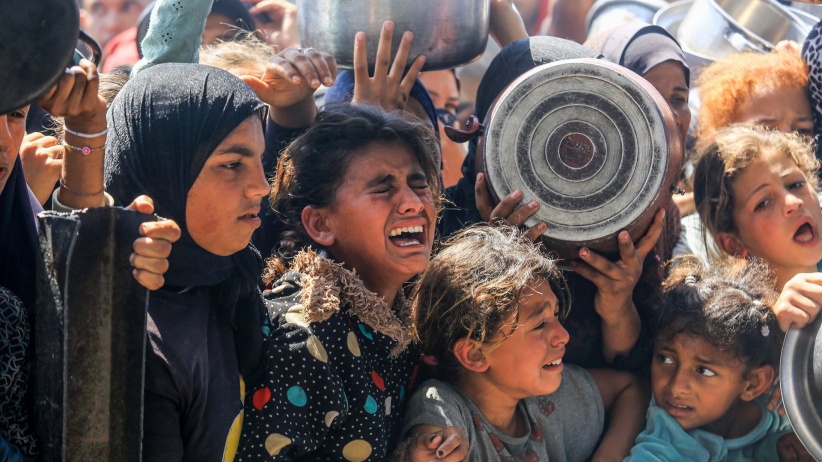
UN decries ‘weaponized hunger’ in Gaza —again

Several United Nations agencies condemned the use of starvation as a weapon of war, as malnutrition rates in Gaza spike under Israeli siege. During the UN Food Systems Summit Stocktake taking place in Addis Ababa, Ethiopia, Secretary-General António Guterres stressed: “Hunger fuels instability and undermines peace. We must never accept hunger as a weapon of war.” Guterres’ statement follows Israel’s decision to permit a one-week scale-up of humanitarian aid into the Gaza Strip, where famine conditions now prevail. UN agencies welcomed the easing of aid restrictions and so-called “humanitarian pauses” in the ongoing bombardment; however, as emphasized by UN Emergency Relief Coordinator Tom Fletcher: “This is progress, but vast amounts of aid are needed to stave off famine and a catastrophic health crisis.” (Photo: Maan News Agency)

Syria
Damascus

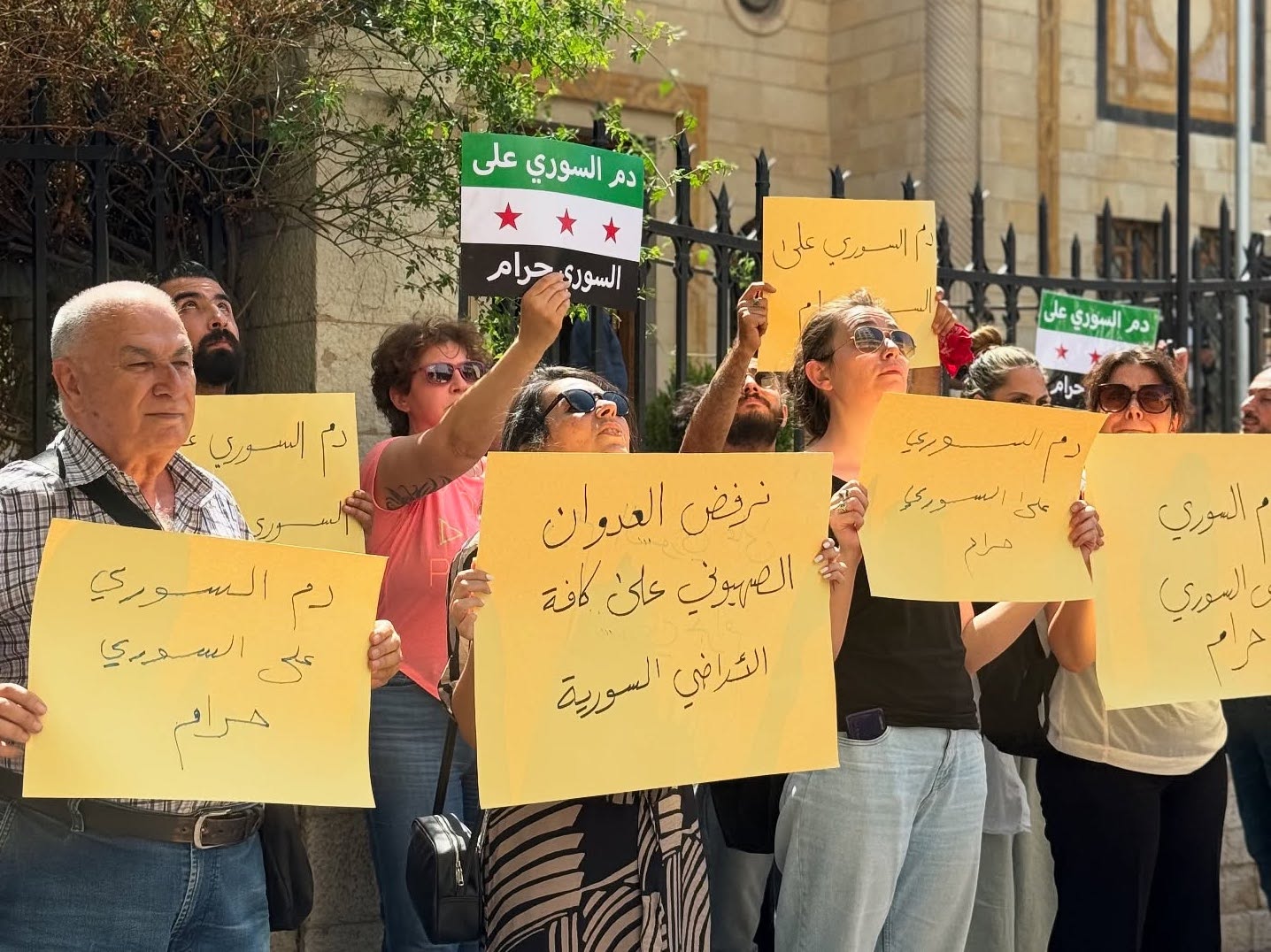
Syria: revolution on the razor’s edge

The investigation by the Syrian transition government into the March violence against the Alawites in Latakia province has been submitted—but the full findings have not been made public, and it apparently exonerates the government of involvement. Meanwhile southern Suwayda province has seen a perhaps even deadlier eruption of violence—this time pitting Druze against Bedouin, with the role of the government similarly the source of much contestation (and fodder for Internet partisans). And a Damascus protest against the violence and for co-existence was attacked by goons. Amid all this, Israel is militarily intervening, the government looks to Turkey for military aid, and both the US and Russia still have forces on the ground—treating the country as a Greet Power chessboard. In Episode 288 of the CounterVortex podcast, Bill Weinberg warns that the Syrian Revolution is poised on a razor’s edge, ready to descend into ethno-sectarian war and authoritarianism unless political space can be kept open for the secular-democratic civil resistance that began the revolution 14 years ago. (Image: Banners read “Syrians must not shed Syrian blood” and “We reject Israeli aggression against Syria.” Credit: The Syria Campaign via Facebook)

North America
Kilmar

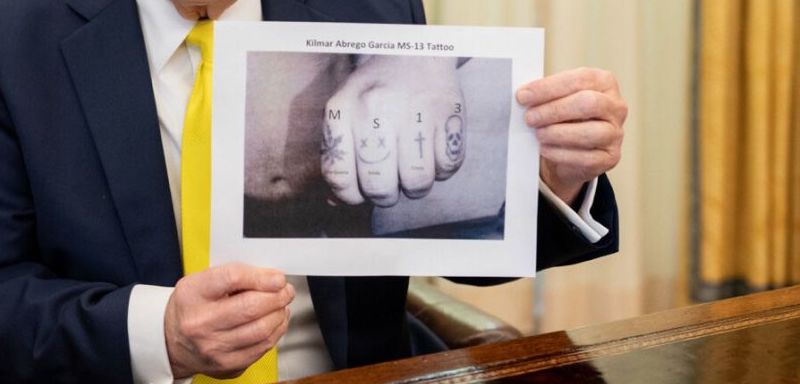
MAGA-fascism, Orwell and the cannabis stigma

Trump is pointing to Kilmar Abrego Garcia’s tattoos to justify his indefinite detention without charge in the ultra-oppressive Salvadoran prison gulag. These notoriously include a cannabis leaf, demonstrating the continued propaganda utility of the “Reefer Madness” stigma, even as a multi-million dollar legal industry emerges. But the White House actually added the characters “MS13” (name of the notorious Salvadoran gang) to the shot of Abrego Garcia’s knuckles in a crude photoshop job—despite transparent denials from Trump. Lubricating the emerging transnational mass detention program with this Orwellian post-truth stratagem, the Trump regime meanwhile moves toward actual deportation of US citizens. Bill Weinberg raises the alarm in Episode 277 of the CounterVortex podcast. (Photo: Donald Trump/Truth Social as seen, e.g., on CNN)

South Asia
Sentinelese

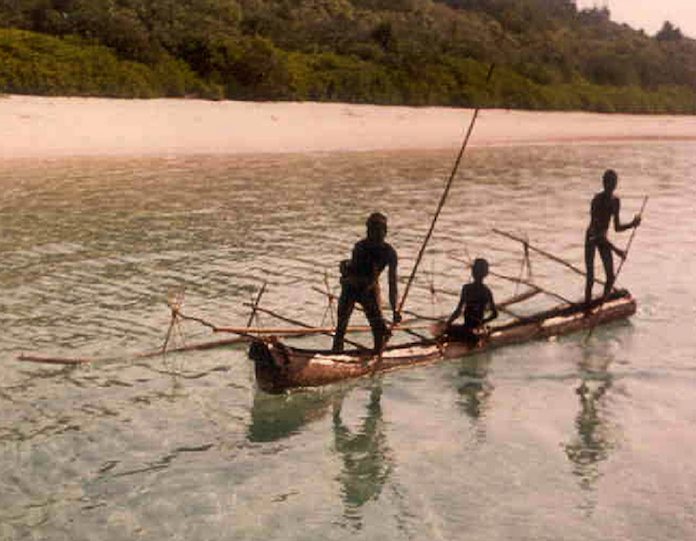
Isolated people under threat in Andaman Islands

A US national was arrested on North Sentinel Island, in India’s remote Andaman & Nicobar archipelago, for illegally seeking to make contact with the isolated Sentinelese people, an officially designated “particularly vulnerable tribal group” (PVTG). London-based Survival International expressed relief at the arrest, but called the news deeply disturbing, saying the adventurer’s actions “put the lives of the entire Sentinelese tribe at risk,” due to their lack of immunity to common outside diseases. Within days of the arrest, a journalist with local news channel Republic Andaman was found dead—apparently targeted for his reportage on illegal logging and mining in the archipelago. And far greater threats loom; Survival warns that isolated peoples could be wiped out if New Delhi goes ahead with its plan to transform Great Nicobar Island into the “Hong Kong of India,” with massive new port facilities and rapid urbanization. (Photo: Survival International)

Planet Watch
Toad

Podcast: yet further thoughts on the common toad

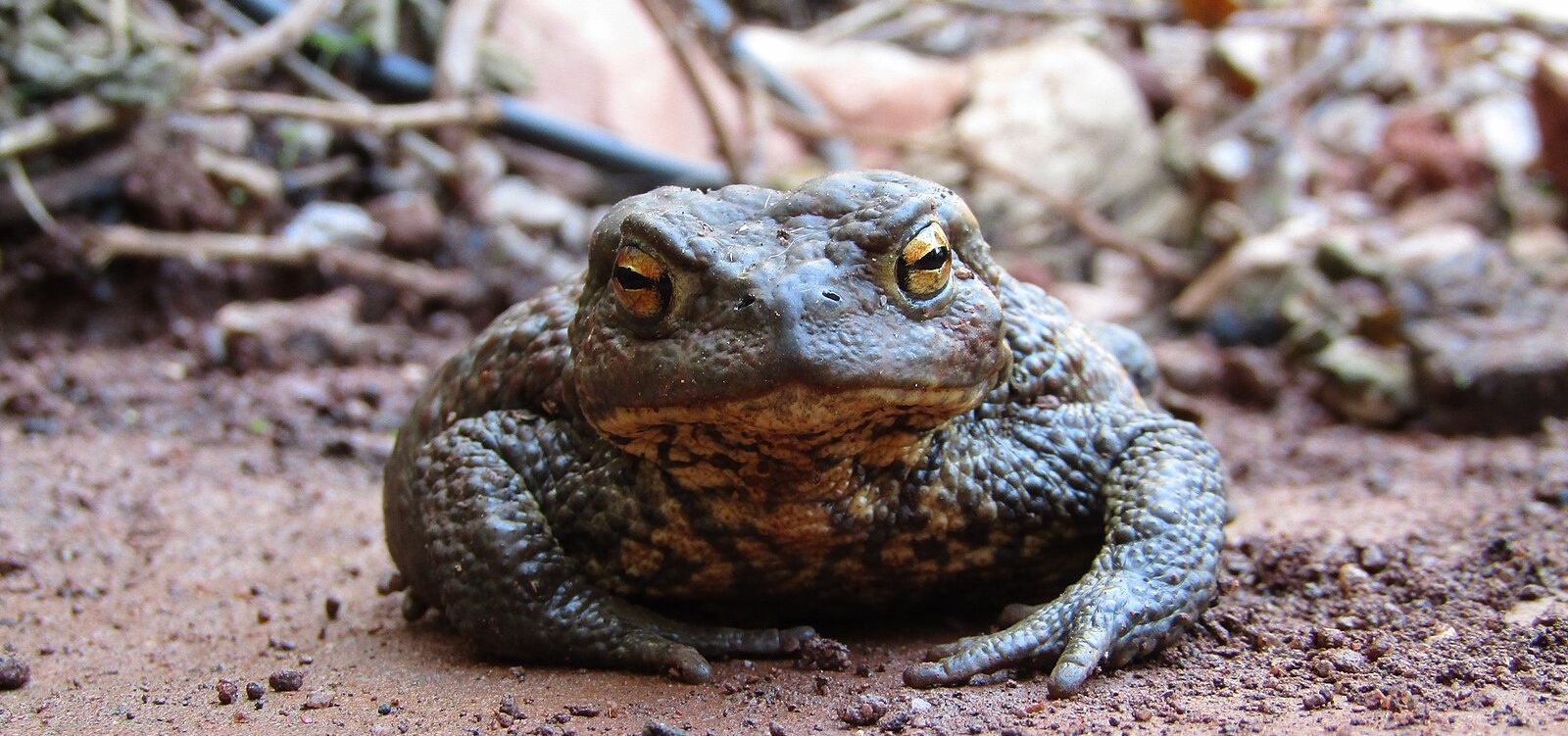
The digitization and literal disembodiment of every sphere of human reality advances with terrifying rapidity—from the Social Security system to the New York subway system. Rather than dropping swipe-cards and bringing back tokens, returning to what was a manifestly superior and more rational system, New York’s Metropolitan Transportation Authority moves to a still more dystopian “contactless” credit system. Similarly, rather than phasing out automobiles, our corporate overlords are now imposing driverless cars, a further step toward making the human race redundant altogether and portending the ultimate abolition of humanity. In Episode 270 of the CounterVortex podcast, Bill Weinberg continues his Spring ritual of reading the George Orwell essay “Some Thoughts on the Common Toad“—which brilliantly critiqued technological hypertrophy and articulated an imperative for humanistic revolution and scaleback of the mega-machine way back in April 1946. (Photo: Partonez via Wikimedia Commons)