Southeast Asia
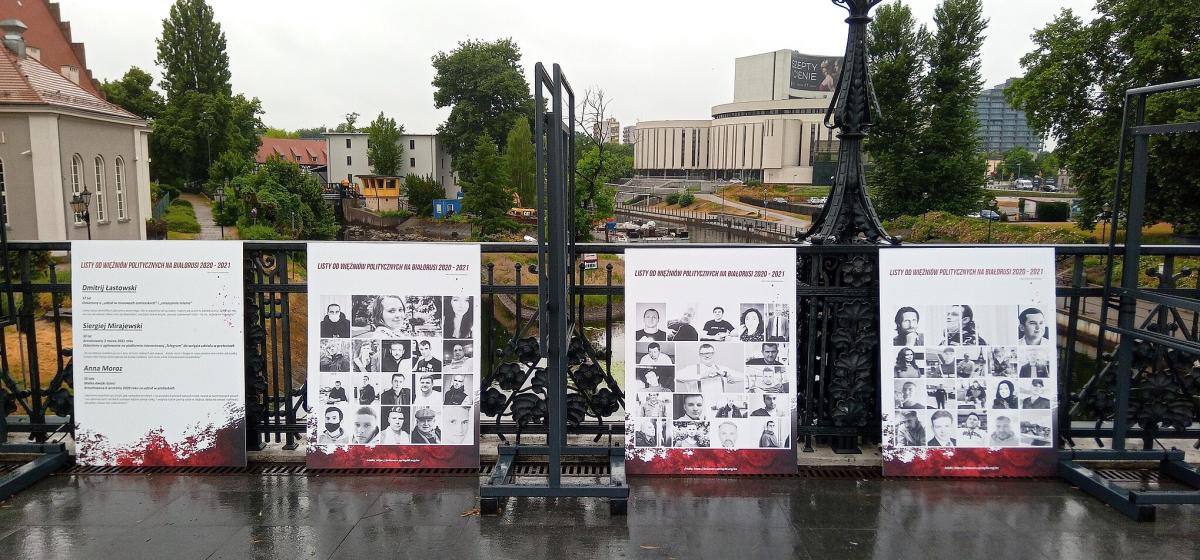 Belarusian prisoner of conscience and opposition politician Mikalai Statkevich was released from imprisonment weeks after suffering a stroke. Following his release, Amnesty International reiterated the need for justice for victims of human rights violations in Belarus. Statkevich, imprisoned for his role in the 2020 post-electoral protests, was one of 52 Belarusian prisoners released in September following a deal with the US. Upon their release, Belarusian authorities attempted to deport the 52 former prisoners. While they were being brought to the Lithuanian border, Statkevich forced his way out of the bus, declaring, "I will keep fighting." Statkevich was then detained again and transported to a penal colony. The stroke precipitated his release, but Amnesty stressed that being released due to failing health does not constitute justice. The Belarusian Human Rights Centre Viasna reports that 1,142 political prisoners remain incarcerated in Belarus. (Image: Monument to Belarusian political prisoners in Bydgoszcz, Poland. Source: Паўлюк Шапецька via Wikimedia Commons)







_17.jpg)