Europe
anti-war

Glimmers of anti-war dissent in Russia

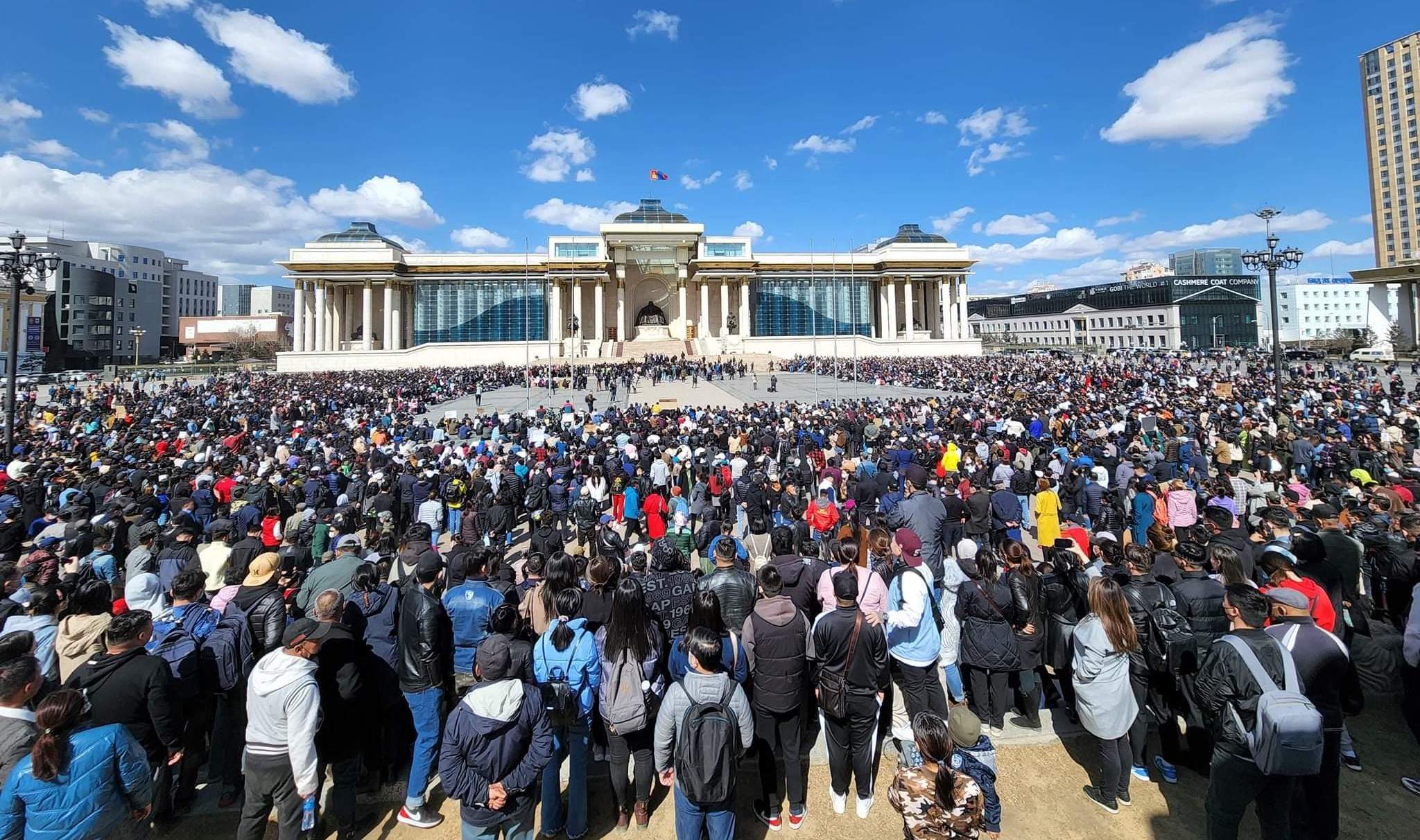
More than 100 Russian writers, activists and academics have signed a petition in protest of the war drive on Ukraine, which was published on the independent news site Echo of Moscow. The “Declaration by supporters of peace against the Party of War in the Russian government” charges: “The citizens of Russia are…becoming prisoners of criminal adventurism.” It has especially harsh words for Russia’s state media: “On state TV there is only one point of view, and that is the point of view of the supporters of war… [A]ggression pours out, and hate towards Ukraine, America, and Western countries… [W]ar is treated as an acceptable and inevitable development of events.” Some signatories have been officially designated as “foreign agents” by the Russian government, limiting their right to political activity. (Photo: Sign reads “Putin, hands off Ukraine!” Moscow, March 2014. Via RS21)

Greater Middle East
UAE

UAE ‘cybercrime’ law restricts free speech: civil society

A coalition of human rights and civil society organizations published a joint statement protesting the United Arab Emirates’ new cybercrime law, saying it “severely threatens and unduly restricts the right to freedom of expression (both online and offline) and the rights to freedom of association and of peaceful assembly.” The letter says that the language of the statute creates ambiguity prone to misuse, especially regarding issues related to “national security,” which provide the authorities with “excessive discretion to impose lengthy prison sentences” for political dissent. The wording of these provisions is so broad that they can be used to target journalists, whistle-blowers, activists, and peaceful critics of the government. The letter notes that the law stipulates no maximum prison sentence for acts that “harm the State’s interests,” which violates Article 19 of the Universal Declaration of Human Rights. (Photo: Pixabay)

Iran
Baktash Abtin

Iran: political prisoners on hunger strike

Six political prisoners began a hunger strike at Tehran’s notorious Evin Prison after poet and filmmaker Baktash Abtin died of COVID-19 at the facility. Abtin, who expired after being put into an induced coma during temporary transfer to a hospital, had been serving a five-year sentence on the charge of “assembly and collusion against national security.” Ardeshir Zarezadeh, director of the Toronto-based International Centre for Human Rights (ICHR), said in a statement: “The government of Iran must immediately and unconditionally release the political prisoners, and prisoners of conscience, specially due to the serious concern over the spread of coronavirus (COVID-19) in Iran’s overcrowded jails.” Abtin was the second known political prisoner to die in Iran in the first week of 2022. On New Years Day, writer Kian Adelpour died at Sheiban Prison in Ahvaz province after going on hunger strike a week earlier to protest being imprisoned without a fair trial. (Photo: Center for Human Rights in Iran)

The Caribbean
11J

Cuba: prisoners on hunger strike as mass trials begin

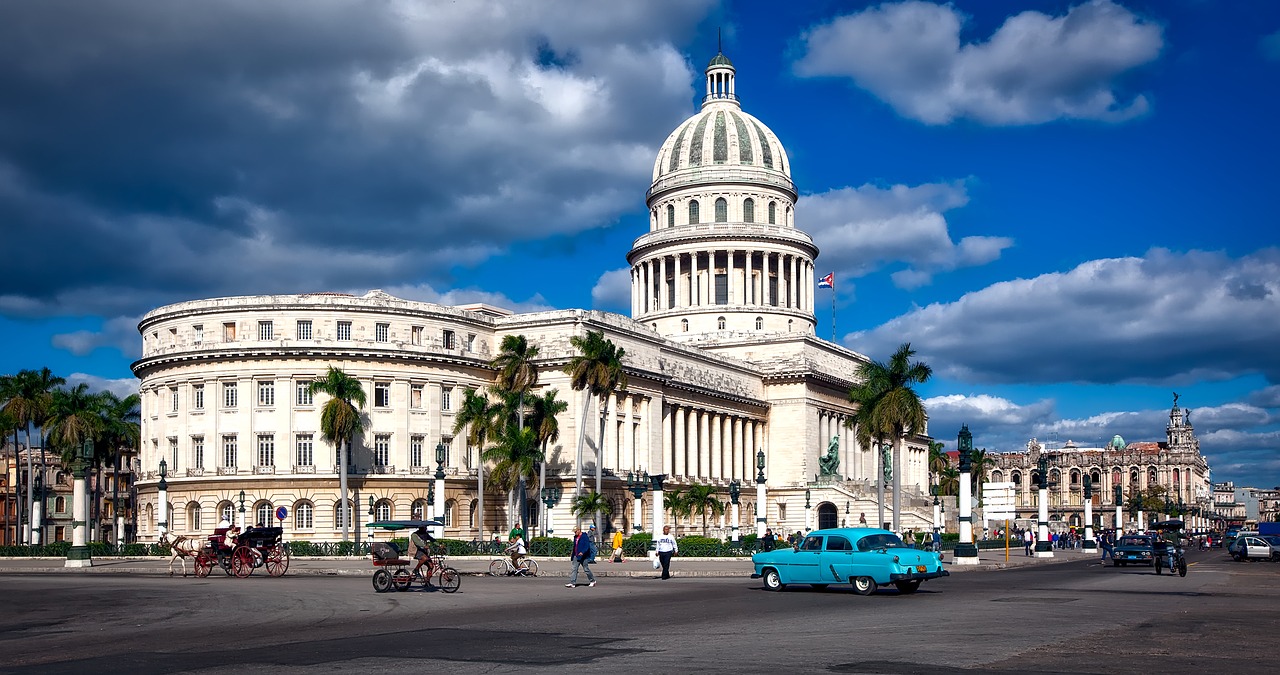
Reports from opposition activists in Cuba indicate that trials are opening in several cities for some 60 who were arrested during last year’s protest wave that began July 11, now popularly known as “11J.” The defendants are said to include at least five minors as young as 16. Those facing charges of “sedition” could be sentenced to up to 30 years in prison. More than 620 detainees are ultimately to stand trial over the 11J protests. Ten prisoners in Holguin who were already convicted and face high sentences are reported to have started a hunger strike. Sentences in their cases are expected next month. Trials are also said to be underway in Santa Clara, Mayabeque and Havana. (Photo: Havana Times)

Greater Middle East
ANHRI

Egypt: rights group closes under regime pressure

The Arabic Network for Human Rights Information (ANHRI), one of Egypt’s last independent human rights organizations, officially closed, citing government pressure. In its statement, ANHRI described political repression and expansion of arrests against human rights defenders, journalists and political activists as reasons for the organization’s closure. The statement was accompanied by a list of attacks that ANHRI members have suffered over recent years, including violent physical assaults and illegal summonses. The group charged that in today’s Egypt there is an “absence of the bare minimum of the rule of law and respect for human rights.” (Image: Facebook via AlBawaba)

Europe
Pussy_Riot

Russia designates Pussy Riot members ‘foreign agents’

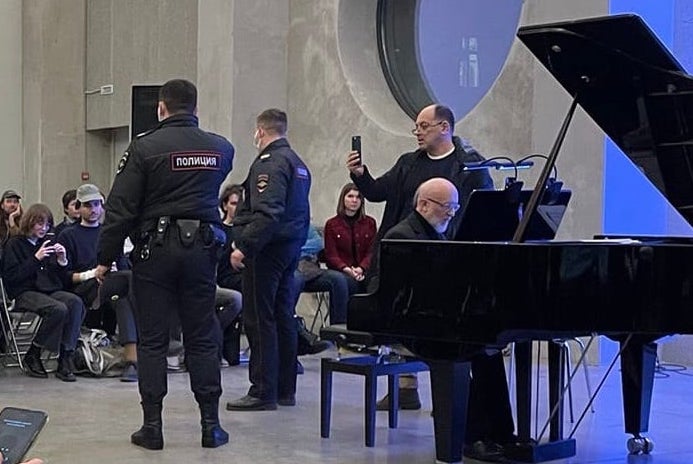
In the latest escalation of its crackdown on opposition, Russia designated a disparate group of activists, satirists, and others as “foreign agents.” A statement released by the Ministry of Justice listed the high-profile figures as designated “foreign agents,” a controversial term with Cold War-era implications of espionage that carries burdensome reporting responsibilities and exposes designees to hefty fines. Among those named were Nadezhda Tolokonnikova and Veronika Nikulshina of the activist group Pussy Riot. (Photo: Wikipedia)

Europe
Memorial

European rights court intervenes against Russia

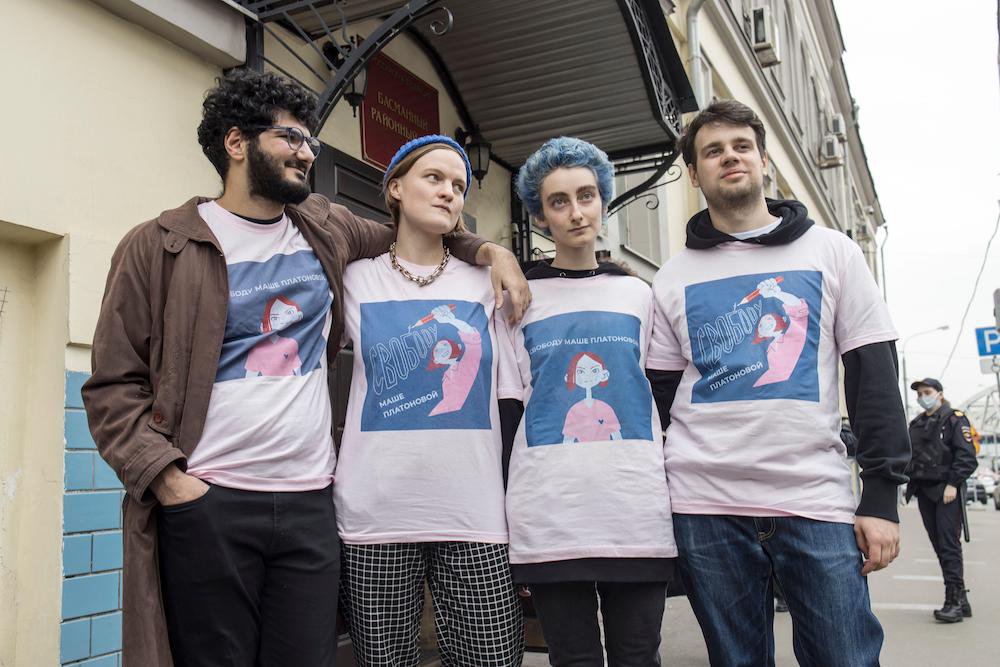
Exercising a form of injunction reserved for exceptionally serious cases, the European Court of Human Rights (ECHR) instructed Russia to halt judicial orders to shutter Memorial International and its subsidiary organization, the Memorial Human Rights Center. The move follows two high-profile decisions by the Russian courts to dissolve the respected non-governmental organizations that were created to shed light on the victims of historical and contemporary political repression in the country. (Photo via Critical Mass)

North Africa
Tunisia

Tunisia: political crisis deepens

Tunisia’s former president Moncef Marzouki was sentenced in absentia to four years in prison, convicted of “undermining the external security of the State.” The charge is evidently a reference to his calls on social media for protest against current President Kaïs Saied, and for an end to French support of Saied’s regime. Marzouki calls Saied a “dictator,” and accuses him of having conducted a coup when he suspended parliament and fired the prime minister amid a wave of national unrest in July. (Image: Pixabay)

The Andes
ESMAD

UN urges reform of Colombia National Police

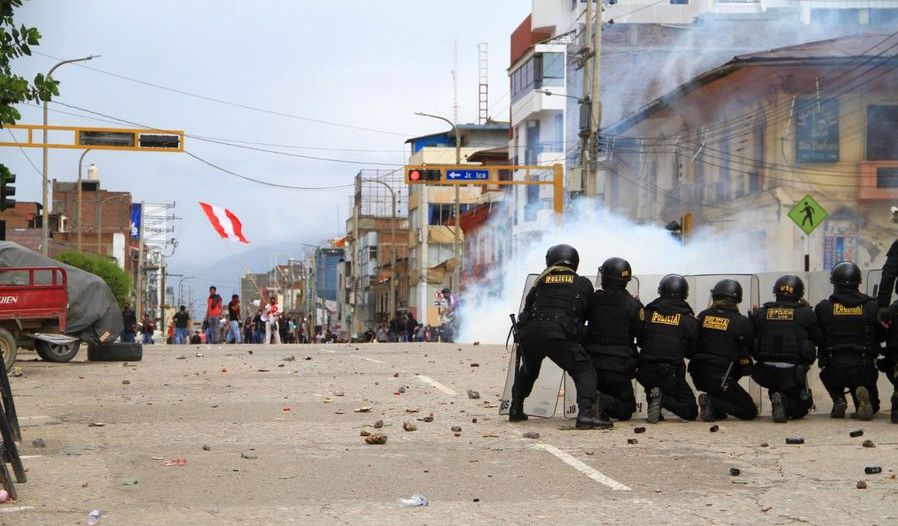
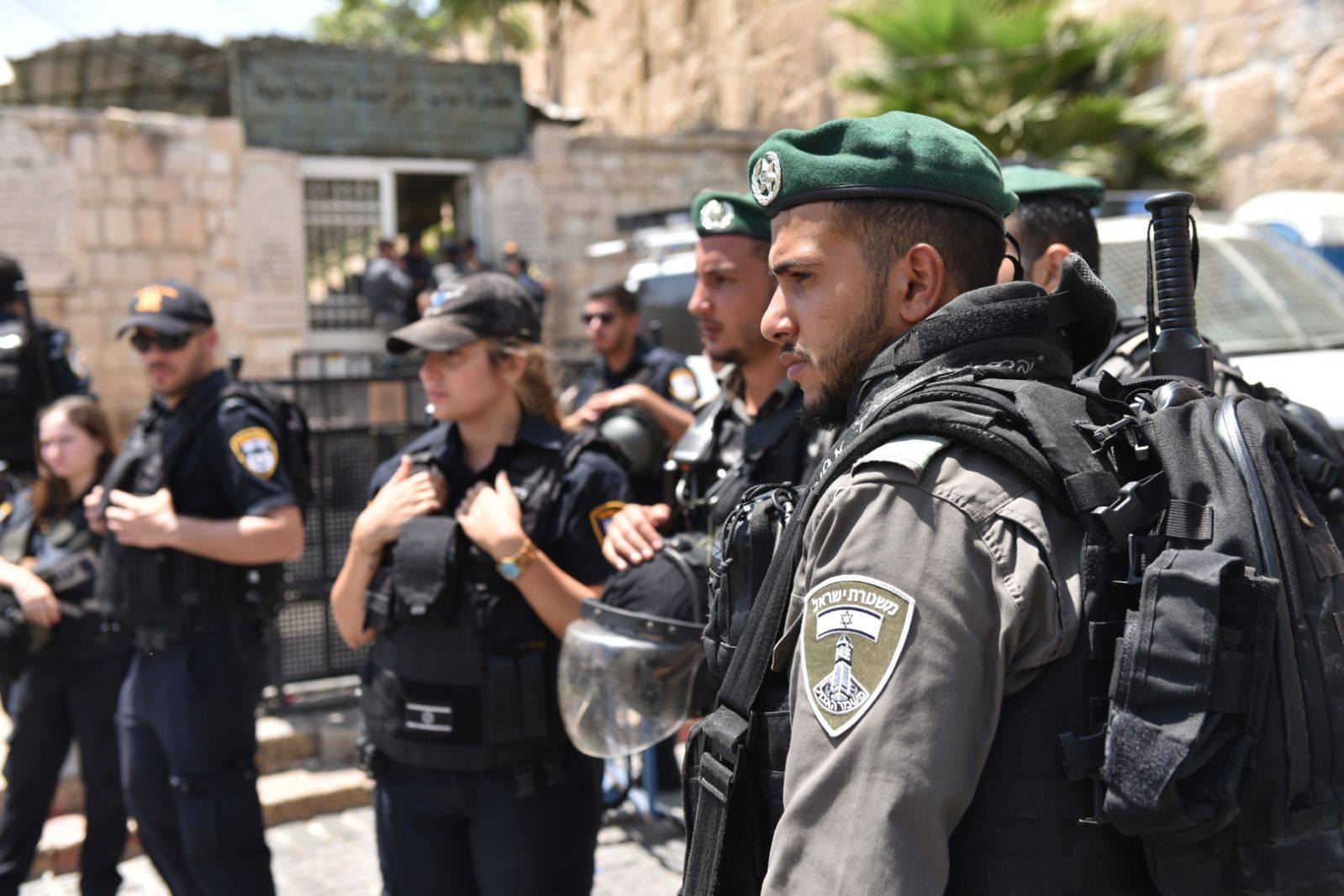
The UN human rights office says a “profound change” is needed in how Colombia’s National Police force, run by the Defense Ministry, handles protests, after concluding that law enforcement agents were responsible for at least 28 deaths during anti-government demonstrations earlier this year. A report by the UN body’s Colombia representative said the response to the widespread protests involved “unnecessary or disproportionate force.” Aside from murder, police forces were accused of arbitrary detentions and sexual violence against civilians. The unrest began in reaction to a tax reform bill—that was later ditched—but was fuelled by anger over broader economic and social inequalities. Amnesty International recently reported that the number of eye injuries (more than 100) sustained by protesters was an “indication of intentionality” by the police force. (Photo: WikiMedia)

East Asia
Tiananmen

‘Great Leap Backward’ for press freedom in China

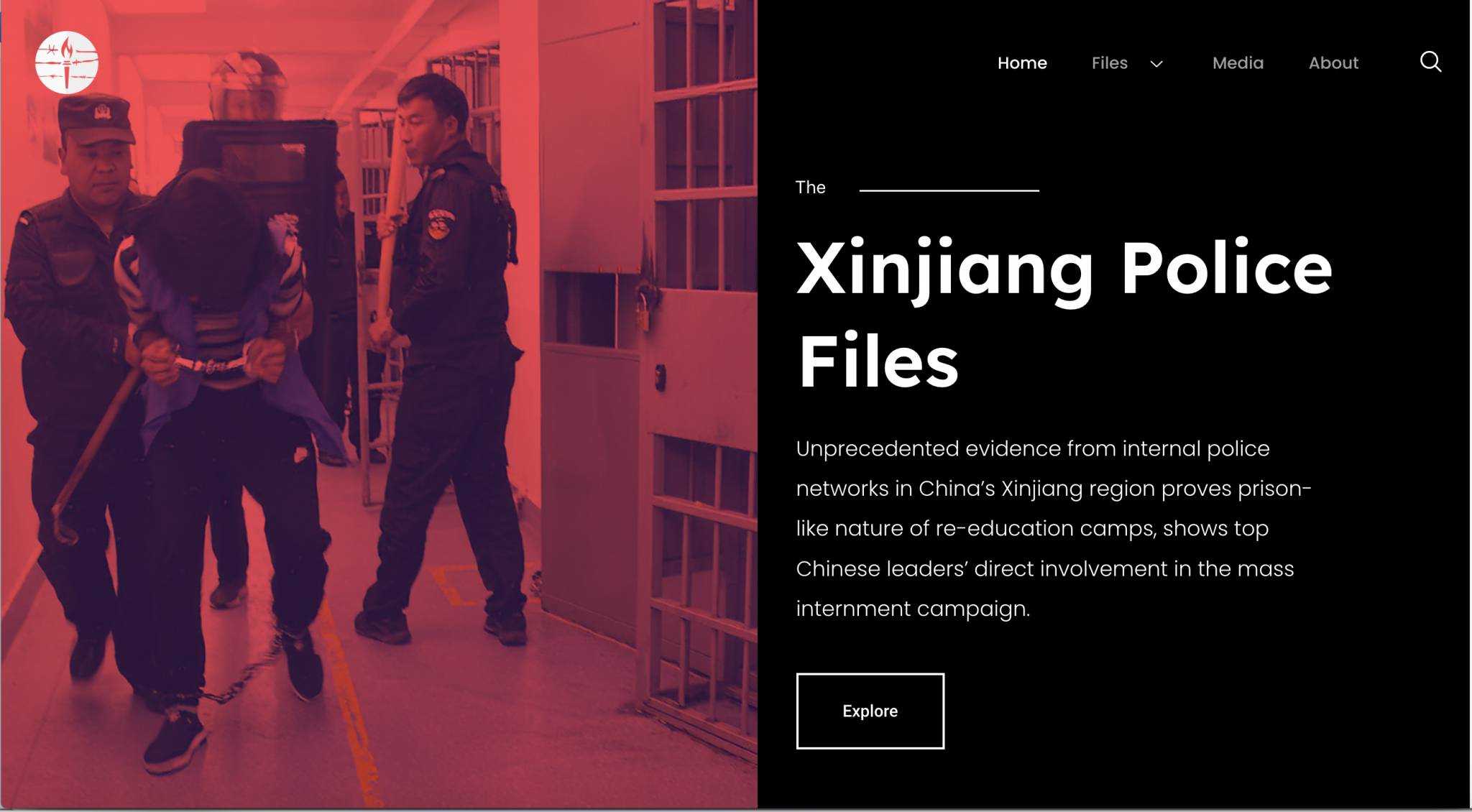
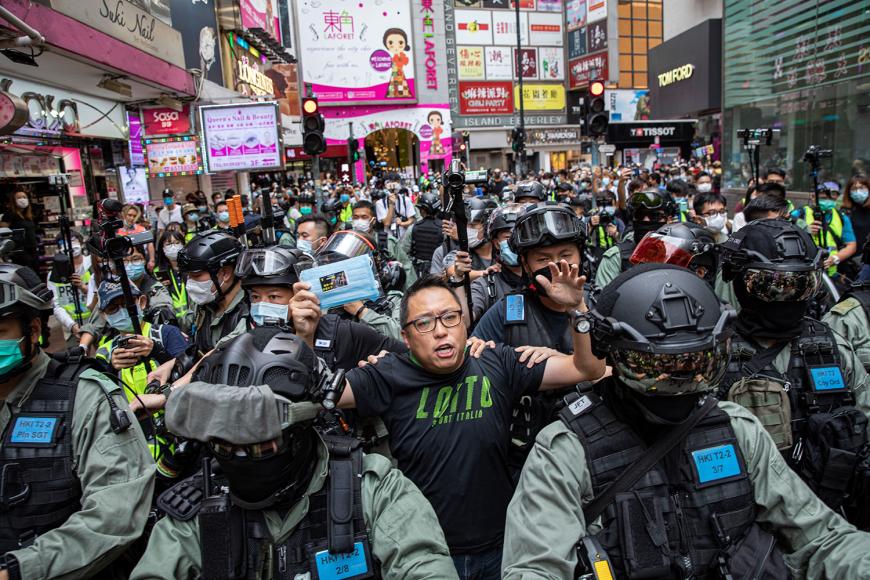
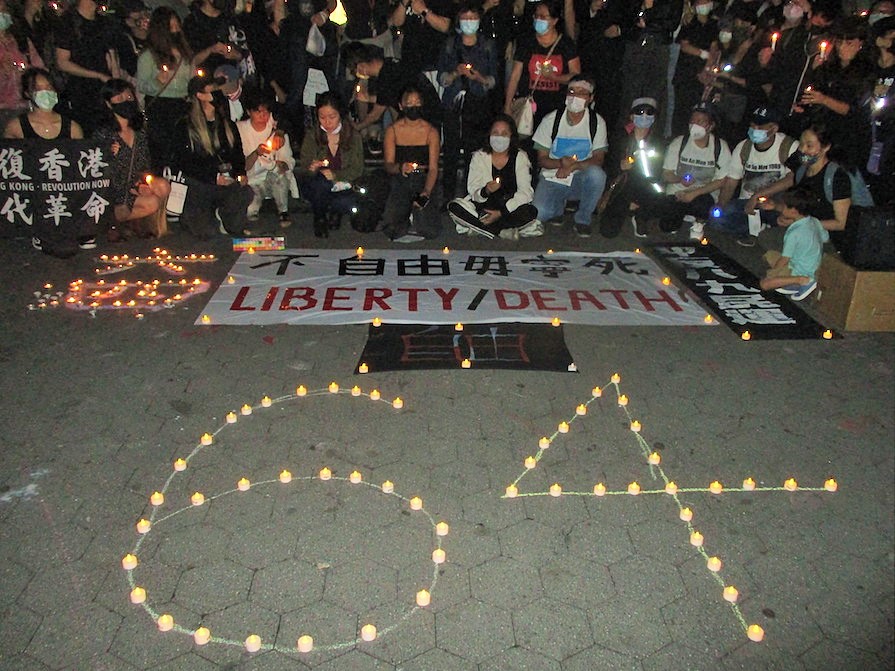
Reporters Without Borders issued a new report, The Great Leap Backwards of Journalism in China, revealing the extent of the regime’s campaign of repression against the right to information. At least 127 journalists (professional and non-professional) are currently detained by the regime. Simply reporting on a “sensitive” topic or publishing censored information can result in years of detention. The report especially examines the deterioration of press freedom in Hong Kong, which was once a world model but has now seen an increasing number of journalists arrested and prosecuted in the name of “national security.” (Photo: chinaworker.info)

Greater Middle East
Alaa Abd El Fattah

Egypt: prison term for activist Alaa Abdel Fattah —again

An Egyptian court sentenced prominent activist Alaa Abd El Fattah to five years in prison after he was convicted on charges of “spreading false news” and “undermining national security.” Alongside Abd El Fattah, the Emergency State Security Court also sentenced human rights lawyer Mohamed El-Baqer and blogger Mohammed “Oxygen” Ibrahim to four years each. All three defendants faced charges concerning their social media posts on human rights violations. Both Abd El Fattah and El-Baqer had been held in pretrial detention for more than the legal limit of two years. Verdicts issued by the emergency court cannot be appealed. Human rights groups have criticized the use of “emergency trials,” due process violations, and general repression of freedom of expression in Egypt under President Abdel Fattah al-Sisi’s government. (Photo: Amnesty International)

East Asia

Podcast: China Unbound with Joanna Chiu

In Episode 102 of the CounterVortex podcast, Bill Weinberg interviews Joanna Chiu, author of China Unbound: A New World Disorder, on the precipitous rise of the People’s Republic as a world power, and the dilemmas this poses for human rights and democracy around the planet. How can we reconcile the imperatives to resist the globalization of China’s police state and to oppose the ugly Sinophobia which is rising in the West, especially in the wake of the COVID-19 pandemic? Some Chinese dissidents living in exile in the US have even been co-opted by Trumpism. Chiu argues that stigmatization and misinterpretation of Chinese, whether in the People’s Republic or the diaspora, plays into the hands of Beijing’s propaganda. Listen on SoundCloud or via Patreon. (Image: House of Anansi)