Greater Middle East
Kurdish protest

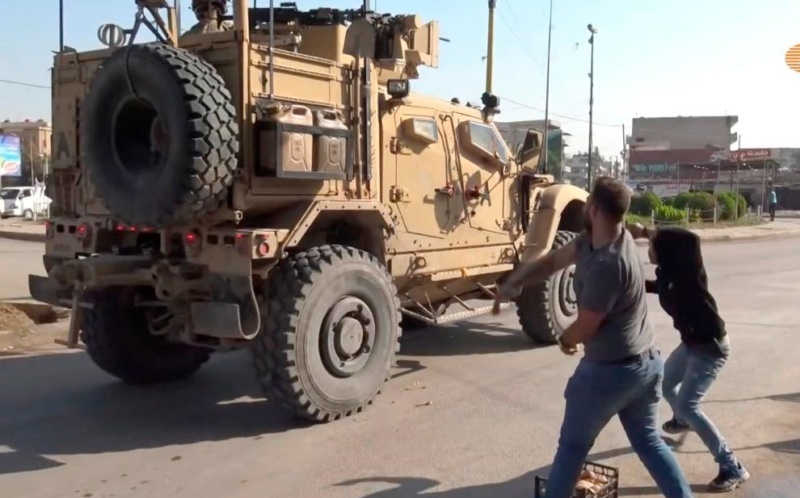
Syria: confusion, anger as US troops withdraw
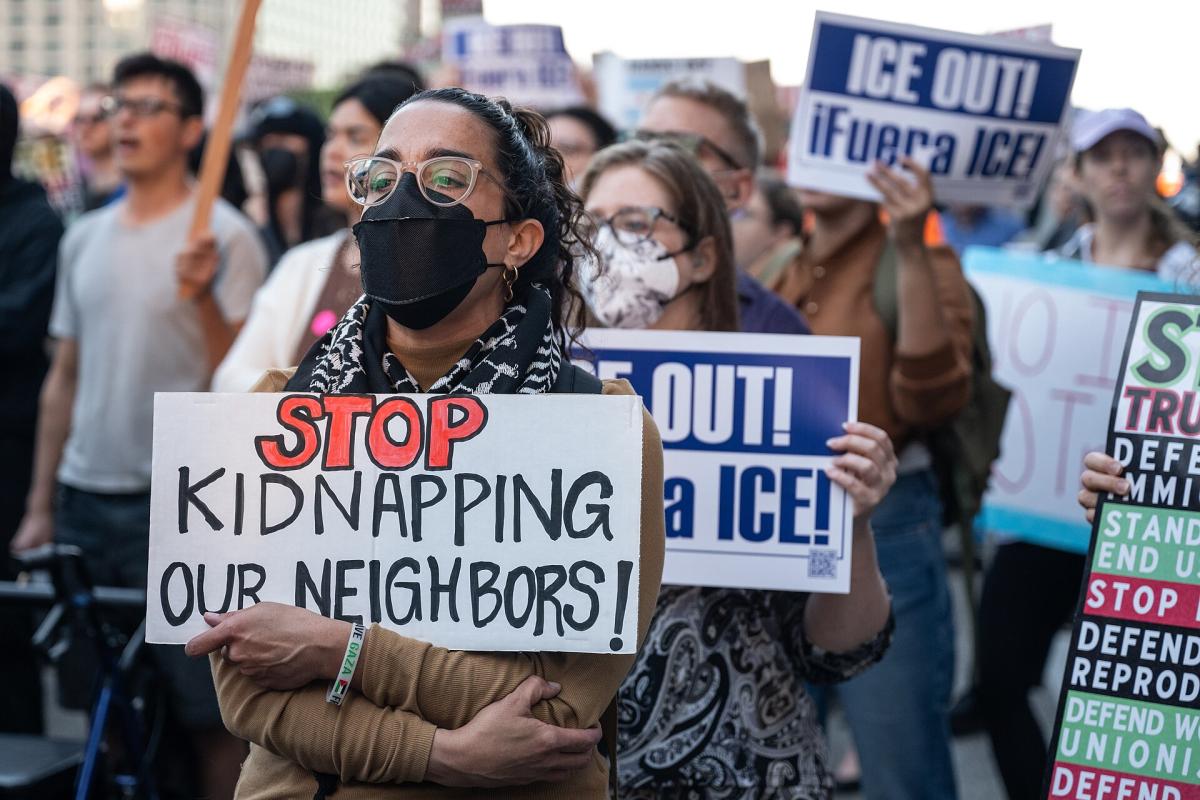
ICE protestUS immigration enforcement faces mounting scrutiny from international officials as well as congressional Democrats following a detainee death ruled a homicide by a county medical examiner in Texas. The disturbing development comes amid a dramatic spike in deaths in Homeland Security custody. UN High Commissioner for Human Rights Volker Türk called on the US to ensure that its immigration policies comply with international law, citing reports of arbitrary detentions, family separations, and dehumanizing treatment. Democratic lawmakers meanwhile demanded that Homeland Security Secretary Kristi Noem answer for a growing death toll in immigration detention since President Donald Trump took office for his second term. (Photo: Paul Goyette in Chicago via Wikimedia Commons)
Watching the Shadows
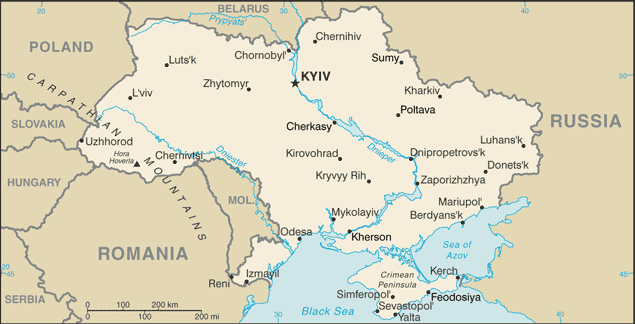
Ukraine

Trump’s phone call: the view from Ukraine

GuangzhouLegendary transportation activist George Bliss will be presenting a slideshow and hosting a discussion of his 1991 trip to China at the Museum of Reclaimed Urban Space (MoRUS) in New York City on Friday Dec. 9. What would NYC be like if we got rid of cars and everybody rode bikes? In 1991, Bliss and filmmaker Ted White visited Guangzhou, China (then pop. six million). Only one in a thousand owned cars. Bikes cost about $50. There was no theft because cheap attended bike-parking was everywhere. Riding en masse was fun, and traffic flowed safely and efficiently with almost no red lights. The term "critical mass"—first applied to this phenomenon by Bliss in White's film Return of the Scorcher—soon became a rallying cry in the global bike movement. While that China is long gone, its legacy points to the city we could yet have, even half a world away. (Photo: George Bliss)

Iran
Iran

Oil shock, wider war after Saudi refinery attack?

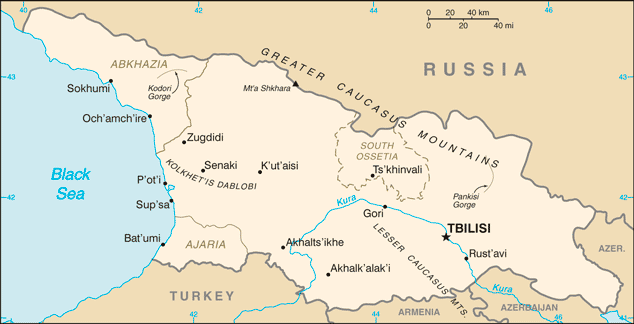
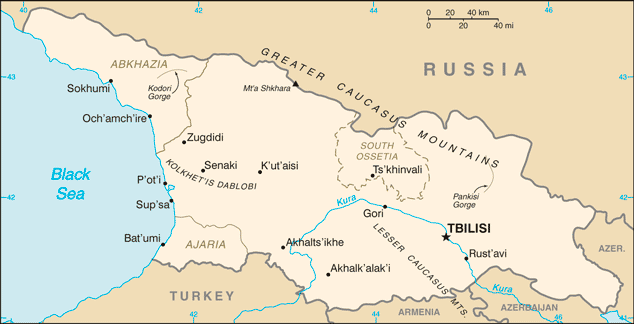
GeorgiaThe European Court of Human Rights (ECHR) ordered Russia to pay 130 million euros ($143 million) in compensation to Georgia, almost 15 years after the war in the South Caucasus nation. The case concerns allegations by the Georgian government that actions by the Russian Federation during the 2008 conflict amounted to breaches of the European Convention on Human Rights, including ethnically targeted killings and arbitrary detention of civilians. The ECHR found that there is still a basis to make an award under the Convention, despite the fact that Russia has ceased its membership in the Council of Europe, and failed to cooperate with the proceedings. (Map: PLC)

The Caribbean
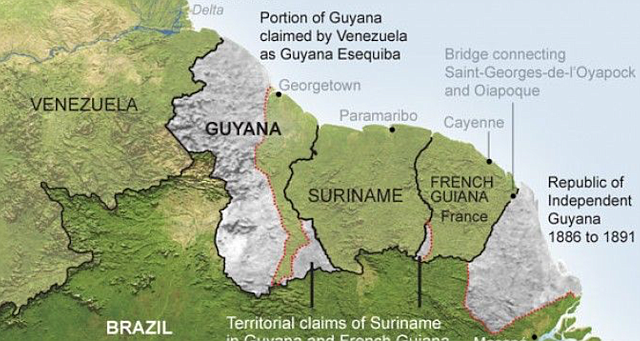
Esequibo

Venezuela revives claim to Guyana territory

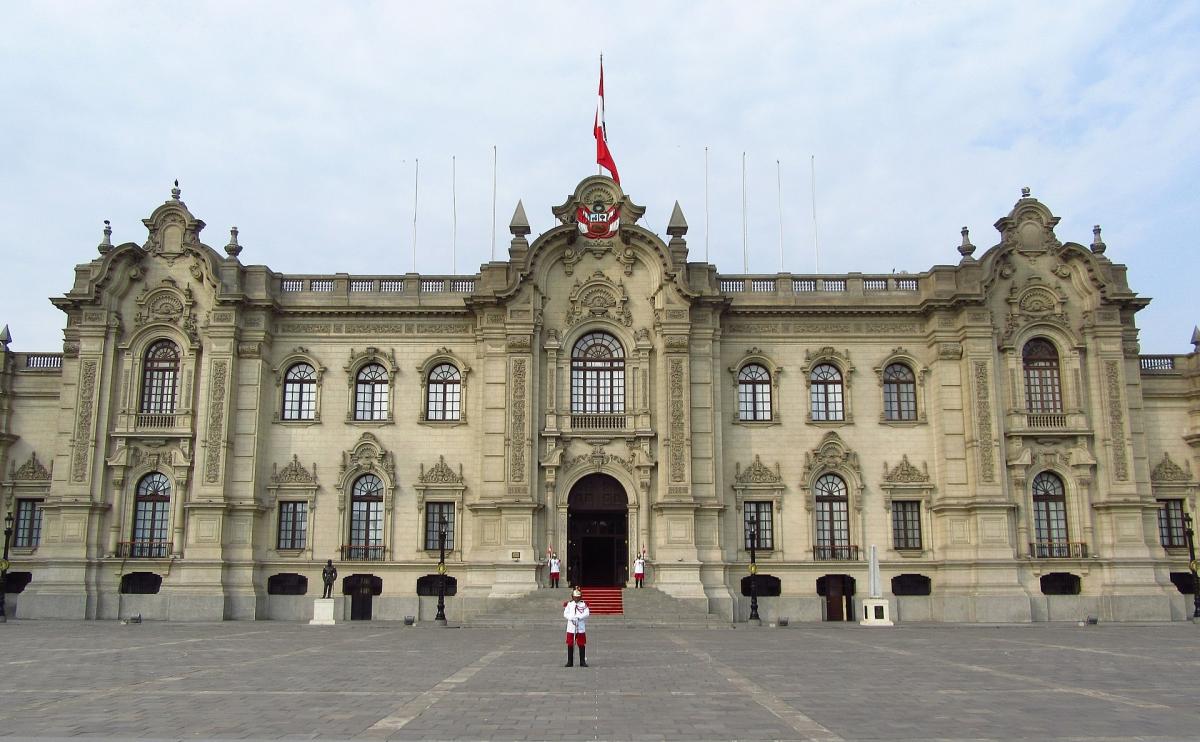
PresidenciaPeru's Congress voted unanimously to remove President Dina Boluarte from office for "moral incapacity," replacing her with congressional leader José Jerí. Once in office, Jerí quickly appointed as head of the Interior Ministry the former commander of the Peruvian National Police (PNP), Vicente Tiburcio Orbezo. Tiburcio has had a long career fighting organized crime and armed insurgents, having been part of the team within the PNP's Special Intelligence Group (GEIN) that carried out the arrest of Shining Path leader Abimael Guzmán in 1992. He subsequently served in campaigns against both the Shining Path and Túpac Amaru Revolutionary Movement (MRTA). He was chosen by Jerí with a mission of addressing the crisis of "citizen security" in Peru. (Photo: Wikipedia)

The Andes

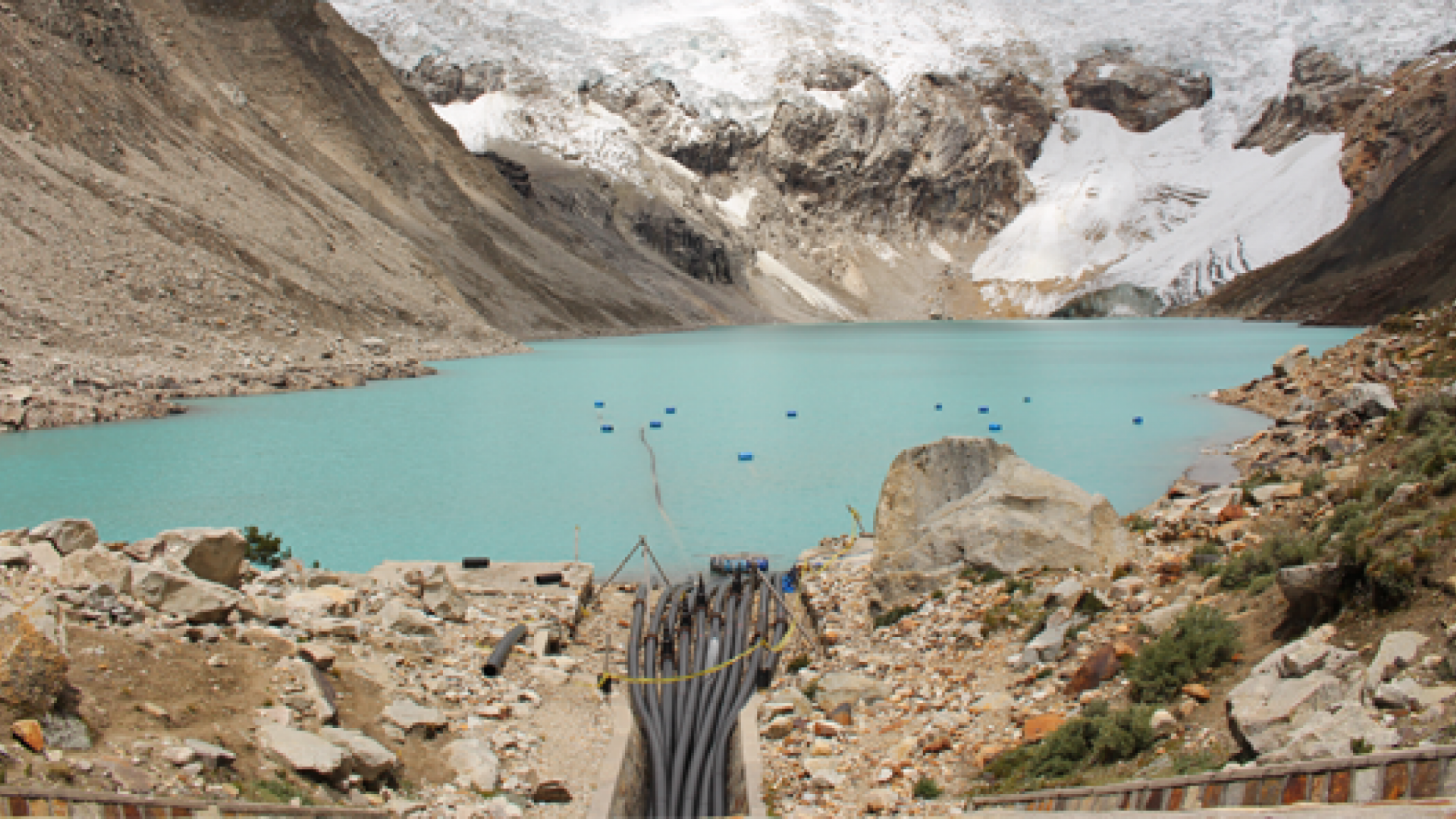
Delays in Peruvian climate change lawsuit

SenegalFrance officially transferred control of its last military installations in Senegal to local authorities in a ceremony, bringing to an end the permanent deployment of French troops in the country since Senegal gained independence in 1960. The withdrawal of over 350 troops marks the completion of a process initiated in March, when France began handing over multiple military sites. Unlike in other West African countries, where French forces were expelled amid political tumult, the withdrawal from Senegal was peaceful and coordinated, reflecting France's broader re-orientation away from its traditional "Françafrique" military footprint. (Image: Wikimedia Commons)

The Andes

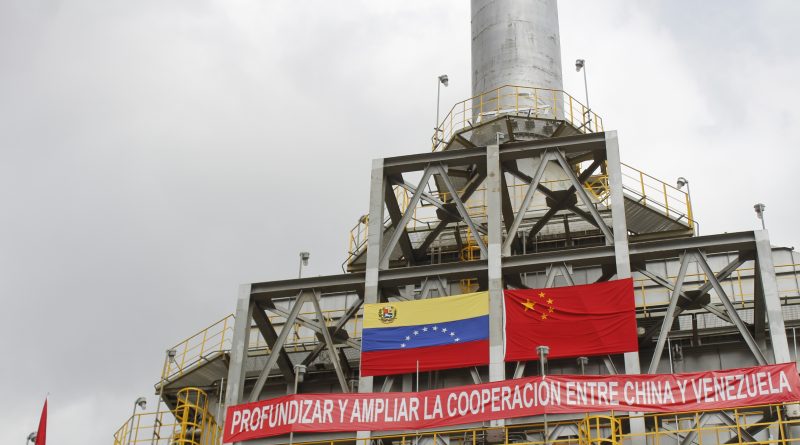
Venezuela further opens oil sector to China

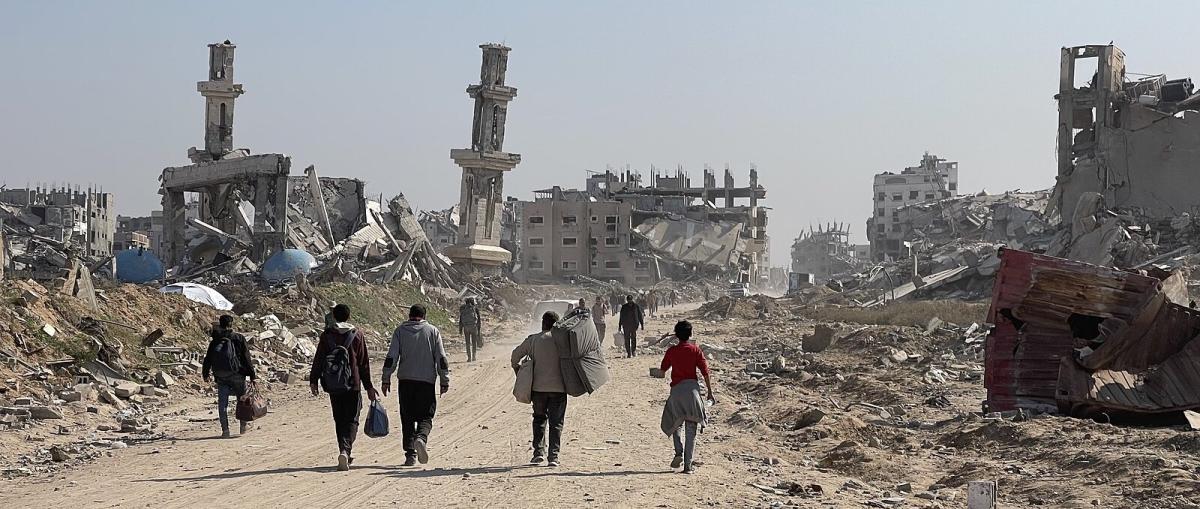
GazaAmid starvation and horrifically escalating atrocities in Gaza, Israel announces plans to build a giant concentration camp on the ruins of Rafah, an evident preparation for forced "transfer" of the Palestinian population from the Strip entirely—an idea Trump enthusiastically embraces. On the West Bank, amid growing settler attacks, more Palestinian land is enclosed behind separation walls built to protect Israeli settlements. Amid all this, Benjamin Netanyahu (wanted for war crimes by the ICC) meets with Trump in Washington to openly discuss the "transfer" plan—and announces that he has nominated the American president for the Nobel Peace Prize. In Episode 286 of the CounterVortex podcast, Bill Weinberg argues that Trump could in fact get get the Nobel prize while facilitating genocide in Gaza and instating a mass detention state in the US—a fitting inauguration of the fascist world order. (Photo: Jaber Jehad Badwan via Wikimedia Commons)
The Andes

Forgotten voices in Venezuela crisis

PemonTrump, the great enthusiast for dictators, suddenly develops a touching concern with democracy in Venezuela, grasping at the opportunity for long-sought regime change. Predictably overlooked in the world media's Manichean view of the crisis are voices of Venezuela's dissident left that takes a neither/nor position opposed to both the regime and the right-wing leadership of the opposition. Also unheard are voices of indigenous dissent and resistance. In an episode that received little coverage, December saw protests in the remote Orinoco Basin after a leader of the Pemón indigenous people was killed in a confrontation with elite Military Counterintelligence troops. The military operation was ostensibly aimed at clearing the region of illegal mining—while the Pemón themselves had been protesting the mining. The indigenous leaders view the militarization of the region as intended to make way for corporate exploitation under the Orinoco Mineral Arc plan. (Photo: EcoPolitica Venezuela)

Europe

The Yellow Vests and the carbon wars

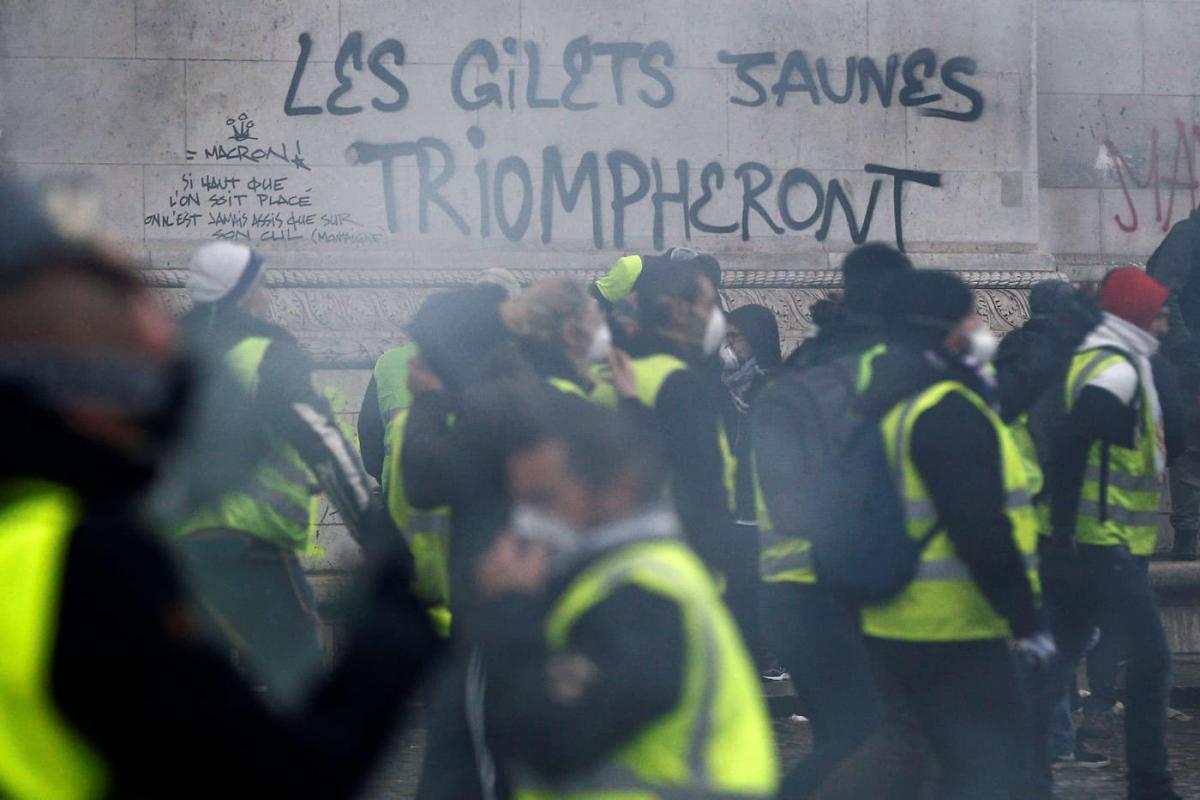
Yellow VestsThe Yellow Vest movement in France scored a victory, as President Emmanuel Macron agreed to suspend a controversial fuel tax after weeks of increasingly violent protests. This may be concretely a win for the working class, but the fact that Macron imposed the tax in the name of reducing carbon emissions has provided fodder for anti-environmental content to the movement. Exploiting this moment, Donald Trump blamed the uprising on the Paris climate accord, tweeting: "The Paris Agreement isn't working out so well for Paris. Protests and riots all over France. People do not want to pay large sums of money, much to third world countries (that are questionably run), in order to maybe protect the environment. Chanting 'We Want Trump!' Love France." (Photo via CrimethInc)

The Andes

Venezuela re-privatizing oil resources

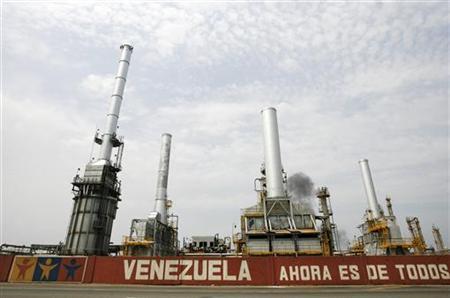
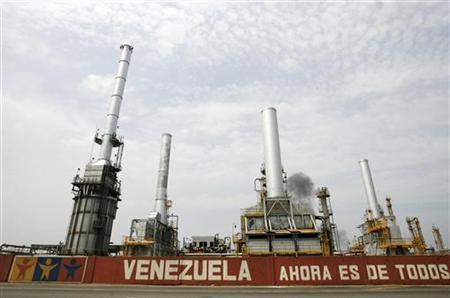
PDVSAFaced with declining production and economic chaos, Venezuela is again opening its oil-fields to private companies—reversing much of the progress in asserting state control of the hydrocarbons industry that was made under Hugo Chávez. Just after a series of new contracts with private firms was announced, President Nicolás Maduro flew to Beijing for a meeting with Xi Jinping. The two leaders announced further deals to open Venezuela's Orinoco Belt to Chinese companies. This comes a decade after Exxon withdrew from the Orinoco Belt, unable to come to terms with the Chávez government. (Photo via OilPrice.com)

Mexico

Trump announces ‘termination’ of NAFTA

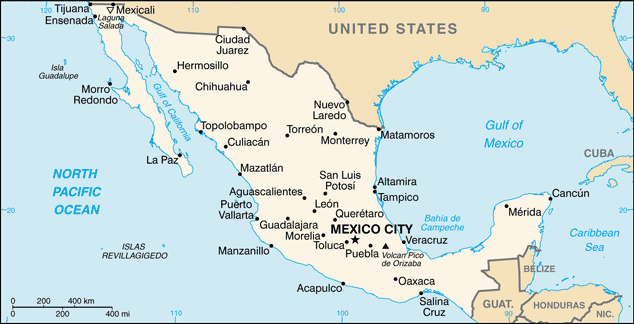
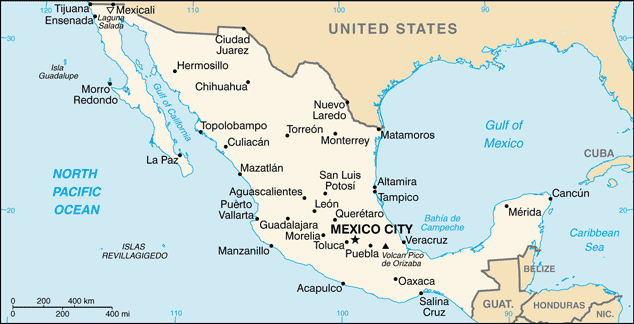
MexicoPresident Trump announced that the US and Mexico have reached an agreement on a new trade deal called the United States-Mexico Trade Agreement, which will ultimately terminate the North American Free Trade Agreement (NAFTA). Trump called Mexican President Enrique Peña Nieto from the White House to announce the new deal. Among a number of changes to NAFTA, both parties agreed to a provision that would require a significant portion of vehicles to be made in high-wage factories, a measure aimed to discourage factory jobs from leaving the US. Trump said he is in communication with Canada about a new trade deal, but is unsure if it will be part of the US-Mexico Trade Agreement. The Trump administration expects the new pact to be signed by the end of November. (Map: CIA)

Greater Middle East

Assad turns oil over to Putin for military protection

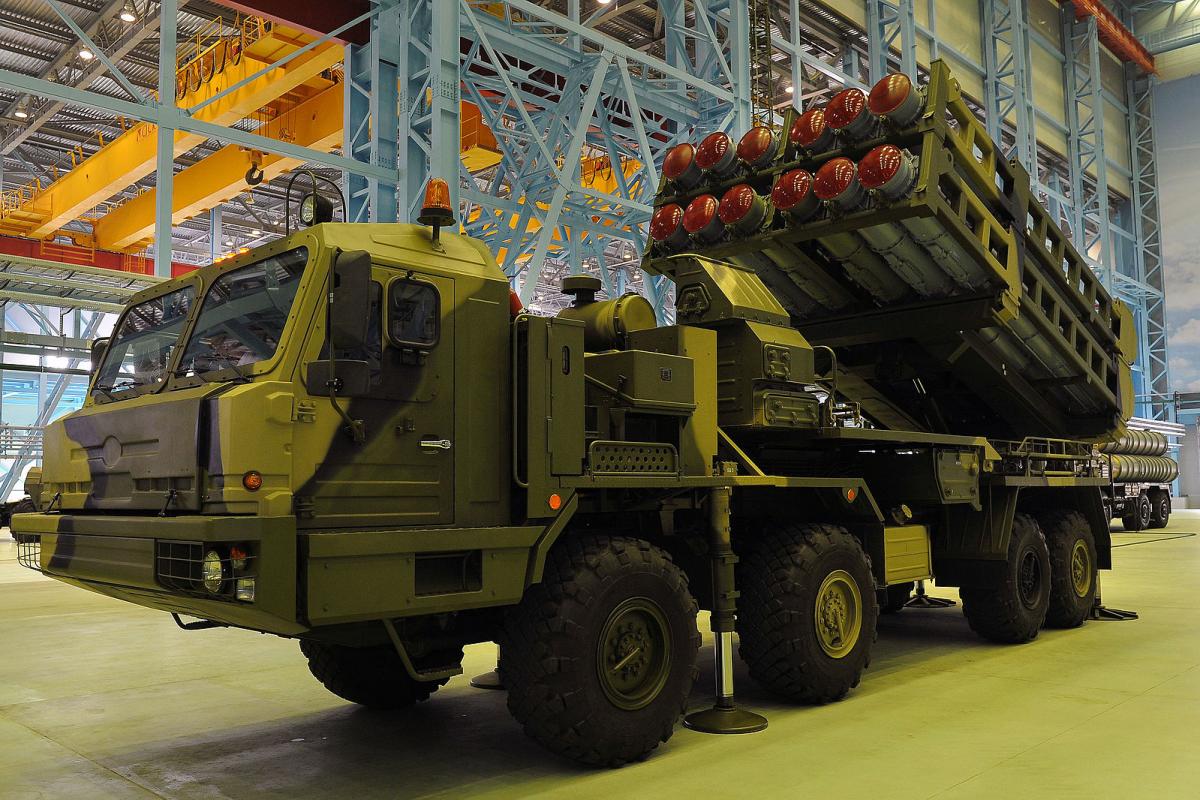
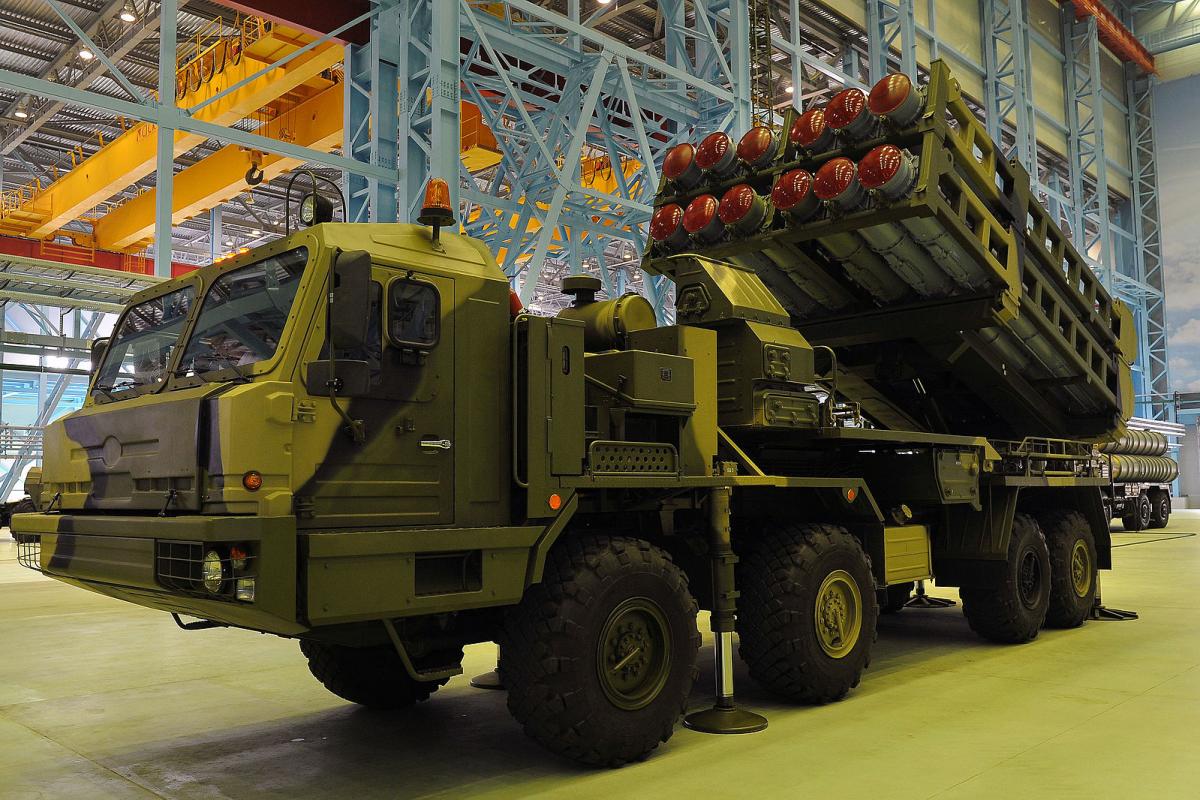
VityazBashar Assad arrived in Russia to publicly thank Vladimir Putin for his military support in the ongoing re-conquest of Syria—prominently including the deployment of new missile systems. Undoubtedly discussed behind closed doors was the  new "energy cooperation framework agreement" between Moscow and Damascus, under which Russia is to have exclusive rights to exploit oil and gas in Syria. (Photo of Vityaz missile launcher via Wikipedia)

Iran

New oil shock feared in wake of Iran debacle

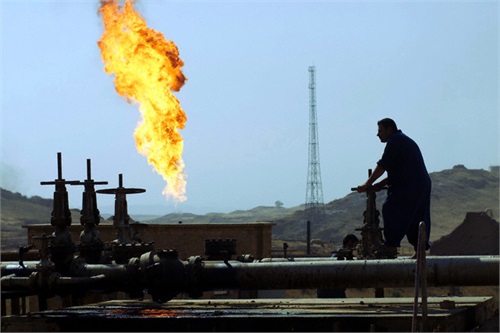
Iran oilAfter all the talk we've heard in recent years about how depressed oil prices are now permanent, in the wake of Trump's announced withdrawal from the Iran nuclear deal Bank of America is predicting that the price of Brent crude could go as high as the once-dreaded $100 per barrel in 2019. The report also cited collapsing production in Venezuela due to the crisis there. Brent prices have risen above $77 per barrel since Trump's announcement. Prices have jumped more than 8% over the past month and 15% since the beginning of the year. According to the analysis, investors fear that renewed sanctions on Iran could lead to supply disruptions. Although the report failed to mention it, the Israeli air-strikes on Iranian targets in Syria have doubtless contributed to the jitters.  (Photo: Shana)