The Andes
Apure

FARC ultra-dissidents in Venezuela clashes?

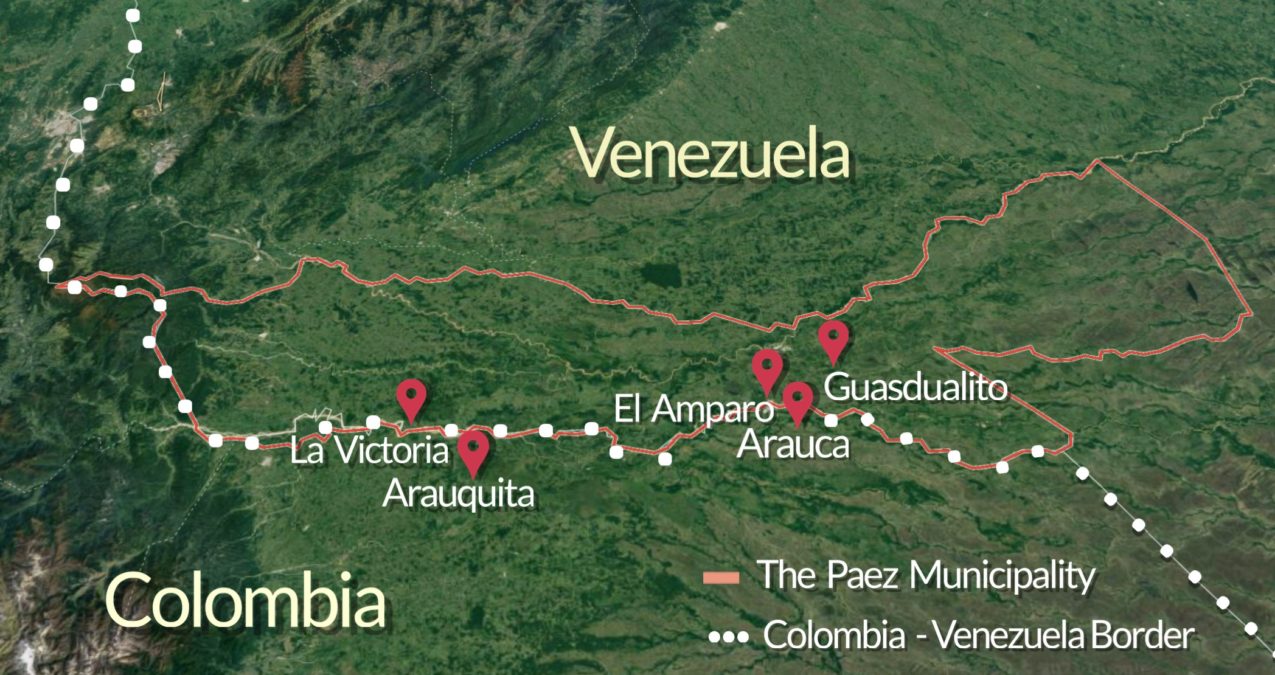
Some 3,000 Venezuelans fled across the border into Colombian territory to escape an outbreak of fighting between the military and an unnamed armed faction. Venezuelan Defense Minister Gen. Vladimir Padrino López said that in an operation dubbed Bolivarian Shield, troops have arrested 32 people, destroyed six camps, and seized weapons. There have also been reports of two Venezuelan soldiers killed in the fighting. Padrino did not name the armed group targeted in the operation, only identifying a supposed commander by his nom de guerre “Nando.” But regional media reports indicate the targeted group is one of the “dissident” factions of the Colombian FARC rebels that have remained in arms despite a peace accord. Bogotá accuses Venezuela of providing shelter to FARC dissidents. It is hypothesized that the group targeted in Bolivarian Shield is a dissident faction refusing to accept the leadership favored by Caracas. (Map: Sofía Jaimes Barreto via Caracas Chronicles)
Afghanistan
afghan army

Afghanistan: US withdrawal on hold?

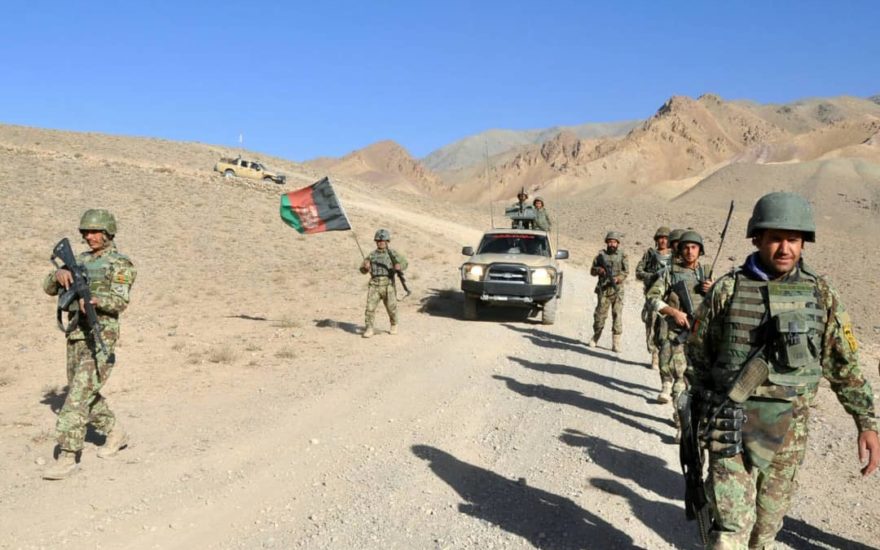
With a May 1 deadline for withdrawal of US forces from Afghanistan approaching but a final peace deal stalled, the White House is said to be considering an extension beyond this date for removal of its 2,500 troops remaining in the country. “Intra-Afghan” negotiations between the Taliban and Kabul opened in Doha in September, but remain deadlocked over fundamentals of the power-sharing deal—with the Taliban rejecting President Ashraf Ghani’s insistence on remaining in office for the remainder his five-year-term. Predictably, they haven’t even got around to discussing protection of minority and women’s rights, or the role of sharia law in the new order. Meanwhile, civilian casualties are mounting, and the Taliban has just launched a spring offensive. (Photo: Khaama Press)

Syria
Derik

US forces sent back in to northern Syria?

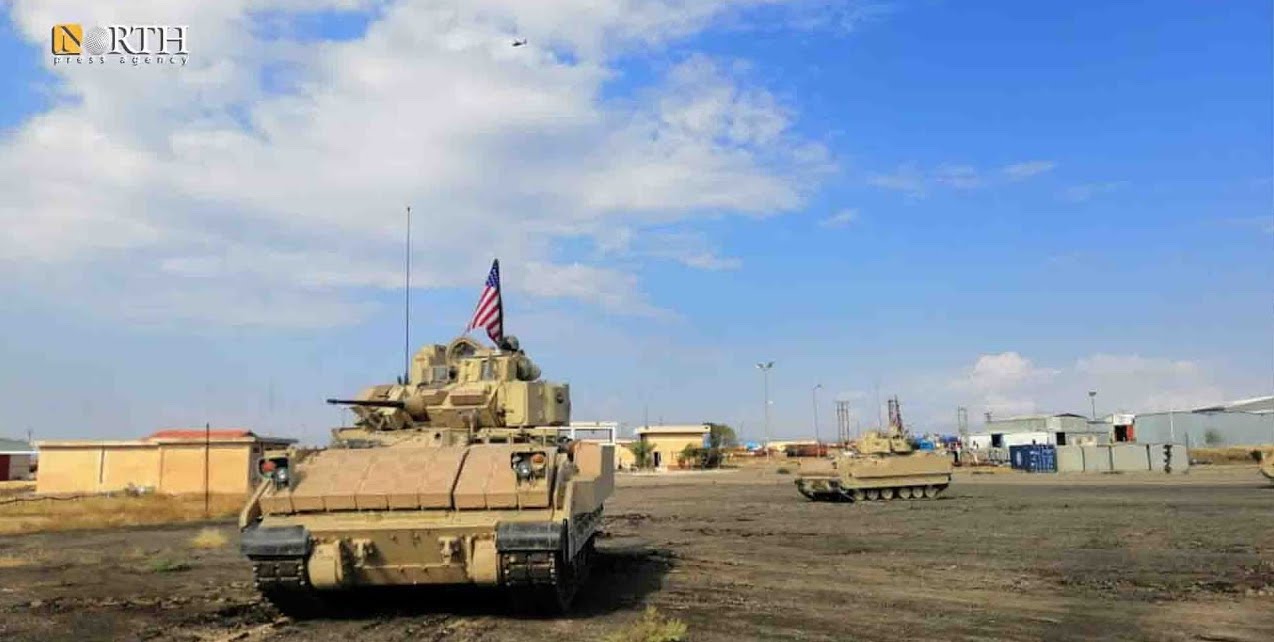
Two days after President Biden’s inauguration, a large convoy of US military vehicles reportedly entered northern Syria from across the Iraqi border. The convoy, consisting of some 40 trucks and armored vehicles accompanied by helicopters, was reported by Syrian state media, citing sources on the ground. The putative sighting raises speculation that Biden is reversing the withdrawal of US troops from northern Syria, which had been ordered by Trump in 2019. The report comes as the uneasy peace between Kurdish forces in the region and the Assad dictatorship is breaking down, with new fighting in the town of Qamishli, shattering a de facto power-sharing arrangement. (Photo: North Press Agency)

The Andes
comunes

Colombia’s ex-FARC rebranded —again

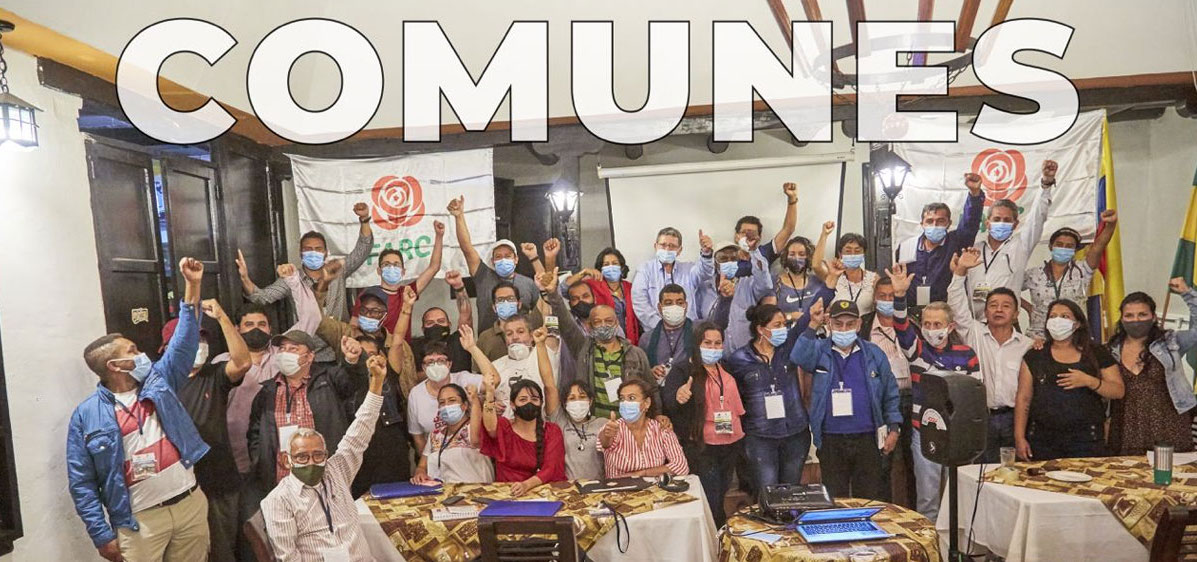
Colombia’s former FARC rebels voted to no longer use the acronym of their now-defunct guerilla army as that of their new political party. The change in name was proposed by the FARC’s former military commander Rodrigo Londoño AKA “Timochenko,” ahead of the leftist party’s Second Extraordinary Assembly. It was approved by a majority vote of 250 participating delegates at the assembly, which was held via video link at several points around the country. Delegates agreed to change the party’s name to Comunes (Commons). The former Revolutionary Armed Forces of Colombia originally re-branded in 2017 as the Revolutionary Alternative Forces of the Commons. The full name and associated acronym were dropped to disassociate the party from the former guerilla army, which remains listed as a “foreign terrorist organization” by the US State Department, as well as from “dissident” guerilla factions that have remained in arms. The acronym dates to the founding of the guerilla army in 1964. (Photo via Colombia Reports)

Africa
Sudan

Sudan: ‘peace’ with Israel, war with Ethiopia?

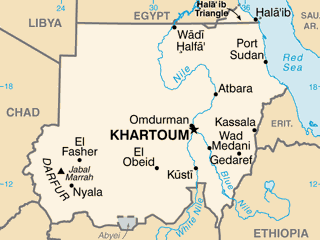
In a victory for the Trump White House, Sudan officially signed on to the so-called “Abraham Accords,” agreeing to normalization of diplomatic ties with Israel. Justice Minister Nasredeen Abdulbari signed the document in the presence of US Treasury Secretary Steven Mnuchin. But leaders of Sudan’s pro-democracy coalition, the Forces of Freedom & Change, have formed an opposition front against the agreement, saying the Sudanese people are not obligated to accept it. Meanwhile, there are alarming signs that the war in Ethiopia is spilling into Sudanese territory. The Sudanese army reported repulsing Ethiopian forces from the contested Grand Fashaga enclave on the border between the two countries. The Grand Fashaga, in Sudan’s breadbasket Gedaref state, is adjacent to Ethiopia’s conflicted Tigray region, and has seen an influx of refugees from the fighting across the border. (Map: Perry-Castañeda Library Map Collection)

Africa
Mali

UN to investigate ‘crimes against humanity’ in Mali

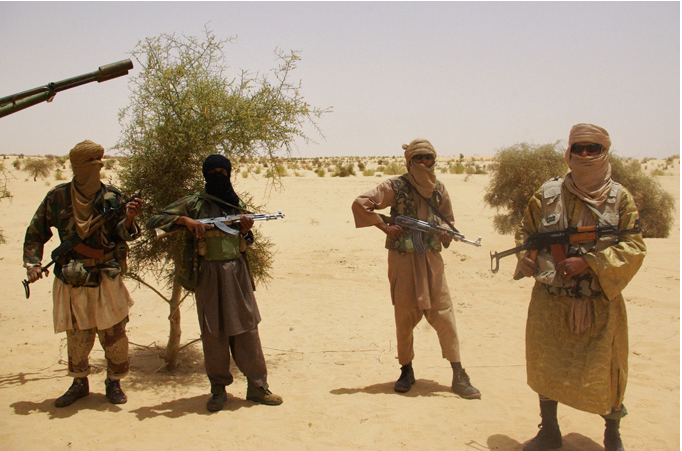
UN investigators into political violence in Mali reported to the Security Council that they found evidence that government forces have committed “war crimes,” while jihadists and other armed groups perpetrated “crimes against humanity.” The allegations are made in a 338-page report compiled by the International Commission of Inquiry, a panel examining events in Mali over the six years after it spiralled into conflict in 2012. The report, which has not yet been made public, recommends establishing a special court to try accused perpetrators. But the recommendations are being met with some wariness in Mali. The opposition Rally of Patriotic Forces demands that foreign militaries operating in the country be covered in the scope of the investigation—including France. (Photo via Andy Morgan Writes)

North Africa
Libya

Libya: Turkish troop presence threat to ceasefire

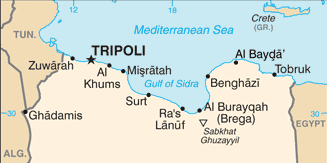
Libya’s eastern warlord Gen. Khalifa Haftar, who launched an offensive last year to capture the capital Tripoli from the UN-recognized Government of National Accord (GNA), threatened to launch attacks on Turkish forces if Ankara doesn’t withdraw troops and mercenaries sent in to back up the GNA. Haftar’s comments came in response to the Turkish Parliament’s move to extend for 18 months a law that allows the deployment of Turkish troops in Libya. Turkey’s defense minister responded that any attack by Haftar on its personnel would be met with force. “A war criminal, murderer Haftar and his supporters must know that they will be seen as a legitimate target in case of any attack on Turkish forces,” Hulusi Akar said in an address to Turkish units in Tripoli. The ultimatum is a threat to the ceasefire that has largely held since it was signed in October. (Map: CIA)

The Andes
Minga

Colombia: indigenous ‘minga’ marches on Bogotá

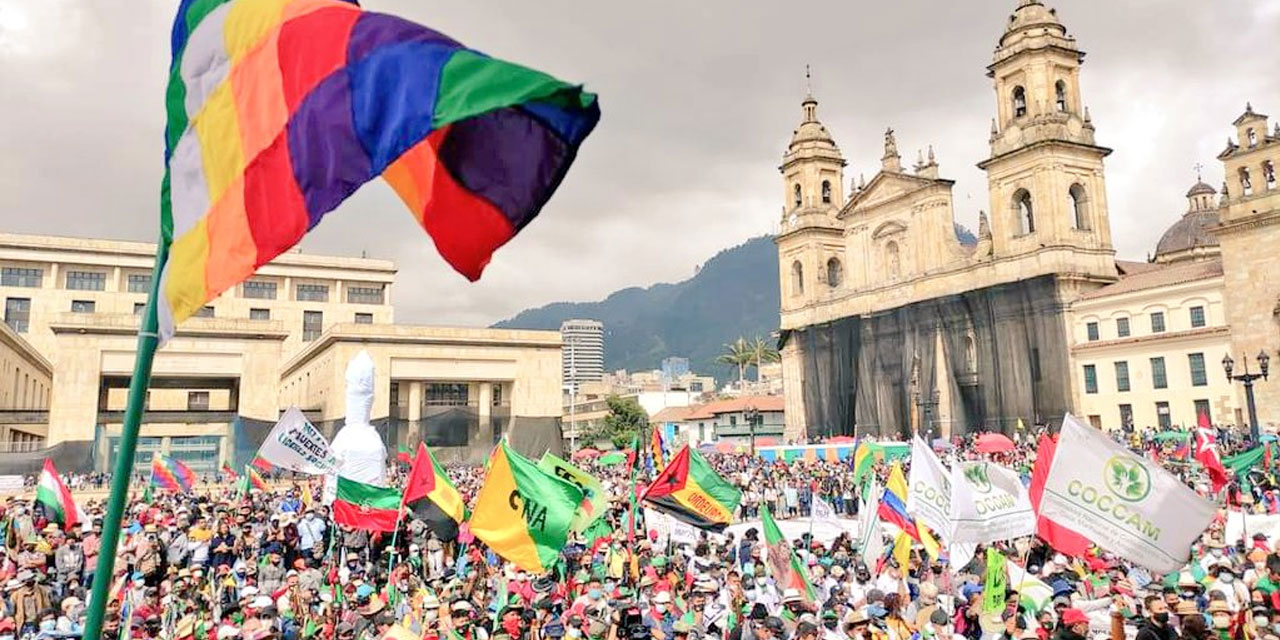
Some 10,000 participated in a cross-country march and motorcade through Colombia’s southern Andes, dubbed the “Minga for Life, Territory, Democracy and Peace,” culminating in a mass demonstration in Bogotá. Called by Nasa and Guambiano indigenous leaders in the southern department of Cauca, the Minga (a traditional Andean word for “collective labor”) was joined by Afro-Colombian and mestizo campesino communities in its 10-day trek to the capital. Chief among the marchers’ grievances is the ongoing wave of assassinations of social leaders by illegal armed groups operating on indigenous lands. They charge that their communities have been betrayed by President Iván Duque’s failure to fully implement terms of the peace accords with the demobilized FARC guerillas. (Photo: Colombia Reports)

The Andes
jorge 40

Colombia: paramilitary boss returns to face justice

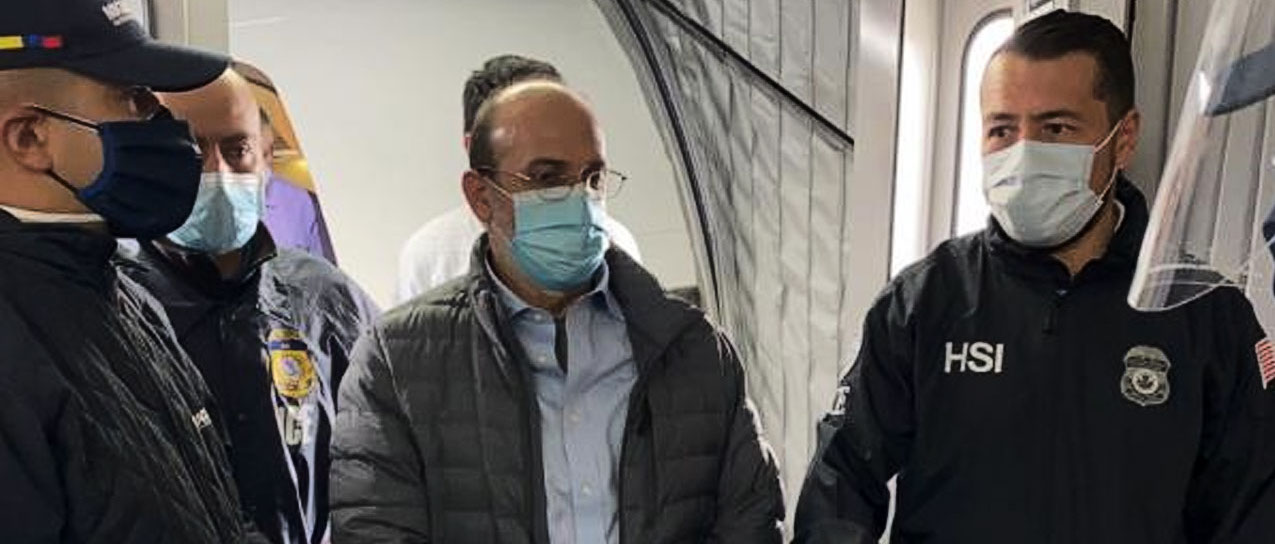
Rodrigo Tovar AKA “Jorge 40,” one of Colombia’s most wanted paramilitary leaders, was flown back to his home country after 12 years in US prisons for drug trafficking. Once an official in his hometown of Valledupar, Tovar became commander of the feared “Bloque Norte” of Colombia’s right-wing paramilitary network. Revelations upon his demobilization in 2006 triggered the so-called “parapolitics” scandal, with his testimony implicating top government figures in the officially illegal armed networks. But Tovar stopped cooperatingwith Colombian justice after his brother was assassinated in 2009, a year after his extraditionto the US. He now faces multiple charges of war crimes and human rights violations in Colombia, most notoriously the 2000 massacre of 60 civilians at the village of El Saldado. (Photo via Colombia Reports)

Afghanistan
Afghan army

Iraq and Afghanistan: US troops out, Chevron in?

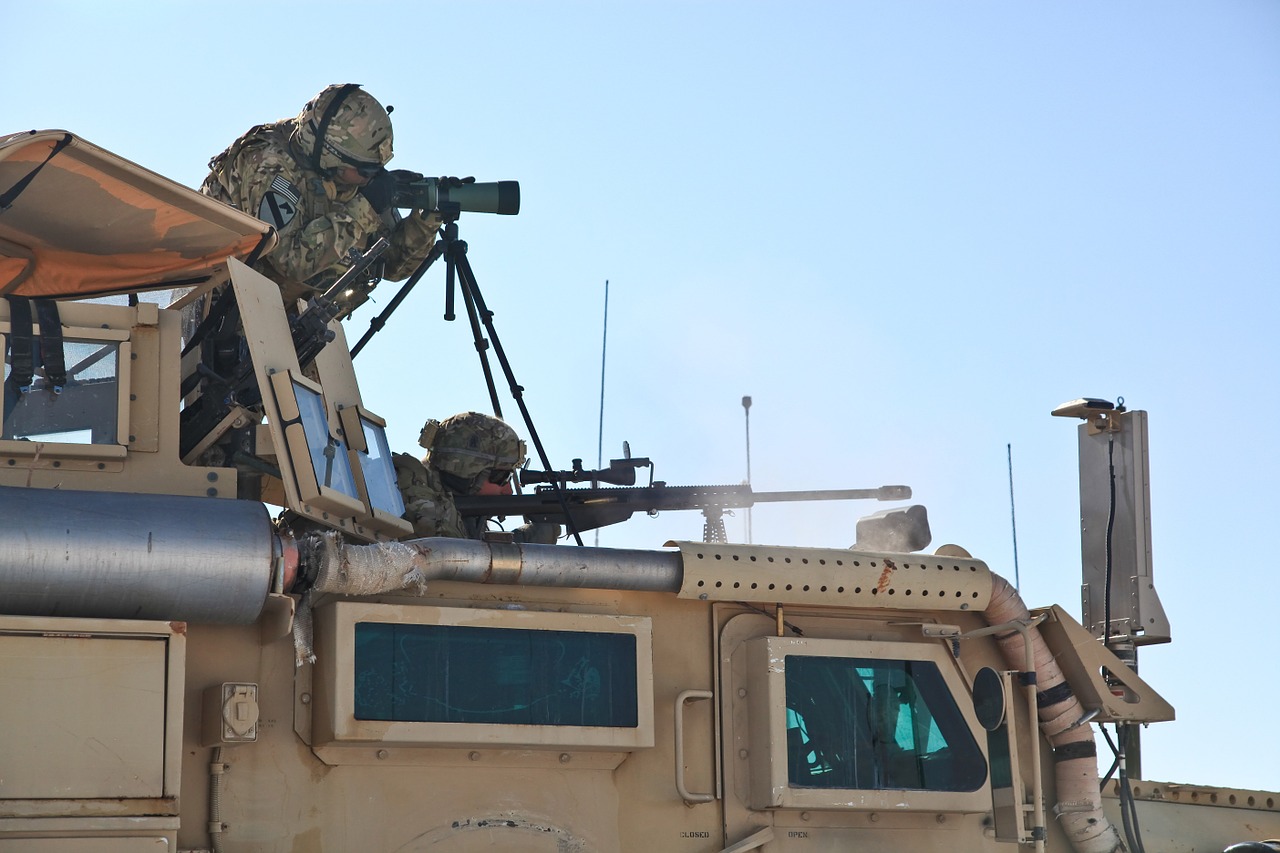
Playing to anti-war sentiment just in time for the election, the Trump administration announces a draw-down of thousands of troops from Iraq and Afghanistan. This comes as Chevron has quietly signed an agreement with Iraq for the development of the massive Nassiriya oil-field. Chevron has also announced a new initiative with Kazakhstan, with an eye toward oil exports through a trans-Afghan pipeline. We’ve been hearing talk of a US “withdrawal” from Iraq and Afghanistan for years—but military advisors and contractors have always remained, and ground troops have always been sent back in again as soon as things start to get out of hand. And as long as oil money follows the military, that will always be the case. Don’t be fooled. (Photo: Army Amber via Pixaby)

The Andes
samaniego

Students massacred in Colombian village

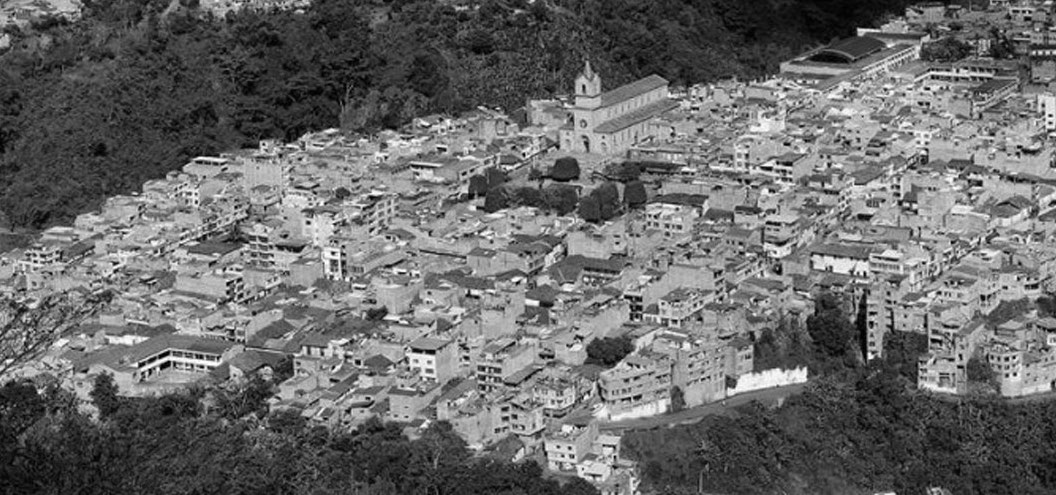
Eight young people at a social gathering were killed in Colombia’s southern Nariño department when unknown gunmen barged in and opened fire. The victims, between the ages of 17 and 25, were university students who had returned to the village of Samaniego due to the pandemic. They were enjoying a small party at a family farm on the edge of the village when the attack took place. One woman and one minor were among the dead. Nariño Gov. Jhon Rojas did not name any group as responsible for the attack, but noted presence in the area of ELN guerillas, “dissident” FARC factions that have remained in arms despite the peace accord, and right-wing paramilitaries. Rojas called on national authorities to “return tranquility to the region” by fulfilling terms of the 2016 peace accords, which President Ivan Duque has opposed. (Photo: Colombia Reports)

Afghanistan
Afghanistan

Is Russia really backing the Taliban?

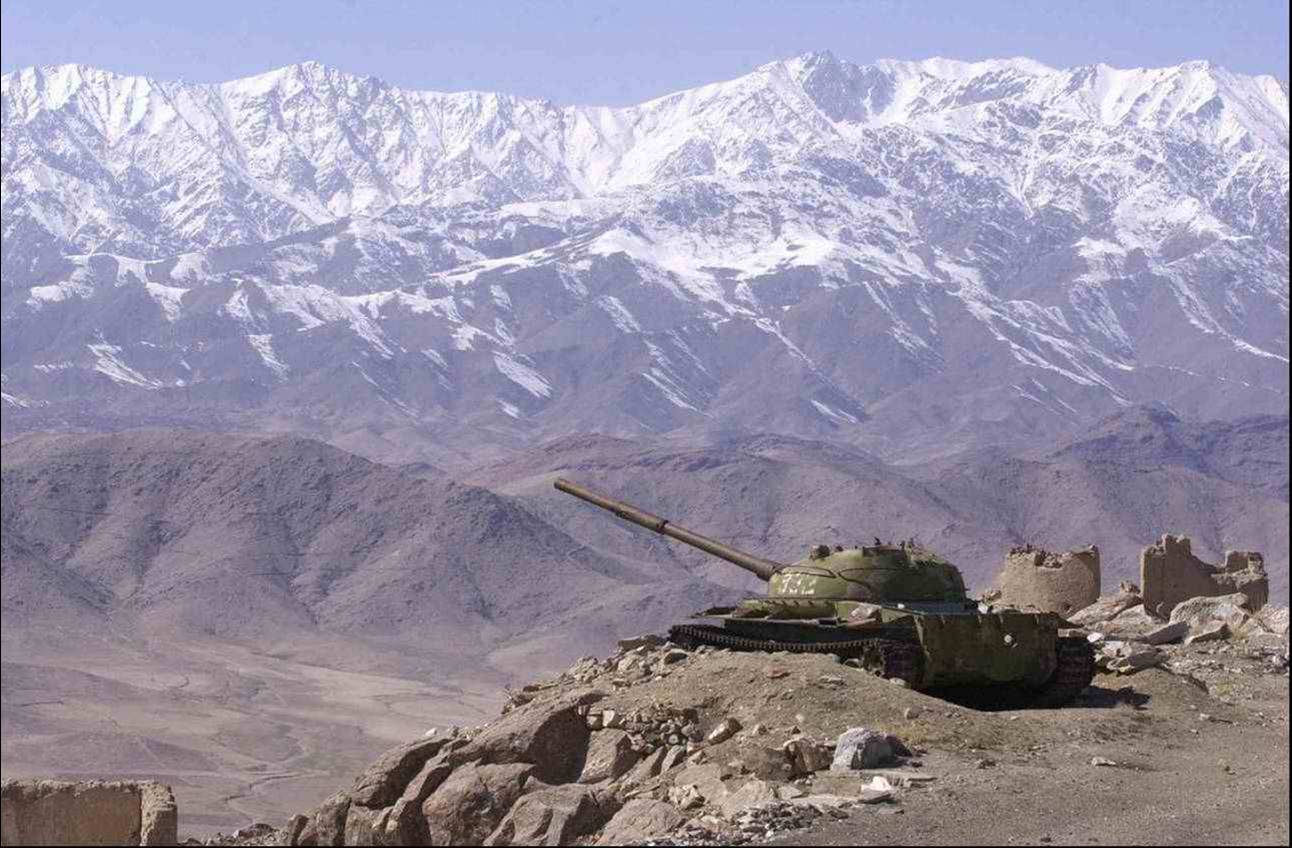
The kneejerk squawking of “McCarthyism” any time new revelations of Moscow misdeeds emerge is tiresome and dangerous. But there is reason for skepticism about the claims that Russia is arming the Taliban in Afghanistan, and offering them a bounty to kill US troops. This makes little sense in terms of the regional alliances: US ally Pakistan has been the traditional patron of the Taliban, while Russia’s closest ally in the region is Iran, which opposes the Taliban on sectarian grounds. The notion that Moscow would do anything to strengthen the hand of Sunni extremism in a country where it faced its own counterinsurgency quagmire in the ’80s, and which still borders its “near abroad,” stretches credulity. (Photo of abandoned Soviet tank in Afghanistan via Wikimedia Commons)