Central Asia
China prison

India, China mirror each other in Islamophobia
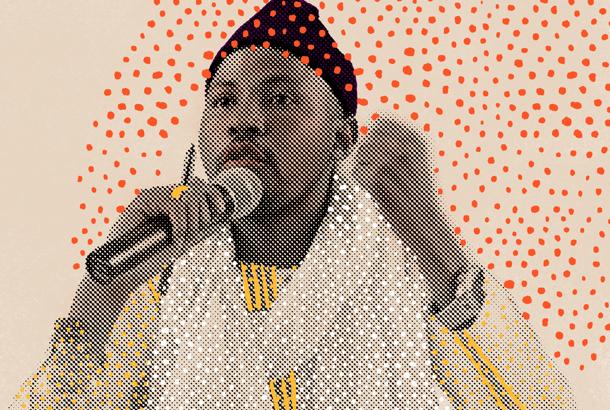
DialloRegional NGO alliance the People's Coalition for the Sahel is demanding the immediate return alive of human rights defender Daouda Diallo, secretary general of Burkina Faso's Collective Against Impunity & Stigmatization of Communities (CISC). The CISC announced that Diallo was abducted on a Ouagadougo street by at least four unidentified men in civilian clothes. Diallo's CISC has been riasing the alarm about ethnically targeted killings in Burkina Faso under the military regimes that have been in power since a January 2022 coup. It is believed Diallo may have been "requisitioned" by the armed forces to participate in the very counterinsurgency campaign that his group has been protesting. (Image: CISC via OHCR)
South Asia

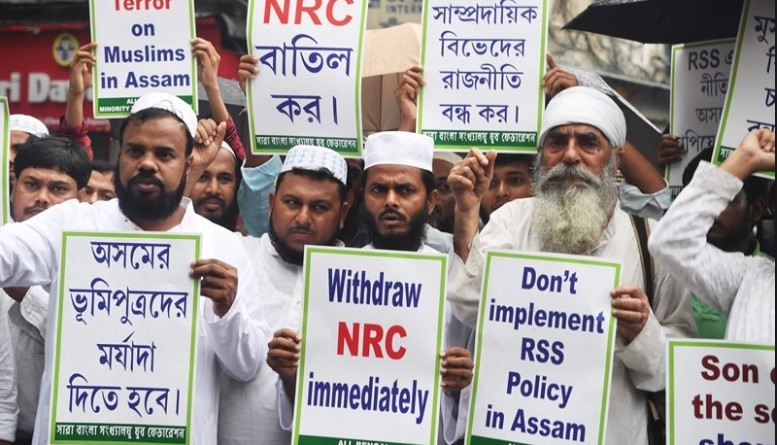
Muslims face mass detention in India’s Assam

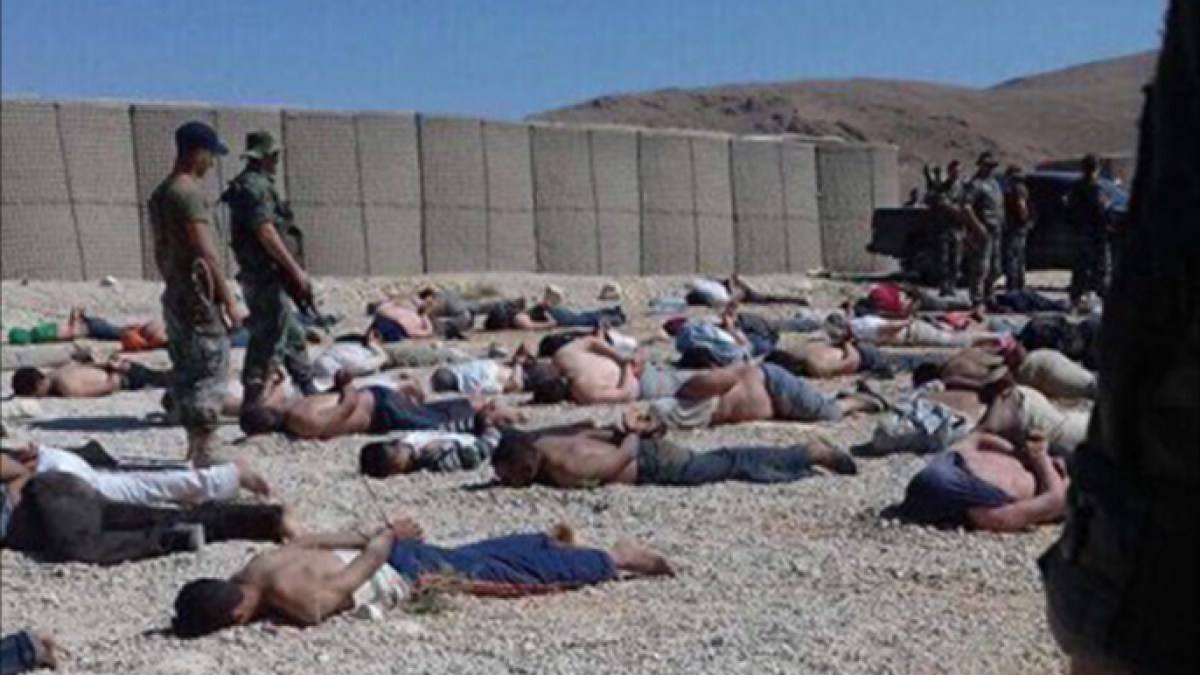
RoumiehThe DC-based Syrian Emergency Task Force condemned the unlawful detention, torture and abuse of Syrian refugees in Lebanon, which it says has resulted in at least 40 deaths. Since 2014, Hezbollah and complicit Lebanese forces have arrested hundreds of Syrian refugees—particularly supporters of the Syrian Revolution—and sentenced them in unfair military trials, despite repatriation efforts by Syria's new government. Many are tried before Lebanon's Military Court for belonging to "terrorist groups"—a reference to rebels fighting the former dictatorship of Bashar Assad, in Syria not Lebanon. (Photo via Facebook)

Watching the Shadows

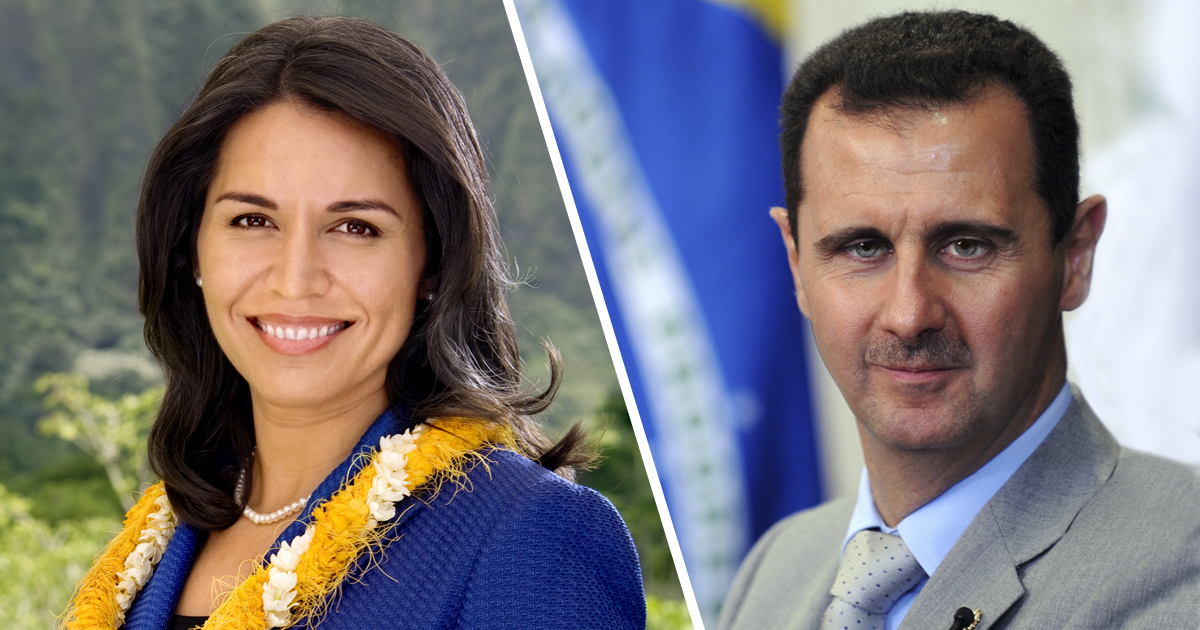
Podcast: Tulsi Gabbard, paradoxical hippie fascist

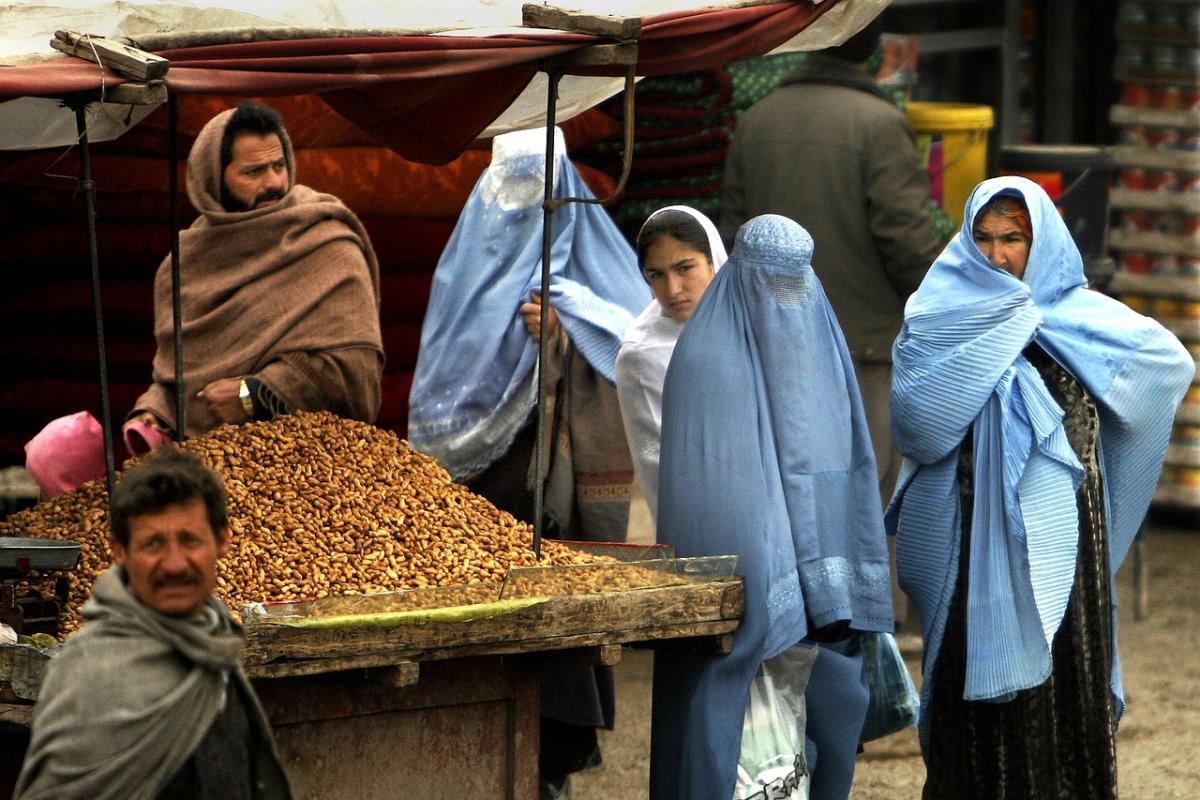
burqaRussia became the first country to formally recognize the Taliban government in Afghanistan, with the Taliban flag raised at the Afghan embassy in Moscow. Earlier this year, Russia removed the Taliban from its list of terrorist organizations, citing "the need for cooperation in combating drug trafficking and terrorism, as well as building economic ties." The move to recognize the regime comes weeks after the UN Assistance Mission in Afghanistan shared evidence of systematic discrimination against women under Taliban rule. (Photo: 12019/Pixabay via Jurist)

South Asia
Kashmir

Militarization as Delhi prepares to dismantle Kashmir

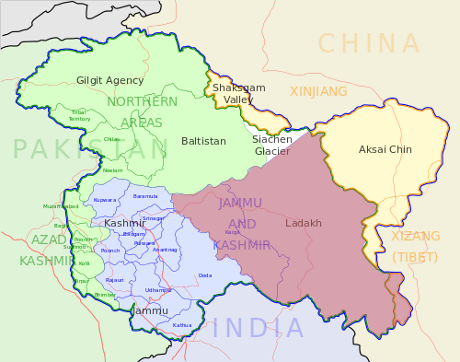
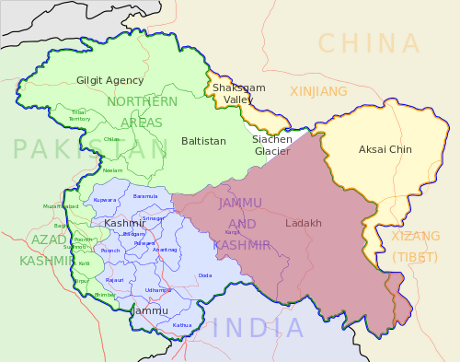
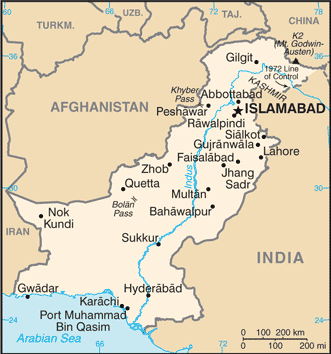
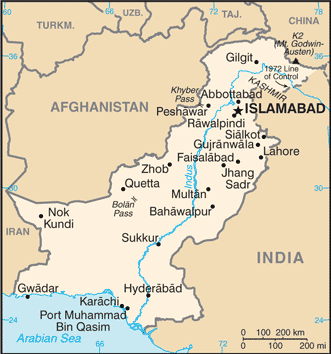
KashmirIndia's government has flooded the northern state of Jammu & Kashmir with troops and cut off internet access upon announcing the revocation of its constitutionally protected autonomy, and plans to divide the disputed territory into two new political entities with reduced power. Article 370 of India's constitution grants Jammu & Kashmir a high degree of autonomy, a concession to the demands of the territory's Muslim majority, many of whom favor independence or union with Pakistan. In addition to abrogating Article 370, Delhi announced plans for a bill to divide India-controlled Kashmir into two "union territories," which have less powers of self-government than states. A reduced Jammu & Kashmir Union territory would continue, at least, to have a legislature. But it would be separated from the Buddhist-majority region of Ladakh, which is to become its own union territory, without a legislature. Complicating matters further is that the populace of Ladakh itself is divided along sectarian and regional lines. News of the plan to separate Ladakh from Jammu & Kashmir was met with jubilation in the principal Buddhist town of Leh, but with foreboding in Kargil, an enclave within Ladakh inhabited by Ismaili Muslims.  (Map via Wikipedia)

North Africa

Lavalin-Libya sleaze at issue in Trudeau turpitude

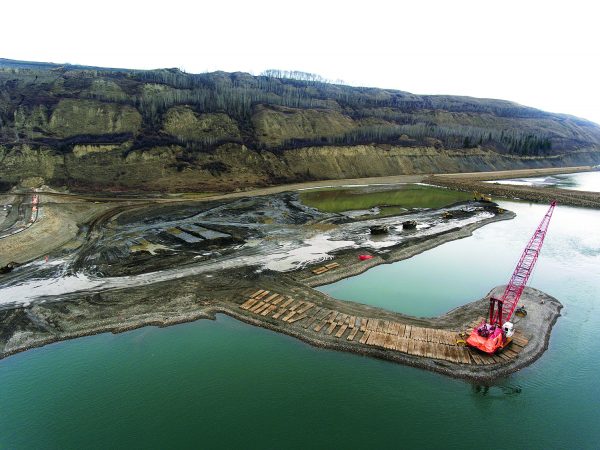
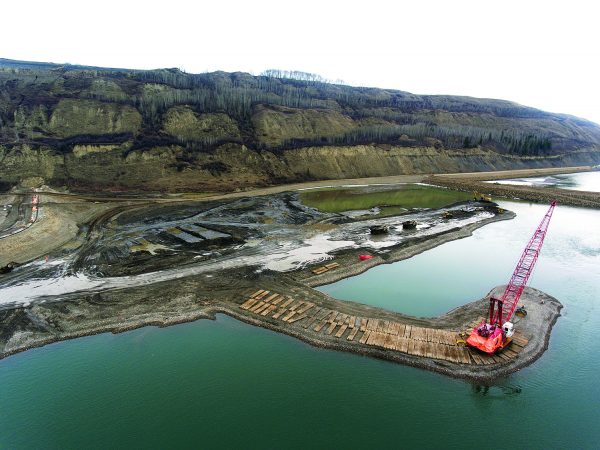
Site CCanadian opposition parties are crying foul after an investigation into the corruption scandal rocking the government of Prime Minister Justin Trudeau was shut down by a parliamentary committee dominated by his ruling Liberals. The affair concerns Quebec-based construction giant SNC-Lavalin's apparent attempts to secure leniency from the Trudeau government in various criminal investigations it faces. Obstruction of justice charges were stayed earlier this year against Lavalin executive Sami Bebawi, on the ostensible basis that too much time had elapsed since the offense under investigation—which involved alleged bribes to the Moammar Qaddafi regime to secure construction contracts in Libya in 2011. The company is best known within Canada for controversial mega-projects under contruction from British Columbia to Labrador. (Photo: BC Hydro via Journal of Commerice)

South Asia

Kashmiris under attack across India

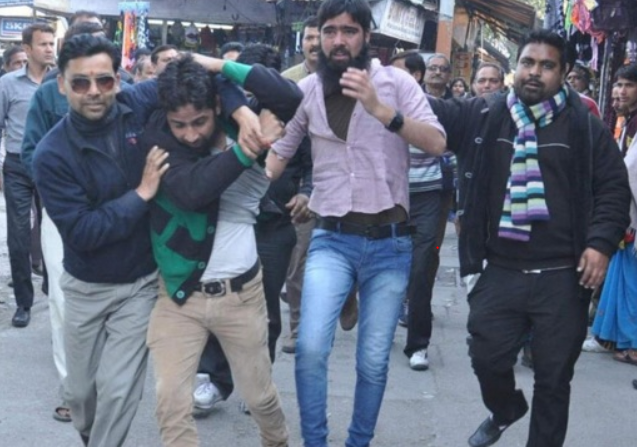
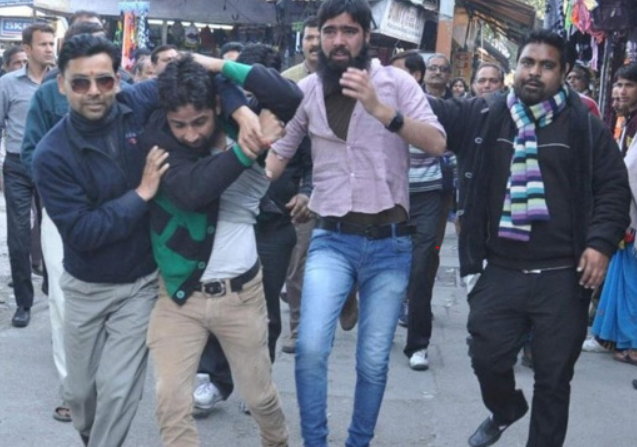
Kashmir violenceAs India and Pakistan exchange military strikes in the wake of last week's massive suicide blast in Kashmir, many cities across India report cases of targeted violence against Kashmiri students and businesses by right-wing groups. Members of Yuva Sena, youth wing of the Hindu nationalist Shiv Sena, attacked Kashmiri students in Maharashtra. Colleges in Dehradun and Bhopal expelled Kashmiri students for posting objectionable content on social media about the suicide attack. A video surfaced on social media showing a Kashmiri man being beaten in Kolkata, West Bengal, by a mob which forced him to chant patriotic slogans like "Vande Mataram" and "Bharat Mata ki Jai" ("Mother, I praise thee" and "Victory to Mother India," two phrases appropriated by the Hindu-nationalist right). (Photo via KashmirWatch)

South Asia

Himalayan glaciers could be mostly gone by 2100

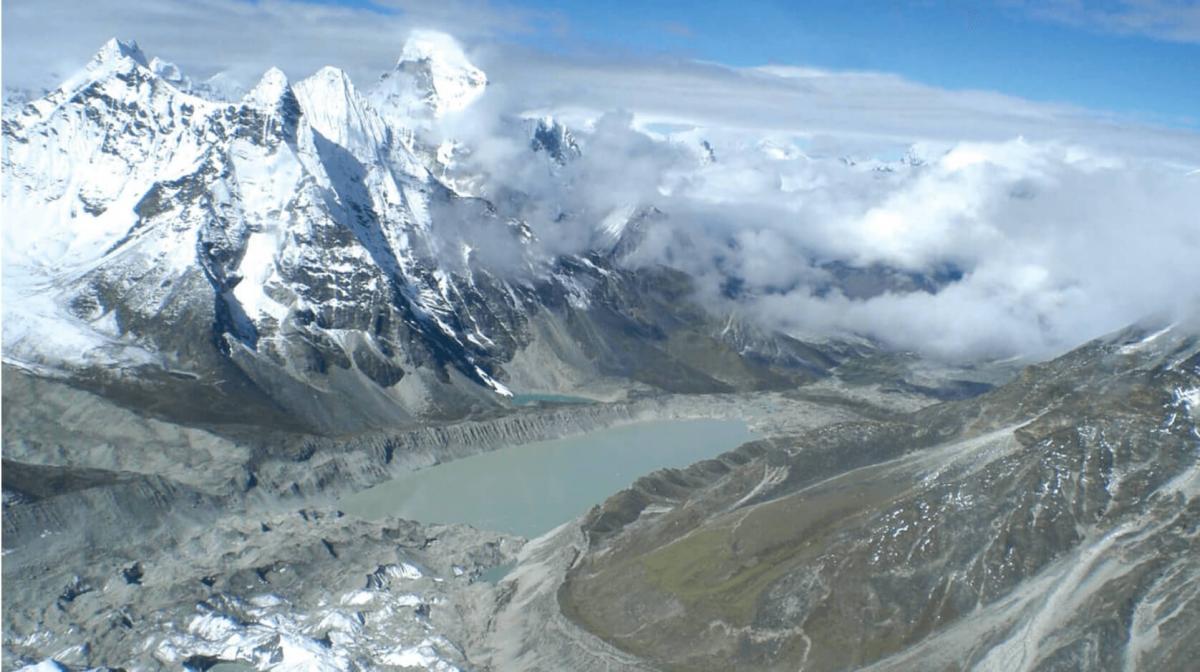
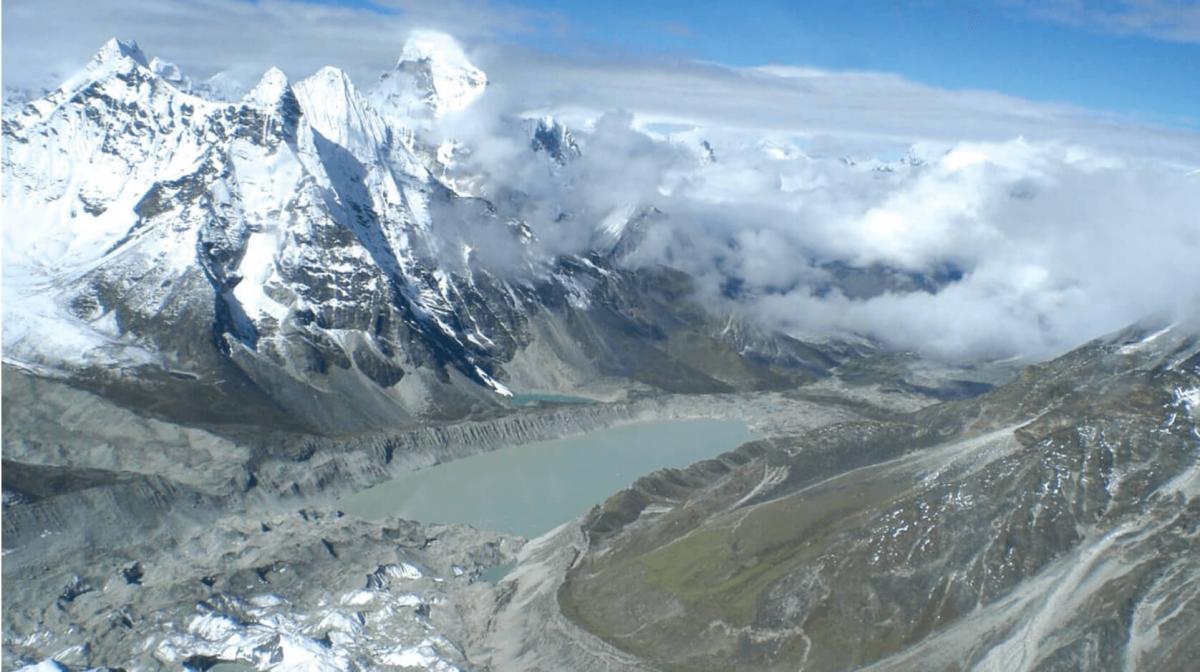
Himalaya glaciersRising temperatures in the Himalayas will melt at least one-third of the region's glaciers by the end of the century even if the world's most ambitious climate change targets are met, according to a new report. If those goals are not reached, the Himalayas could lose two-thirds of their glaciers by 2100, according to the Hindu Kush Himalaya Assessment, released by the Kathmandu-bsed International Centre for Integrated Mountain Development. Under that scenario, the Himalayas could heat up by 8 degrees Fahrenheit (4.4 degrees Celsius) by century's end, bringing radical disruptions to food and water supplies, and mass population displacement. Glaciers in the Hindu Kush-Himalayan Region, which spans over 2,000 miles of Asia, provide water to nearly a quarter of the world's population. (Photo via Nepali Times)

Planet Watch
doomsday

Doomsday Clock: two minutes of midnight

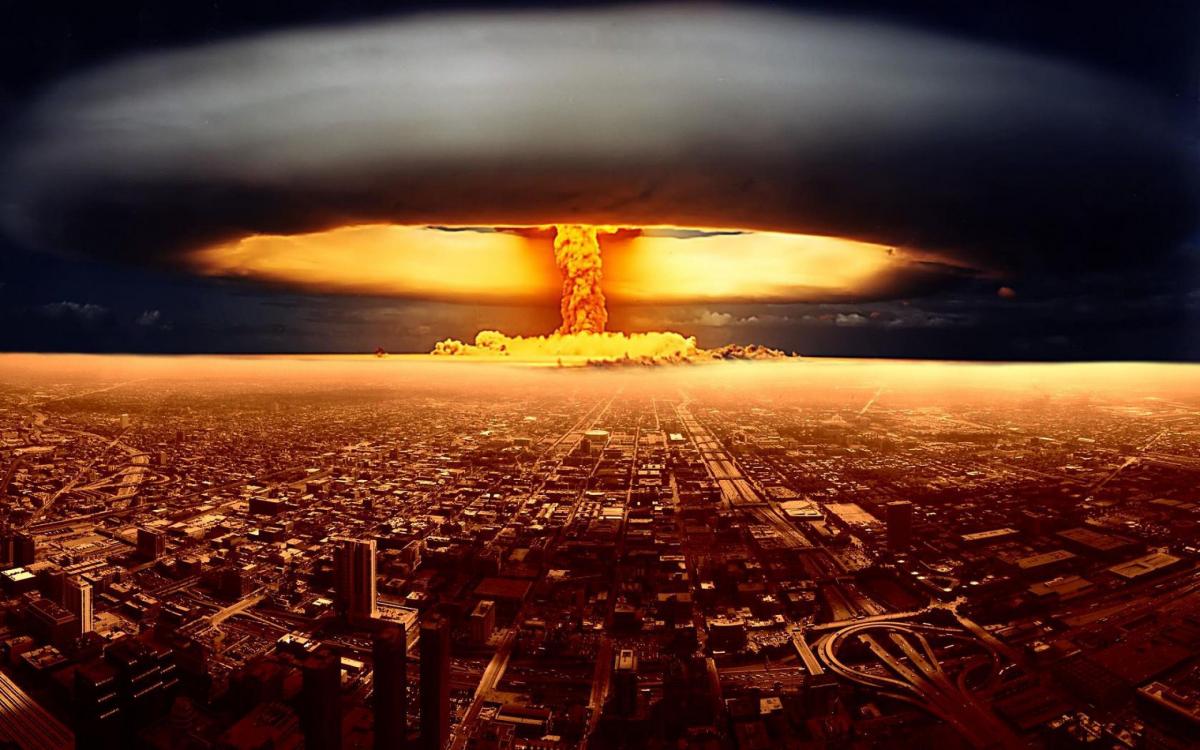
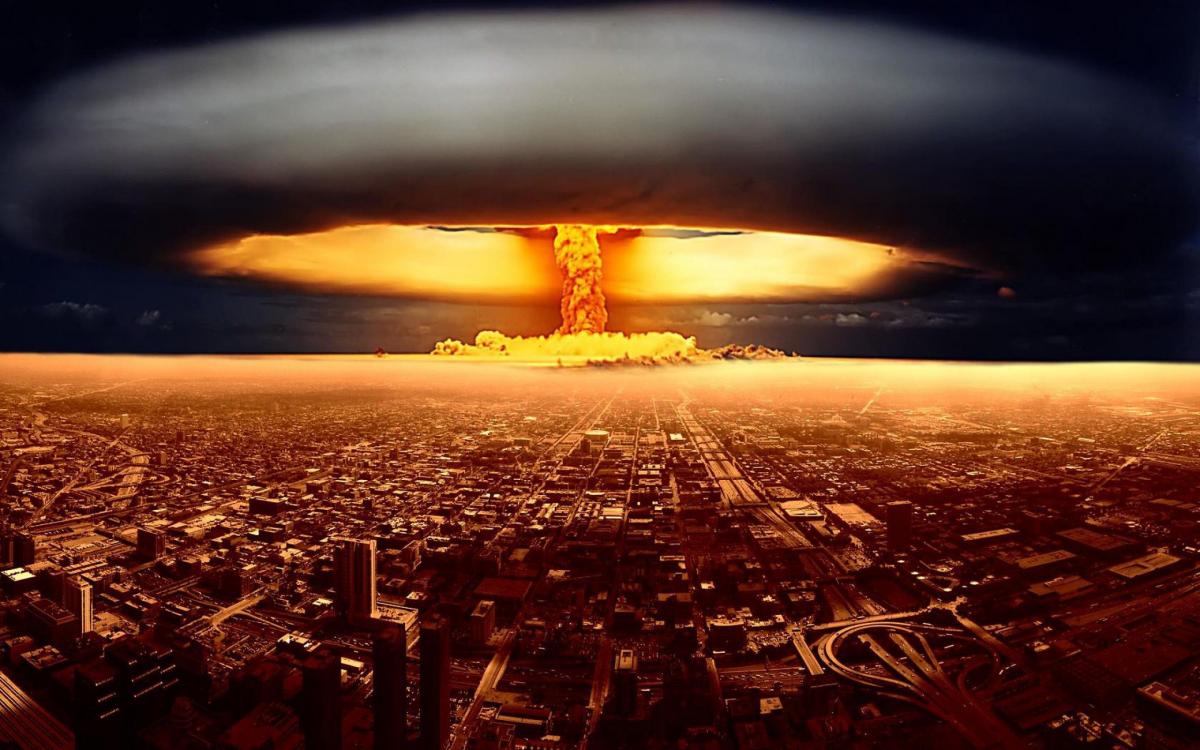
doomsdayThe Bulletin of the Atomic Scientists advanced the minute hand of its Doomsday Clock to two minutes of midnight from its previous two-and-a-half minutes. "In 2017, world leaders failed to respond effectively to the looming threats of nuclear war and climate change, making the world security situation more dangerous than it was a year ago—and as dangerous as it has been since World War II," the Bulletin said. Finding that the "greatest risks last year arose in the nuclear realm," the statement of course cited the crisis over North Korea's atomic weapons program, but also ongoing military exercises along the borders of NATO, upgrading of nuclear arsenals by the US and Russia, tensions over the South China Sea, a nuclear arms race between India and Pakistan, and uncertainty about continued US support for the Iran nuclear deal. These threats are worsened by "a breakdown in the international order that has been dangerously exacerbated by recent US actions." (Image: misucell.com)

South Asia

Hatred of Ahmadis behind Pakistan protests

PakistanThe protests that paralyzed Islamabad and other Pakistani cities were ostensibly sparked by changes to the oath of office, eliminating text recognizing Mohammed as God's final prophet. But behind this was orthodox Sunni fear of the Ahmadiyya Muslim sect, which holds that 19th century founder Mirza Gulam Ahmed was the last prophet. As the protests mounted, Ahmadi Muslims faced threats across Pakistan, the Islamic world and the diaspora.

South Asia

South Asia: millions more ‘climate refugees’

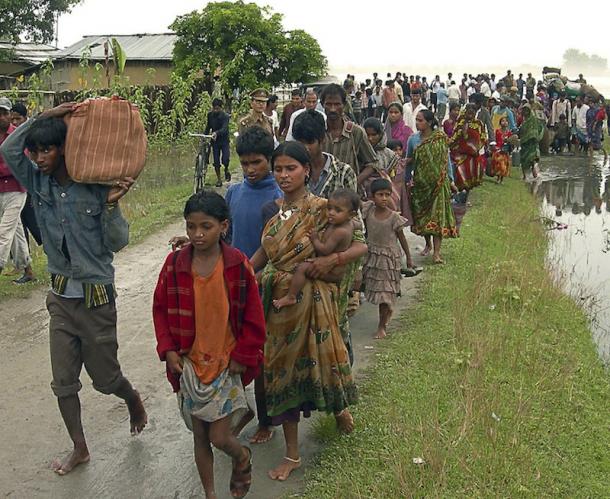
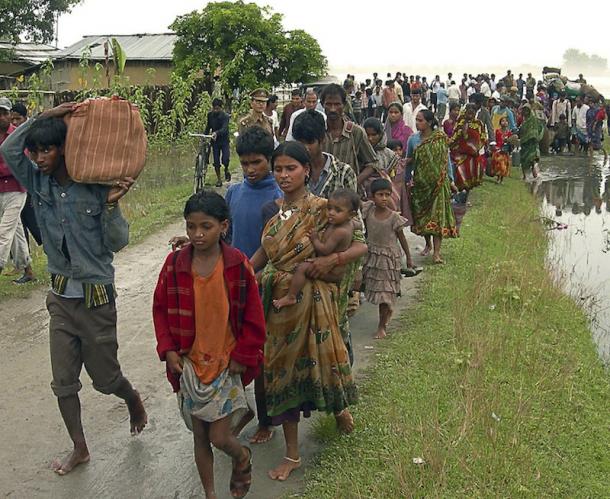
refugeesWith stateside media focused on the unprecedented flooding and cascading industrial disasters from Hurricane Harvey in Texas, the far great deluges that have struck three countries in South Asia are going largely unreported. Up to 40 million have been impacted after weeks of unusually strong monsoon rains affecting India, Bangladesh and Nepal—adding to the fast-growing ranks of "climate refugees," now a nearly invisible global crisis.

South Asia

India: Islamic ‘instant divorce’ law unconstitutional

IndiaThe Supreme Court of India ruled that the sharia-based "instant divorce" law, which allowed Muslim men to divorce their wives by saying the word "talaq" three times, was unconstitutional. The court found that the practice is gender-discriminatory and noted that several countries with sizable Muslim populations do not allow the talaq instant divorce. The court has given a six-month period for the talaq divorce to be redefined or simply done away with altogether.

South Asia

Bhutan squeezed in India-China standoff

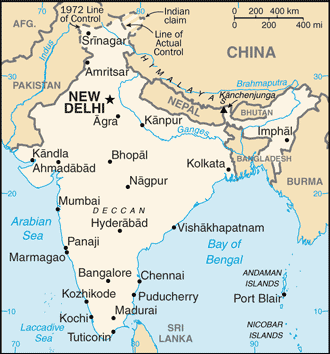
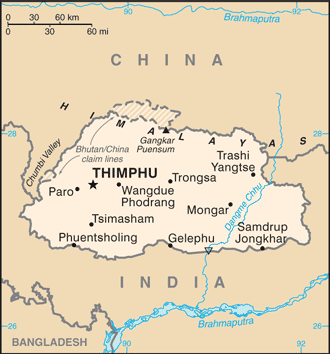
As Chinese and Indian troops face off on the disputed Himalayan border, the small independent kingdom of Bhutan charges that its own territorial claims are not being respected.