East Asia
Nagasaki

Gaza at issue in Nagasaki commemoration

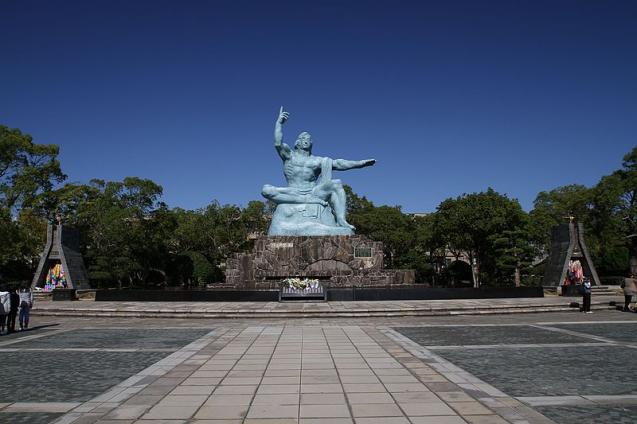
The US ambassador to Japan did not attend this year’s official commemoration of the atomic bombing of Nagasaki in protest of the city’s failure to invite Israel. Ambassador Rahm Emanuel said the event had been “politicized” by Nagasaki’s decision to exclude the Jewish state. Five other G7 countries and the EU likewise boycotted the ceremony. The municipal government in Hiroshima refused to pay heed to public calls to exclude Israel over the Gaza bombardment, and invited Israeli officials to its event as usual. Russia and Belarus were exuded from both commemorations for a third consecutive year. (Photo: Pop Japan)
Syria
Kuweires

Is Ukraine backing Syrian insurgents?

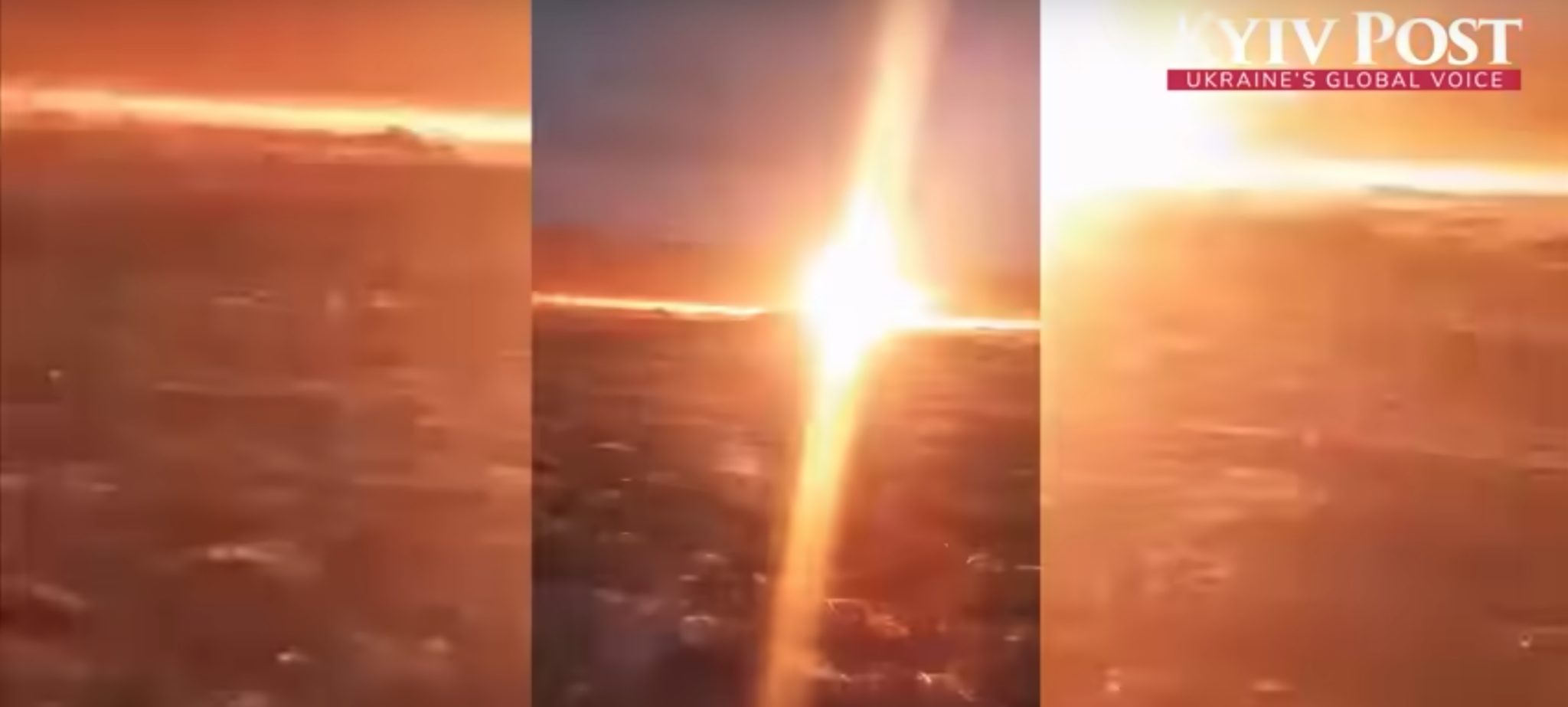
Ukrainian special forces under command of Kyiv’s Main Intelligence Directorate (HUR) carried out an operation against Russian forces in Syria, according to a video released by the agency. First reported by the Kyiv Post, the raid by the “Khimik” elite unit is said to have targeted Kuweires airbase outside Aleppo, which is used by both Russian and Assad regime forces. Drone strikes followed by a ground attack are said to have destroyed a Russian “electronic warfare complex” at the base, along with other “military objects.” The report said the operation was conducted in cooperation with Syrian “insurgents,” although it didn’t make clear which faction. The strike was reportedly carried out the day after a meeting at the Kremlin between Russian President Vladimir Putin and his Syrian counterpart Bashar al-Assad. In May 2023, HUR chief Lt. Gen. Kyrylo Budanov promised to “destroy Russian war criminals anywhere in the world they may be.” (Image via Kyiv Post)

Africa
jihadis

Is Ukraine backing Mali insurgents?

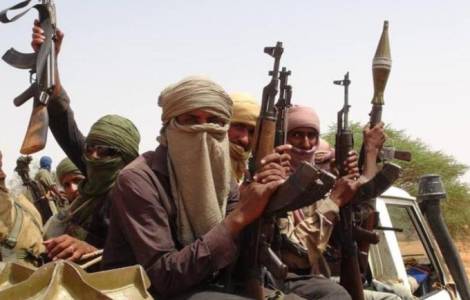
Mali announced that it has cut diplomatic relations with Ukraine, after a Kyiv military official boasted of having aided an insurgent attack in the country’s north that left scores of government troops and Russian mercenaries dead. Andrii Yusov, spokesman for Ukraine’s GUR military intelligence agency, said on social media that “the rebels received necessary information, and not just information, which enabled a successful military operation against Russian war criminals.” While not saying whether Ukrainian military personnel were involved in the fighting or were present in the country, Yusov cryptically added that the GUR “won’t discuss the details at the moment, but there will be more to come.” Malian official Col. Abdoulaye Maiga said Yusov’s comments “admitted Ukraine’s involvement in a cowardly, treacherous and barbaric attack by armed terrorist groups.” (Photo: FIDES)

Greater Middle East
Golan Heights

Podcast: flashpoint Golan Heights

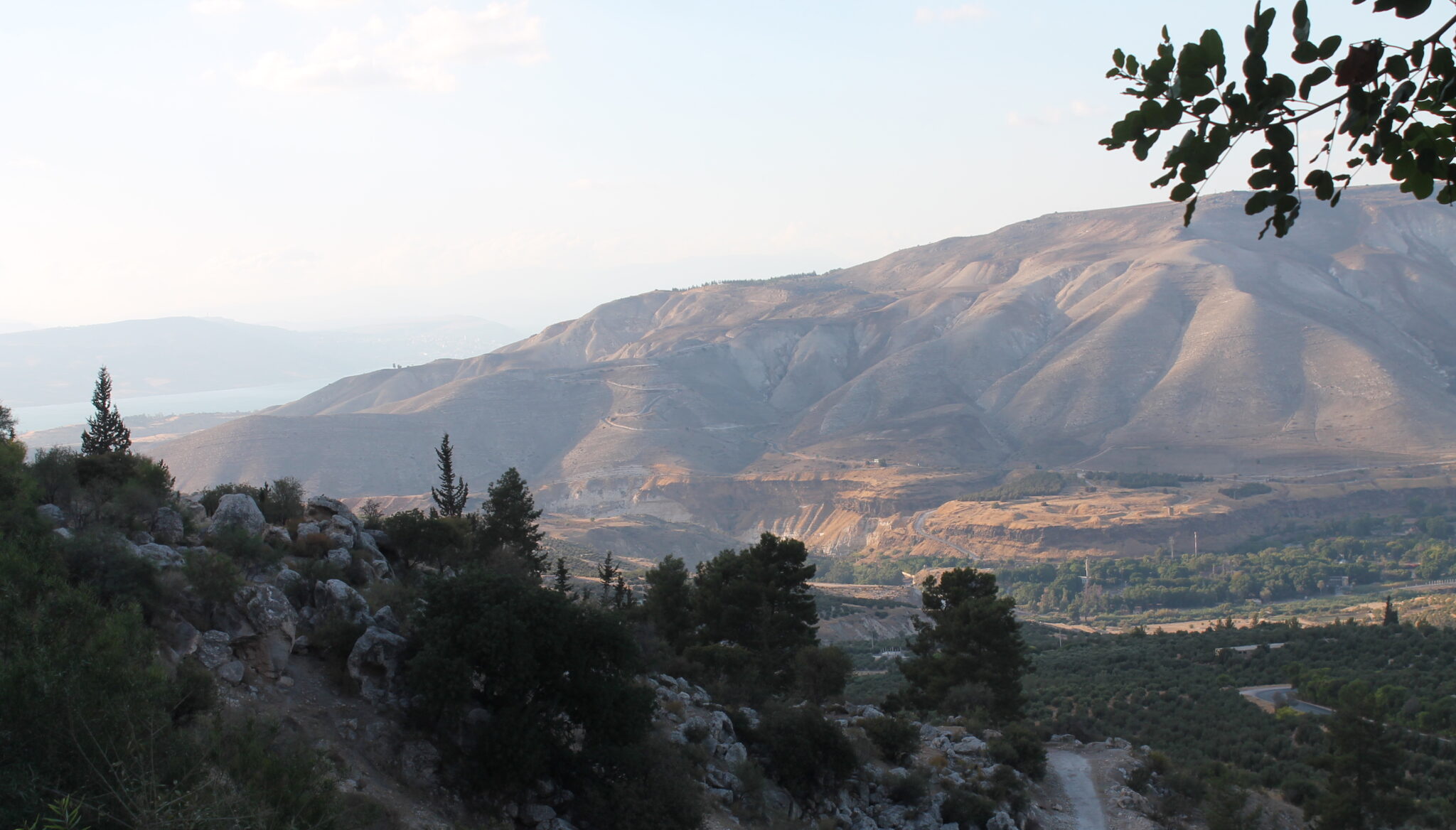
In Episode 237 of the CounterVortex podcast, Bill Weinberg provides some under-reported context for the international crisis that has quickly spiraled since last week’s deadly rocket strike on a Golan Heights village, and now threatens to escalate to the unthinkable. Under international law, the Golan is Syrian territory not Israeli. And the kids who were killed in the rocket strike were Druze not Jews. Most of the Druze residents of the Golan have refused Israeli citizenship and remain loyal to Syria. Only one country on Earth recognizes Israeli sovereignty over the Golan—the USA, thanks to Donald Trump. Israel has a complicated history with the Druze, going back well before the occupation of the Golan in 1967. But the origins of the current trajectory toward regional war in a massacre of Druze youth points again to how peoples on the ground are exploited as pawns and propaganda in the cynical Great Power game. Listen on SoundCloud or via Patreon. (Photo: Freedom’s Falcon via Wikimedia Commons)

Greater Middle East
Iran

Regional war looms closer after Golan rocket strike

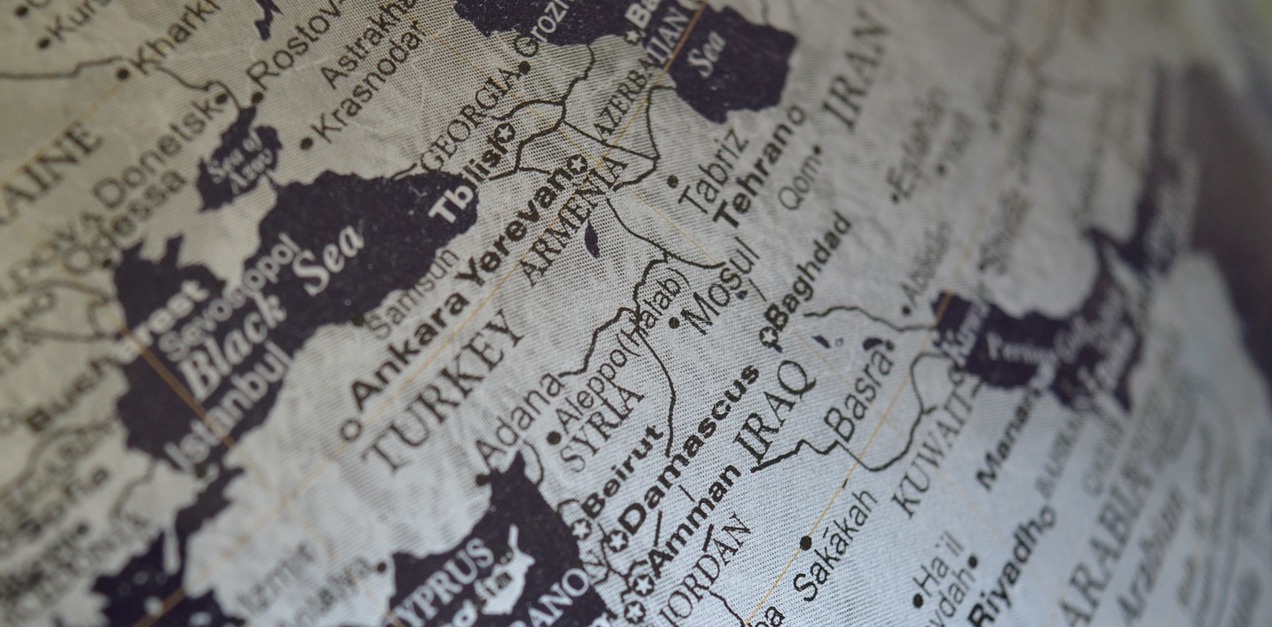
Israeli warplanes hit several targets in southern Lebanon, as diplomats worked frantically to prevent a regional war after a rocket strike that killed 12 youths in the Golan Heights. Israel is blaming Hezbollah for the rocket, which struck a football field in the Druze village of Majdal Shams. Hezbollah has denied responsibility, asserting that a projectile from Israel’s own Iron Dome missile defense system hit the village amid strikes on military targets elsewhere in the area by the Iran-backed Lebanese armed organization. Israel and Hezbollah have been trading strikes over the Lebanese border since Oct. 8, a day after the start of the war in Gaza. Israel has killed 527 people in Lebanon since then, according to an AFP tally, including at least 104 civilians. Israel says 23 of its civilians and 17 soldiers have been killed by Hezbollah rocket-fire over this period. (Image: Pixabay)

Palestine
Beijing Declaration

Fatah and Hamas sign unity declaration in Beijing

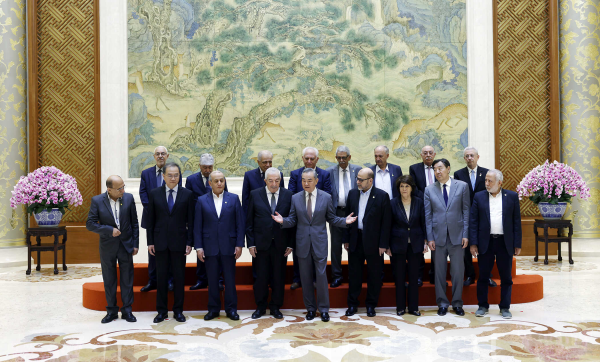
Meeting in the Chinese capital, senior leaders from Fatah and Hamas as well as 12 other Palestinian factions signed a joint statement, the “Beijing Declaration to End the Division & Strengthen Palestinian National Unity,” calling for establishment of an “interim government of national reconciliation” with a focus on post-conflict reconstruction of Gaza. Chinese Foreign Minister Wang Yi described the event as an “historic moment for the cause of Palestine’s liberation.” Asserting that “‘Palestinians governing Palestine’ is the basic principle for the post-conflict governance of Gaza,” Wang called for an international peace conference to advance a two-state solution. Israel quickly rejected the agreement, with Foreign Minister Israel Katz saying that Hamas’ rule in Gaza “will be crushed.” (Photo: PRC MFA)

Africa
west africa

Uranium at issue in Great Game for West Africa

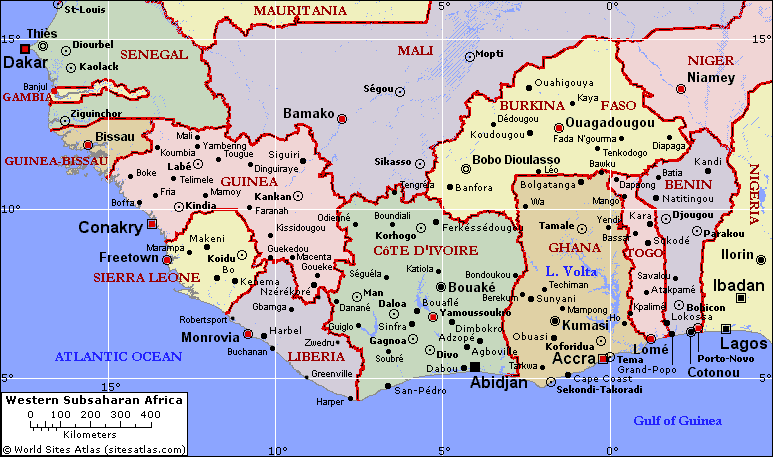
The ruling junta in Niger revoked the operating license of French nuclear fuel producer Orano at one of the world’s largest uranium mines. Russian companies have meanwhile indicated interest in picking up the lease for the giant Imouraren mine. However, exports are stalled by closure of the border with Benin, the vital sea corridor for landlocked Niger, as tensions mount between the two countries. The uranium dispute comes as French and US troops have been forced to withdraw from Niger, and Russian forces have moved in. The Pentagon’s AFRICOM commander Gen. Michael Langley has acknowledged that the US is seeking to establish new bases in neighboring West African countries, including Benin. (Map: World Sites Atlas)

Southeast Asia
South China Sea

Maritime collision escalates South China Sea tensions

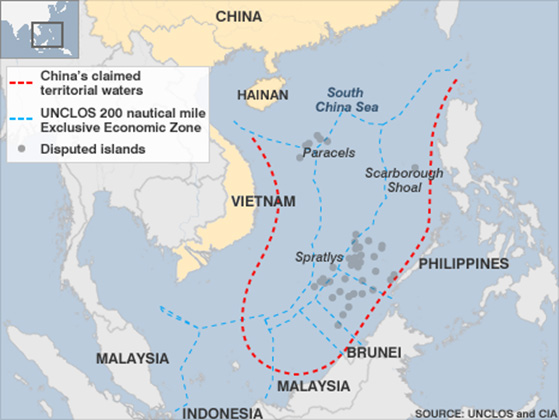
Manila accused Chinese military vessles of engaging in “dangerous manoeuvres, including ramming and towing” a Philippine ship in an effort to disrupt a “routine” resupply mission to an outpost on Second Thomas Shoal (known to the Philippines as Ayungin Shoal) in the the disputed Spratly Islands (known to the Philippines as the Kalayaan Islands). By Philippine media accounts, the craft was fired upon with water cannon and boarded by Chinese troops, with several Filipino soldiers injured in the ensuing confrontation. The skirmish came amid escalating tensions over the South China Sea—much of which Manila calls the West Philippine Sea, but nearly all of which is claimed by Beijing. The chief of staff of the Armed Forces of the Philippines, Romeo Brawner Jr., stated that the military and other maritime law enforcement agencies are prepared to defend Filipino fishermen from China’s newly announced “anti-trespassing policy.” (Map via IDSA)

Europe
BALTOPS24

Baltic brinkmanship amid NATO war games

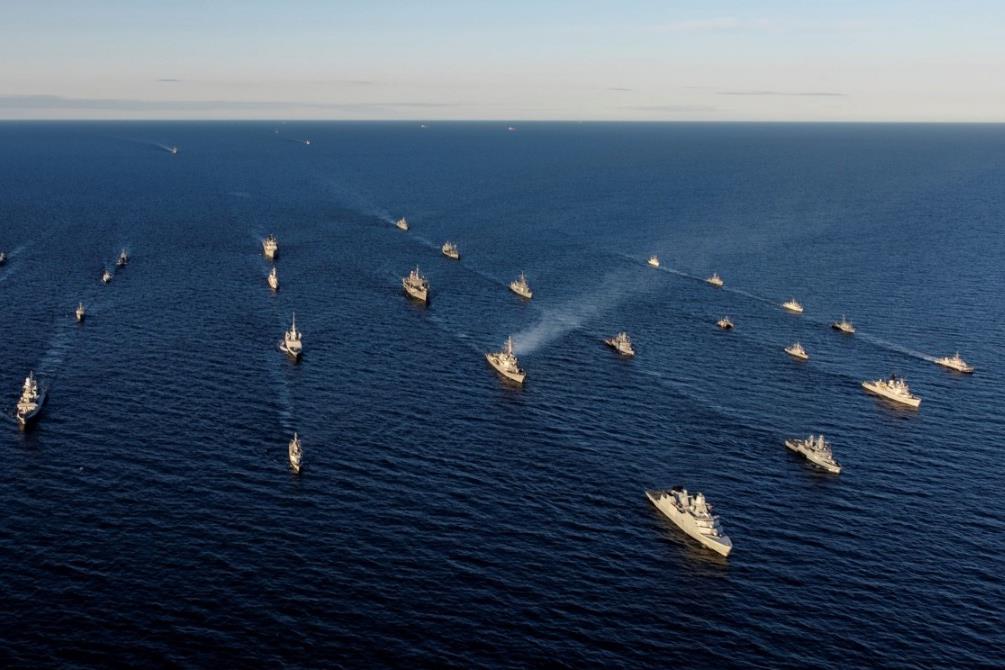
Sweden’s armed forces charged that a Russian SU-24 fighter plane violated the country’s airspace just east of the island of Gotland in the Baltic Sea, calling the act “unacceptable.” Just days before the incident, Sweden and other NATO allies were conducting naval exercises in the area as part of the annual Baltic Operations drill (BALTOPS). Amid the exercise, the Finnish military reported a similar airspace violation by four Russian warplanes over the Gulf of Finland. This was the first time Sweden and Finland had taken part in BALTOPS. (Photo: NATO)

Greater Middle East
Sahrawis

Podcast: from Palestine to Western Sahara

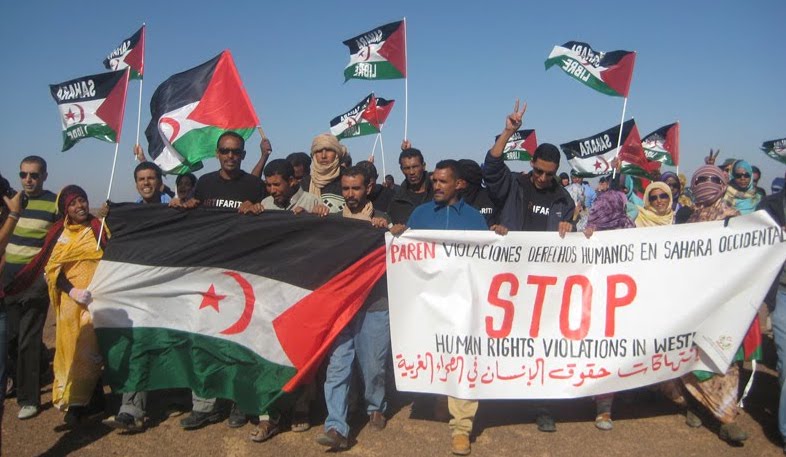
Benjamin Netanyahu’s gaffe on French TV, displaying a map of the “Arab World” that showed the occupied (and illegally annexed) Western Sahara as a separate entity from Morocco, sparked a quick and obsequious apology from the Israeli Foreign Ministry. But the snafu sheds light on the mutual hypocrisy at work here. There is an obvious hypocrisy to Moroccan protests that demand self-determination for the Palestinians but not the Sahrawi, the indigenous Arab inhabitants of Western Sahara. The hypocrisy of Israel is also obvious: Israeli commentators and hasbara agents are the first to play the “whataboutery” game—relativizing the plight of the Palestinians by pointing to that of Kurds, Berbers, Nubians, Massalit and other stateless peoples oppressed under Arab regimes. But, as we now see, they are just as quick to completely betray them when those regimes recognize Israel and betray the Palestinians. Yet another example of how a global divide-and-rule racket is the essence of the state system. Bill Weinberg breaks it down in Episode 229 of the CounterVortex podcast. Listen on SoundCloud or via Patreon. (Photo: Kirby Gookin/Western Sahara Resource Center)

Greater Middle East
sahara

Netanyahu’s new map flap: multiple ironies

Israel was forced to apologize to Morocco after Prime Minister Benjamin Netanyahu was seen in a video displaying a map of the Middle East and North Africa—that failed to show the occupied (and illegally annexed) territory of Western Sahara as within the kingdom’s borders. Netanyahu brandished the map in an interview with a French TV channel, showing what he called “the Arab world” in green, a swath of near-contiguous territory from Iraq to Mauritania—contrasting small, isolated Israel, “the one and only Jewish state.” The goof was especially dire because in 2020 Israel joined the US as the only two countries on Earth to recognize Moroccan annexation of Western Sahara, in exchange for Moroccan recognition of the Jewish state under the Trump administration-brokered Abraham Accords. This was a cozy mutual betrayal of both the Palestinians and Sahrawi Arabs, the indigenous inhabitants of occupied Western Sahara. (Image: Twitter via Middle East Eye)

Africa

Podcast: a cannabis coup in the Congo?

The attempted coup d’etat in the Democratic Republic of the Congo may or may not have been assisted by the CIA, but one of the Americans arrested in the affair is named as a “cannabis entrepreneur“—pointing to the possibility of legal cannabis playing the same destructive role in Central Africa that bananas have played in Central America. Yet while corporate power sees a lucrative new cash crop, lives (and especially Black lives) are still being ruined by cannabis prohibition in the United States. In Episode 228 of the CounterVortex podcast, Bill Weinberg argues that the old anarchist slogan “Neither your war nor your peace” can be updated as “Neither your prohibition nor your legalization!” Listen on SoundCloud or via Patreon. (Map: CIA)