Syria
SDF

Podcast: Free Syria and the Kurdish question

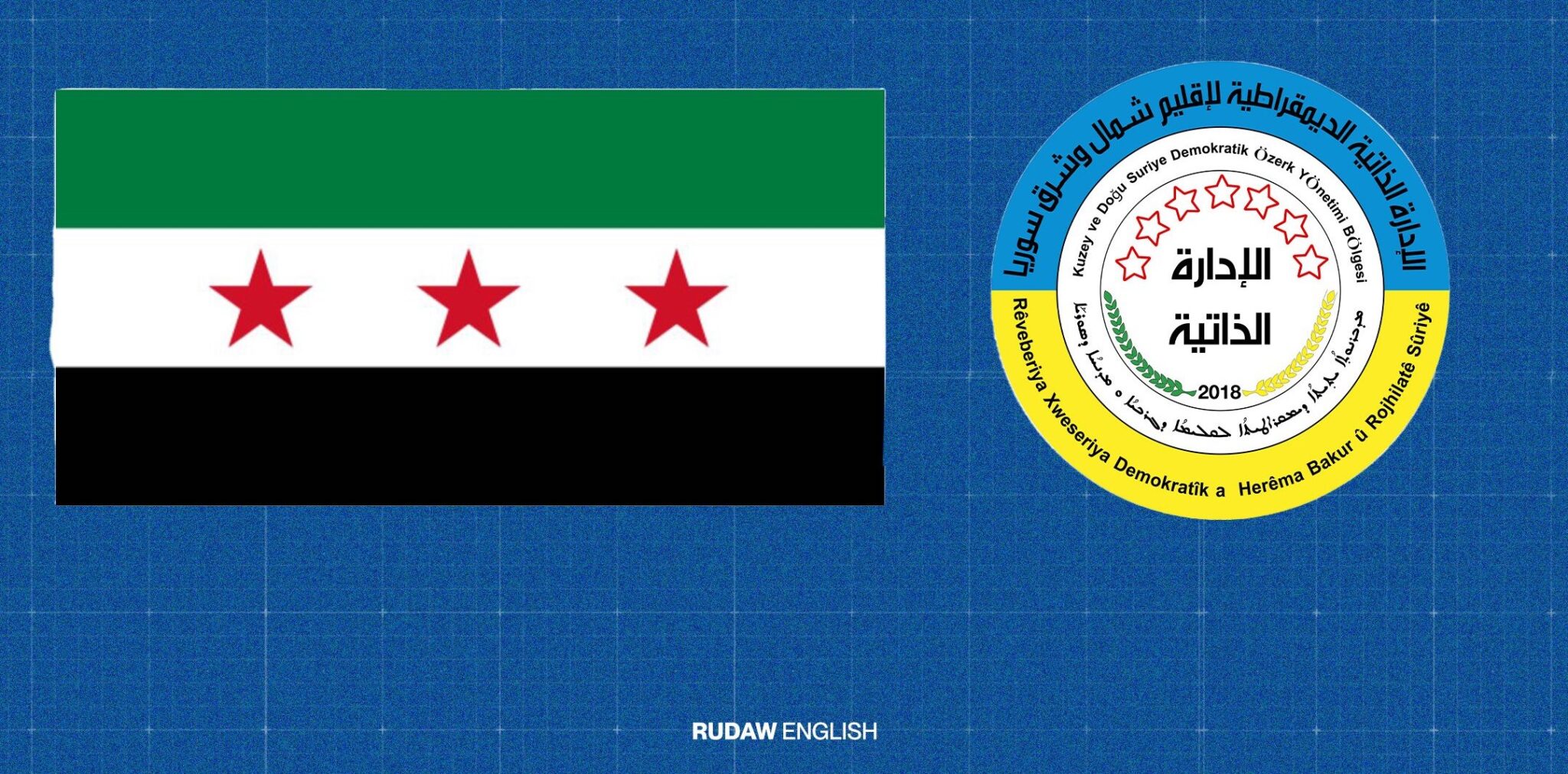
Amid jubilation following the overthrow of long-ruling dictator Bashar Assad, the only fightingin Syria is now between Arabs and Kurds—as the Turkish-backed Syrian National Army (SNA) expels the Kurdish-led Syrian Democratic Forces (SDF) from the town of Manbij. Ankara’s design is clearly to expunge the Kurdish autonomous zone in the northeast region of Rojava. Yet there are also positive signs of an accommodation between the Rojava Kurds and the new revolutionary administration in Damascus. In Episode 256 of the CounterVortex podcast, Bill Weinberg examines the new political landscape in Syria and tries to identify a way forward—past the threat of ethnic war and toward a multicultural democracy. Listen on SoundCloud or via Patreon. (Image: Rudaw)
Syria
B-52

Syrian revolution met with US, Israeli air-strikes

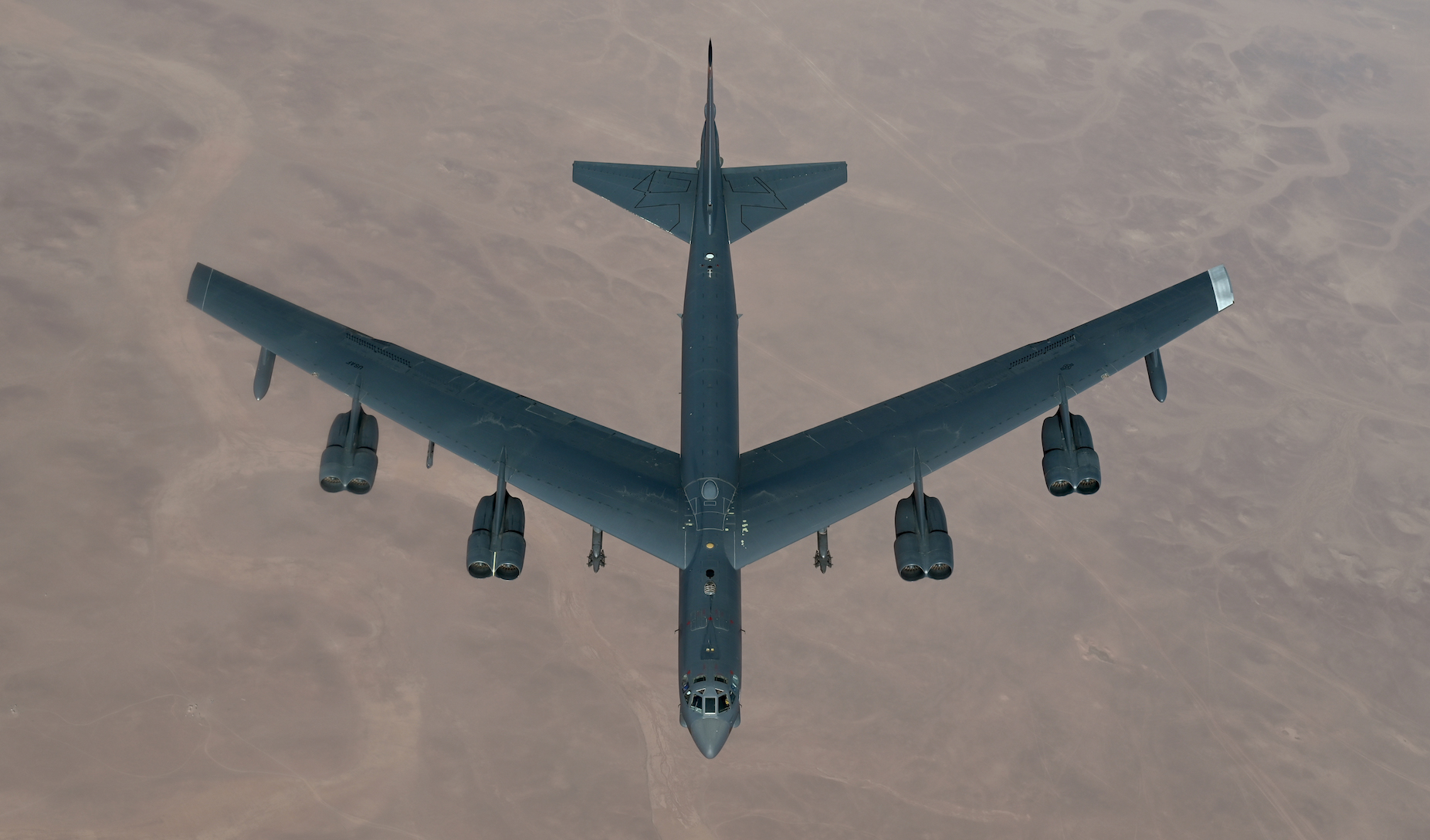
The same day the Assad regime fell and rebel forces took Damascus, the US military carried out a series of air-strikes against Islamic State positions across central Syria. The Pentagon’s Central Command announced that it “struck over 75 targets using multiple US Air Force assets, including B-52s, F-15s, and A-10s.” The targets included “ISIS leaders, operatives, and camps.” Also that day, Israeli warplanes conducted dozens of raids across Syria, including in Damascus. The Syrian Observatory for Human Rights (SOHR) counted more than 100 Israeli strikes on military and industrial targets, including a research center believed to be linked to chemical weapon production. Israel said it was acting to stop weapons from falling “into the hands of extremists.” Israel has additionally seized control of a demilitarized “buffer zone” in the Golan Heights, saying the 1974 disengagement agreement with Syria had “collapsed” with the rebel take-over of the country. (Photo of B-52 bomber: USAF via A&SF)

Syria
Aleppo

Syria: after the fall of the regime

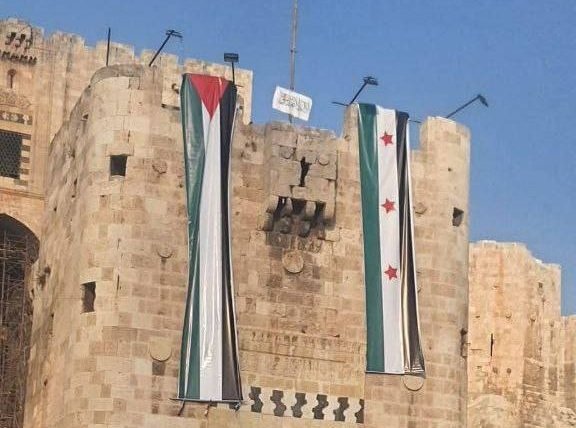
As Syrian rebels advanced on Damascus in a surprise lightning offensive, the Rojava Kurds seized territory from the Bashar Assad regime, and the Druze took up arms in their own region. After years of the lines in the conflict being frozen and the genocidal Assad dictatorship being “normalized,” the unthinkable happened and the dictator fled. Suddenly the 13-year aim of the Syrian Revolution has been realized—the fall of the regime. But the lead rebel faction, Hayat Tahrir al-Sham (HTS), has an ugly past, its partner the Syrian National Army (SNA) is in the political orbit of Turkish aspiring dictator Recep Tayyip Erdoğan, and the threat of Arab-Kurdish ethnic war in northern Syria looms closer. Amid a conflict now dominated by armed actors, can the unarmed civil resistance that began the revolution 13 years ago re-assert itself, and revive the secular-democratic spirit of 2011? In Episode 255 of the CounterVortex podcast, Bill Weinberg takes a hard look. Listen on SoundCloud or via Patreon. (Photo of Aleppo Citadel in rebel hands via social media, e.g. Twtter)

Syria
Aleppo

Threat of Arab-Kurdish war in new battle for Syria

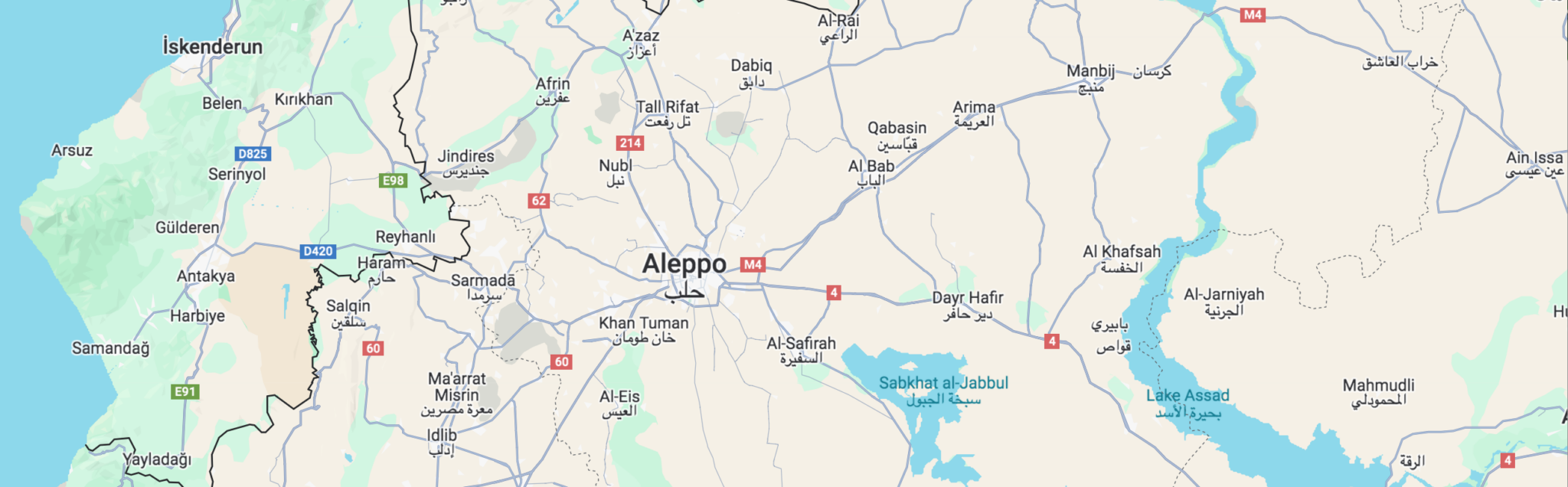
With the Syrian city of Aleppo now mostly in rebel hands following a surprise offensive, the danger emerges that Kurdish forces could be drawn into the conflict on the side of Assad dictatorship. Kurdish militias have for years controlled their own enclave within the city, the neighborhood of Sheikh Maqsood. The Kurdish-led Syrian Democratic Forces (SDF) are now trying to open an evacuation corridor between Sheikh Maqsood and the Kurdish-held town of Tal Rifaat to the north. An evacuation of Tal Rifaat itself to Kurdish-held areas to the east is also being prepared. This effort is being blocked by one of the rebel militias, the Turkish-backed Syrian National Army (SNA), with clashes between the two forces reported. The SNA has been repeatedly implicated in abuses against the Kurdish population in areas it took from SDF-aligned forces in a 2019 offensive. This offensive drove the SDF into a tactical alliance with the Assad regime—although this alliance has repeatedly broken down over the regime’s rejection of the SDF’s principal demand of Kurdish autonomy. (Map: Google)

Syria
Syria rebels

Syria: rebel forces launch new offensive on Aleppo

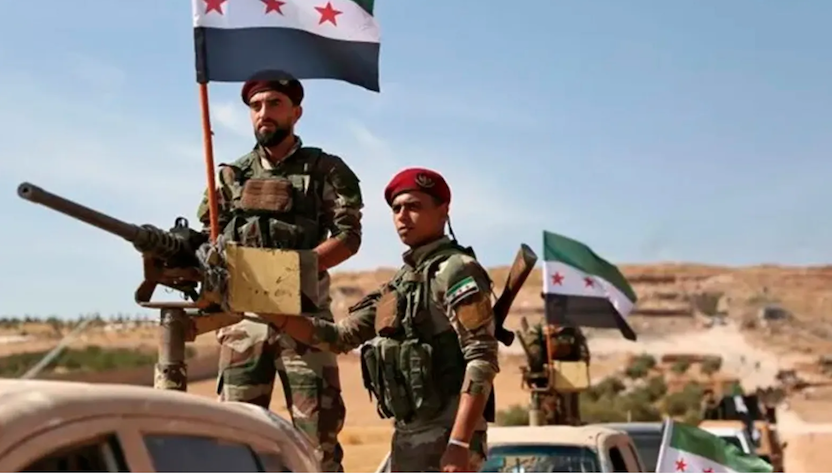
In the most significant escalation in Syria since a 2020 ceasefire instated under emergency conditions during the COVID pandemic, rebel forces in northwestern Idlib province  launched a surprise offensive on the country’s most populous city, Aleppo. The rebel advance is said to have penetrated the perimeter of the city, which had been held for years by rebel forces before it was retaken by the regime with the help of Russian air power in 2016. Russia has responded to the new offensive with fresh air-strikes on Idlib, which has been coming under intermittent Russian bombardment for years. At least 225 fatalities are reported in the new fighting, including some 25 civilians killed in Russian air-strikes. (Photo: Syrian Observer)

Africa
El Fasher

Russia vetoes UN resolution on Sudan ceasefire

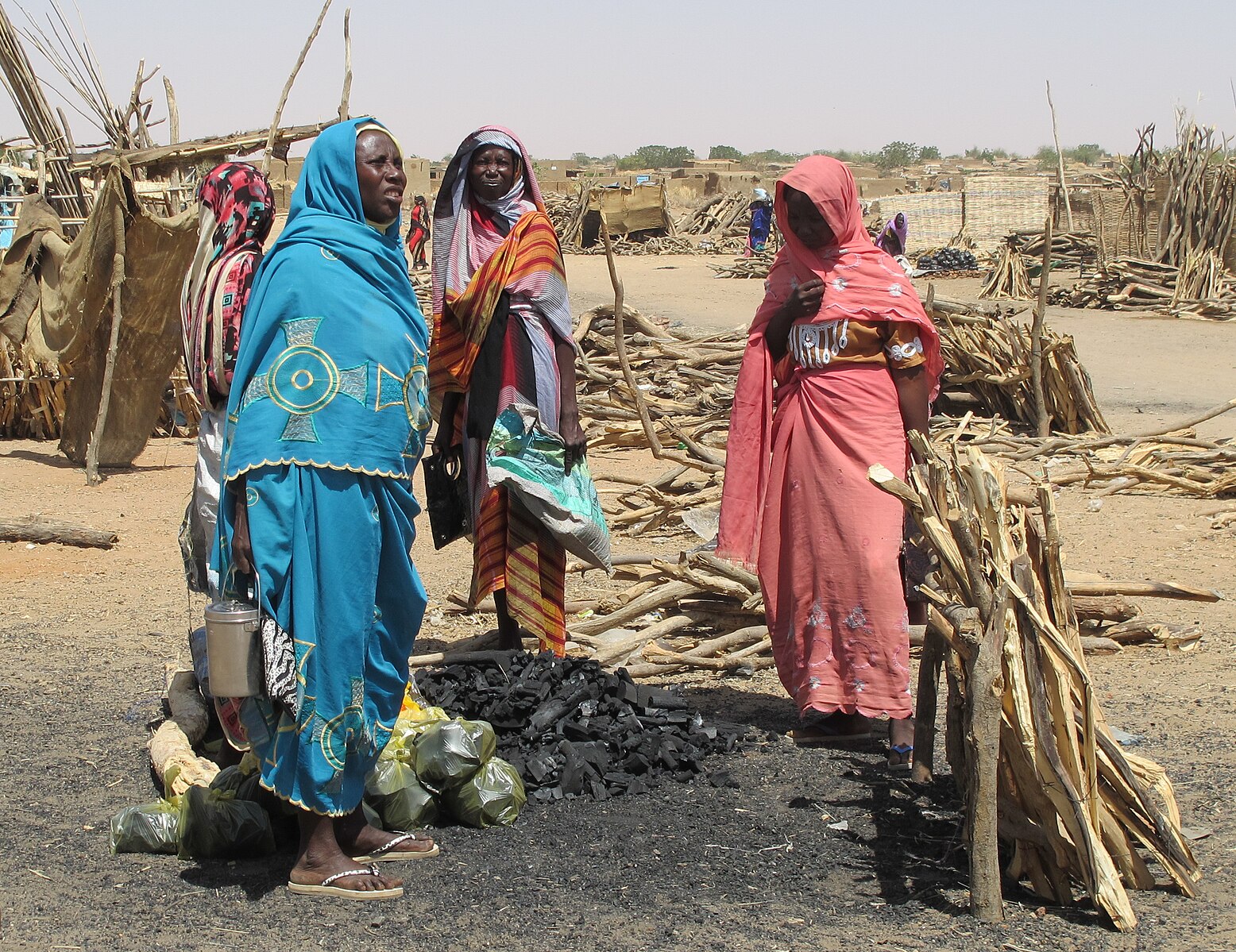
Russia vetoed a United Nations Security Council resolution aimed at protecting civilians in Sudan amid the country’s ongoing conflict. The resolution, which called on the warring factions to cease hostilities and engage in dialogue in good faith, was blocked despite widespread support—including from China, which frequently votes in a bloc with Russia. Introduced by the United Kingdom and Sierra Leone, the draft resolution demanded that the Sudanese Armed Forces (SAF) and Rapid Support Forces (RSF) honor and fully implement their pledges in the “Declaration of Commitment to Protect the Civilians of Sudan,” which was signed by both sides in Jeddah, Saudi Arabia, in May 2023. Russia said the resolution did not sufficiently respect Sudan’s sovereignty in justifying its veto, which was assailed by international human rights organizations. Sudan’s government rejected the resolution for failing to condemn the United Arab Emirates for backing the RSF—an accusation the UAE has consistently denied. (Photo: Roman Deckert via Wikimedia Commons)

Greater Middle East
warplanes

US air-strikes on Yemen, Syria

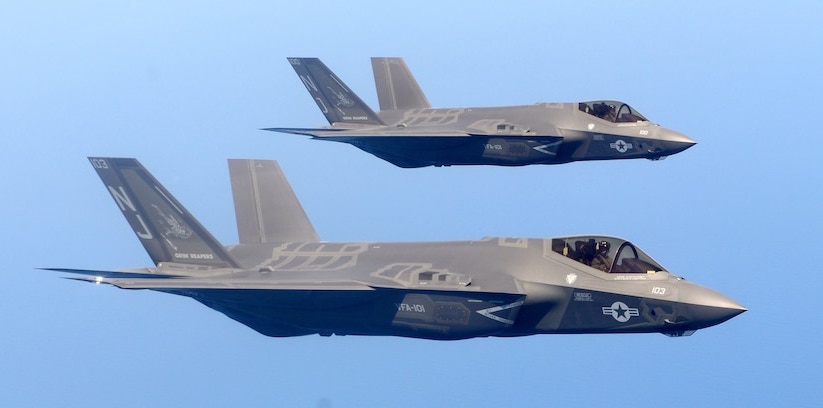
Pentagon Central Command forces carried out multiple air-strikes against Houthi weapons facilities in Yemen. Both Air Force and Navy aircraft, including F-35C fighter jets, were involved in the strikes, which were in response to Houthi attacks on commercial ships and US-led coalition military vessels in the Red Sea, Bab al-Mandab Strait and Gulf of Aden. CentCom also conducted strikes against targets at two locations “associated with Iranian groups in Syria.” The strikes were in response to drone and artillery attacks on US personnel that took place at Mission Support Site “Green Village” in northeast Syria. (DOD News)

Africa
Burkina Faso

Russian fighters leave Burkina Faso for Kursk front

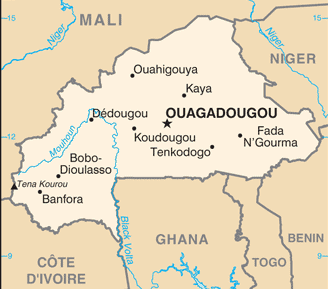
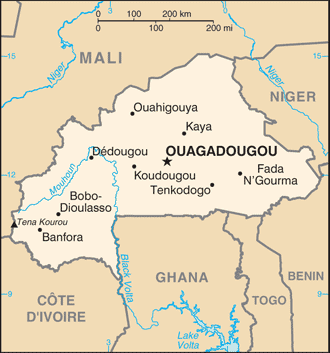
Russia is withdrawing 100 of its paramilitary troops from Burkina Faso to assist in the war with Ukraine, reports indicate. The troops are part of a contingent of some 300 fighters from the Medvedi or Bear Brigade—one of the Russian private military companies operating in West Africa—who arrived in Burkina Faso in May to support the country’s ruling military junta. In a statement, the group said its forces would return home to support Russia’s defense of Kursk oblast against Ukraine’s recent cross-border offensive. There are fears the pull-out could embolden jihadist insurgents in Burkina Faso, who recently killed up to 300 people in one of the biggest attacks in years. (Map: Perry-Castañeda Library)

East Asia
Danjo

Escalation in East China Sea

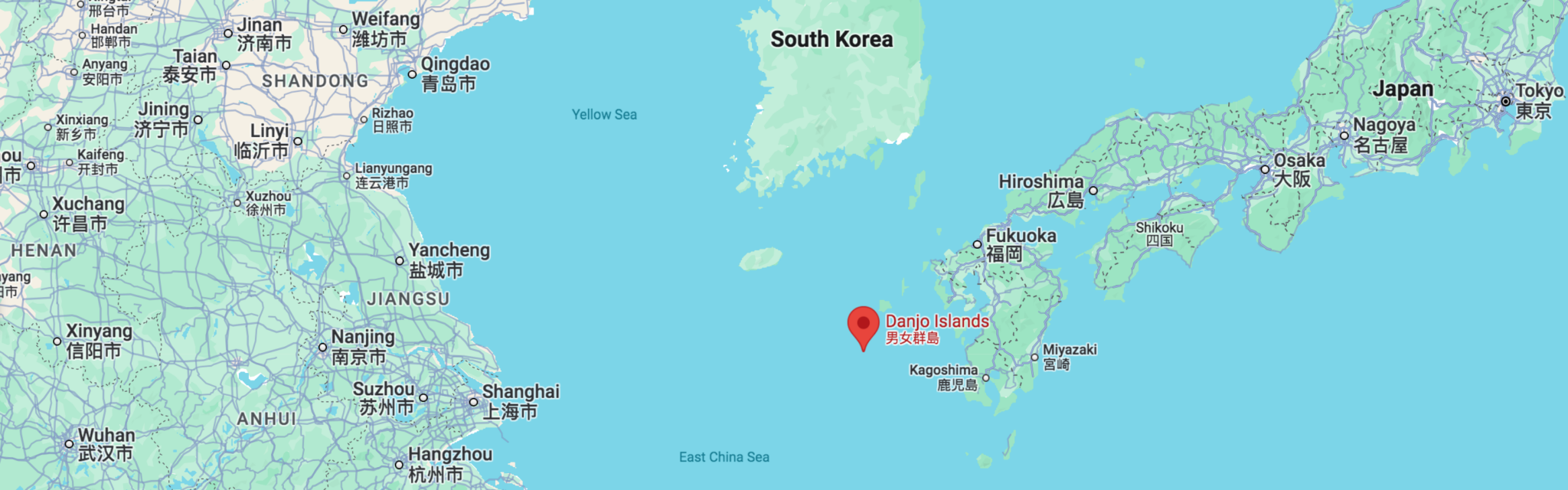
Japan scrambled fighter jets after a Chinese Y-9 surveillance plane “violated the territorial airspace” of the Danjo Islands in the East China Sea, Tokyo’s Ministry of Defense said, calling the breach “utterly unacceptable.” The incident constituted the first intrusion of Japanese airspace by a People’s Liberation Army aircraft “since we began anti-airspace incursion measures,” Tokyo said. Beijing’s Foreign Ministry responded that the PLA had “no intention of invading the airspace of any country,” and that the incident is under review. The apparent breach follows a series of accusations by Tokyo over the past months that China Coast Guard ships have entered waters around the Senkaku Islands, some 1,000 kilometers to the southeast of the Danjo. The Senkaku Islands, under Japanese control, are also claimed by China, which calls them the Diaoyu Islands. Like the Danjo, the Senkaku/Diaoyu are uninhabited, but are believed to hold potentially lucrative oil and gas reserves. (Map: Google)

East Asia
China

US shifts nuclear posture to confront China

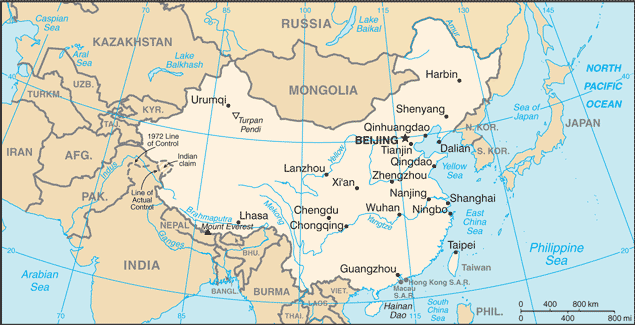
President Biden approved in March a highly classified nuclear posture document for the first time reorienting US deterrent strategy to focus on China’s rapid expansion in its nuclear arsenal. The shift comes as the Pentagon believes China’s stockpiles will rival the size and diversity of those of the United States and Russia over the next decade. The new “Nuclear Employment Guidance” is highly classified, but a copy was just obtained by the New York Times. Beijing reacted angrily to the report. “The US is peddling the China nuclear threat narrative, finding excuses to seek strategic advantage,” a Chinese Foreign Ministry representative said. (Map: PCL)

Syria
Syria

Syria: Rojava Kurds clash with Assadist forces

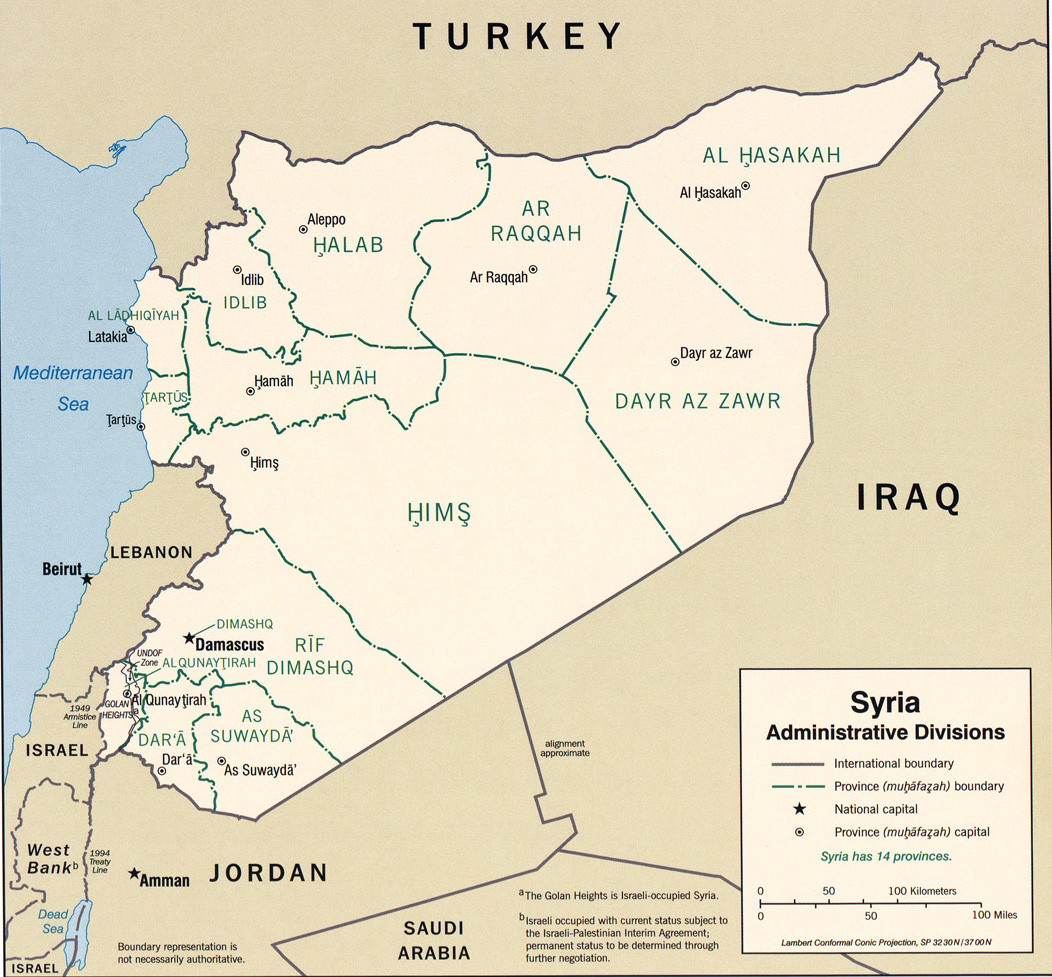
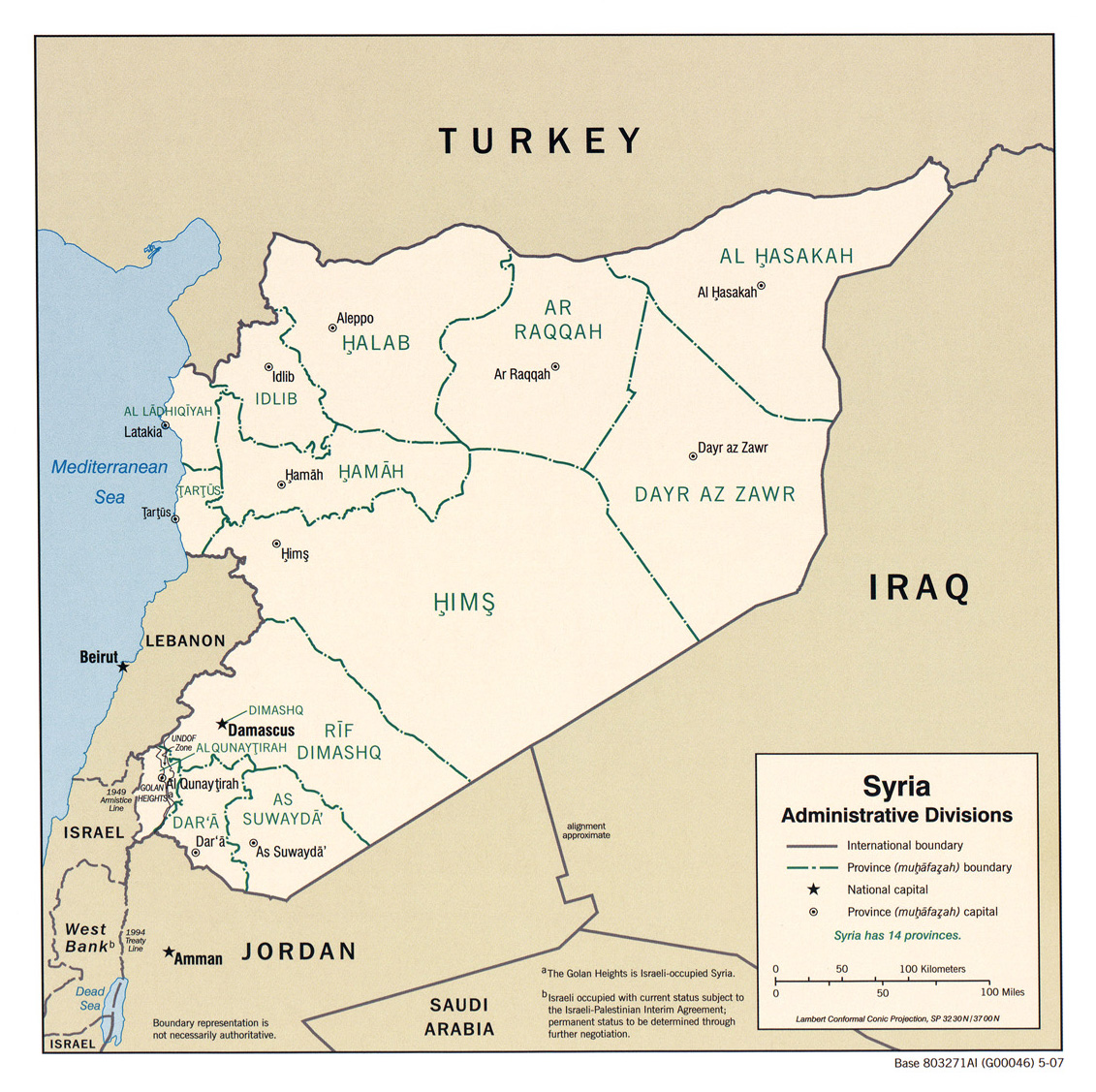
Clashes broke out between Syrian regime forces and militia of the Kurdish-led Rojava autonomous administration near the Euphrates River in eastern Deir ez-Zor governorate. The fighting began after regime forces west of the Euphrates launched surface-to-surface attacks on Kurdish-held towns across the river. The Syrian Democratic Forces (SDF), the principal Kurdish-led military formation, said in a statement that an operation against regime positions was carried out “in retaliation for the blood of the martyrs” killed “by artillery shelling from the Syrian regime.” The violence erupted three days after US troops were targeted in a drone attack on a position they share with the SDF at Rumalyn Landing Zone in al-Hasakah governorate to the north. The current fighting is close to al-Omar oil field, which is protected by a joint force of SDF fighters and US troops. (Map: PCL)