Europe
Mejlis

Tatar Mejlis opposes betrayal of Crimea

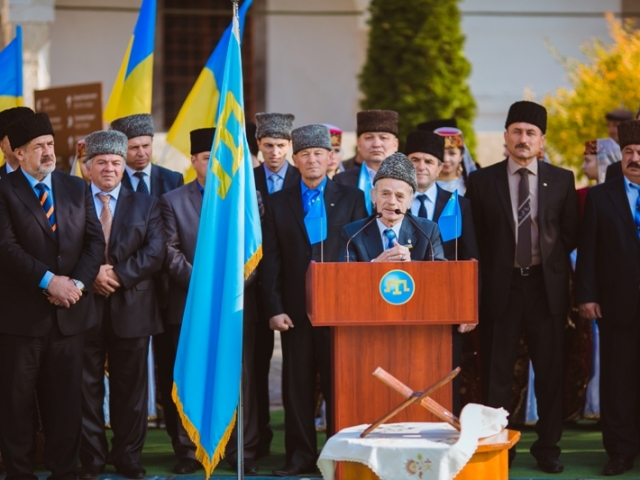
The representative body of the Crimean Tatar people has vowed to oppose any international recognition of Russia’s annexation of the Crimean Peninsula. The Tatar Mejlis, now sitting in exile in Kyiv, said that any move to recognize Crimea as Russian territory would violate international law. Refat Chubarov, the body’s chairman, asserted in a statement: “Crimea is the homeland of the indigenous Crimean Tatar people and an integral part of Ukraine. Accordingly, no one can decide the fate of Crimea under any circumstances, except for the Ukrainian state and the Crimean Tatar people.” The statement comes amid reports that the Trump White House is pressuring Kyiv to accept a peace formula that includes formal US recognition of Russian sovereignty over Crimea. (Photo: Crimean Tatar Mejlis)
Africa
DRC

Trump prepares arms-for-minerals deal with DRC

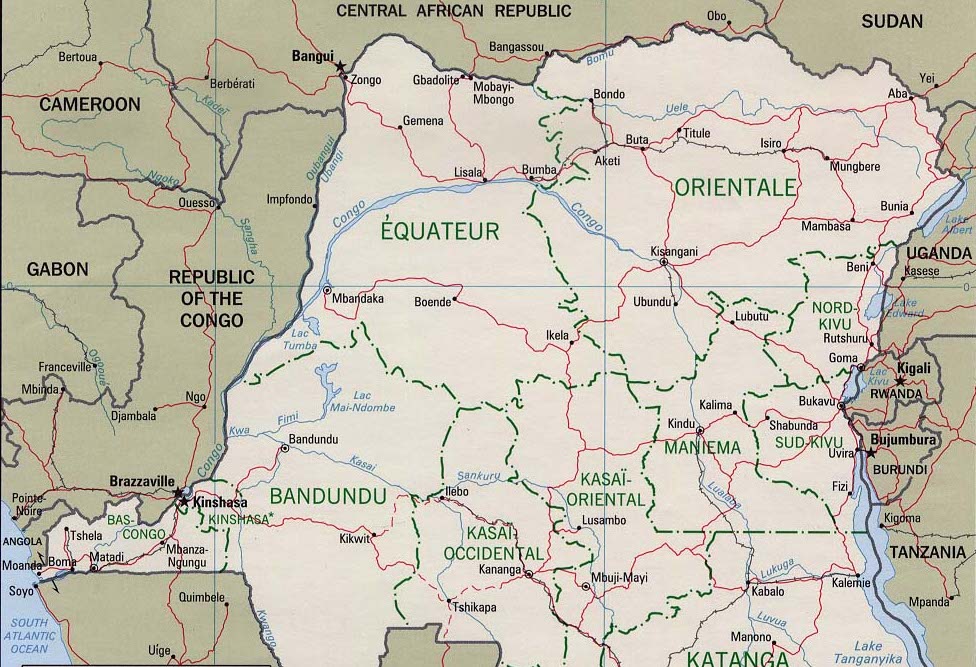
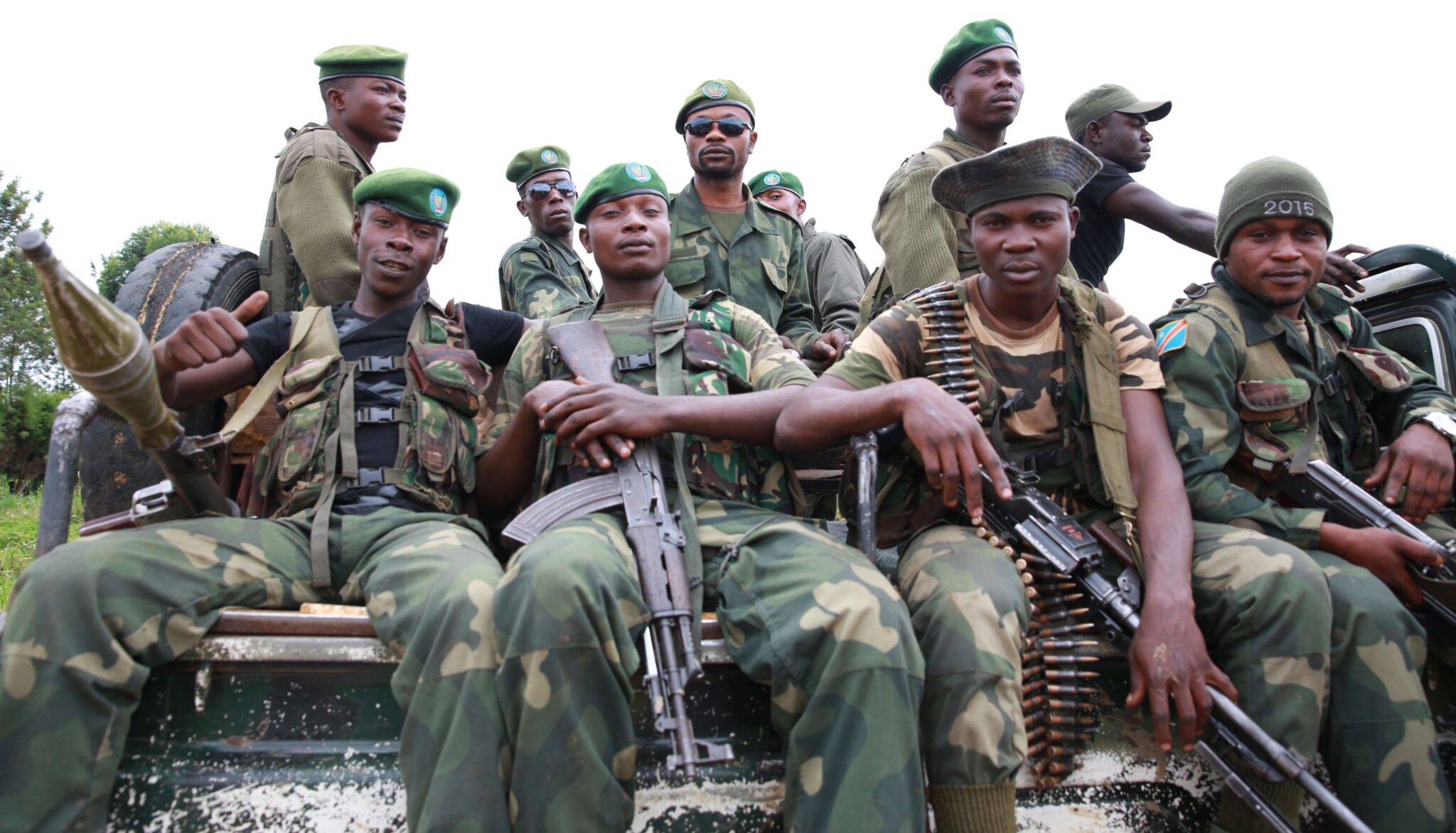
Former Blackwater CEO and and mercenary boss Erik Prince is to lead a team helping the Democratic Republic of Congo (DRC) secure and tax its extensive mineral wealth, news reports reveal. The deal, reached before the M23 rebels launched a major offensive in January, was just confirmed to Reuters by Congolese officials and diplomats. M23 has since January seized the eastern DRC’s two largest cities, Goma and Bukavu, and is threatening to march on Kinshasa, the capital. The Prince-led initiative runs parallel to a broader minerals-for-security deal being negotiated between the DRC and the Trump White House. (Photo: Abel Kavanagh/MONUSCO via Wikimedia Commons)

Syria
Iran

Israel, Turkey turn Syria into chessboard

The Israeli military carried out air-strikes on several sites in Syria—including Tiyas airbase, also known as T4, and Palmyra airbase, both in Homs province. The interim government in Damascus called the strikes “a blatant violation of international law and Syrian sovereignty.” Israeli Defence Minister Israel Katz responded in a statement addressed to President Ahmed al-Sharaa: “If you allow forces hostile to Israel to enter Syria and endanger Israeli security interests—you will pay a very heavy price.” This was a barely veiled reference to Turkey. Local media reports indicate that Turkish forces are preparing to deploy to the T4 and Palmyra bases. Ankara reportedly plans to install Hisar-O and Hisar-U air defense systems and potentially the long-range SIPER system at these locations. The deployment of a Russian-made S-400 system is also under consideration, pending Moscow’s approval. (Image: Pixabay)

Syria
SDF

Podcast: Free Syria and the Kurdish question II

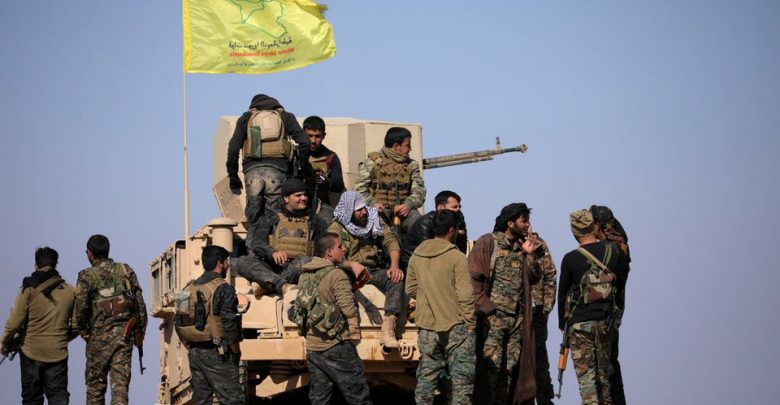
In Episode 268 of the CounterVortex podcast, Bill Weinberg examines the continued fighting in Syria since the fall of the Bashar Assad dictatorship in December. The recent outburst of violence in the Alawite heartland on the Mediterranean coast made headlines, but this week also saw anti-regime protests by Druze in Syria’s south. And fighting has never stopped between forces aligned with the new transition government and those of the Kurdish autonomous zone in the northeast. The situation is complicated by continuing military adventures on Syrian territory by foreign powers—Israel, Turkey, Russia and the US. Will Syrians be able to overcome these challenges and forge a democratic and multicultural order, in repudiation of sectarianism, ethno-nationalism and Great Power intrigues? (Photo: SOHR)

Syria
Syria

External, internal challenges for Syrian Revolution

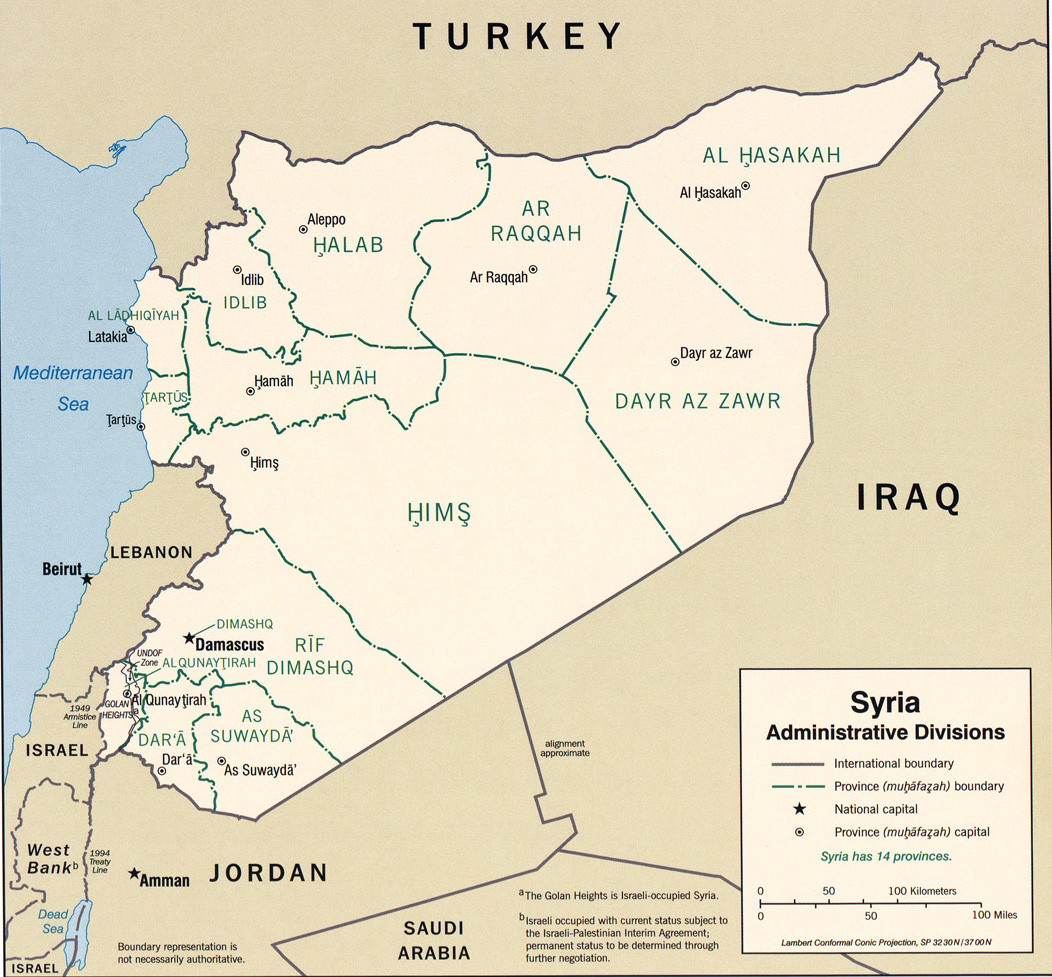
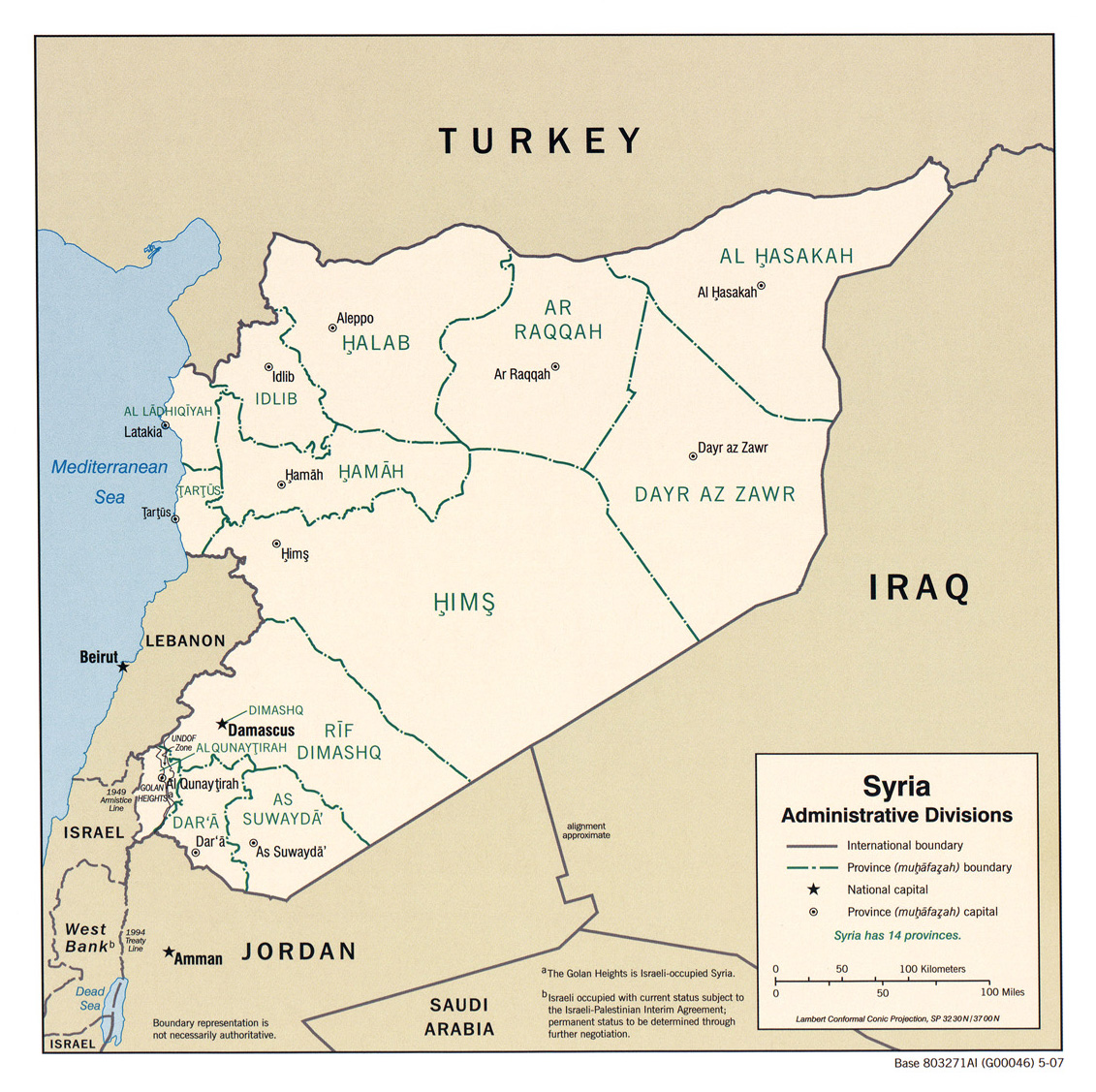
Apparent Assad loyalists have taken up arms against Syria’s transitional government in the Alawite heartland of Latakia on the Mediterranean coast. Fighting meanwhile continues between the Turkish-backed Syrian National Army (SNA) and Kurdish-led Syrian Democratic Forces (SDF) in the northeast, while Israel grabs a “security zone” in the south and continues intermittent air-strikes. Elsewhere in the south, the Druze of Suweida protest their perceived exclusion from the transition process. All this as Russia opens talks with the new authorities in a bid to keep its military bases in Syrian territory. (Map: PCL)

Europe
Rendezvous

Podcast: MAGA-fascism and the future of Europe

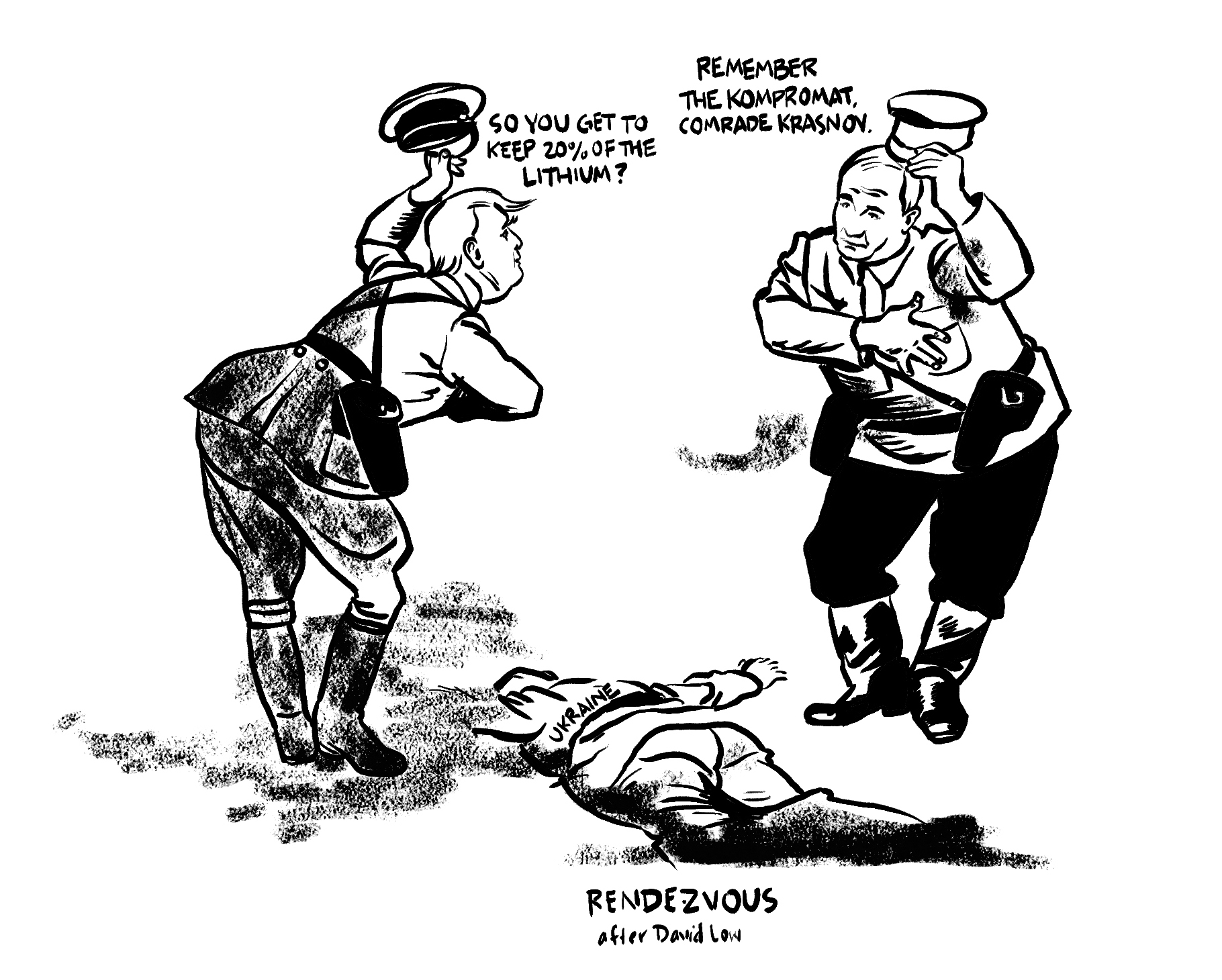
The revised deal for US access to Ukraine’s mineral wealth (with no security guarantees for Kyiv) collapsed in the unseemly Oval Office donnybrook, and European leaders now convene their own summit—faced with the prospect of supporting Ukraine without the US. But Hungary and Slovakia represent an authoritarian bloc that supports Ukraine’s betrayal—and Romania could be next to defect to this Russia-aligned bloc. In Europe and America alike, elements of the “tankie” pseudo-left no longer even bother to hide their convergence with MAGA. In Episode 267 of the CounterVortex podcast, Bill Weinberg calls for a clean break at both the international and grassroots levels. Europe must realize that the Atlantic alliance is effectively dead, and there are no prospects of reviving it while Trump is in the White House; whether or not the rumors are true that he was recruited as a KGB agent in the ’80s, he is now on Putin’s side. And progressives must repudiate pseudo-left misleaders who shill for Trump and and spread lies for Putin, and seek a new leadership that mobilizes to oppose them. (Image: Chris Rywalt/CounterVortex, after “Rendezvous” by British cartoonist David Low, 1939)

Planet Watch
rare earth mine

Ukraine, Greenland and the global struggle for lithium

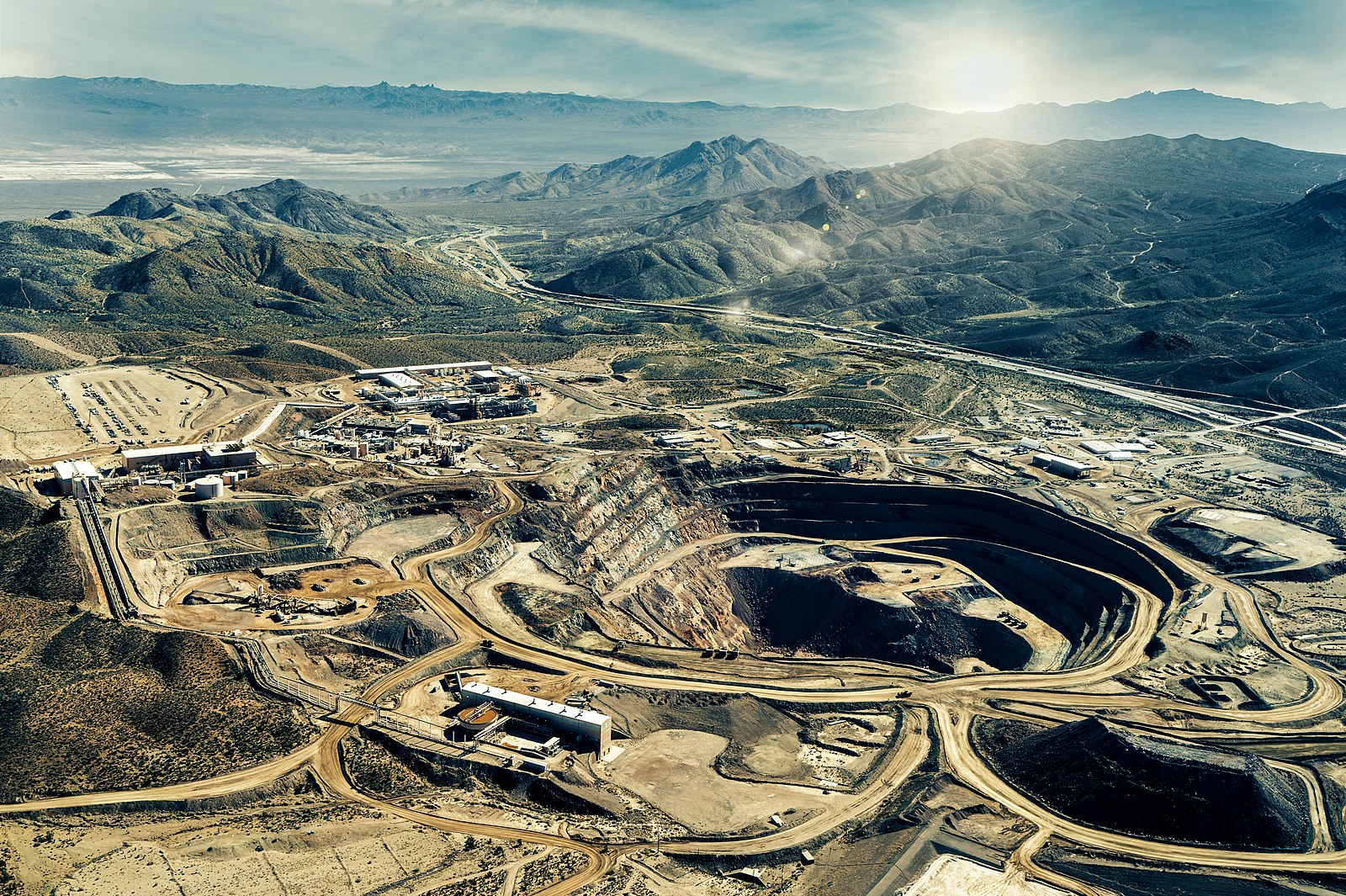
In Episode 265 of the CounterVortex podcast, Bill Weinberg examines Trump’s ultimatum to Ukraine to hand over a large share of its wealth in strategic minerals such as lithium in exchange for continued US military aid—and whether a race with China for control of the lithium and rare earth elements needed for Elon Musk‘s industrial interests might also be the agenda behind the Trump regime’s annexationist designs on Greenland. Trump is meanwhile opening Native American lands in Nevada to lithium exploitation, while Musk’s Tesla has sought to grab a share of Bolivia‘s lithium reserves—now also coveted by China. Listen on SoundCloud or via Patreon. (Photo: rare earth mine at Mountain Pass, Calif. Credit: Tmy350 via Wikimedia Commons)

Europe
Ukraine

Trump prepares grab for Ukraine’s lithium

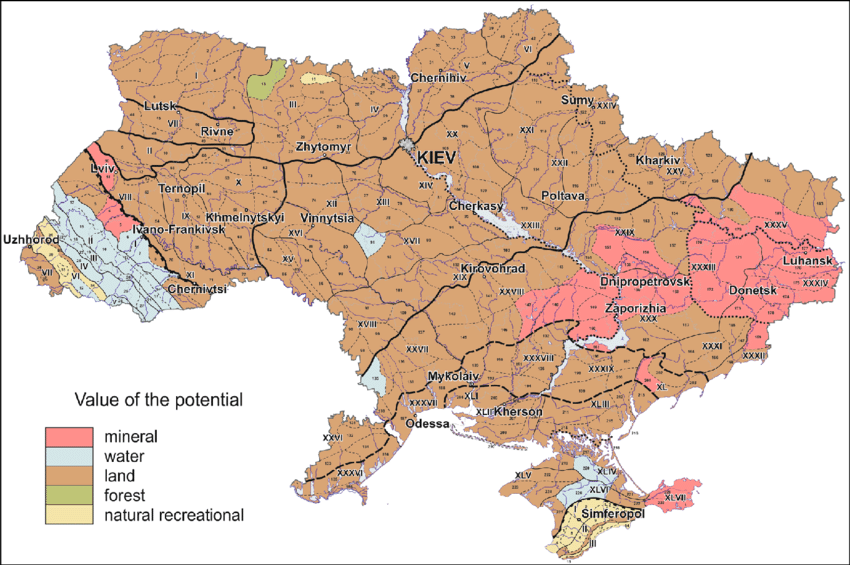
As Trump and Hegseth explicitly broach the surrender of Ukrainian territory to Russia, a poorly positioned Zelensky is acceding to demands that he turn a large portion of his country’s strategic mineral wealth over to the US in compensation for military aid. Especially at issue are Ukraine’s significant reserves of lithium—critical to de facto “co-president” Elon Musk’s e-vehicle interests. In announcing a new lithium refinery in Texas, Musk called the mineral “the new oil.” The premium on Ukraine’s strategic minerals is elevated by China’s perceived design to establish control over the planet’s rare earth elements. However, as Zelensky is quick to emphasize, nearly 20% of Ukraine’s mineral resources are in areas under Russian occupation. (Map: ResearchGate)

Africa
DRC

Chaos in Congo as M23 seize Goma

In a dramatic escalation of the ongoing conflict in eastern Democratic Republic of Congo (DRC), the M23 rebels seized Goma, the capital of North Kivu province on the Rwandan border. The UN Security Council held an emergency meeting to discuss the situation, with the DRC accusing Rwanda of sending hundreds of troops across the border to support the M23. The DRC is calling for an arms embargo on Rwanda, and sanctions on its mineral exports. The fall of Goma has sparked protests in the DRC capital, Kinshasa, with foreign embassies vandalized and set on fire, including those of Rwanda, South Africa, the US, Belgium and France. Amid the turmoil, President Felix Tshisekedi has promised a counter-offensive to retake Goma. The DRC’s reliance on foreign mercenaries in the war in the east has drawn sharp criticism. Reports indicate that around 2,000 mercenaries, mostly from Eastern European countries such as Romania, have been hired to fight the M23. (Map: PCL)

Greater Middle East
ARSA

Rojava and the Rohingya: fearful symmetry

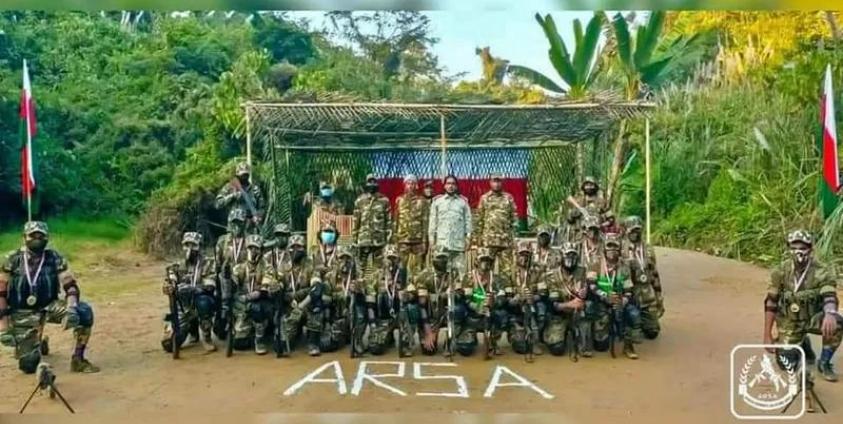
Three weeks after the fall of the Bashar Assad dictatorship, the only fighting in Syria remains between Arab and Kurdish militias—holding grim potential for destabilization of the democratic revolution. Kurds had been persecuted and even denied citizenship under the Assad regime, but the invasion of their autonomous territory of Rojava by the Turkish-backed rebels of the Syrian National Army (SNA) drove them into a paradoxical tactical alliance with the dictatorship. The tragic situation in Burma’s Rakhine state mirrors this disturbing reality. The Muslim Rohingya people had been persecuted, denied citizenship and finally targeted in a campaign of genocide by the military, but are now facing attacks by the Buddhist-supremacist rebels of the Arakan Army—driving some Rohingya into a paradoxical tactical alliance with the military junta. In Episode 258 of the CounterVortex podcast, Bill Weinberg offers this analogy in the hope that the peoples of Burma can unite across religious lines to defeat the junta, and that Syrians can find a way toward co-existence in the new revolutionary order and avoid ethnic war. Listen on SoundCloud or via Patreon. (Photo of Arakan Rohingya Salvation Army-ARSA rebels: Burma News International)

Africa
Sahel

Human rights crisis deepens under Sahel juntas

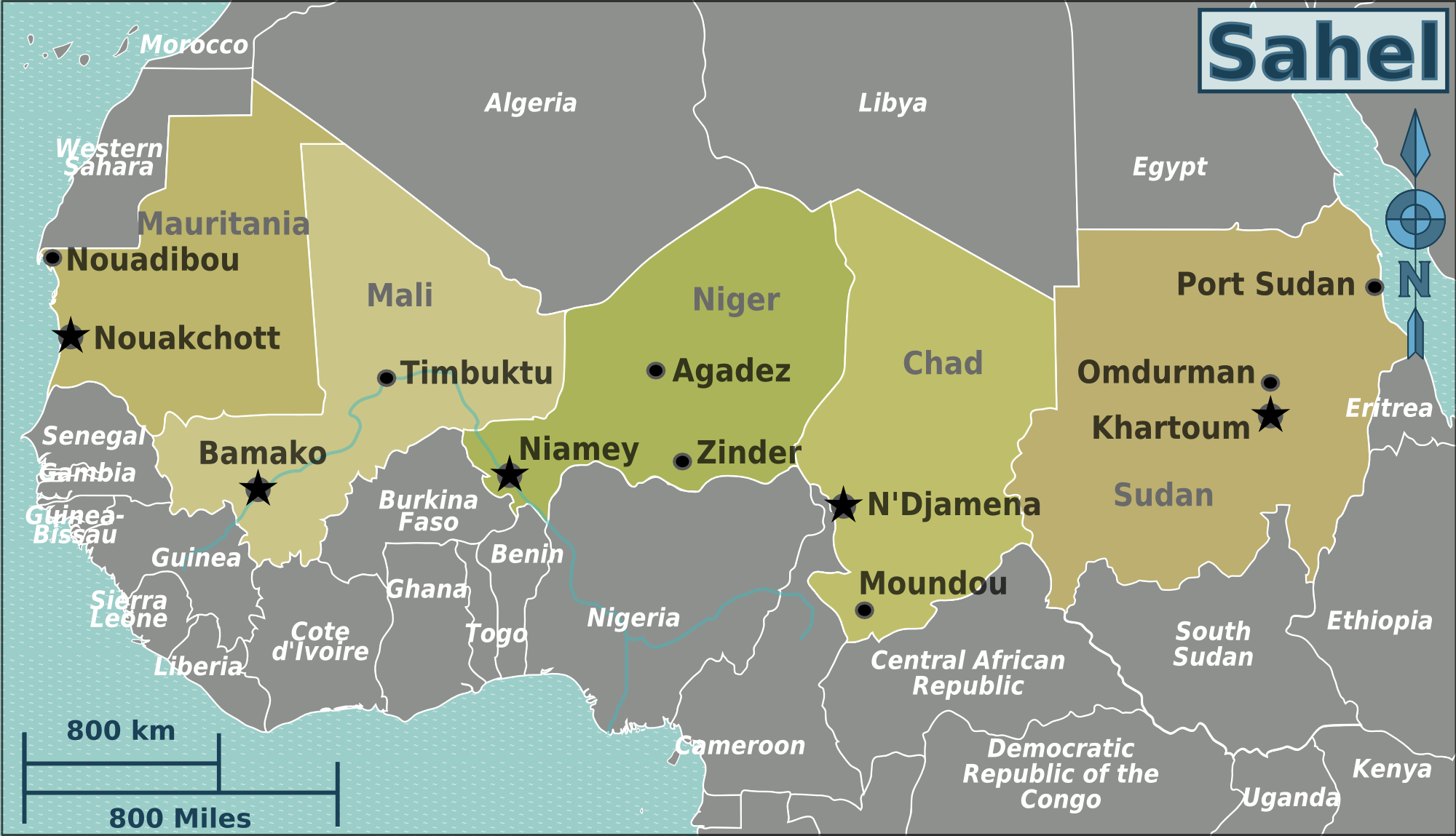
Two attacks on “defenseless civilian populations” along Niger’s border with Burkina Faso left some 40 dead, authorities said. Niamey’s defense ministry said 21 were killed in Libiri village and 18 in Kokorou, both in Tillabéri region. The statement blamed “criminals,” but the borderlands are a stronghold of jihadist insurgents. An even worse attack was reported days earlier, but is being denied by Niger’s ruling junta. Authorities suspended the operations of the BBC in Niger after it reported that jihadists had killed 90 soldiers and upwards of 40 civilians at Chatoumane, also in Tillabéri. According to the monitor Armed Conflict Location & Event Data (ACLED), at least 1,500 have been killed in jihadist attacks in Niger in the past year—more than double the 650 killed from July 2022 to July 2023. Human Rights Watch meanwhile released a report detailing killings of civilians and other serious abuses committed by Mali’s armed forces in collaboration with Russian mercenaries of the Africa Corps following the withdrawal of a UN peacekeeping mission last year. (Map: Wikivoyage)