Syria
Syria

Syria: perilous ‘roadmap’ to reconciliation with Druze

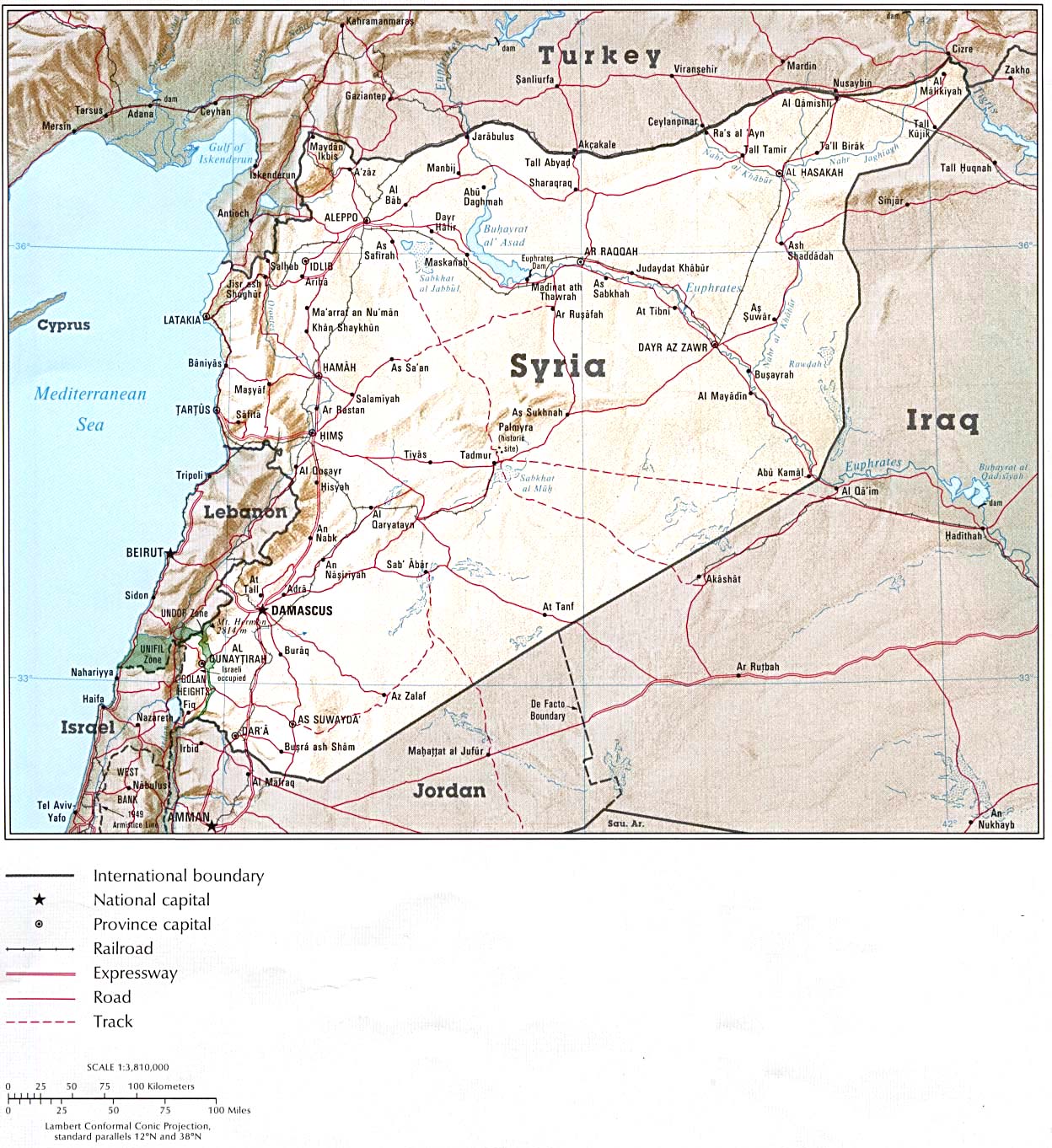
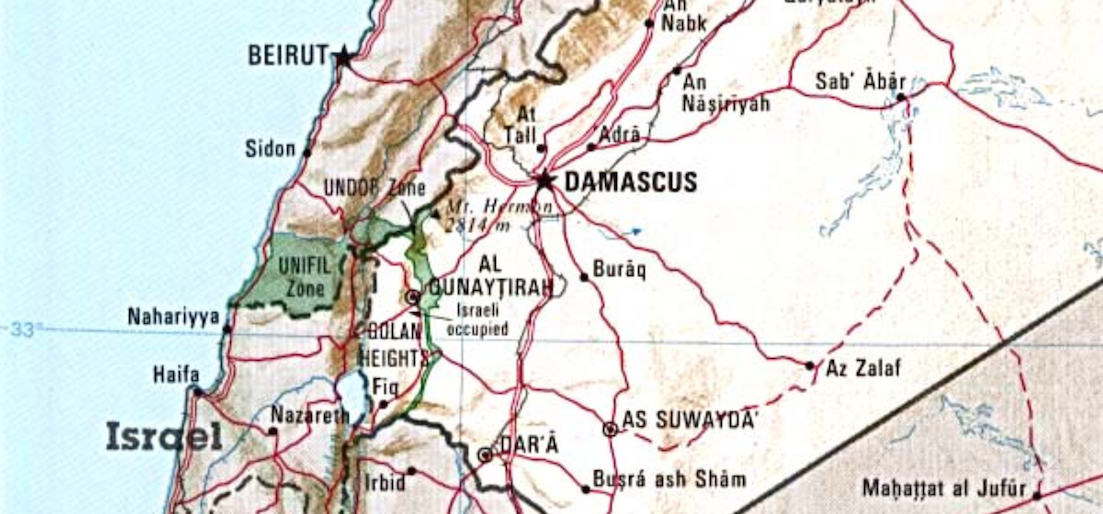
Syria, Jordan and the United States jointly announced a “roadmap” to resolve the ongoing crisis in the southern Syrian province of as-Suwayda, where July clashes between Druze and Bedouin forces escalated to sectarian killings and mass displacement. The plan seeks to strengthen a fragile ceasefire, let UN investigators look into the July events while holding perpetrators accountable under Syrian law, allow aid deliveries, and facilitate the return of some 160,000 people who remain displaced. However, some Druze leaders have rejected the plan. Sheikh Hikmat al-Hijri ruled out negotiations with the government, while adding: “I thanked Israel because it defended us and provided us with protection.” His followers have announced the creation of a “National Guard” for as-Suwayda region, which according to regional media reports has received thousands of light arms from Israel. (Map: PCL)
Europe
Armata

Belarusian political prisoners as pawns in power game

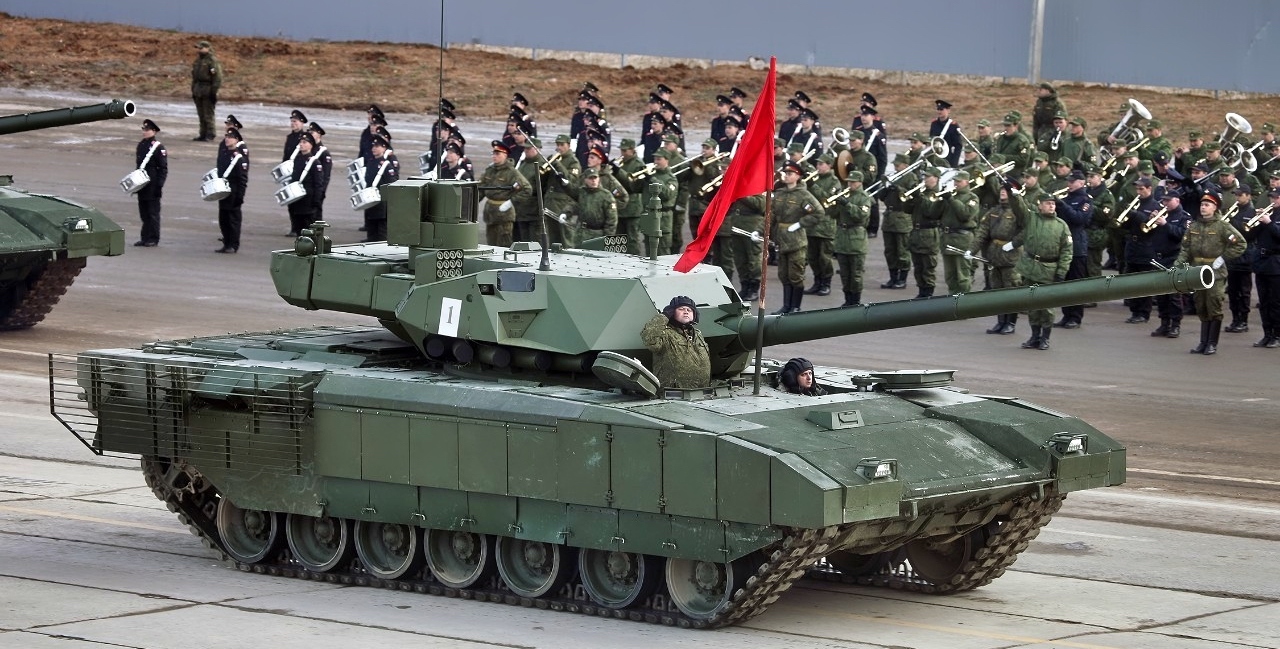
NATO launched a new exercise dubbed Eastern Sentry in response to the ongoing joint Russia-Belarus military exercise dubbed Zapad (West), which involves thousands of troops, naval maneuvers in the Baltic Sea, and simulated nuclear strikes. Yet two US military observers were invited to Belarus to observe the Zapad exercise, standing on a viewing platform to review forces from the same Russian army that is fighting in Ukraine. This appears to be part of a US rapprochement with Belarus, coming days after 52 Belarusian political prisoners were released in a US-brokered deal. However, the dissidents protest that they were expelled to Lithuania and not given the choice of remaining in their own country. One, former Belarusian presidential candidate Mikola Statkevich, has already been returned to a penal colony after refusing to accept exile. (Photo of Russian T-14 Armata tank via National Security Journal)

The Caucasus
Armenia-Azerbaijan

‘Trump Corridor’ through Armenia under ‘peace’ deal

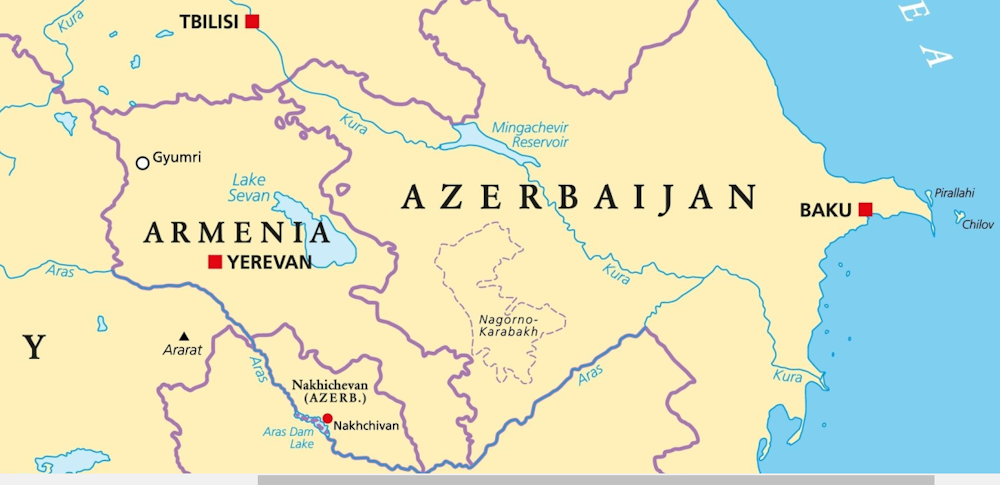
Prime Minister Nikol Pashinyan of Armenia and President Ilham Aliyev of Azerbaijan signed a joint declaration at the White House, with Donald Trump boasting that the US-brokered deal ends decades of conflict between the Caucasus neighbors. Critically, the agreement calls for a new transport corridor across Armenian territory, linking Azerbaijan to its exclave of Nakhchivan, which lies between Armenia and the borders with Turkey and Iran. The corridor is to be named the “Trump Route for International Peace & Prosperity,” and Armenia has granted the United States the right to manage it for 99 years. US companies will have exclusive development rights on the corridor throughout this period. (Map: Peter Hermes Furian/Shutterstock via The Conversation)

Europe
russian alaska

Podcast: Alaska 2025 = Munich 1938?

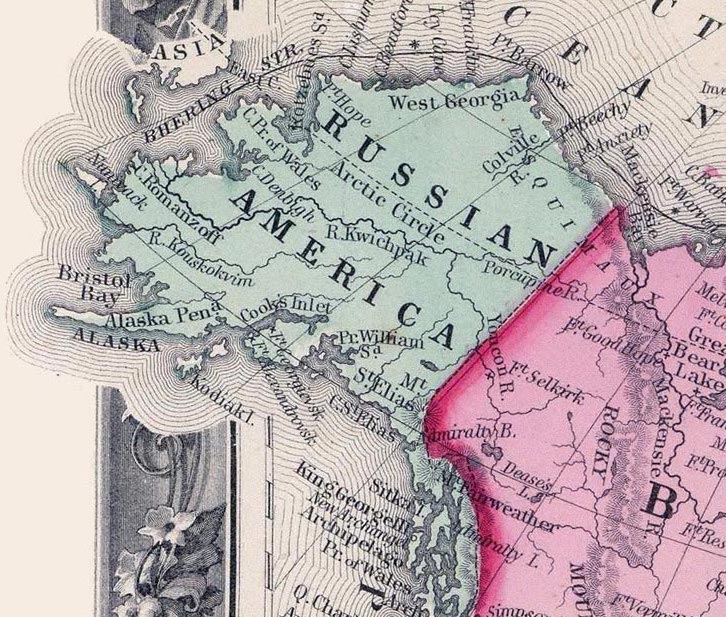
Russia’s irredentist claims on its former holding Alaska have provided fodder for comedians, but the stakes at the Trump-Putin meeting in the Last Frontier are no laughing matter. Despite the escalating mutual nuclear threats between Washington and Moscow, Trump’s call for a Russia-Ukraine “land-swap” obviously means Kyiv being forced to accept Moscow’s annexation of much of its territory in exchange for the return of other pieces its own territory illegally occupied by Russia. Meanwhile, Moscow sends drones to threaten NATO member Lithuania, which sits on the critical corridor to the Russian exclave (and tactical missile outpost) of Kaliningrad. Germany has responded by sending troops to the Baltic country—its first post-war foreign deployment. Appeasement of aggression failed to win peace at Munich in 1938, and there’s no reason to hope it will in Alaska today. But the difference is that the contending powers today have nuclear weapons. In Episode 291 of the CounterVortex podcast, Bill Weinberg takes an unflinching look. (Map via Wikipedia)

Southeast Asia
Preah Vihear

Orwell and the Thai-Cambodia conflict

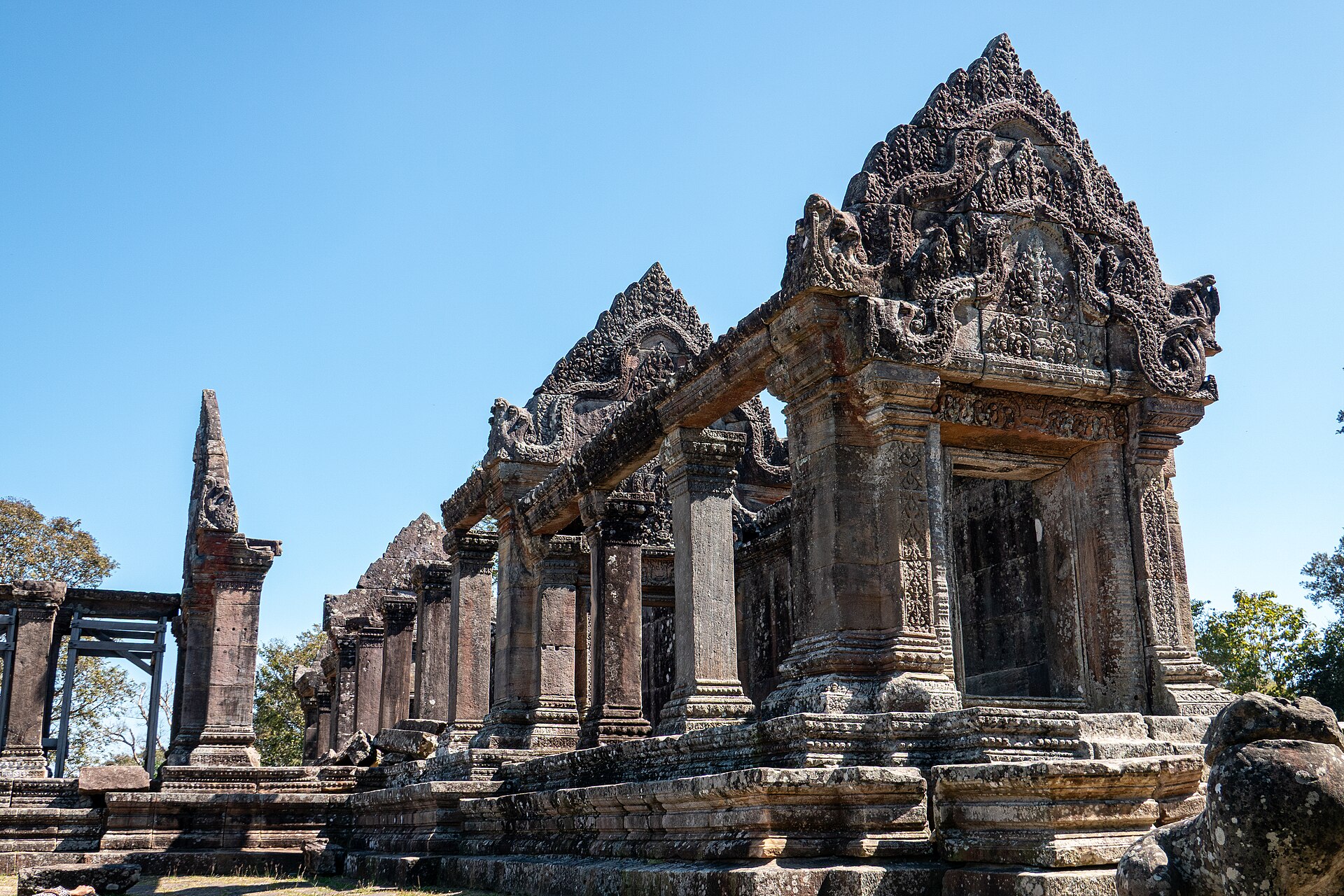
Cambodia’s prime minister, Hun Manet, nominated Donald Trump for the Nobel Peace Prize on Aug. 7, citing his “crucial role” in restoring peace after bloody border fighting with Thailand. The gushy statement praised Trump’s “extraordinary statesmanship” and “innovative diplomacy.” (NYT) Cambodia now… Read moreOrwell and the Thai-Cambodia conflict

Syria
Damascus

Syria: revolution on the razor’s edge

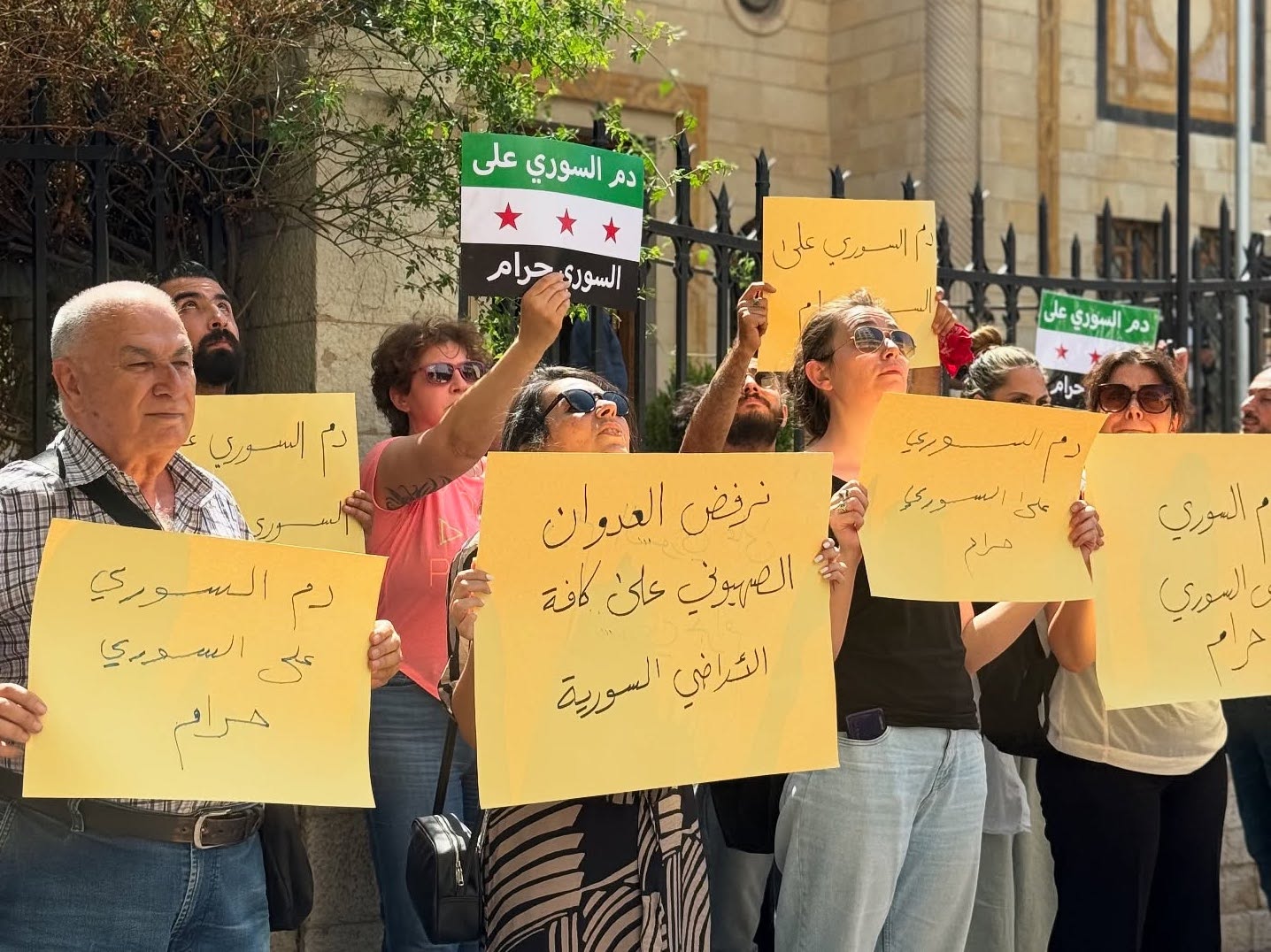
The investigation by the Syrian transition government into the March violence against the Alawites in Latakia province has been submitted—but the full findings have not been made public, and it apparently exonerates the government of involvement. Meanwhile southern Suwayda province has seen a perhaps even deadlier eruption of violence—this time pitting Druze against Bedouin, with the role of the government similarly the source of much contestation (and fodder for Internet partisans). And a Damascus protest against the violence and for co-existence was attacked by goons. Amid all this, Israel is militarily intervening, the government looks to Turkey for military aid, and both the US and Russia still have forces on the ground—treating the country as a Greet Power chessboard. In Episode 288 of the CounterVortex podcast, Bill Weinberg warns that the Syrian Revolution is poised on a razor’s edge, ready to descend into ethno-sectarian war and authoritarianism unless political space can be kept open for the secular-democratic civil resistance that began the revolution 14 years ago. (Image: Banners read “Syrians must not shed Syrian blood” and “We reject Israeli aggression against Syria.” Credit: The Syria Campaign via Facebook)

Iraq
KRG

Iraq: mysterious drone strikes on Kurdistan oil-fields

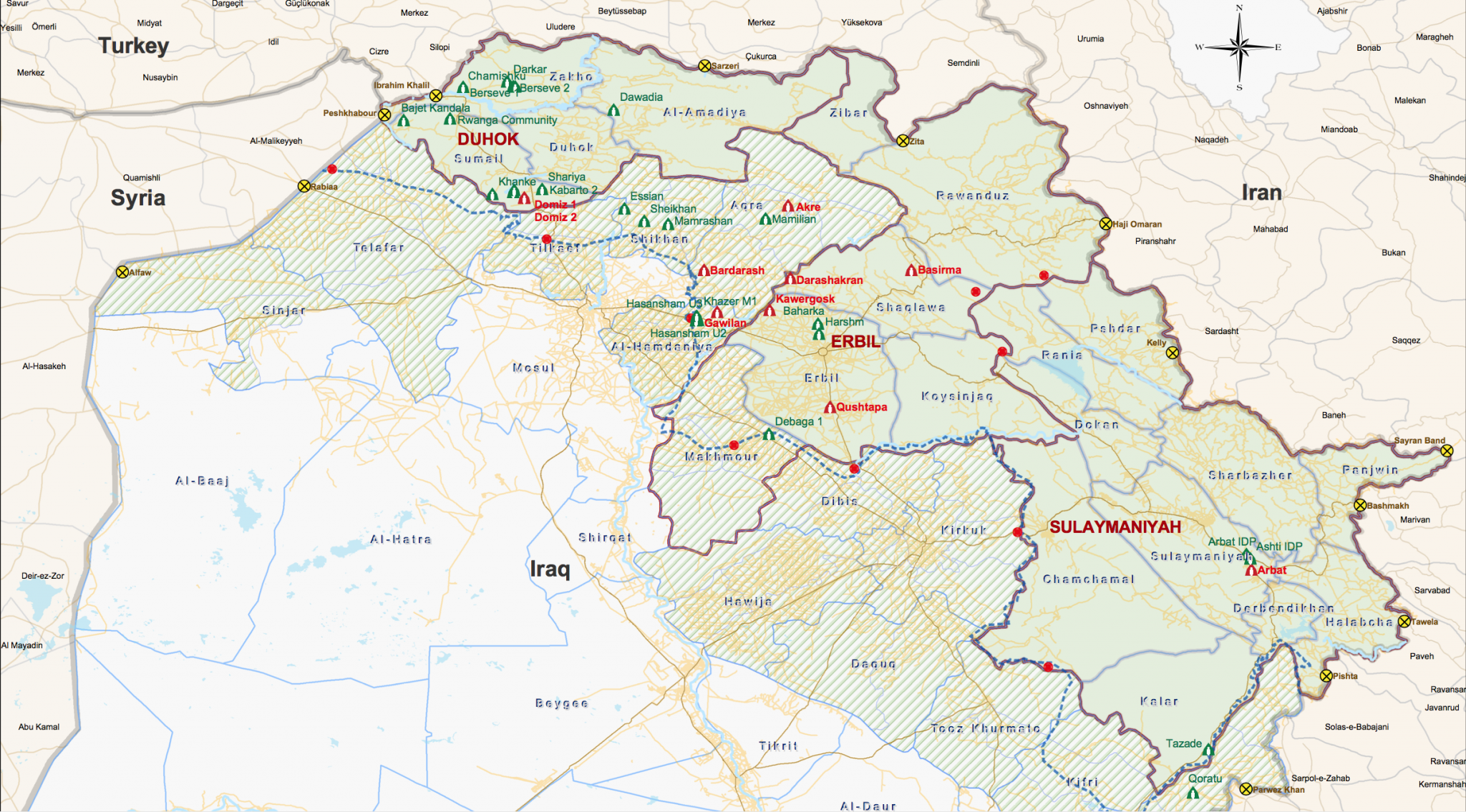
Three days of drone attacks on oil-fields in Iraq’s autonomous Kurdistan region have brought operations at several facilities to a halt and slashed crude output. The targeted sites include fields at Zakho, operated by Norway’s DNO; the Sarsang field, operated by US-based HKN Energy; and the Ain Sifni field, operated by Hunt Oil, all in Dohuk governorate. Kurdistan authorities also said a drone was downed near Erbil airport, which hosts US troops. Nobody has claimed responsibility for the attacks, but Kurdish authorities blamed the Hashd al-Shaabi, or Popular Mobilization Units, a paramilitary network aligned with the Baghdad government and backed by Iran. The attacks come amid renewed dispute between Baghdad and the Kurdistan Regional Government over whether the KRG may enter into hydrocarbon contracts with foreign firms. In May, the central government filed a complaint against the KRG for signing gas contracts with two US companies, including HKN Energy, asserting that all oil and gas deals must go through Baghdad. (Map: UNHCR via ReliefWeb)

Iran
Udeid

Iran’s retaliation: choreographed charade?

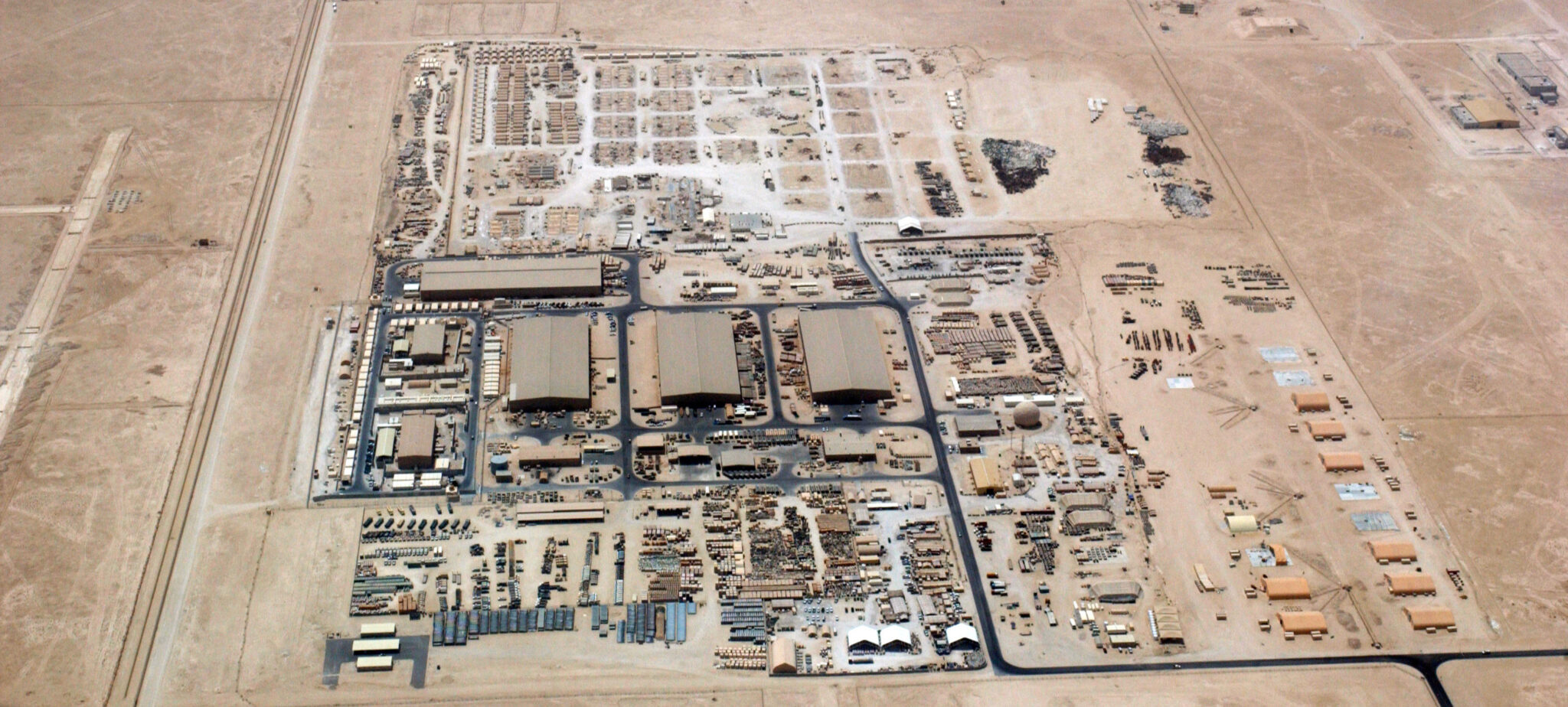
Two days after the US carried out air-strikes against Iran’s nuclear sites in what is being dubbed Operation Midnight Hammer, Iran launched missiles at al-Udeid air base in Qatar, headquarters for US Central Command’s regional operations and host to some 8,000 US troops. The US said nearly all the missiles were intercepted and there were no casualties. In a post on TruthSocial, President Trump shortly later claimed a ceasefire between Israel and Iran has been reached, with Israeli media reporting that the truce was brokered by Qatar. Sources also told Reuters that Iran had tipped off Qatar authorities before the attack, who then warned the US—accounting for the light damage and raising the possibility that, as in US-Iran brinkmanship of early 2020, the supposed Iranian retaliation was choreographed to allow Tehran to save face. The US, Israel and Iran alike are now all claiming victory, and it remains unclear how seriously Tehran’s nuclear capabilities have in fact been degraded. (Image of al-Udeid air base: Wikimedia Commons)

Southeast Asia
warplane

Burma: dictator thanks Russia for military support

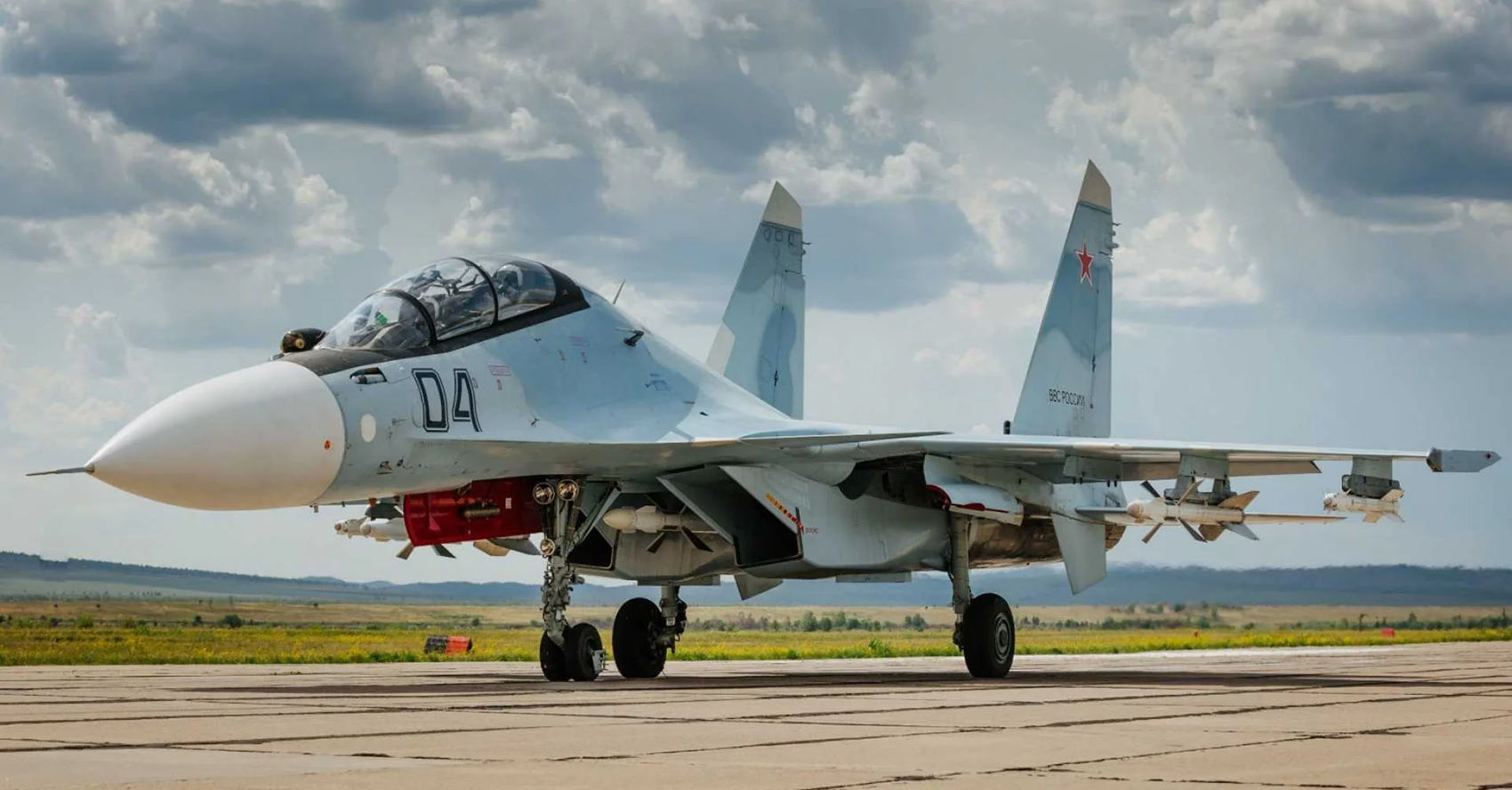
Following his visit to Moscow for the Victory Day celebrations earlier this month, Burmese junta leader Min Aung Hlaing thanked Russia for the fighter jets and helicopters it has provided his military government. The junta, which came to power in the February 2021 coup, is currently facing an insurgency by a number of armed ethnic and opposition groups across Burma. Rights groups accuse the Tatmadaw, as the Burmese military is known, of routinely targeting civilian populations and infrastructure in its aerial attacks. While in Moscow, Min Aung Hlaing also met for the first time with Chinese leader Xi Jinping, another key patron of his regime. (Photo: Russia MoD via The Irrawaddy)

Greater Middle East
Gulf states

Podcast: MAGA-fascism and the Gulf State tyrannies

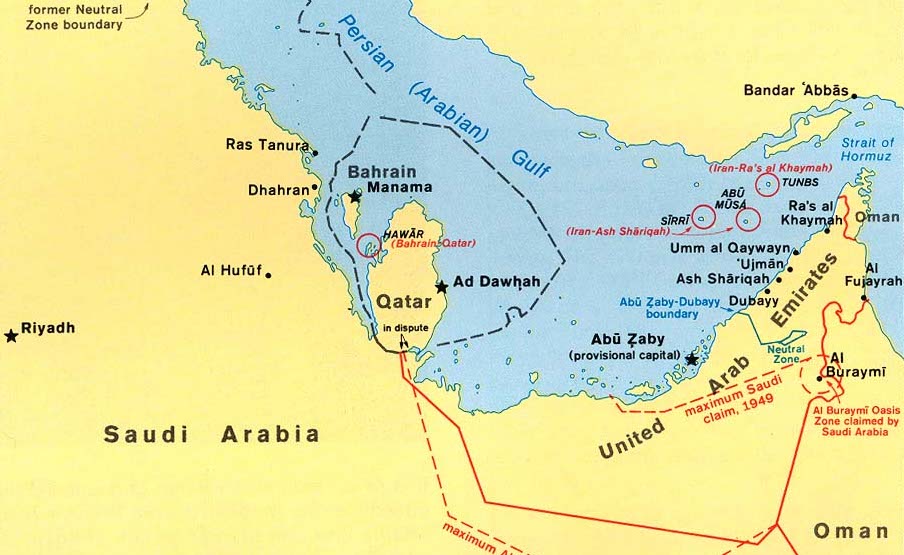
Amid the hype about how Trump “snubbed” Netanyahu on his Middle East trip come reports that his White House is pushing a plan to relocate some 1 million Palestinians from Gaza to Libya—which is in the midst of a massive human rights crisis. Even while on the ground in Qatar, Trump plugged his relocation scheme for the Gazans, who now face complete ethnic cleansing from the devastated Strip. In Episode 279 of the CounterVortex podcast, Bill Weinberg debunks the notion of a Trump tilt away from Israel, and asks why some “progressives” are joining with paleocons to view massive arms deals with the repressive and arch-reactionary monarchies of Saudi Arabia, the UAE and Qatar as a good thing. (Map: PCL)

Syria
Syria

Israel escalates Syria strikes —in name of protecting Druze

Syrian Druze leader Sheikh Hikmat al-Hijri accused the interim government of carrying out a “genocidal attack” on his community following two days of sectarian violence that left 100 dead. Clashes broke out in the Damascus suburbs of Jaramana and Sahnaya, and armed residents began to mobilize in the Druze-majority southern city of Suwayda before a truce was reached. But by then Israel had escalated its military intervention in Syria, launching air-strikes on targets around Damascus. In a statement, Israeli Prime Minister Benjamin Netanyahu said the IDF had “struck an extremist group” that was killing members of the Druze community. This is presumably a reference to the now ostensibly disbanded Hayat Tahrir al-Sham (HTS), the leading faction in the forces that took power in Syria and formed the transition government late last year. It is unclear who launched the attacks that sparked the fighting, which were condemned by the interim government. (Map: PCL)

Africa
Turkey-Somalia

Turkey in oil-for-security deal with Somalia

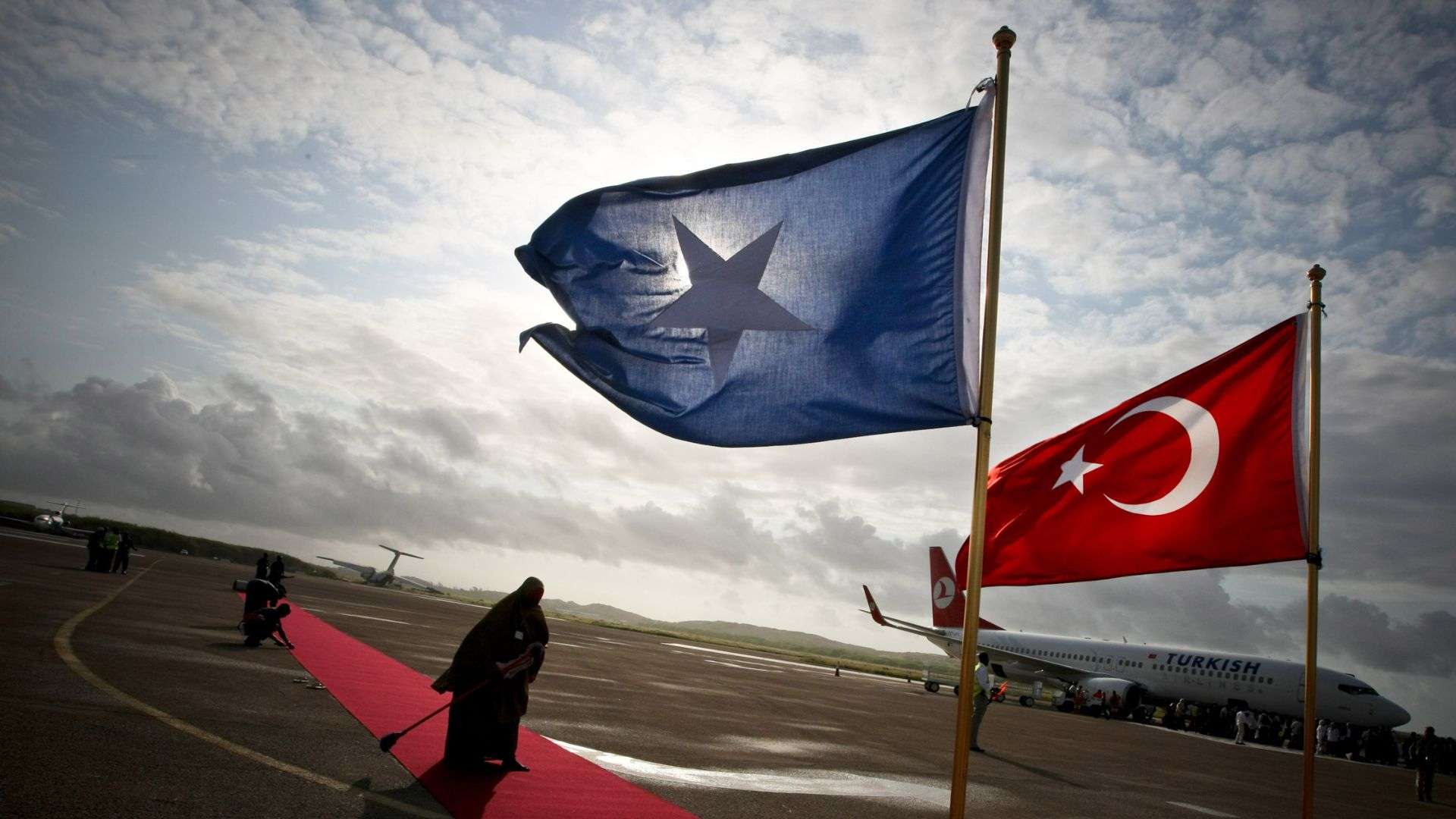
Turkey has sent 500 troops to the Somali capital Mogadishu, the first phase of a planned 2,500-strong deployment to bolster the government against recent advances by the insurgent group al-Shabaab. Turkey already has 300 soldiers in Mogadishu, primarily to train the elite Gorgor brigade. Meanwhile, Turkey has also struck a controversial oil and gas exploration deal with the government in which it will receive 90% of all future revenues as a cost-recovery mechanism. Somalia will earn just 5% in royalties. (Photo: United Nations via Globely News)