Syria

UN Syria envoy: ‘fragile’ moment in transition process
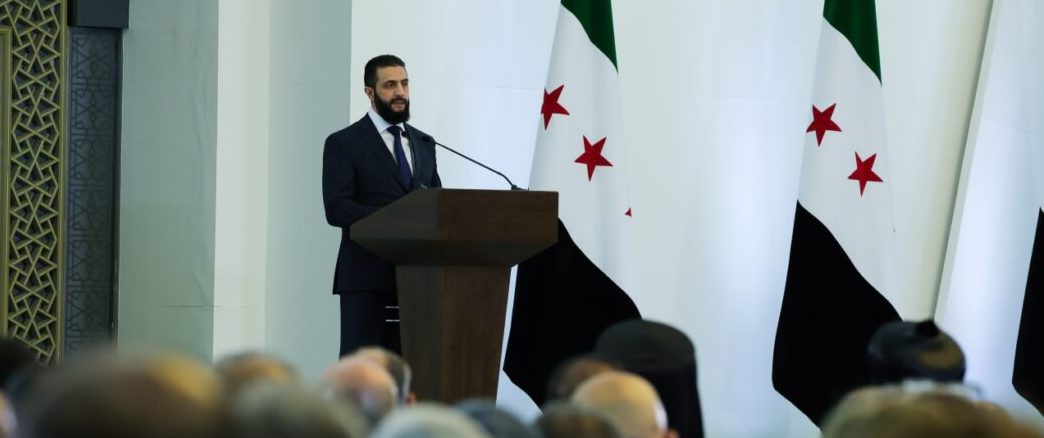
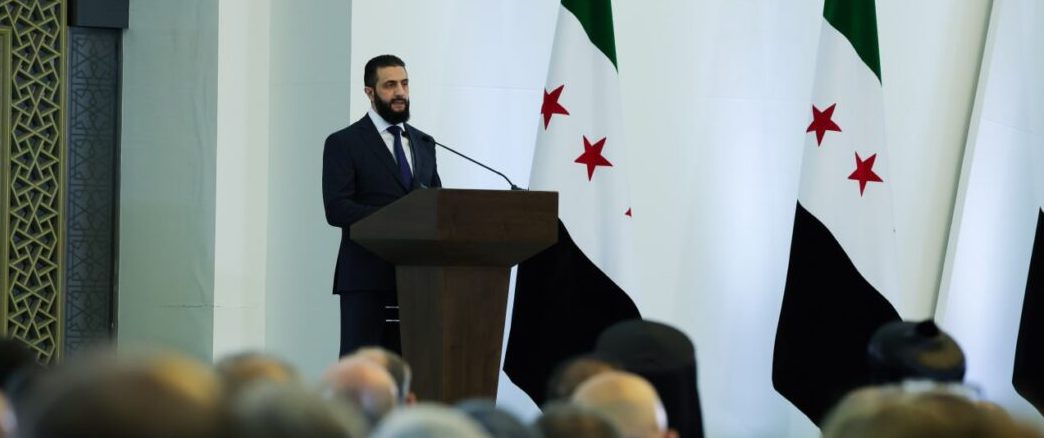
SahraaThe UN special envoy for Syria, Geir Pedersen, warned of grave consequences for the country's future without genuine political inclusion and urgent economic support for a successful political transition. During a briefing to the Security Council, Pedersen noted the legacies of misrule, conflict and exclusion in Syria, stating that "the situation is inherently still extremely fragile." The new government announced by President Ahmad al-Sharaa in March is more diverse, but still includes one woman in the 22-member cabinet: Hind Kabawat, a Catholic, who was appointed as minister of Labor & Social Affairs. Recalling the recent violence in the coastal region, Pedersen urged the new government to ensure that all segments of Syrian society are protected, and to prevent individuals or groups from taking justice into their own hands or committing revenge-driven attacks. The statement noted that such sporadic incidents continue to be reported. (Photo: SANA)
Syria

Podcast: Free Syria and the Kurdish question II

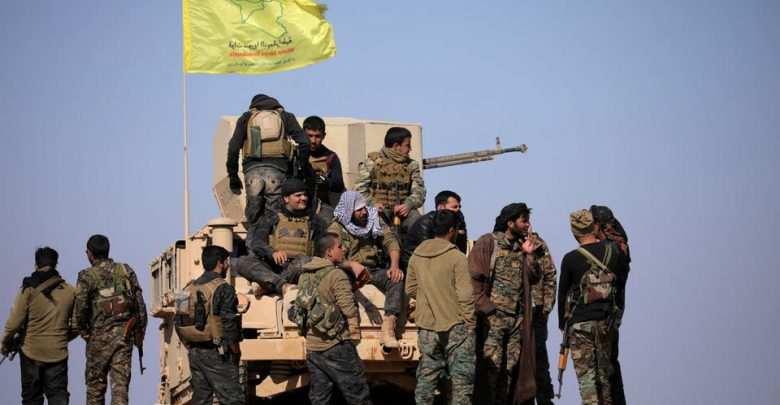
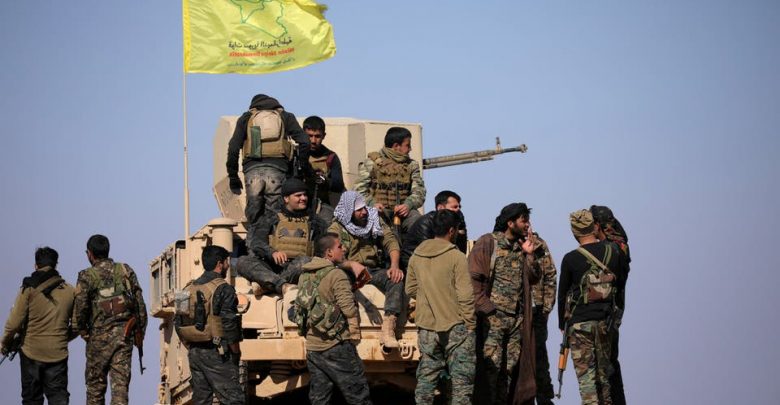
SDFIn Episode 268 of the CounterVortex podcast, Bill Weinberg examines the continued fighting in Syria since the fall of the Bashar Assad dictatorship in December. The recent outburst of violence in the Alawite heartland on the Mediterranean coast made headlines, but this week also saw anti-regime protests by Druze in Syria's south. And fighting has never stopped between forces aligned with the new transition government and those of the Kurdish autonomous zone in the northeast. The situation is complicated by continuing military adventures on Syrian territory by foreign powers—Israel, Turkey, Russia and the US. Will Syrians be able to overcome these challenges and forge a democratic and multicultural order, in repudiation of sectarianism, ethno-nationalism and Great Power intrigues? (Photo: SOHR)

Syria

External, internal challenges for Syrian Revolution

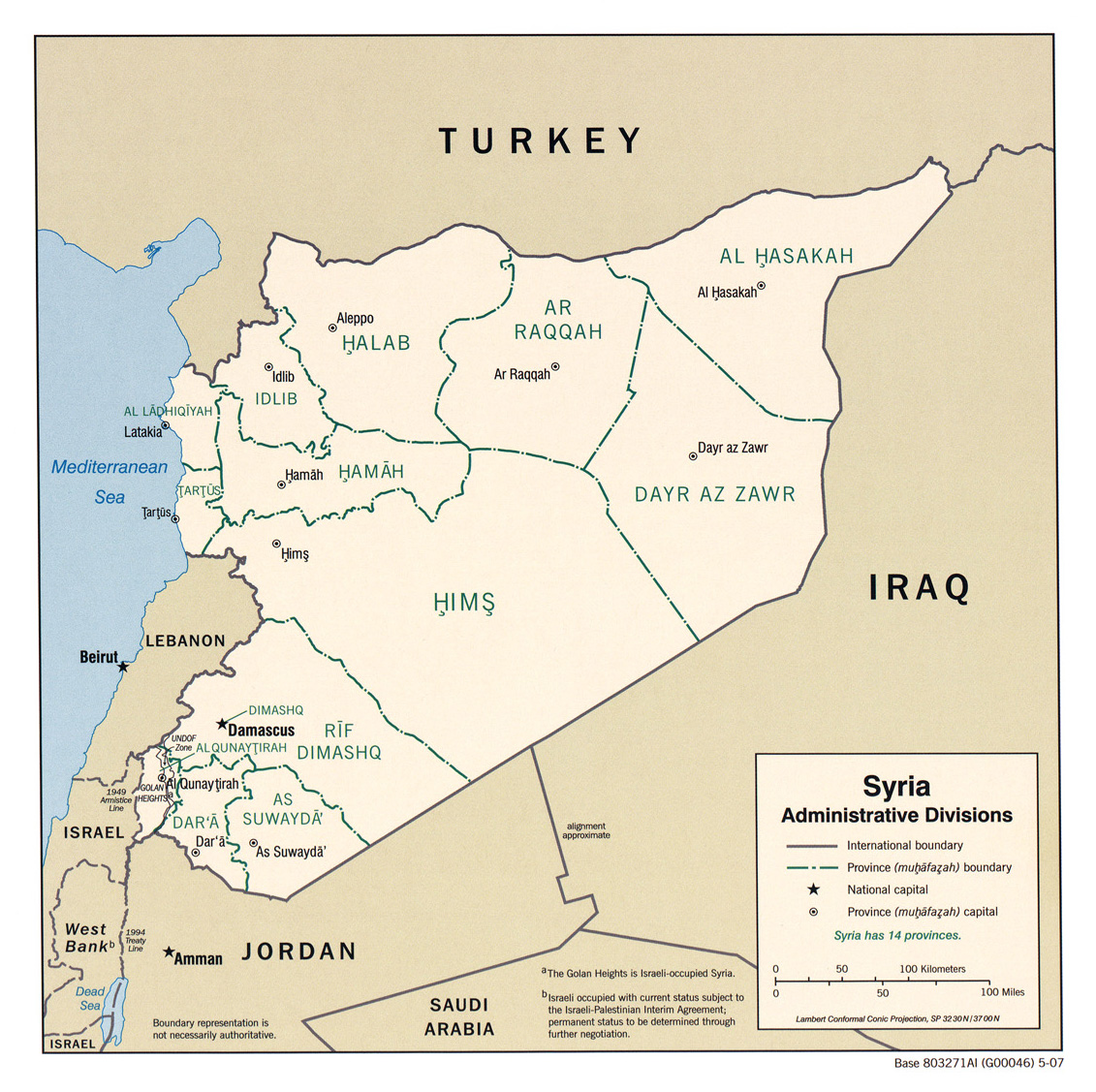
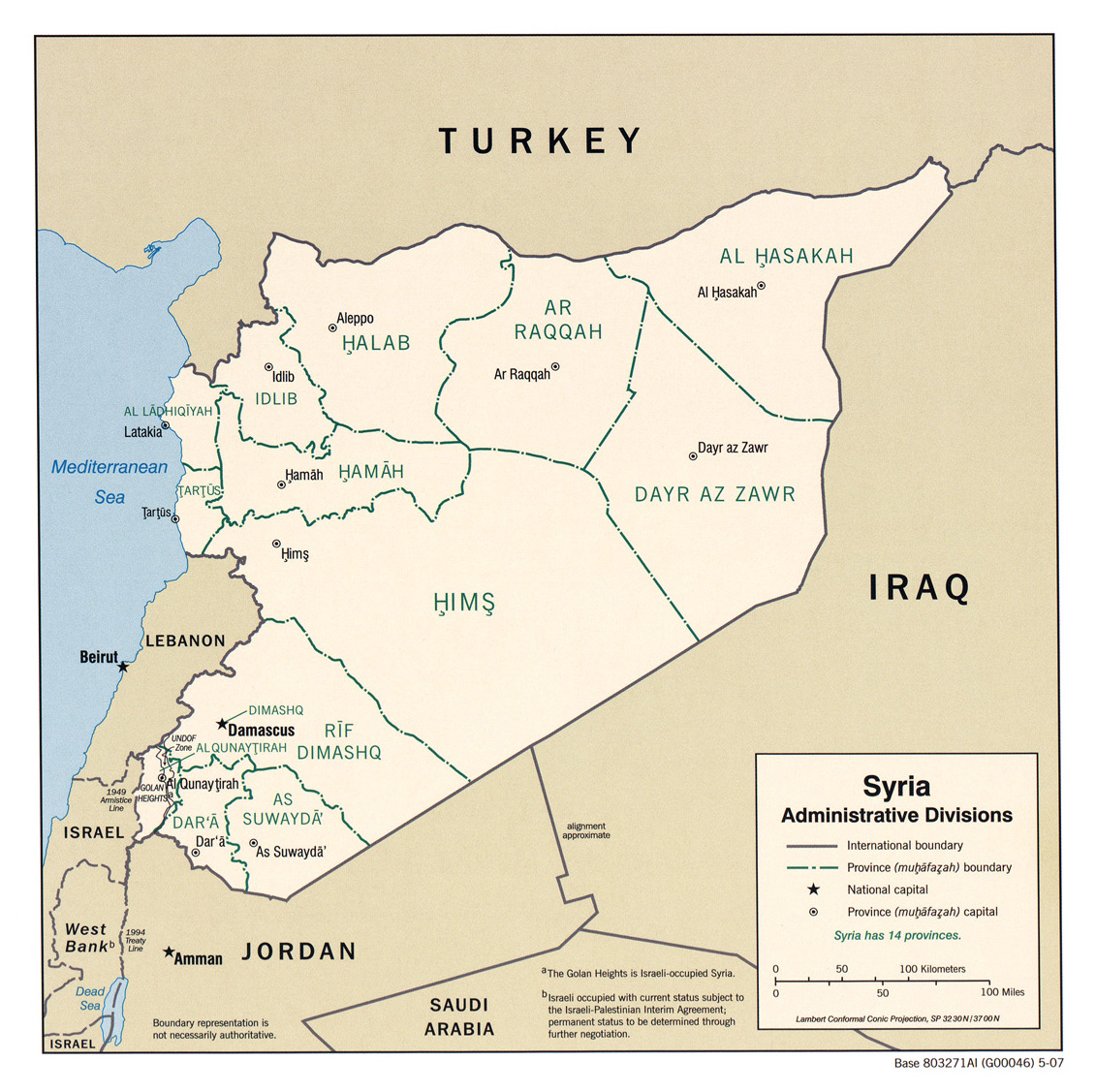
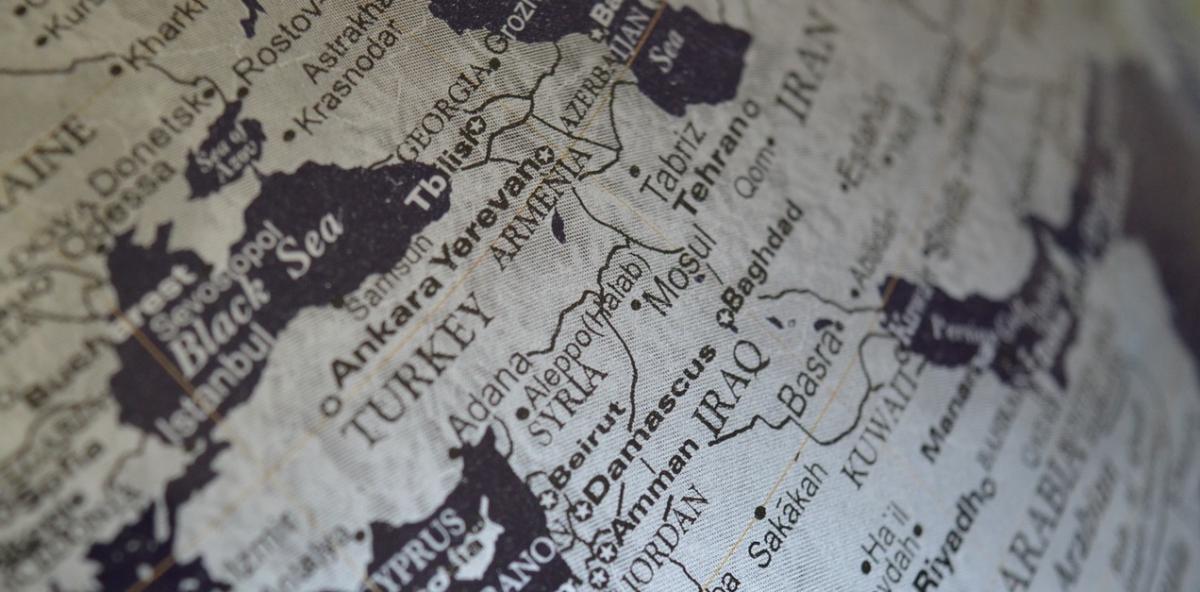
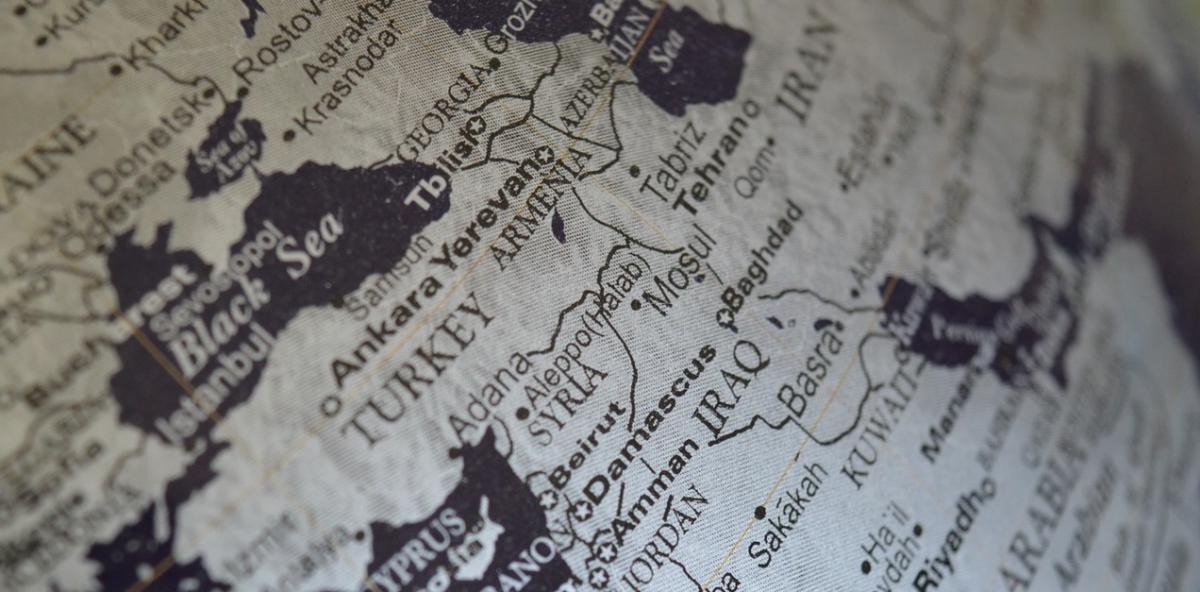
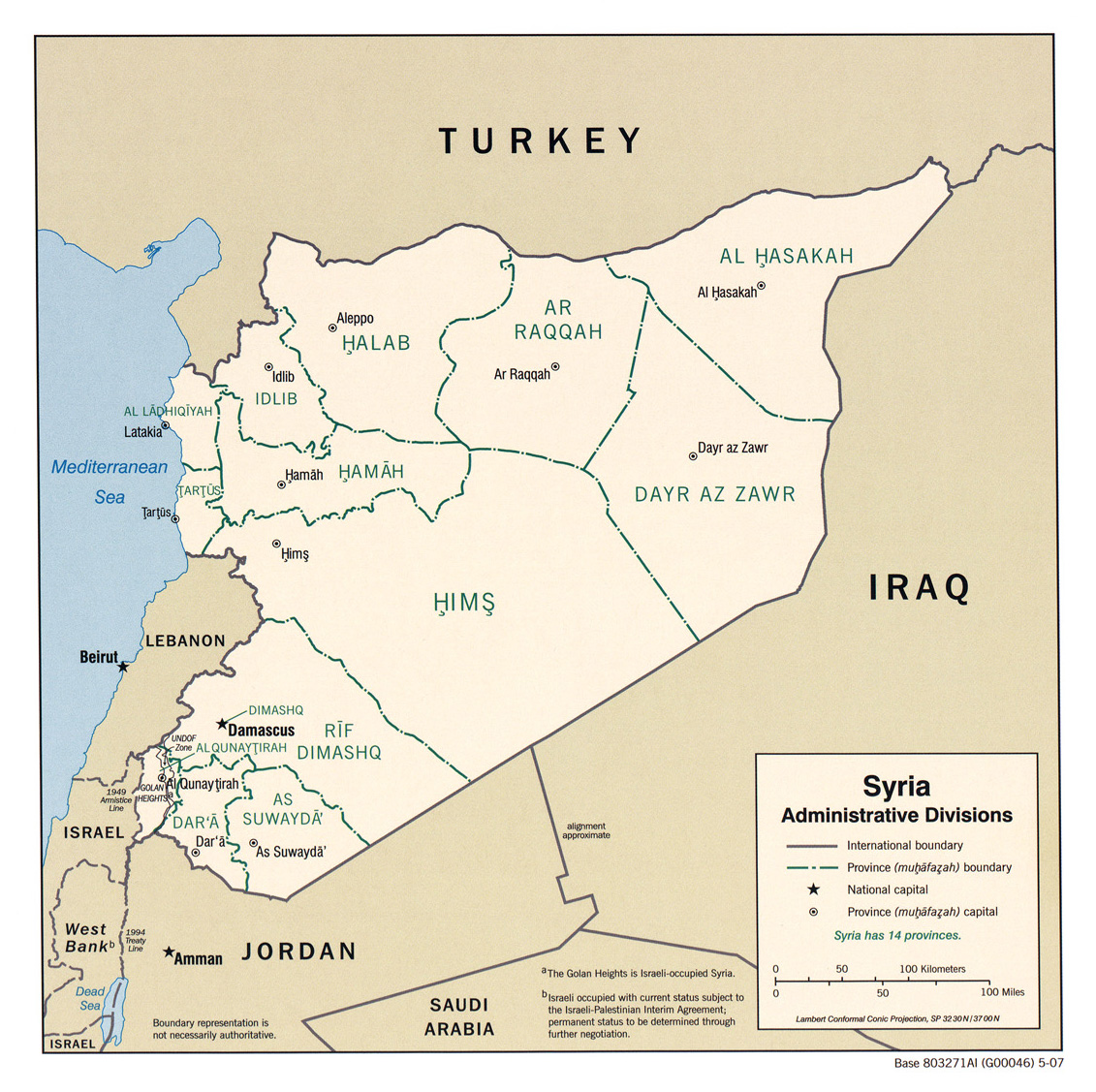
SyriaApparent Assad loyalists have taken up arms against Syria's transitional government in the Alawite heartland of Latakia on the Mediterranean coast. Fighting meanwhile continues between the Turkish-backed Syrian National Army (SNA) and Kurdish-led Syrian Democratic Forces (SDF) in the northeast, while Israel grabs a "security zone" in the south and continues intermittent air-strikes. Elsewhere in the south, the Druze of Suweida protest their perceived exclusion from the transition process. All this as Russia opens talks with the new authorities in a bid to keep its military bases in Syrian territory. (Map: PCL) 

Syria

Syria: after the fall of the regime

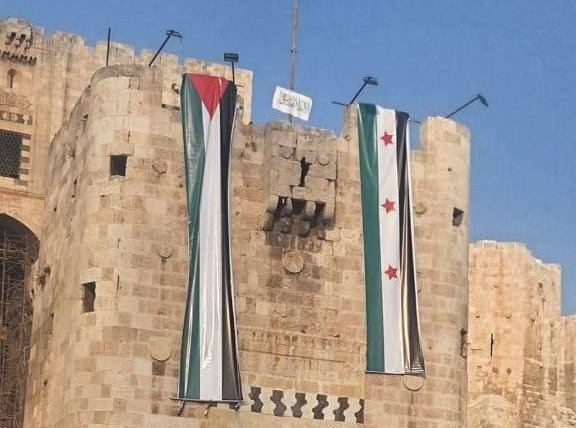
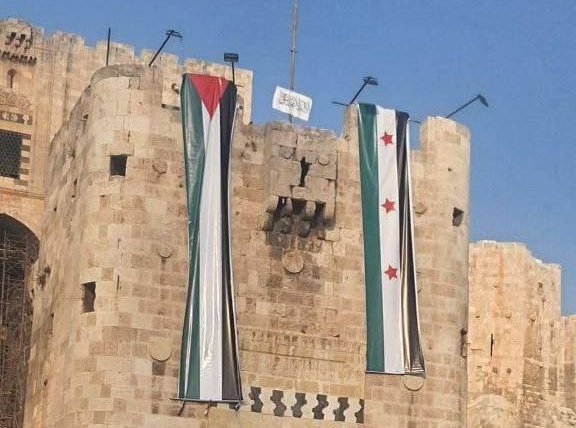
AleppoAs Syrian rebels advanced on Damascus in a surprise lightning offensive, the Rojava Kurds seized territory from the Bashar Assad regime, and the Druze took up arms in their own region. After years of the lines in the conflict being frozen and the genocidal Assad dictatorship being "normalized," the unthinkable happened and the dictator fled. Suddenly the 13-year aim of the Syrian Revolution has been realized—the fall of the regime. But the lead rebel faction, Hayat Tahrir al-Sham (HTS), has an ugly past, its partner the Syrian National Army (SNA) is in the political orbit of Turkish aspiring dictator Recep Tayyip Erdoğan, and the threat of Arab-Kurdish ethnic war in northern Syria looms closer. Amid a conflict now dominated by armed actors, can the unarmed civil resistance that began the revolution 13 years ago re-assert itself, and revive the secular-democratic spirit of 2011? In Episode 254 of the CounterVortex podcast, Bill Weinberg takes a hard look. Listen on SoundCloud or via Patreon. (Photo of Aleppo Citadel in rebel hands via social media, e.g. Twtter)

Syria

Regional war looms closer after Golan rocket strike

SyriaIsraeli warplanes hit several targets in southern Lebanon, as diplomats worked frantically to prevent a regional war after a rocket strike that killed 12 youths in the Golan Heights. Israel is blaming Hezbollah for the rocket, which struck a football field in the Druze village of Majdal Shams. Hezbollah has denied responsibility, asserting that a projectile from Israel's own Iron Dome missile defense system hit the village amid strikes on military targets elsewhere in the area by the Iran-backed Lebanese armed organization. Israel and Hezbollah have been trading strikes over the Lebanese border since Oct. 8, a day after the start of the war in Gaza. Israel has killed 527 people in Lebanon since then, according to an AFP tally, including at least 104 civilians. Israel says 23 of its civilians and 17 soldiers have been killed by Hezbollah rocket-fire over this period. (Image: Pixabay)

Jewish-Arab solidarity meetings held in Haifa

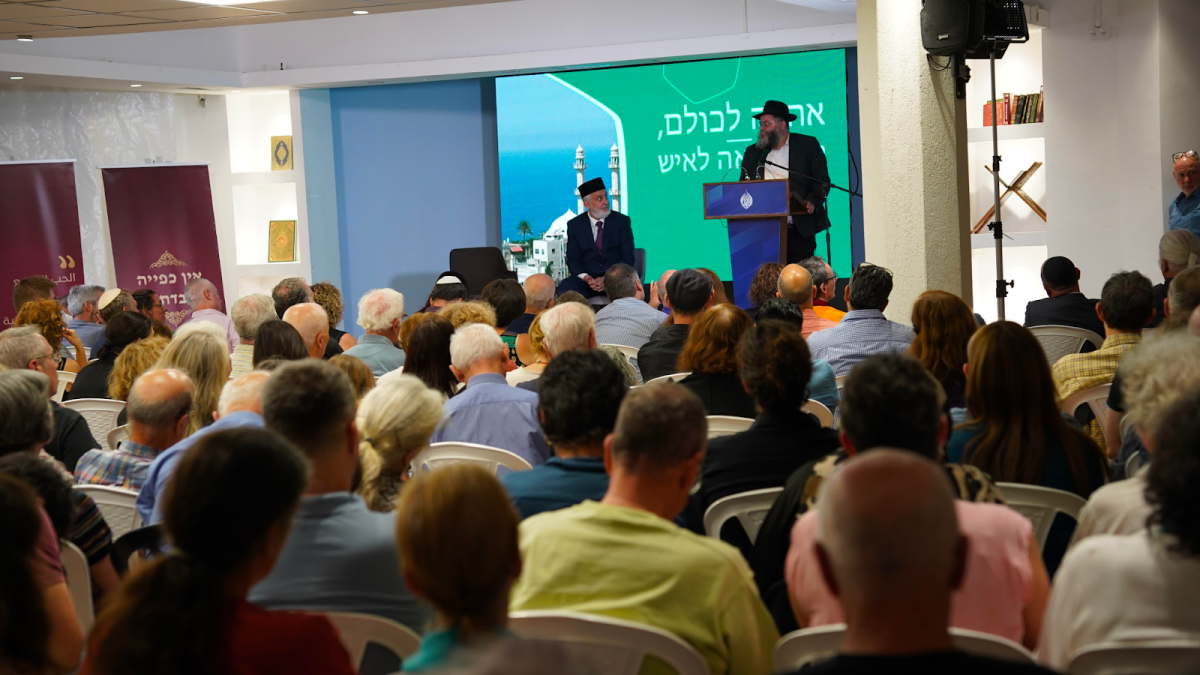
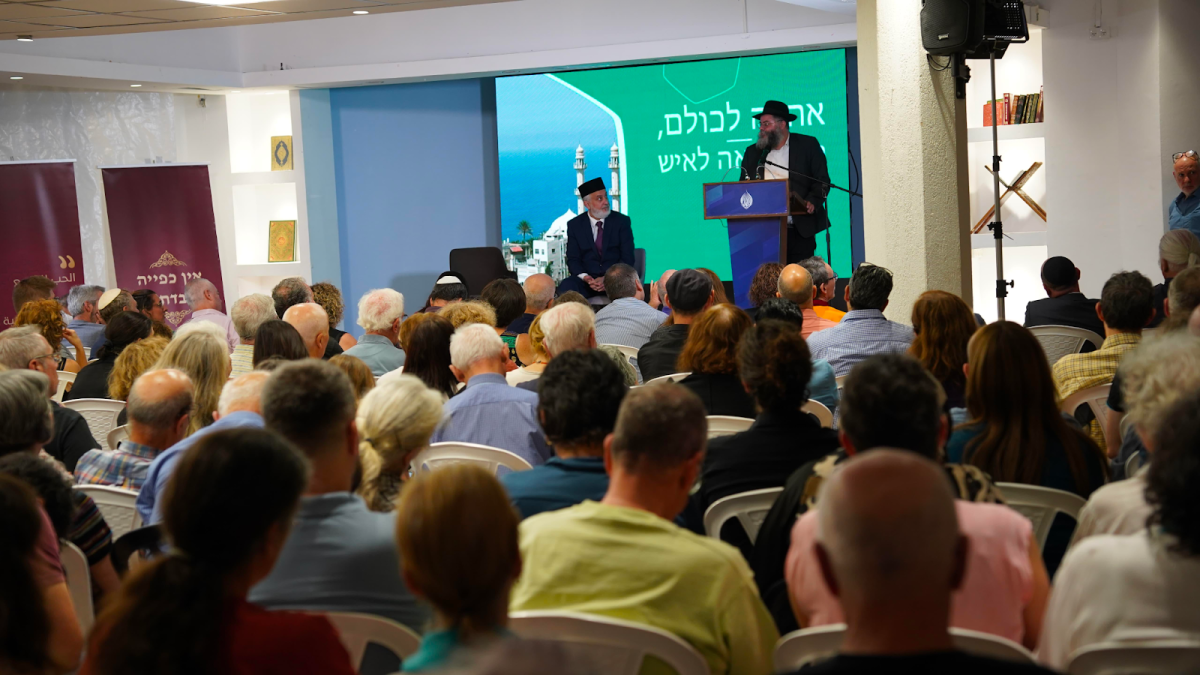
HaifaSince the Gaza bombardment began, three joint Jewish-Arab gatherings for coexistence and mutual solidarity have been held in Haifa, hosted by the Israeli city's Ahmadiyya Mahmud Mosque. The Ahmadiyya Muslim Community convened meetings, bringing together representatives from various faiths, including Jewish rabbis, Christian pastors, Muslim and Druze imams, and even a Buddhist monk. The meetings have drawn up to 600 attendees. The Ahmadiyya amir of the Holy Lands, Muhammad Sharif Odeh, urged Jewish guests not to justify collective retaliation: "It is haram [unlawful] to kill civilians and innocent people—this is not the right way, there are other solutions, without weapons. Muslims and Jews have lived together for more than 1,300 years, and Jews were given their rights under the Muslim rule… Muslims and Jews should know that not speaking up in the face of oppression destroys the human feelings in our hearts, and stops us from feeling empathy towards the pain and suffering of each other." (Photo: Al Hakam. Banner reads: "We are allies, not adversaries")

Syria

Syria: revolution reborn

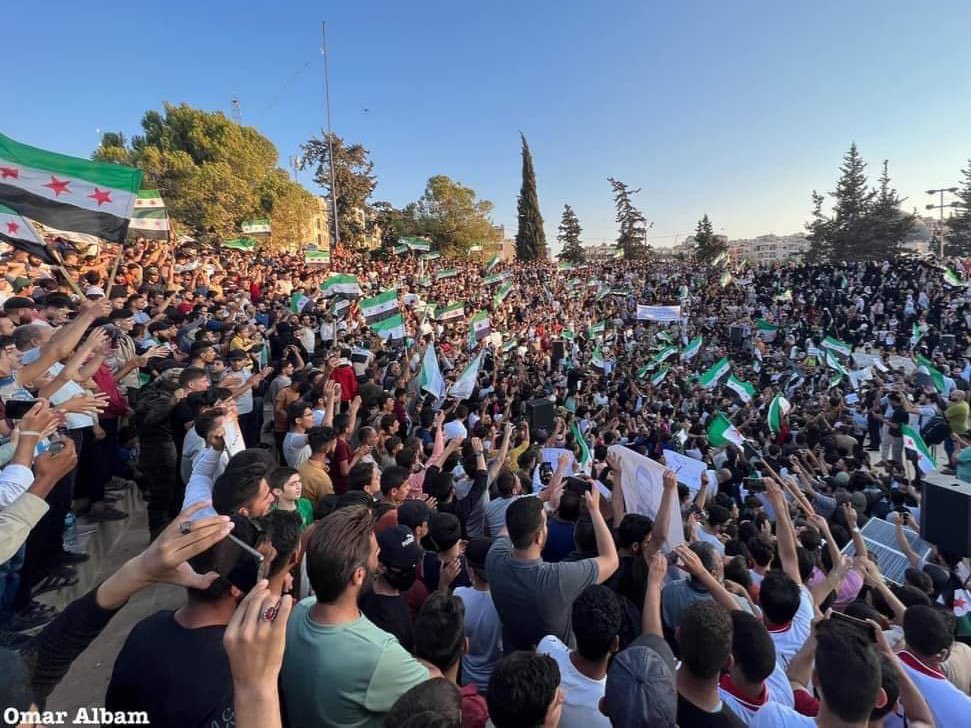
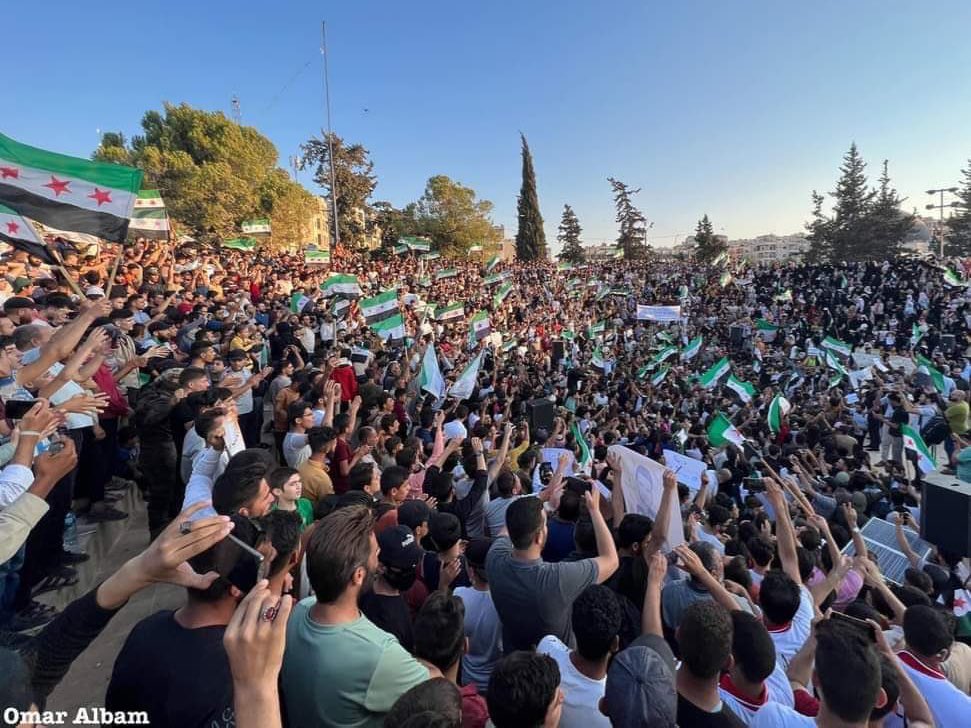
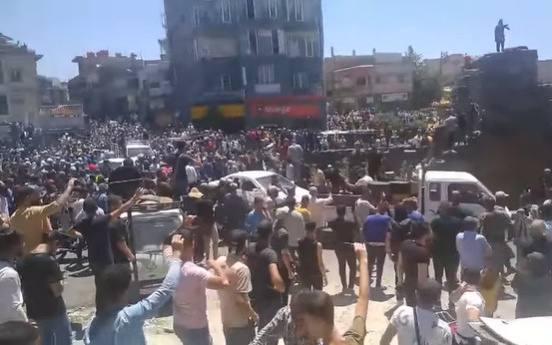
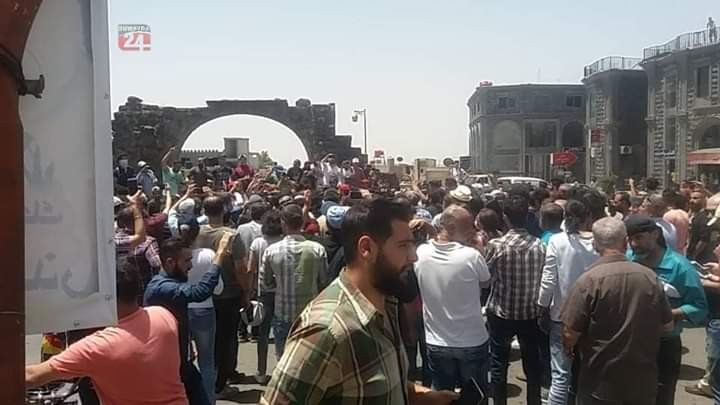
IdlibThe Free Syria flag again flew high in villages, towns and cities across the country, as thousands filled the streets, reviving the chants of the revolution. Protests first erupted in the regime-held south of the country, especially the Druze-majority city of Suwayda. They were triggered by a recent increase in fuel prices as the regime has yet again cut subsidies. But the protests soon escalated to renewed calls for the downfall of the Bashar Assad dictatorship, and spread to other regime-held cities—including Aleppo, the country's largest, which was savagely bombarded by regime and Russian warplanes in 2015-6. Demonstrations in support of the new uprising were also mobilized in the opposition-held northern pocket of the country. (Photo of Idlib demonstration by Omar Albam, via Leila's blog)

Defiant Israel to expand West Bank settlements

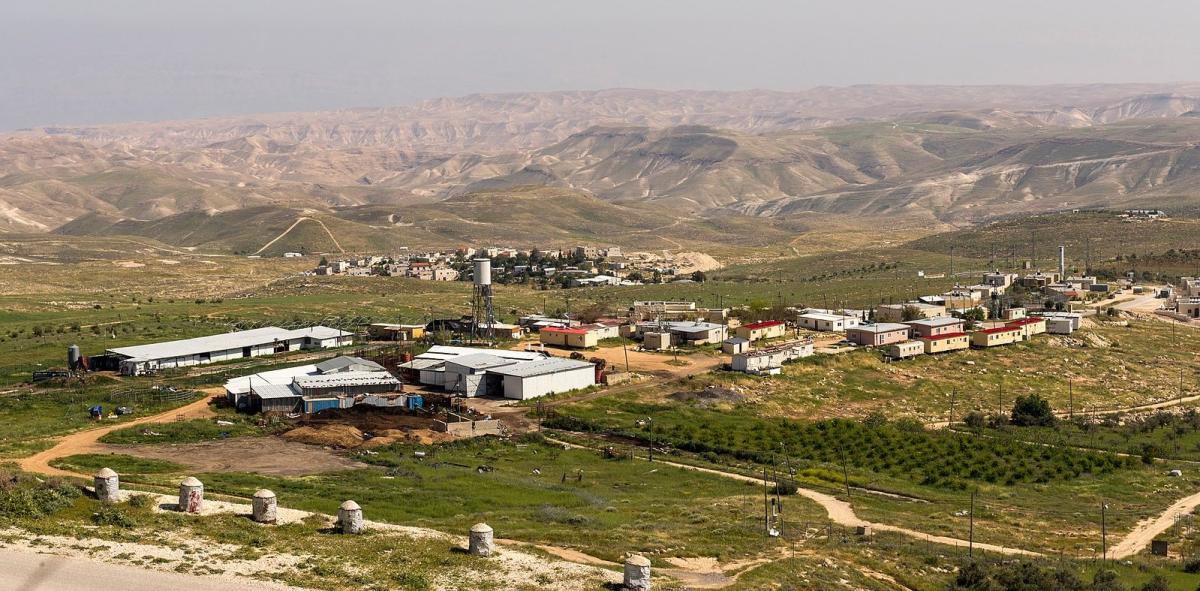
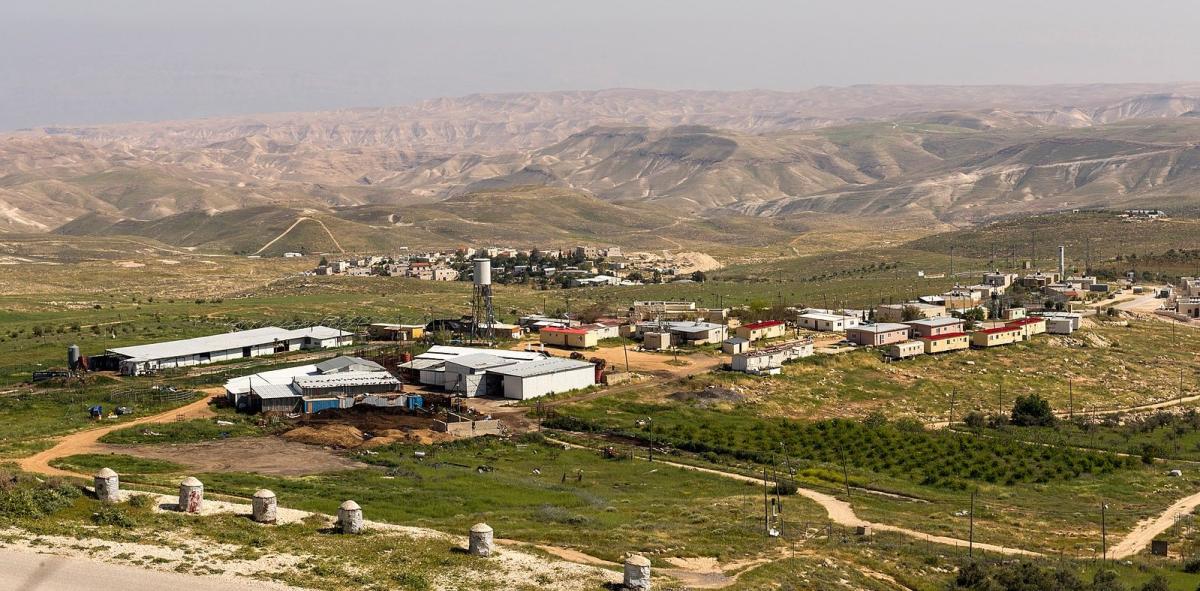
West BankIsrael's right-wing nationalist government announced new plans to approve the construction of thousands of new buildings in the occupied West Bank, despite pressure from both the US and EU to halt settlement expansion. Far-right Finance Minister Bezalel Smotrich, who has just been granted authority over approval of West Bank settlement construction in a cabinet decision, tweeted in expicitly annexationist language: "The construction boom in Judea and Samaria and all over our country continues." The Palestinian Foreign Ministry called for US and international action to press the Israeli government to backtrack on the decision. (Photo of settlement outside Za'atara: Ralf Roletschek via Wikimedia Commons)

Palestine

Arabs, Druze protest Israel nation-state law

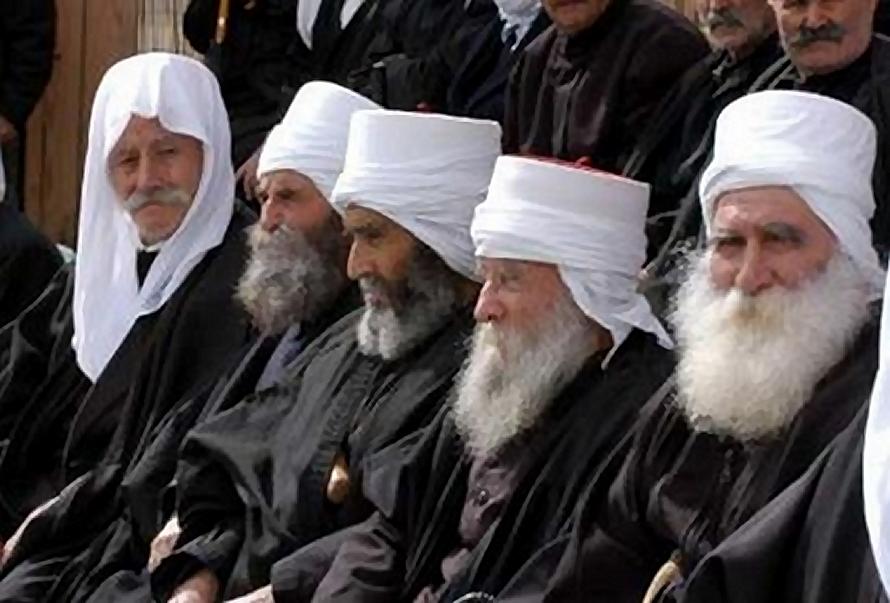
DruzeTens of thousands of marched in Tel Aviv to protest Israel's new "nation-state law," which officially establishes Israel as "the national home of the Jewish people" and downgrades the Arabic language from official to "special" standing. The march, led by Palestinian Arab citizens of Israel, follows a similar mobilization in Tel Aviv one week earlier by members of Israel's Druze community. Both rallies filled the city's Rabin Square. Under the banner "Abolish Nation-state Law – Yes to Equality," the Arab-led march was organized by the Association for Civil Rights in Israel and allied groups. In a joint statement, participating organizations said the Nationality Law "will turn racism, discrimination, humiliation and segregation into an inseparable part of our lives…. Our statement is clear: All citizens—all of them—are equal." (Photo: Druze elders from the Golan Heights, via LookLex)

Syria

Druze women and children abducted by ISIS

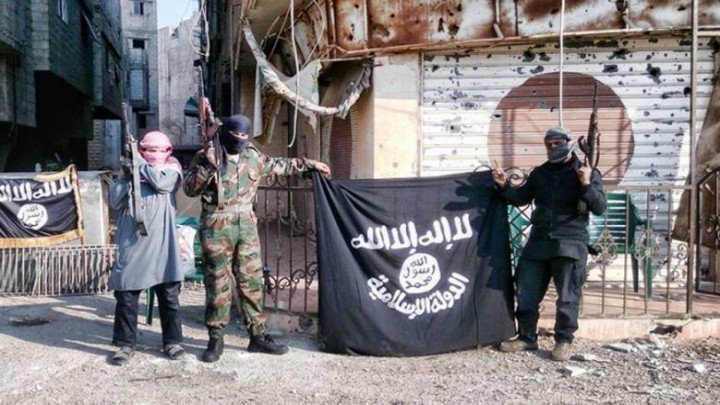
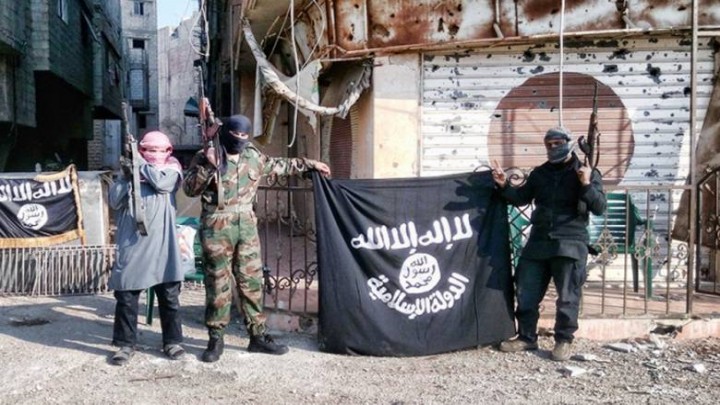
ISISDuring the wave of coordinated ISIS attacks that left 250 dead in Syria's regime-held southern governorate of Suweida, the militants also went door-to-door in Druze villages, abducting some 35 women and children. The militants are believed to have escaped with them into their remaining strongholds in Syria's eastern desert. The attack wave followed visits by Russian military delegations to Suweida, during which Druze elders were urged to cooperate in disarming the populace. This was apparently aimed at suppressing the Rijal al-Karama (Men of Dignity), a Druze self-defense militia that had emerged over the past years of violence in Syria. The ISIS assault came immediately after regime weapons seizures in Druze villages, leading to theories of regime complicity in the attacks. (Photo via Syria Call)