

Syria
Suwayda

Fighting again erupts in Syria’s Suwayda
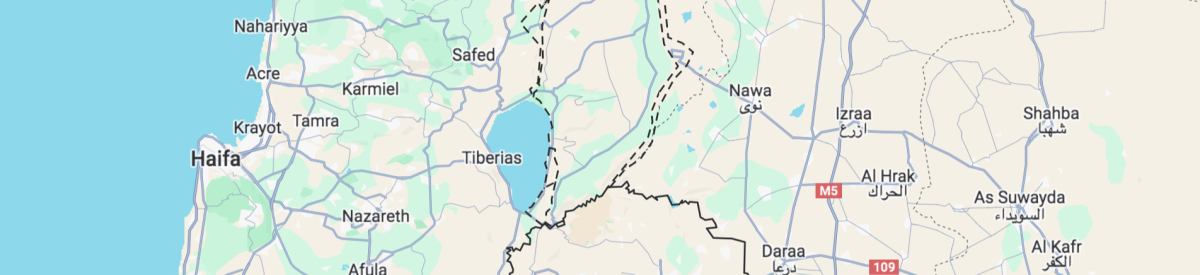
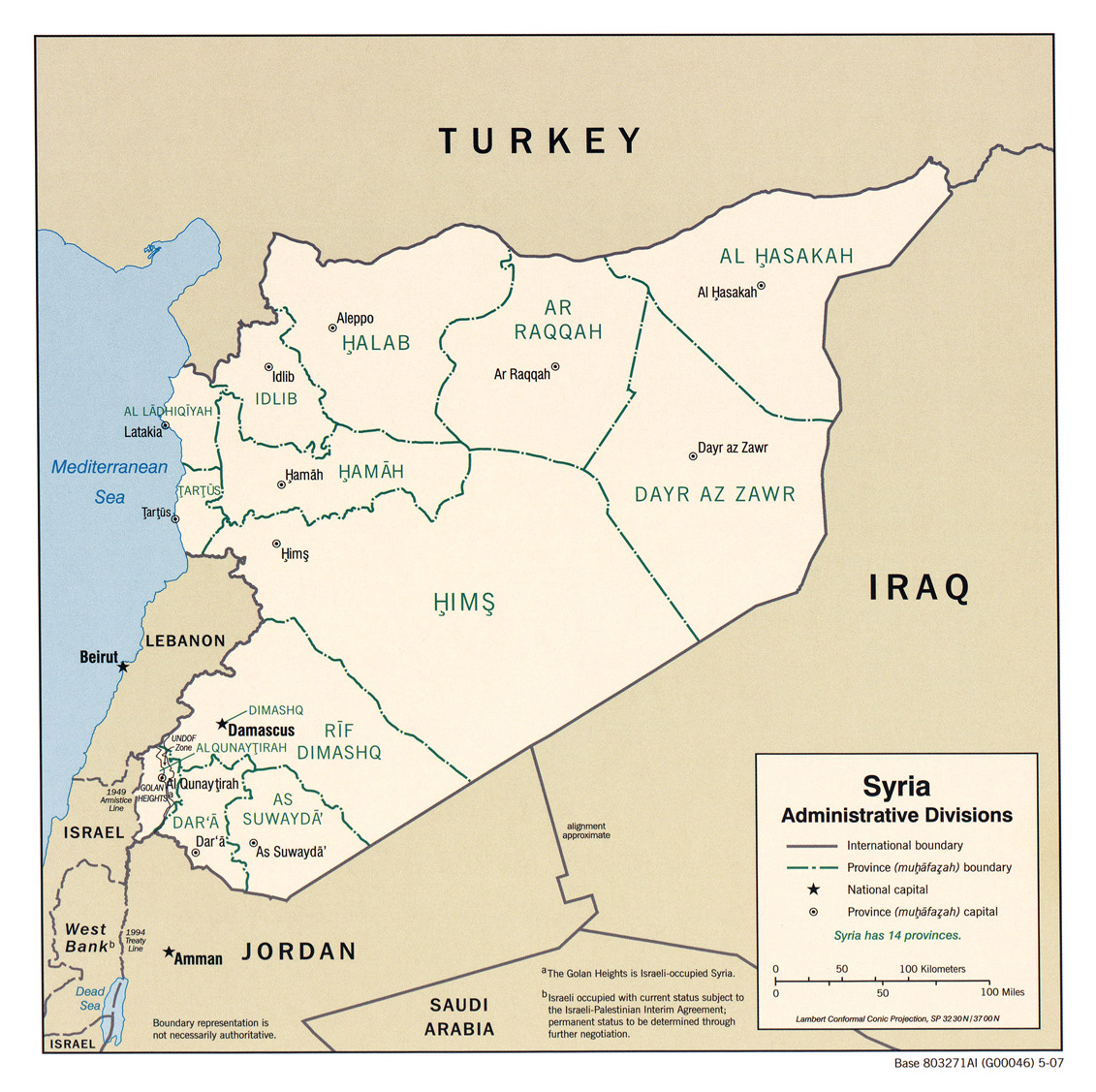
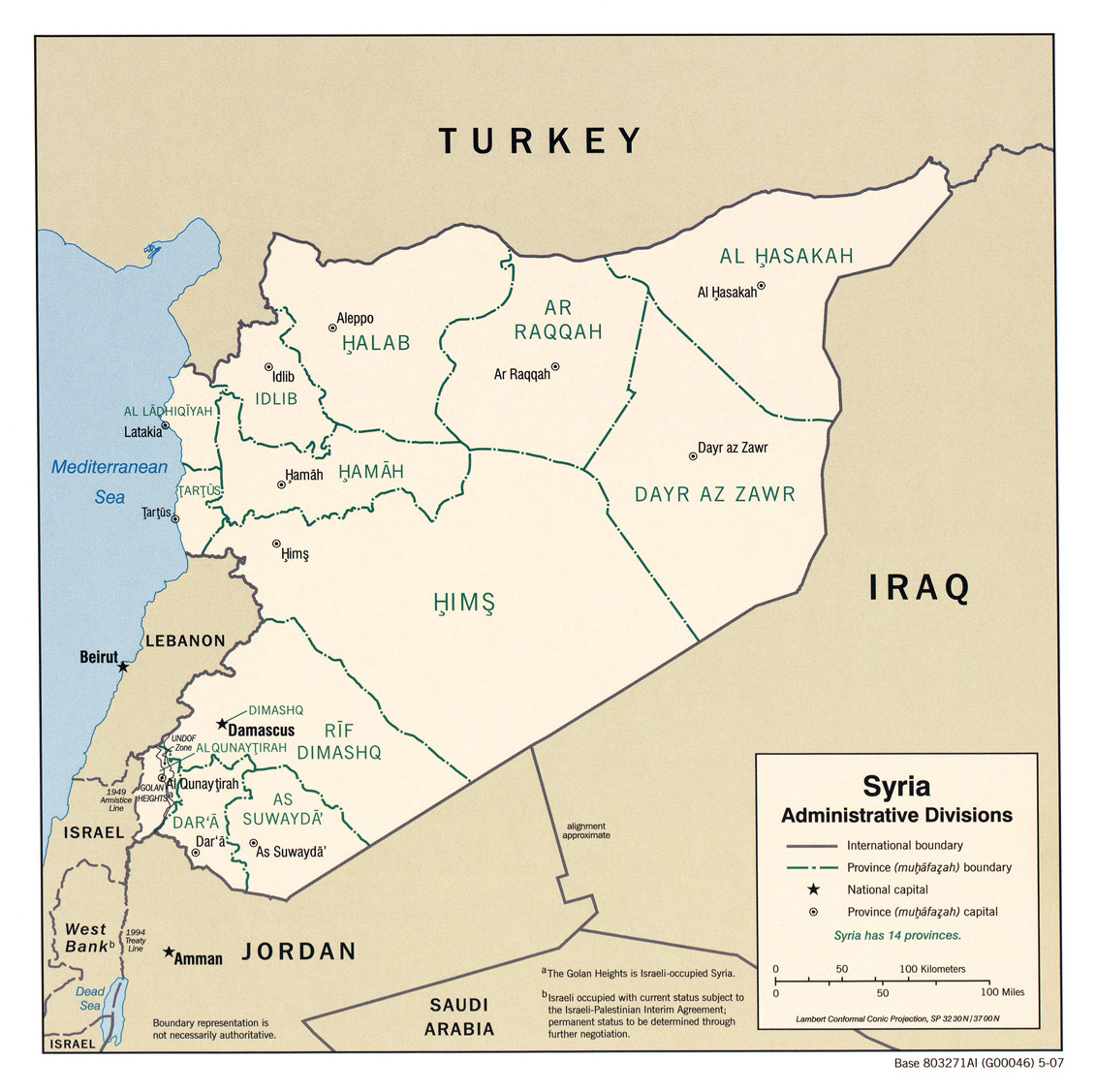
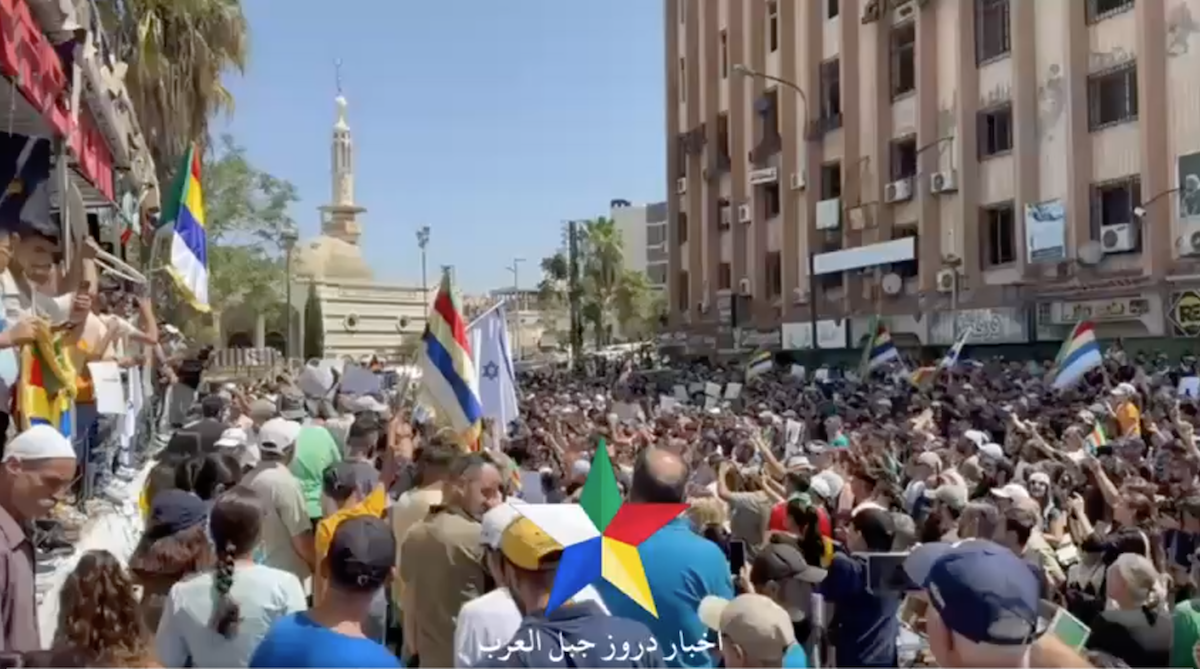
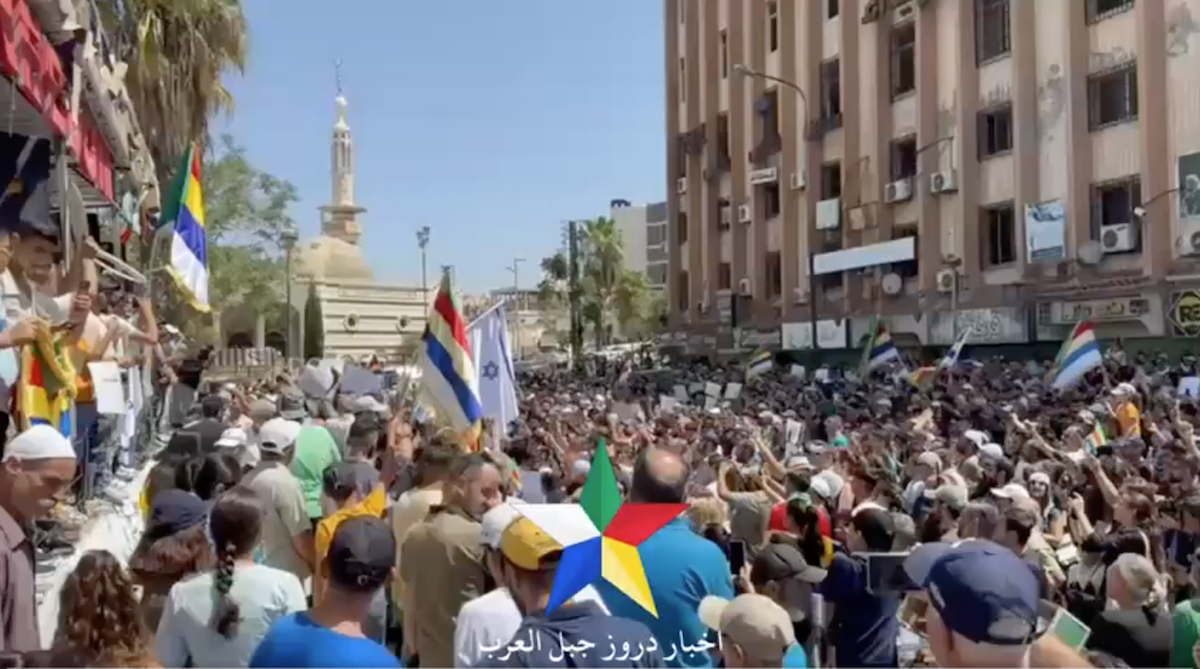
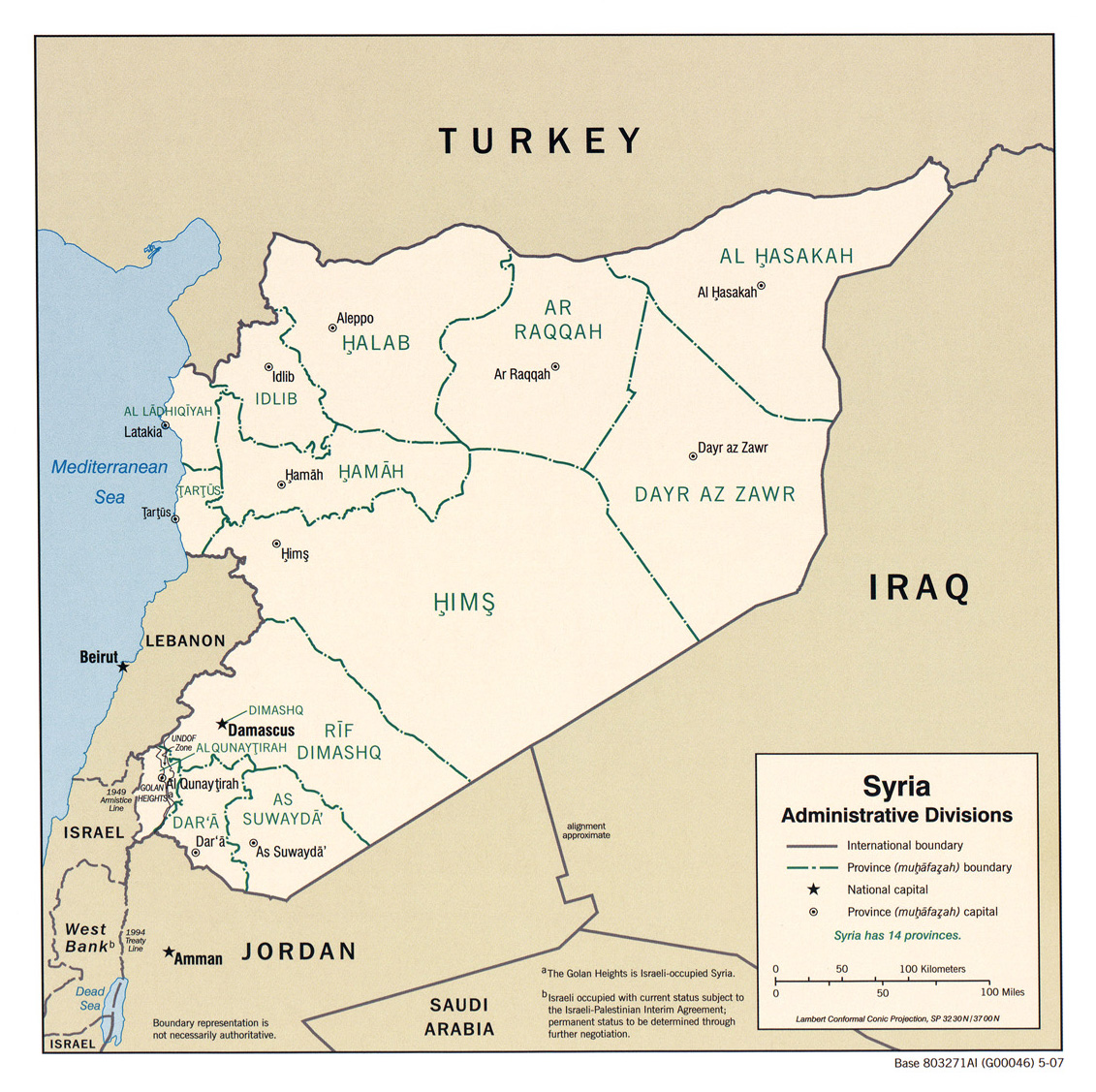
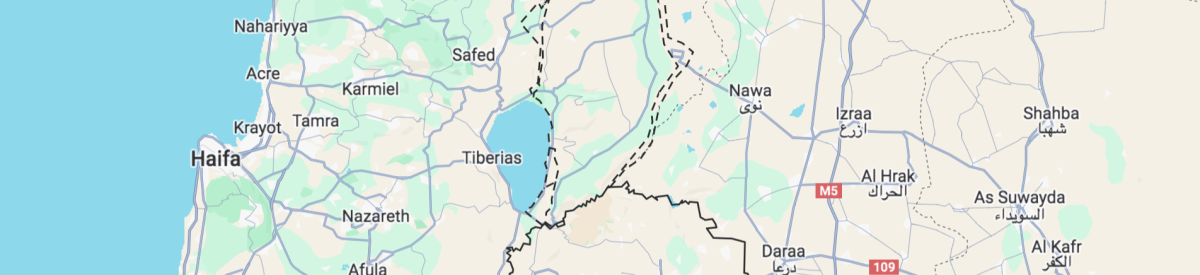
Clashes broke out in Syria’s southern as-Suwayda province between the central government’s Internal Security Forces and Druze armed groups affiliated with the region’s self-declared “National Guard.” Fighters from the Guard’s “501 Knights of Hamza” battalion attempted to advance toward government lines in the governorate’s western countryside under heavy cover fire, including from truck-mounted machine-guns and rocket-launchers. Government forces responded with mortar fire. Since the fall of the Bashar Assad dictatorship in December 2024, Israel has occupied large areas of eastern as-Suwayda, and is believed to have dropped arms to Druze fighters in the region. The province has been effectively divided since fighting broke out last year between Druze militia and central government forces and their local Bedouin allies. (Map: Google)
Syria
Iran

Podcast: the new Syria in the Great Game

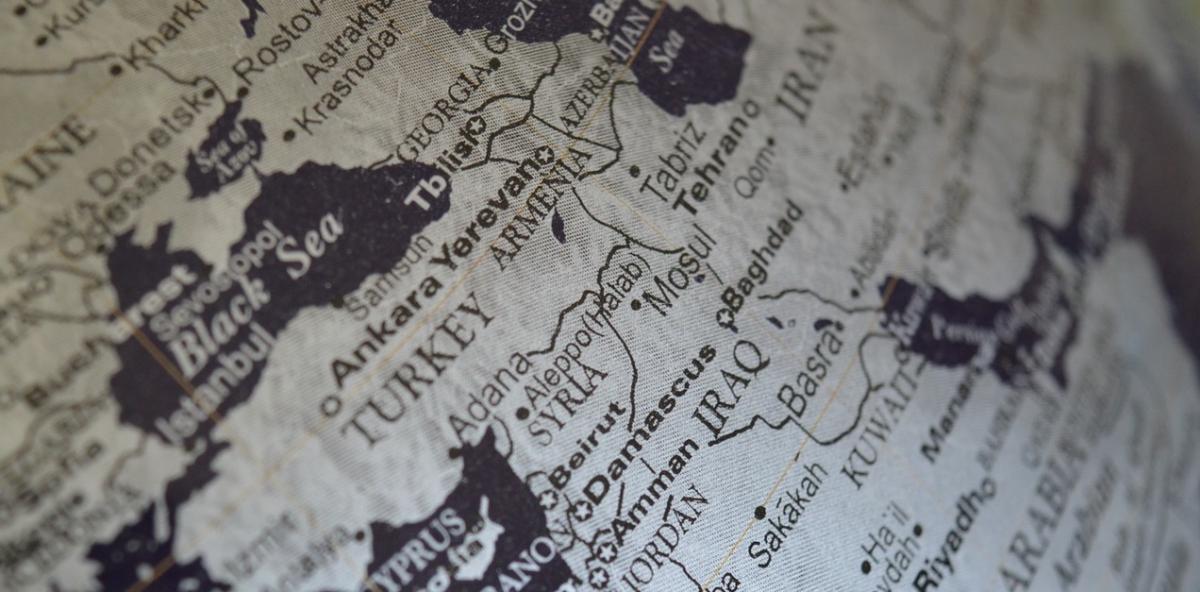
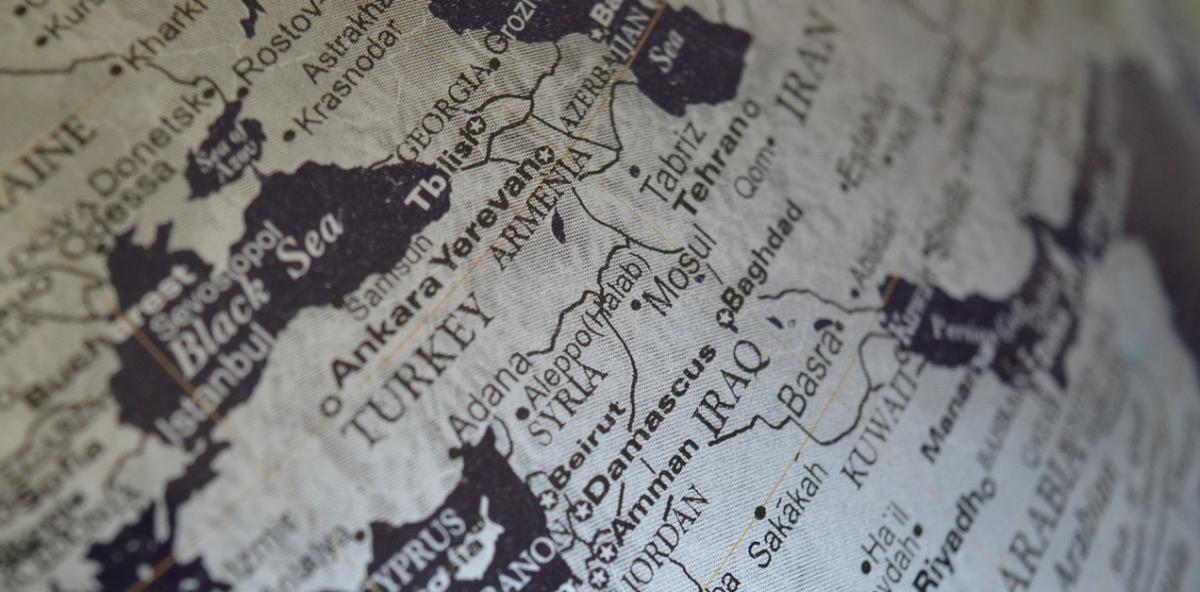
Syrian interim president Ahmed al-Sharaa’s White House meeting with Donald Trump followed the removal of his Hayat Tahrir al-Sham (HTS) from the list of designated “terrorist organizations” both at the State Department and at the UN. It also coincided with raids against ISIS by his security forces, raising the prospect of his government being invited to join the US-led Global Coalition to Defeat ISIS. The Washington visit also came just a month after al-Sharaa’s similar trip to meet Vladimir Putin in Moscow, where a deal was brokered allowing Russia to keep its military bases in Syria. Amid all this, Syria continues to see forced disappearances and other abuses targetting Druze, Alawites and Kurds—pointing to the looming threat of an ethnic or sectarian internal war. The US troop presence in Syria is largely embedded among the Kurdish forces in the east. As al-Sharaa becomes a new “anti-terrorist” partner (or proxy) for the Great Powers, will these troops be withdrawn—providing a “green light” for Damascus to attack the Kurdish autonomous zone? In Episode 305 of the CounterVortex podcast, Bill Weinberg weighs the risks at this critical moment in Syria’s transition process, nearly one year after the fall of the Assad dictatorship. (Image: Pixabay)

Planet Watch
Wiphala

Bolivia, Syria & the challenge of plurinationalism

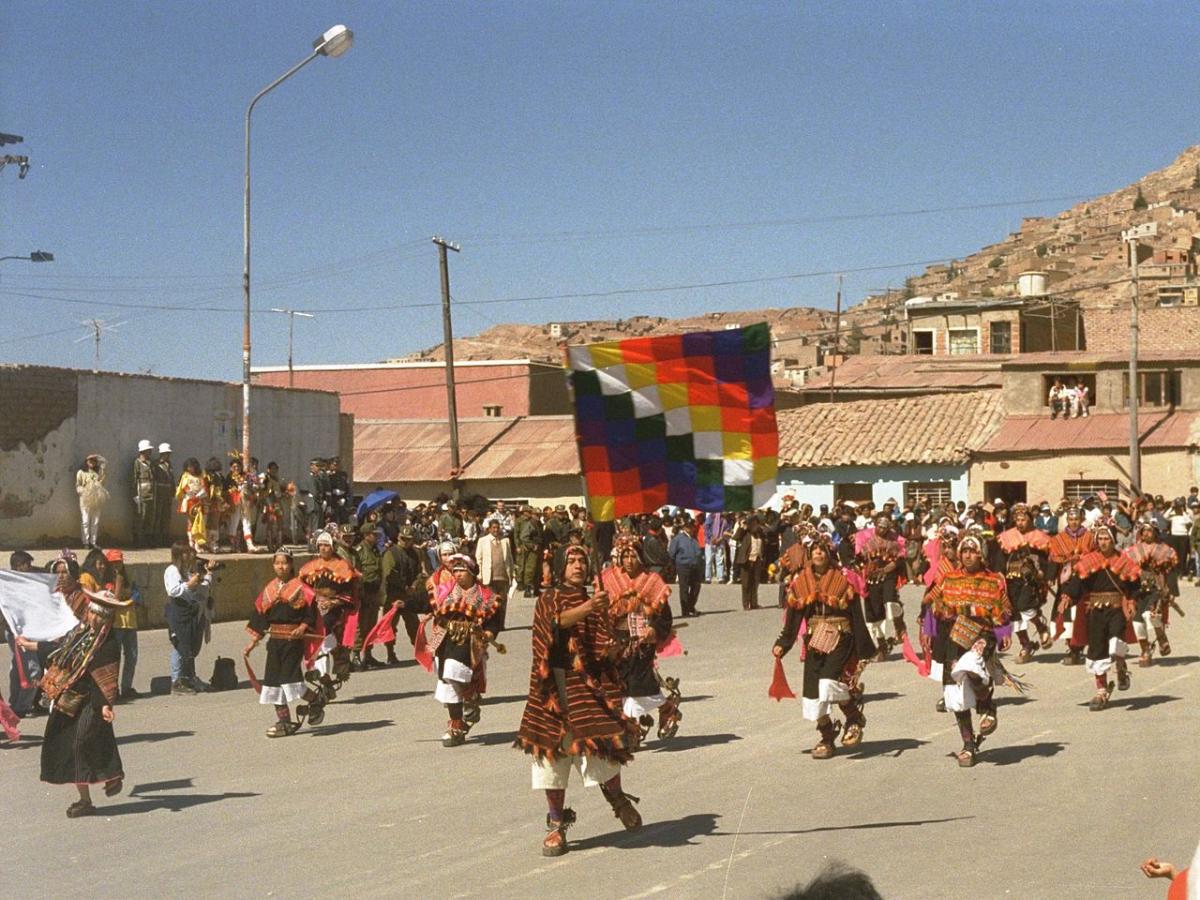
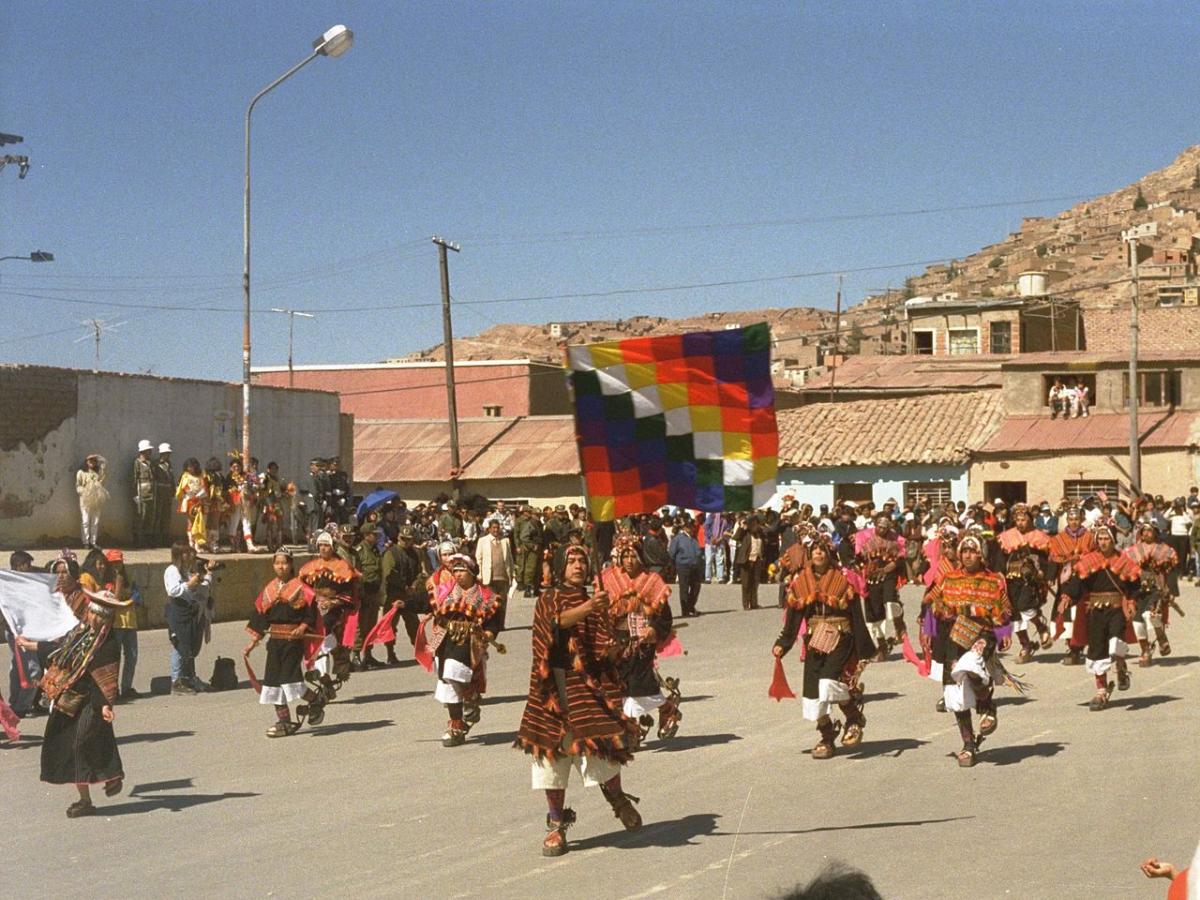
The recent political reversal in Bolivia raises the question of whether the advances of nearly 20 years of rule by the indigenist left will survive—including a constitution that refounded the state as a “plurinational” republic. In Episode 299 of the CounterVortex podcast, Bill Weinberg explores how the lessons of the Bolivian experience can be applied to Syria, where the new revolutionary government faces a challenge in Kurdish and Druze demands for regional autonomy. (Photo: Aymara march in Oruro, Bolivia. Via Wikipedia)

Syria
Syria

Syria: perilous ‘roadmap’ to reconciliation with Druze

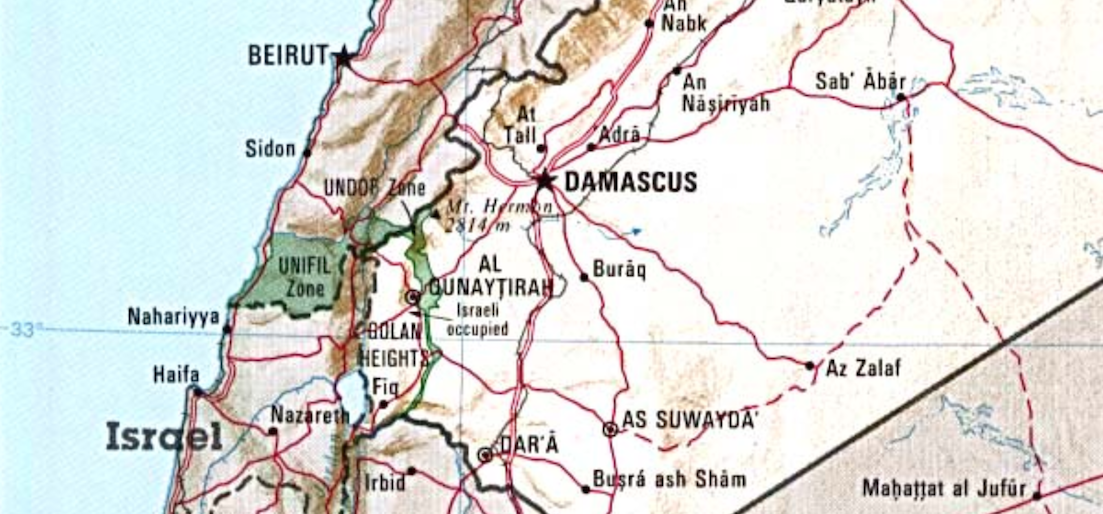
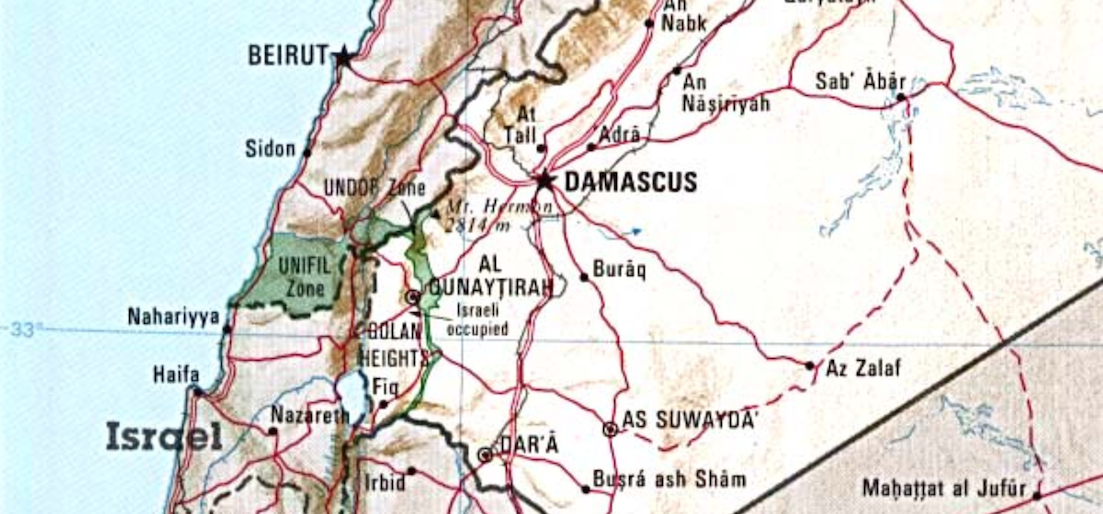
Syria, Jordan and the United States jointly announced a “roadmap” to resolve the ongoing crisis in the southern Syrian province of as-Suwayda, where July clashes between Druze and Bedouin forces escalated to sectarian killings and mass displacement. The plan seeks to strengthen a fragile ceasefire, let UN investigators look into the July events while holding perpetrators accountable under Syrian law, allow aid deliveries, and facilitate the return of some 160,000 people who remain displaced. However, some Druze leaders have rejected the plan. Sheikh Hikmat al-Hijri ruled out negotiations with the government, while adding: “I thanked Israel because it defended us and provided us with protection.” His followers have announced the creation of a “National Guard” for as-Suwayda region, which according to regional media reports has received thousands of light arms from Israel. (Map: PCL)

Syria
Damascus

Syria: revolution on the razor’s edge

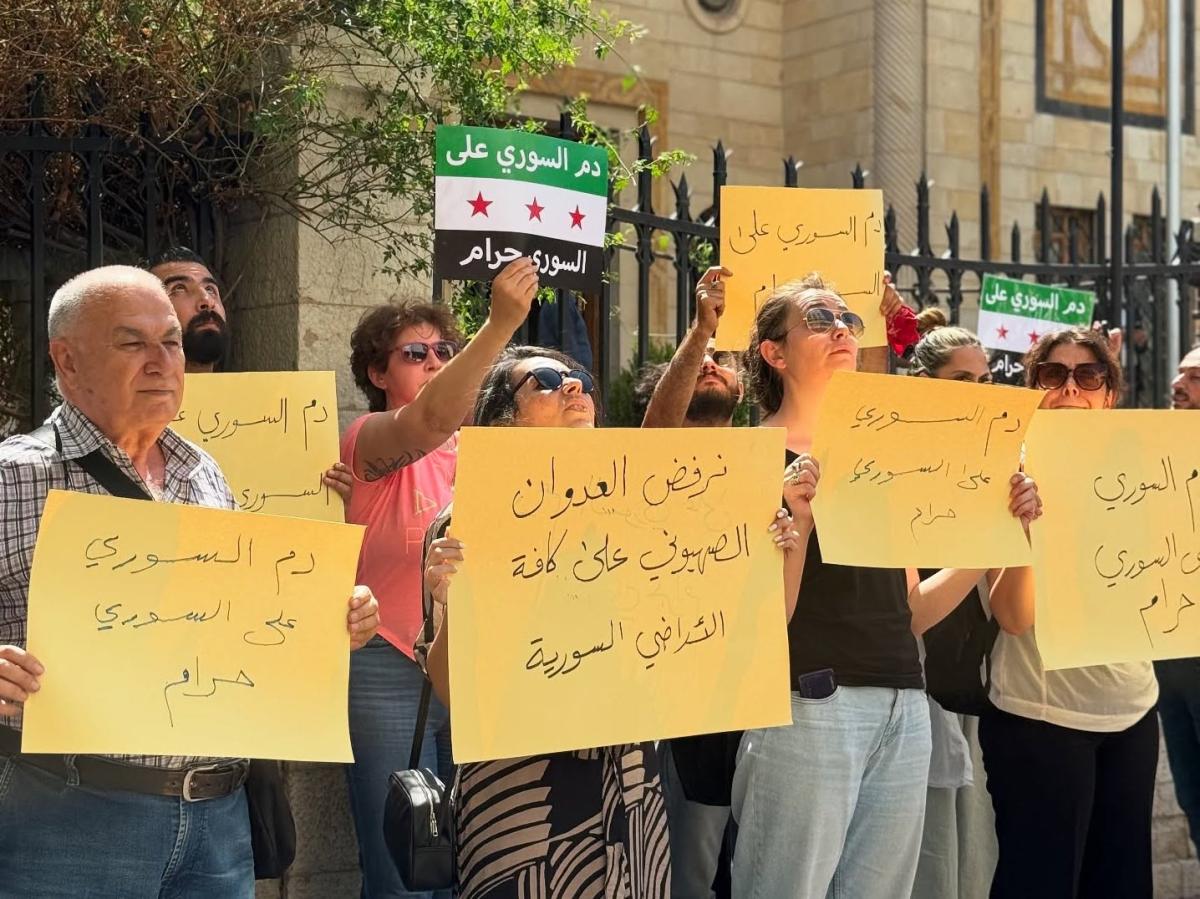
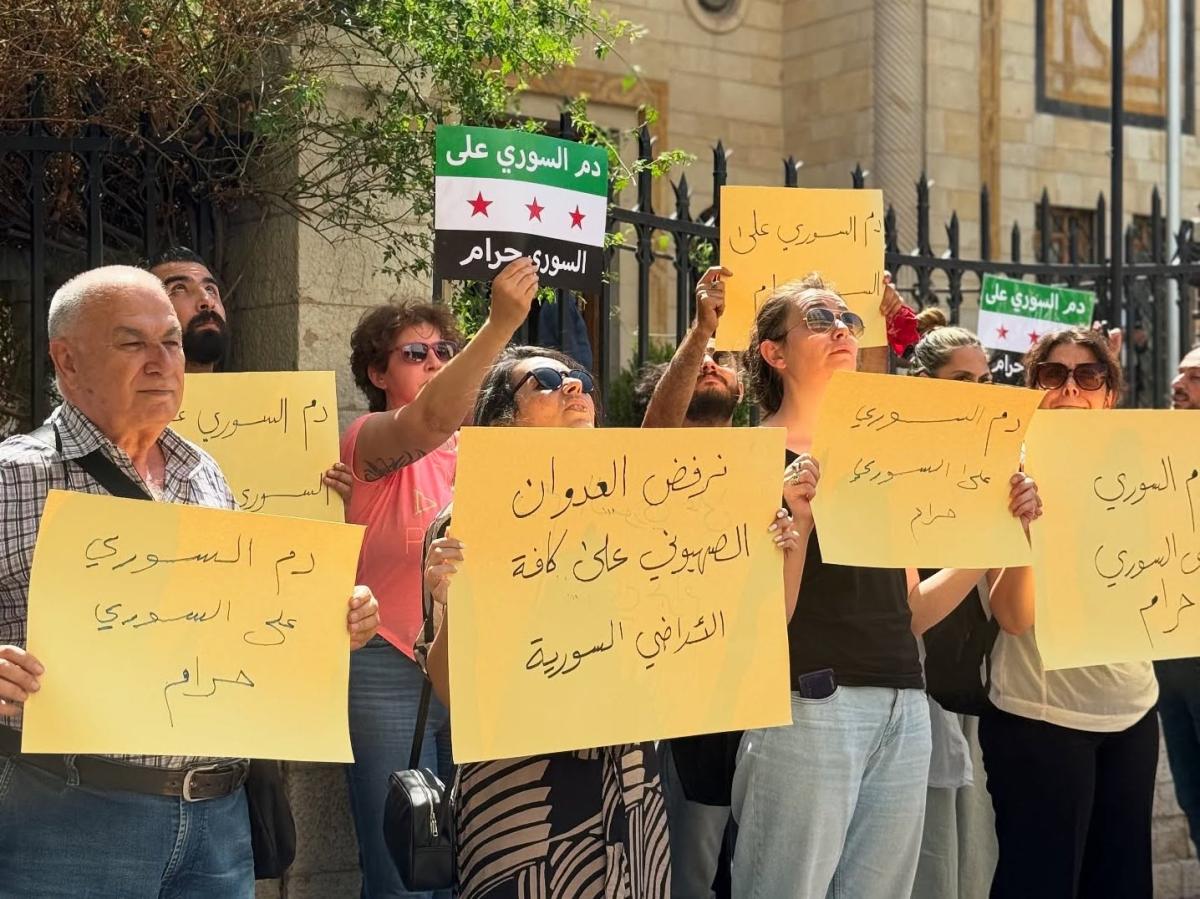
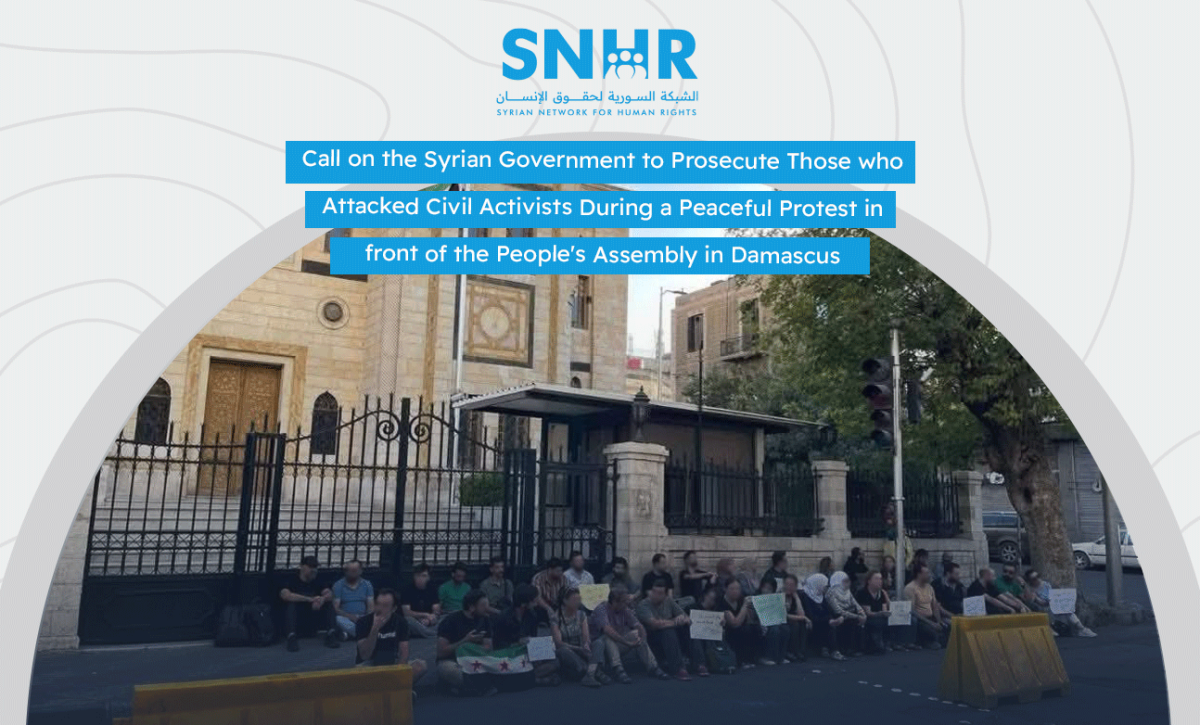
The investigation by the Syrian transition government into the March violence against the Alawites in Latakia province has been submitted—but the full findings have not been made public, and it apparently exonerates the government of involvement. Meanwhile southern Suwayda province has seen a perhaps even deadlier eruption of violence—this time pitting Druze against Bedouin, with the role of the government similarly the source of much contestation (and fodder for Internet partisans). And a Damascus protest against the violence and for co-existence was attacked by goons. Amid all this, Israel is militarily intervening, the government looks to Turkey for military aid, and both the US and Russia still have forces on the ground—treating the country as a Greet Power chessboard. In Episode 288 of the CounterVortex podcast, Bill Weinberg warns that the Syrian Revolution is poised on a razor’s edge, ready to descend into ethno-sectarian war and authoritarianism unless political space can be kept open for the secular-democratic civil resistance that began the revolution 14 years ago. (Image: Banners read “Syrians must not shed Syrian blood” and “We reject Israeli aggression against Syria.” Credit: The Syria Campaign via Facebook)

Syria
Suwayda

Syria: Israel intervenes amid Druze-Bedouin fighting

Days of clashes between Bedouin tribes and local fighters in the predominantly Druze city of Suwayda in southern Syria left some 300 dead before a ceasefire was brokered by the government. Amid the fighting, Israeli warplanes bombed Syrian government tanks as they advanced on Suwayda, and also struck military targets around Damascus. Some 1,000 Israeli Druze also amassed on the Purple Line, separating Israeli-controlled and Syrian-controlled territory in the Golan Heights, saying they were prepared to cross over to protect their brethren in Suwayda. IDF Brig. Gen. (res.) Amal As’ad, a prominent member of Israel’s Druze community, accused Syrian transitional president Ahmed al-Sharaa of seeking to “eliminate the Druze,” and criticized Israel for seeking peace with Damascus even amid the attacks. (Map: Google)

Syria
Syria

Israel escalates Syria strikes —in name of protecting Druze

Syrian Druze leader Sheikh Hikmat al-Hijri accused the interim government of carrying out a “genocidal attack” on his community following two days of sectarian violence that left 100 dead. Clashes broke out in the Damascus suburbs of Jaramana and Sahnaya, and armed residents began to mobilize in the Druze-majority southern city of Suwayda before a truce was reached. But by then Israel had escalated its military intervention in Syria, launching air-strikes on targets around Damascus. In a statement, Israeli Prime Minister Benjamin Netanyahu said the IDF had “struck an extremist group” that was killing members of the Druze community. This is presumably a reference to the now ostensibly disbanded Hayat Tahrir al-Sham (HTS), the leading faction in the forces that took power in Syria and formed the transition government late last year. It is unclear who launched the attacks that sparked the fighting, which were condemned by the interim government. (Map: PCL)

Syria
SDF

Podcast: Free Syria and the Kurdish question II

In Episode 268 of the CounterVortex podcast, Bill Weinberg examines the continued fighting in Syria since the fall of the Bashar Assad dictatorship in December. The recent outburst of violence in the Alawite heartland on the Mediterranean coast made headlines, but this week also saw anti-regime protests by Druze in Syria’s south. And fighting has never stopped between forces aligned with the new transition government and those of the Kurdish autonomous zone in the northeast. The situation is complicated by continuing military adventures on Syrian territory by foreign powers—Israel, Turkey, Russia and the US. Will Syrians be able to overcome these challenges and forge a democratic and multicultural order, in repudiation of sectarianism, ethno-nationalism and Great Power intrigues? (Photo: SOHR)

Syria
Syria

External, internal challenges for Syrian Revolution

Apparent Assad loyalists have taken up arms against Syria’s transitional government in the Alawite heartland of Latakia on the Mediterranean coast. Fighting meanwhile continues between the Turkish-backed Syrian National Army (SNA) and Kurdish-led Syrian Democratic Forces (SDF) in the northeast, while Israel grabs a “security zone” in the south and continues intermittent air-strikes. Elsewhere in the south, the Druze of Suweida protest their perceived exclusion from the transition process. All this as Russia opens talks with the new authorities in a bid to keep its military bases in Syrian territory. (Map: PCL)

Syria
Aleppo

Syria: after the fall of the regime

As Syrian rebels advanced on Damascus in a surprise lightning offensive, the Rojava Kurds seized territory from the Bashar Assad regime, and the Druze took up arms in their own region. After years of the lines in the conflict being frozen and the genocidal Assad dictatorship being “normalized,” the unthinkable happened and the dictator fled. Suddenly the 13-year aim of the Syrian Revolution has been realized—the fall of the regime. But the lead rebel faction, Hayat Tahrir al-Sham (HTS), has an ugly past, its partner the Syrian National Army (SNA) is in the political orbit of Turkish aspiring dictator Recep Tayyip Erdoğan, and the threat of Arab-Kurdish ethnic war in northern Syria looms closer. Amid a conflict now dominated by armed actors, can the unarmed civil resistance that began the revolution 13 years ago re-assert itself, and revive the secular-democratic spirit of 2011? In Episode 255 of the CounterVortex podcast, Bill Weinberg takes a hard look. Listen on SoundCloud or via Patreon. (Photo of Aleppo Citadel in rebel hands via social media, e.g. Twtter)

Greater Middle East
Golan Heights

Podcast: flashpoint Golan Heights

In Episode 237 of the CounterVortex podcast, Bill Weinberg provides some under-reported context for the international crisis that has quickly spiraled since last week’s deadly rocket strike on a Golan Heights village, and now threatens to escalate to the unthinkable. Under international law, the Golan is Syrian territory not Israeli. And the kids who were killed in the rocket strike were Druze not Jews. Most of the Druze residents of the Golan have refused Israeli citizenship and remain loyal to Syria. Only one country on Earth recognizes Israeli sovereignty over the Golan—the USA, thanks to Donald Trump. Israel has a complicated history with the Druze, going back well before the occupation of the Golan in 1967. But the origins of the current trajectory toward regional war in a massacre of Druze youth points again to how peoples on the ground are exploited as pawns and propaganda in the cynical Great Power game. Listen on SoundCloud or via Patreon. (Photo: Freedom’s Falcon via Wikimedia Commons)

Greater Middle East
Iran

Regional war looms closer after Golan rocket strike

Israeli warplanes hit several targets in southern Lebanon, as diplomats worked frantically to prevent a regional war after a rocket strike that killed 12 youths in the Golan Heights. Israel is blaming Hezbollah for the rocket, which struck a football field in the Druze village of Majdal Shams. Hezbollah has denied responsibility, asserting that a projectile from Israel’s own Iron Dome missile defense system hit the village amid strikes on military targets elsewhere in the area by the Iran-backed Lebanese armed organization. Israel and Hezbollah have been trading strikes over the Lebanese border since Oct. 8, a day after the start of the war in Gaza. Israel has killed 527 people in Lebanon since then, according to an AFP tally, including at least 104 civilians. Israel says 23 of its civilians and 17 soldiers have been killed by Hezbollah rocket-fire over this period. (Image: Pixabay)