

Watching the Shadows
Honduras

‘Hondurasgate’ leaks reveal Israeli destabilization scheme
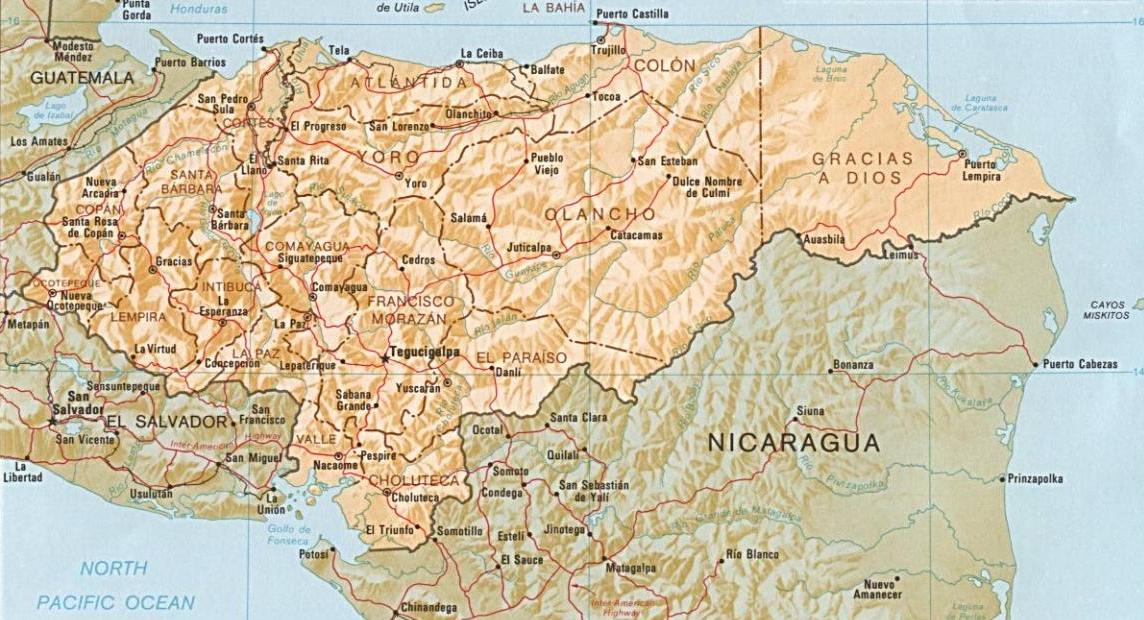
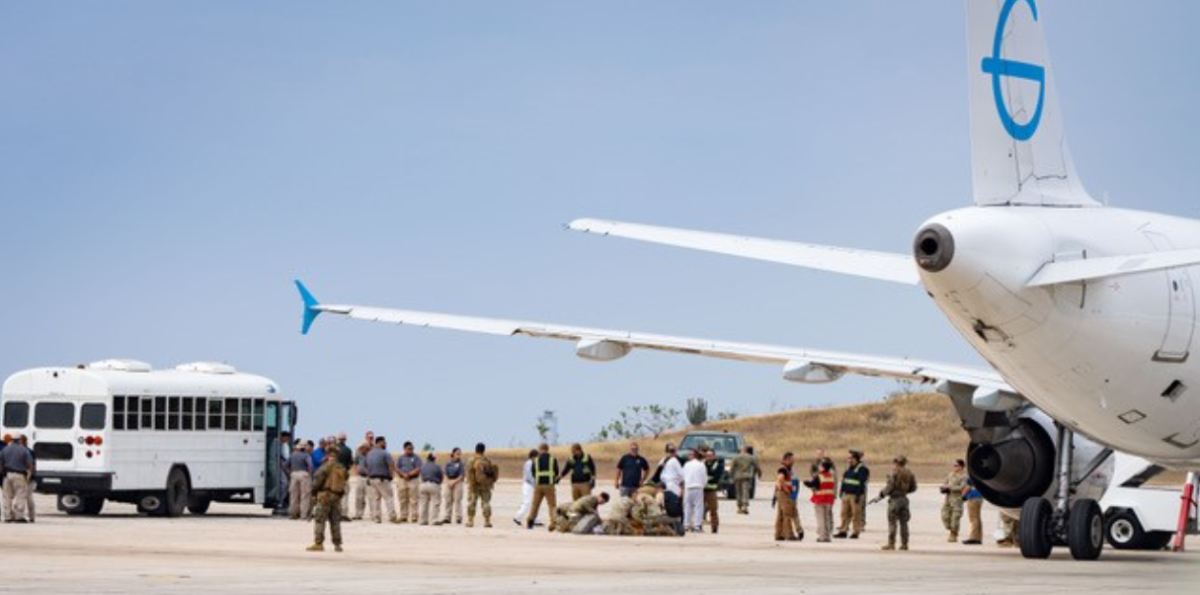
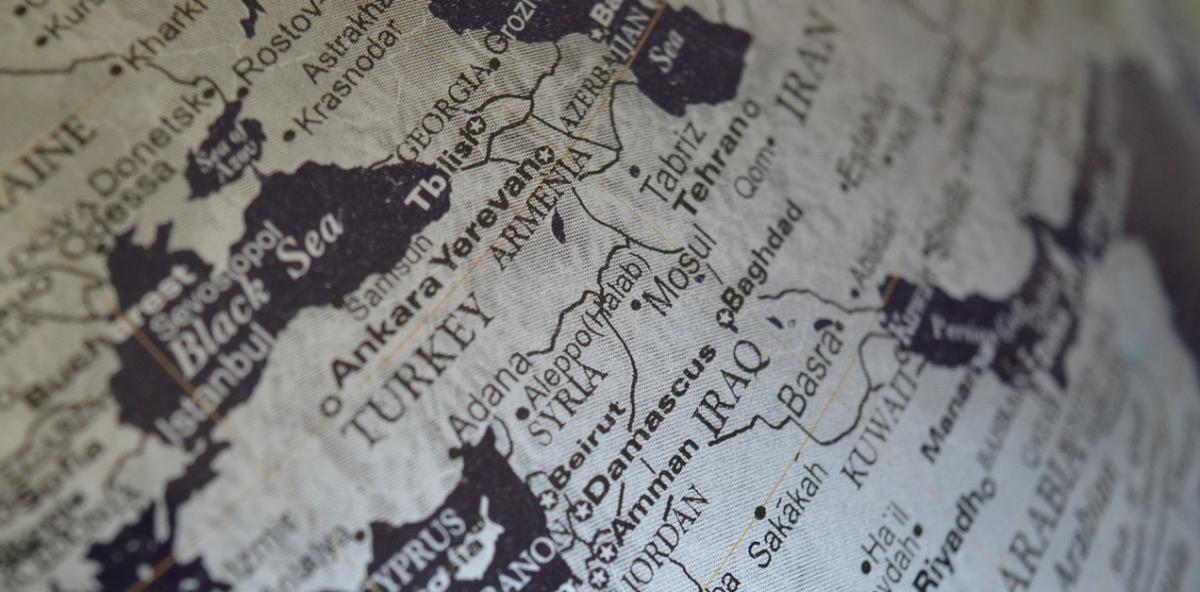
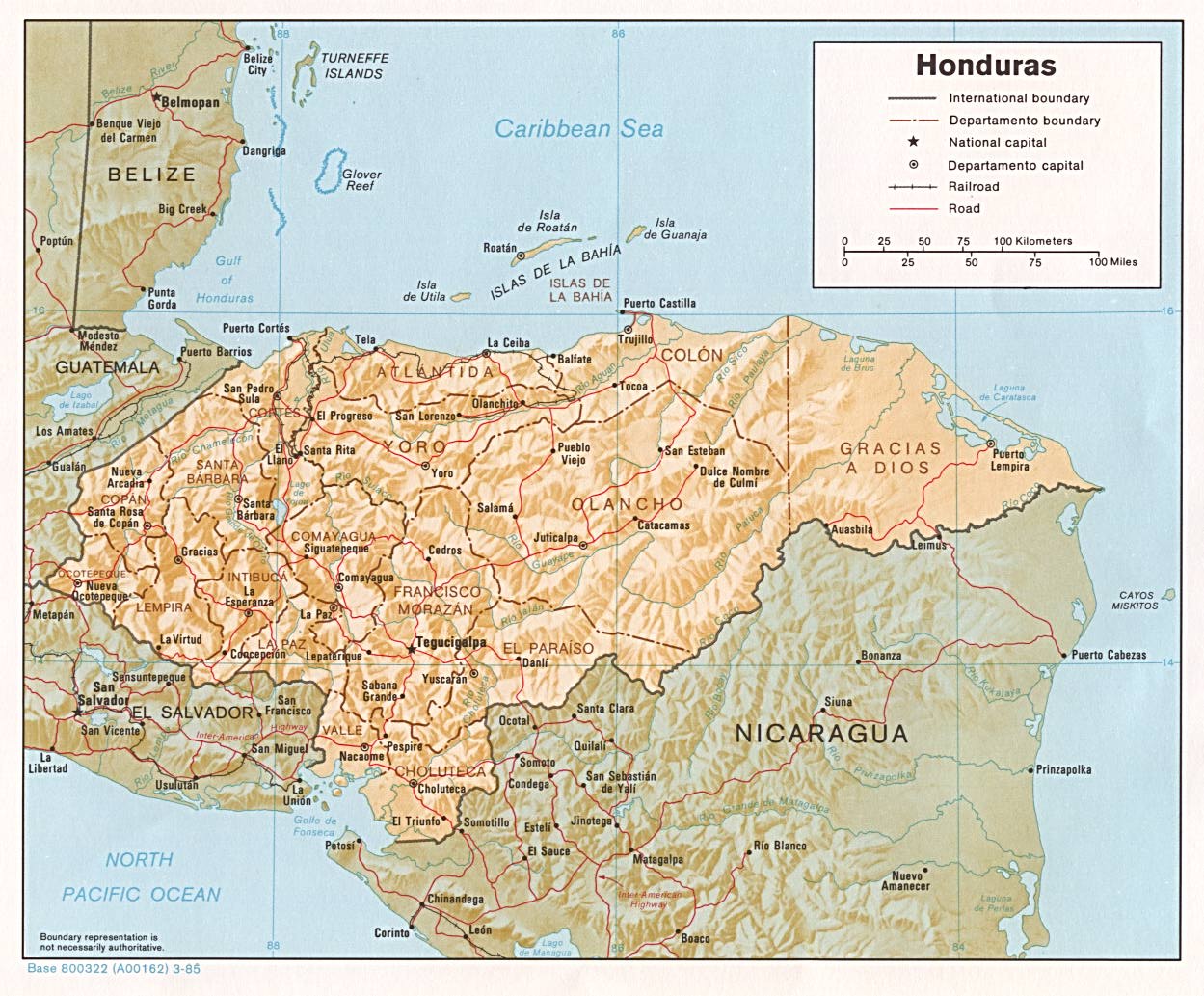
“Hondurasgate”—an alleged plot involving Israel, the United States, and former Honduran President Juan Orlando Hernández to destabilize Latin America’s progressive governments through disinformation—has thrust the region’s ties to Israel back into the spotlight. The scandal emerged ahead of a diplomatic visit by Israeli President Isaac Herzog to Central America as part of a push to consolidate alliances with the region’s newly ascendant right-wing leaders. (Map: Perry-Castañeda Library)
Central America
Costa Rica

Costa Rica emulates Salvador police state model

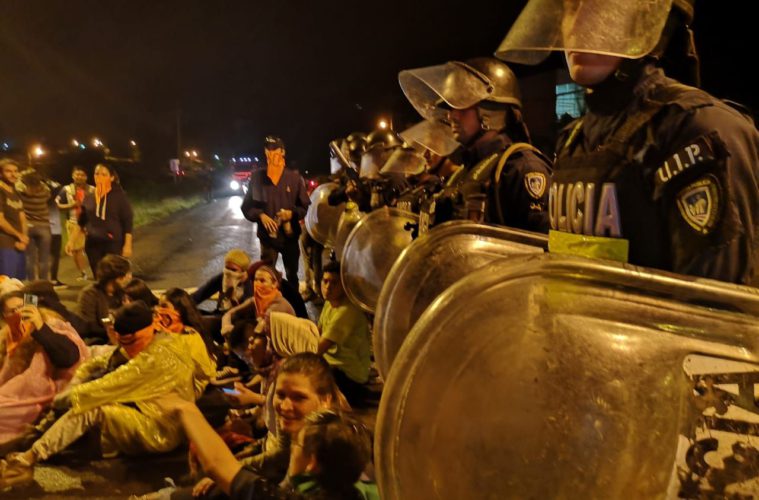
The right-wing populist Laura Fernández will be Costa Rica’s next president, securing nearly 50% of the vote in last week’s election. She is the first candidate in more than a decade to clear the threshold needed to win outright in the first round. She did so by promising to respond forcefully to the country’s exaggerated yet real insecurity crisis linked to the drug trade—the overwhelming concern for most voters. On the campaign trail, Fernández drew openly from the playbook of Salvadoran President Nayib Bukele, whose brutal anti-gang crackdown has inspired conservatives across the region. She called for a “state of exception” to combat crime, promised to complete the construction of a massive Bukele-inspired prison, and spoke with Bukele before any other foreign leader after her win. (Image: Grunge Love)

Planet Watch
climate

Podcast: Meanwhile, the planet is dying….

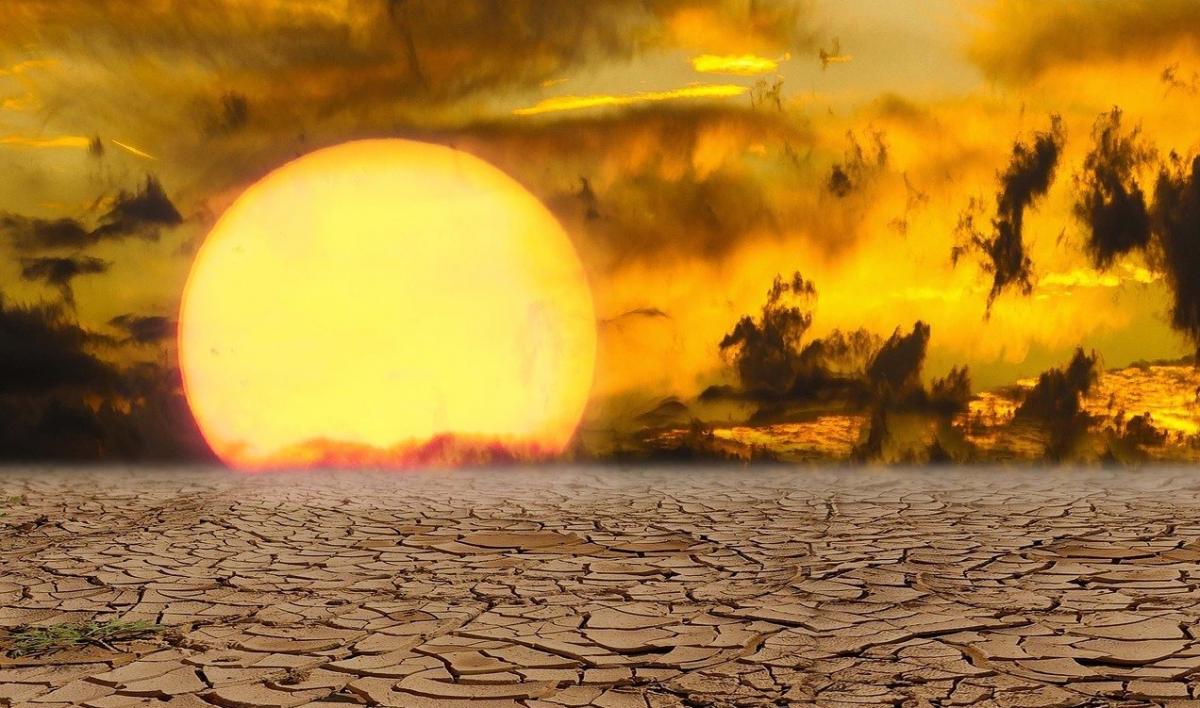
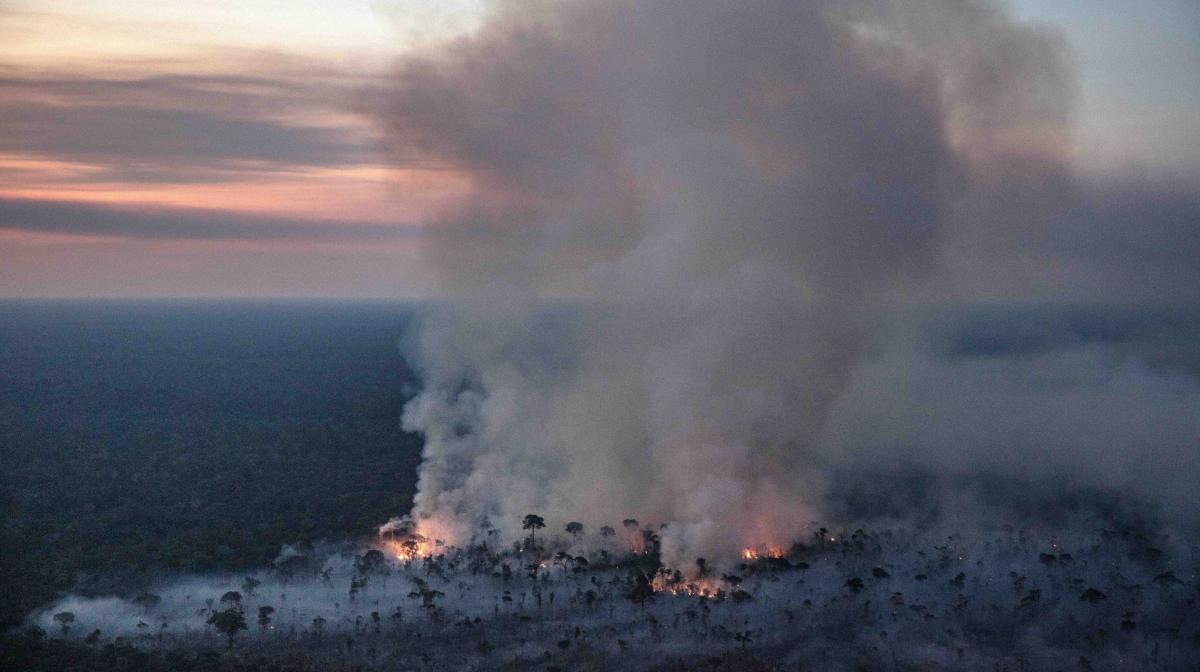
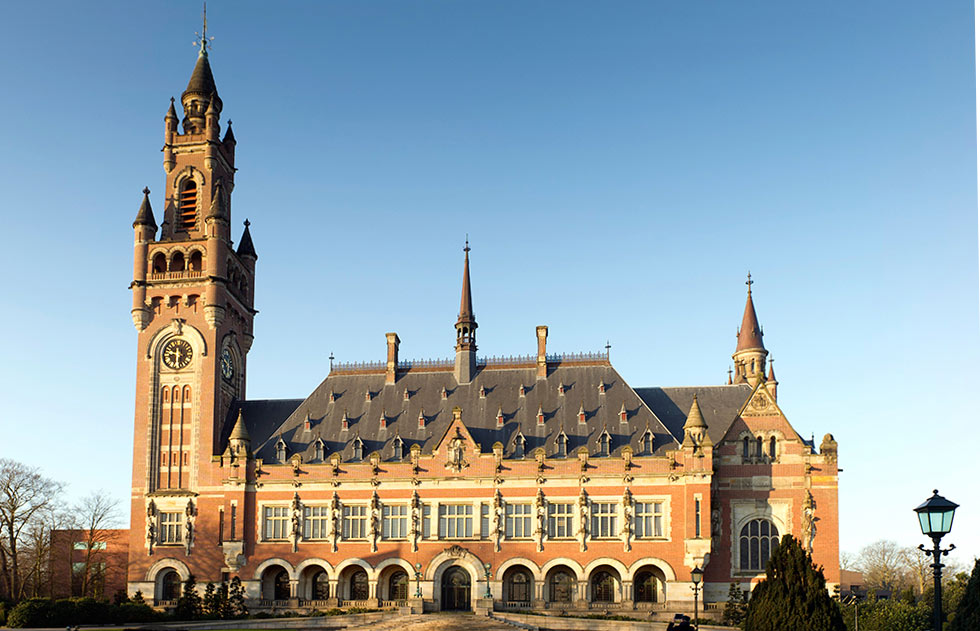
Two landmark rulings on the urgent responsibility of states to address the climate crisis are issued—by the Inter-American Court of Human Rights in a proceeding brought by Chile and Colombia, and by the World Court in a proceeding brought by the threatened Pacific Island nation of Vanuatu. Meanwhile in the USA, the Trump regime withdraws from the Paris Agreement, removes greenhouse gases from EPA oversight, drops subsidies for solar energy—and even destroys NASA’s climate-monitoring satellites! This as receding Arctic ice sheets and sea ice begin to destabilize the climate-regulating Atlantic Meridional Overturning Circulation (AMOC), melting glaciers unleash deluges from the Swiss Alps to the Himalayas of Nepal, wildfires rage from Canada to California to the Mediterranean, and ocean acidification crosses a “‘planetary boundary” that portends global biosphere collapse. In Episode 290 of the CounterVortex podcast, Bill Weinberg takes an unflinching look at the long odds for humanity’s future—even if we manage to avoid nuclear war. (Image: blende12/Pixabay)

Planet Watch
Arenal

Denmark, Costa Rica to launch no-fossil-fuel bloc

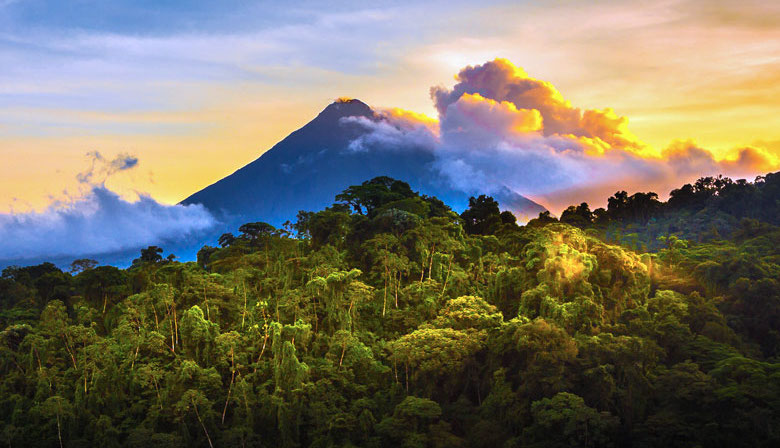
Denmark and Costa Rica jointly announced that they are launching an alliance of nations committed to setting a firm date to completely phase out use and production of fossil fuels. The two countries hope to present the initiative, tentatively dubbed the Beyond Oil & Gas Alliance (BOGA), at the upcoming UN climate summit in Glasgow. Nearly 60 countries have made some sort of net zero emissions pledge, but only a handful of those have actually set a target in law or enacted bans on new fossil fuel exploration and production. An International Energy Agency report released earlier this year found that new fossil fuel exploration needs to halt by 2022 in order to keep warming within the limits set by the 2015 Paris Agreement. (Photo: Flickr/photodiscoveries via weather2travel.com)

Planet Watch
air pollution

UN climate talks delayed one year by COVID-19

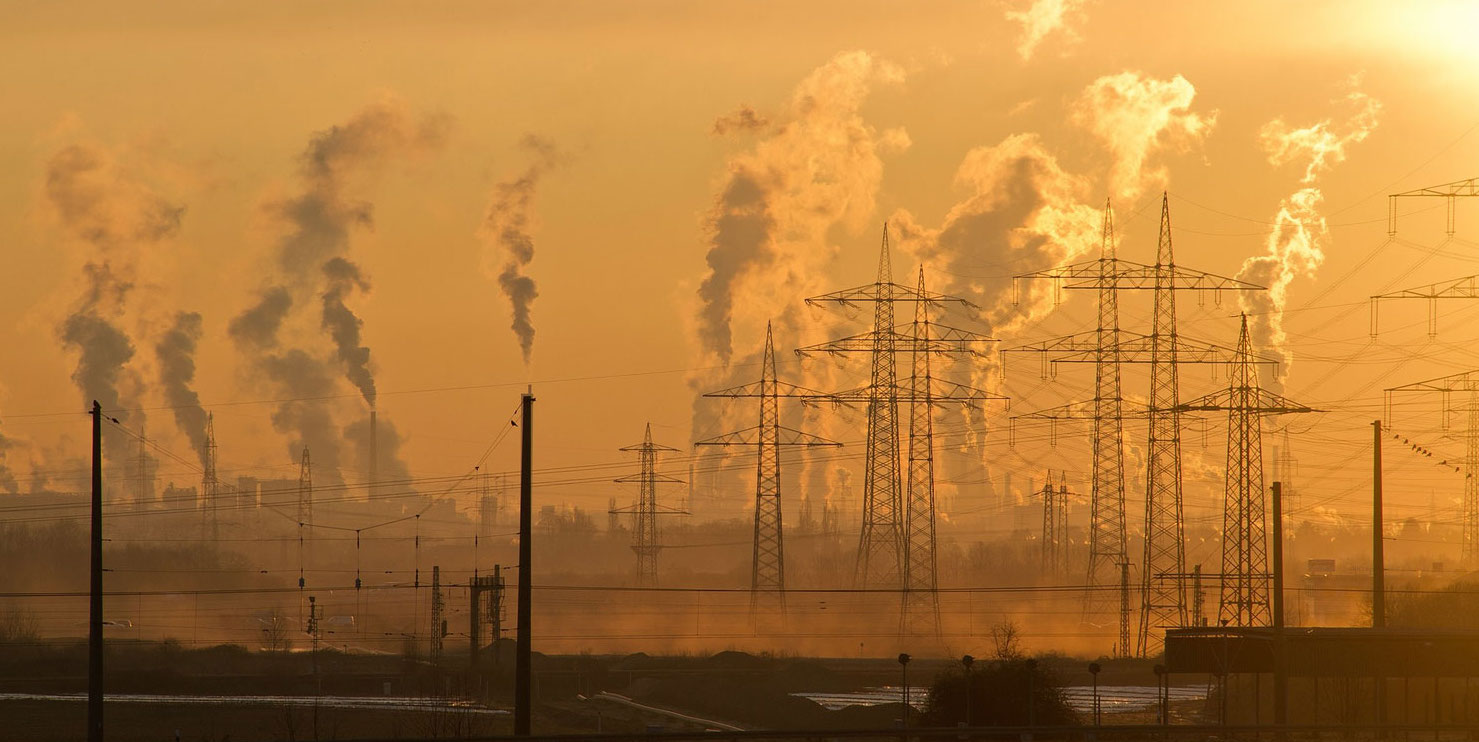
International climate negotiations will be delayed by a full year due to the coronavirus pandemic, the UN Framework Convention on Climate Change (UNFCCC) and the UK government announced. The next summit, dubbed COP26, was due to take place this November in Glasgow, but has now been put off to November 2021. Delaying the talks could encourage governments, industrial concerns and financial institutions to adopt recovery plans with high climate costs—such as a bailout for the oil companies. The postponement is particularly critical given the failure of last year’s summit, held in Madrid, to reach any agreement. (Photo: Ralf Vetterle, Pixabay)

Planet Watch
Chile protester

Podcast: world revolution in 2020?

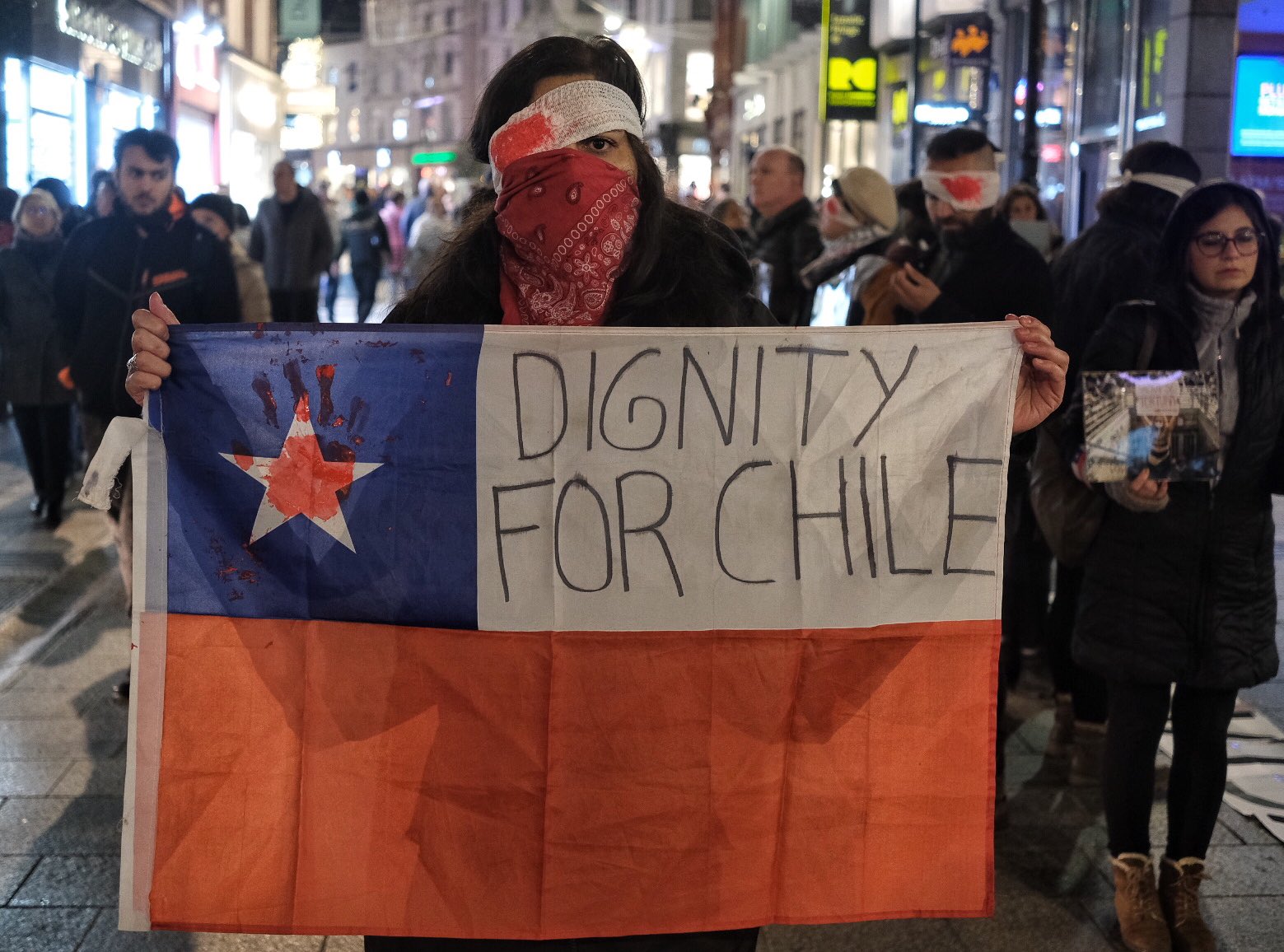
In Episode 43 of the CounterVortex podcast, Bill Weinberg takes stock of the current wave of popular protest and uprisings around the world, and asks if the planet is approaching another moment of revolutionary possibilities, such as was seen in 2011. He examines the prospects for these disparate movements to build solidarity across borders, repudiate ethnic and national divide-and-rule stratagems, and recognize the enemy as transnational capital and the authoritarian states that serve it. With discussions of Hong Kong, mainland China, Indonesia, Bolivia, Chile, Ecuador, Peru, Uruguay, Honduras, Costa Rica, Haiti, Puerto Rico, Iraq, Lebanon, Turkey Iran, Egypt, Algeria, Sudan, Uganda, Ethiopia and Guinea. Listen on SoundCloud, and support our podcast via Patreon. (Photo: David Lynch via Twitter)

Central America
Costa Rica protest

Student strikes shake Costa Rica

A mass student protest filled the streets of San José, opposing new budgetary terms being imposed on Costa Rica’s public universities. The demonstration, which was also attended by staff and even rectors of the universities, was called after the Ministry of Finance ordered an increase in the percentage of the Special Fund for Higher Education (FEES) that goes to capital expenditures—which effectively means a cut in salaries for teachers and staff. Banners read “The education of our children is not up for negotiation” and “Hands off the UCR,” a reference to the University of Costa Rica. University authorities and students did meet for several hours with government officials after the march in search of an agreement, while thousands of supporters maintained a vigil outside the presidential palace. President Carlos Alvarado, elected as leftist last year but now accused of imposing a neoliberal program, was among those who met with the protest leaders. (Photo: Poder Popular)

Central America

Indigenous land-rights activist slain in Costa Rica

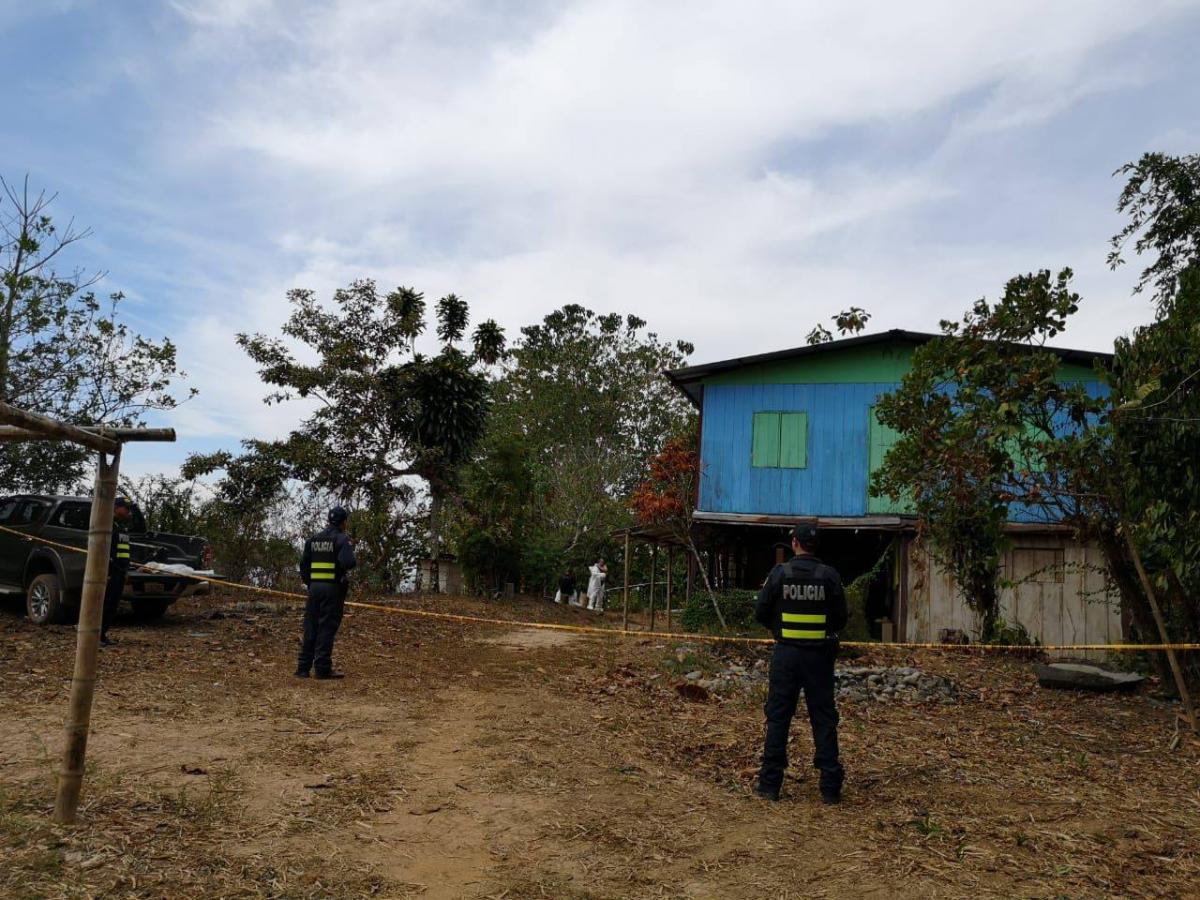
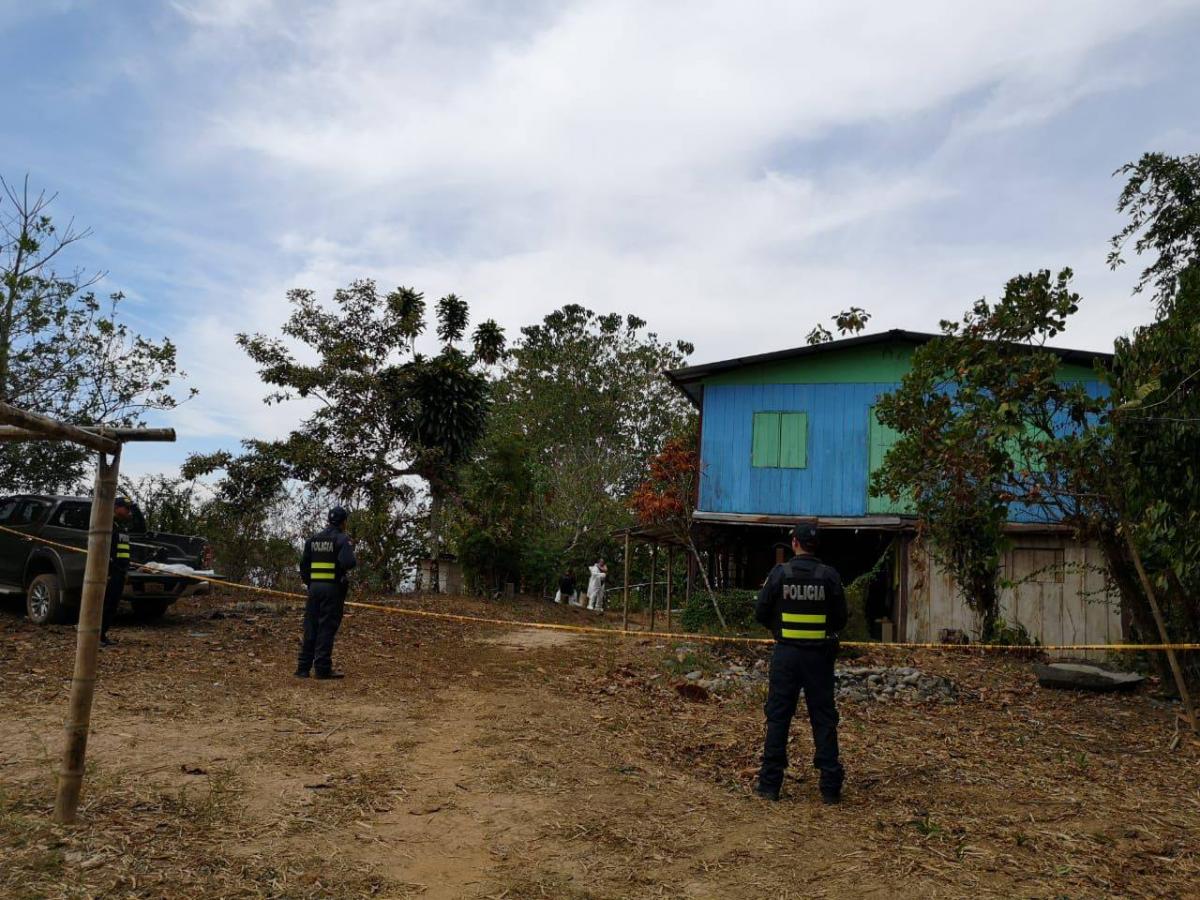
Sergio Rojas, a leader of the indigenous Bribrí people in Costa Rica, was slain in an attack by unknown gunmen at his home in the indigenous territory of Salitre, Puntarenas province. Rojas was president of the Association for the Development of the Indigenous Territory of Salitre and coordinator of Costa Rica's National Front of Indigenous Peoples (FRENAP). He was shot 15 times in the attack. The local conflict stems from a 1977 law that gave the Bribrí and Teribe peoples rights to 11,700 hectares of usurped lands but did not allocate funds to compensate non-indigenous farmers who already occupied those lands. In 2012, Rojas was shot at six times in an apparent assassination attempt. (Photo via Tico Times)

Central America

Taiwan sacrificed to Central America geopolitics

Panama is the latest Central American nation to switch diplomatic recognition from Taipei to Bejing—under pressure of China's fast-growing economic presence on the isthmus.

Central America

Setbacks for Nicaragua canal project

Financial woes for the Hong Kong-based developer and an unfavorable World Court ruling in a border dispute with Costa Rica have slowed Nicaragua's inter-oceanic canal project.

The Amazon

Carbon obfuscation in New York Times

Amid the current UN climate talks, the New York Times runs an op-ed entitled "To Save the Planet, Don't Plant Trees"—filled with bogus science and dishonest claims.

Central America

Nicaragua: inter-oceanic canal route approved

Nicaragua approved a route for its proposed inter-oceanic canal—sparking demands both by the Rama indigenous people and neighboring Costa Rica to be consulted in the project.