

The Amazon

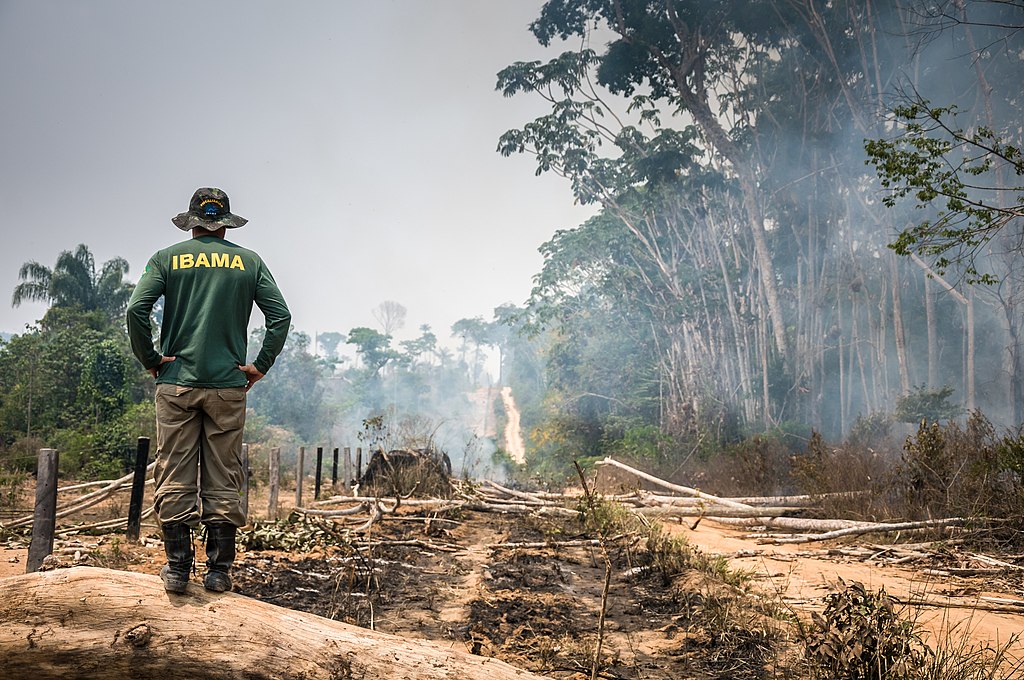
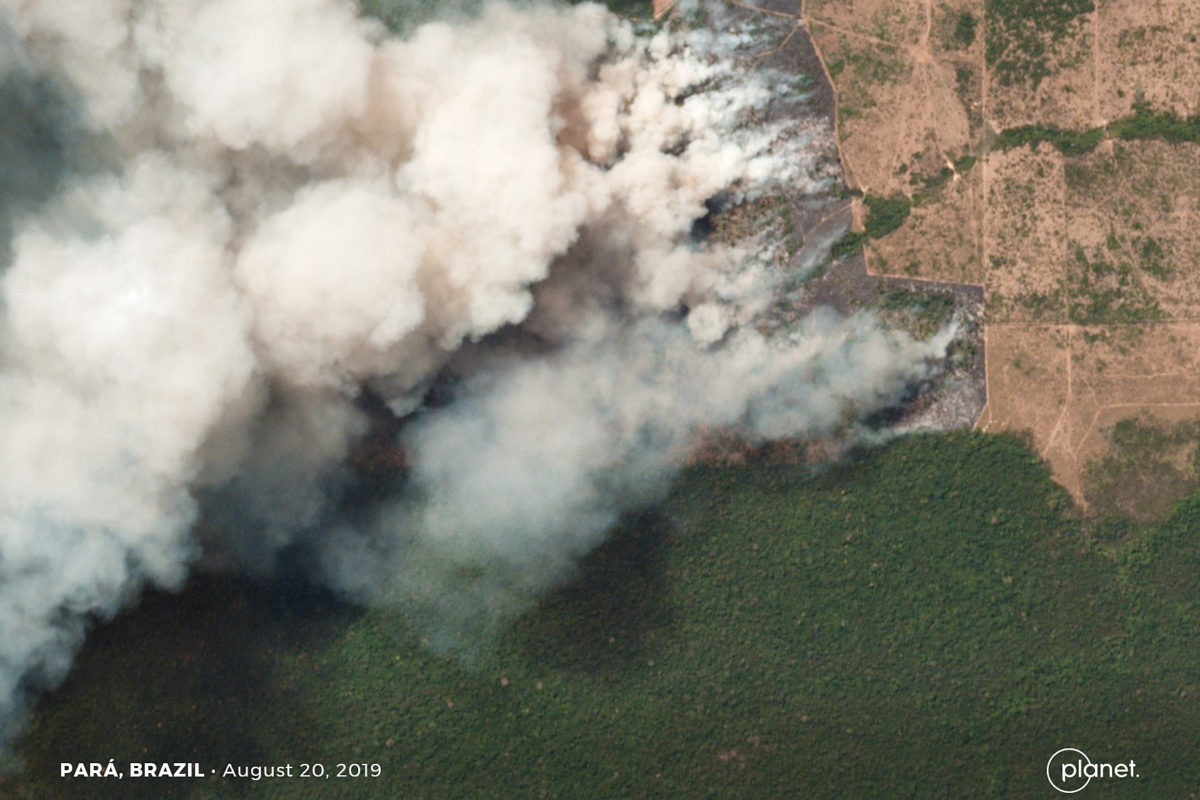
Amazon forest fires spread to Bolivia
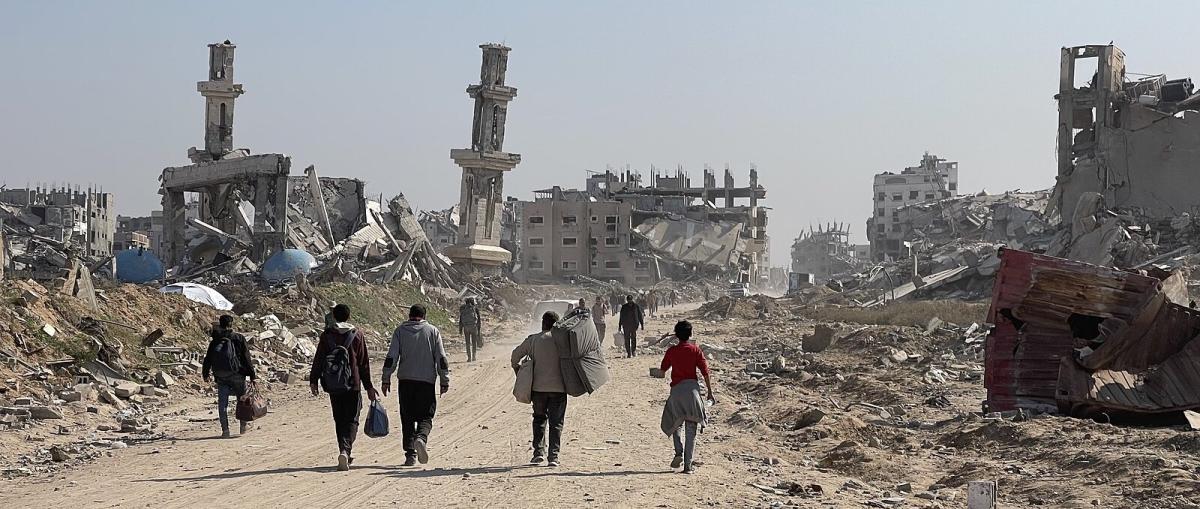
GazaIsraeli Prime Minister Benjamin Netanyahu reportedly told his ministers that he will seek cabinet approval for a plan to fully occupy the Gaza Strip. According to reports in the Israeli media, several ministers said Netanyahu used the term "occupation of the Strip" in private conversations describing his plan. One anonymous official was quoted as saying: "The die is cast—we are going for a full occupation of the Gaza Strip." Referring to IDF Chief of Staff Lt. Gen. Eyal Zamir, who is said to oppose such plans, the official added: "If the chief of staff doesn’t agree, he should resign." These reports come as more than a dozen former senior Israeli security officials issued a joint video message with a call to end the war in Gaza, arguing that it has become damaging to Israel's own national interests. (Photo: Jaber Jehad Badwan via Wikimedia Commons)
The Andes

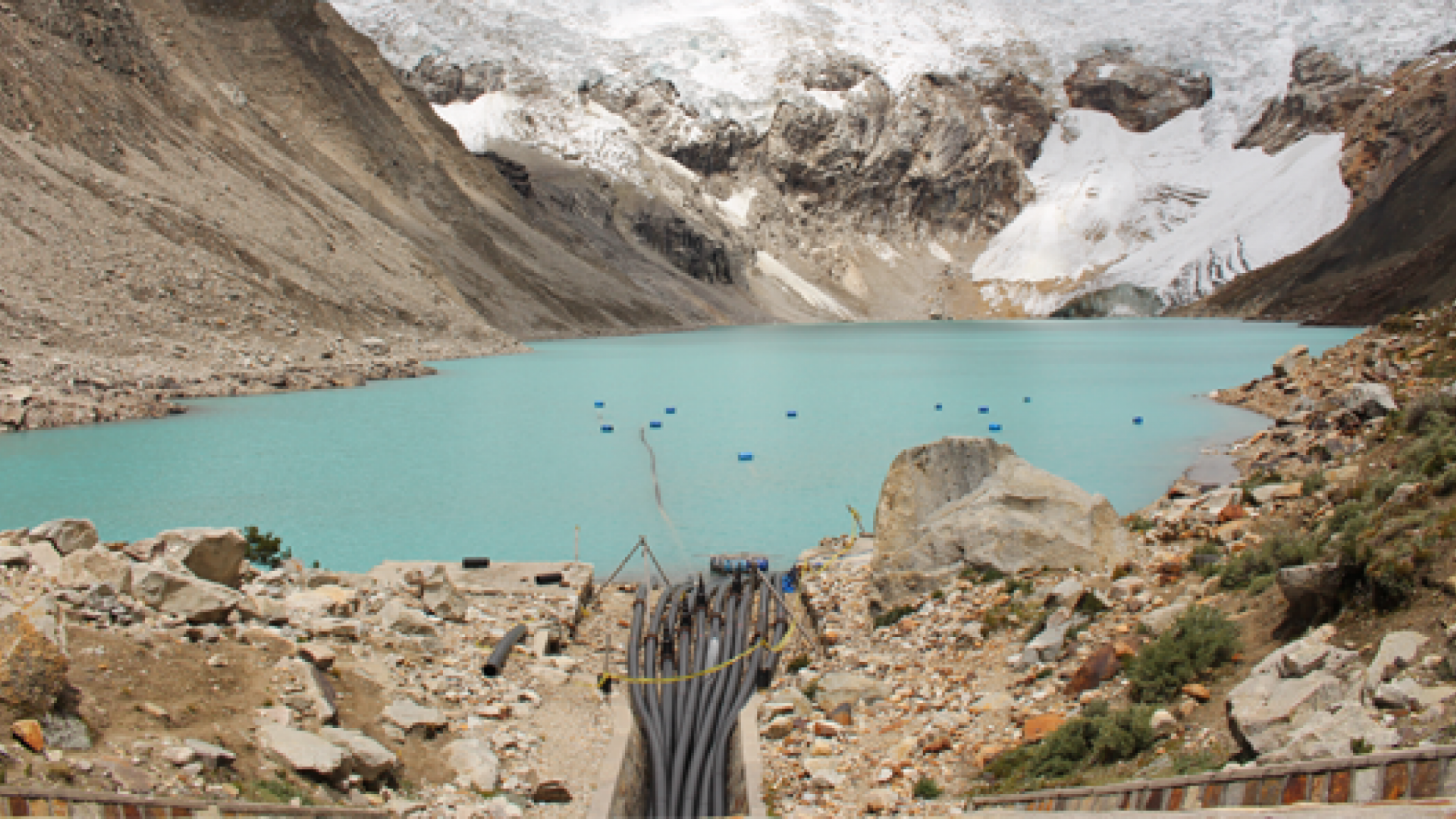
Delays in Peruvian climate change lawsuit

SenegalFrance officially transferred control of its last military installations in Senegal to local authorities in a ceremony, bringing to an end the permanent deployment of French troops in the country since Senegal gained independence in 1960. The withdrawal of over 350 troops marks the completion of a process initiated in March, when France began handing over multiple military sites. Unlike in other West African countries, where French forces were expelled amid political tumult, the withdrawal from Senegal was peaceful and coordinated, reflecting France's broader re-orientation away from its traditional "Françafrique" military footprint. (Image: Wikimedia Commons)

Planet Watch
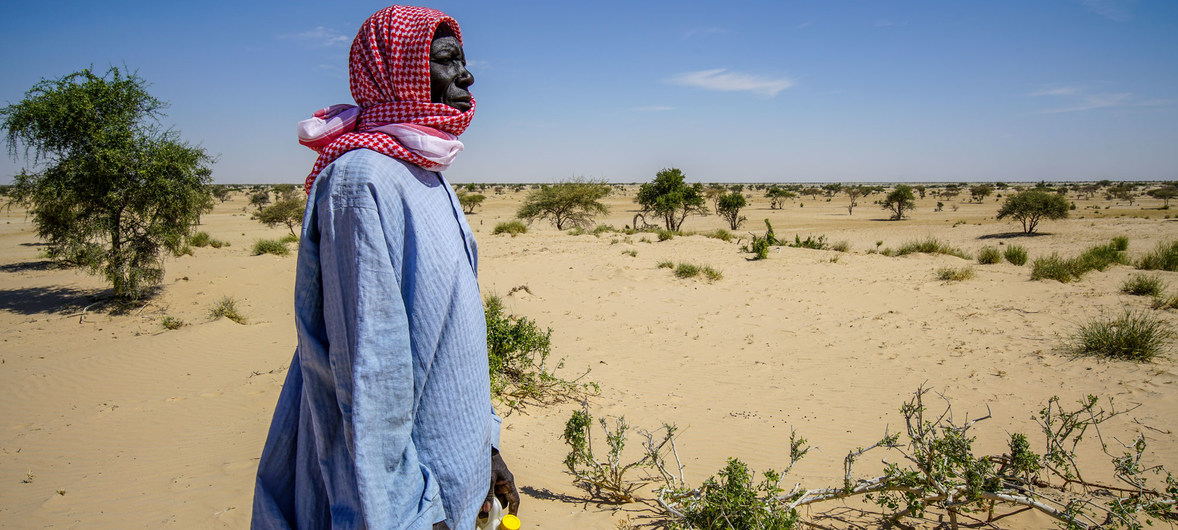
Chad

UN report on climate change calls for urgent action

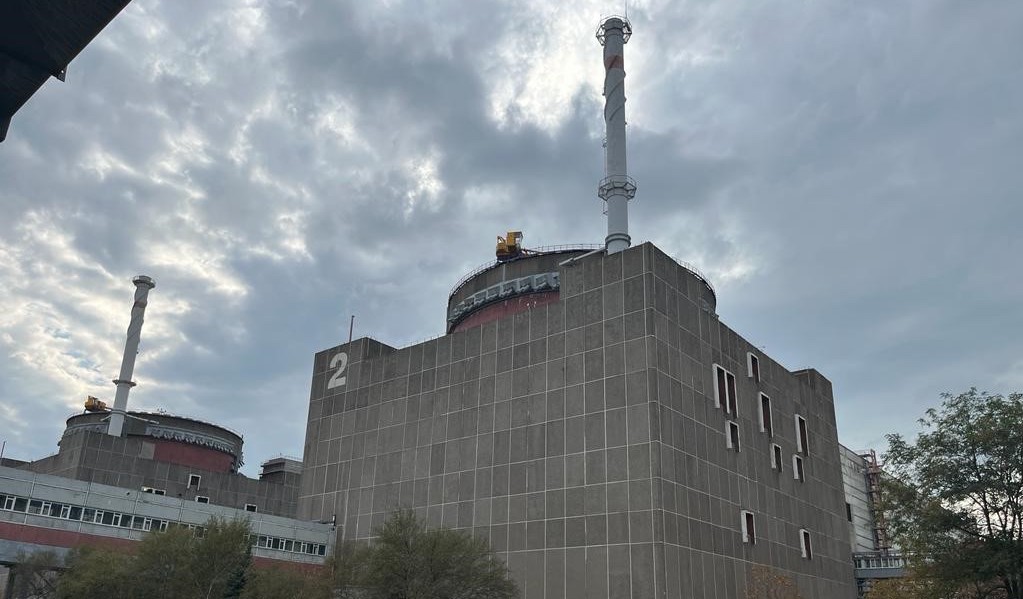
ZaporizhzhiaUN Secretary-General António Guterres strongly condemned Russia's largest yet wave of drone and missile attacks in Ukraine, especially noting strikes that disrupted the power supply to the Zaporizhzhia Nuclear Power Plant (ZNPP), endangering nuclear safety. Rafael Grossi, director of the International Atomic Energy Agency (IAEA), also warned of the persisting "extremely fragile" situation at Europe's largest nuclear facility. Russia's latest air-strike against the ZNPP marked the ninth time power was broken off to the plant since the war began in February 2022. Although external power has been restored, Grossi cautioned that the situation remains unsafe. (Photo: Wikipedia)

The Caribbean

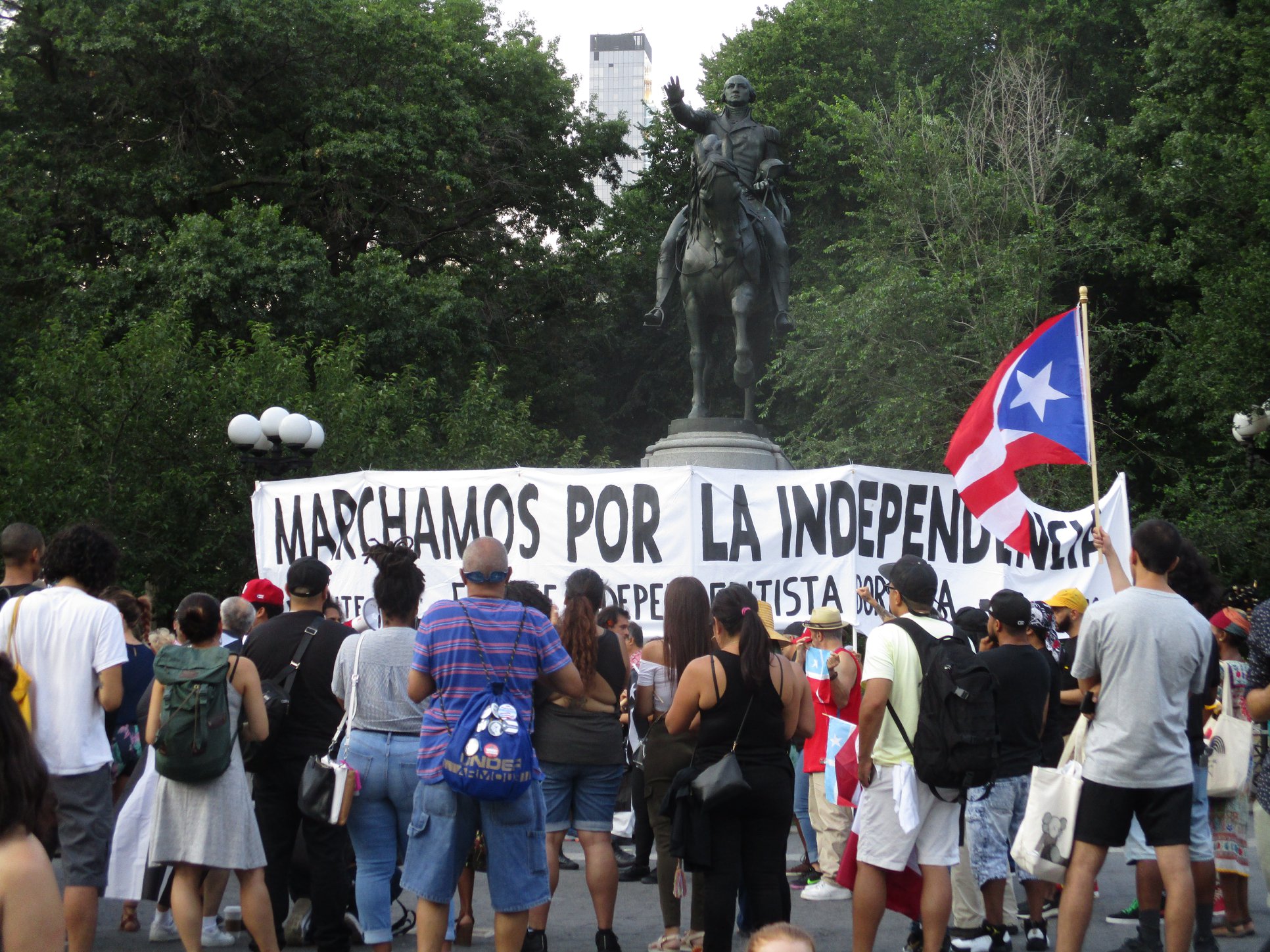
Puerto Rico: climate change to regime change

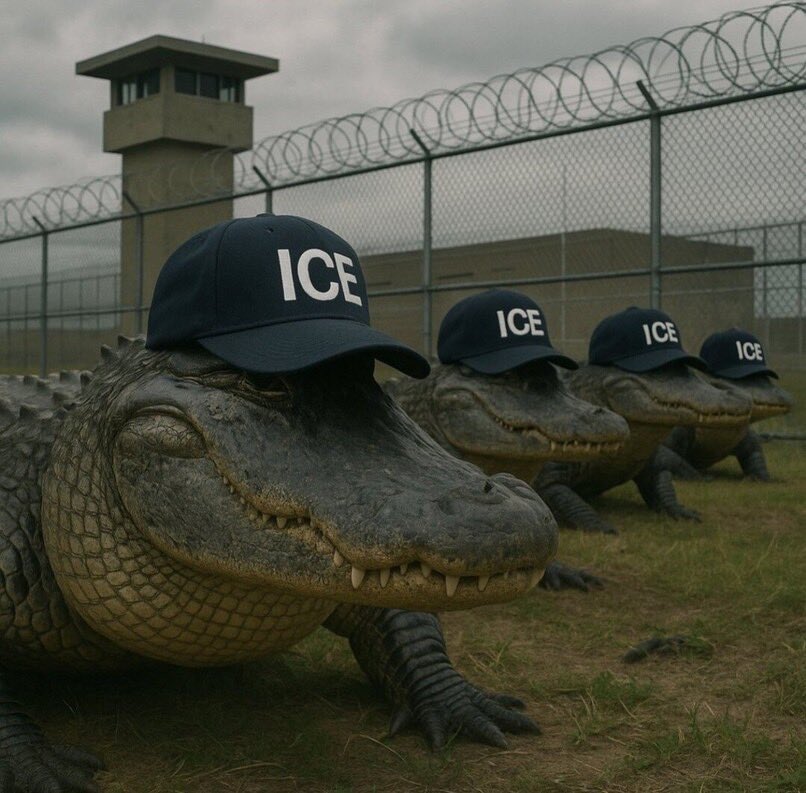
DHSDonald Trump's draconian immigration policies are to get a massive injection of cash thanks to the omnibus budget bill that the president signed into law on July 4. The bill includes over $170 billion in funding for new detention centers, deportation operations, border wall construction, and other anti-immigration initiatives. While this outlay is to be spread out over five years, critics point out that it surpasses the annual military budgets of any country on Earth except for the US and China. The bill, which narrowly passed in the House with no Democratic support, represents a massive shift of funds from basic social programs such as Medicare to Immigration & Customs Enforcement (ICE), whose budget will now overshadow that of the FBI. The ICE detention budget is to now outstrip that of the federal Bureau of Prisons, aiming at capacity to hold over 100,000 detainees. (Image: Department of Homeland Security via Florida Phoenix)

New York City

NYC: outrage over automotive terror —at last

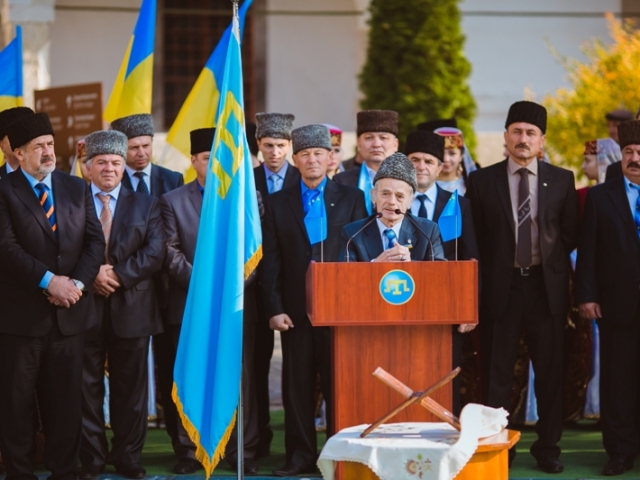
MejlisThe representative body of the Crimean Tatar people has vowed to oppose any international recognition of Russia's annexation of the Crimean Peninsula. The Tatar Mejlis, now sitting in exile in Kyiv, said that any move to recognize Crimea as Russian territory would violate international law. Refat Chubarov, the body's chairman, asserted in a statement: "Crimea is the homeland of the indigenous Crimean Tatar people and an integral part of Ukraine. Accordingly, no one can decide the fate of Crimea under any circumstances, except for the Ukrainian state and the Crimean Tatar people." The statement comes amid reports that the Trump White House is pressuring Kyiv to accept a peace formula that includes formal US recognition of Russian sovereignty over Crimea. (Photo: Crimean Tatar Mejlis)

The Amazon

Amazon destruction jumps under Bolsonaro

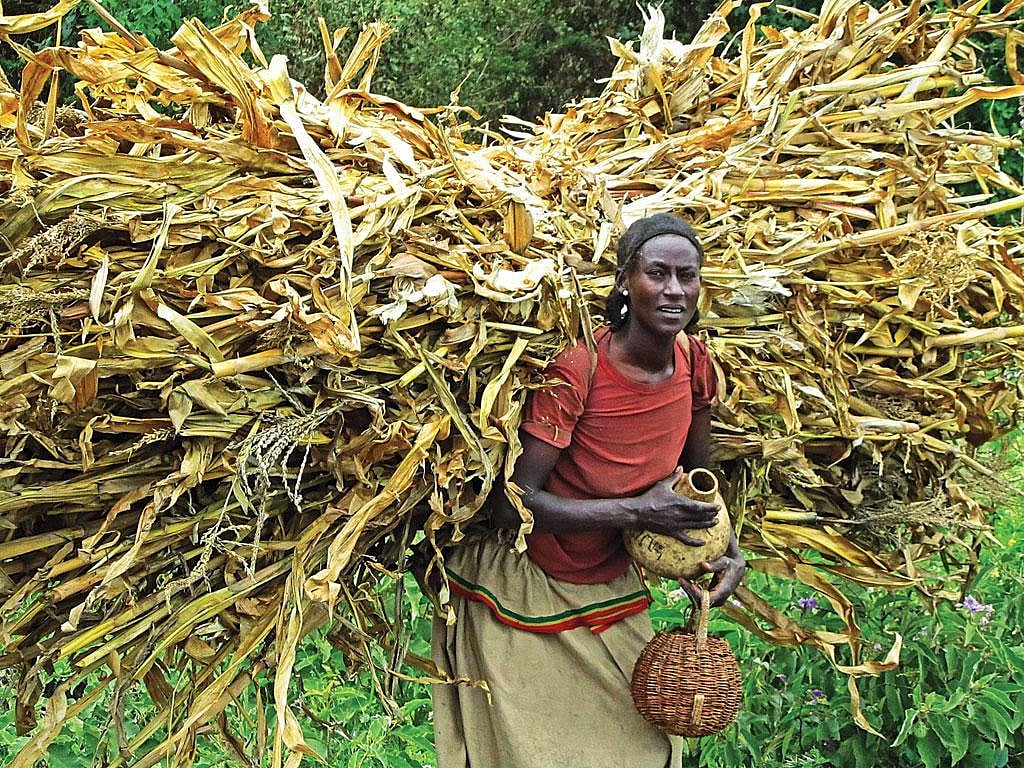
ZimbabweSome of the world's poorest countries, including nations grappling with protracted humanitarian crises, are among those most affected by President Donald Trump's new trade tariffs regime, which has compounded pre-existing economic strains and debt woes. Among the worst effects will likely be felt in Africa, where Trump's decision has created an "inexplicably cruel situation," according to the Center for Global Development (CGD). "It is hard to fathom that the administration set out to destabilize poor African countries and unclear what they hope to gain," wrote CGD researchers. The tariffs have effectively tanked the African Growth & Opportunity Act (AGOA), which allowed duty-free imports to the US for 32 countries and was credited with helping economic growth. Amid existential financial worries in the international aid sector—triggered by Trump's closure of USAID—economists have also raised the possibility of a global trade war, with far-reaching ramifications for inflation and the cost of living worldwide. (Photo: Down To Earth)

Southeast Asia

Vietnam: ‘free trade’ advances; free speech retreats

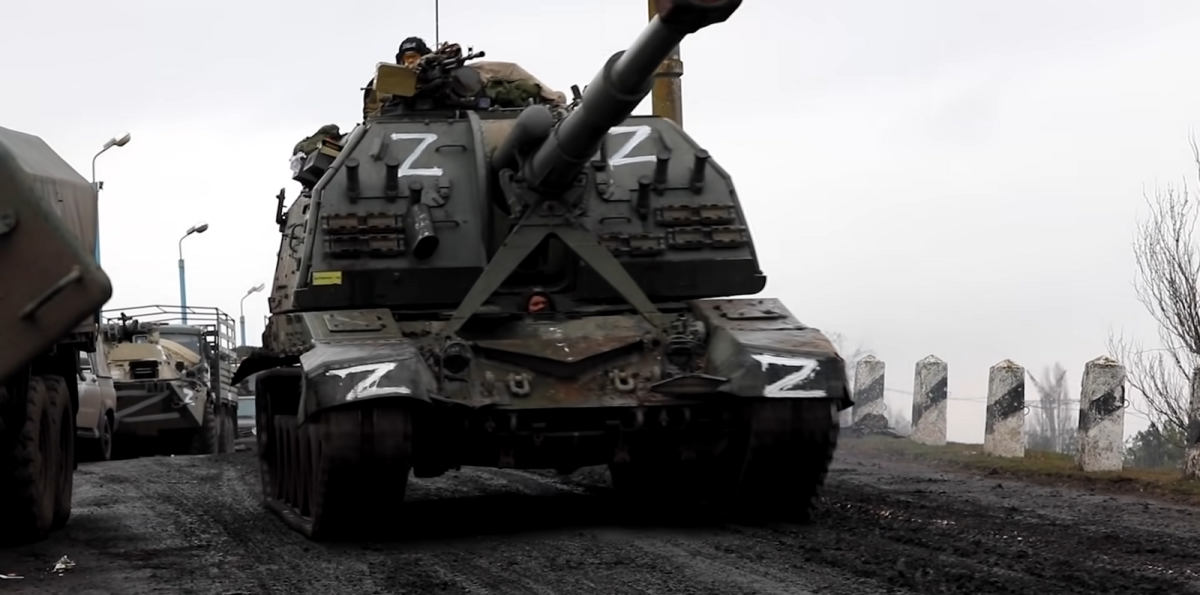
tankThe European Union Agency for Criminal Justice Cooperation (EuroJust) announced that the United States is withdrawing from the International Center for the Prosecution of the Crime of Aggression (ICPA), created to hold Russia accountable for its invasion and seizure of territory in Ukraine. The organization was launched by EuroJust in 2023 to assist Ukraine in prosecuting parties responsible for orchestrating the crime of "aggression" against Ukraine, facilitating information-sharing across international law enforcement and judicial bodies. The Biden administration collaborated with the organization by providing monetary support and appointing US prosecutors to help with the work of the ICPA. The funding cut-off comes as the White House has shifted course in US foreign policy on Ukraine, with President Donald Trump insisting on brokering a bilateral peace deal with Russia, regardless of the wishes of the Ukrainian government. (Photo: Wikimedia Commons)

Central America

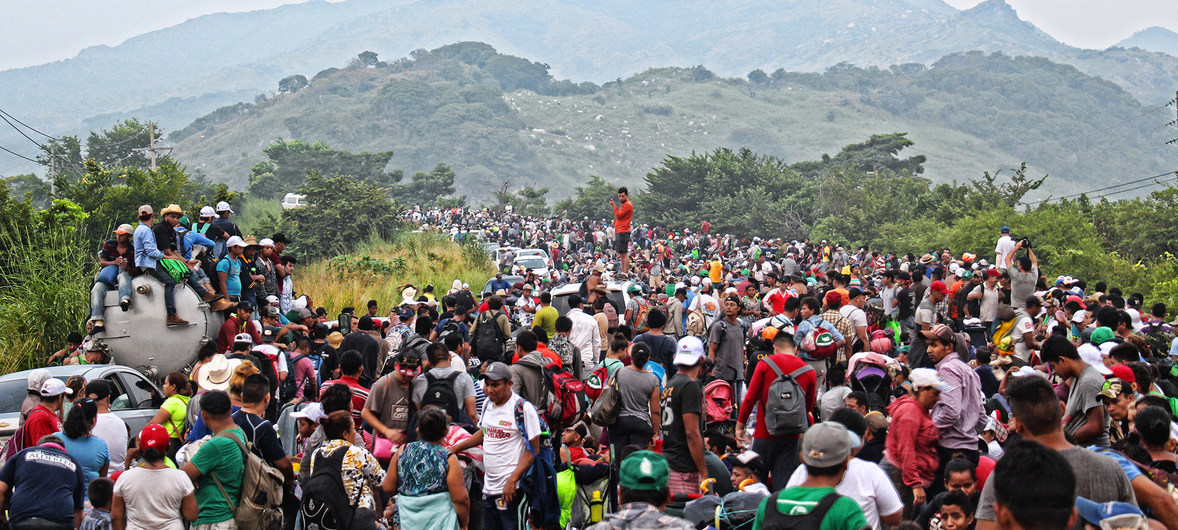
Central America climate crisis fuels migration

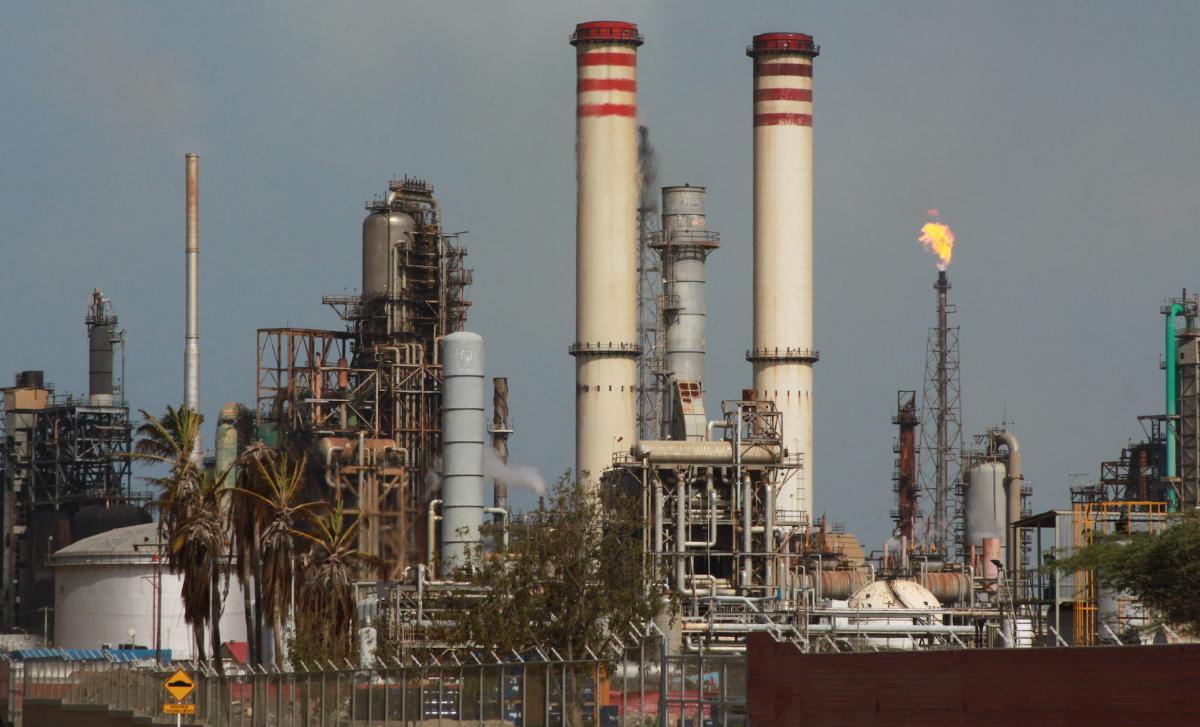
PDVSAPresident Donald Trump announced that the US government is revoking concessions granted to energy giant Chevron to pump and export Venezuelan oil. The move, which reverses a 2022 decision by Biden to allow the company to bring Venezuelan oil to US markets by exempting it from economic sanctions, removes one of the South American country's few economic lifelines at a time of deepening crisis. In his post on TruthSocial, Trump claimed that the Venezuelan government had failed to keep up its side of the original bargain to meet "electoral conditions." He also charged that the "regime has not been transporting the violent criminals they sent into our Country…back to Venezuela at the rapid pace that they had agreed to." (Photo: Luis Ovalles via Dialogo Americas)

Planet Watch

UN report: ‘unprecedented’ biodiversity collapse

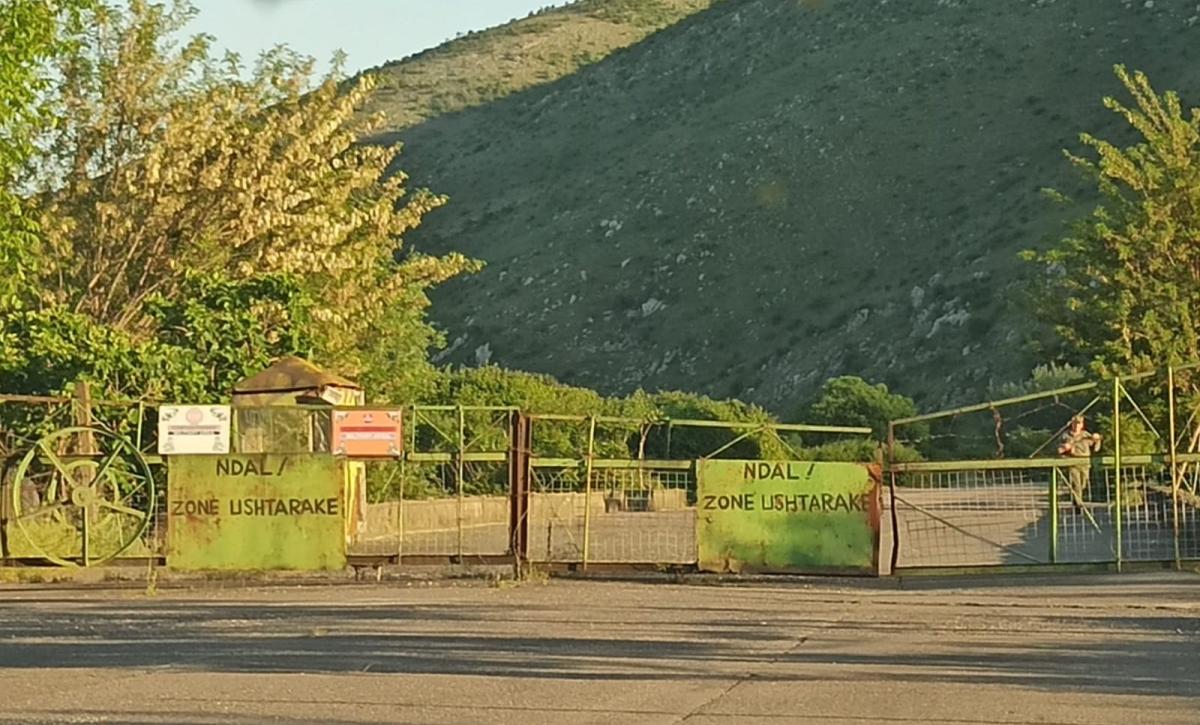
GjadërItaly's right-wing government, led by Prime Minister Giorgia Meloni, issued a decree aimed at bypassing judicial obstacles to a controversial deal with Albania to hold and process the claims of asylum-seekers intercepted at sea by Italian forces. The move came days after a special immigration court in Rome ruled that the first group of 12 migrants sent to the repurposed military camp at Gjader, Albania, must be returned to Italy. The court found that the migrants' countries of origin—Egypt and Bangladesh—are "unsafe," making their offshore detention illegal. Meloni's decree asserts the executive alone has the power to make such determinations, setting the stage for a showdown between her government and the judiciary. (Photo: Melting Pot Europa)

Africa

Climate catastrophe in suffering Mozambique

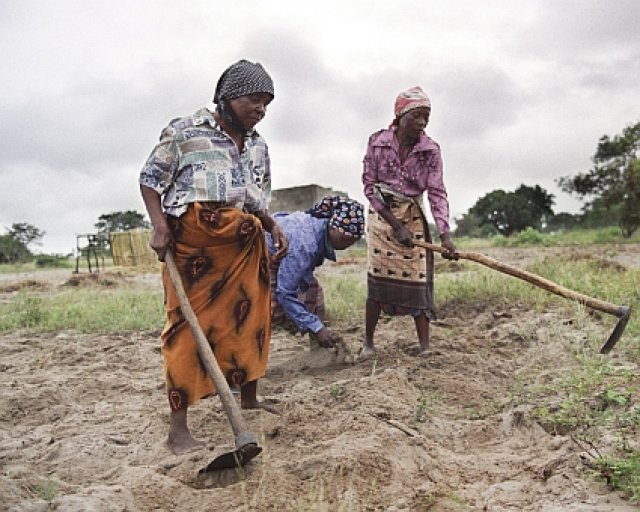
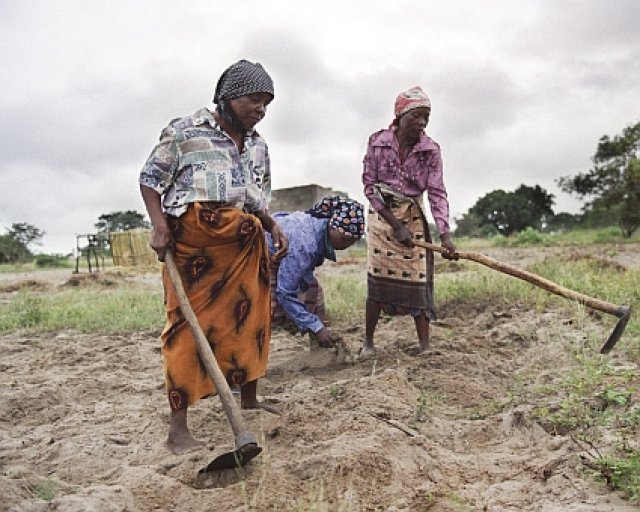
MozambiqueA humanitarian catastrophe is unfolding in Mozambique, Zimbabwe and Malawi, as the full scale of devastation from Cyclone Idai becomes clear. The World Meteorological Organization says Idai could become the worst tropical cyclone on record in the Southern Hemisphere. Mozambique's President Filipe Nyusi fears that 1,000 people may have lost their lives in his country alone. The UN World Food Program warns of "a major humanitarian emergency that is getting bigger by the hour." And, as after similar "mega-storms" of recent years, the link to global climate destabilization is evident. "Cyclone Idai is a clear demonstration of the exposure and vulnerability of many low-lying cities and towns to sea-level rise as the impact of climate change continues to influence and disrupt normal weather patterns,” said Mami Mizutori, UN Special Representative for Disaster Risk Reduction. (Photo: WikiMedia via Jurist)

South Asia

Himalayan glaciers could be mostly gone by 2100

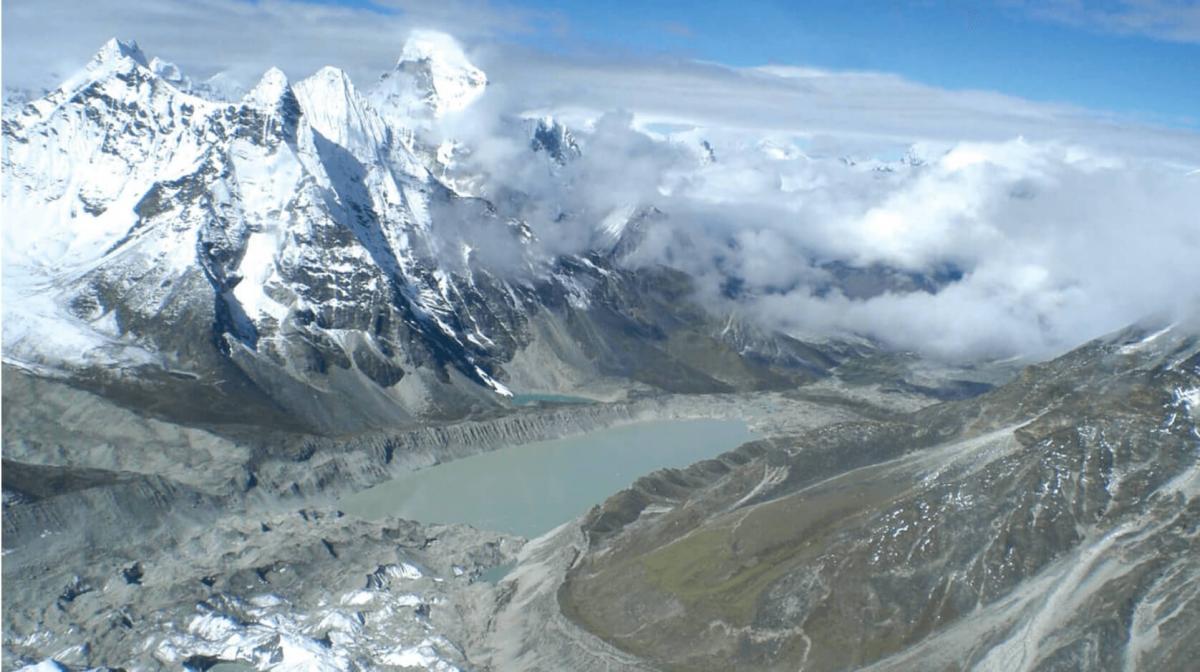
Himalaya glaciersRising temperatures in the Himalayas will melt at least one-third of the region's glaciers by the end of the century even if the world's most ambitious climate change targets are met, according to a new report. If those goals are not reached, the Himalayas could lose two-thirds of their glaciers by 2100, according to the Hindu Kush Himalaya Assessment, released by the Kathmandu-bsed International Centre for Integrated Mountain Development. Under that scenario, the Himalayas could heat up by 8 degrees Fahrenheit (4.4 degrees Celsius) by century's end, bringing radical disruptions to food and water supplies, and mass population displacement. Glaciers in the Hindu Kush-Himalayan Region, which spans over 2,000 miles of Asia, provide water to nearly a quarter of the world's population. (Photo via Nepali Times)

The Amazon

Bolsonaro starts term with assault on indigenous

kayapoOn his first day in office, President Jair Bolsonaro issued a measure taking away responsibility for indigenous land demarcation from the indigenous affairs agency, FUNAI, and handing it over to the Agriculture Ministry. In the same decree, Bolsonaro shifted authority over regularization of quilombos (Afro-Brazilian collective lands) from the agrarian reform institute, INCRA, to the Agriculture Ministry. The measure greatly weakens FUNAI, taking away its most important function. In practice, key areas of indigenous and quilombo policy will now be in the hands of agribusiness advocates—a long-time demand of the Bancada Ruralista (agribusiness lobby) in Congress. Bolsonaro is openly calling for abolition of Brazil's large indigenous reserves, a move with grave implications for the Amazon rainforest and global climate. (Photo: Kayapo women in Brazilian Amazon, via FUNAI)