South Asia
anti-CAB

India prepares mass detention of Rohingya
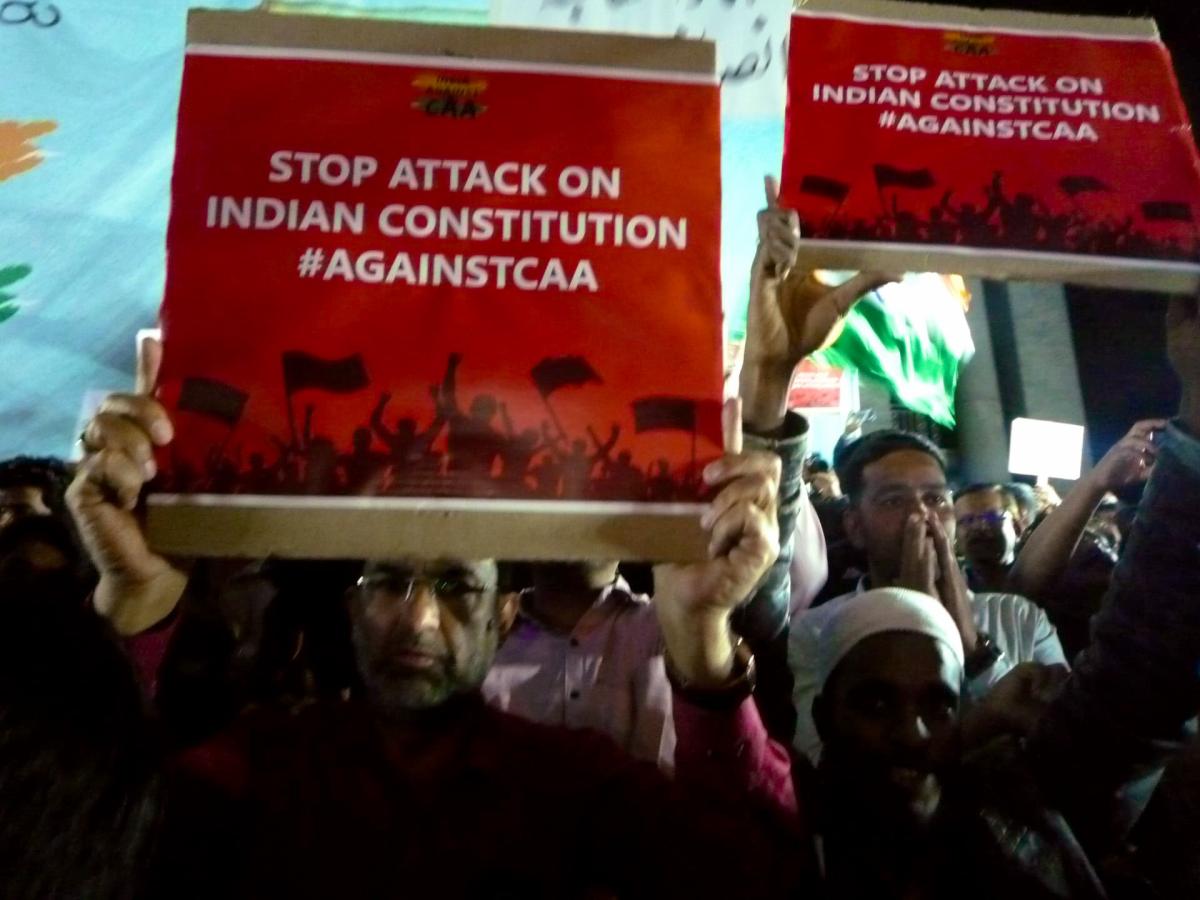
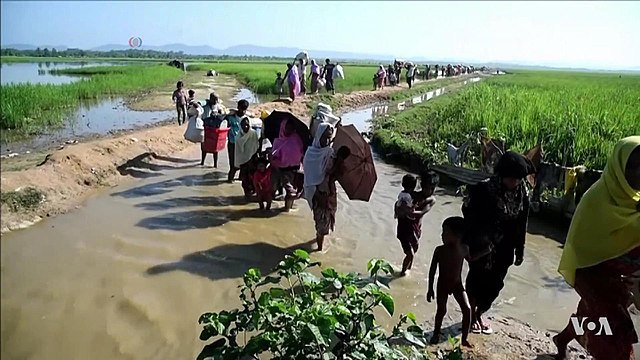
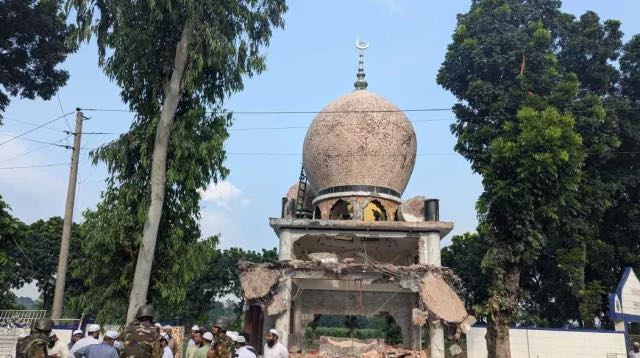
Indian authorities have deported thousands of Bangladeshi citizens in the month since Prime Minister Narendra Modi’s Hindu-nationalist Bharatiya Janata Party (BJP) won elections in the state of West Bengal. Shortly after taking power in West Bengal, BJP officials ordered the creation of detention centers both for undocumented Bangladeshis and Rohingya Muslims who are fleeing persecution in their native Burma and mistreatment in overcrowded refugee camps in Bangladesh. (Image: Sowmya Reddy)
Southeast Asia
Burma

Burma: Arakan Army seizes border zone

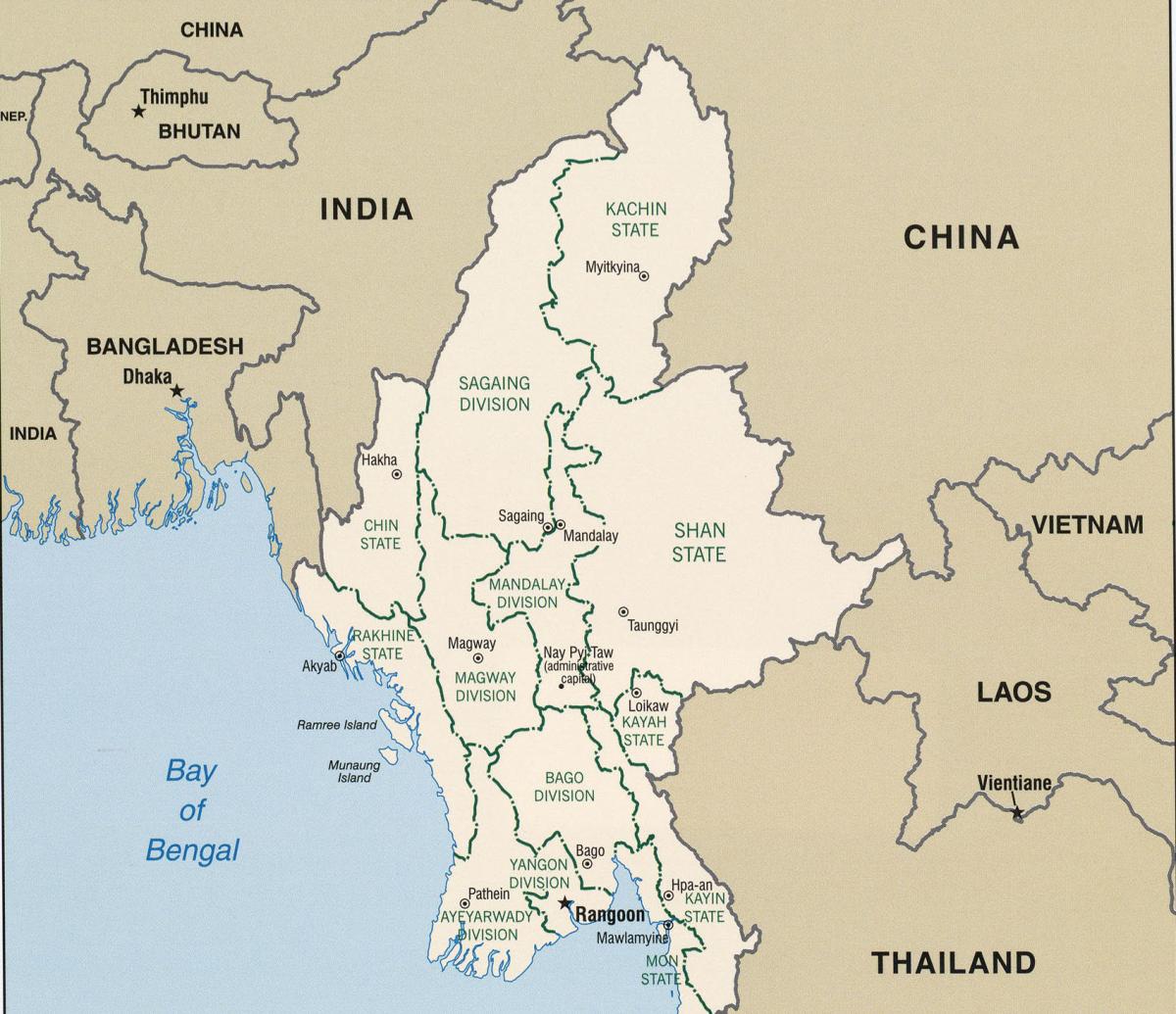
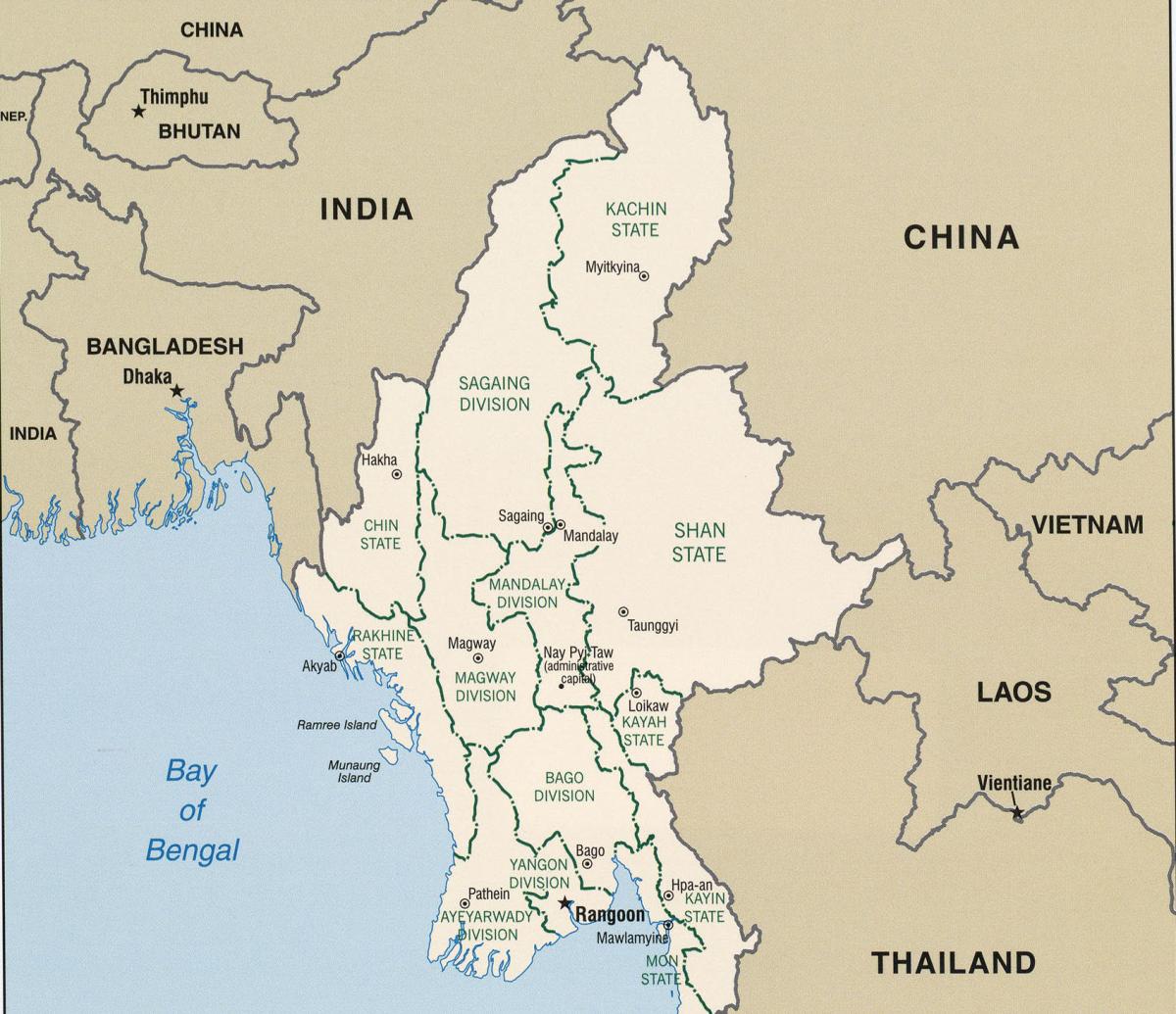
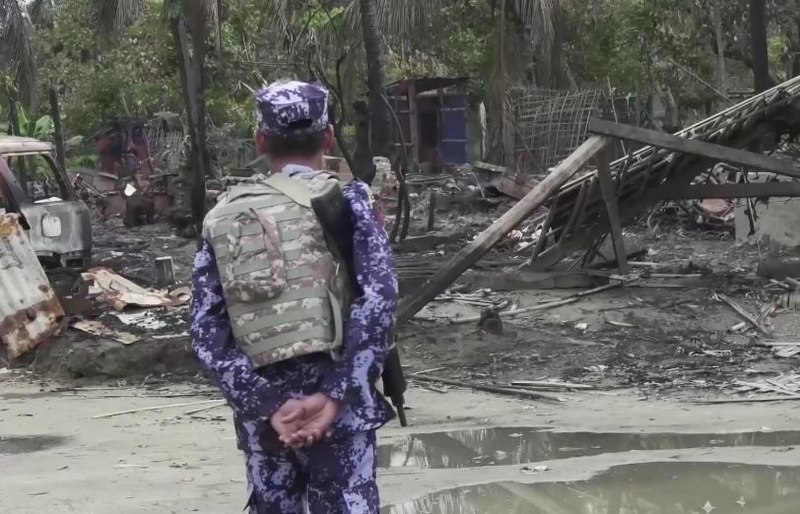
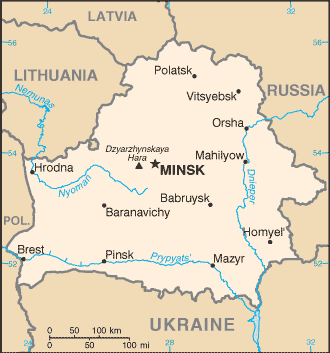
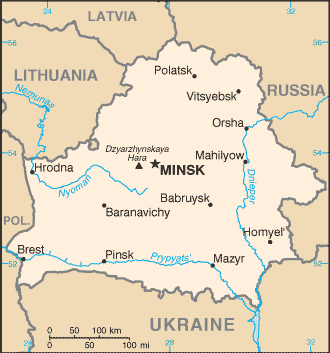
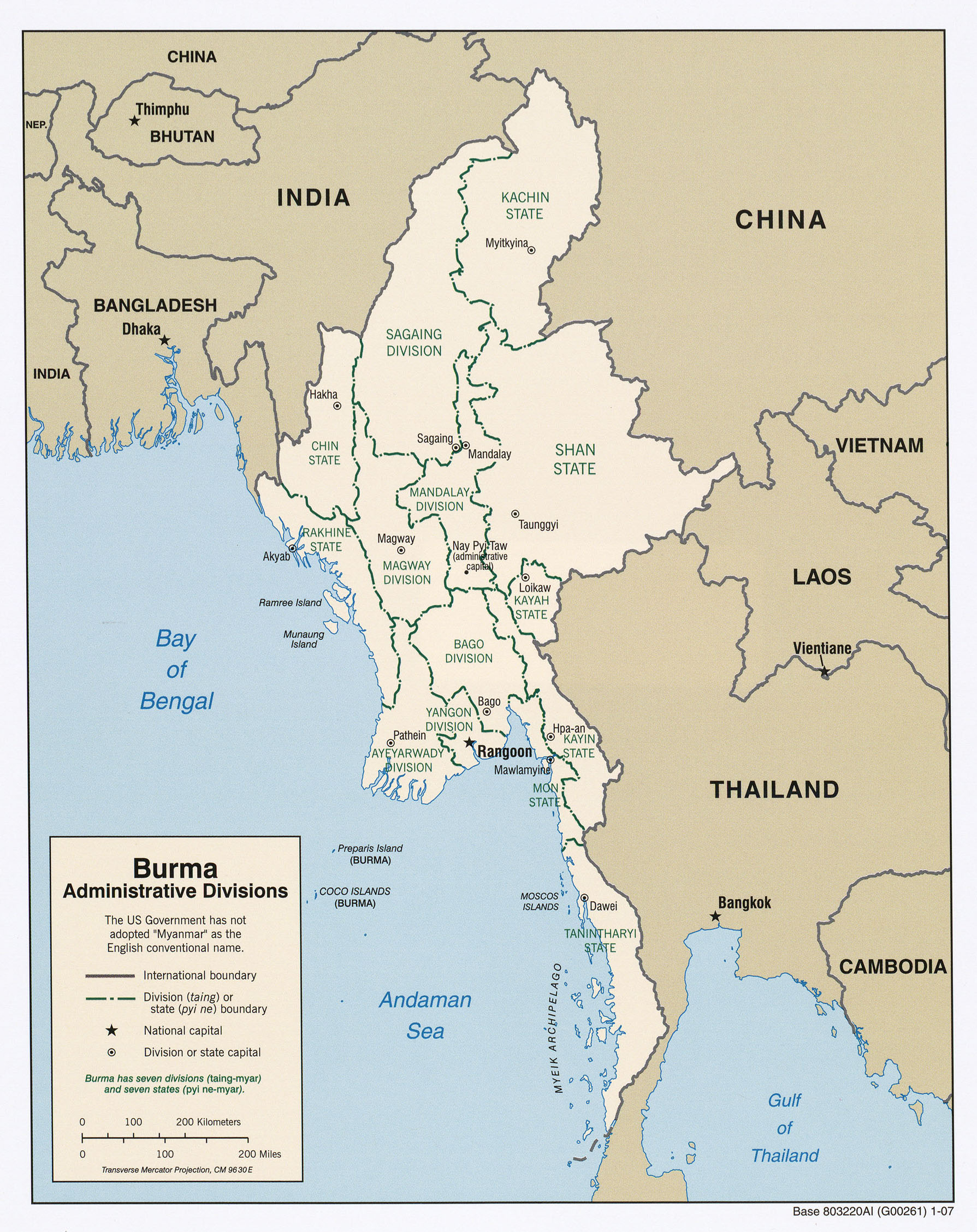
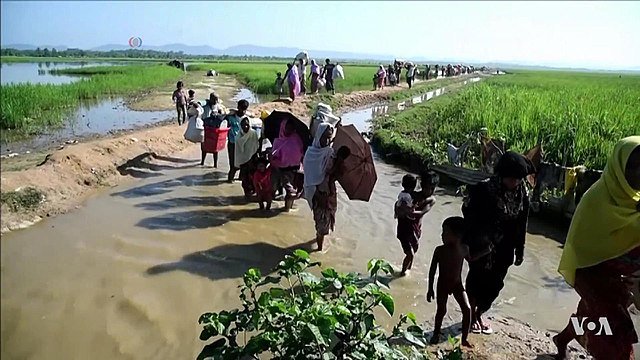
The rebel Arakan Army announced its full control of Burma’s border with Bangladesh after the seizure of the last junta base in Maungdaw township. The rebel army said it had taken captive a general and dozens of other soldiers, including around 80 Rohingya fighters—raising fears of further reprisals against the Muslim minority. The Arakan Army seeks autonomy for the ethnic Rakhine people and is part of an alliance of armed groups that has also seized key towns in eastern Burma. The Rohingya, having long faced massive ethnically targetted attacks by the military, are now facing such attacks by the ethno-nationalist Arakan Army. In addition to Rohingya youth being press-ganged into the military to fight the rebels, some Rohingya militias are now collaborating with the junta against the Arakan Army. (Map: PCL)

Europe
Gjader

Meloni maneuvers to save offshore migrant camp plan

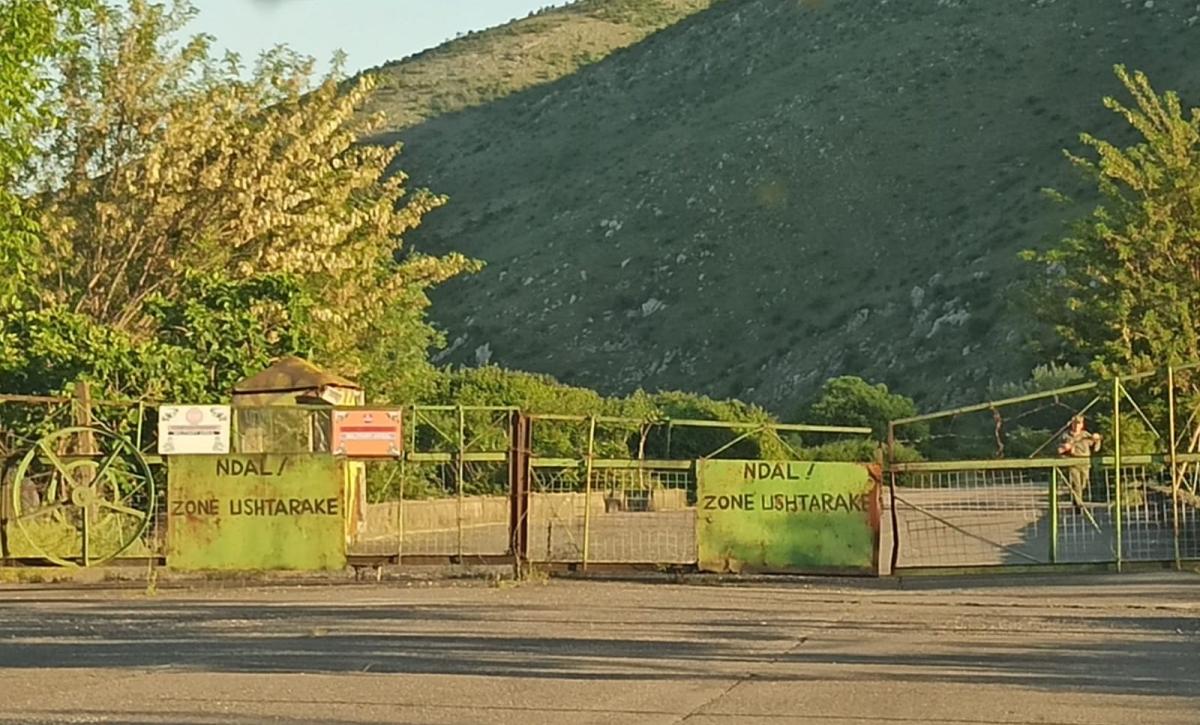
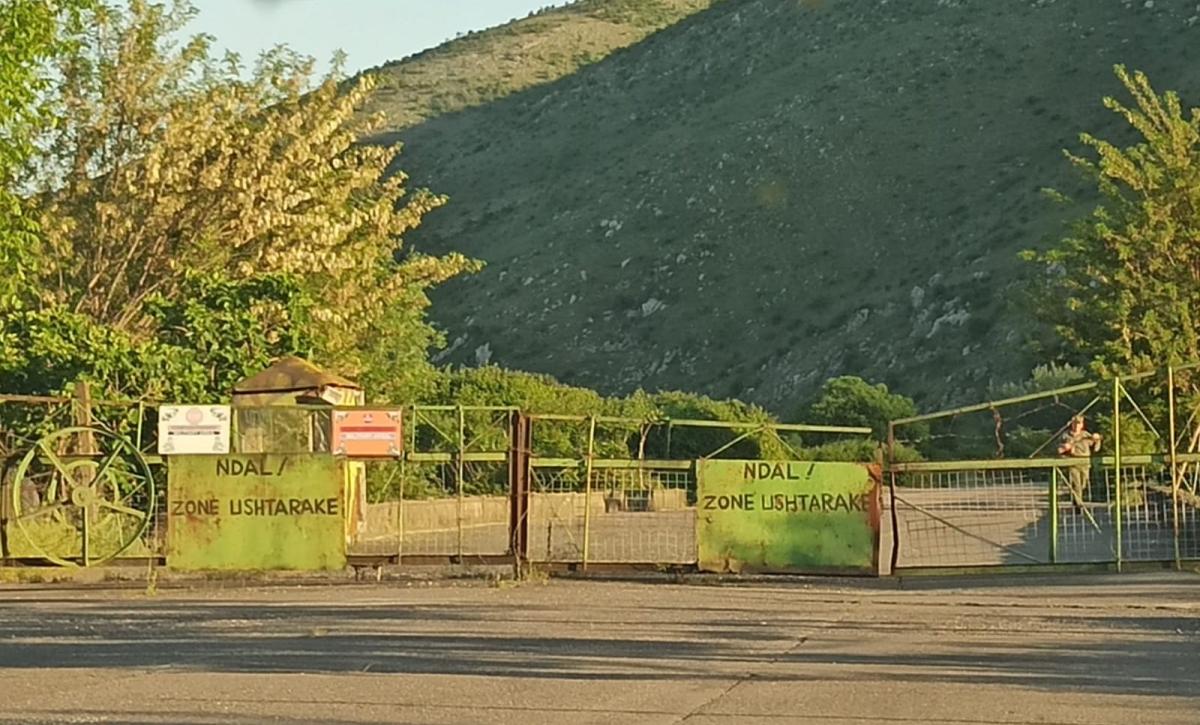
Italy’s right-wing government, led by Prime Minister Giorgia Meloni, issued a decree aimed at bypassing judicial obstacles to a controversial deal with Albania to hold and process the claims of asylum-seekers intercepted at sea by Italian forces. The move came days after a special immigration court in Rome ruled that the first group of 12 migrants sent to the repurposed military camp at Gjader, Albania, must be returned to Italy. The court found that the migrants’ countries of origin—Egypt and Bangladesh—are “unsafe,” making their offshore detention illegal. Meloni’s decree asserts the executive alone has the power to make such determinations, setting the stage for a showdown between her government and the judiciary. (Photo: Melting Pot Europa)

Planet Watch
Nairobi

World war or world revolution?

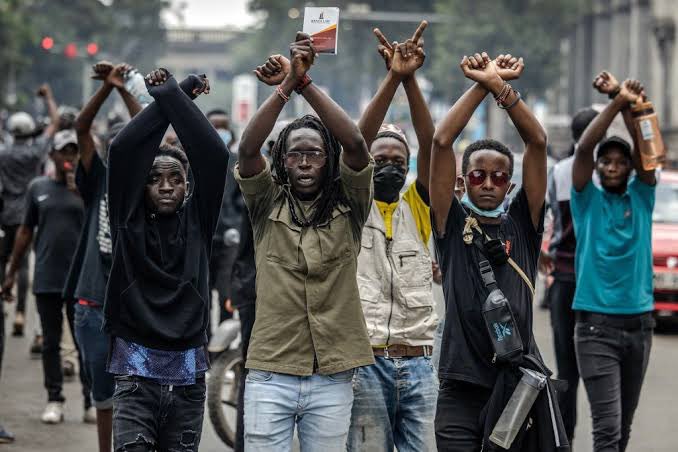
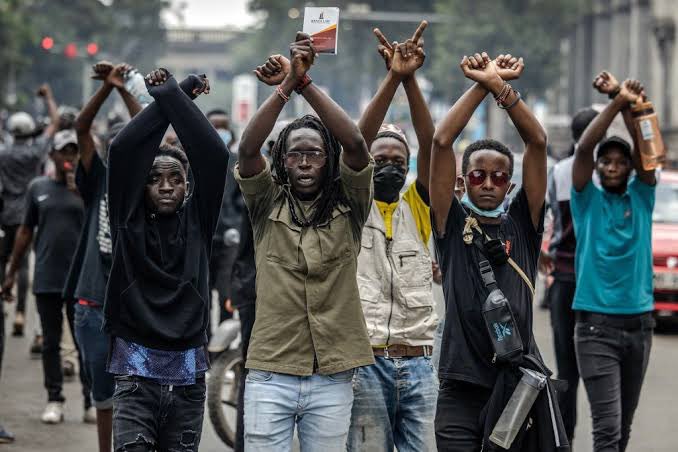
In Episode 239 of the CounterVortex podcast, Bill Weinberg provides an overview of the protest waves and uprisings going on across the planet—in Kenya, Uganda, Nigeria, Bangladesh, India, China, Serbia, Venezuela, and in Israel. This as worldwide protests in solidarity with the Palestinians of Gaza continue. Amid ongoing protests against Netanyahu in Israel, there have also been protests against Hamas in Gaza. Despite internal dangers and contradictions in all these upsurges, there is a sense that we could be approaching a revolutionary moment such as that seen in 2011—the year of the Arab Spring and Occupy Wall Street. And with the planet on an accelerating trajectory toward world war, the linking of these upsurges through conscious solidarity and the infusion of anti-war content to their demands is urgently mandated. Listen on SoundCloud or via Patreon. (Photo via Twitter)

Palestine
ICC

ICC receives Palestine referral from Rome Statute parties

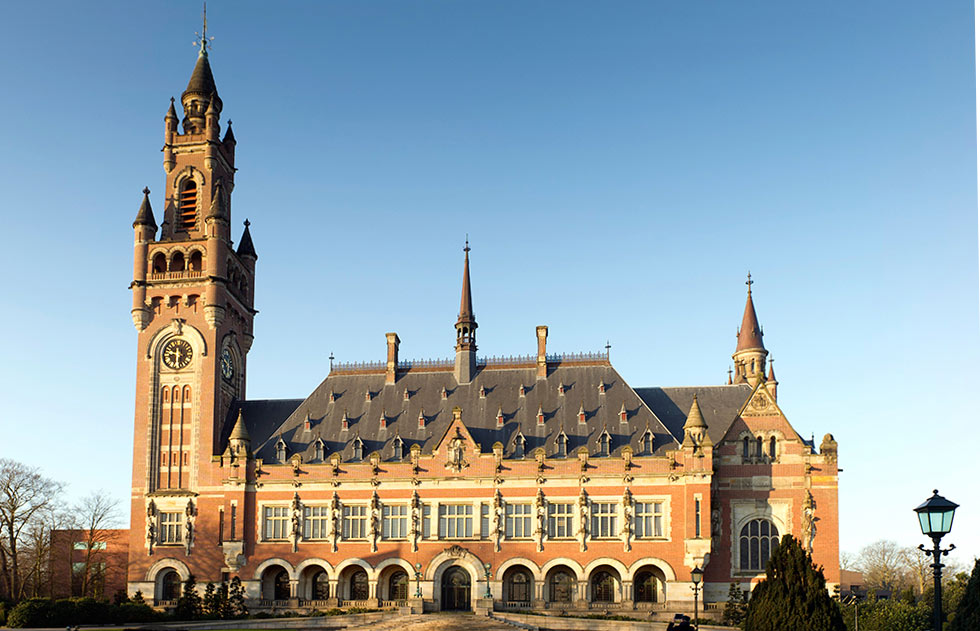
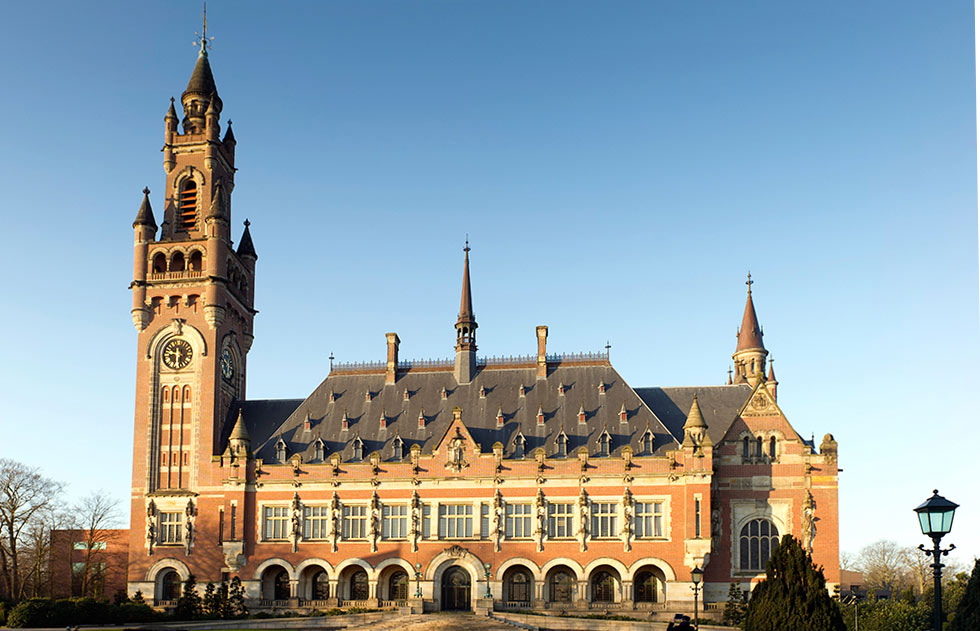
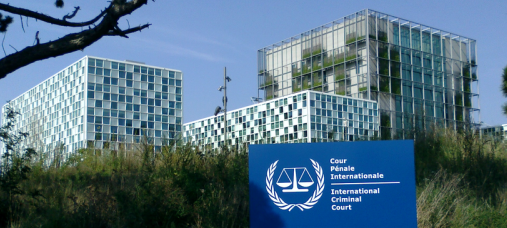
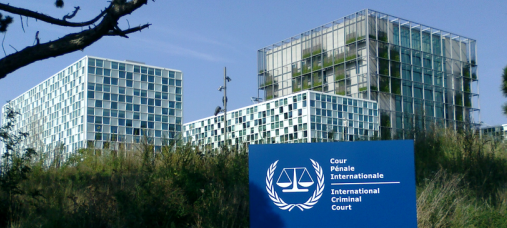
The International Criminal Court (ICC) released a statement saying it received a referral from Bangladesh, Bolivia, Comoros, Djibouti and South Africa regarding the Situation in the State of Palestine. ICC prosecutor Karim AA Khan KC affirmed that an investigation is currently ongoing with its own dedicated team. The five countries made the ICC referral in accordance with their powers under the Rome Statute. All five of the referring countries are party to the Rome Statute, as is the State of Palestine; Israel is not. (Photo: OSeveno/WikiMedia)

Planet Watch
anthropocene

Glasgow: ‘climate-vulnerable’ protest ‘compromise’ pact

The COP26 UN climate summit concluded a deal among the 196 parties to the 2015 Paris Agreement on long-delayed implementation measures. UN Secretary-General Antonio Guterres called the deal a “compromise,” and indeed it was saved through eleventh-hour haggling over the wording. Just minutes before the final decision on the text of the Glasgow Climate Pact, India, backed by fellow major coal-producer China, demanded weaker language on coal, with the original call for a “phase-out” softened to “phase-down.” And even this applies only to “unabated” coal, with an exemption for coal burned with carbon capture and storage technology—a technofix being aggressively pushed by Exxon and other fossil fuel giants, in a propaganda blitz clearly timed for the Glasgow summit. Another corporate-backed fix that allows polluters to go on polluting was also embraced at Glasgow: the pact calls for establishment of a global carbon-trading market in 2023. (Photo: CounterVortex)

Planet Watch
freeway

Humanity’s affluent 1% drive climate change

The richest one percent of the world’s population are responsible for more than twice as much carbon pollution as the 3.1 billion people who made up the poorest half of humanity during a critical 25-year period of unprecedented emissions growth, according to a new study by the aid group Oxfam. The report, “Confronting Carbon Inequality,” is based on research conducted with the Stockholm Environment Institute and has been released as world leaders prepare to meet at the UN General Assembly to discuss global challenges including the climate crisis. The report assesses the “consumption emissions” of different income groups between 1990 and 2015—the 25 years when humanity doubled the amount of carbon dioxide in the atmosphere. Tim Gore, head of climate policy at Oxfam and author of the report, said: “The over-consumption of a wealthy minority is fuelling the climate crisis, yet it is poor communities and young people who are paying the price. Such extreme carbon inequality is a direct consequence of our governments’ decades-long pursuit of grossly unequal and carbon-intensive economic growth.” (Photo: malingering via The Source Metro)

South Asia
Amphan

‘Super Cyclone’ Amphan deepens COVID-19 crisis

Tropical Cyclone Amphan unexpectedly intensified into a rare “Super Cyclonic Storm”—becoming the northern hemisphere’s strongest tropical cyclone yet in 2020. Amphan left a trail of destruction along coastal areas both in India and Bangladesh, impacting tens of millions of people. At least 77 deaths in India and 25 in Bangladesh have been reported so far. Over three million people in both countries remain displaced from their homes, taking refuge in community shelters—obviously placing them at risk of contracting COVID-19. In India’s West Bengal state, thousands of people evacuated from their homes are crammed inside buildings that were being used as COVID-19 quarantine centers, because there is no other shelter available. (Photo via Wikipedia)

South Asia
CAA

Protests sweep India over citizenship law

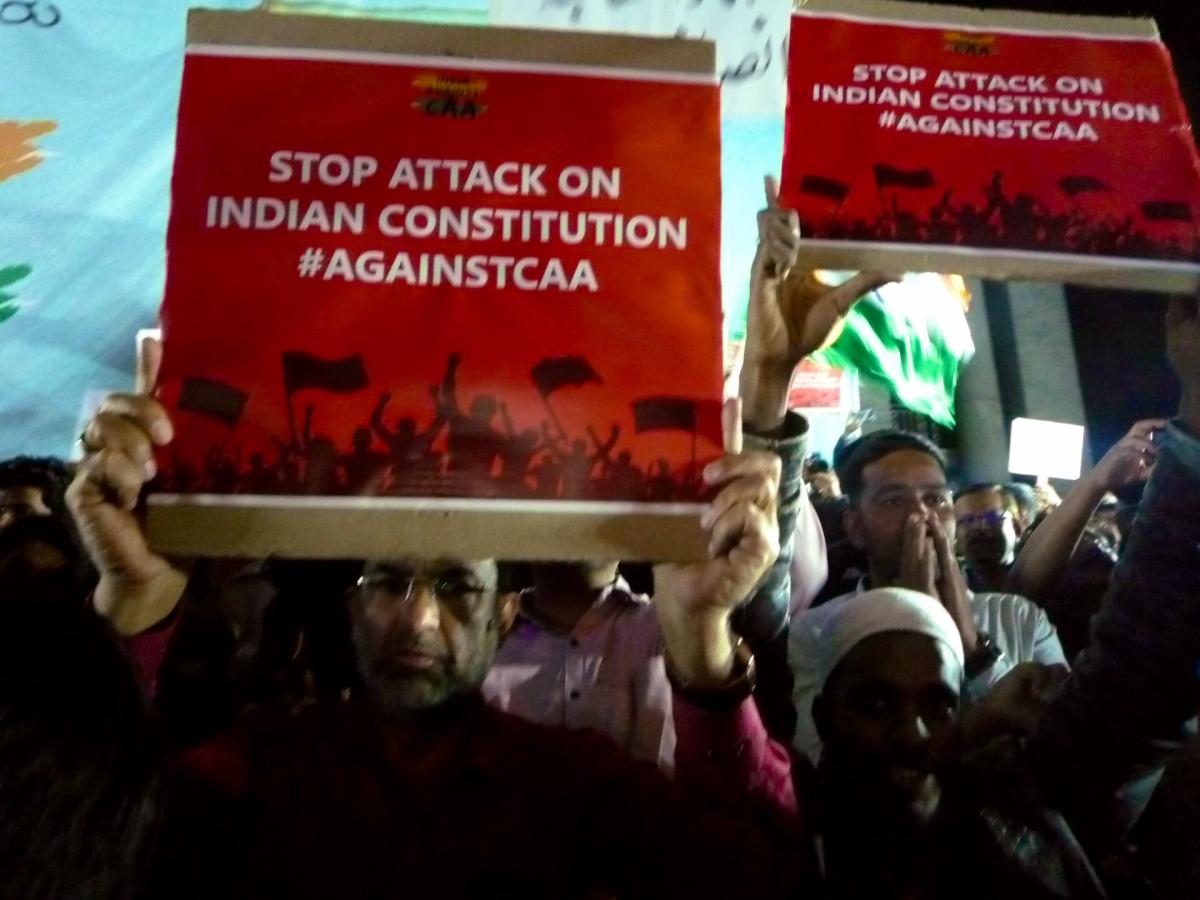
India’s northeastern state of Assam has exploded into protest over the passage of a new national citizenship law. The army has been deployed, a curfew imposed in state capital Guwahati, and internet access cut off. At least five people have been killed as security forces fired on demonstrators. The new law allows religious minorities from Pakistan, Bangladesh and Afghanistan to apply for Indian citizenship. This means it effectively excludes Muslims, and mostly apples to Hindus and Sikhs. Critics of the ruling Hindu-nationalist government say it therefore violates India’s founding secular principles. But while secularists and Muslims are protesting the Citizenship Amendment Act on this basis elsewhere in India, the biggest protests have been in Assam—motivated by fear that the state will be overrun by an influx from Bangladesh, threatening its cultural and linguistic identity. (Image: Sowmya Reddy)
South Asia
Bangladesh protest

Death of water activist sparks Bangladesh protests

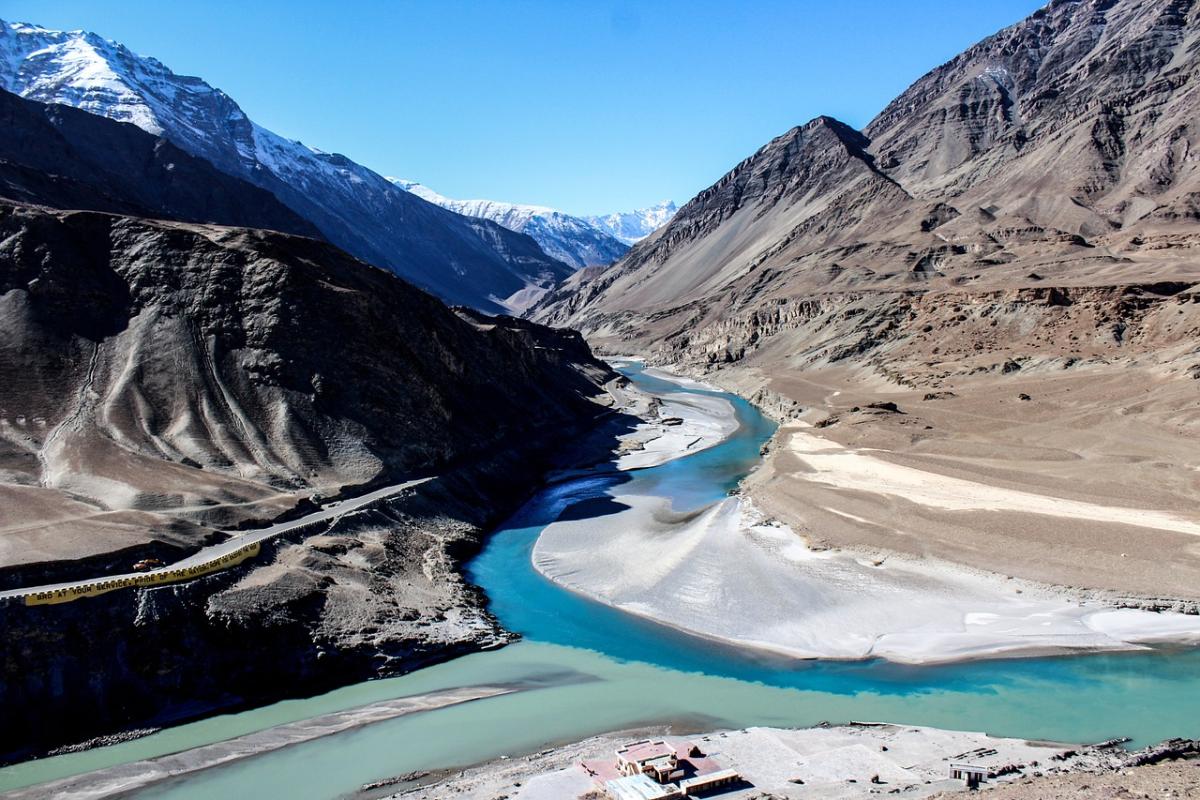
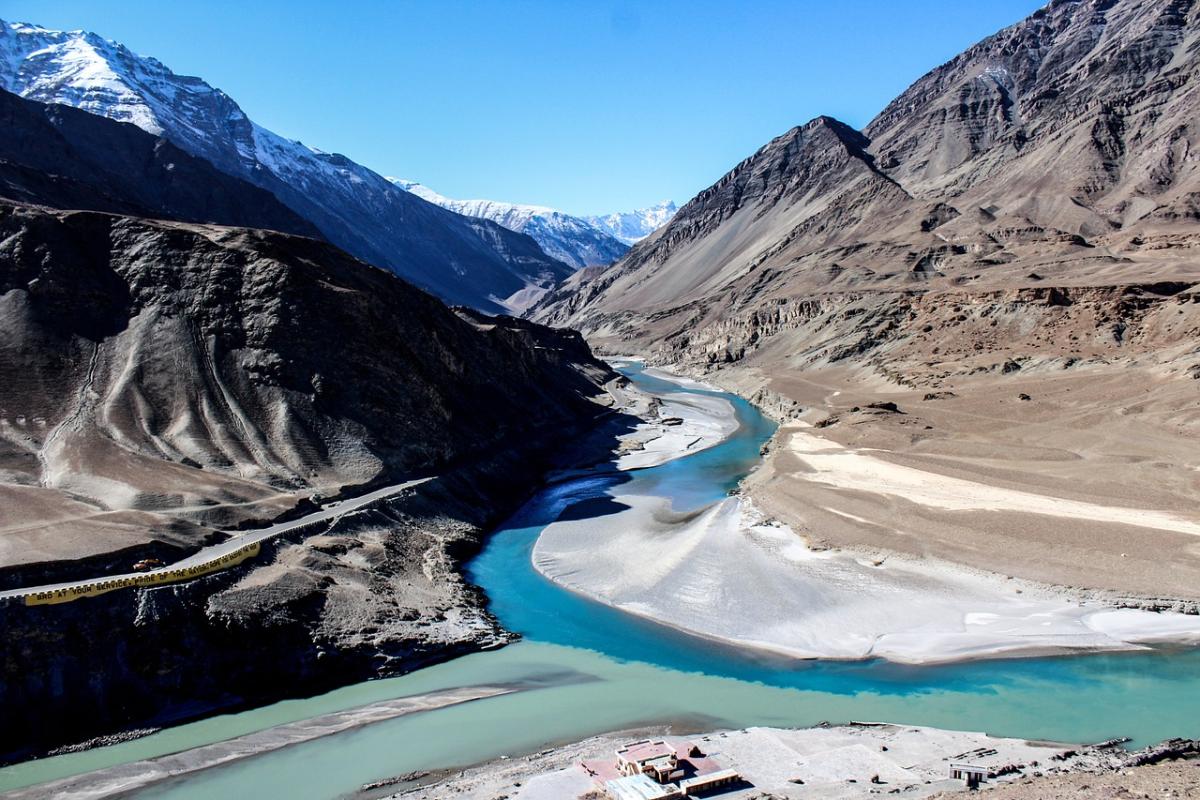
Thousands of university students have held protests in Bangladesh since the killing of an undergraduate student, Abrar Fahad, who was beaten to death at the prestigious Bangladesh University of Engineering Technology. Several campus militants of the youth wing of the ruling Awami League have been arrested in the slaying. Protesters say Fahad was slain over his Facebook post critical of a water-sharing agreement just signed between Bangladesh and India. Under the agreement, signed one day before the murder, India is granted the right to withdraw 1.82 cusec (185,532 liters per hour) of water from Feni River. Apportioning the waters of Feni, Ganges, and other rivers shared by the two nations has long been a point of contention. Despite recent moves to protect these rivers, flow is now gravely threatened by the receding of the Himalayan glaciers due to climate change. (Photo: AJ+ via Twitter)

South Asia

Muslims face mass detention in India’s Assam

In the coming days, up to four million Muslims in India’s northeastern state of Assam could find themselves officially stateless, and facing detention or expulsion from the country. Last year, the Assam state government published a National Registry of Citizens—excluding the state’s Muslims, who now have until Aug. 31 to prove their residence in India before a 1971 cut-off point. State authorities are planning huge new detention camps for those deemed aliens. Rights groups are warning of a “Rohingya-like refugee crisis” in the making. Like the Rohingya of Burma, Assam’s Muslims are considered by authorities to be Bangladeshi citizens—yet this citizenship is not recognized by Bangladesh. (Photo via KashmirWatch)

North Africa

Lavalin-Libya sleaze at issue in Trudeau turpitude

Canadian opposition parties are crying foul after an investigation into the corruption scandal rocking the government of Prime Minister Justin Trudeau was shut down by a parliamentary committee dominated by his ruling Liberals. The affair concerns Quebec-based construction giant SNC-Lavalin’s apparent attempts to secure leniency from the Trudeau government in various criminal investigations it faces. Obstruction of justice charges were stayed earlier this year against Lavalin executive Sami Bebawi, on the ostensible basis that too much time had elapsed since the offense under investigation—which involved alleged bribes to the Moammar Qaddafi regime to secure construction contracts in Libya in 2011. The company is best known within Canada for controversial mega-projects under contruction from British Columbia to Labrador. (Photo: BC Hydro via Journal of Commerice)