East Asia

Free speech threatened in Taiwan: martyr’s kin

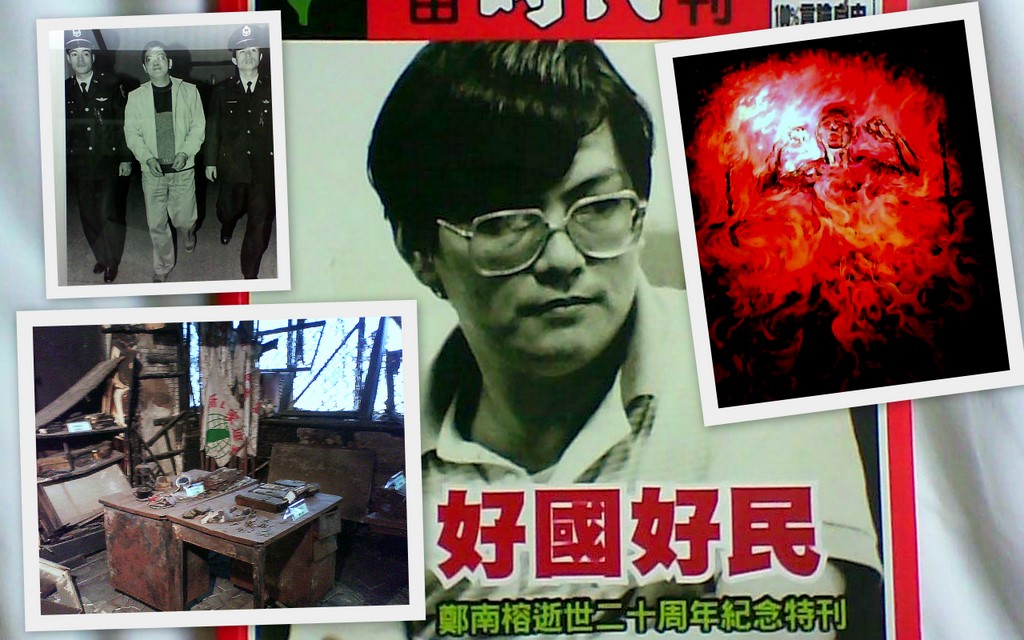
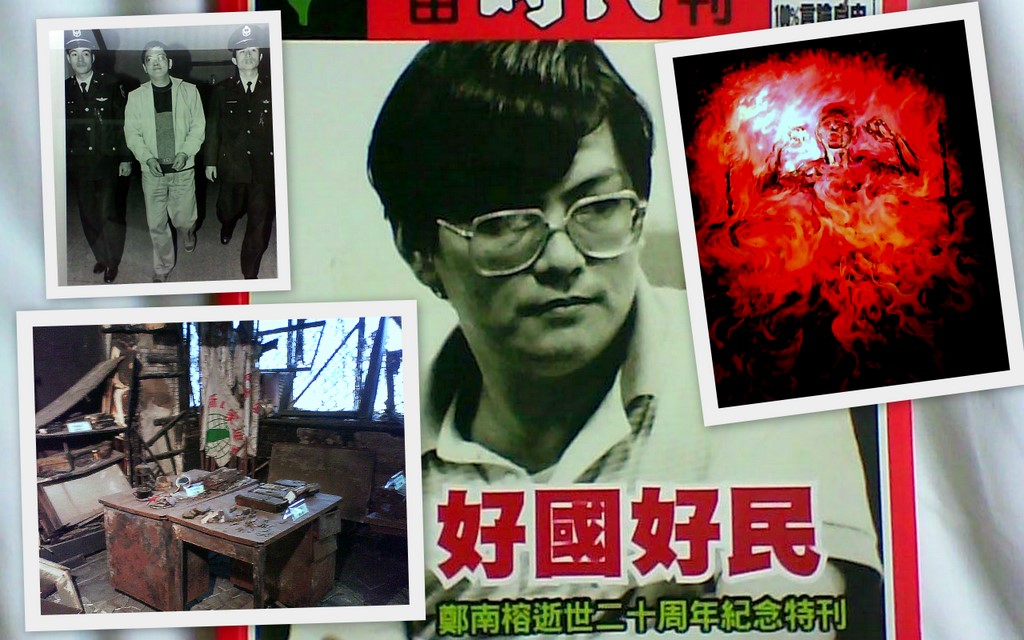
Pressure from China, restrictive legislation and self-censorship among Taiwanese youth have emerged as threats to freedom of speech in Taiwan, according to Nylon Cheng Liberty Foundation director Cheng Tsing-hua. He made his comments on Taiwan's Free Speech Day, April 7, which commemorates the day in 1989 that his brother Cheng Nan-jung, a young democracy advocate under the one-party dictatorship of the Kuomintang, self-immolated as a protest against government restrictions on freedom of expression. Cheng's observations are sobering, as Taiwan has emerged as a last bastion of free speech in the Chinese-speaking world with the closing of political space in Hong Kong. (Image montage from Nylon Cheng Liberty Foundation via FathomTaiwan)

Africa
Somaliland

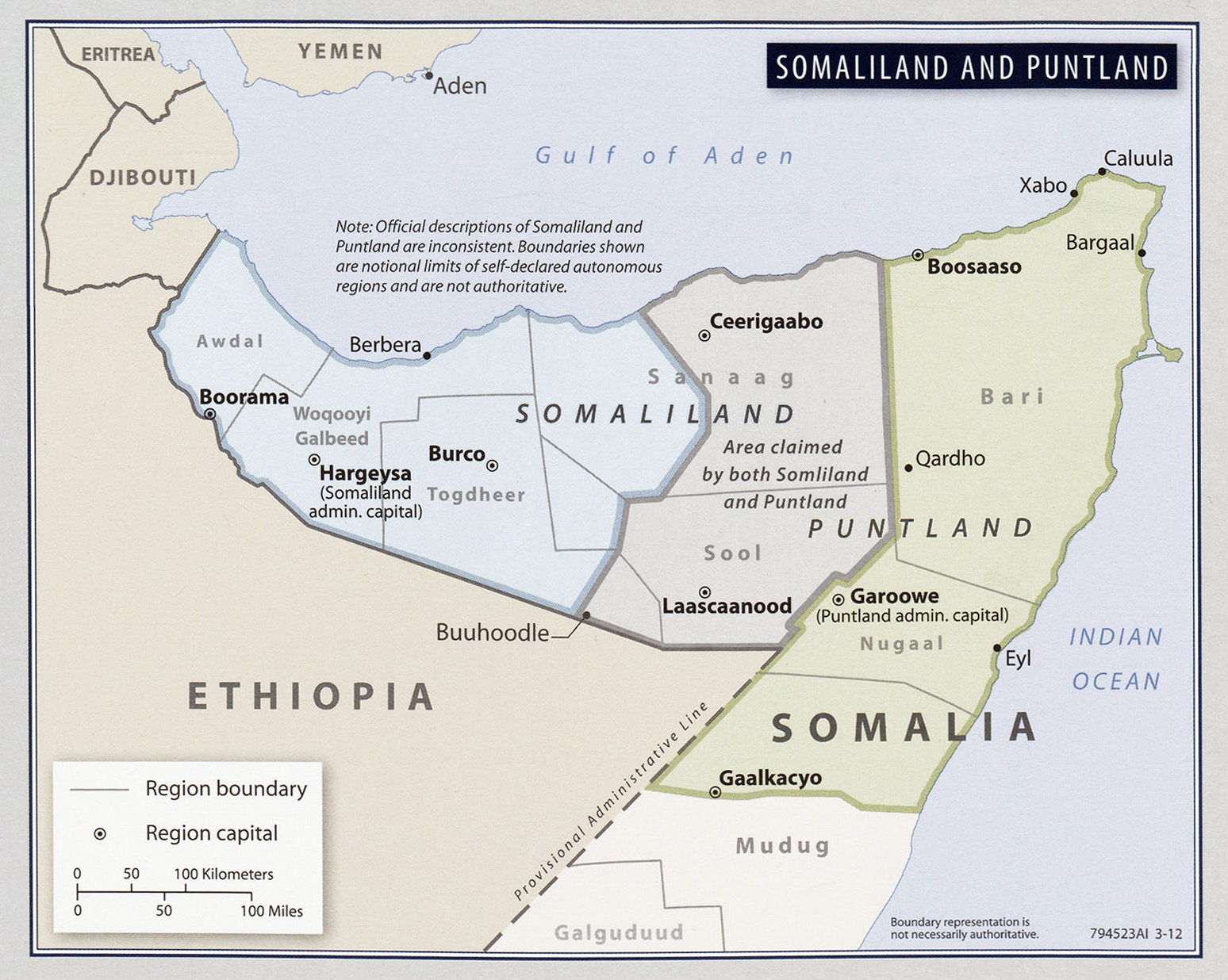
Somaliland at issue in UAE-Mogadishu rift

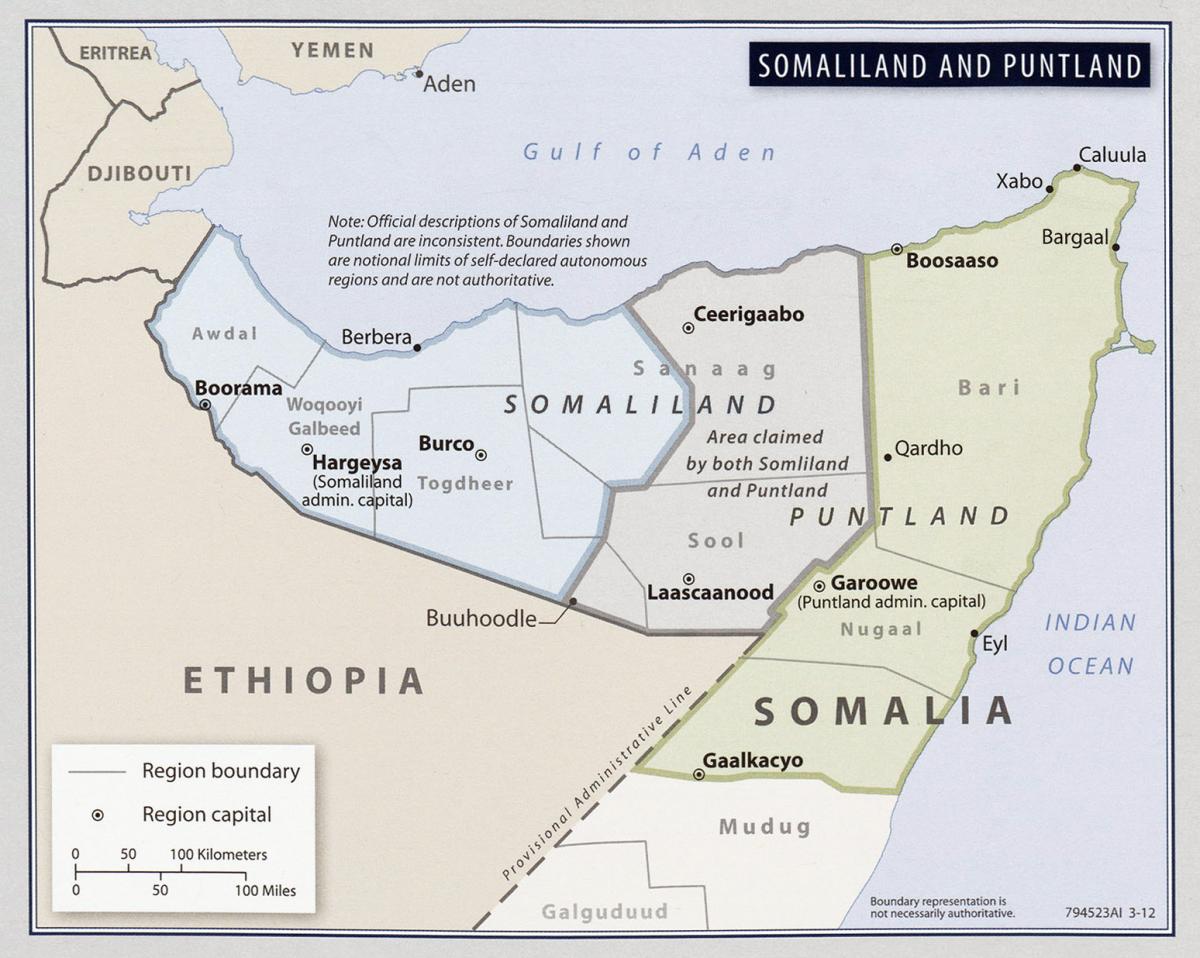
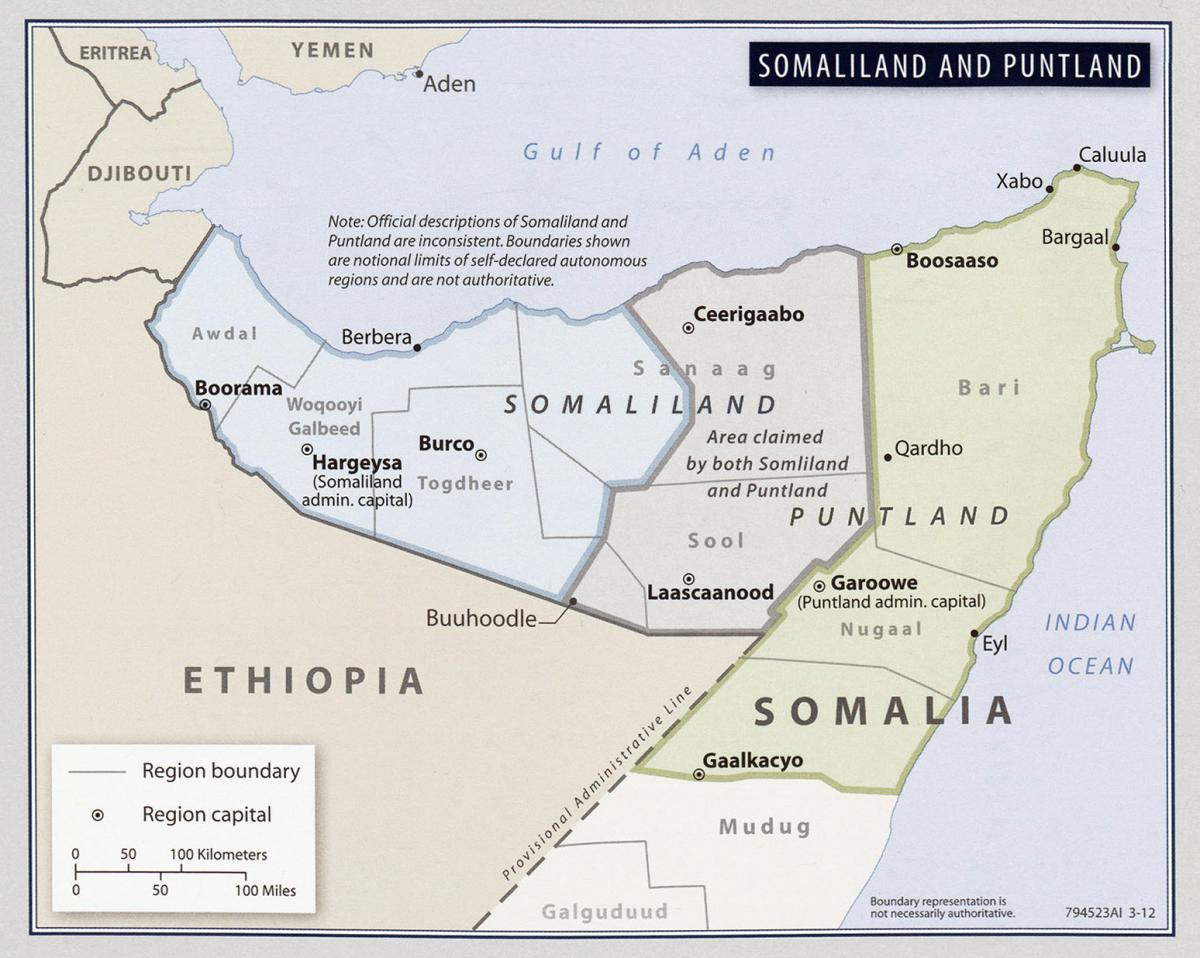
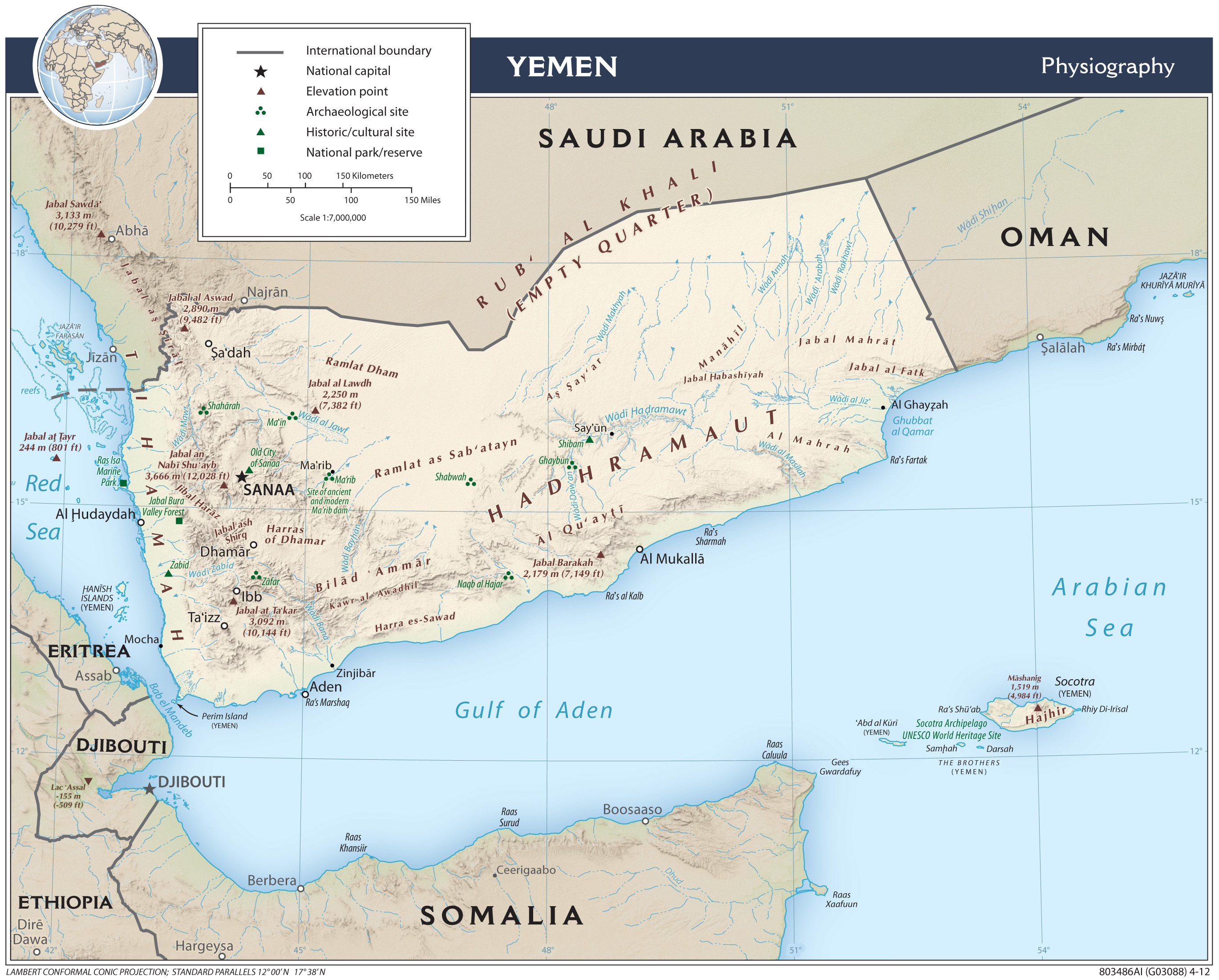
The United Arab Emirates announced that it is ending its military training program in Somalia, as the governments of Abu Dhabi and Mogadishu trade charges back and forth. Tensions between the two governments have been on the rise over Emirati plans to build a military base in Somaliland, the self-declared republic that is effectively independent from Mogadishu. The UAE has trained hundreds of troops since 2014 for the weak and fractious Mogadishu government. But Mogadishu sees establishment of a foreign base at Somaliland's port of Berbera as a move toward recognition of the breakaway republic, calling it a "clear violation of international law." (Map: Somalia Country Profile)

Iran

Iran: poet tortured in Ahwazi protest crackdown

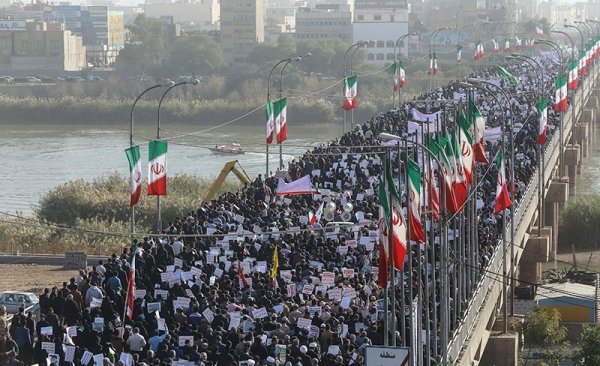
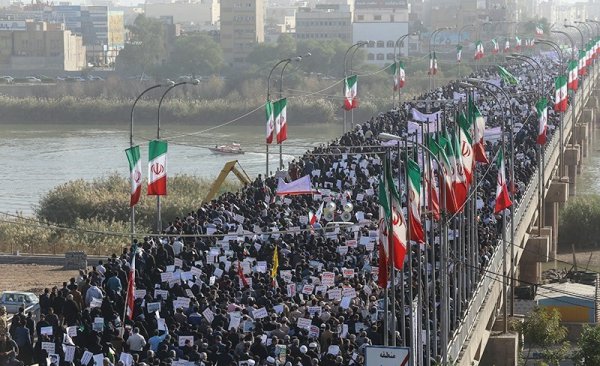
Abdul-Al Duraqi, a poet and activist from the Ahwazi Arab minority in Iran, arrested during the most recent protests in the city of Ahwaz (Khuzestan province), has been hospitalized after torture sessions at the hands of his interrogators. Family members told the Ahwaz Human Rights Organization (AHRO) that Duraqi was transferred to hospital due to deterioration in his physical condition after severe torture. Duraqi is revered in his community for keeping alive an Ahwazi literary tradition in the Arabic language. Nearly 400 have been arrested in protests in Ahwaz over the past month. AHRO charges that the detained are being denied their due process rights. (Photo via UNPO)

Southeast Asia

Indigenous environmental activist killed in Burma

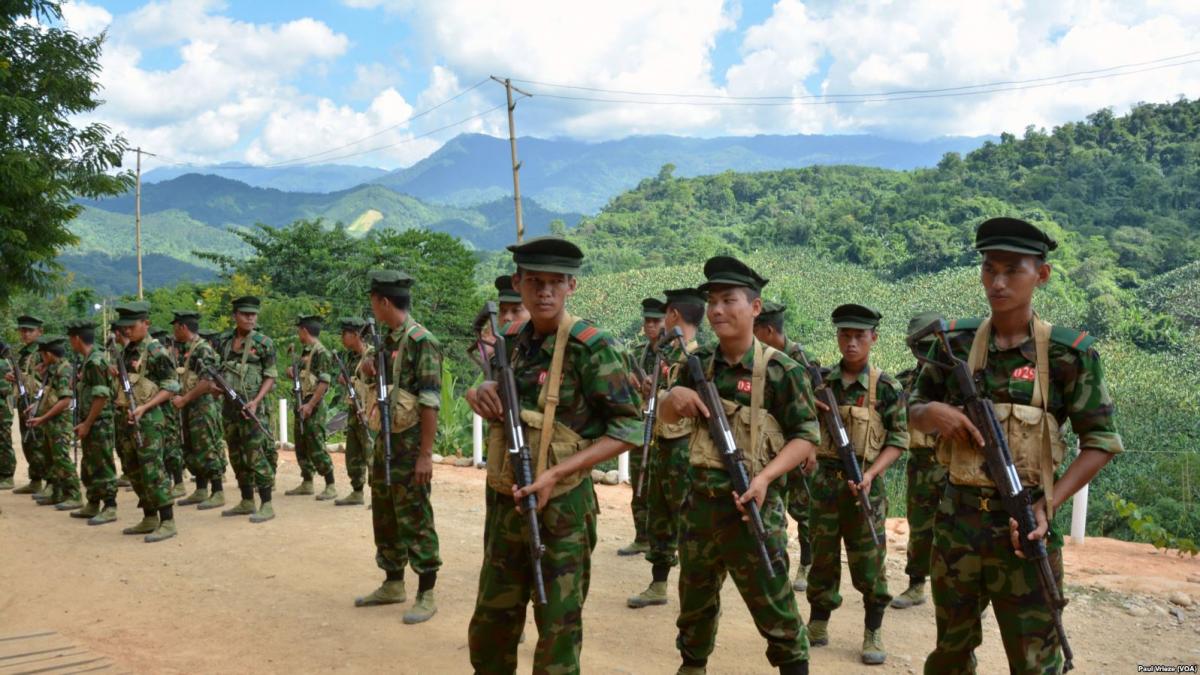
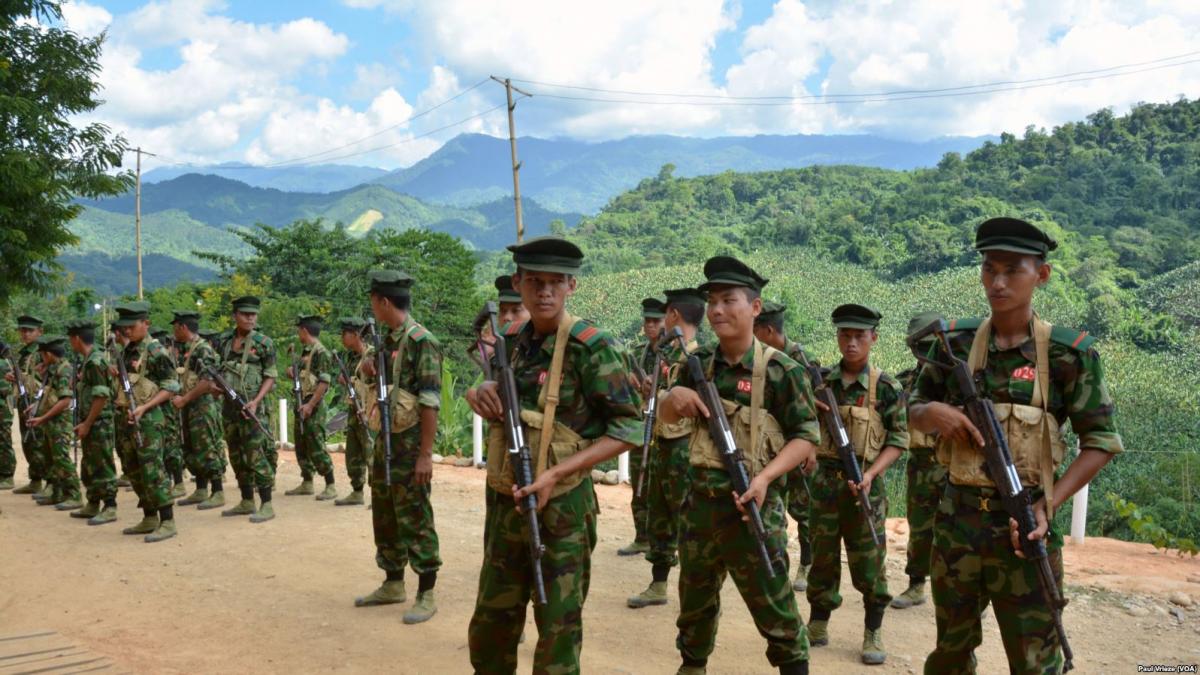
Indigenous and environmental activist Saw O Moo is reported killed in Burma's conflicted Karen State. According to the Karen Environmental and Social Action Network (KESAN), Saw O Moo was killed in an ambush by Burmese army soldiers while returning home from a community meeting to help organize humanitarian aid for villagers displaced by renewed hostilities between the military and the Karen National Liberation Army (KNLA). Saw O Moo was one of the most active local community leaders pushing for the creation of the Salween Peace Park, a proposed 5,400-square-kilometer protected area to be overseen by indigenous peoples. “We will never forget his dedication in the ongoing struggle to build peace and protect ancestral lands,” KESAN said in a statement. (Photo: Burma Link)

Southern Cone

‘Lost kingdom’ of Patagonia stands up for Mapuche

The exiled Royal House of the Kingdom of Araucania and Patagonia elected Prince Frederic Luz as the new monarch—claiming dominion over a large area of Chile in the name of the region's Mapuche indigenous inhabitants. Although now dispersed in Britain and France, the Royal House traces its origin to 1860, when Orélie de Tounens was recognized as king by the Mapuche, on his pledge to help them resist Chilean encroachment on their unceded territory. In the 1870s, the territory was finally taken in a genocidal campaign by the Chilean military. De Tounens returned to Europe and campaigned for international recognition of his exiled government. The Royal House still advocates for the rights and sovereignty of the Mapuche today. (Photo: North American Araucanian Royalist Society via CraigsList Philadelphia)

Syria

Fall of Afrin: Kurds pledge to fight on

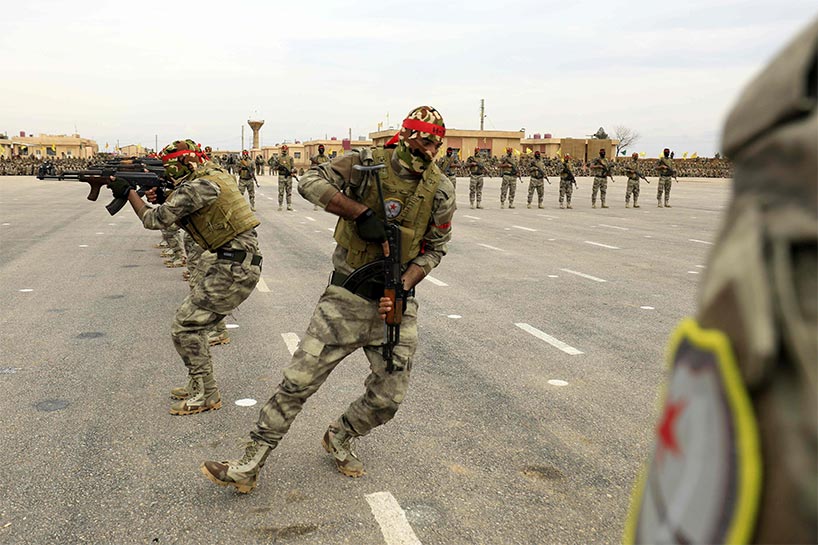
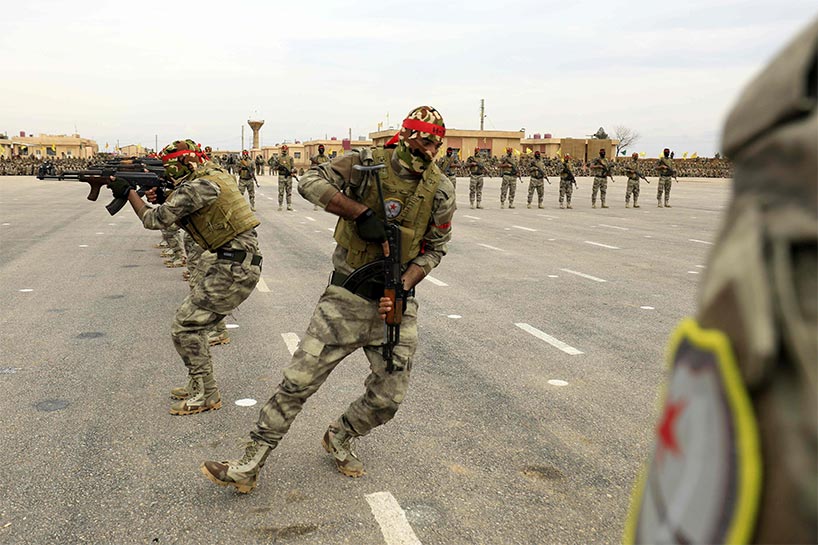
Turkish forces and allied Syrian rebels announced they have seized “full control” of Afrin, following a two-month offensive against the Kurdish YPG militia in the northern Syrian town and surrounding enclave. The UN Humanitarian Coordinator in Syria said Afrin is “occupied” and protested that Turkey and its rebel allies have sealed it off. Rights organizations have expressed grave concern for the security of the enclave’s Kuridish residents. The YPG pledged to continue resistance, as Ankara is now poised to take its offensive to the rest of Rojava, the Kurdish autonomous zone in northern Syria. (Photo: BasNews)

East Asia

Podcast: Xi Jinping’s totalitarian capitalism

In Episode Five of the CounterVortex podcast, Bill Weinberg makes the case that despite the official ideology of "socialism with Chinese characteristics" and the revival of rhetoric and imagery from the Mao era, media commentators are off base in their comparison of Xi Jinping and Mao Zedong. The new personalistic dictatorship of Xi is appropriating the outward forms of Maoism, but whereas the Great Helmsman used totalitarian methods to advance socialism (at least in terms of his own intentions) Xi is doing so to further entrench China's savage capitalist system. As a part of the same constitutional changes that have installed Xi as the new "paramount leader," the Chinese Communist Party is imposing further market liberalization and "supply-side" economic reform. The New Cold War between the US and China is simply a rivalry between capitalist powers. But in the global divide-and-conquer game, the leaders of oppressed nationalities within China such as the Tibetans and Uighurs look to the US and the West as allies, while left-populist governments in Latin America such as Venezuela and Bolivia similarly look to China. How can we respond to these developments in a way that builds solidarity between peasants, workers and indigenous peoples across the geopolitical divide? Listen on SoundCloud, and support our podcast via Patreon
(Photo: chinaworker.info)

The Andes

Colombia: will ‘peace’ escalate resource wars?

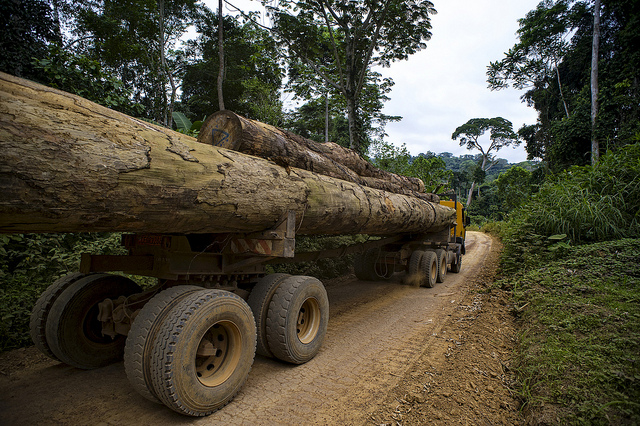
Colombian authorities are clearly hoping that a return to stability following the peace pact with the FARC rebels will mean more international investment, and especially for the resource sector. But hydro-electric, fracking and mineral projects across the country are already meeting with peasant resistance—prompting state security forces to respond with repression.

The Andes

Colombia: rural violence persists despite ‘peace’

Colombia's peace process continues to advance, with institutional mechanisms for a post-war order falling into place. But violence in the countryside across Colombia remains at an alarming level, as social leaders are targeted for assassination by paramilitary factions. The ELN guerilla organization—which, unlike the FARC, remains in arms—released a statement noting that January had seen an assassination every day across the country, and charged that rightist paramilitary networks are carrying out a "systematic genocide."

Planet Watch

Podcast: The countervortex of global resistance

Journalist Dan Young speaks with CounterVortex editor Bill Weinberg in an interview for Northern California's KNYO. They discuss the prospects for resisting the global vortex of ecological collapse, totalitarianism and permanent war—and supporting indigenous and autonomy struggles, popular democracy, and peace initiatives. Weinberg traces his own political evolution through the Cold War endgame of the Reagan era, the Lower East Side squatter scene, the Zapatista rebellion in Chiapas, 9-11 and the "Global War on Terrorism," to the Arab Revolution, the Syrian war and the current dilemma. The discussion touches on the abysmal politics of the contemporary American left, the urgent need for international solidarity across the Great Power "spheres of influence," the contradictions and challenges posed by digital technology, and the possibilities for a decent future for humanity on Planet Earth.

Iraq

Armenia recognizes Yazidi genocide

Waheed Mandoo Hammo, prime minister of Ezidikhan, the self-declared autonomous homeland of the Yazidi people in northern Iraq, issued a statement expressing his nation's appreciation and gratitude in a letter to Armenia's Prime Minister Karen Karapetyan after the Armenian National Assembly approved a resolution recognizing the Yazidi Genocide of 2014. Armenia is the first UN member state to formally recognize as genocide the mass killings and enslavement of Yazidis by "Islamic State" forces after their seizure of the Sinjar area in August 2014. Hammo's statement recalled the sheltering of Armenian refugees by the Yazidis during the Armenian Genocide of 1915 to 1917. (Photo: Istanbul march commemorating second anniversary of Yazidi Genocide, August 2016, via VOA)

Syria

Turkey attacks Afrin, Great Powers capitulate

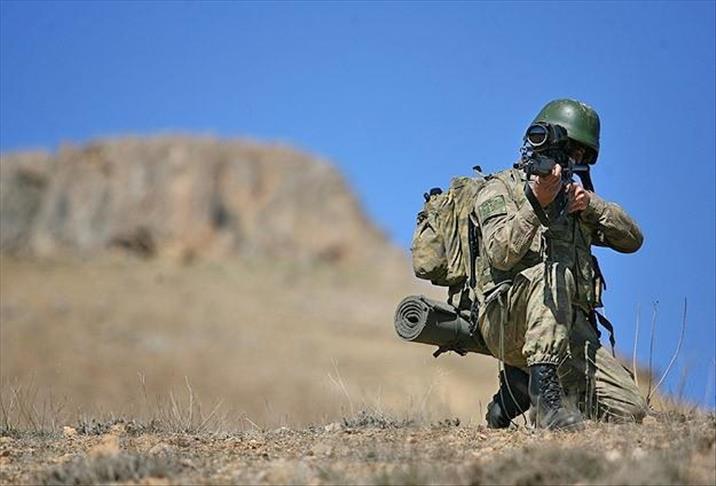
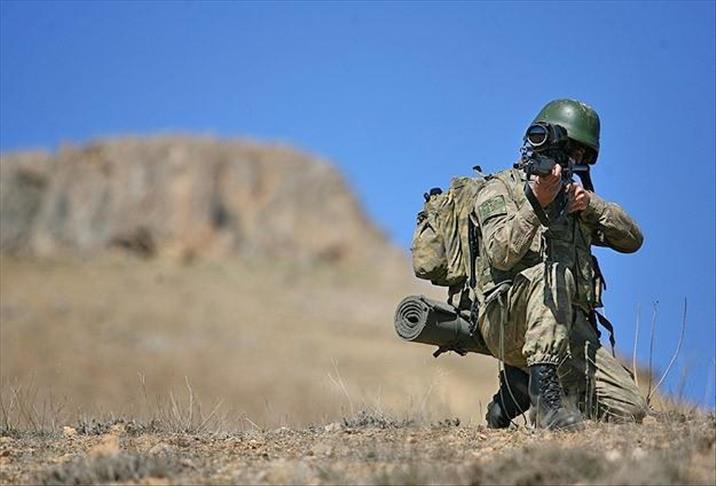
Turkish forces, backed by allied factions of the Free Syrian Army, are pursuing their offensive on the Kurdish-held enclave of Afrin, and have captured a number of villages—despite stiff resistance from the Kurdish YPG militia. Turkish air-strikes are making the critical difference, and are taking the predictable toll in civilian casualties. In Ankara, President Recep Tayyip Erdogan said he would not “step back” in the assault, and claimed to have the support of the Great Powers—including both Russia, which supposedly had troops backing the YPG in Afrin, and the US, which has been backing the YPG against ISIS as part of the Pentagon-directed Syrian Democratic Forces. (Photo: Kurdish militia figher at Afrin, via ANF)