Central America
Nunca Más

UN experts press Nicaragua on fate of ‘disappeared’

United Nations human rights experts called on Nicaraguan President Daniel Ortega’s government to clarify the fate and whereabouts of more than 120 individuals who appear to have been forcibly disappeared after the violent suppression of anti-government protests in 2018. The experts also urged the state to cease using arbitrary detention and enforced disappearance as tools of political repression. The experts said that families’ repeated attempts to locate their loved ones have been met with conflicting information, silence or threats. They documented a pattern in which detainees are held in secret and often denied access to lawyers, medical care or family contact, underscoring that “keeping families in the dark” acts as a mechanism of control. (Image: Nunca Más)

Africa
Chad

Chad: dynastic dictatorship consolidating

Human Rights Watch condemned the adoption of a constitutional reform in Chad, stating that it could pose a significant setback to democracy and the rule of law by empowering current President Mahamat Idriss Déby to remain in power for generations to come. The minimal number of opposition lawmakers present boycotted the vote, describing it as in contravention of the constitution. Déby inherited his late father President Idriss Déby Itno’s position after his 30-year rule marked by corruption and violence, and tensions are high amid concerns about the emergence of a political dynasty. (Photo: VOA via Wikimedia Commons)

North Africa
Libya

Italy urged to revoke migration pact with Libya

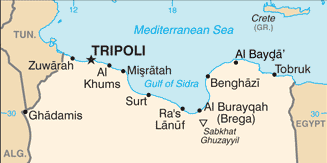
Human Rights Watch called on Italy to end its migration cooperation agreement with Libya, saying the arrangement “has proven to be a framework for violence and suffering, and should be revoked, not renewed.” The Memorandum of Understanding (MoU) between the countries, first signed in February 2017, was part of Italy’s strategy to tighten border control. Under the agreement, Italy has provided technical, logistical and financial support the Libyan Coast Guard, enabling the force to intercept tens of thousands of people at sea and return them to Libya. However, NGOs have documented how intercepted refugees and asylum seekers are routinely detained in inhumane conditions, where they face torture and other degrading treatment. The MoU is up for renewal next month. (Map: Perry-Castañeda Library)

Africa
Ivory Coast

Côte d’Ivoire elections in atmosphere of repression

Amnesty International called on Côte d’Ivoire authorities to end the repression of peaceful protests ahead of the upcoming presidential elections, following the dispersal of a demonstration by security forces in Abidjan and the arrest of 255 individuals. The Ivorian government’s ban on peaceful assemblies is part of a broader set of measures announced by the National Security Council ahead of the elections later this month. Protesters have repeatedly attempted to defy the ban after the Electoral Commission barred two opposition candidates from running in the race. (Image: David Peterson/Pixabay)

Europe
Swan Lake

‘Swan Lake’ anti-Putin protest in St Petersburg

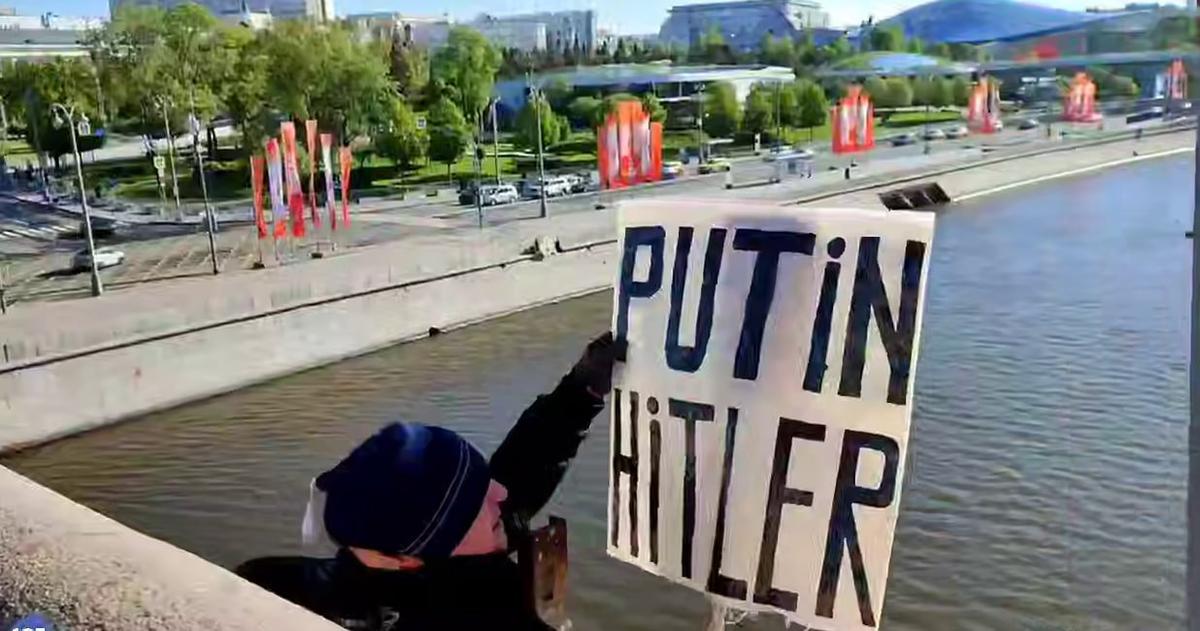
Hundreds of young Russians gathered in a square in the center of St. Petersburg to defy censorship by performing a banned song that calls (in barely veiled terms) for the overthrow of Vladimir Putin. The crowd converged on the city’s iconic Palace Square to sing “Swan Lake Cooperative” by exiled rapper Noize MC, which was outlawed in May when judicial authorities labeled it “extremist.” The song title refers to the practice in Soviet times of suspending all regular TV and radio broadcasts to play Tchaikovsky’s ballet “Swan Lake” continuously whenever the old leader died or was deposed and the transition to a new one was underway. The lyrics go: “The old man still clings to his throne… When the czar dies, we’ll dance again, ‘Swan Lake’ on every screen… I want to watch the ballet… Let the old man shake in fear…” (Photo: Kanal13)

The Andes
Lima

Peru: new government prepares security crackdown

Peru’s Congress voted unanimously to remove President Dina Boluarte from office for “moral incapacity,” replacing her with congressional leader José Jerí. Once in office, Jerí quickly appointed as head of the Interior Ministry the former commander of the Peruvian National Police (PNP), Vicente Tiburcio Orbezo. Tiburcio has had a long career fighting organized crime and armed insurgents, having been part of the team within the PNP’s Special Intelligence Group (GEIN) that carried out the arrest of Shining Path leader Abimael Guzmán in 1992. He subsequently served in campaigns against both the Shining Path and Túpac Amaru Revolutionary Movement (MRTA). He was chosen by Jerí with a mission of addressing the crisis of “citizen security” in Peru. (Photo: Wikipedia)

Afghanistan
Durand

Fighting breaks out along Durand Line

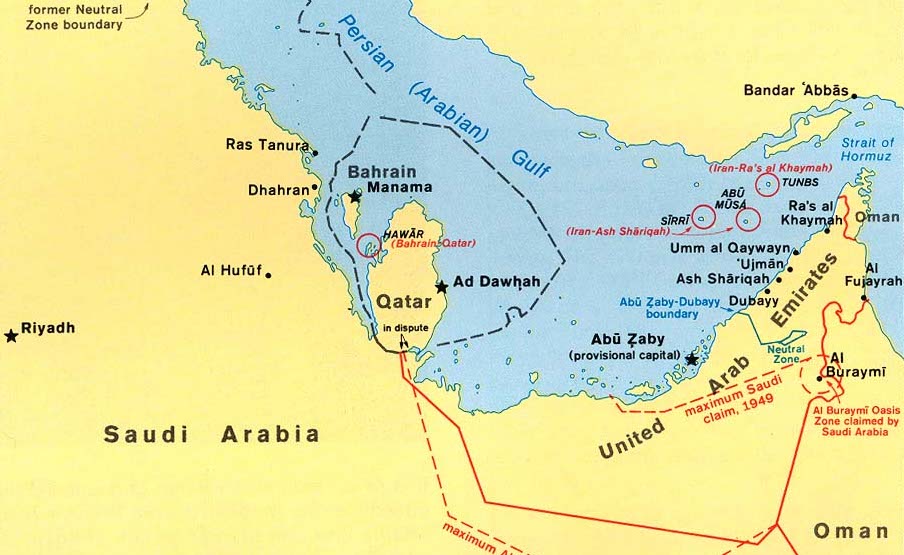
According to reports in Pakistan’s media, the Afghan Taliban and affiliated militants launched an attack from the Afghan side of the border, killing at least 23 Pakistani troops and injuring some 30 others. Pakistan’s Foreign Minister Ishaq Dar stated that troops responded to cross-border raids by “Fitna-e-Khawarij and Fitna-e-Hindustan terrorist elements.” This appears to be a reference to the Tehrik-i-Taliban Pakistan (TTP), which Islamabad accuses the Afghan Taliban of providing sanctuary to. In contrast, a statement from Hamdullah Fitrat, spokesman for the Islamic Emirate of Afghanistan, said that conditions on the “imaginary line” with Pakistan are under control. Relations between Pakistan and Afghanistan have been fraught with tension, especially around the disputed Durand Line border. Established in 1893 between British India and Afghanistan, this border has never been officially recognized by any Afghan government since the partition of India in 1947, leading to a persistent territorial dispute. (Map: Google)

South Asia
Muzaffarabad

Unrest erupts in Azad Kashmir

The politically volatile region of Pakistan-administered Azad Jammu Kashmir has once again plunged into a crisis of civil unrest. Local protests over government plans to drop subsidies for wheat and electricity rapidly transformed into a broader movement demanding comprehensive reform and regional economic relief. The demonstrations have pressured the government into negotiations and legal concessions, after initial harsh repression only further fueled public dissent. (Photo of Muzaffarabad via Wikimedia Commons)

North Africa
Tunis

Tunisia: activist gets death sentence for Facebook post

Human Rights Watch (HRW) released a statement condemning the Tunisian justice system for sentencing a man to death for Facebook posts dissenting from government actions. Saber Ben Chouchane was sentenced for posting pictures of himself at recent protests, and statements calling for citizens to take to the streets to demand the release of political prisoners on the upcoming anniversary of the Tunisian revolution of January 2011. HRW called for the Tunisian government to “stop detaining and prosecuting people solely for exercising their right of expression.” (Image: Grunge Love)

Planet Watch
Wiphala

Bolivia, Syria & the challenge of plurinationalism

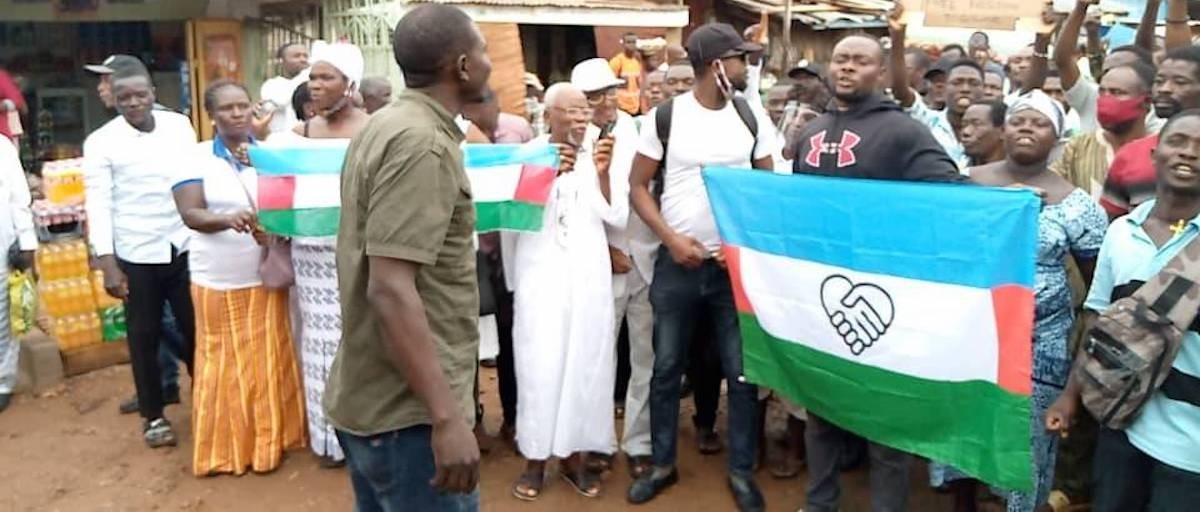
The recent political reversal in Bolivia raises the question of whether the advances of nearly 20 years of rule by the indigenist left will survive—including a constitution that refounded the state as a “plurinational” republic. In Episode 299 of the CounterVortex podcast, Bill Weinberg explores how the lessons of the Bolivian experience can be applied to Syria, where the new revolutionary government faces a challenge in Kurdish and Druze demands for regional autonomy. (Photo: Aymara march in Oruro, Bolivia. Via Wikipedia)

Africa
deportees

West Africans deported by US sue Ghana government

Eleven individuals deported from the US to Ghana filed a lawsuit against the Ghana government, charging that they were illegally held in a military detention camp. The legal action reflects the chaotic fallout following the deportations, which have resulted in deportees being scattered and “dumped” into neighboring African countries. The deportees are of multiple West African nationalities, none of which is Ghanaian. The deportations arose from a “third country deportation” agreement between the US and Ghana earlier this year. Ghana’s parliamentary minority bloc has now called for its suspension, as leaders claim the government entered into the agreement without proper legislative approval. (Photo: Venezuelan deportees in Honduras. Credit: ICE via Wikimedia Commons)