

Europe

EU action against Poland over ‘Russian influence’ law
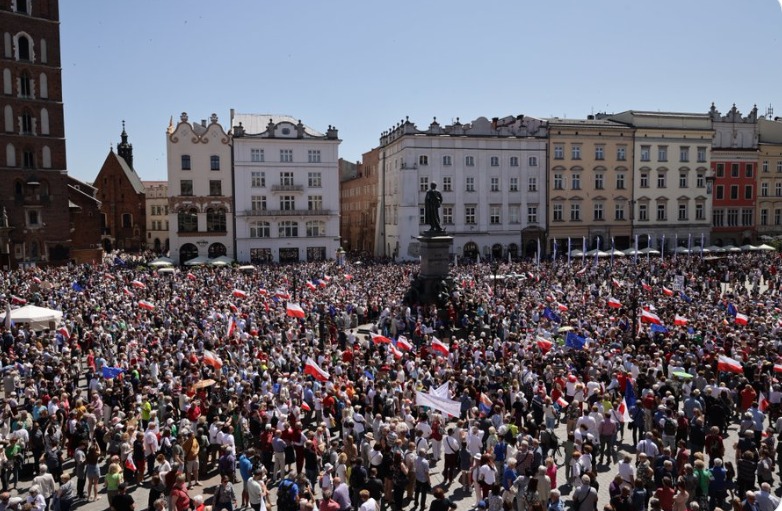
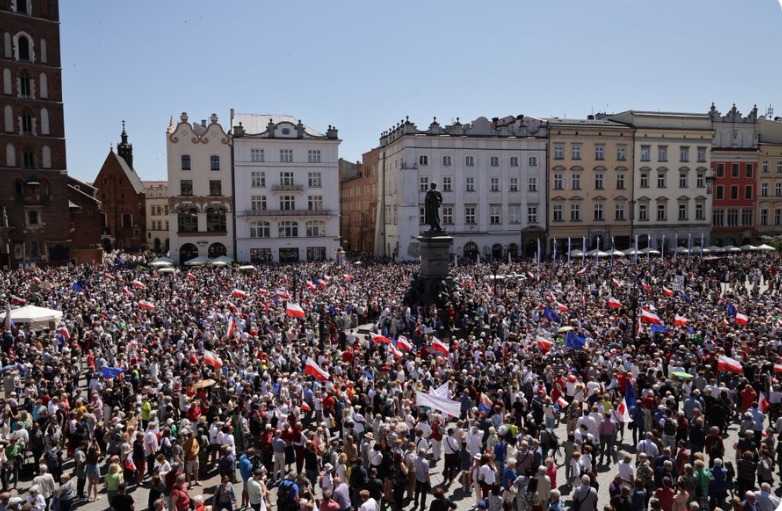
WarsawThe European Commission initiated infringement proceedings against Poland over the country's recently-passed law aimed at officials who have allegedly come under Russian influence. The Commission says that the law "interferes with the democratic process" by potentially subjecting officials running for re-election to high-profile inquiries, effectively barring candidates from public office. The ruling right-wing Law & Justice Party (PiS) is ironically accused by the opposition of emulating Russia in seeking to impose an authoritarian regime through the subterfuge of a "Russian influence" law. Crowds at a massive Warsaw protest against the law waved the EU flag, making clear their antipathy to Russian designs on the continent. (Photo: Germany Today News)


Europe

France: far-right party Kremlin links exposed

Le PenA French parliamentary report leaked to the press asserts that Marine Le Pen's far-right party Rassemblement National knowingly served as a "communication channel" for Kremlin propaganda. Le Pen called the report "sectarian, dishonest and politicized"—despite the fact that it was Le Pen herself who demanded an investigation into foreign interference in French politics. Le Pen has long been openly supportive of the Kremlin. In 2014, when Russia invaded Crimea, Le Pen insisted that Moscow's annexation of the territory was not illegal. Her party, previously named the National Front, is known for extreme anti-immigrant, anti-Semitic, Islamophobic and anti-EU stances. As such, French banks are hesitant to give the party loans for campaigns. Le Pen instead obtained loans from a Russian bank in 2014, and more recently from Hungary's state bank in 2022. (Photo: gregroose/Pixabay via Jurist)

Europe

Kakhovka: ‘ecocide’ as war crime in Ukraine

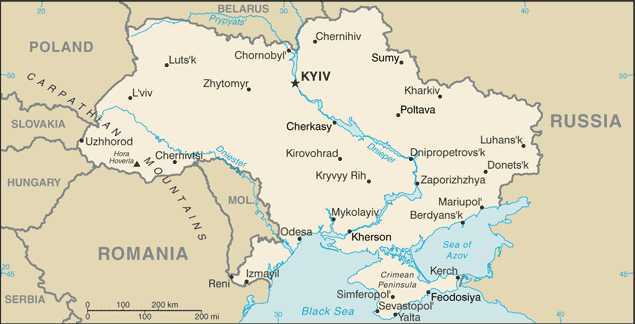
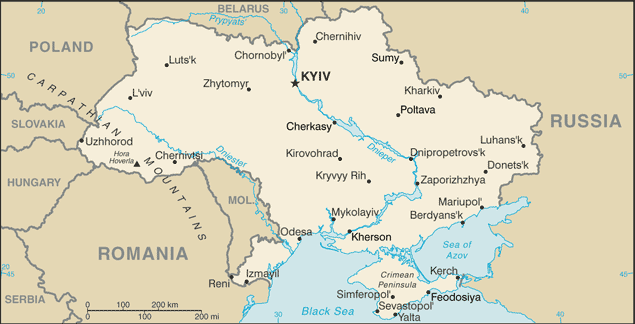
UkraineIn Episode 177 of the CounterVortex podcast, Bill Weinberg examines the unfolding Kakhovka dam disaster in Ukraine, an evident design by Russia to forestall a Ukrainian counter-offensive into the occupied southeast of the country. Massive flooding has been unleashed downstream, imperiling some of the world's most important farmland. Upstream, coolant water to the Zaporizhzhia power plant is threatened, escalating Russia's "reckless nuclear gamble" at the facility. It is true that the disaster gravely impacts much Russian-held territory, including the Crimea Peninsula. However, despite Moscow's official denials of responsibility, Russia's online internal propaganda organs are bragging about it. The Wagner Group mercenary outfit calls the disaster "beautiful" and boasts that the destruction of dams on the Dnipro River is a "trump card" against Ukraine. The cataclysm on the Dnipro provides a grim test case as the International Criminal Court moves to adopt "ecocide" as a recognized international crime. Listen on SoundCloud or via Patreon. (Map: PCL)

East Asia

Macau national security law threatens free speech

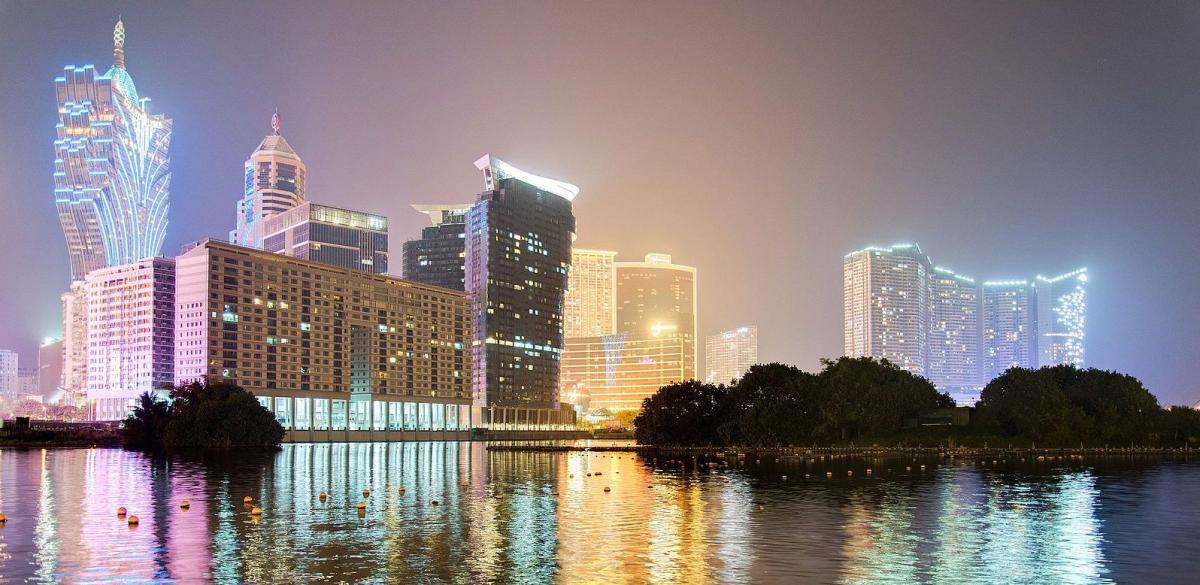
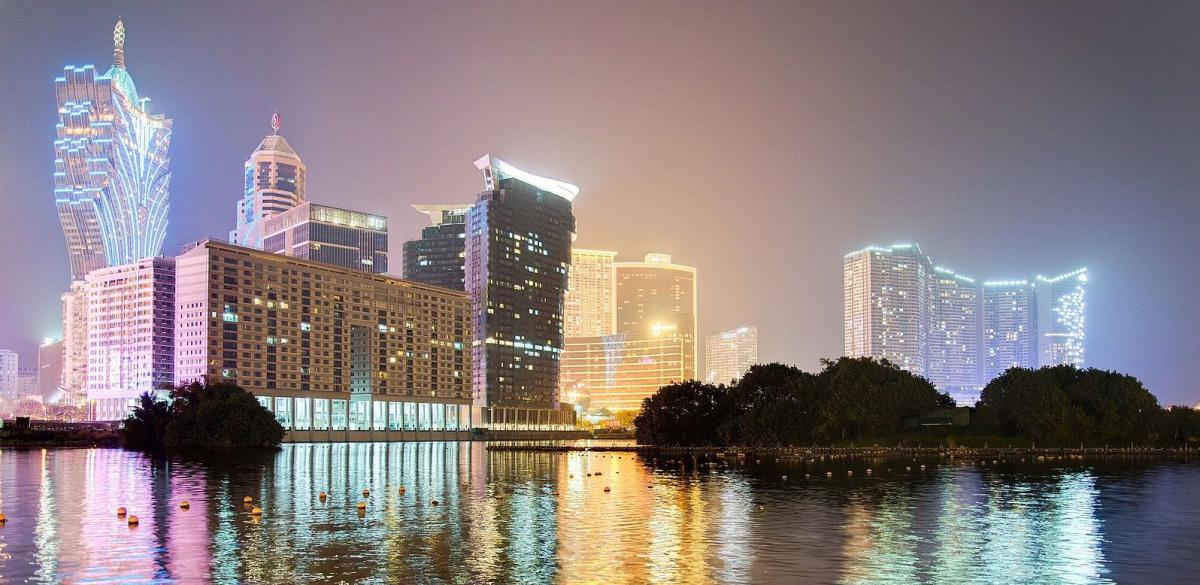
MacauReporters Without Borders denounced Macau's expansion of its national security law, saying the revision "increases the pressure on journalists and further threatens…residents' right to information." The Macau Special Administrative Region's National Security Law, first passed in 2009, defines seven crimes that can result in a maximum sentence of up to 25 years' imprisonment. Under the revised rules, these crimes have been expanded far beyond their previous definitions. For example, "subversion" and "secession" now extend to non-violent acts, while "sedition" includes "acts that incite participation in riots." Additionally, the law now applies to "any individual" who is suspected of undermining China's national security. This applies regardless of the territory in which the acts occur, and regardless of the individual's nationality—meaning that Macau law enforcement will have authority to pursue suspected violations extraterritorially. (Photo: kewl.lu via Wikimedia Commons)

The Amazon

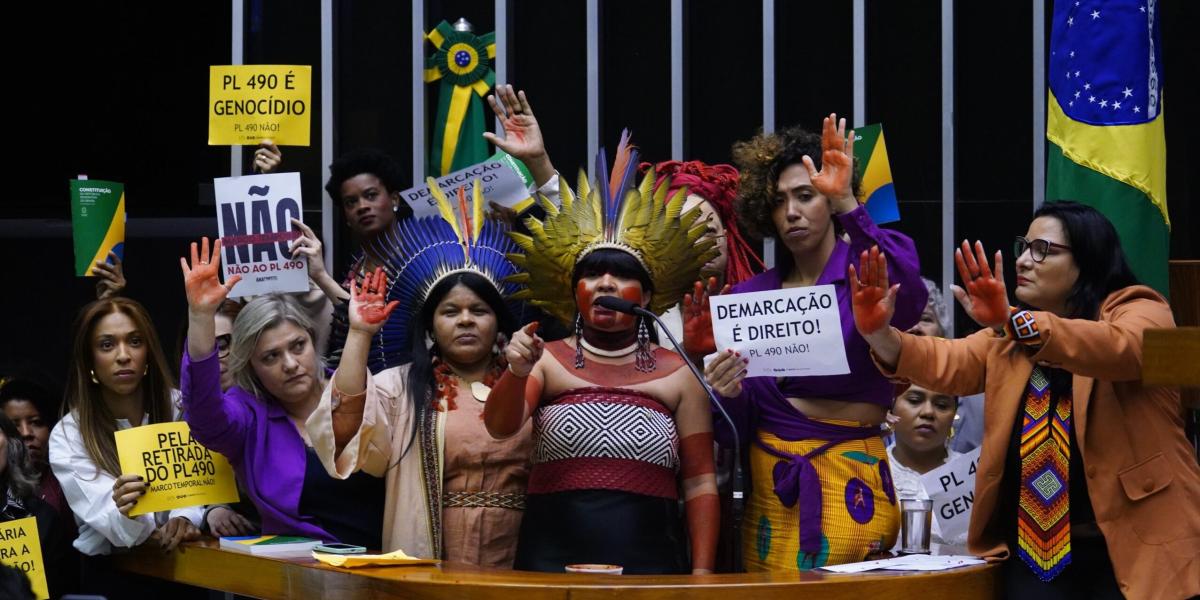
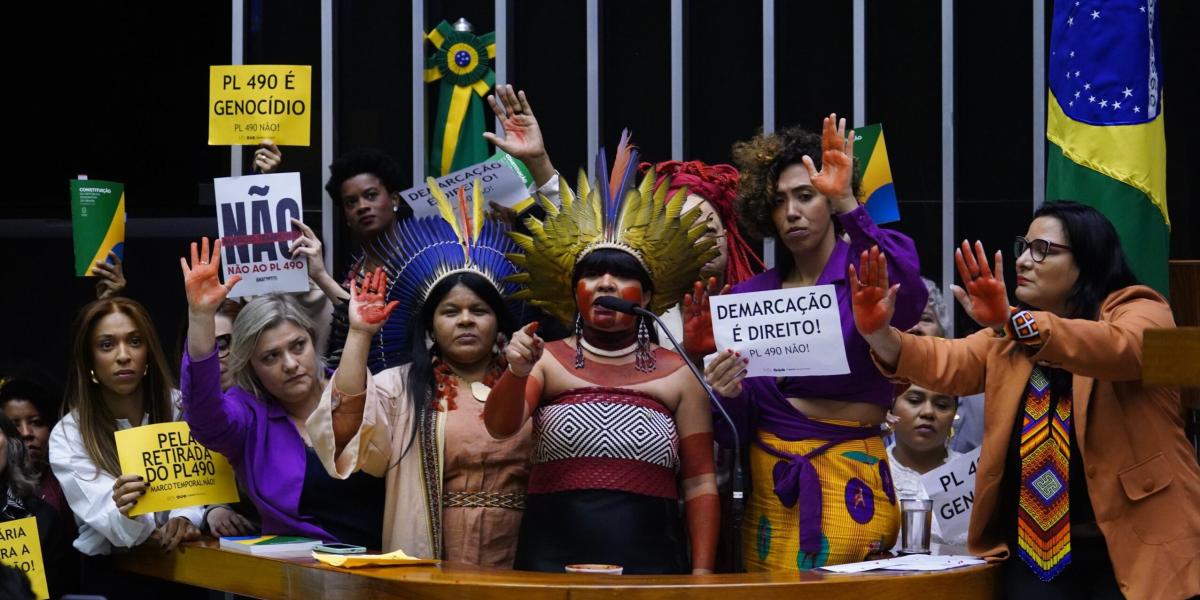
Brazil: anti-indigenous laws advance in congress

BrazilThe Brazilian Congress has approved two measures that undermine indigenous land rights and clash with the environmental policy of the new President Luiz Inácio da Silva. First, the Lower House voted in favor of a bill that limits the demarcation of indigenous territories to lands that native peoples can prove they physically occupied when Brazil's current constitution was enacted in 1988. Advocates for indigenous peoples say this marco temporal or "time limit trick" could wipe out scores of legitimate land claims by groups who had already been evicted from their traditional territories before 1988. Then, both houses approved a bill that transfers responsibility for demarcation from the Ministry of Indigenous Peoples to the Ministry of Justice & Public Security. The changes still need the approval of President "Lula" da Silva—although he may face a veto override by Congress. (Photo via Mongabay)

Africa

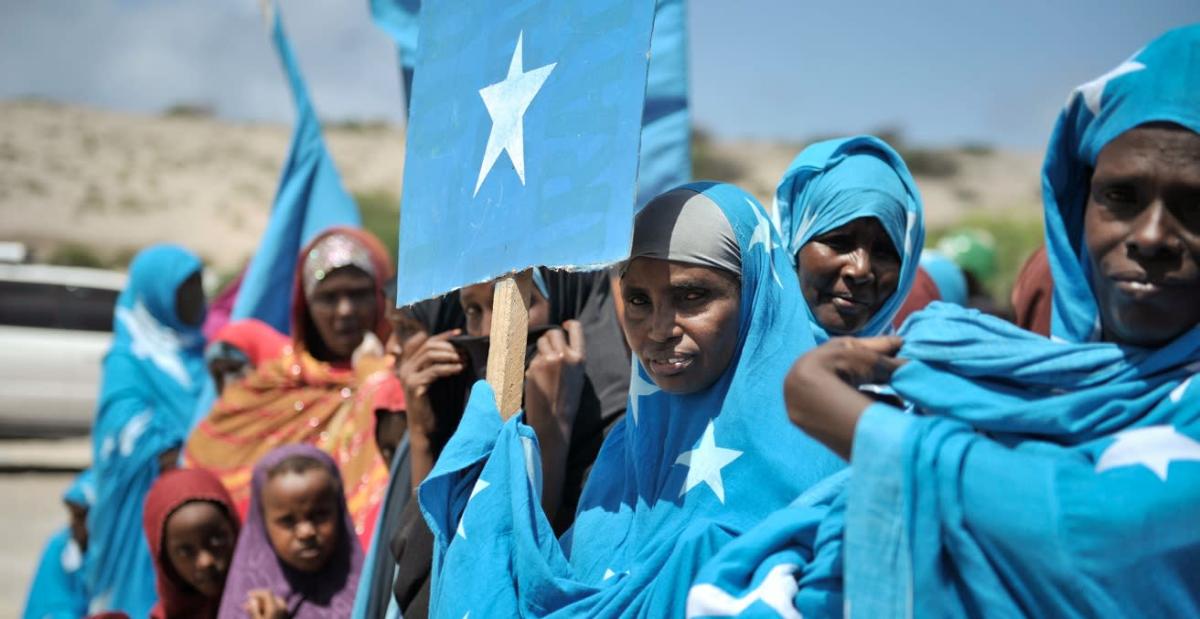
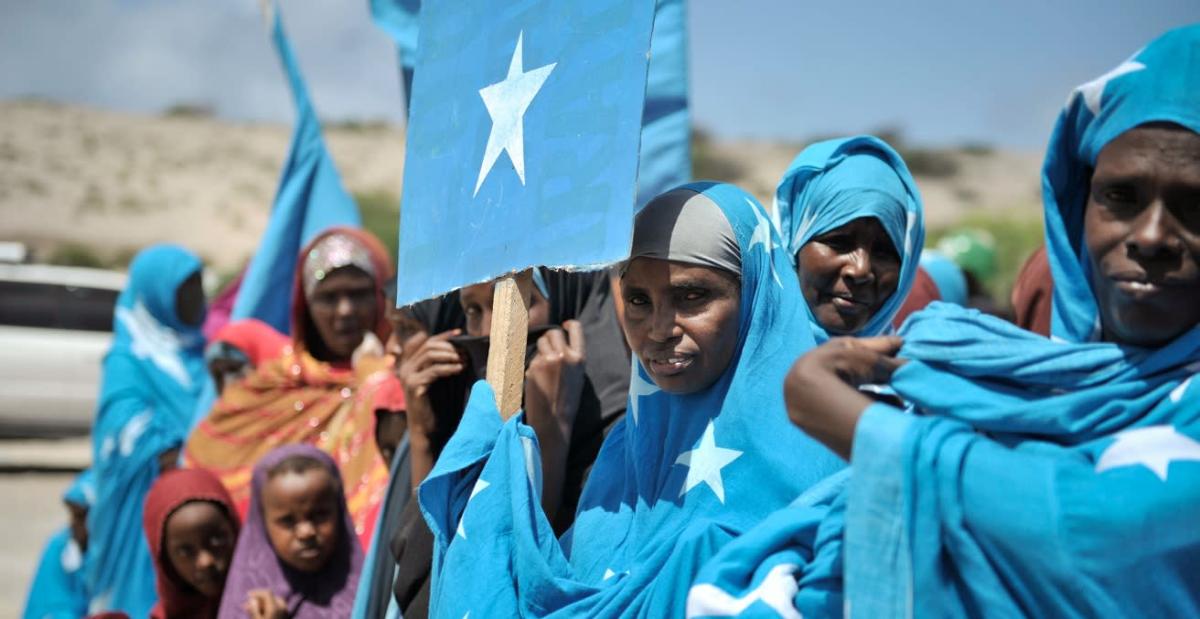
Somalia to get direct universal suffrage —at last

SomaliaSomali officials announced that the country will institute a direct one-person-one-vote democracy by 2024. This comes after years of attempts to implement direct universal suffrage, first mandated by the Somali legislature in 2019, failed due to political divisions and internal conflict. State news agency SONNA called the decision an "historic turning point for the country." This new system will replace Somalia's current electoral process, in which clan elders elect delegates, who in turn elect all other regional and national political leaders. However, only some half of the claimed national territory is under the control of Somalia's official government. Even after significant strides in liberating territories from the Shabaab insurgents, it is unclear if the elections will be held in the autonomous territory of Puntland or the de facto independent Somaliland. (Photo: AMISOM via Wikimedia Commons)

East Asia

Hong Kong: prison hunger strike to remember 6-4

Chow Hang-tungHong Kong police detained at least eight people for allegedly attempting to hold public vigils commemorating the Tiananmen Square massacre. Victoria Park, the site of the massive annual commemoration which is now suspended due to the crackdown in the city since 2020, was meanwhile the scene of a fair promoting unity with China. However, prominent activist Chow Hang-tung, who has been imprisoned since her arrest in 2021 for promoting an "unauthorized" commemoration that year, announced a 34-hour hunger strike—one hour for each year since June 4, 1989, known in China as "6-4." (Image via Twitter)

North America

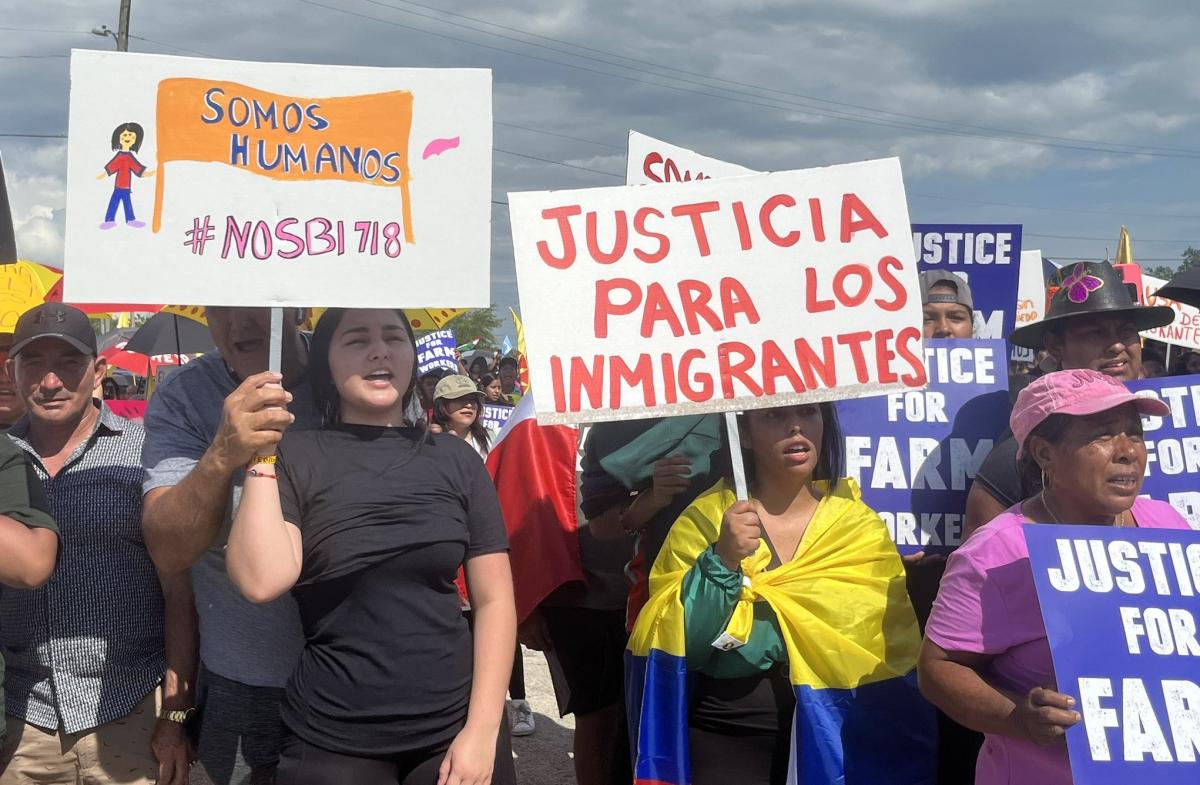
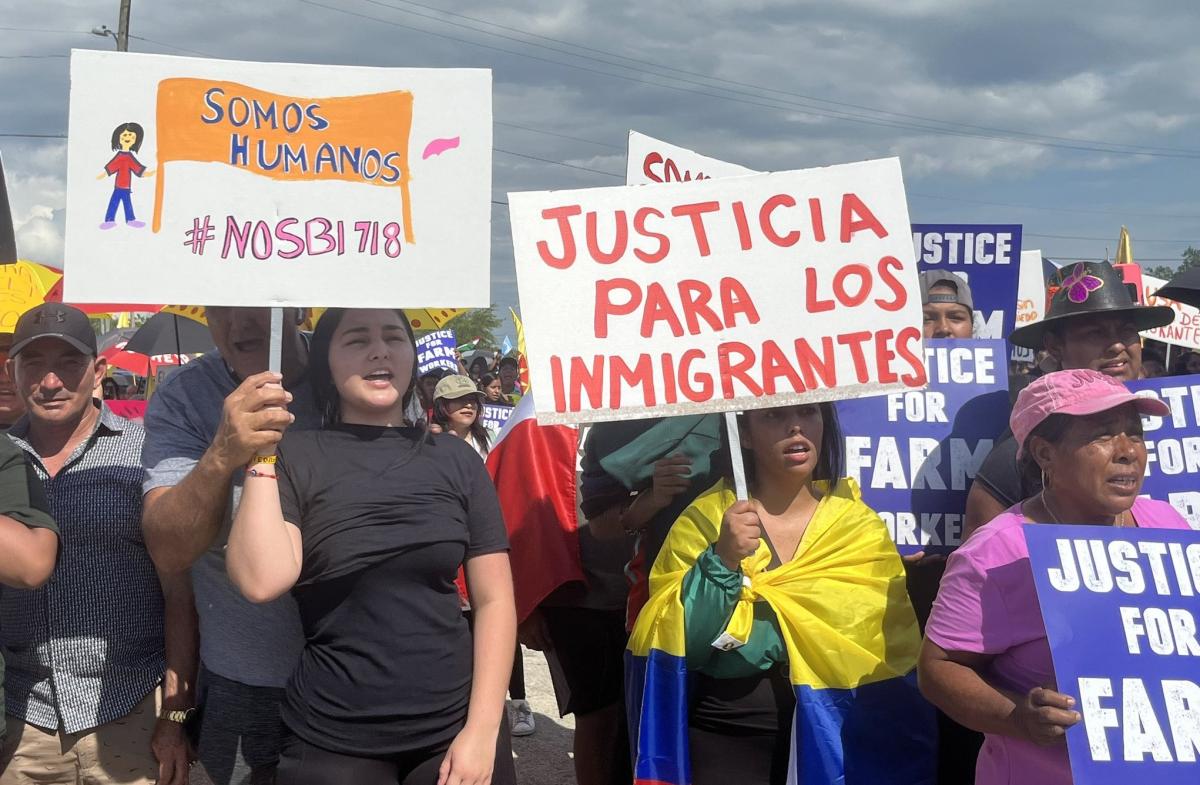
Florida: thousands protest new anti-immigrant law

Day without immigrantsDemonstrators gathered across Florida to protest a recently enacted law that imposes harsh restrictions on undocumented immigrants. In what protesters dubbed "a day without immigrants," thousands walked off the job to express their opposition to Gov. Ron DeSantis' approval of Senate Bill 1718. Under the new law, businesses are prohibited from knowingly employing, hiring or recruiting undocumented immigrants. Employers are required to verify their workers' documentation. Employers who fail to verify their workers face a $1,000 per day fine and a suspension of their business license. If undocumented immigrants are caught using false documentation, they too face criminal penalties, including a potential $5,000 fine or five years in prison. (Photo: AFSC Florida via Twitter)

East Asia

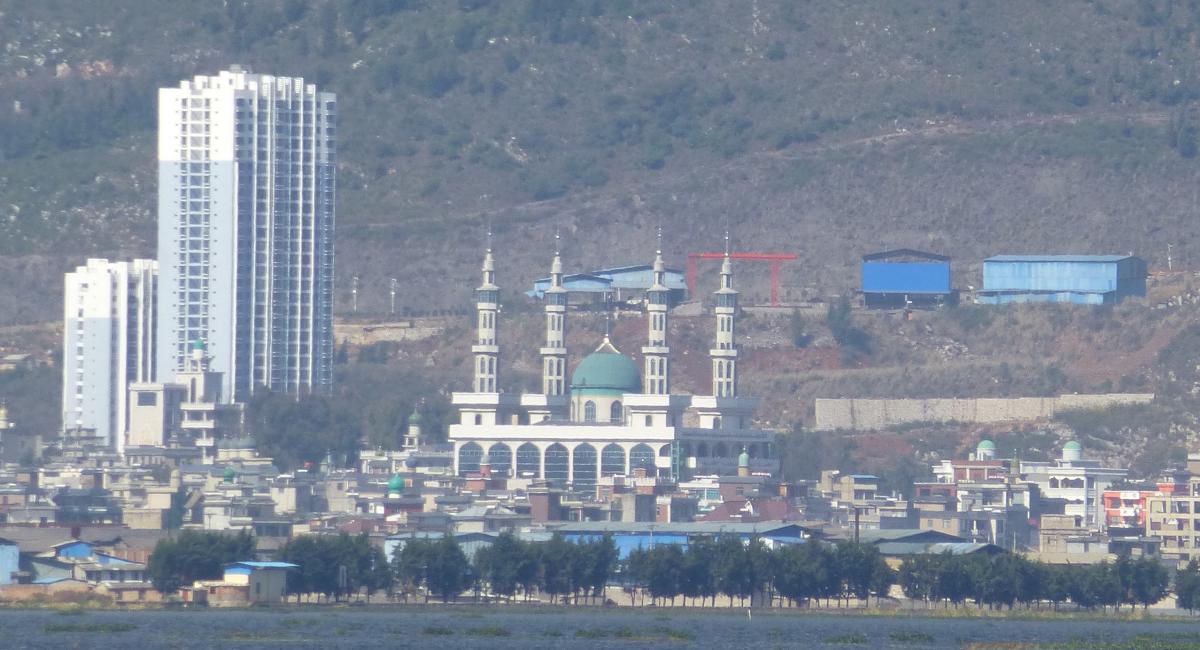
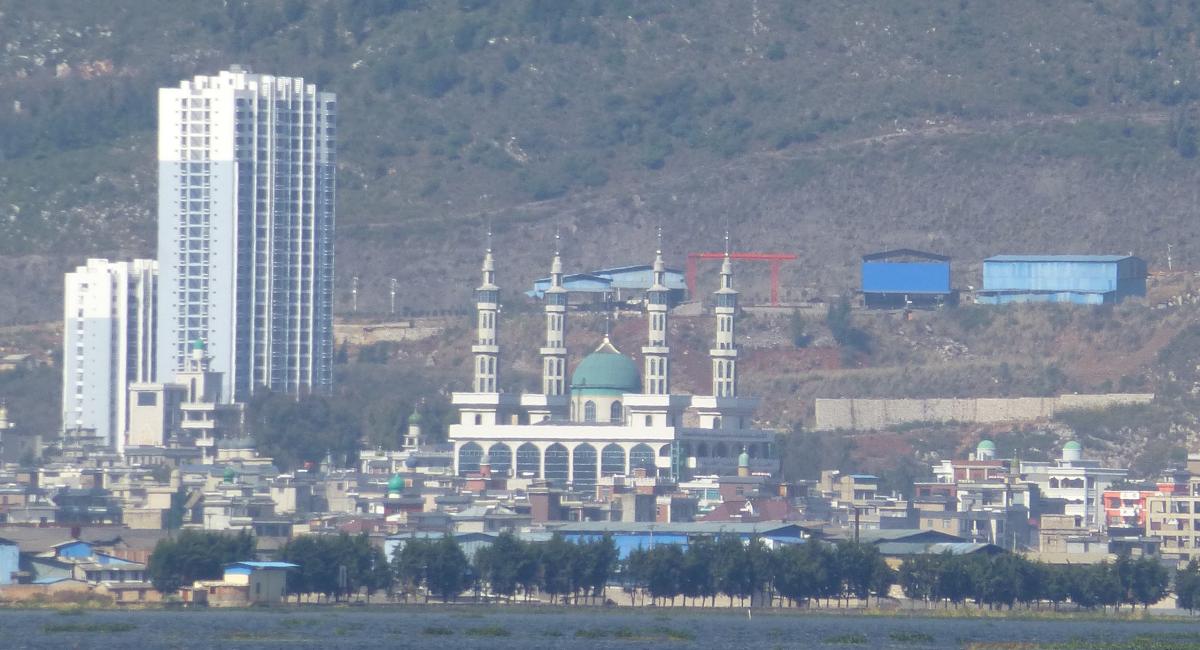
China: Muslim protests over mosque ‘Sinicization’

NaguThe predominantly Muslim town of Nagu in China's Yunnan province saw street-fighting between residents and police over planned demolition of the dome of the locality's historic mosque. Orders were issued in 2020 to demolish the dome, which had recently been expanded, as part of President Xi Jinping's campaign for the "Sinicization" of Islam in China. The campaign mandates that mosques in what is deemed an overly "Arabic style" must be "rectified." The order for "rectification" of Nagu's 13th-century Najiaying Mosque went unenforced until a crew of workers with cranes and bulldozers arrived unannounced, accompanied by some 400 riot police. Clashes ensued when residents mobilized to defend the mosque. Authorities responded by flooding the town with up to 5,000 troops, and cutting off the internet in the area. Dozens of protesters have been arrested, and authorities have issued an ultimatum for accused instigators to turn themselves in. (Image via WikiVoyage)

Watching the Shadows

Podcast: ‘tankies,’ ‘false flags’ & the ‘gray zone’

Randi NordA tankie agent carried out "false flag" vandalism of a synagogue and other Jewish targets in Detroit, attempting to blame it on the Azov Battalion and tar Ukrainians. She turns out to have been a member of the retro-Stalinist Workers World Party and a staff writer for openly dictator-shilling MintPress News—which has itself engaged in "false flag" disinformation, blaming the Syrian rebels for chemical attacks against their own strongholds by the Bashar Assad regime. MintPress has also received funding directly from the Assad Lobby. In Episode 176 of the CounterVortex podcast, Bill Weinberg examines this ultra-cynical propaganda nexus, and asks whether such agents are mere "useful idiots" for the Kremlin or actual conscious assets operating in the "gray zone"—the sphere of "hybrid warfare" in which the line between state and non-state actors is blurred. Listen on SoundCloud or via Patreon. (Image: Bob from Brockley)

East Asia

Hong Kong pro-democracy party votes to disband

Civic PartyThe chairman of Hong Kong's Civic Party, Alan Leong, announced that the pro-democracy party is disbanding following a resolution by a majority of members. The Civic Party, one of the few remaining pro-democracy parties in the Hong Kong Special Administrative Region, was founded in 2006. Since Beijing passed the controversial national security law in 2020, multiple Civic Party members have been charged with "subversion." Party members were also accused of organizing and participating in an unauthorized primary election July 2020. (Photo: Stand News via Wikimedia Commons)

The Amazon

Amazon rainforest loss approaches new height

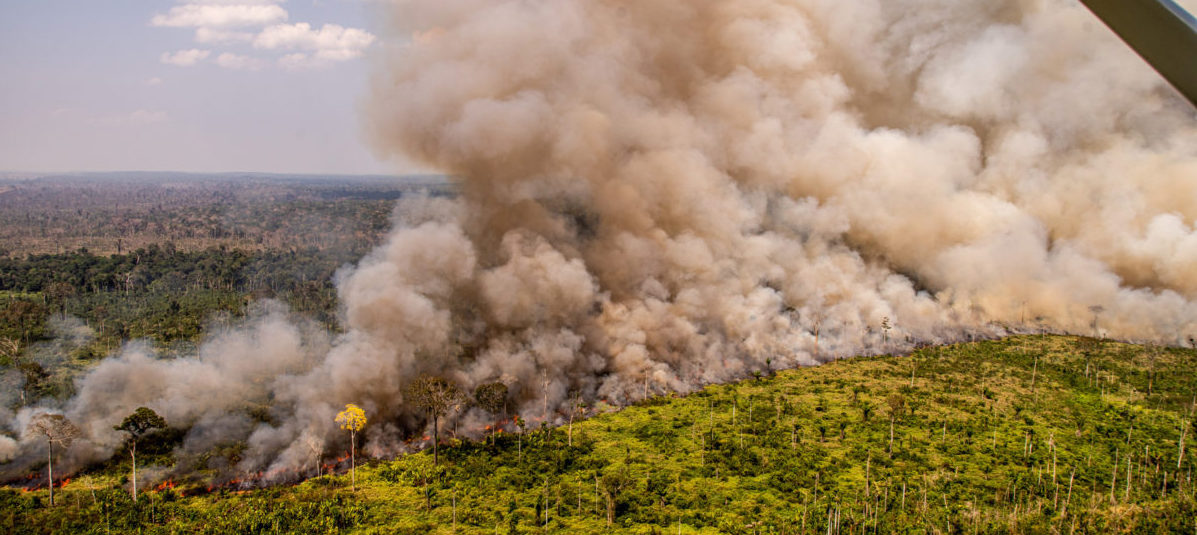
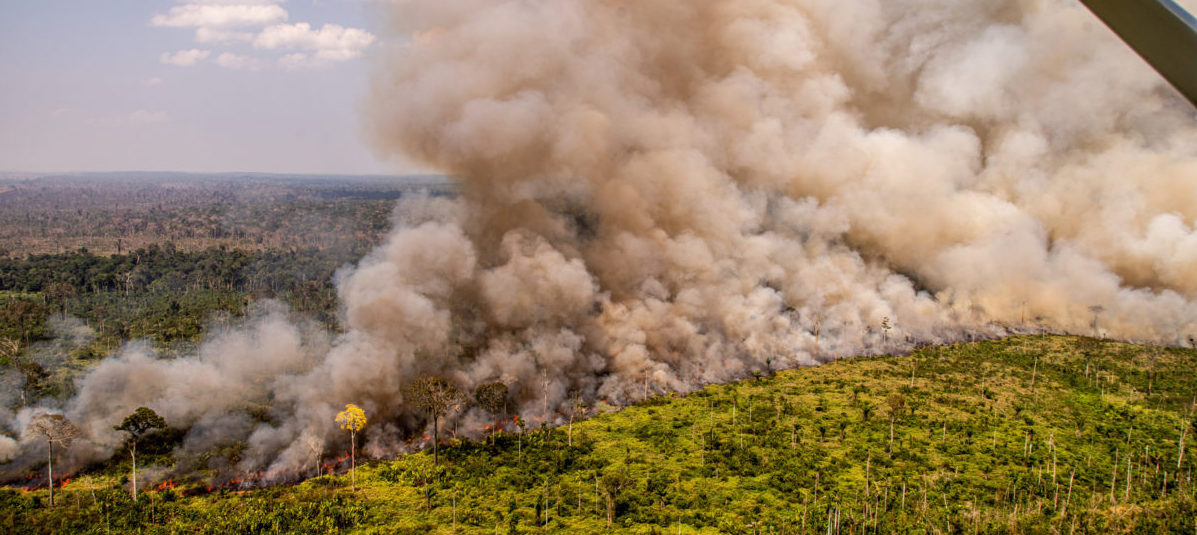
AmazonWithin just five years, the Amazon rainforest could lose half the total forest cover that it lost in the first 20 years of this century, a recent study by the Amazon Network of Georeferenced Socio-Environmental Information (RAISG) has revealed. Deforestation rates are accelerating in nearly all of the nine Amazonian countries, but especially in Brazil, Bolivia, Peru and Colombia—mostly due to road development, agricultural expansion and mining. (Photo via Mongabay)