South Asia

Podcast: from Manipur to the West Bank
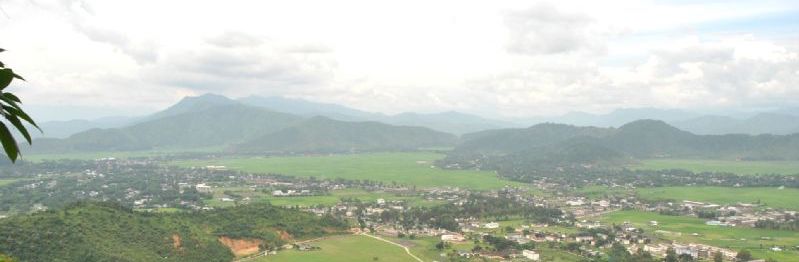
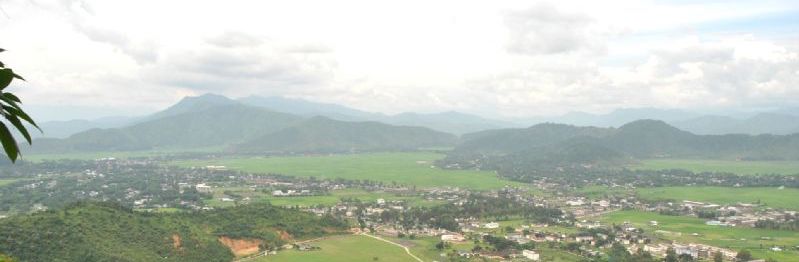
ManipurIn Episode 179 of the CounterVortex podcast, Bill Weinberg compares the military and settler attacks on Palestinian towns in the West Bank with the eruption of ethnic violence in Northeast India's state of Manipur—and uncovers the unlikely connection between the two. The Kuki indigenous people now targeted in Manipur includes a sub-group, the Bnei Menashe, who claim descent from one of the Lost Tribes of Israel, and practice an ancient form of Judaism. Israeli NGOs are raising the alarm about the violence in Manipur, but also exploiting it, luring Bnei Menashe to emigrate to Israel—with some settled on the West Bank, serving as demographic cannon fodder for the Zionist project. The Kuki and Palestinians, both land-rooted peoples usurped of their traditional territory, are pitted against each other—despite the convergence of their enemies in a Hindutva-Zionist alliance. (Photo: E-PAO)
Palestine

Defiant Israel to expand West Bank settlements

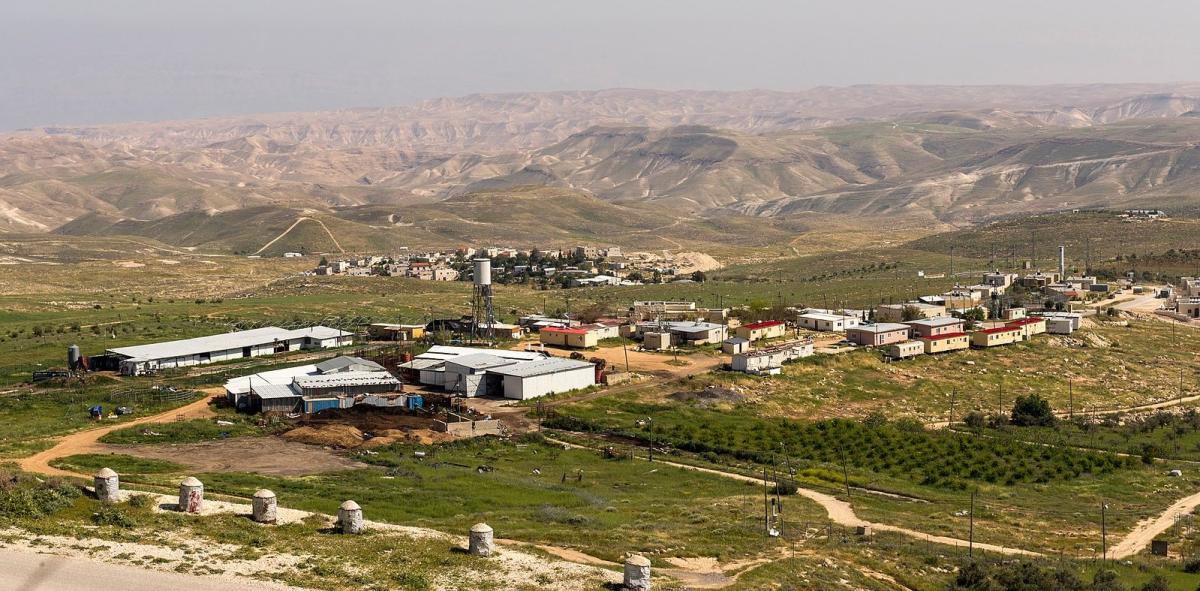
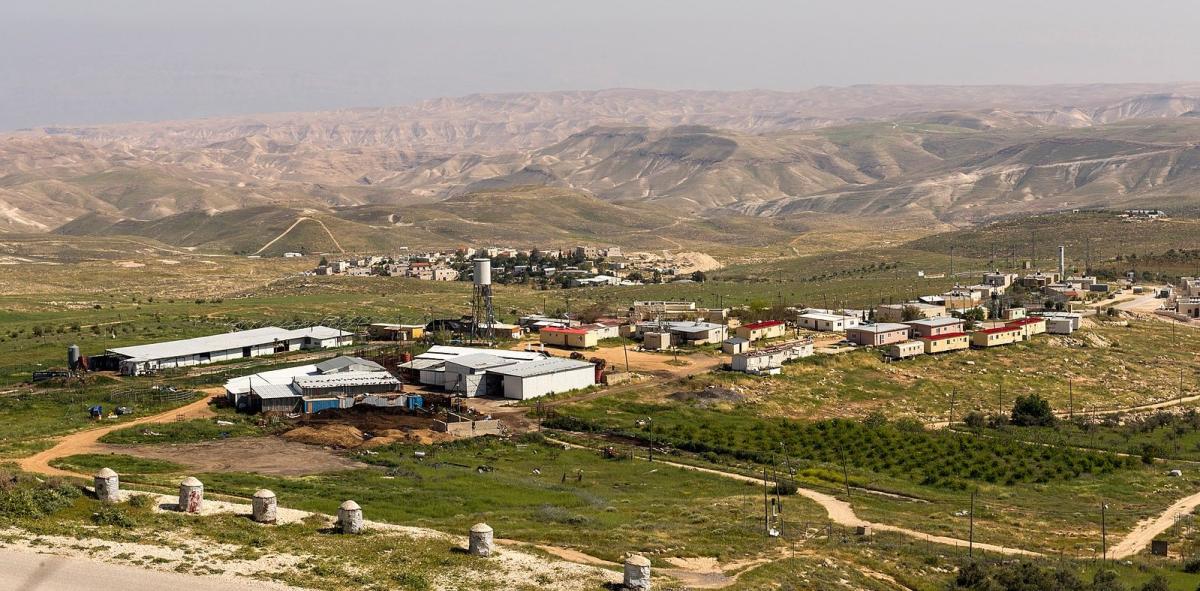
West BankIsrael's right-wing nationalist government announced new plans to approve the construction of thousands of new buildings in the occupied West Bank, despite pressure from both the US and EU to halt settlement expansion. Far-right Finance Minister Bezalel Smotrich, who has just been granted authority over approval of West Bank settlement construction in a cabinet decision, tweeted in expicitly annexationist language: "The construction boom in Judea and Samaria and all over our country continues." The Palestinian Foreign Ministry called for US and international action to press the Israeli government to backtrack on the decision. (Photo of settlement outside Za'atara: Ralf Roletschek via Wikimedia Commons)

Greater Middle East

EU donor conference for Syria falls short

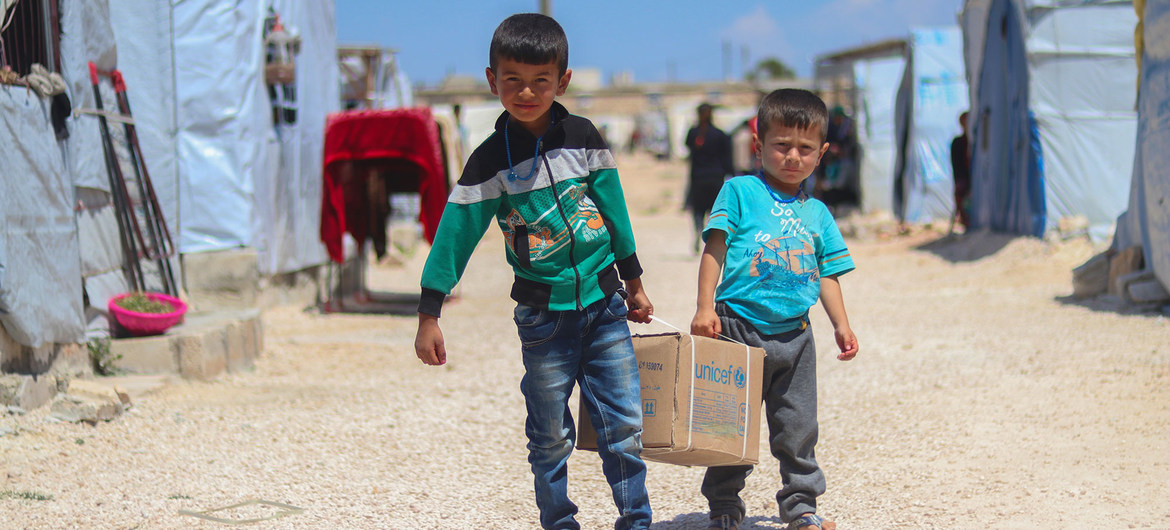
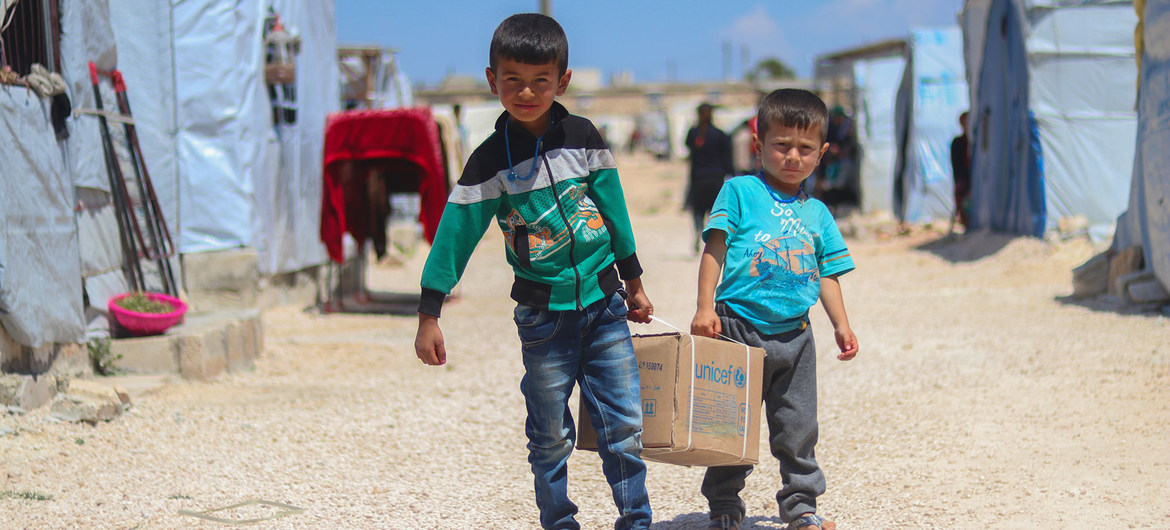
refugeesDonors and diplomats met for a seventh straight year in Brussels to raise money for Syria's ongoing humanitarian crisis. They pledged a total of 5.6 billion euros ($6.1 billion) for "2023 and beyond," including 4.6 billion euros ($1 billion) for this year. The money will be used to support people both inside Syria and in neighboring countries hosting Syrian refugees. Aid groups say the amount isn't enough given growing needs within Syria and for Syrian refugees, many of whom face pressure to return to a country still at war. The UN has only received 11.6% of the $5.41 billion it says it needs for aid to Syrians in 2023, and that doesn't include assistance for refugees. Low funding levels have led to cuts in aid, including food rations in a place where millions are struggling to get by. (Photo: UNICEF via UN News)

Planet Watch

Number forcibly displaced worldwide 110 million

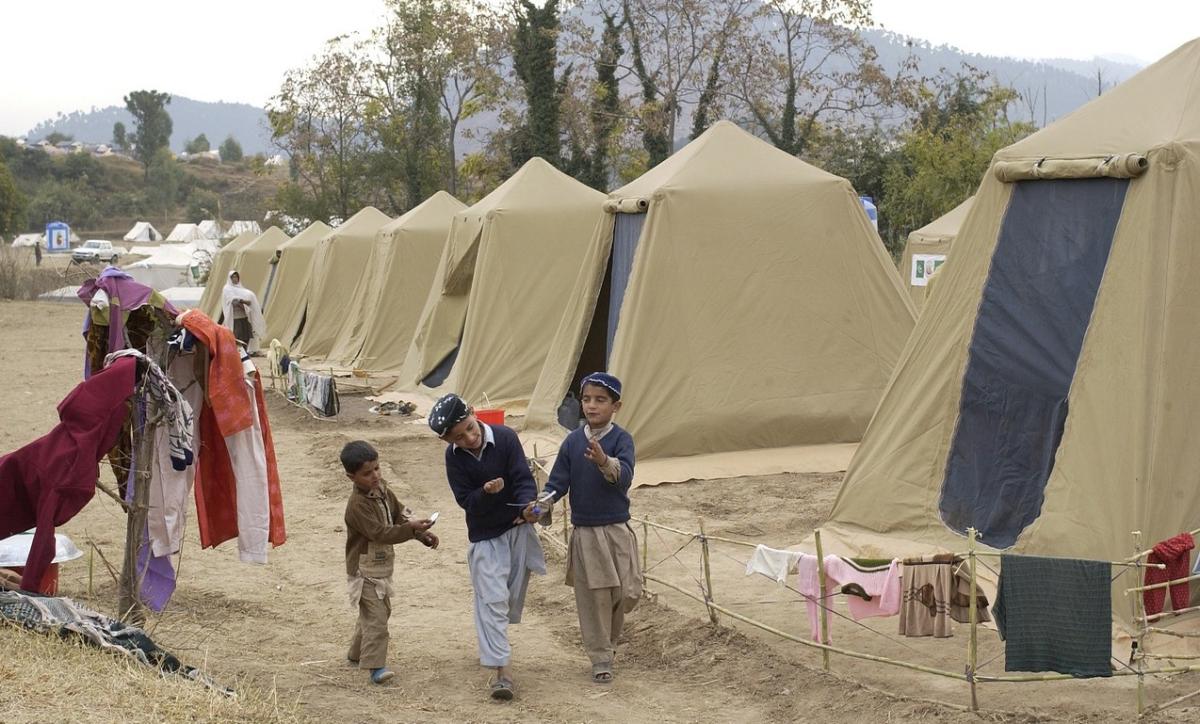
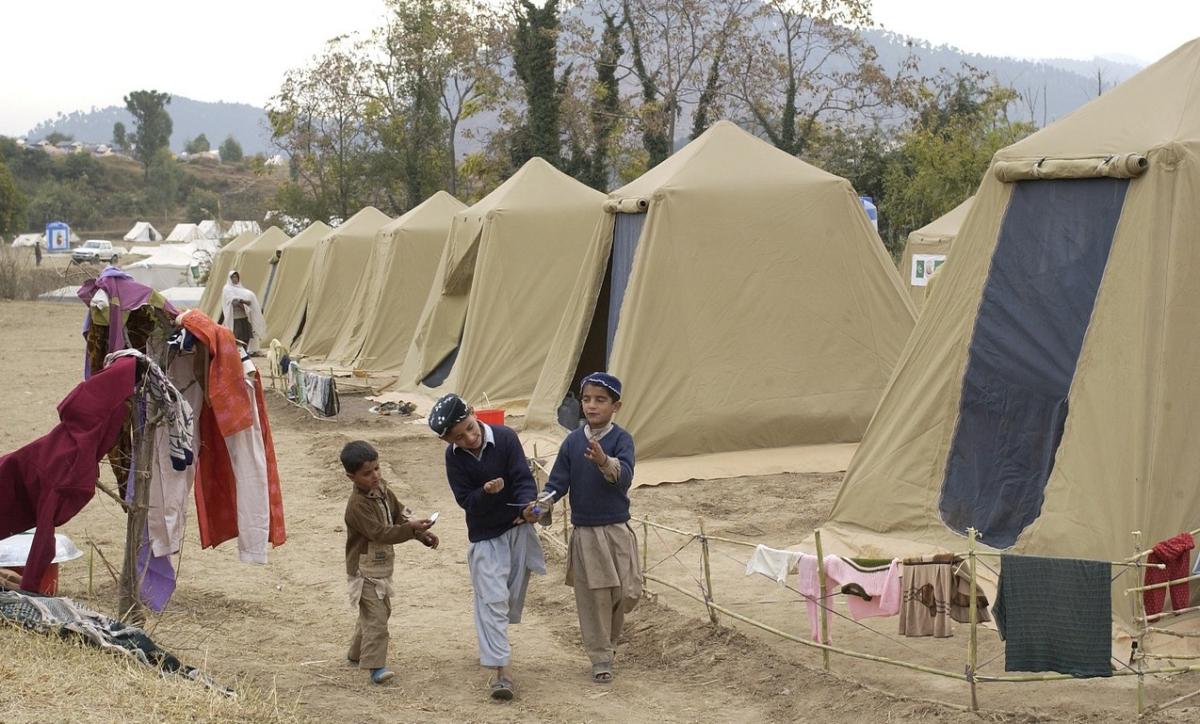
refugeesThe United Nations released the Global Trend Report 2022, on refugees, asylum seekers, internally displaced and stateless people worldwide. It finds that the number of forcibly displaced people stands at 108.4 million, with 29.4 million falling under the protection of the United Nations High Commissioner for Refugees (UNHCR). Both figures are at an historic high. The increase in forcible displacement within a single year is also the largest since UNHCR started tracking these statistics in 1975. In light of the continuing significant increase, the report says forcible displacement likely exceeds 110 million as of May 2023. (Photo: Afghan refugee camp in Shinkiari, Pakistan, via Pixabay)

Planet Watch

Migrant fatalities surged in 2022: UN

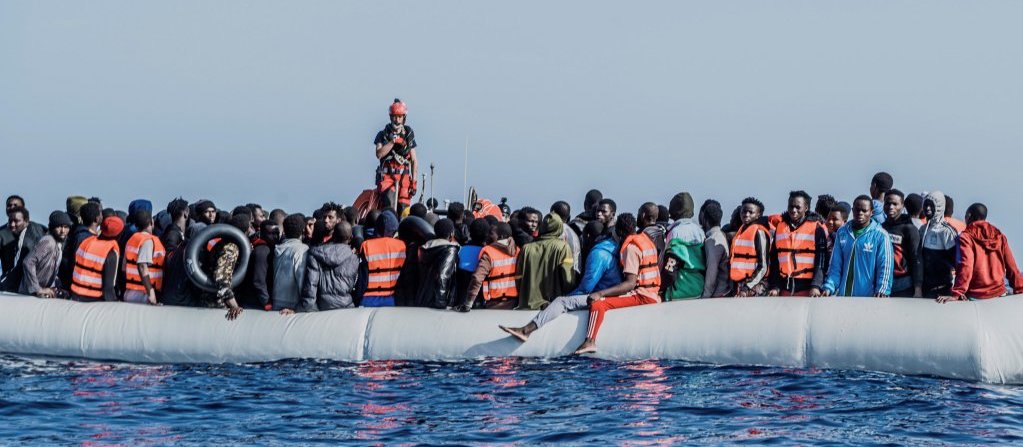
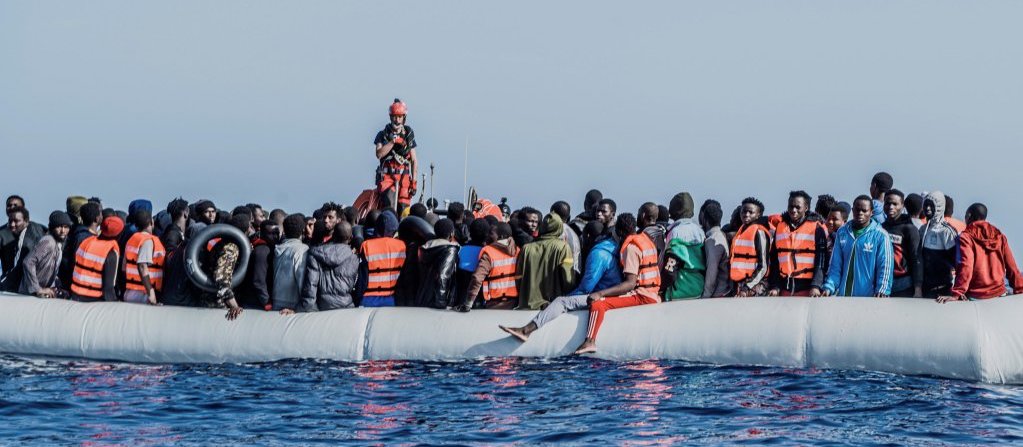
migrantsThe UN migration agency reported that 2022 was the deadliest year yet for migrants crossing from the Middle East and North Africa (MENA) into Europe. According to the report from the International Organization for Migration's Missing Migrants Project, a record number of 3,800 people died along these migratory routes over the past year. The report underscored the urgent need for action to improve the safety and protection of migrants. The data, though recognized as undercounted due to the challenges in collecting information, sheds light on the magnitude of the problem. The recorded deaths in 2022 represent an 11% increase from the previous year. (Photo: Flavio Gasperini/SOS Mediterranee via InfoMigrants)

North Africa

Drones deployed in Libya migrant crackdown

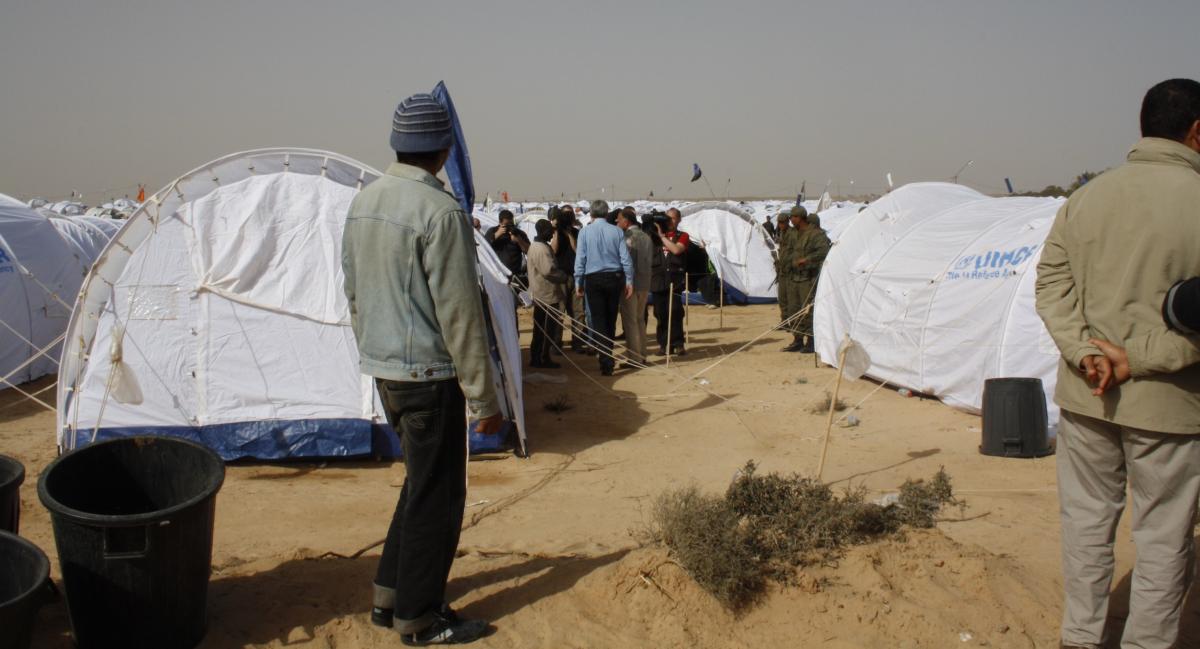
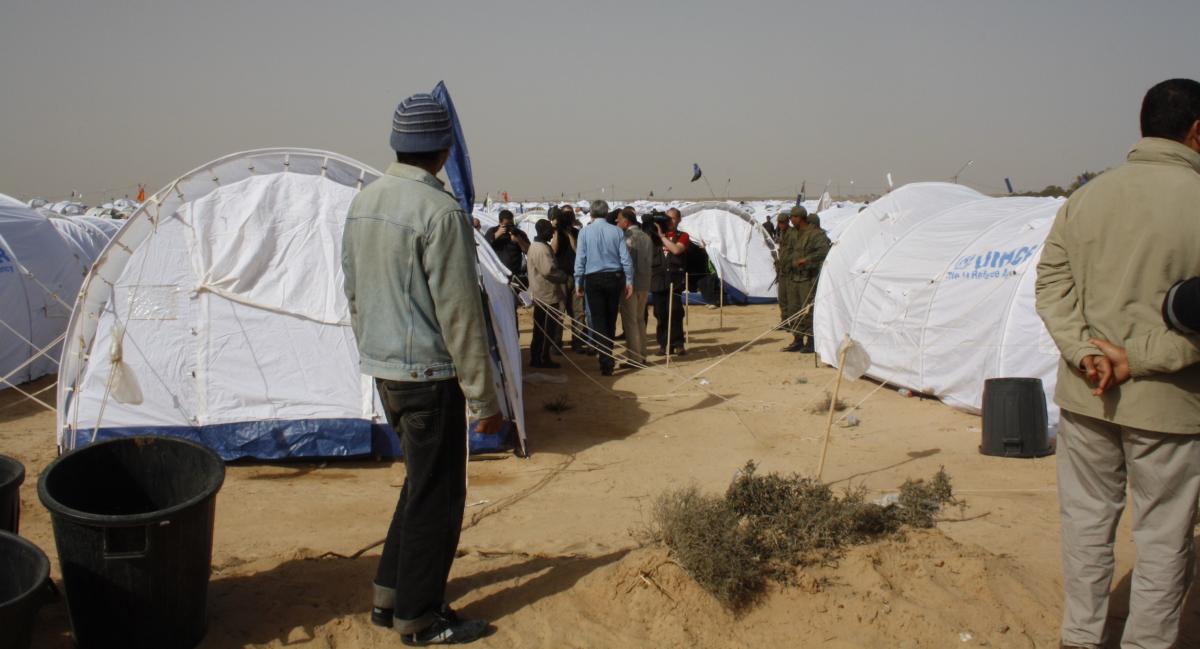
migrant campLibyan politicians wrapped up nearly three weeks of talks in Morocco meant to set a framework for the country's long-delayed elections. Back at home, the country's rival sides are both cracking down hard on migrants and refugees. The Tripoli-based Government of National Unity is using armed drones to target what it says are migrant traffickers bringing people in from Tunisia. In eastern Libya, authorities have reportedly rounded up some 6,000 Egyptian migrants, deporting some and holding others in a customs hangar near the border. Some suspect that this has been driven by the political calculations of Gen. Khalifa Haftar, leader of the "Libyan National Army" that controls much of the country's east. Giorgia Meloni, Italy's far-right prime minister, visited Haftar last month to talk migration control amid an increase in people crossing the central Mediterranean. (Photo of migrant camp near Tunisian border with Libya: UK Department for International Development via Jurist)

Watching the Shadows

UN documents torture of Gitmo detainee

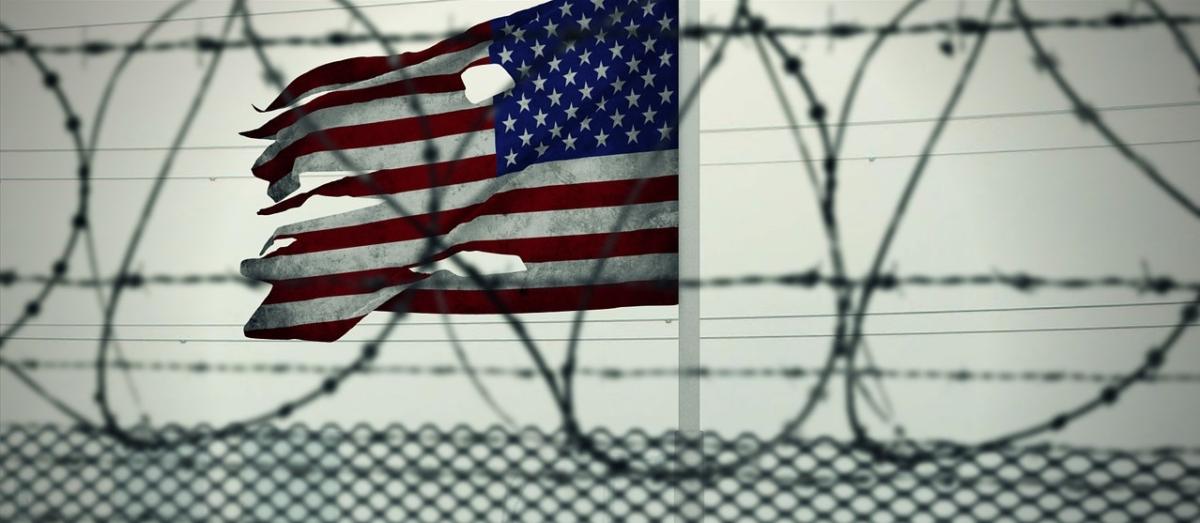
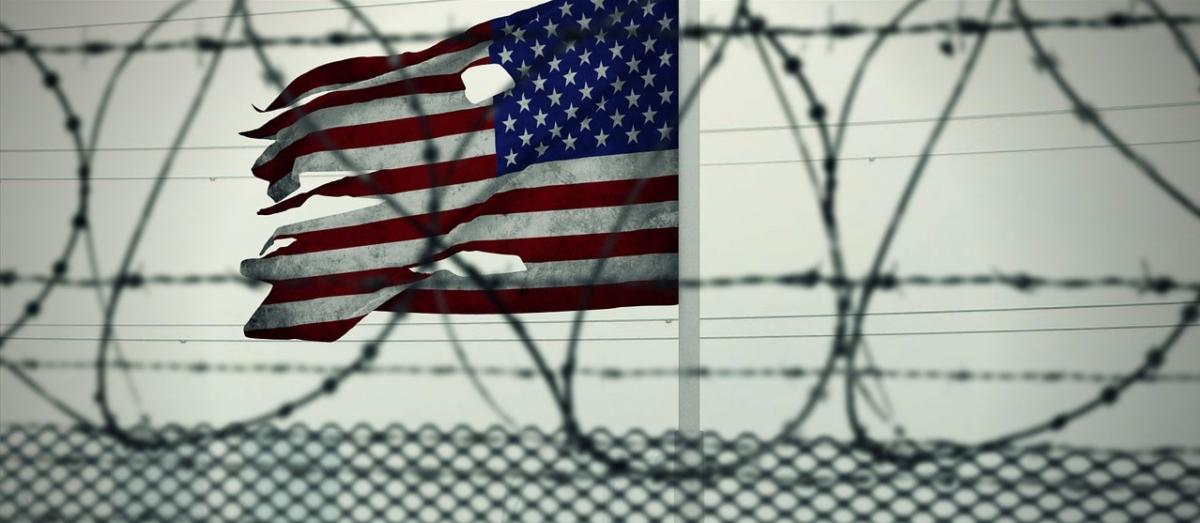
GitmoThe UN Working Group on Arbitrary Detention released a report finding that Afghanistan, Lithuania, Morocco, Poland, Romania, Thailand, United Arab Emirates and the US all participated in human rights violations against Abd al-Rahim Hussein al-Nashiri, the man accused of involvement in the bombing of the USS Cole in 2000. Al-Nashiri is currently held at Guantanamo Bay, though he is said to have been previously detained in the territories of each of these countries. The report contains graphic descriptions of "enhanced interrogation techniques" used by the US Central Intelligence Agency, including prolonged forced nudity, sleep deprivation, physical beatings, waterboarding, prolonged forced standing while chained, restrictive confinement in a small box, exposure to cold temperatures, and forced rectal feeding after prolonged food deprivation. (Photo: Pixabay via Jurist)

South Asia

Podcast: the struggle in Northeast India

NagaIn Episode 178 of the CounterVortex podcast, Bill Weinberg notes the new eruption of ethnic violence in Northeast India's state of Manipur, which was the scene of far deadlier inter-communal clashes last month. The spark was the current bid by the Meitei people to become a "scheduled tribe," granting them access to resource-rich forestlands. This is opposed by the Kuki and Naga peoples, whose tribes are already "scheduled"—but are nonetheless being targeted for eviction from Manipur's forestlands under the guise of a crackdown on opium cultivation. The Kuki and Naga leadership perceive a land-grab for their ancestral forest territory by the Meitei—the dominant group in Manipur, who already control the best agricultural land in the state's central Imphal Valley. The Kuki (including their Jewish sub-group, the Bnei Menashe) and Naga have long waged insurgencies seeking territorial autonomy, or even independence from India. And both their traditional territories extend across the border into Burma (where the Kuki are known as the Chin), pointing to potential convergence of the armed conflicts either side of the international line. Listen on SoundCloud or via Patreon. (Photo of Naga festival: Yves Picq via Wikimedia Commons)

Greater Middle East

Seek World Court ruling on Syria torture claims

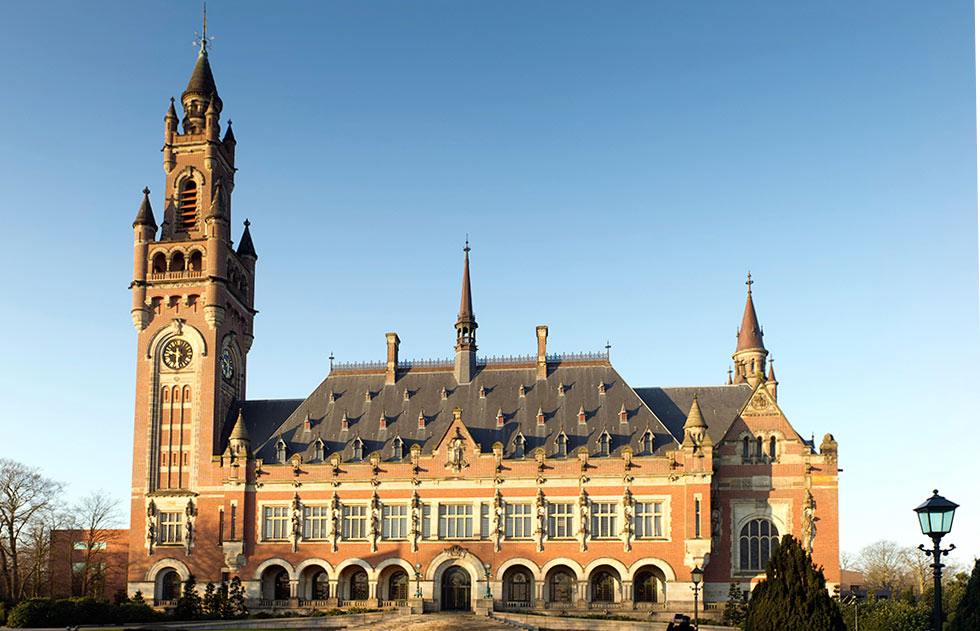
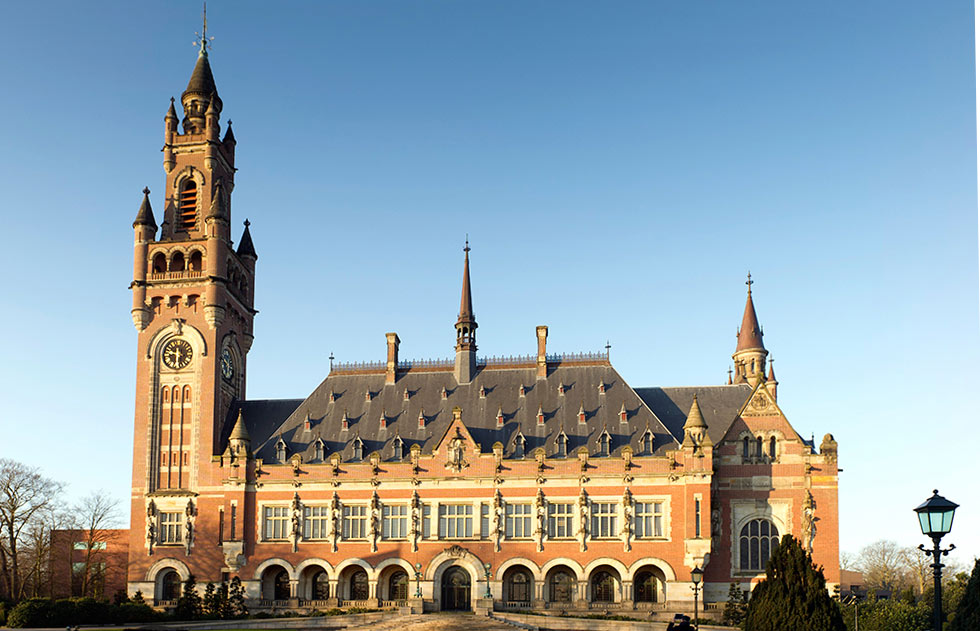
ICJThe Netherlands and Canada jointly submitted a case against Syria to the International Court of Justice (ICJ), accusing the Damascus regime of committing numerous violations of international law, including torture, since the start of the country's civil conflict in 2011. The primary objective of the application is ICJ action compelling Syria to desist from any future use of torture. If the ICJ finds that it holds authority to rule on the matter, it will mark the first instance of an international court judging Syrian torture allegations. (Photo: ICJ)

Mexico

Protest paramilitary attacks on Zapatistas

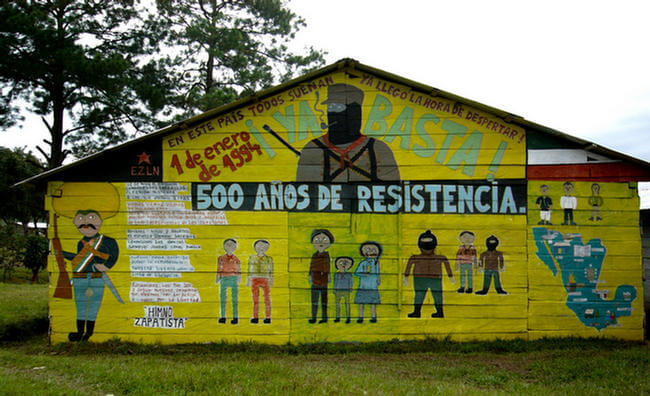
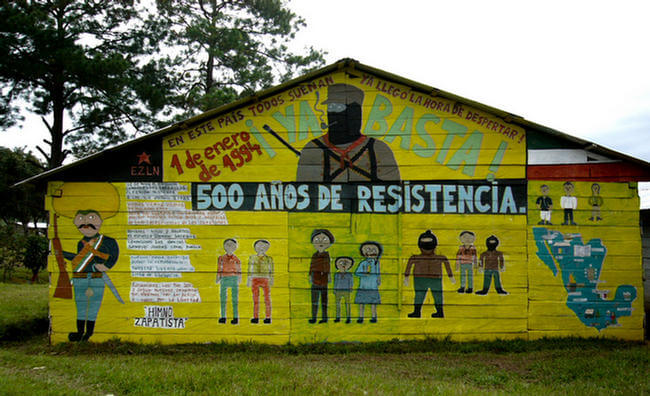
Moises GandhiAn international mobilization was held, with small protests in cities across the world, in response to a call for support by the Zapatista rebel movement in Mexico's southern state of Chiapas. According to the statement, the Zapatista base community of Moisés Gandhi is coming under renewed attack by the local paramilitary group ORCAO. In a May armed incursion at the community, a resident was struck by a bullet and gravely injured. Several families were displaced as ORCAO gunmen briefly occupied parts of the community. The statement charges: "Chiapas is on the verge of civil war, with paramilitaries and hired killers from various cartels fighting for the plaza [zone of territorial control]…with the active or passive complicity of the governments of [Chiapas governor] Rutilio Escandón Cadenas and [Mexican president] Andrés Manuel López Obrador." (Photo: Chiapas Support Committee)

Europe

UK orders closure of China-run ‘police stations’

Loon FungUK Minister for Security Tom Tugendhat told Parliament that the government has ordered China to close "overseas police service stations" operating within the United Kingdom, calling the stations' existence "unacceptable." Tugendhat said that British authorities received reports from non-governmental organization Safeguard Defenders of such stations in Croydon, Hendon and Glasgow, with allegations of another in Belfast. The United States and Ireland both claim to have recently uncovered similar stations in their countries. Like the UK, they said the stations were used to monitor and harass Chinese diaspora communities. (Photo of Glasgow location, within restaurant storefront: Google via The Ferret)

East Asia

Hong Kong: bid to ban protest anthem backfires

Glory to Hong KongThe Hong Kong Department of Justice applied to the Special Administrative Region's High Court for an injunction to prohibit any performance or online dissemination of the song "Glory to Hong Kong," anthem of the 2019 protest movement. The government asserts that the song contains secessionist lyrics that breach multiple laws in Hong Kong and China, including the National Security Law. However, thousands of Hong Kong citizens responded to the government's move by gathering in public to sing the song, in defiance of an ongoing ban on protests. It also shot to the top of the iTunes charts. After days of this, a judge postponed deciding on the petition, finding it potentially overbroad and asking the government to be more specific on the breadth of its request. (Image: Campaign for Hong Kong via Twtter)