Trump vows ‘reverse migration’ —after CIA blowback?

Trump

President Trump called for “reverse migration” and a “major reduction in illegal and disruptive populations” in a racist late-night online rant Nov. 27. In the bizarre Thanksgiving message, Trump vowed to “permanently pause migration from all Third World Countries” and to revisit immigration decisions made under his predecessor, Joe Biden. He said deportations will target “anyone who is not a net asset to the United States, or is incapable of loving our Country” or “non-compatible with Western Civilization.” Trump’s message followed the shooting of two National Guard soldiers in Washington DC, apparently by an Afghan refugee. Hours before the Washington shooting, the White House had already confirmed plans to re-vet refugees already settled in the US.

The Nov. 26 shooting in Washington, which killed 21-year-old Sarah Beckstrom and critically wounded a second National Guard soldier, is said to have been committed by 29-year-old Afghan refugee Rahmanullah Lakanwal. While much of the media coverage has focused on Trump’s angry response—including his decision to suspend immigration requests from all Afghans—less is being written about the alleged shooter’s difficult life in Afghanistan. Originally from the southeastern province of Khost, Lakanwal reportedly served in Kandahar as part of the so-called Zero Units: paramilitary forces sponsored and controlled by the CIA—notorious for conducting night raids on the homes of suspected Taliban collaborators. Rights groups have accused them of extrajudicial executions, enforced disappearances, indiscriminate airstrikes, and attacks on medical facilities. According to the New York Times, the brutality of the Zero Unit tactics took a toll on Lakanwal’s mental health, with a childhood friend recalling how he suffered from psychological problems and was disturbed by the casualties his unit had caused.

From The New Humanitarian, Nov. 28

See our feature report on Afghanistan’s CIA/NATO-backed paramilitaries.

Image: Twitter

  1. Afghan refugees face deportation to DRC

    The United States is planning to send 1,100 Afghans who have been in a resettlement camp in Qatar for up to four years to the Democratic Republic of the Congo if they don’t agree to return to Afghanistan. The US suspended the resettlement program after the shooting of a National Guard officer by a former member of CIA-trained Afghan forces. The news of Washington’s proposed new resettlement scheme comes as the EU is planning to host officials of the Taliban-run Islamic Emirate government to discuss the deportation of Afghan asylum seekers. (TNH)

  2. Federal court strikes down a slew of immigration restrictions

    The US District Court for the District of Rhode Island on June 5 ruled that the Trump administration had enacted illegal immigration restrictions on citizens of 39 countries. In vacating the restrictions, Judge John McConnell wrote that the concerned immigrants have been stuck in limbo despite their compliance with immigration laws. Applicants waited for months without decisions on requests for asylum, work permits, permanent residencies, and citizenship, while the governmen refused to act.

    President Donald Trump issued the restrictions in his presidential proclamation “Restricting and Limiting the Entry of Foreign Nationals to Protect the Security of the United States” in December. The order increased restrictions and suspended entry for a list of mostly African nations. The list also includes Afghanistan, Palestine, Haiti, Cuba and Venezuela. US Citizenship & Immigration Services (USCIS), a branch of the Department of Homeland Security (DHS), administers the regulations.

    The restrictions came a month after Rahmanullah Lakanwal, an Afghan national, opened fire on two National Guard members in Washington DC, killing one and injuring another. The case is yet to be tried. After the attack, Trump said that he would “permanently pause migration ⁠from all Third World Countries to allow the US system to fully recover,” and expanded the number of countries subject to full or partial travel bans. The administration also responded by announcing the suspension of asylum applications.

    A coalition of immigrants’ rights groups challenged the new restrictions in March. The complaint accused the Trump administration of violating Fifth Amendment guarantees of due process and equal protection. The complaint also alleged that the new immigration measures put in place by USCIS violated the Administrative Procedure Act because they were arbitrary and capricious, and exceeded the statutory authority conferred by the Immigration and Nationality Act.

    Democracy Forward advocacy group president Skye Perryman stated that the “unlawful policies caused enormous harm to families, workers, asylum seekers, and communities across the country who were left in limbo, unable to work, access protections, or move forward with their lives.”

    In ruling against the administration, Judge McConnell wrote:

    The Court is reminded of a line often repeated in discussions around immigration policy: If people wish to immigrate to the United States, they ought to “follow the law” and “do things the right way.” This case serves as a perfect example of immigrants doing just that… Even so, Plaintiffs and their [family] members are stuck waiting… USCIS’s hold on adjudications cannot be attributed to anything that these individuals did wrong; rather, it arises solely by the happenstance of their birth.

    (Jurist)

  3. Trump admin expands citizenship revocation

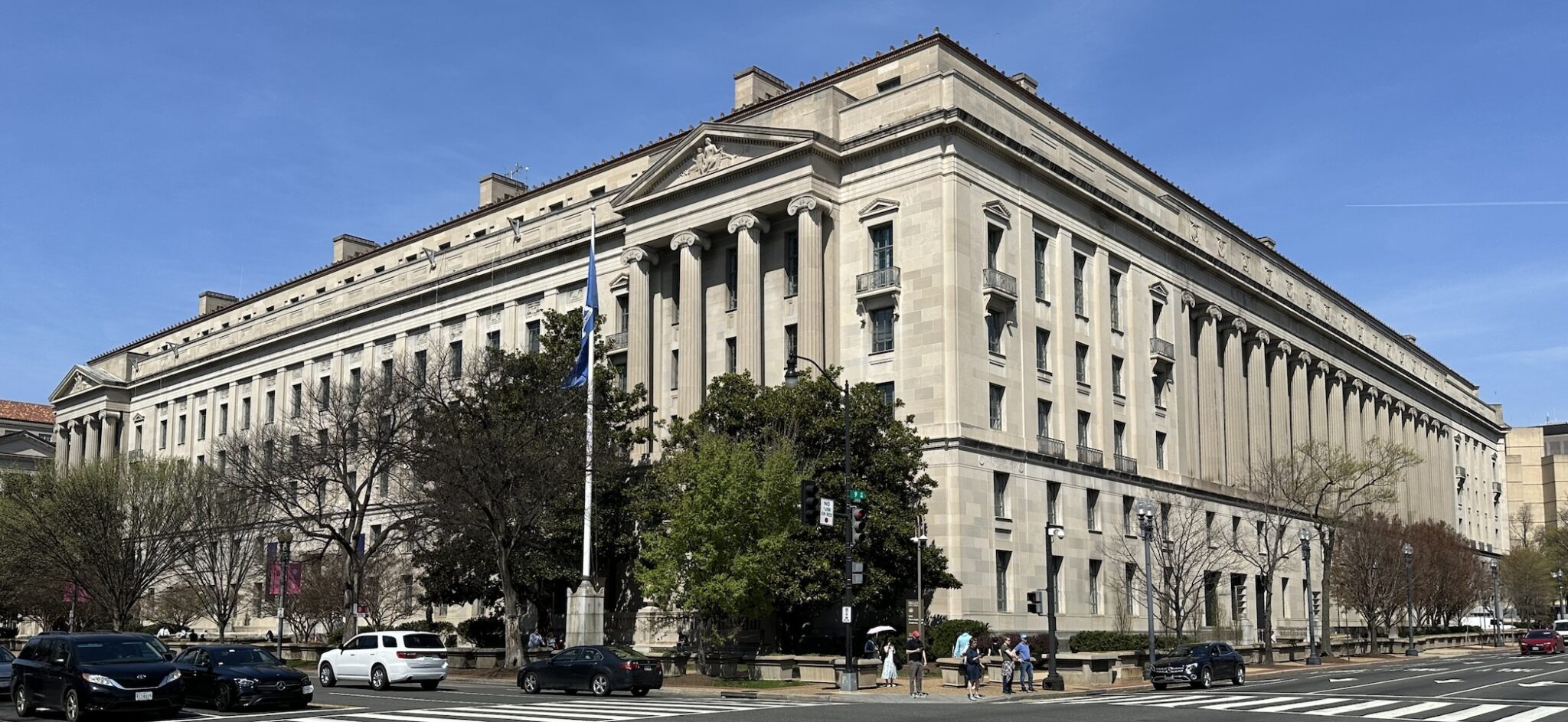
    The US Department of Justice announced June 8 that it will move to revoke citizenship from 17 naturalized citizens.

    Denaturalization cases are rare; from 1990 through 2017 there were only 305 denaturalization cases, or an average 11 per year. In that same time period, approximately 644,000 immigrants became US citizens each year.

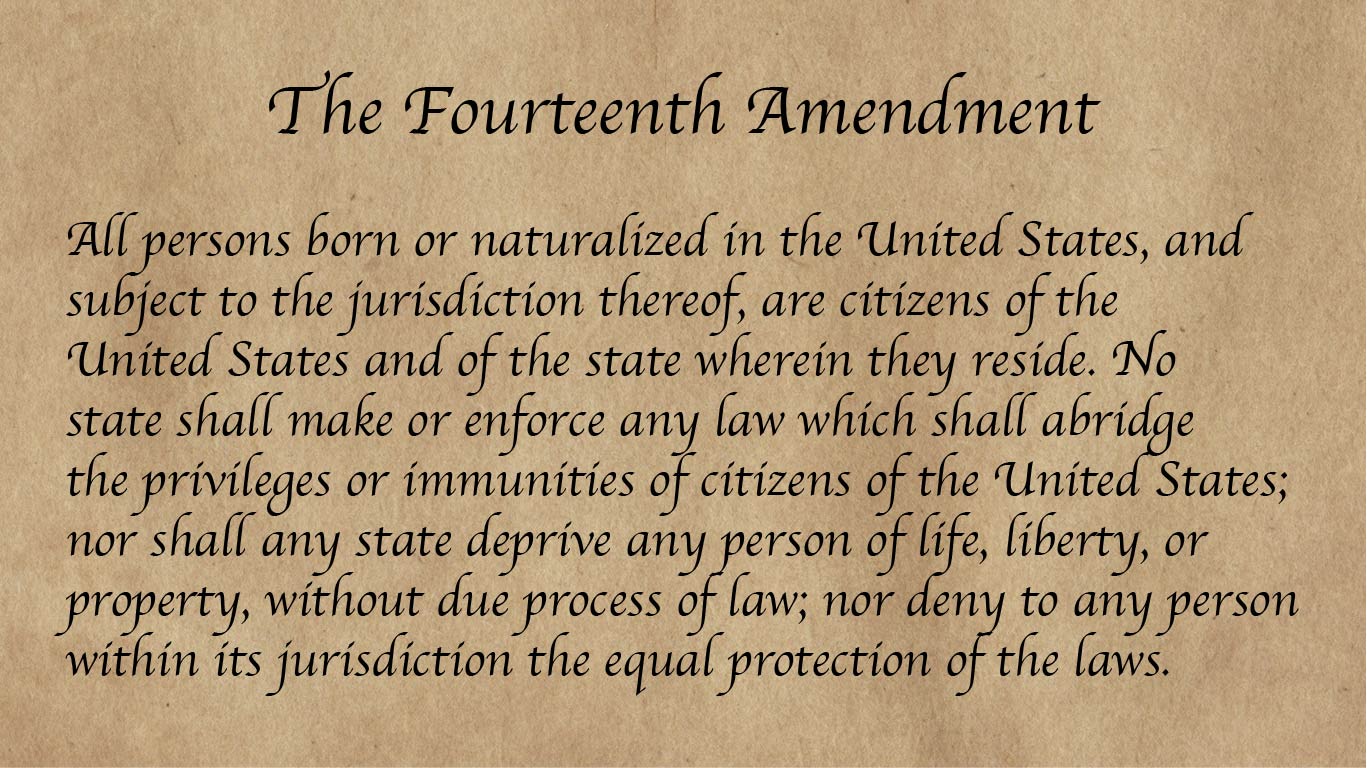
    Under federal law, the government may ask a court to strip the citizenship of people who obtained their citizenship fraudulently or committed a crime. Qualifying fraudulent instances to induce denaturalization include: entering into a sham marriage or withholding information about their past that would have made them ineligible. However, naturalized citizens are still entitled to due process during a denaturalization proceeding. The government must present evidence to a federal judge through a civil or criminal trial, making the process challenging and time-consuming for the judicial system.

    According to a recent New York Times article, the DoJ is preparing to expand efforts to strip citizenship from naturalized American citizens, identifying 384 people whose citizenship it may seek to revoke. This press release comes exactly a month after the administration announced its plan to denaturalize a dozen individuals. (Jurist)