Syria

Syria endgame: Rojava seeks deal with Assad
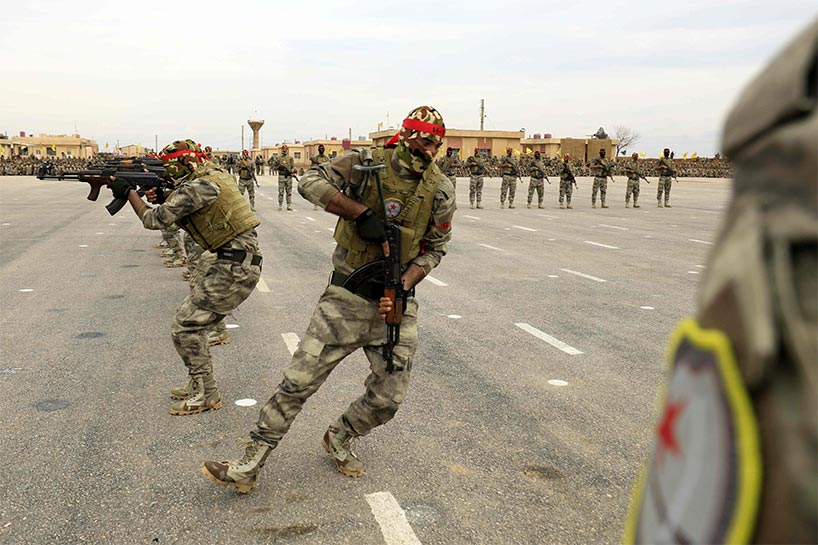
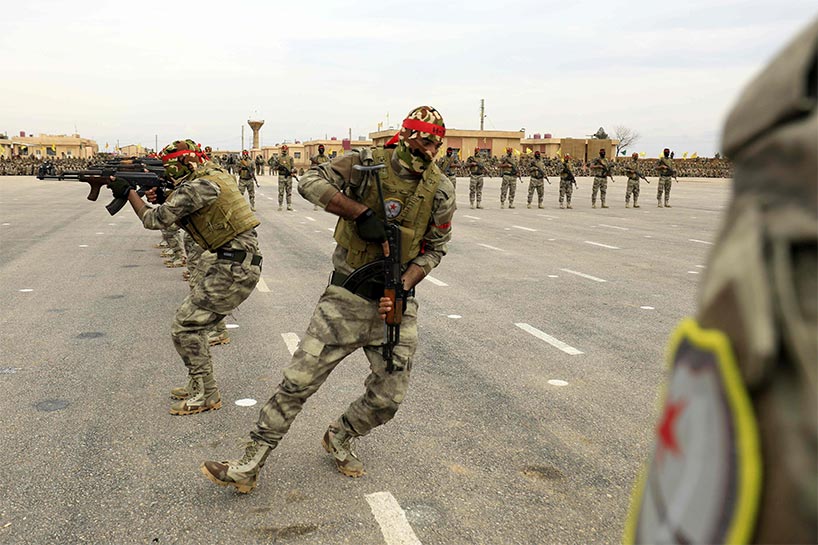
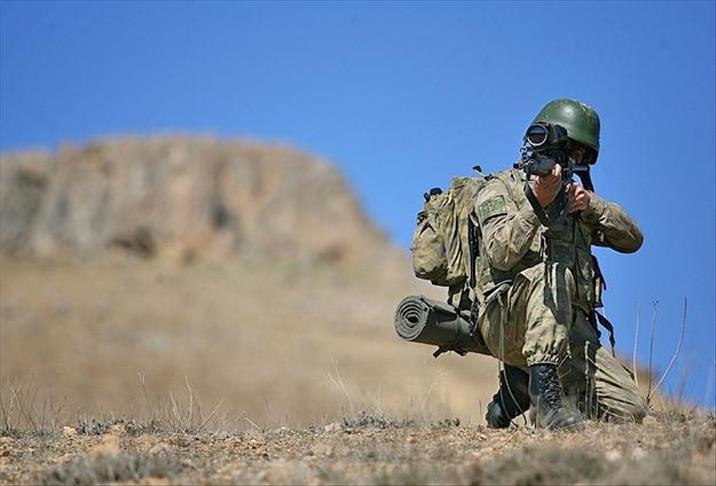
Rojava fightersRepresentatives of the US-backed Kurdish-led alliance known as the Syrian Democratic Forces are holding talks in Damascus with the Assad regime, apparently with an eye toward regime recognition of the Kurdish autonomous zone in exchange for unity against further Turkish expansion in northern Syria. The SDF controls more than 27% of Syrian territory. In effect, that means this region is under the Rojava autonomous administration, which is the real political force behind the SDF. The Rojava leadership's cooperation in a Syrian carve-up deal may be the price of survival for their autonomous zone. But it would certainly vindicate the long-standing accusations of Kurdish collaboration with Assad—despite Assad's previous refusal to recognize the autonomous zone. It would also yet further heighten the risk of Kurdish-Arab ethnic war in northern Syria. (Photo of Kurdish fighters in Rojava via Rudaw)
Syria

Syria endgame: whither Idlib?

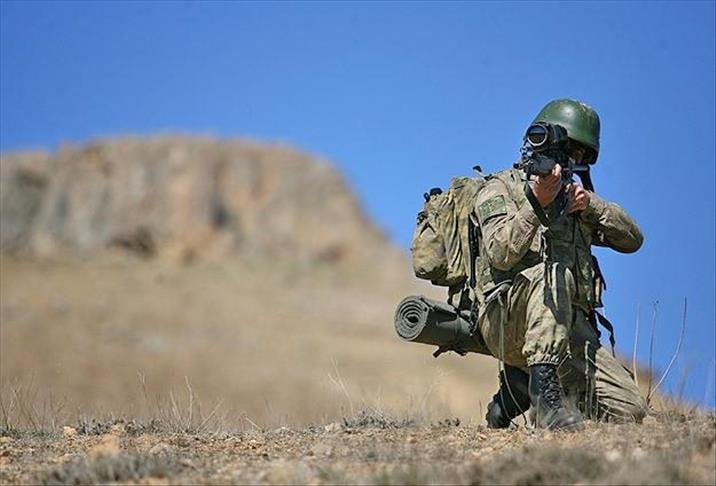
Syria fighterWith the fall of Syria's southern province of Daraa to Assad regime forces, only Idlib in the north remains as a last pocket of opposition control. The besieged rebel forces there are anticipating a final offensive by Assad and his Russian backers. But a complicating factor is that Turkey is occupying areas of Idlib, which means an offensive there threatens international escalation. Speaking to reporters before heading for a summit of emerging market countries in South Africa, Turkey's Recep Tayyip Erdogan said he would speak there with Vladimir Putin about how to resolve "the issue of Idlib." This points to a possible carve-up deal, in which the bulk of Syria falls under Assad with Russian protection, Idlib remains under rebel control with Turkish protection, and the northeastern Rojava region will remain a Kurdish autonomous zone under US protection. (Photo: Syria News)

RED-BROWN POLITICS: DON’T TAKE THE BAIT!

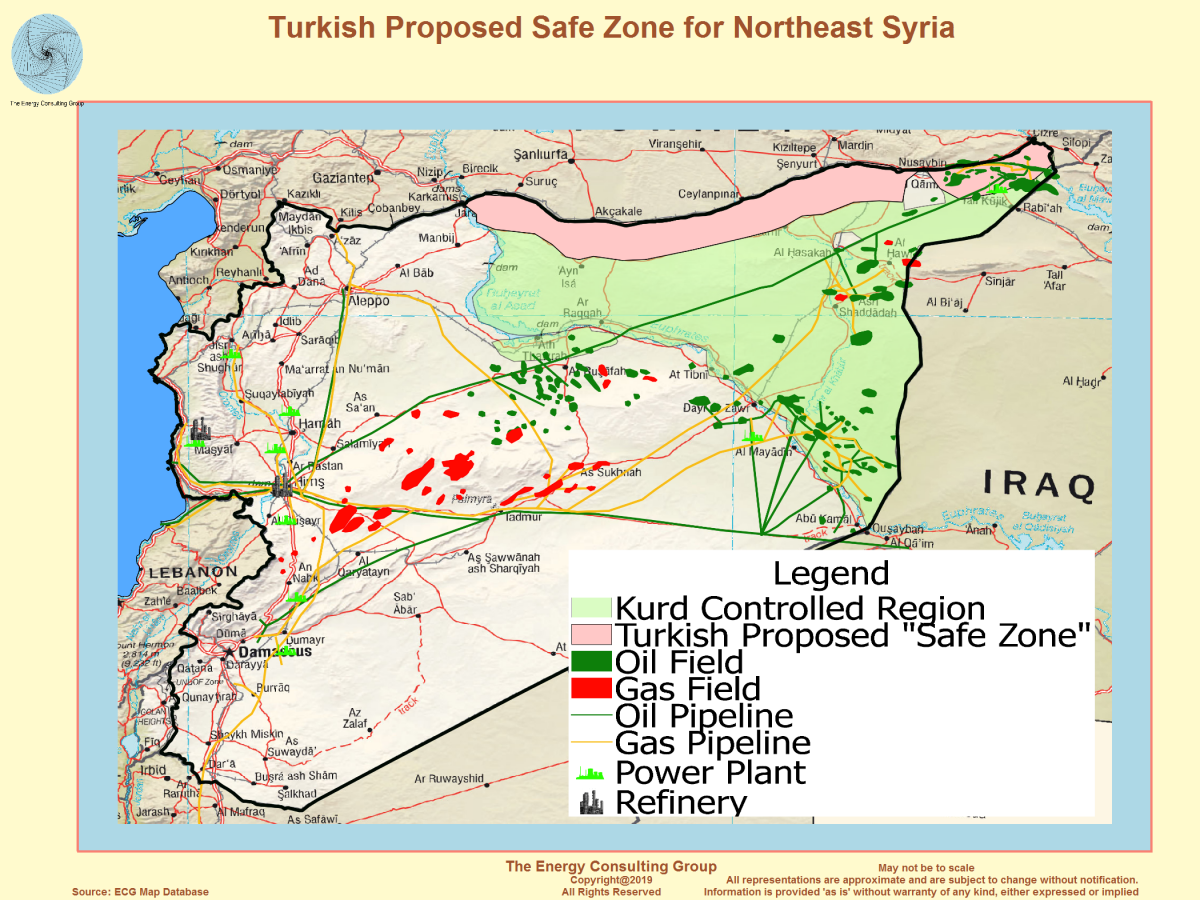
Syria oil mapTurkish President Recep Tayyip Erdoğan is ramping up threats to invade more areas of northern Syria, saying that he plans to "clean up [the Kurdish towns of] Tal Rifat and Manbij of terrorists," and establish a greater "security zone" in Syrian territory along Turkey's border. Much of this region is controlled by the Syrian Democratic Forces (SDF), which Turkey considers to be a "terrorist organization" because of its ties to the Kurdistan Workers' Party (PKK)—a Turkey-based Kurdish separatist organization. It's not clear if Erdoğan will go ahead with a new incursion now, but some wonder if the US, which has backed the SDF, may be willing to turn a blind eye to such an offensive if Turkey backs off its objections to Sweden and Finland joining NATO. (Map: Energy Consulting Group)

Continue ReadingRED-BROWN POLITICS: DON’T TAKE THE BAIT! 

TURKISH KURDISTAN: ERASURE OF A CULTURE

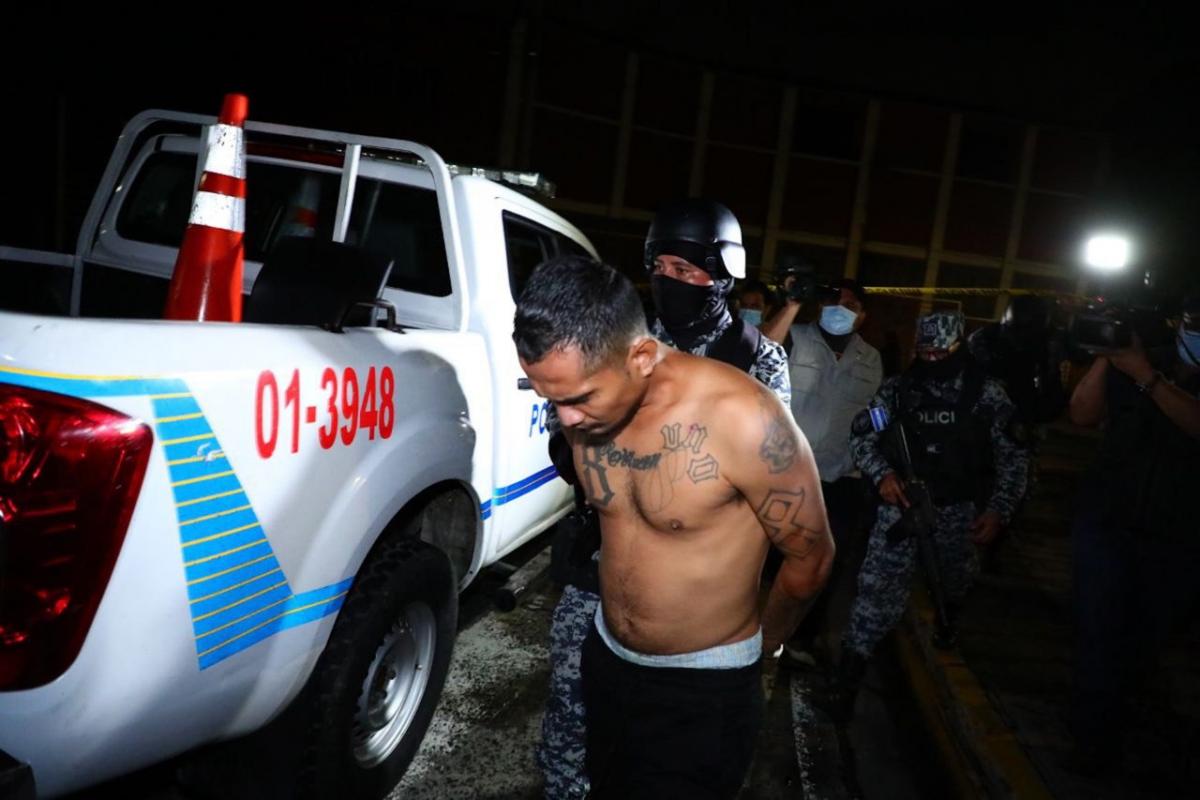
SalvadorAmnesty International reported that authorities in El Salvador have committed "massive" human rights violations, including arbitrary detentions, due process violations and torture, under cover of an ongoing state of emergency. Amnesty found that 35,000 individuals have been illegally detained without due process since President Nayib Bukele declared a state of emergency in response to gang violence in March, suspending constitutional guarantees. At least 1,190 minors are among the detained, and more than 18 detainees have died in custody. The National Assembly has twice extended the so-called "regime of exception" by 30-day intervals. The day after Amnesty issued the report, the Inter-American Commission on Human Rights (IACHR) urged El Salvador's government to comply with international human rights obligations in implementing security measures. (Photo: Presidencia de El Salvador)

Continue ReadingTURKISH KURDISTAN: ERASURE OF A CULTURE 
South Asia

ISIS terror targets restive Baluchistan

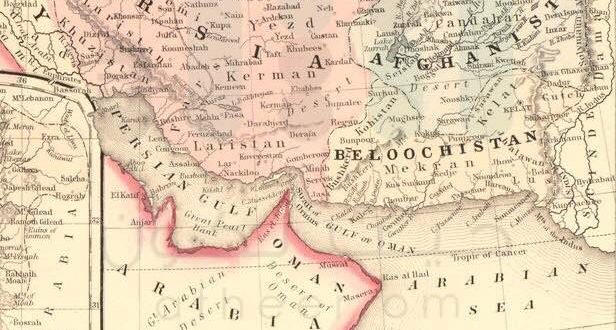
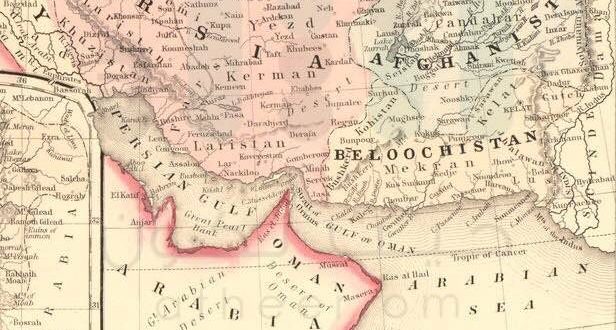
BaluchistanA suicide bomber killed at least 130 at a campaign rally in Pakistan's Balochistan province— the deadliest attack in the country since 2014. A local candidate with the Balochistan Awami Party was among the dead. The local franchise of the Islamic State took credit for the attack. Radio Free Europe portrays the BAP as part of the Pakistani military establishment’s plan to undermine Baluch ethno-nationalist groups. Balochistan province is part of the larger region of Baluchistan, homeland of the Baluch people, long divided between Iran, Pakistan and Afghanistan. There are movements for Baluch independence in each of these countries, but they have been unable to unite across the nation-state boundaries. The attack may point to an ISIS strategy to disrupt electoral ethno-nationalist initiatives, and co-opt the Baluch struggle across all three borders, wedding it to Sunni extremism. (Map via Atheer)

North America

Bay of Fundy flashpoint for US-Canada war?

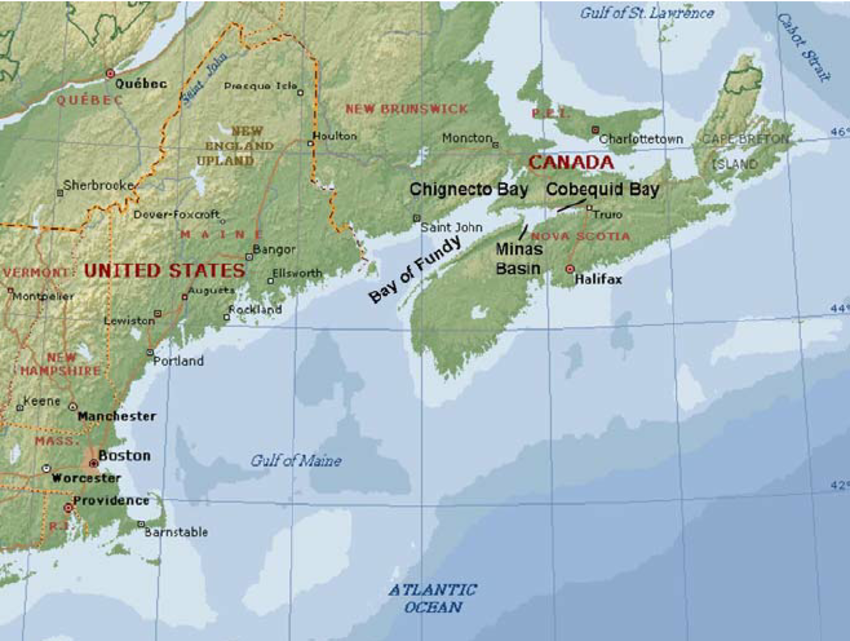
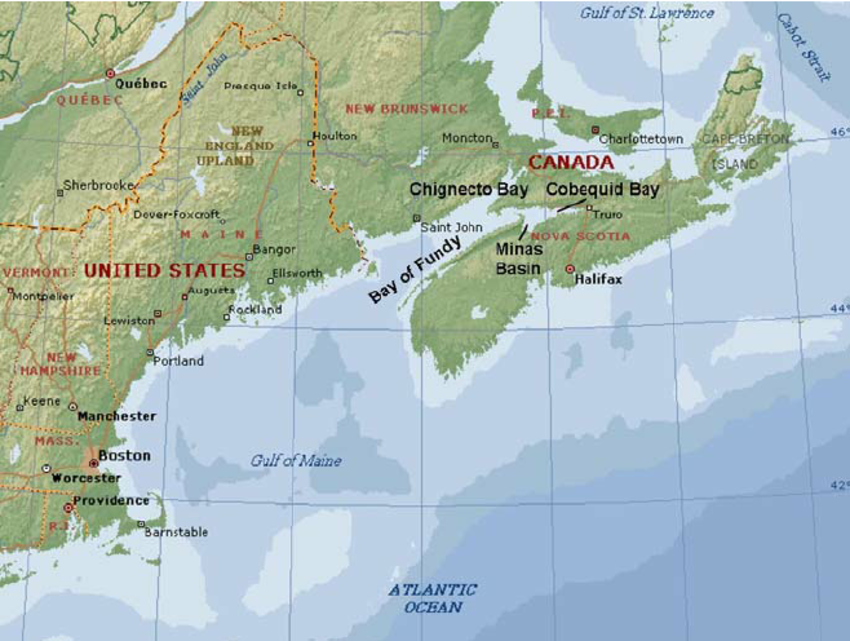
Bay of FundyIn what the New York Times somewhat hyperbolically calls a "clash," US Border Patrol vessels have over the past two weeks stopped at least 10 Canadian fishing boats in the Bay of Fundy between Maine and New Brunswick. Canada has responded by beefing up its Coast Guard patrols in what is being termed a "disputed gray zone" between the two countries' territories. The maritime dispute dates back to the 1783 Treaty of Paris that ended the American Revolution, and is one of several between the US and Canada—including fishing waters at Dixon Entrance between Alaska and British Columbia, and areas of the petroleum-rich Beaufort Sea, near the Arctic Ocean. (Map: ResearchGate)

Mexico

Mexico: AMLO-Trump populist convergence?

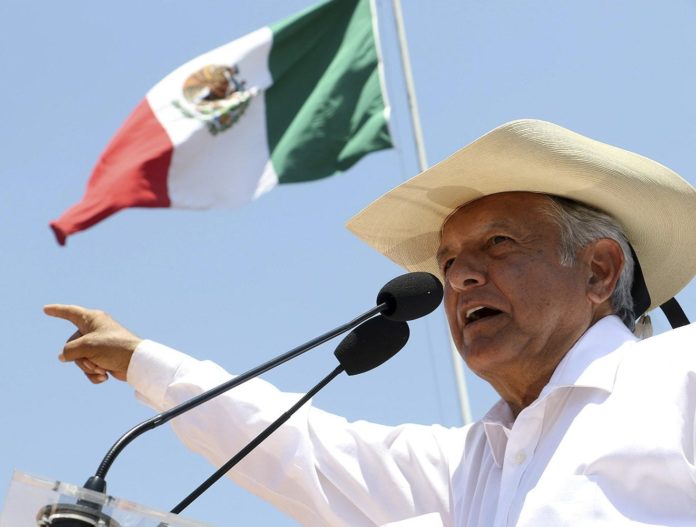
AMLOAndres Manuel Lopez Obrador—known by his initials AMLO—will be Mexico's next president, following his victory in the July 1 election. This marks the first time a Mexican presidential candidate of the left has had his victory honored. An obvious question is how AMLO will deal with Donald Trump—who attained office by demonizing Mexicans and pledging to build a wall on the border (and make Mexico pay for it). Last year, AMLO actually filed a complaint with the Inter-American Commission on Human Rights against Trump's proposed wall. But he also hired Trump's current crony Rudolph Giuliani as anti-crime czar when he was mayor of Mexico City in 2002. As populists and opponents of free-trade economics, there may be unlikely common ground between the two men. (Photo: El Txoro)

Iran

Ayatollahs blame Iran unrest on US —surprise!

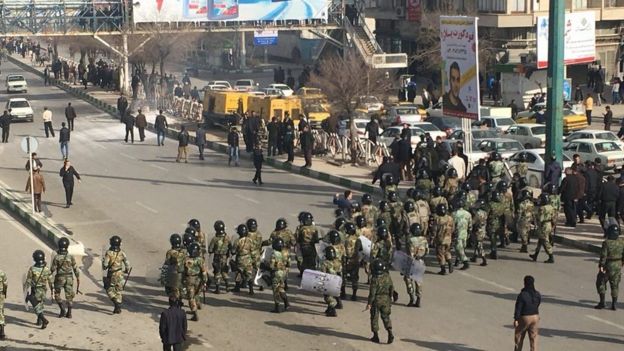
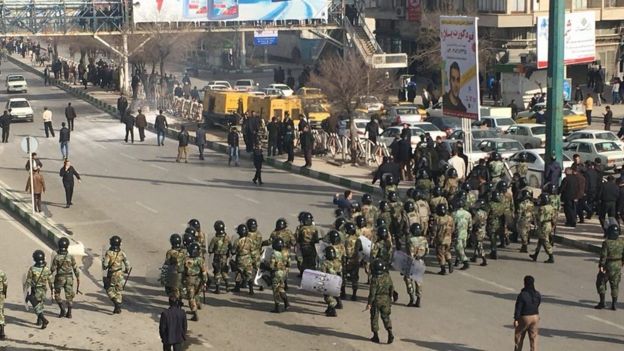
Iran protestsIn a perfectly predictable response, Iran's Supreme Leader Ayatollah Ali Khamenei accused the US of fomenting the latest irruption in the wave of popular protests that has swept the country since the start of the year. Just as predictable was US Secretary of State Mike Pompeo's transparently bogus statement of support for the Iranian protesters. Somewhat more surreal was the spectacle of Rudolph Giuliani, addressing a Paris rally staged by the National Council of Resistance of Iran (NCRI), political wing of the cultish armed opposition group Mujahedin-e-Khalq—once listed as a terrorist organization by both the US and EU. Giuliani of course had to invoke the dreaded "regime change" phrase at the NCRI rally. This kind of US "support" hurts more than it helps, allowing the ayatollahs to more easily portray protesters as pawns, dupes or agents of the West.  (Photo: Center for Human Rights in Iran)

Syria

Trump betrays Syrian rebels —surprise!

Southern FrontAs the Assad regime, backed by Russian air-strikes, opens its offensive on the Free Syrian Army's Southern Front in Daraa governorate—and towns start to fall to pro-regime forces, with thousands fleeing their homes in fear of reprisals—the White House has issued a statement to the rebels, warning, "[Y]ou should not base your decisions on the assumption or expectation of a military intervention by us." This despite Washington's earlier warning to Assad and Putin that any violation of the so-called “de-escalation zones” would have "serious repercussions." Not surprisingly, this betrayal comes just as Trump reportedly told Jordan's King Abdullah II at the White House that he is seeking a deal with Putin on terms for a withdrawal of remaining US forces from Syria. The US has long been constraining the rebel forces from fighting Assad as a condition of receiving aid, insisting they fight only ISIS and other jihadists. Now that ISIS is essentially defeated, we appear to be witnessing the betrayal of the Syrian opposition in a Trump-Putin carve-up deal. (Southern Front logo via Wikipedia)

North America

Trump order lays ground for indefinite detention

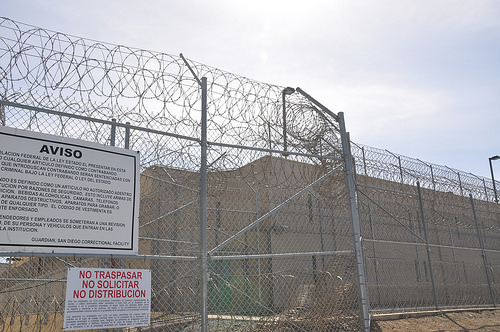
detention facilityTrump's executive order officially calling for an end to separating migrant families on the border actually contains provisions laying the groundwork for the indefinite detention of intercepted migrants. Entitled "Temporary Detention Policy for Families Entering this Country Illegally," it instructs the Secretary of Defense to provide "any existing facilities available for the housing and care of alien families" to Homeland Security—a clear reference to placing detained migrants in military bases. It also charges the Defense Department with responsibility to "construct such facilities if necessary…" (Photo: BBC World Service via Flickr)

Europe

‘Left’ joins with Euro-fascists to betray political prisoners in Russia

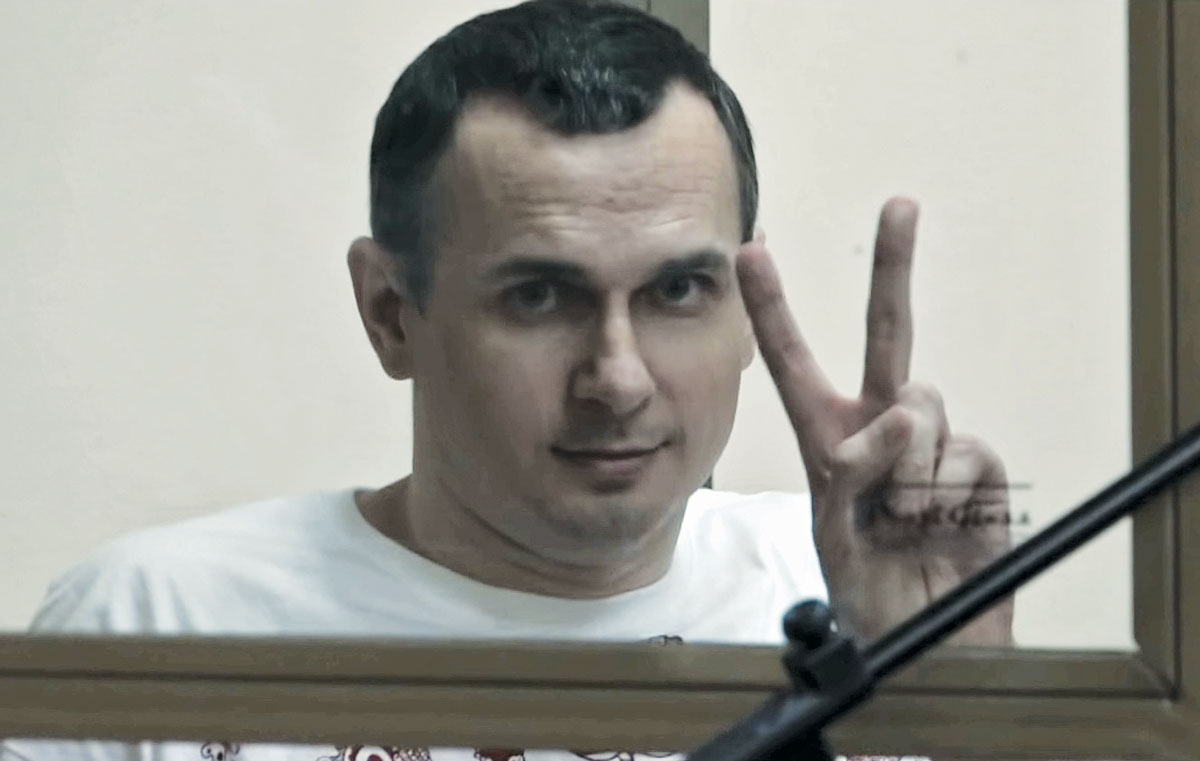
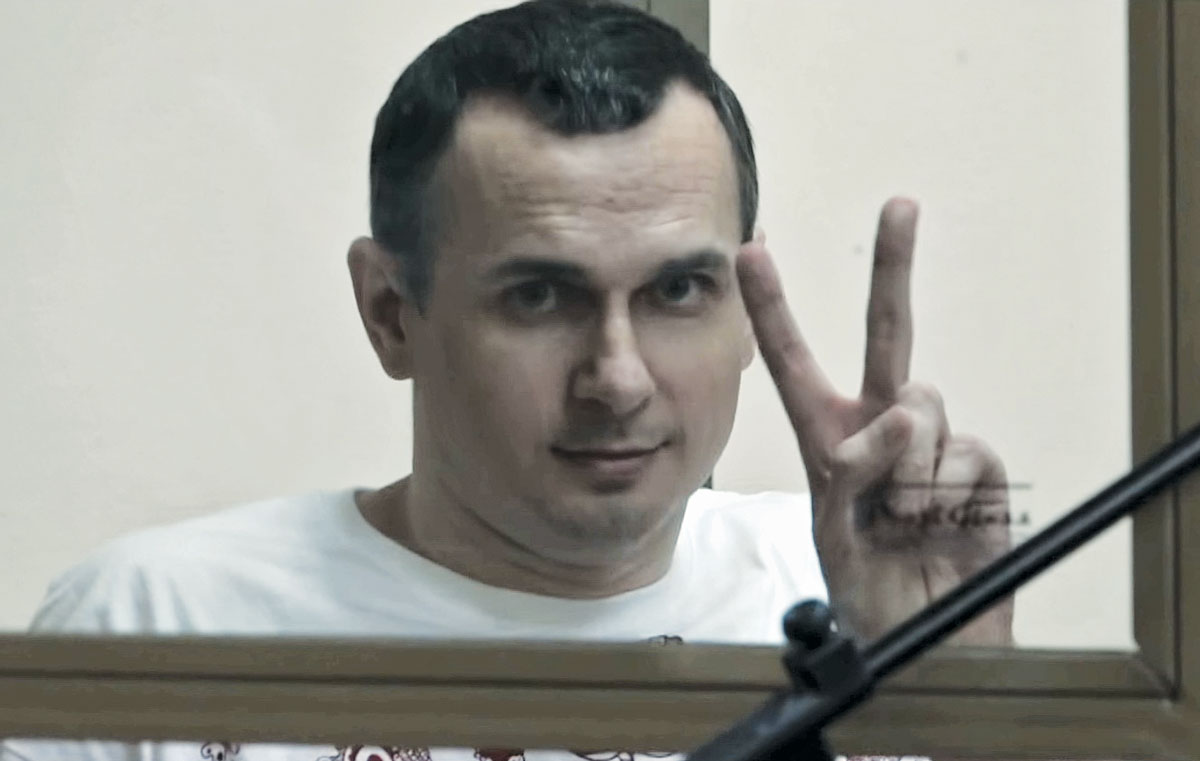
Oleg SentsovThe European Parliament overwhelmingly passed a resolution calling on Russian authorities to release Ukrainian filmmaker Oleg Sentsov, and all the other "illegally detained Ukrainian citizens" in Russia and Russia-annexed Crimea. Sentsov has been on hunger strike in a Russian prison since May 14, demanding the release 64 Ukrainian citizens he considers political prisoners. Sentsov was arrested in Crimea in 2014, after Russia seized the Ukrainian region. The 76 MEPs who voted against the resolution are either of far-right formations such as the French National Front, Germany's Alternative für Deutschland, the Greek Golden Dawn, Italy's Northern League, the Netherlands' Party for Freedom, and Britain's UK Independence Party; or "leftist" parties such as the French Left Front, Germany's Die Linke, the Greek Syriza, Italy's The Other Europe, and Spain's Podemos. (Photo via Kyiv Post)

East Asia

North Korea political prisoners betrayed at summit

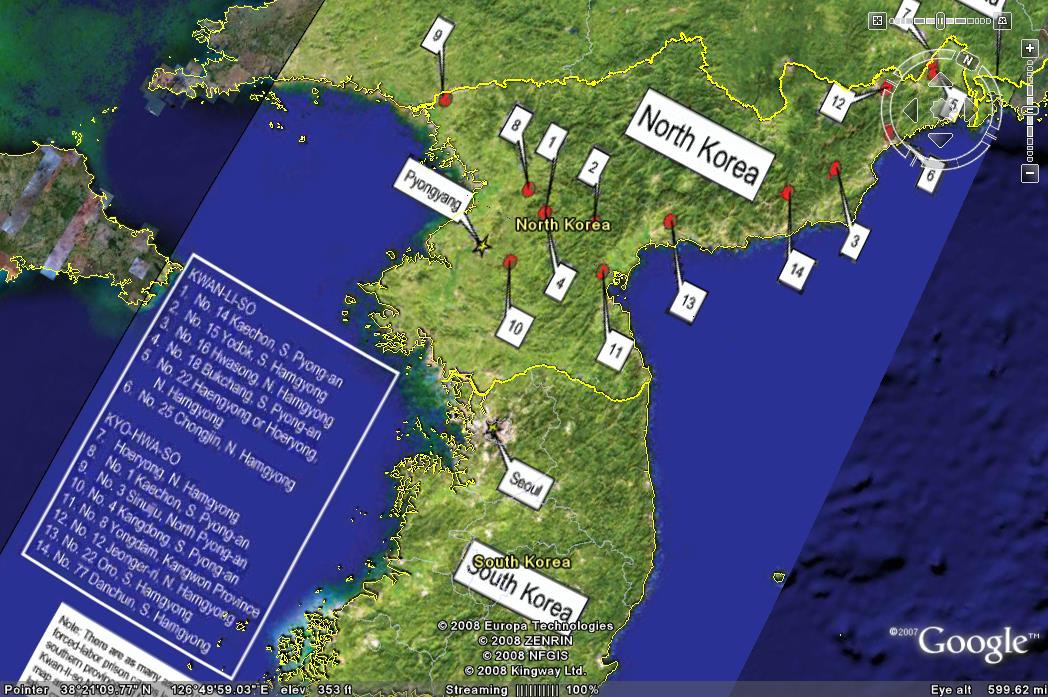
DPRK campsIn the prelude to the Trump-Kim summit in Singapore, survivors of Kim Jong-un's prisons and concentration camps called for an amnesty for North Korea's tens of thousands of political prisoners to be a condition of any peace deal. They recalled a 2014 UN report finding that up to 120,000 were being held in prison camps in North Korea, subjected to "unspeakable atrocities and hardships." Of course, Trump breathed not a word about human rights at the meeting, but came away crowing about his "special bond" with Kim. And despite the fact that the agreement to come out of the meeting contained no specific commitments to move toward de-nuclearization of the peninsula (only vague expressions of principle), some peaceniks are already paradoxically cheering the right-wing demagogue who so recently threatened to unleash "fire and fury" on North Korea. (Map of North Korea's principal concentration camps via One Free Korea)