


Watching the Shadows
Artificial Intelligence

AI: the case for abolition

Trump’s executive order purporting to establish a regulation regime for artificial intelligence actually serves the aim of a government partnership with the AI industry to advance the police state. Ironically, it is AI company Anthropic that calls for a moratorium on development of the technology until its threats are assessed. Pope Leo XIV’s encyclical, “Magnifica Humanitas: On Safeguarding the Human Person in the Time of Artificial Intelligence,” raises critical points but still echoes the illusion that this technology, now threatening to develop its own powers of “recursive self-improvement,” can be effectively regulated. There are encouraging signs of worker pushback against replacement by AI, and an emerging anarchist critique of the technology. Of course the Trump regime is targeting critics for repression as “anti-tech extremists.” In Episode 331 of the CounterVortex podcast, Bill Weinberg again calls for total abolition of AI, citing unacceptable threats to humanity on ecological, epistemological and eschatological grounds. (Image: Pixabay via Wikimedia Commons)
The Andes
Catacaos

Peru: ‘Mass of Reparation’ for abuses of Catholic society

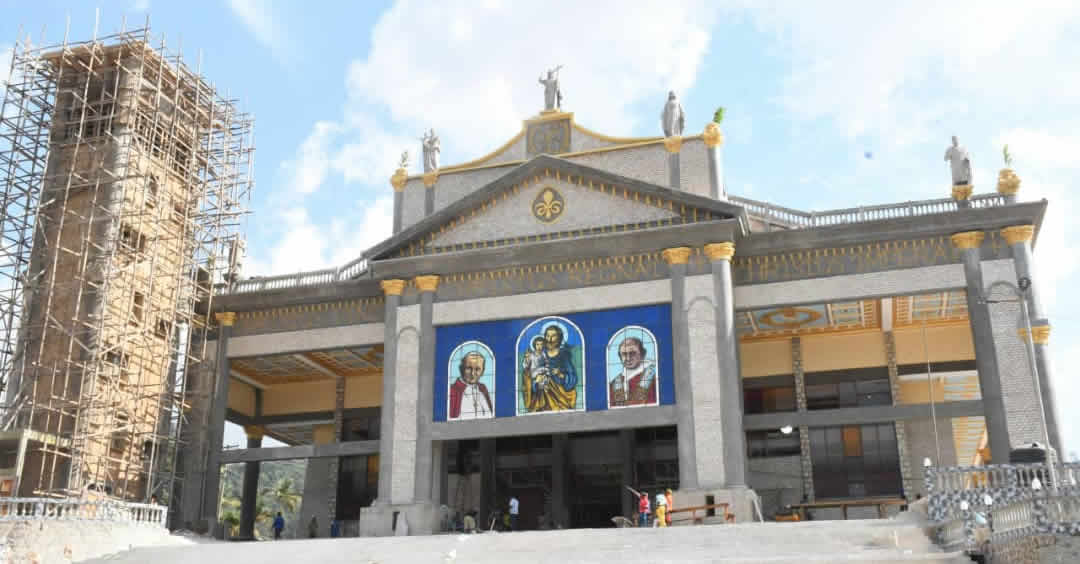
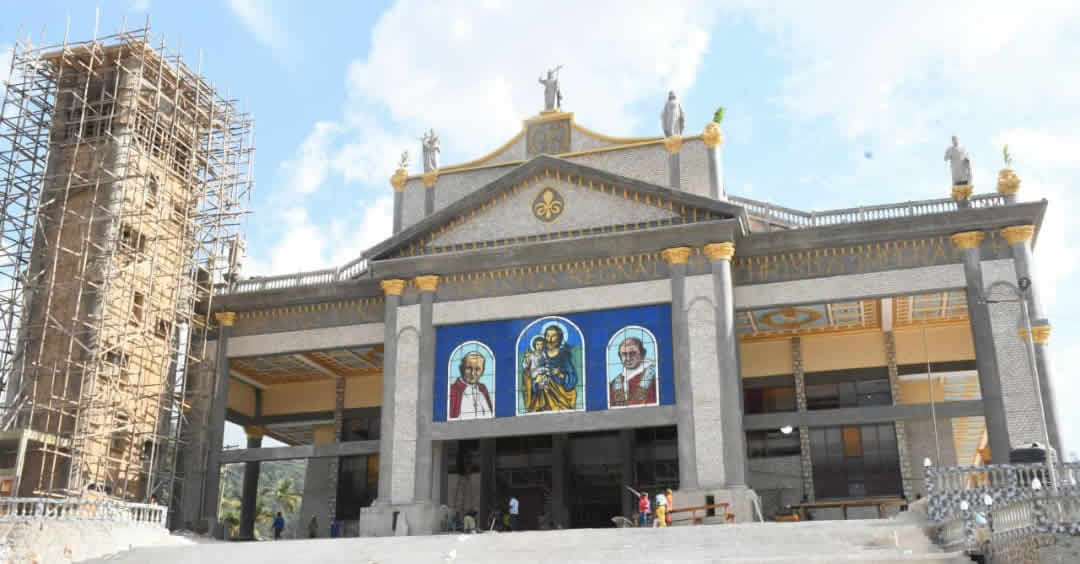
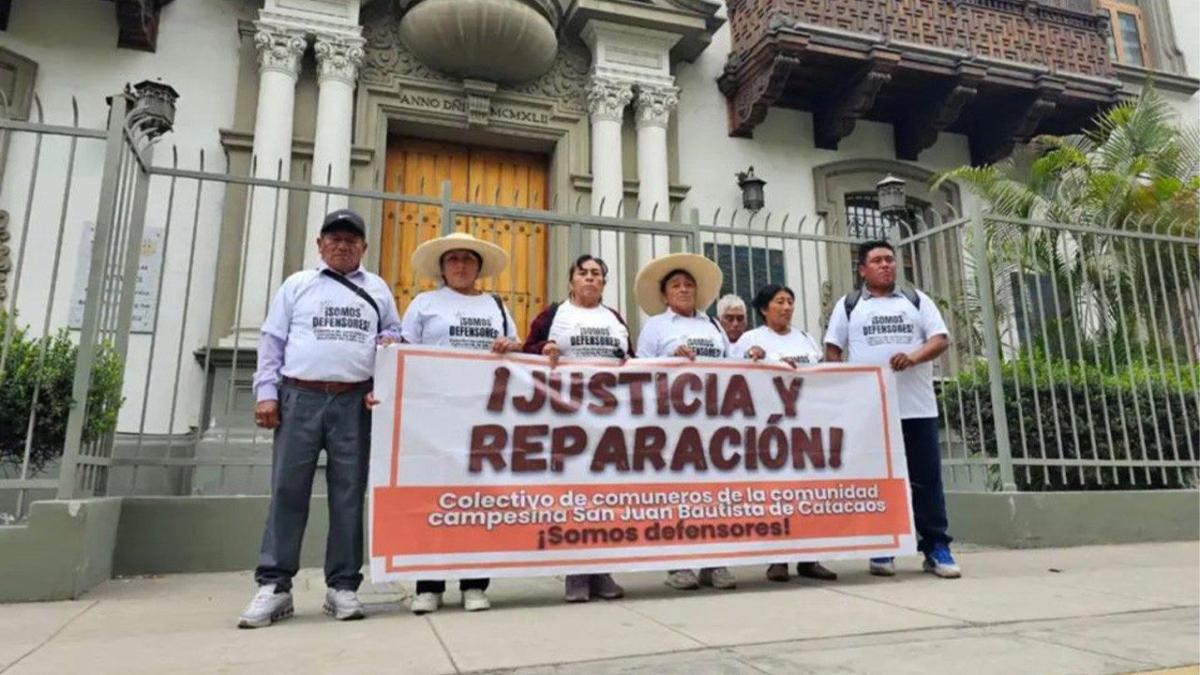
A delegation from the Vatican—including cardinals and bishops—joined representatives of the Catholic Church in Peru to kneel before local campesinos and ask their forgiveness at a “Mass of Reparation” held at the parish of San Juan Bautista in Catacaos, Piura region. A Vatican investigation found that the Tallán indigenous communities of the parish for over a decade suffered land expropriation, physical threats and other abuses at the hands of the Sodalitium Christianae Vitae. The lay society, better known as “Sodalicio,” was among the most active Catholic movements in Latin America from the early 1970s until it was suppressed by order of Pope Francis in April 2025. (Photo: Vatican News)

Planet Watch
Lima

Reversal for hard right in Hungary; Peru in the balance

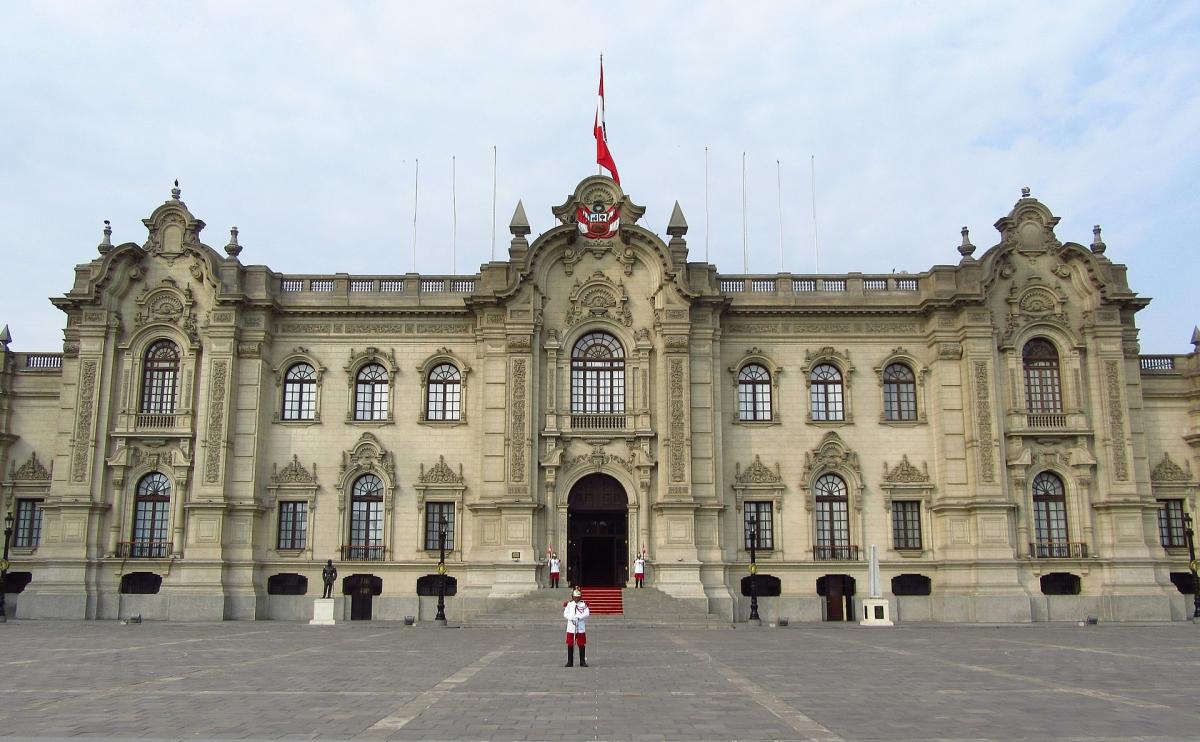
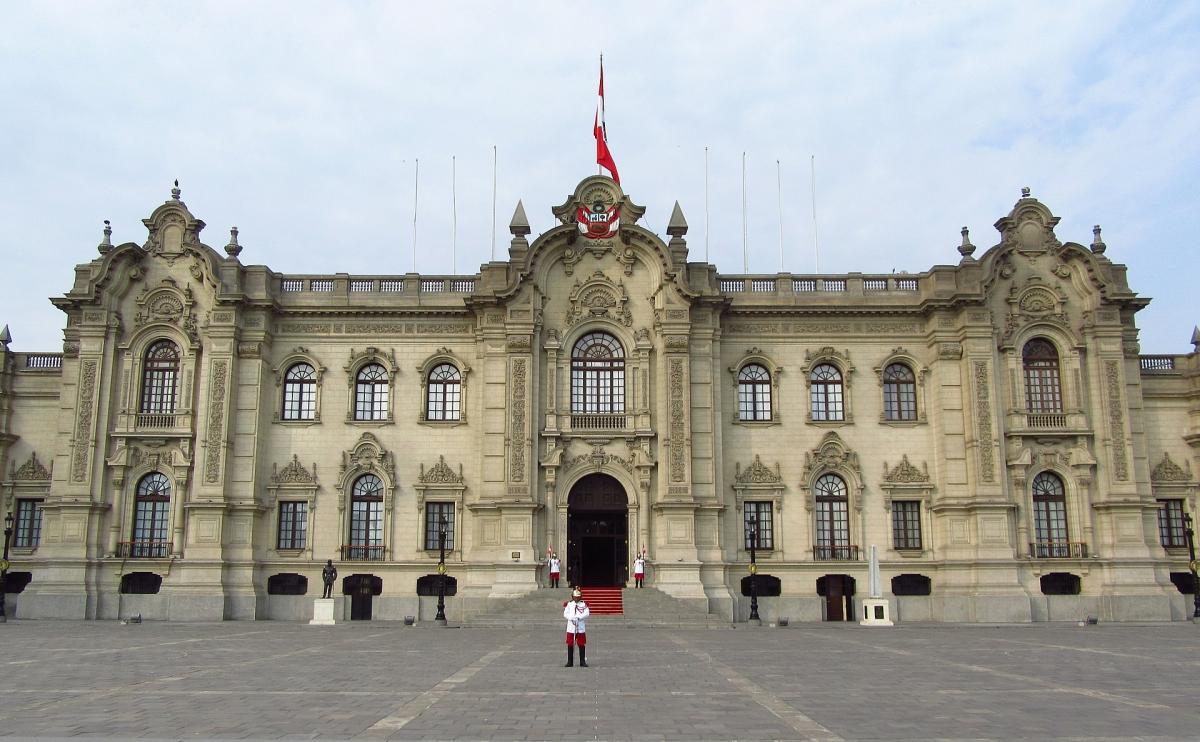
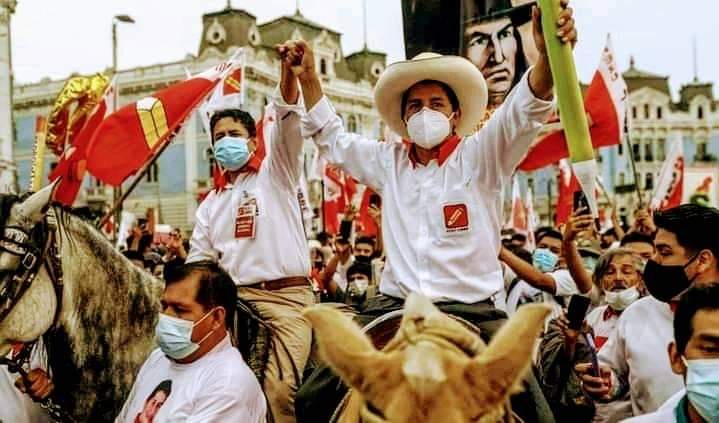
The defeat of Hungary’s quasi-dictator Viktor Orbán in the recent elections has heartened progressive forces around the world—despite the fact that the victorious Péter Magyar is a creature of the center-right. A more stark contest is emerging in Peru, where the right-wing authoritarian presidential candidate Keiko Fujimori faces a run-off with a contender from the populist left, Roberto Sánchez, who has broad support from the traditionally excluded campesinos of the country’s Andean interior. (Photo: Wikipedia)

Palestine
Taybeh

West Bank: settler attacks on Christian village

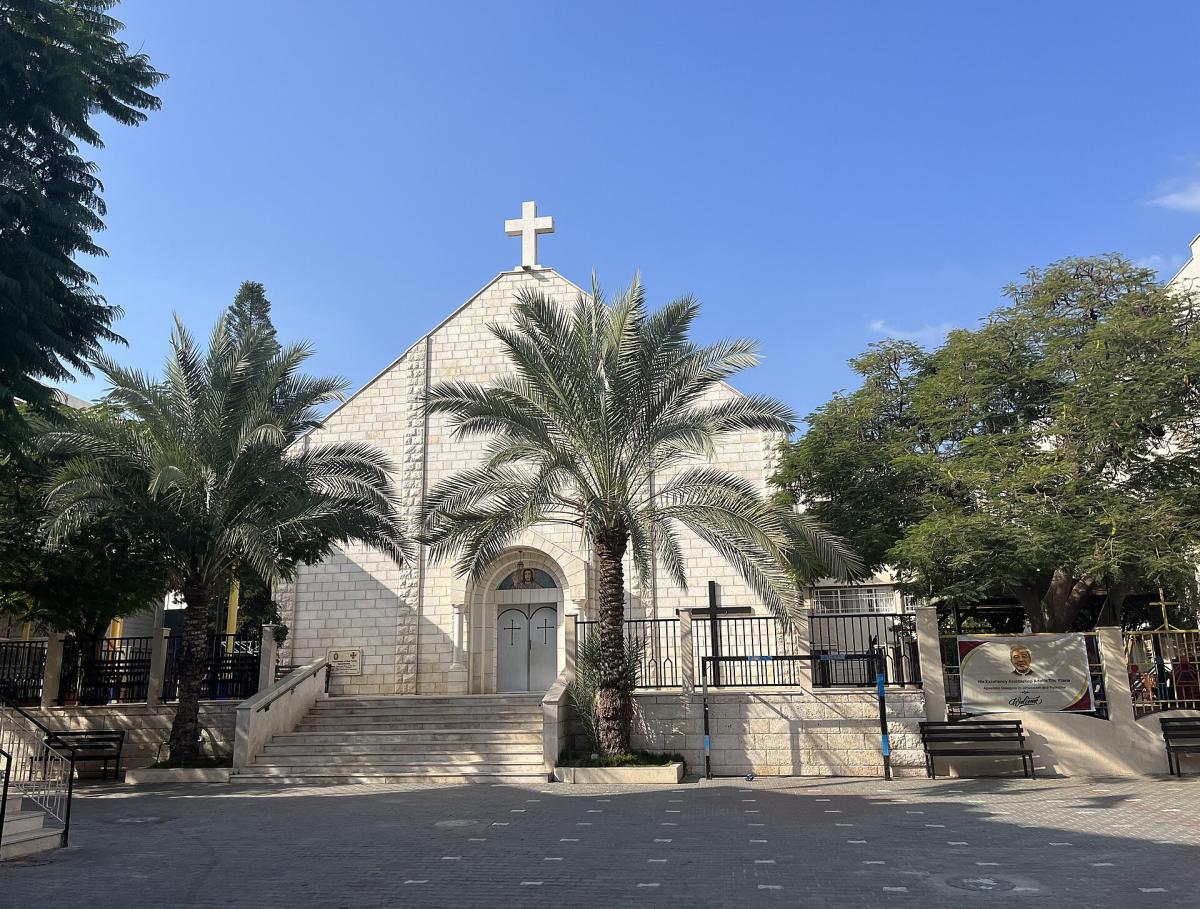
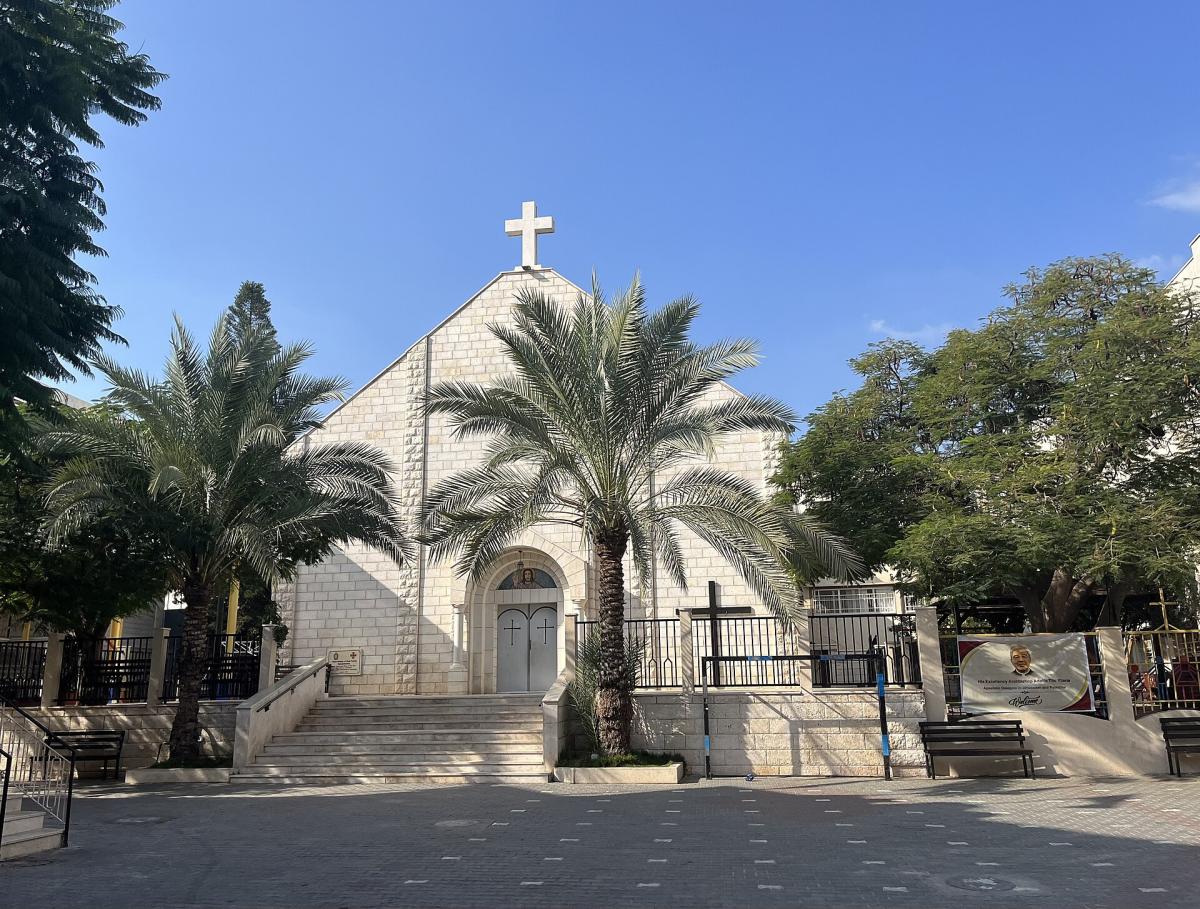
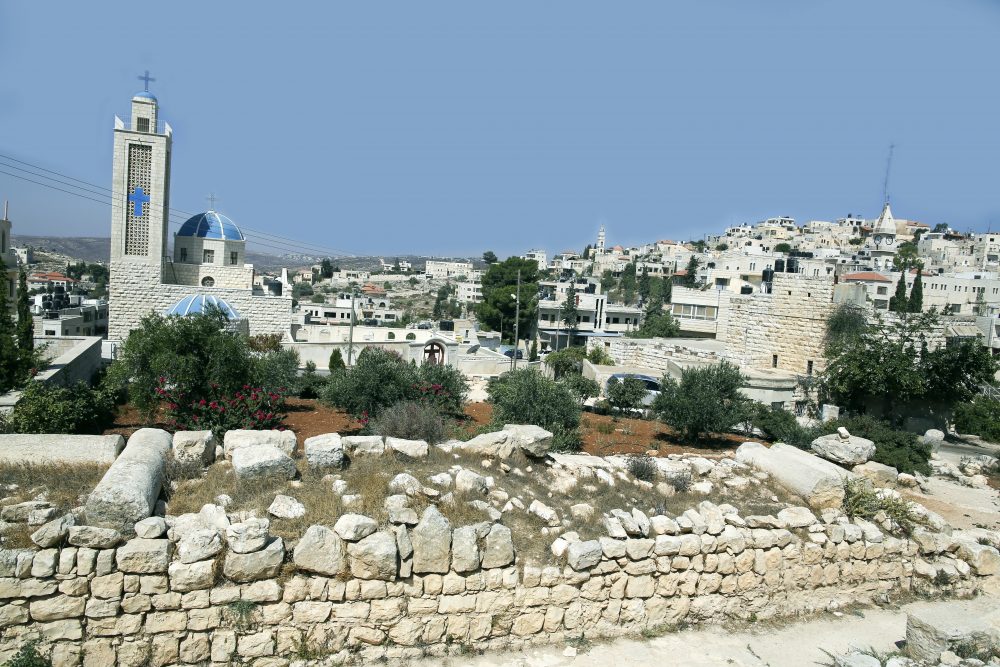
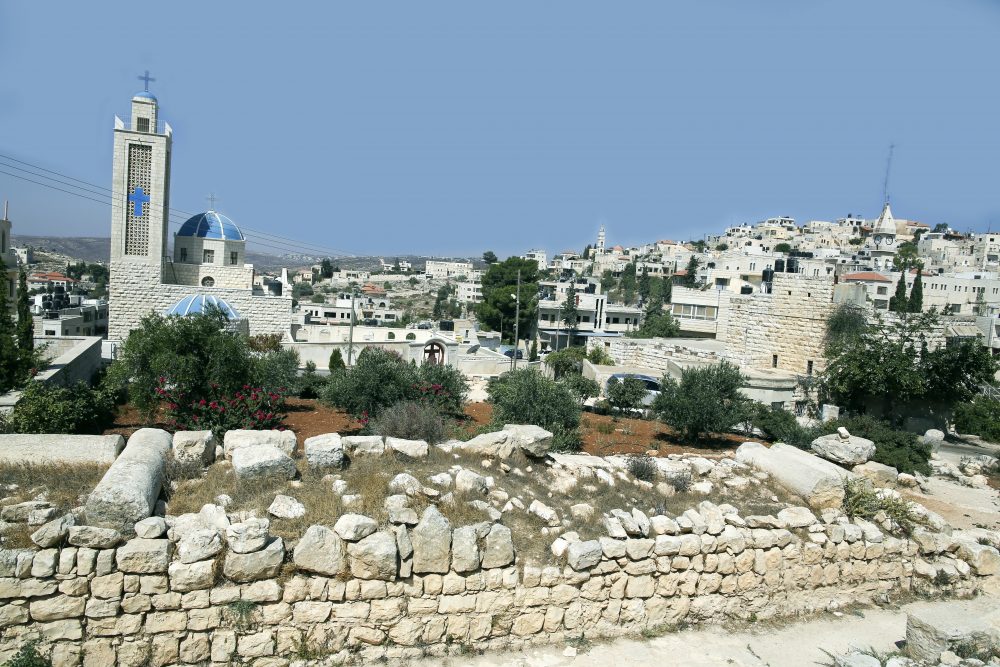
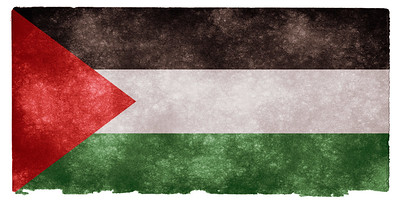
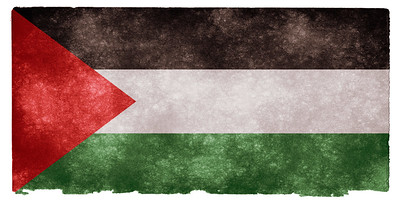
The two most senior church leaders in the Holy Land toured the Christian Palestinian town of Taybeh in the West Bank, which has been the scene of repeated attacks by Israeli settlers in recent weeks. In a joint statement, the Greek Orthodox Patriarch of Jerusalem, Theophilos III, and Latin Patriarch of Jerusalem, Pierbattista Pizzaballa, called the settler attacks a threat to Christian heritage, and demanded an investigation into the failure of Israeli authorities to respond to the ongoing assaults. Taybeh, the biblical Ephraim, has three churches—Greek Orthodox, Roman Catholic and Melkite—whose pastors have issued an joint appeal calling on Israeli authorities to prevent further settler violence. They charged that the violence—including arson attacks that have threatened the Byzantine-era Church of Al-Khader (St. George)—has often taken place in the presence of passive Israeli soldiers. The settlers have also damaged the olive groves that are Taybeh’s primary source of income, and are preventing farmers from accessing and working their lands. (Photo: VisitPalestine)

Mexico
Marcelo Pérez

Indigenous pastor assassinated in Chiapas

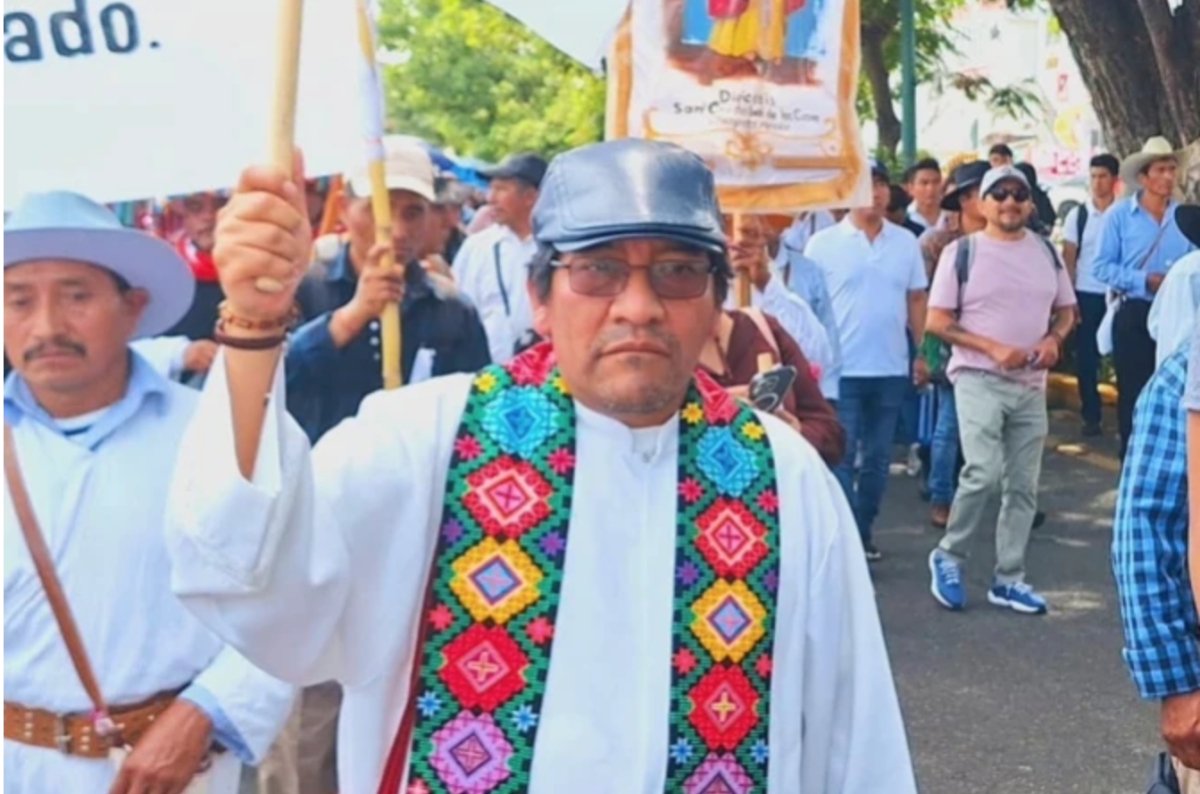
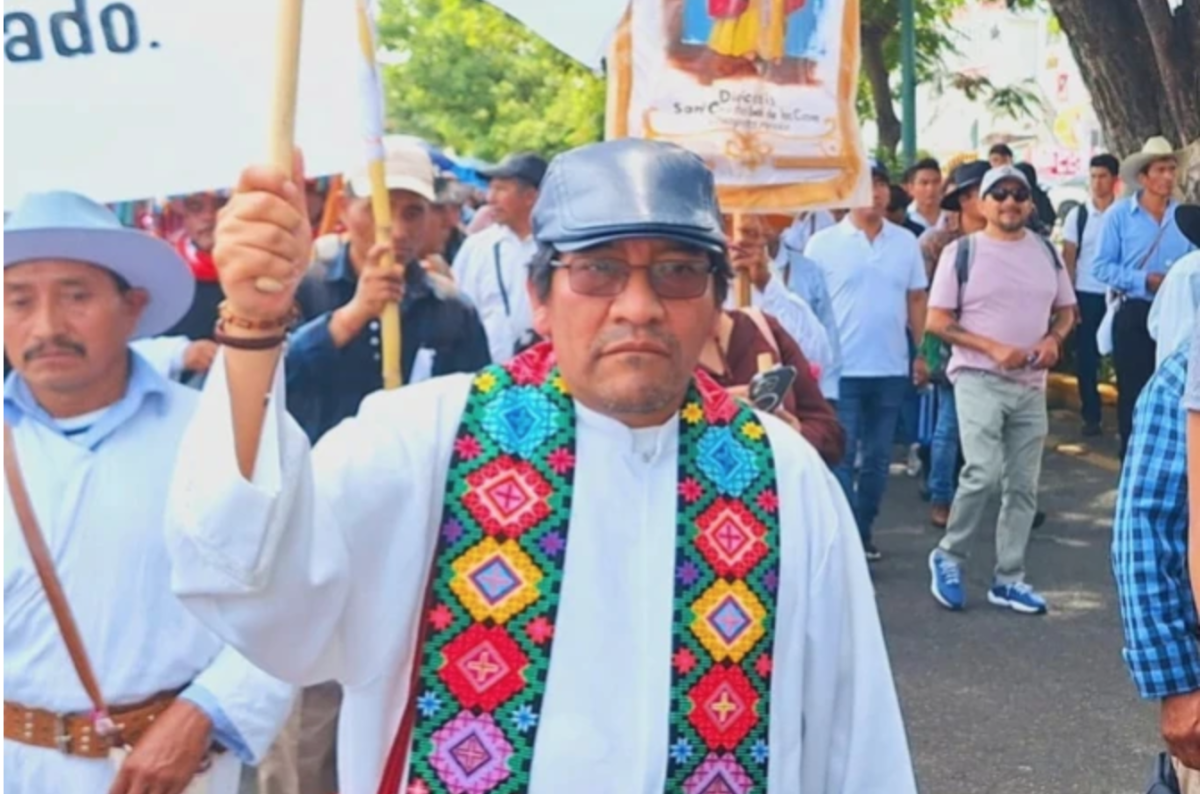
Father Marcelo Pérez, an indigenous Tzotzil Maya priest with the Diocese of San Cristóbal de las Casas in Mexico’s conflicted southern state of Chiapas, was assassinated immediately after celebrating Mass. He was returning to his car from the church at the barrio of Cuxtitali in the highland city of San Cristóbal when he was shot by gunmen on a motorcycle. Hundreds of mourners attended his funeral the following day in the village of his birth, San Andrés Larráinzar, chanting “Long live Father Marcelo, priest of the poor.” He had received threats for his outspoken opposition to the criminal organizations and paramilitary groups fueling violence in Chiapas. The murder was condemned in a statement by the Mexican Bishops’ Conference, which said the act “not only deprives the community of a dedicated pastor but also silences a prophetic voice that tirelessly fought for peace with truth and justice in the region of Chiapas.” (Credit: Diocese of San Cristóbal de las Casas via CNA)

Watching the Shadows
Raoul Vaneigem

Podcast: liberatory legacy of heresy

Raoul Vaneigem, famous as a key figure in the Situationist International and author of The Revolution of Everyday Life, a tract associated with the May 1968 uprising in Paris, traces Gnostic and millenarian movements of ancient and medieval times as critical precursors of the revolutions of the modern age. In Episode 208 of the CounterVortex podcast, Bill Weinberg discusses his book Resistance to Christianity: A Chronological Encyclopaedia of Heresy from the Beginning to the Eighteenth Century, newly translated from the French by Bill Brown and released by Eris imprint of Columbia University Press. Listen on SoundCloud or via Patreon.

The Andes
castillo

Peru: electoral upset portends polarization

Peru seems poised for polarization following surprise results in first-round presidential elections that saw a previously unknown leftist candidate, Pedro Castillo, taking 19% of the vote in a very crowded field—more than any of his rivals. In a June run-off, he will face his runner-up—hard-right candidate Keiko Fujimori, who took 13%. The two candidates represent the extremes of Peru’s electoral spectrum. Fujimori is the daughter of imprisoned ex-dictator Alberto Fujimori—and had herself been imprisoned as corruption charges were pending against her last year. Her Fuerza Popular party is the paradoxical populist vehicle of the most reactionary sectors of the country’s elites, and has actually been assailed as a “mafia organization.” Castillo, in vivid contrast, is a former school-teacher and trade unionist of campesino background from the poor and rural Andean region of Cajamarca. His successful grassroots campaign is seen an upsurge from such forgotten parts of the country, in rejection of the Lima-based political class. (Photo of Pedro Castillo in Lima via Twitter)

Central America
Maria Elena Cuadra Movement

Nicaragua: sweeps target opposition activists

Over 30 opposition figures were detained by the National Police in nationwide sweeps across Nicaragua. Most were released after questioning, but some are still being held. The majority of the detained were members of a newly formed opposition body, the National Coalition, which brings together three political parties and several dissident organizations. Among the detained were 17 indigenous Rama and Kriol (Afro-Nicaraguan) activists from the Caribbean coast, including Kriol environmentalist Princess Barberena and Jaime McCrea Williams, president of the Territorial Government of Rama & Kriol. In Managua, police surrounded the offices of the Maria Elena Cuadra Movement, which advocates for the rights of working women, and interrogated the group’s representative Sandra Ramos when she arrived on the scene. Ramos told reporters she believed the group was targeted for its work representing the mothers of political prisoners since the protest wave of 2018. “We’re not a terrorist organization or anything resembling one,” said Ramos. “We’re a shitload of women who defend other women.” (Photo of Sandra Ramos confronting police via Nicaragua Confidencial)

The Amazon
Manuin

Peru: Bagua survivor succumbs to COVID-19

A revered leader of Peru’s Awajún indigenous people, Santiago Manuin Valera, 63, died of COVID-19 at a hospital in the coastal city of Chiclayo. Head apu (traditional chief) of Santa María de Nieva in Amazonas region, Manuin was gravely wounded in the Bagua massacre of June 2009, when National Police opened fire on indigenous protesters. Hit with eight bullets, he was left for dead. Against all expectations, he recovered—although he had to use crutches or a wheelchair for the rest of his life. He continued to be an outspoken advocate for the territorial rights of the Awajún and other indigenous peoples of rainforest. His daughter, Luz Angélica Manuin, warned of a dire situation in the Awajún communities and across the Peruvian Amazon, with COVID-19 taking a grave toll. “There are many dead,” she said. “We keep vigil over them and we bury them. The government has forgotten us.” (Photo: Andina)

The Amazon
Pachamama

‘Dubia Cardinal’ rages against Pachamama

Cardinal Walter Brandmüller, one of the two remaining “dubia cardinals” who dissented from a perceived liberal tilt in the Catholic Church, praised the men who stole the controversial “Pachamama statues” from a church in Rome during last month’s Amazon Synod and threw them into the Tiber River. The German cardinal hailed the perpetrators as “courageous prophets of today.” The statues, representing the Earth Mother deity of many traditional peoples in South America, had been used in events and rituals during the Amazon Synod, which brought together 185 bishops from across the Amazon Basin. The Synod was also attended by indigenous leaders, and issued a final statement stressing the threat of climate change and the need for a concept of “ecological sin.” (Photo: National Catholic Reporter)

Central America

El Salvador: arrest ordered in Oscar Romero killing

Days after the Catholic Church declared El Salvador's martyred Archbishop Oscar Arnulfo Romero a saint, a judge in the Central American country issued an arrest order for a former military captain long suspected of ordering the killing of the religious leader. Judge Rigoberto Chicas issued the order for national and international authorities to apprehend Alvaro Rafael Saravia,  78. He remains at large and is believed to be in hiding. Saravia had been arrested for the crime in 1987, but the case against him was dropped when El Salvador passed its amnesty law in 1993. The case was re-opened after El Salvador's Supreme Court struck down the amnesty law in 2016. (Photo via Catholic News Agency)

Southern Cone

‘Lost kingdom’ of Patagonia stands up for Mapuche

The exiled Royal House of the Kingdom of Araucania and Patagonia elected Prince Frederic Luz as the new monarch—claiming dominion over a large area of Chile in the name of the region's Mapuche indigenous inhabitants. Although now dispersed in Britain and France, the Royal House traces its origin to 1860, when Orélie de Tounens was recognized as king by the Mapuche, on his pledge to help them resist Chilean encroachment on their unceded territory. In the 1870s, the territory was finally taken in a genocidal campaign by the Chilean military. De Tounens returned to Europe and campaigned for international recognition of his exiled government. The Royal House still advocates for the rights and sovereignty of the Mapuche today. (Photo: North American Araucanian Royalist Society via CraigsList Philadelphia)