
South Asia

Sikh separatist arrested in India after manhunt
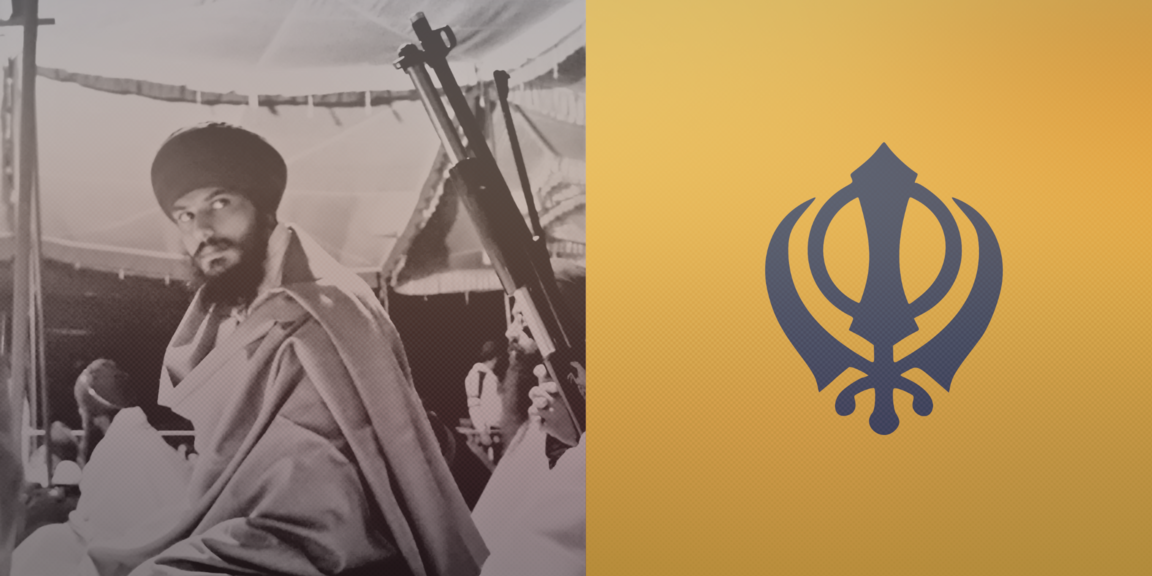
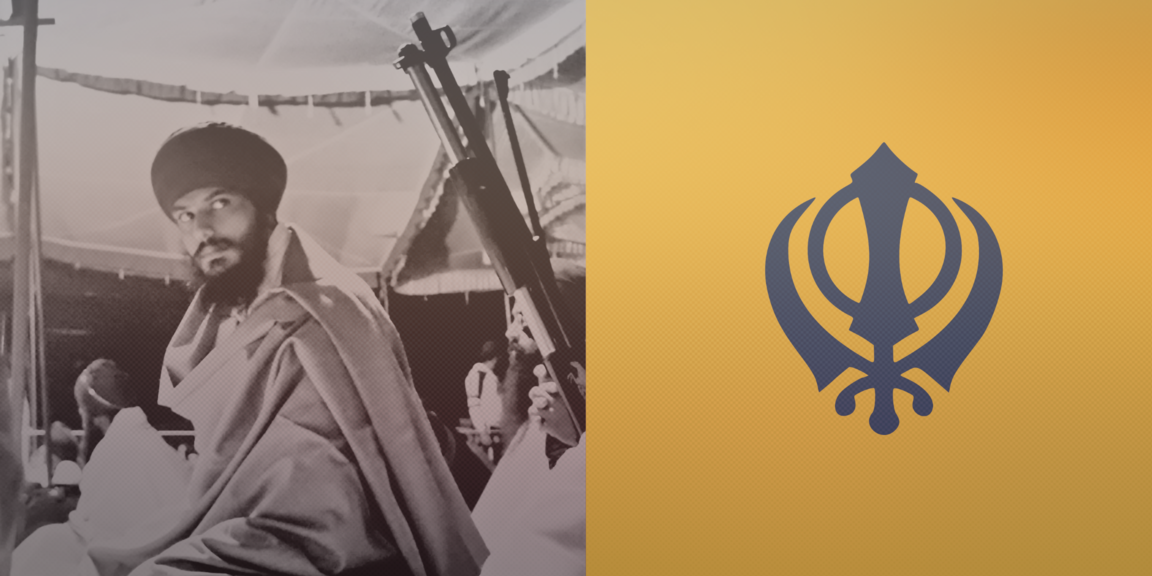
KhalistanIndian police arrested Sikh separatist leader Amritpal Singh after a month-long manhunt. Singh gained notoriety for supporting the Khalistan movement, which calls for an independent Sikh homeland in the northwest state of Punjab. He was taken into custody in the gurdwara (Sikh temple) of a Punjab village. He is charged with attempted murder, obstructing law enforcement, and disturbing the peace under terms of the harsh National Security Act. The charges concern a February incident in which hundreds of followers of Singh's organization Waris Punjab De (Heirs of Punjab) stormed a police station in Amritsar with sticks, swords and firearms, demanding the release of a detained member of the group. During the manhunt for Singh, authorities cut off internet access to all Punjab, a state of nearly 30 million. (Images of Amritpal Singh, Khalistan flag: Wikimedia Commons. Collage: Jurist)
Inner Asia

Kazakhstan: environmental suit against Caspian consortium

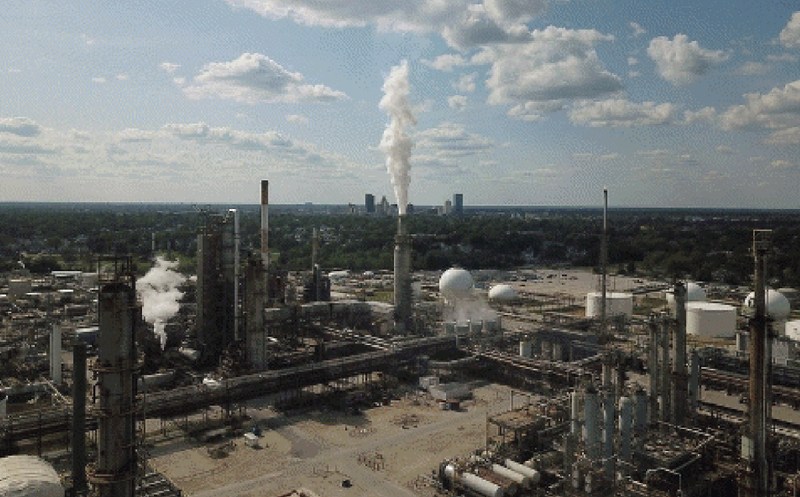
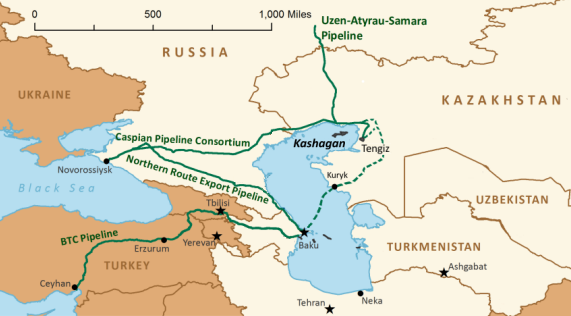
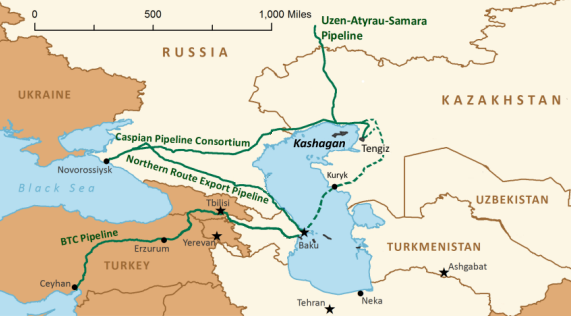
KashaganThe government of Kazakhstan has brought a legal action for violation of environmental protection laws against the North Caspian Operating Company (NCOC), the consortium leading development of the country's massive Kashagan oil field, seeking $5.14 billion in fines. In the complaint, the Ministry of Ecology & Natural Resources cites storage of sulfur on site in excess of permitted limits, burning of crude gas on flares without a permit, improper discharge of wastewater, and other violations. Kashagan is one of the largest oil-fields discovered on Earth over the past 40 years, with recoverable reserves estimated at up to 13 billion barrels. The consortium includes the Italian Eni, French Total, US-based ExxonMobil, Anglo-Dutch Shell, Chinese CNPC, Japan's Inpex, and KazMunayGas, the Kazakh national operator. (Map: US Energy Information Administration via Jurist)

Europe

Podcast: Belarus and nuclear escalation

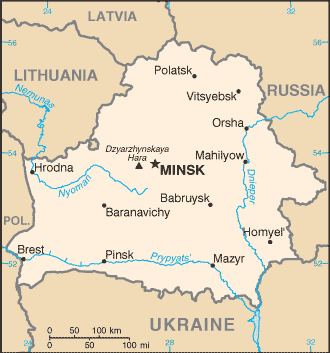
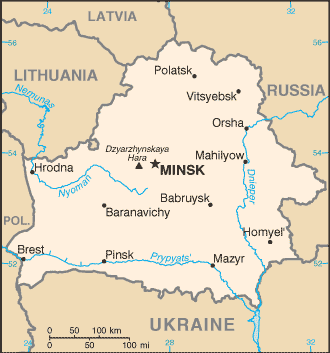
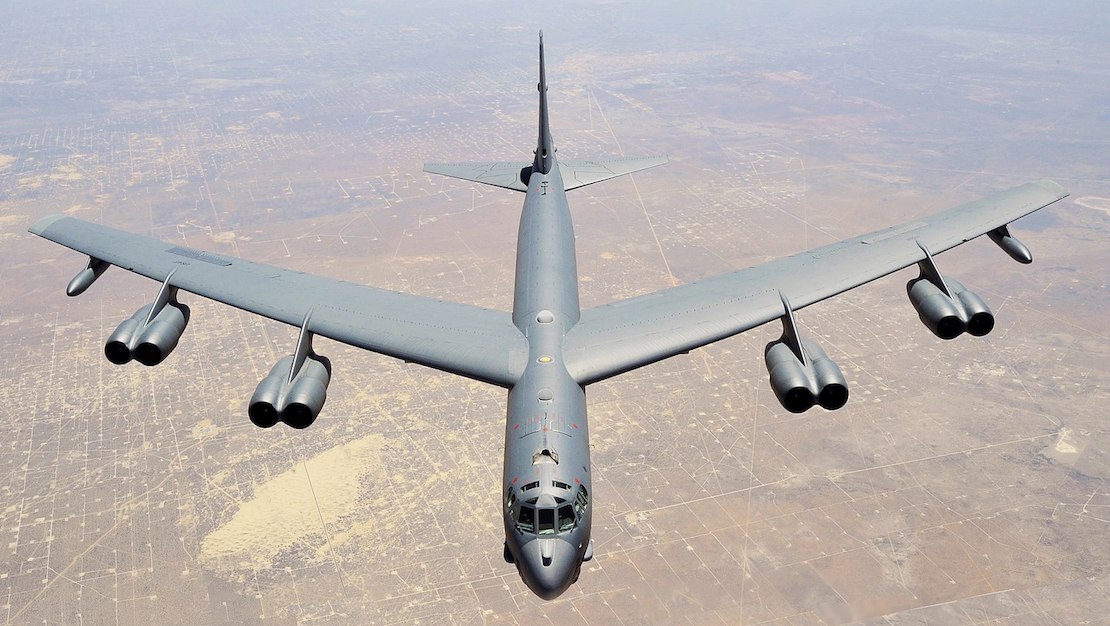
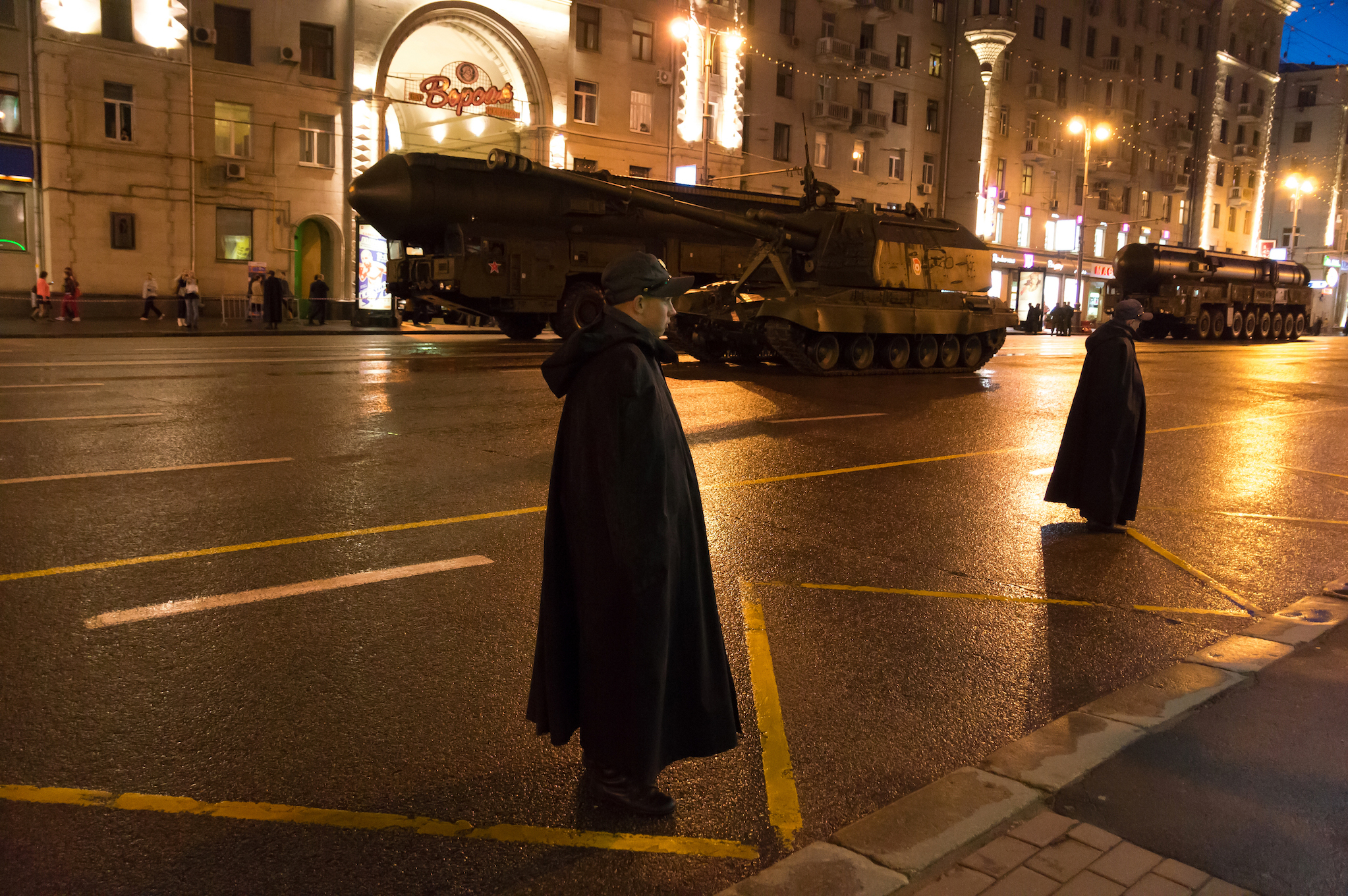
BelarusIn Episode 167 of the CounterVortex podcast, Bill Weinberg examines Putin's plans to place tactical nuclear weapons in Belarus. The Russian strongman's dubious justification for the move is the UK's decision to supply depleted uranium shells to Ukraine. Depleted uranium is indeed sinister stuff—but Russia itself has been already using DU weapons in Ukraine for over a year now! Russia's reckless occupation of the Zaporizhzhia power plant also represents a far more serious escalation on the ladder of nuclear terror than the use of DU. Putin further claims he is merely countering the NATO tactical nuclear weapons stationed in Europe. But NATO's warheads are stored in underground vaults, to be loaded onto plane-dropped gravity bombs if the Alliance makes a decision for their use. In contrast, Moscow has already placed nuclear-capable tactical missiles in Belarus—as well as in the Russian exclave of Kaliningrad, bordering NATO members Poland and Lithuania. If these were armed with warheads, it would represent a dramatic escalation in hair-trigger readiness. Additionally, Belarusian dictator Alexander Lukashenko has now broached actually having Russian strategic ICBMs placed in his country. The civil opposition in Belarus has been effectively crushed in a wave of mass repression over the past three years—but an underground resistance movement is now emerging. This struggle finds itself on the frontline of the very question of human survival. Listen on SoundCloud or via Patreon. (Map via PCL Map Collection)  

Europe

UK: new measures to halt ‘disruptive’ protests

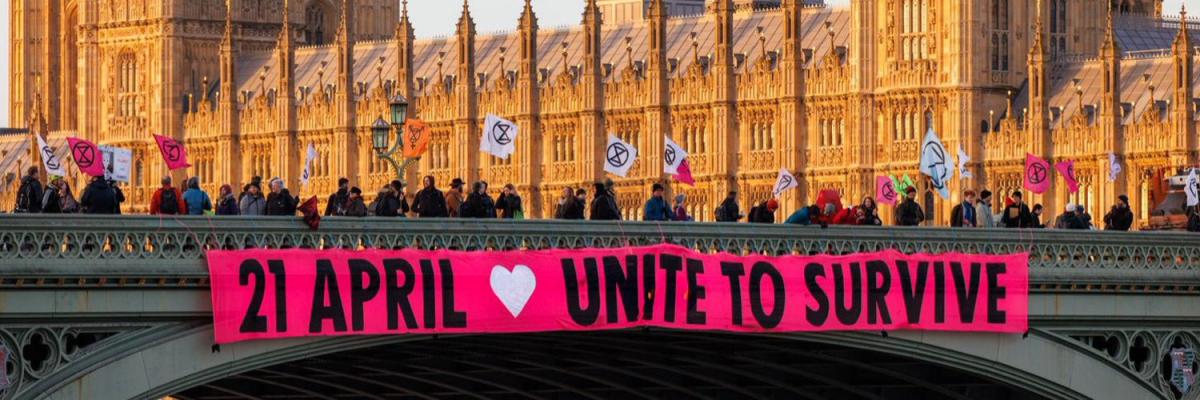
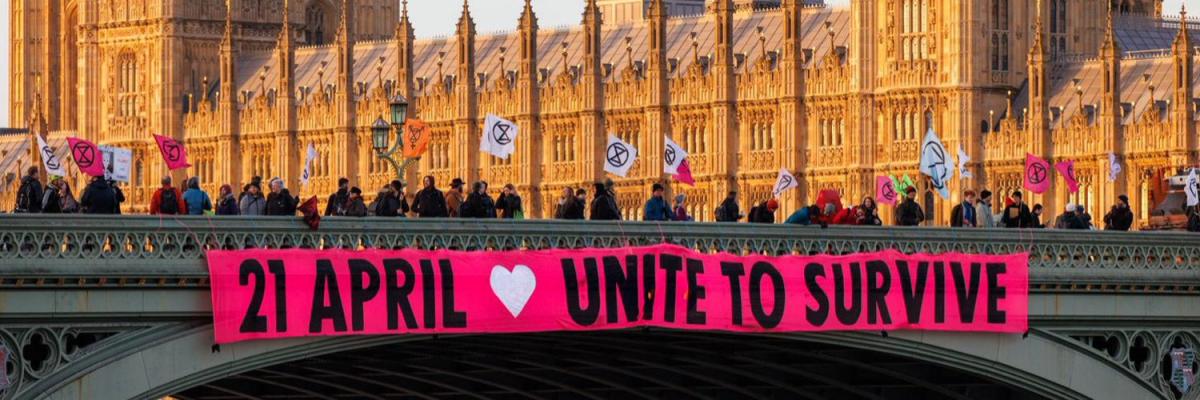
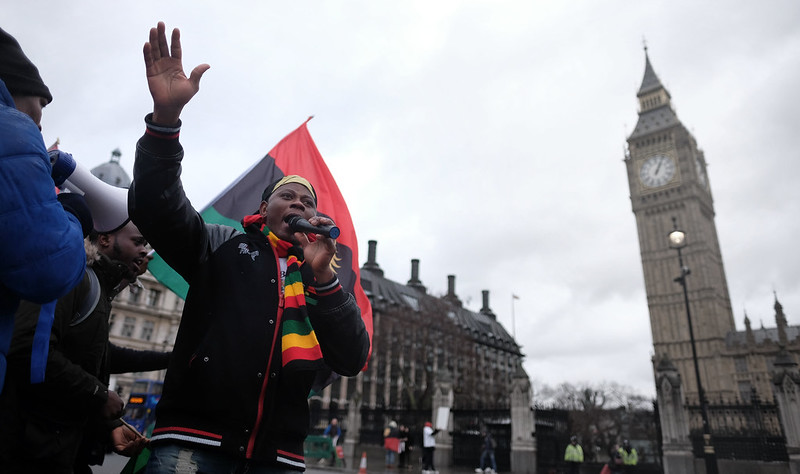
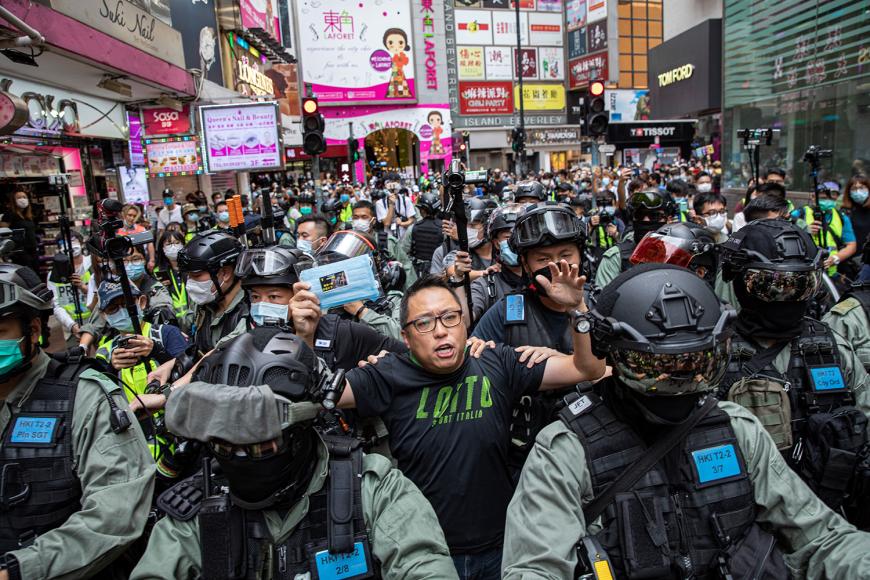
@XRebellionUKThe UK government introduced amendments to the pending Public Order Bill to change the definition of "serious disruption," broadening the range of situations in which police in England and Wales may act to stop protests. Police will not need to wait for disruption to take place to shut down protests under the proposed measures. The amendments would also create a new criminal offense for interfering with "key national infrastructure." The amendments are clearly aimed at activist groups such as Extinction Rebellion, Just Stop Oil and Insulate Britain. Through the Police, Crime, Sentencing & Courts Act 2022, the government already created a statutory offense of "public nuisance," created powers for the police to place conditions on "unjustifiably" loud protests, and increased the sentences for obstructing highways. Prime Minister Rishi Sunak sat down with the Home Secretary and police chiefs in December to give a clear message that the Government expects protesters who disrupt the lives of others to be removed and arrested. (Photo: @XRebellionUK)

Planet Watch
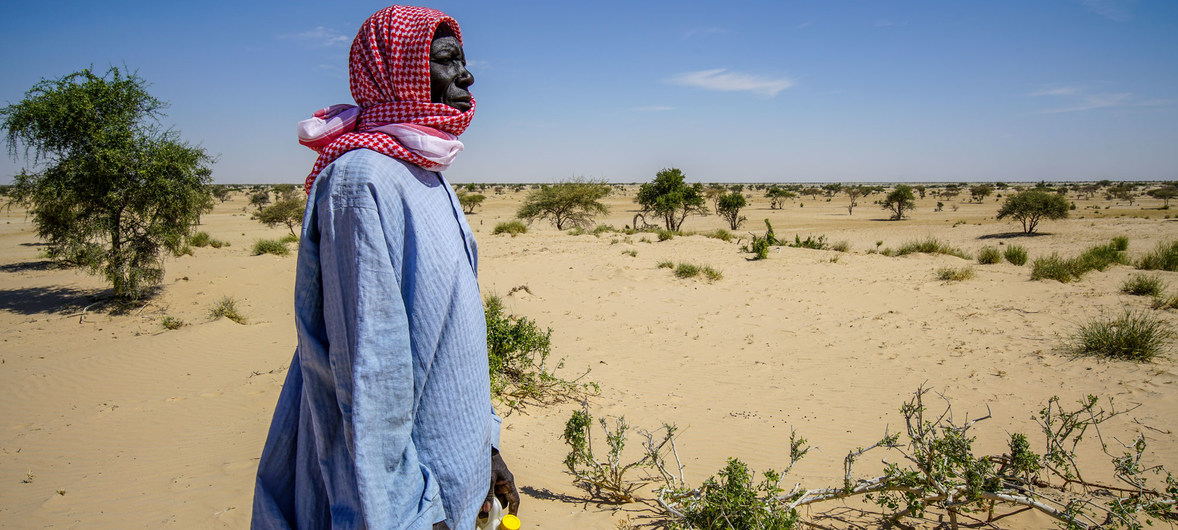
Chad

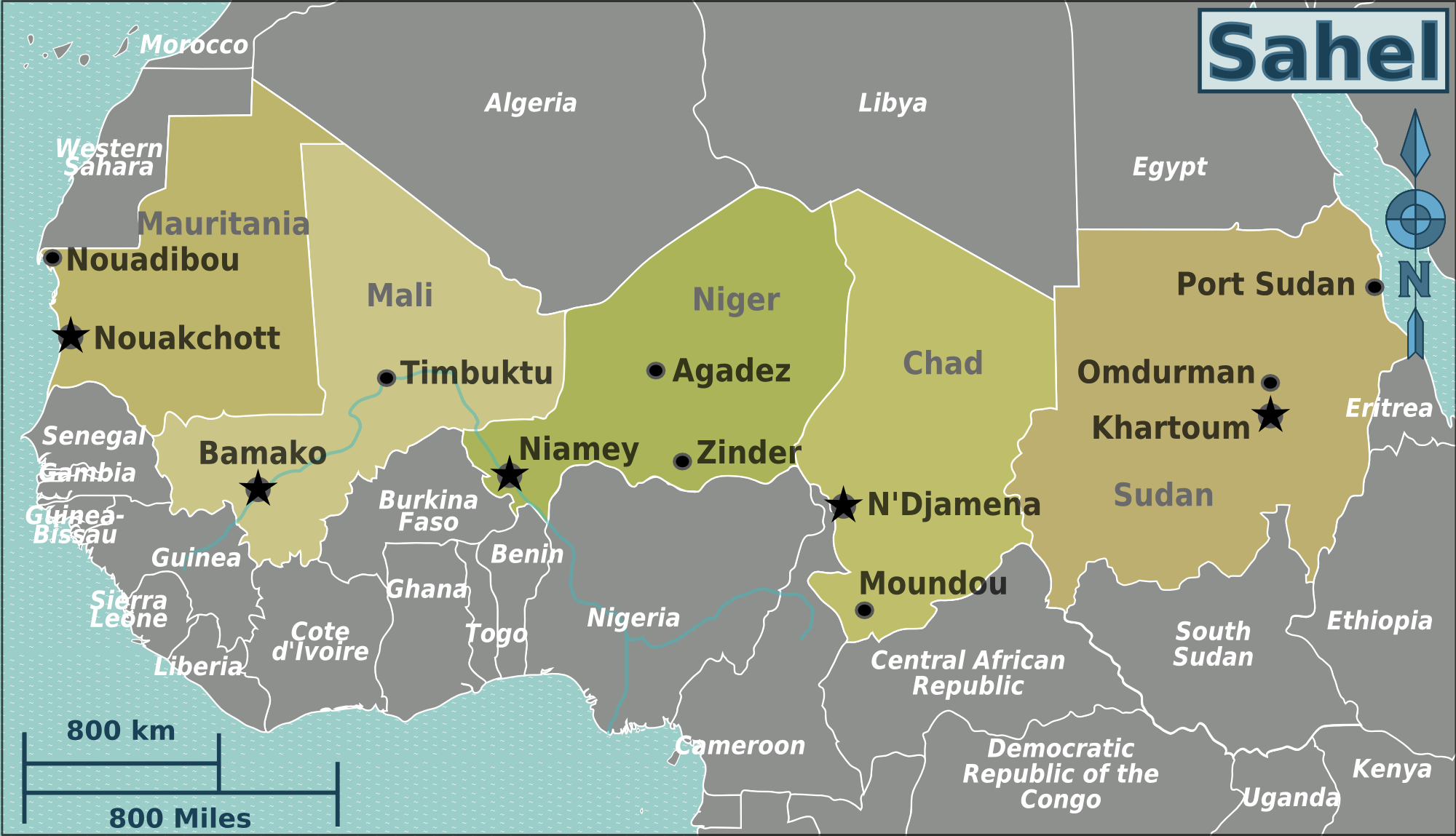
Podcast: climate change and the global struggle II

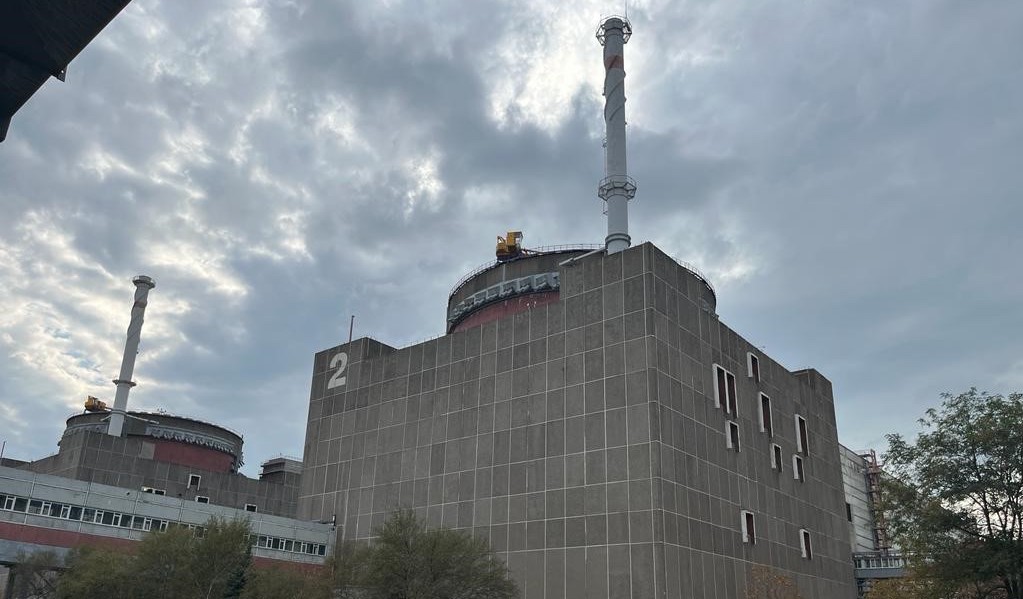
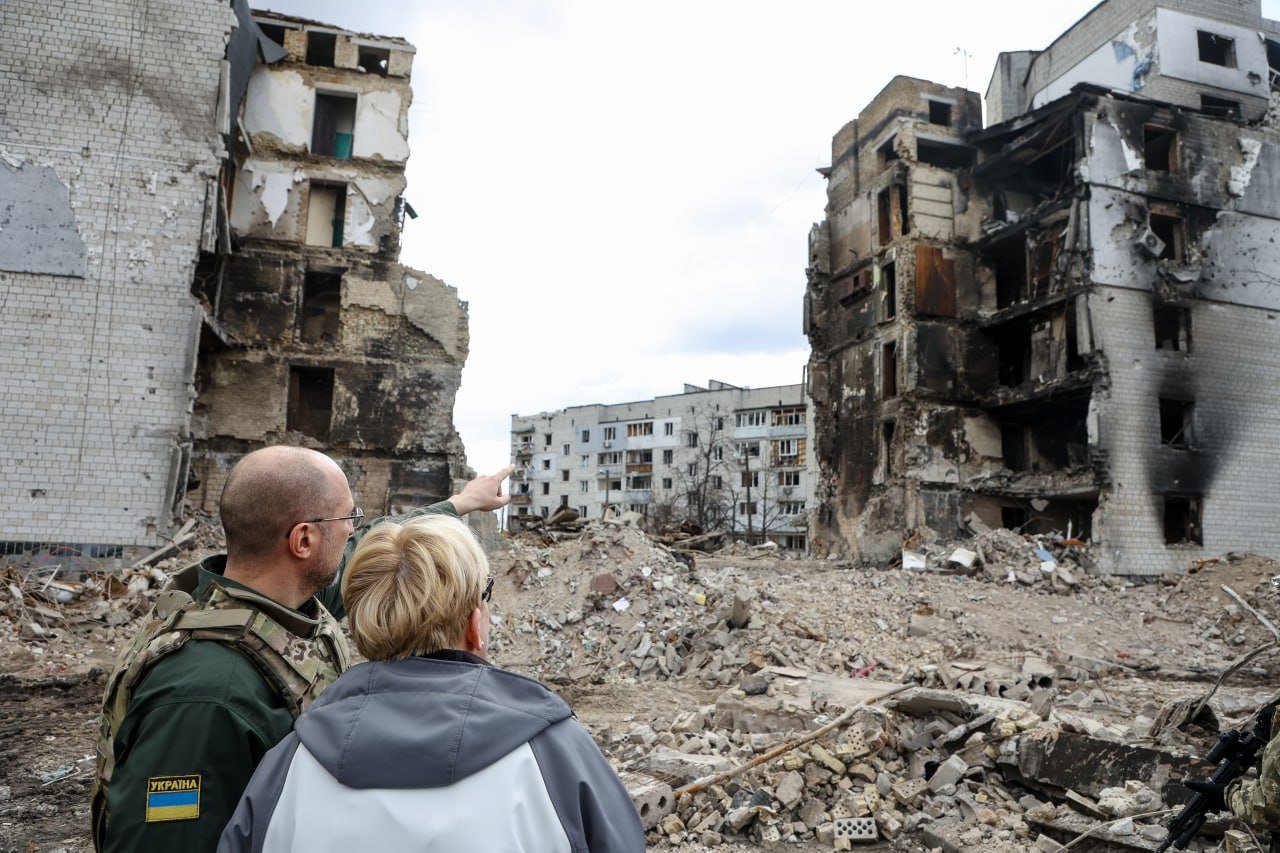
ZaporizhzhiaUN Secretary-General António Guterres strongly condemned Russia's largest yet wave of drone and missile attacks in Ukraine, especially noting strikes that disrupted the power supply to the Zaporizhzhia Nuclear Power Plant (ZNPP), endangering nuclear safety. Rafael Grossi, director of the International Atomic Energy Agency (IAEA), also warned of the persisting "extremely fragile" situation at Europe's largest nuclear facility. Russia's latest air-strike against the ZNPP marked the ninth time power was broken off to the plant since the war began in February 2022. Although external power has been restored, Grossi cautioned that the situation remains unsafe. (Photo: Wikipedia)