

North Africa
drone

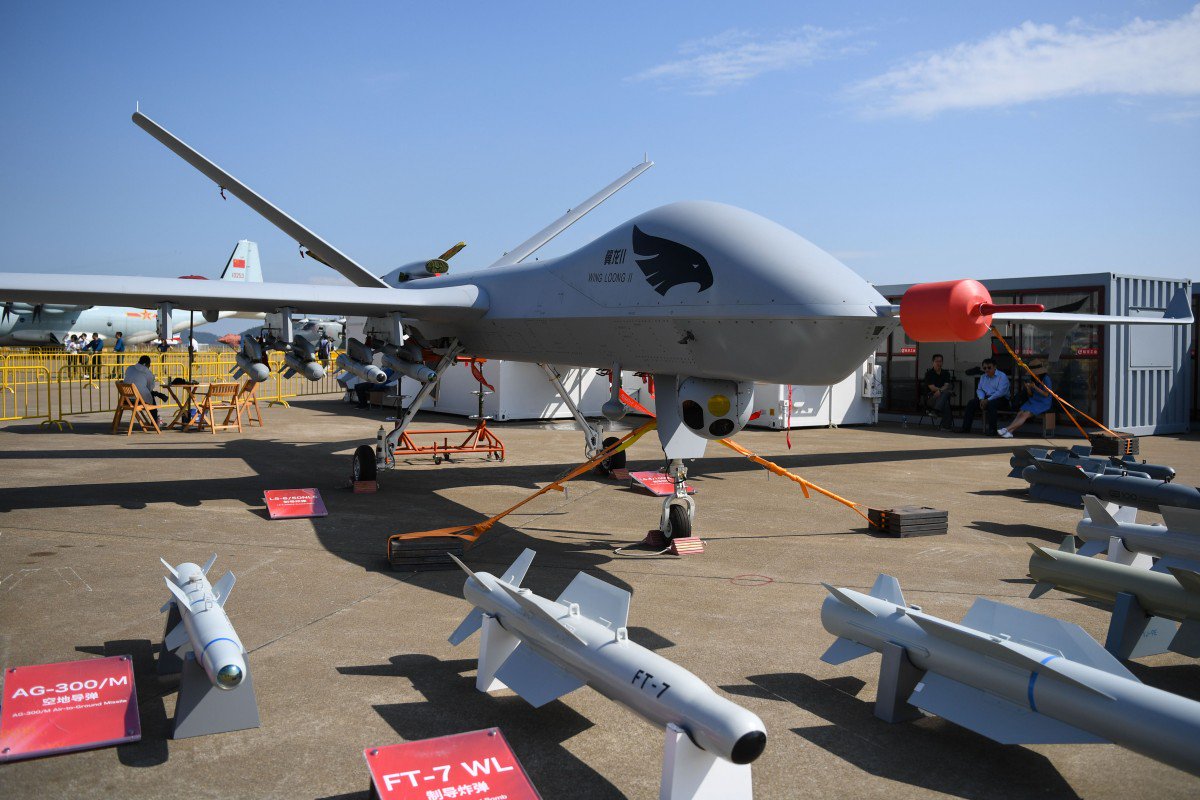
Drone wars over Libya

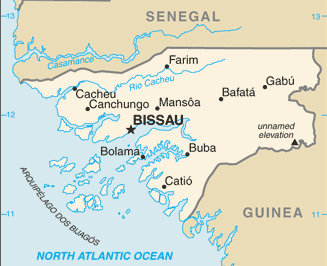
BissauUN Secretary-General António Guterres condemned the military coup in Guinea-Bissau that took place just days after national elections, saying that it gravely violates constitutional order and democratic principles. The African Union similarly condemned the coup, while the West African regional bloc ECOWAS suspended Guinea-Bissau until there is a full restoration of constitutional order. This latest military takeover reflects a pattern of instability in Guinea-Bissau since the country gained independence from Portugal in 1974, and follows a long string of coups or coup attempts. Guinea-Bissau also ranks first among African countries in the cocaine trade, a reality that looms ever larger over national politics. In his inaugural speech, transitional president Maj-Gen. Horta Nta Na Man justified the military takeover as necessary to thwart a plot by "narco-traffickers" to destabilize the country. Government efforts to crack down on the narco trade are believed to have prompted previous coups d'etat in Guinea-Bissau. (Map: PCL)

Greater Middle East
yemen

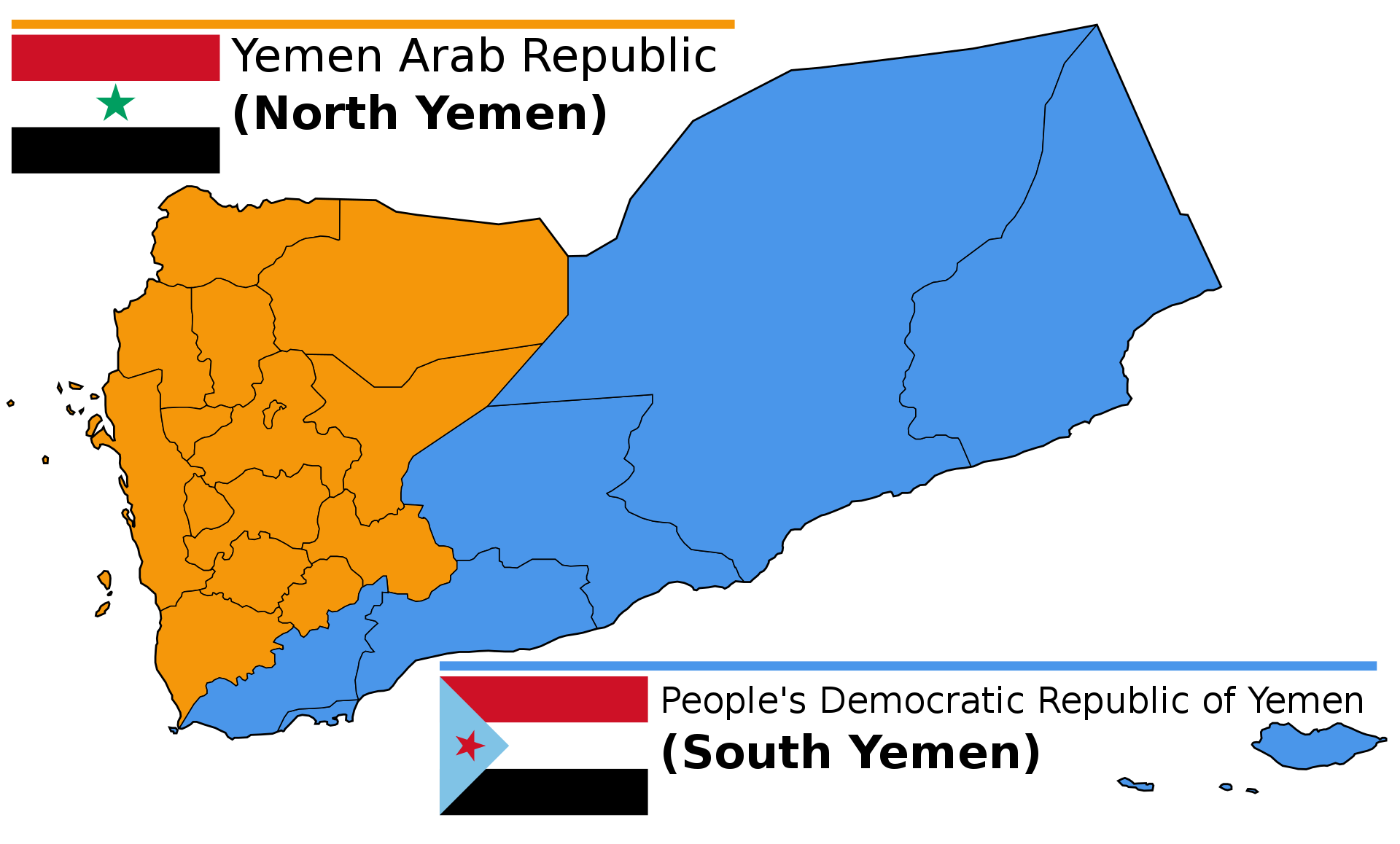
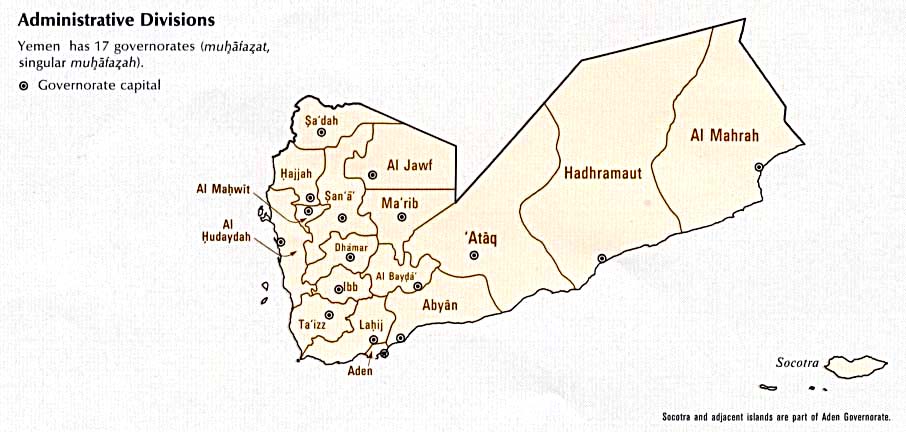
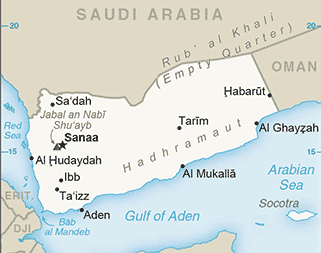
Yemen: now a three-way war —or four?

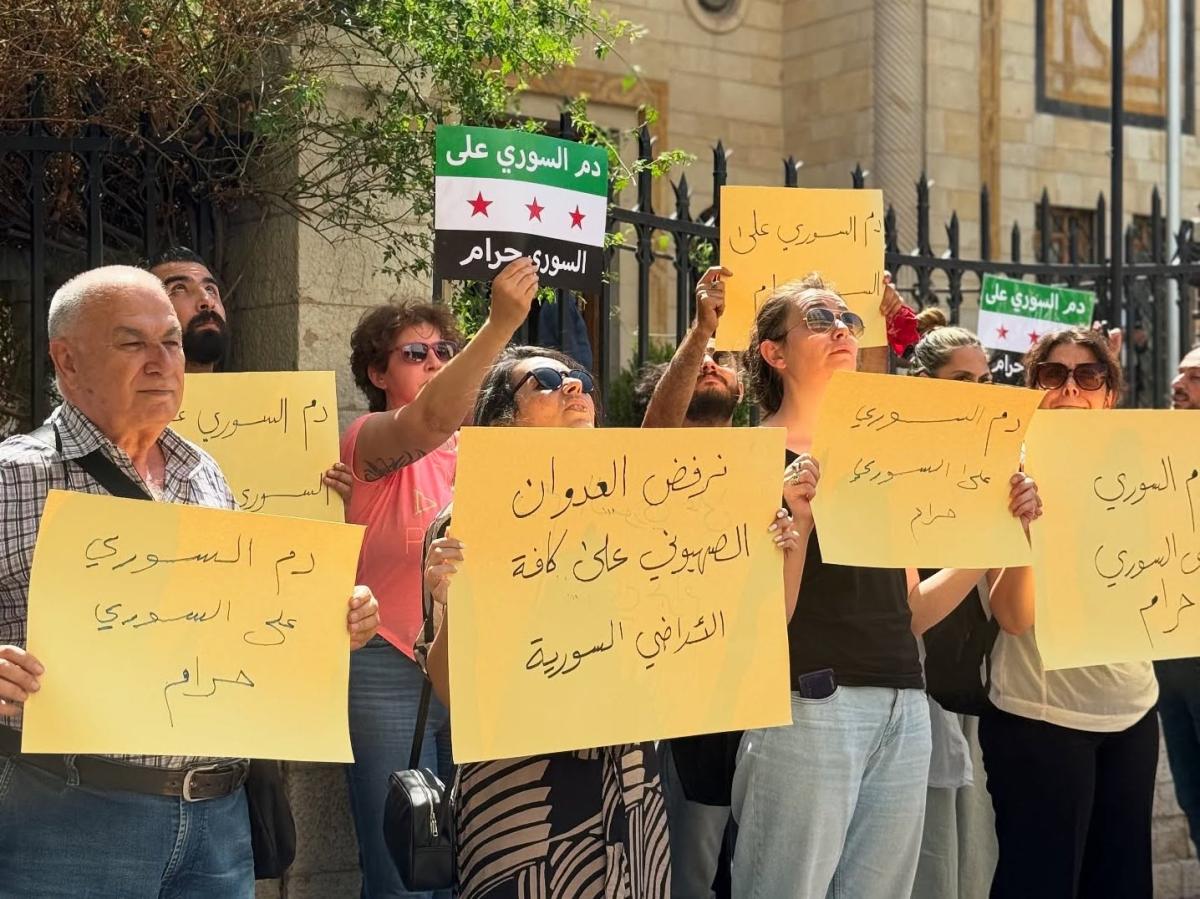
DamascusThe investigation by the Syrian transition government into the March violence against the Alawites in Latakia province has been submitted—but the full findings have not been made public, and it apparently exonerates the government of involvement. Meanwhile southern Suwayda province has seen a perhaps even deadlier eruption of violence—this time pitting Druze against Bedouin, with the role of the government similarly the source of much contestation (and fodder for Internet partisans). And a Damascus protest against the violence and for co-existence was attacked by goons. Amid all this, Israel is militarily intervening, the government looks to Turkey for military aid, and both the US and Russia still have forces on the ground—treating the country as a Great Power chessboard. In Episode 288 of the CounterVortex podcast, Bill Weinberg argues that the Syrian Revolution is poised on a razor's edge, ready to descend into ethno-sectarian war and authoritarianism unless political space can be kept open for the secular-democratic civil resistance that began the revolution 14 years ago. (Image: Banners read "Syrians must not shed Syrian blood" and "We reject Israeli aggression against Syria." Credit: The Syria Campaign via Facebook)

Central Asia
Uighurs

Uighurs as pawns in the Great Game

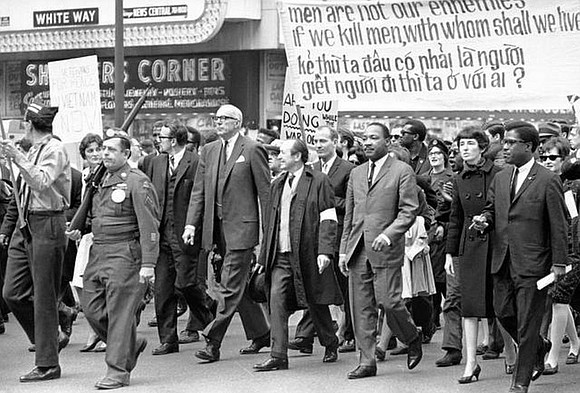
MLKIn Episode 158 of the CounterVortex podcast, Bill Weinberg notes that the Russian Socialist Movement has issued a call for solidarity actions with anti‑war activists in Russia on Jan. 19. This is the date when left activists Stanislav Markelov and Anastasia Baburova were gunned down by far-right militants in Moscow in 2009. Today, the Vladimir Putin regime is persecuting activists such as Alexandra Skochilenko—who faces a long prison term for producing public art on an anti-war theme. Instead of responding to this call for solidarity, the ANSWER Coalition and other exponents of the "tankie" pseudo-left have called a rally against aid to Ukraine, and implicitly in support of Putin and his war aims, for Jan. 14 in locations such as New York's Times Square—perversely, in the name of Martin Luther King. The Ukraine Socialist Solidarity Campaign repudiates this pseudo-anti-war rally, urging: "No exploitation of Dr. MLK Jr. to support war criminal Putin!" Debunking the Russian propaganda that portrays Putin's aggression as a defensive move against NATO encroachment, Weinberg demonstrates that the principles propounded by Dr. King in his courageous dissent from LBJ's criminal war in Vietnam now mandate that we direct our protests at Vladimir Putin. Listen on SoundCloud or via Patreon. (Photo: MLK at anti-war march in Chicago, March 25, 1967, under banner with quote from Vietnamese pacifist Thich Nhat Hanh. Via Portland Observer)

Africa

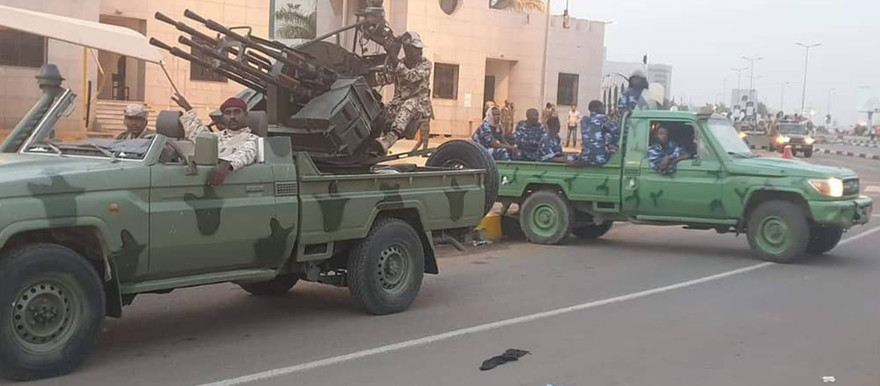
Russia blocks UN statement against Sudan massacre

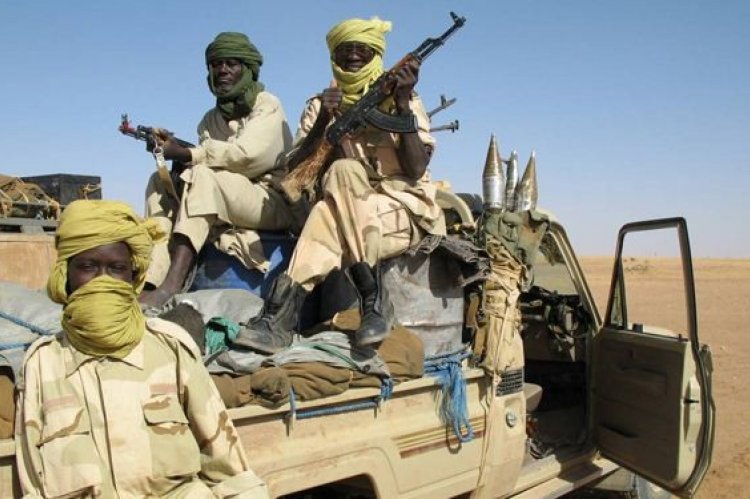
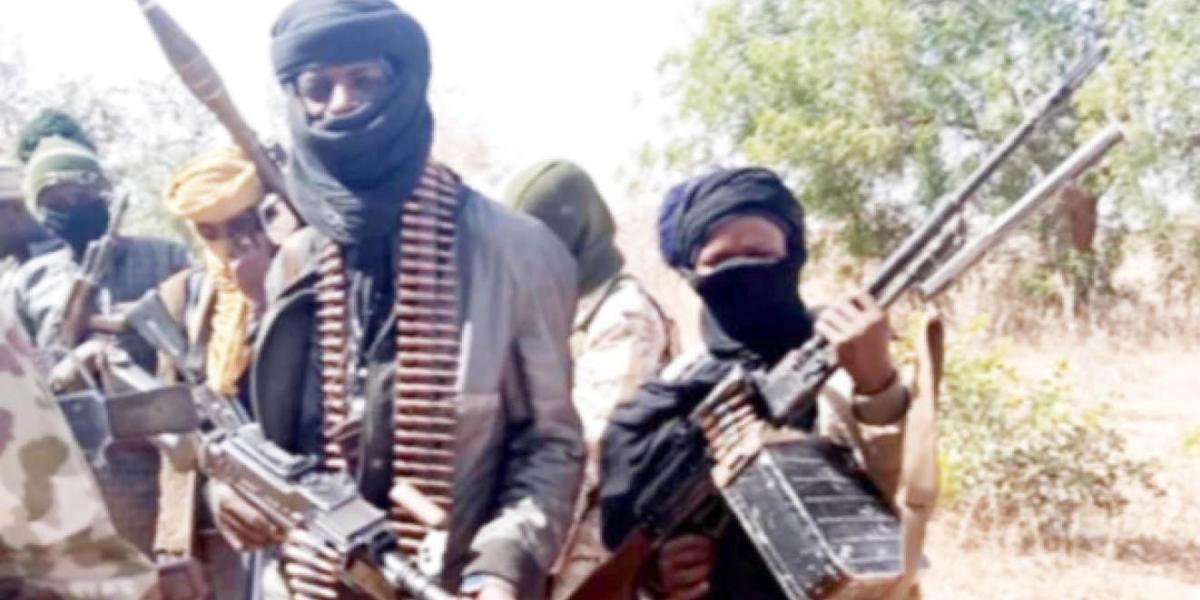
LakurawaDubbed "Sahelexit," the decision by Mali, Burkina Faso and Niger to leave the West African regional community known as ECOWAS is now official. The three members of the newly formed Alliance of Sahel States (AES)—sanctioned over coups that overturned their elected governments—are out. It leaves the 12 other countries in ECOWAS, one of Africa's most economically integrated blocs, rethinking the organization's relevance. Like ECOWAS, the new group will allow free movement between their respective territories—now derisively referred to as the "coup belt." But it is in the field of security cooperation that the AES states will be especially missed. Jihadist insurgents are on the march. So-called "Islamic State" forces have set up in northwest Nigeria, where they are known as Lakurawa. With neighboring Niger now pulling out of a regional Multilateral Joint Task Force, there are fears that countering the threat will be all the harder. (Photo via Sahara Reporters)

Greater Middle East

UN experts: continue inquiry into Yemen conflict

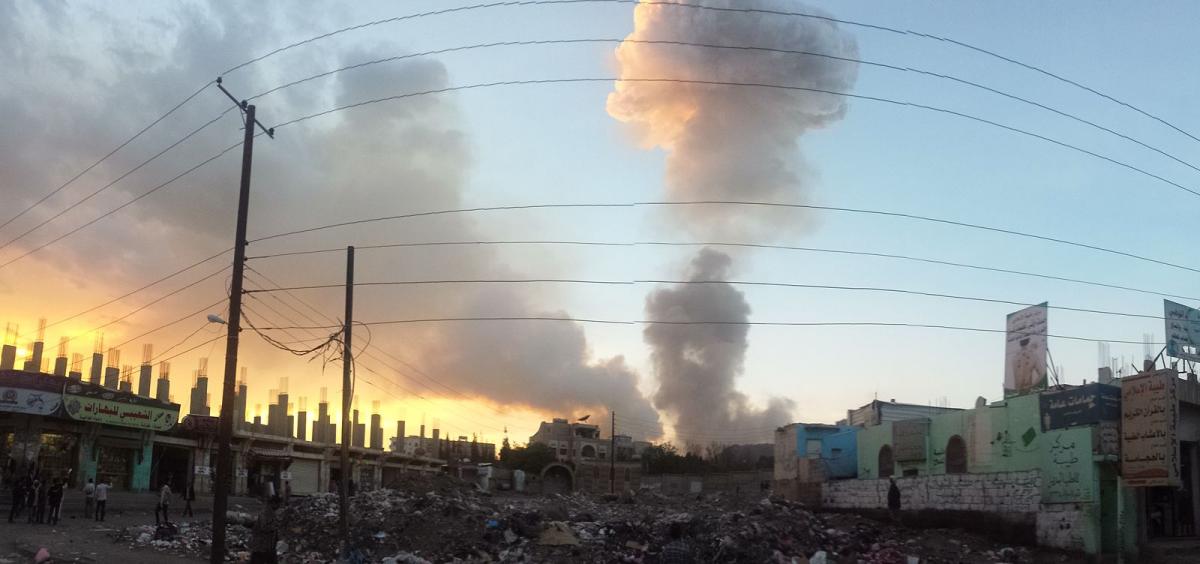
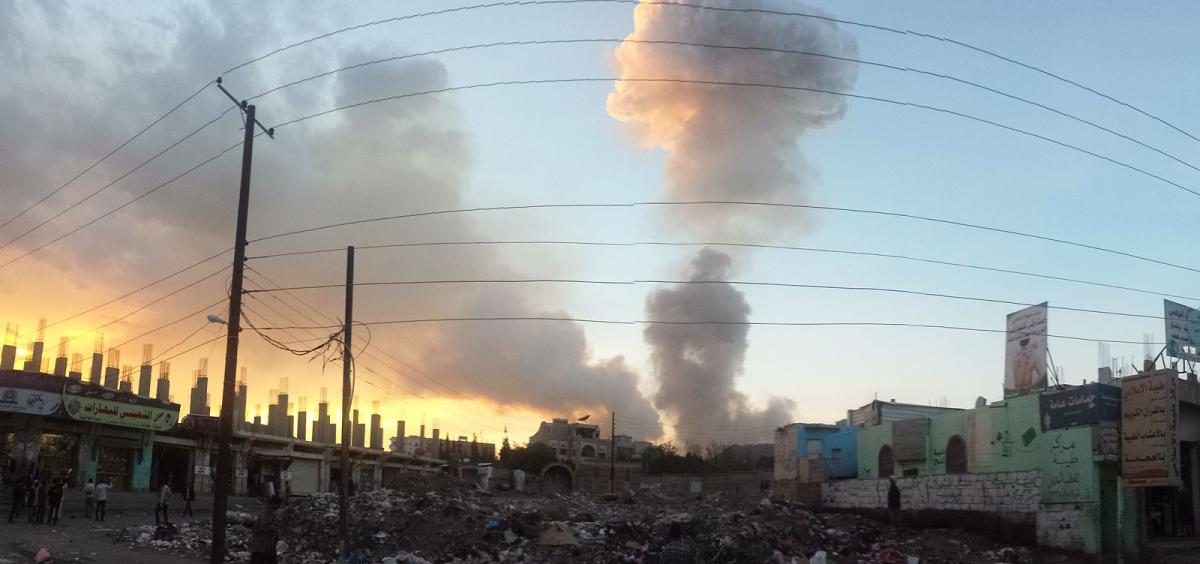
Yemen air-strikeYemen war crime investigators called upon the UN Human Rights Council to renew their mandate and allow the continued inquiry into Yemen's internal conflict, calling the situation in the county "extremely alarming." The Group of Eminent Experts on Yemen, in their initial report, released in August, found evidence that "members of the Saudi-led coalition, the Yemeni government, and the Houthi armed group have been committing abuses, including indiscriminate and disproportionate attacks on civilians, arbitrary and abusive detention, and recruitment of children." At the time of the report, the experts recommended that their mandate be renewed. However, Saudi Arabia and other coalition members have pressed the council to discontinue the inquiry. (Photo via WikiMedia Commons)

Greater Middle East

UN experts see possible war crimes in Yemen

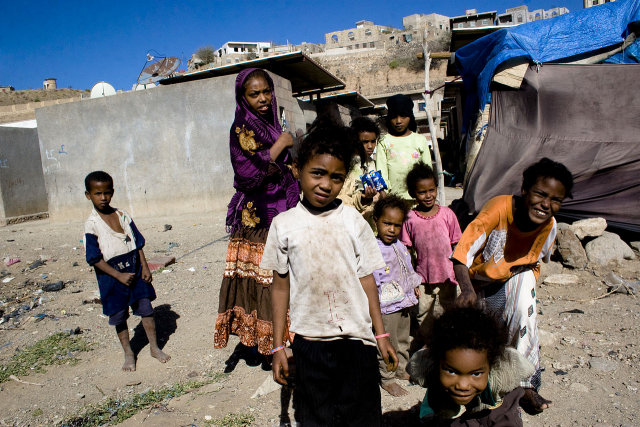
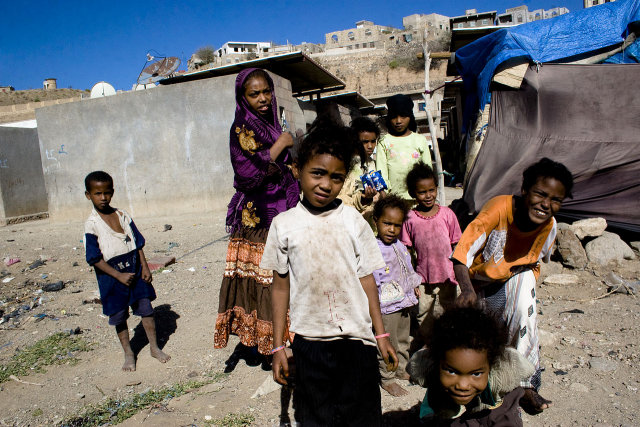
YemenA UN human rights panel suggests that parties to the conflict in Yemen have been perpetuating crimes under international law. The Group of International and Regional Eminent Experts on Yemen was appointed by the UN Human Rights Council to monitor and report on the human rights situation in the country, and examine all possible war crimes since the war began in September 2014. The report concluded that air-strikes carried out by Yemen's government and its coalition, including Saudi Arabia and the United Arab Emirates, have caused a majority of the civilian casualties. Other violations included persistent sexual violence and enlistment of young children into the armed forces of both sides in the war, which pits the government and its allies against the Houthi rebel forces. (Photo via Wikipedia)

Africa

Ethiopia in peace pact wth Oromo Liberation Front

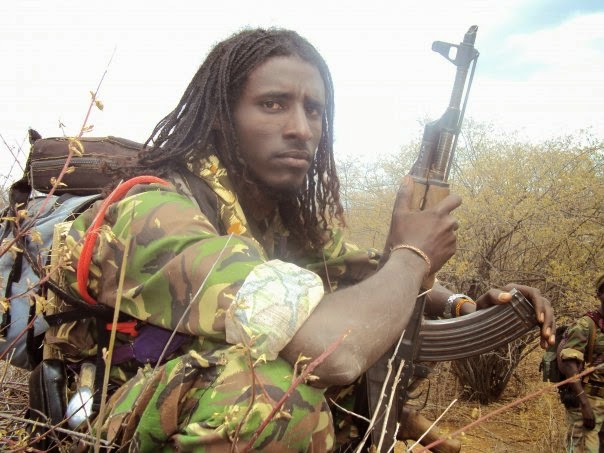
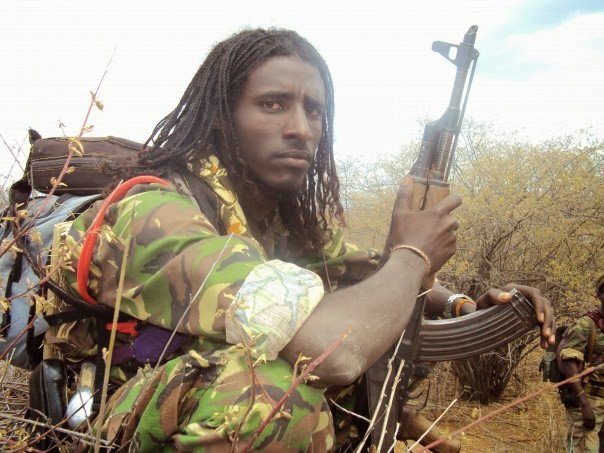
OLFFollowing peace talks hosted by Eritrea, the government of Ethiopia announced a peace deal with the Oromo Liberation Front rebels. The deal guarantees rebel leaders the right to participate in Ethiopia's political process in exchange for laying down arms. The OLF has long been backed by Eritrea, and the pact comes one month after a formal end was declared to the two-decade state of war between Ethiopia and Eritrea, with Ethiopia ceding its claim to the contested border town of Badme. This points to a softening of positions under Ethiopia's new prime minister, Abiy Ahmed. The Badme deal was also said to have been quietly brokered by the United Arab Emirates, which has emerged as politically isolated Eritrea's most significant foreign patron, part of an apparent design to encircle Yemen. (Photo: Yassin Juma)