Syria
Aleppo

Syria: army shells Kurdish enclaves in Aleppo

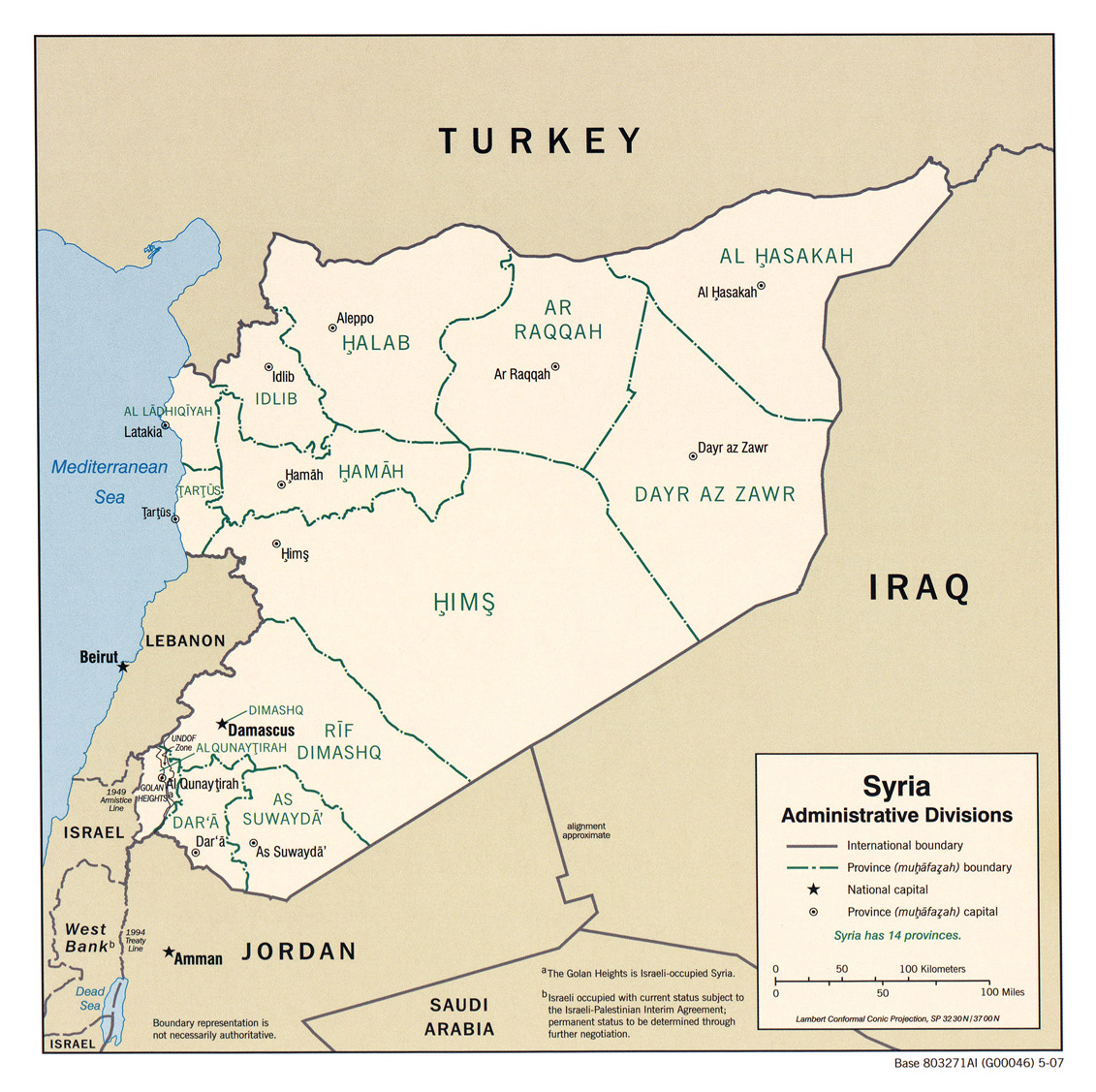
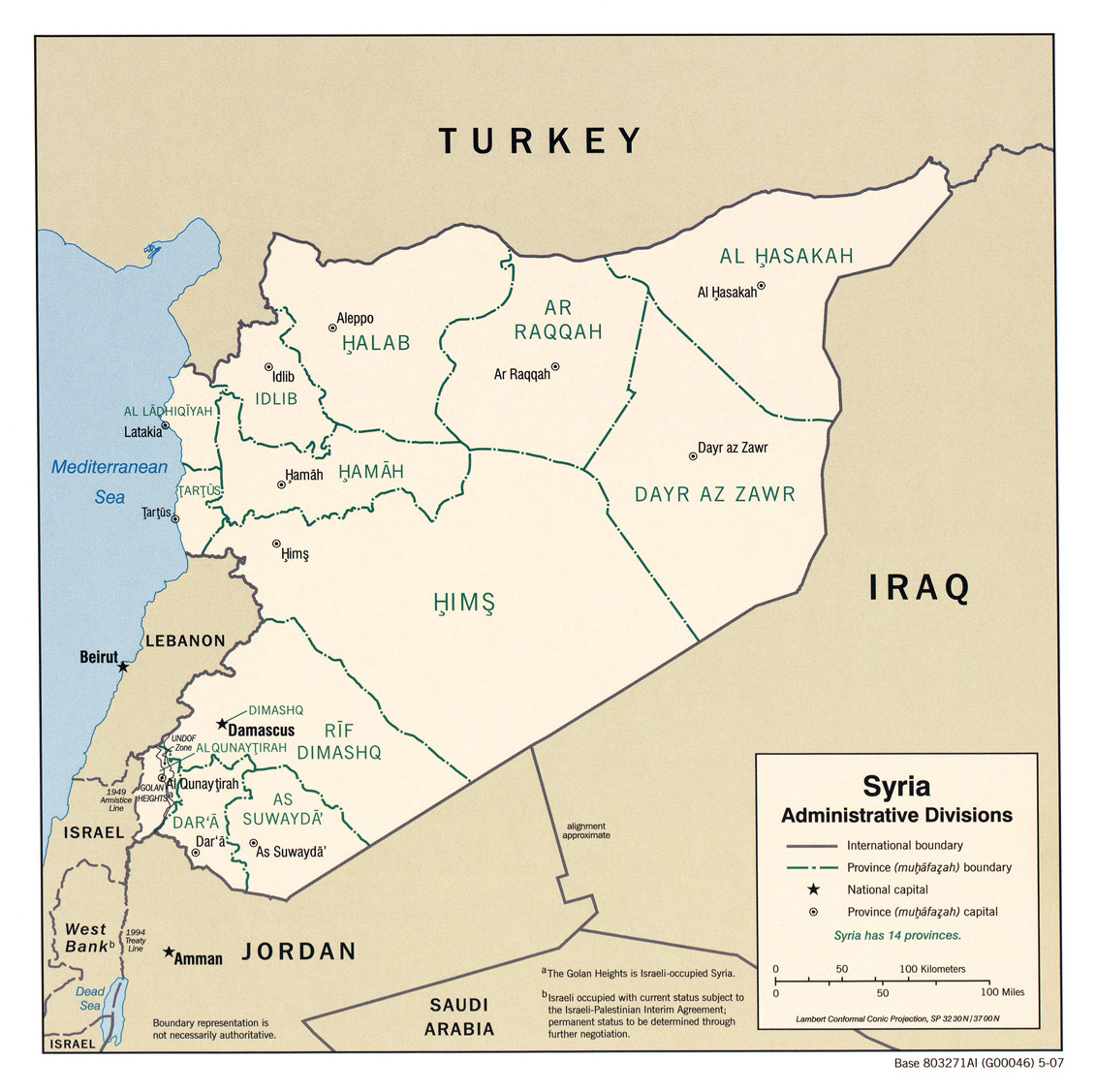
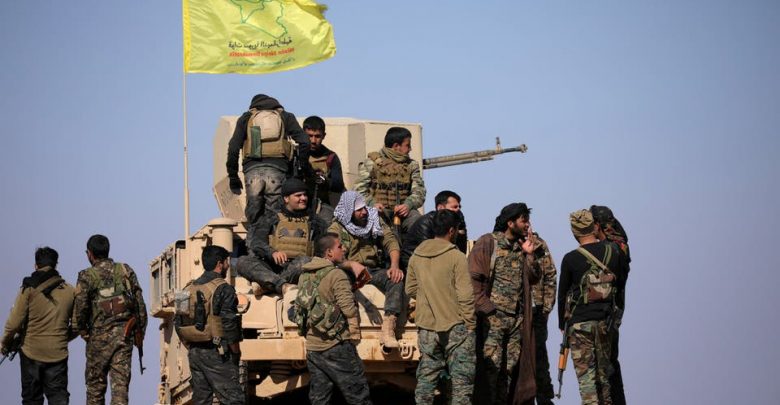
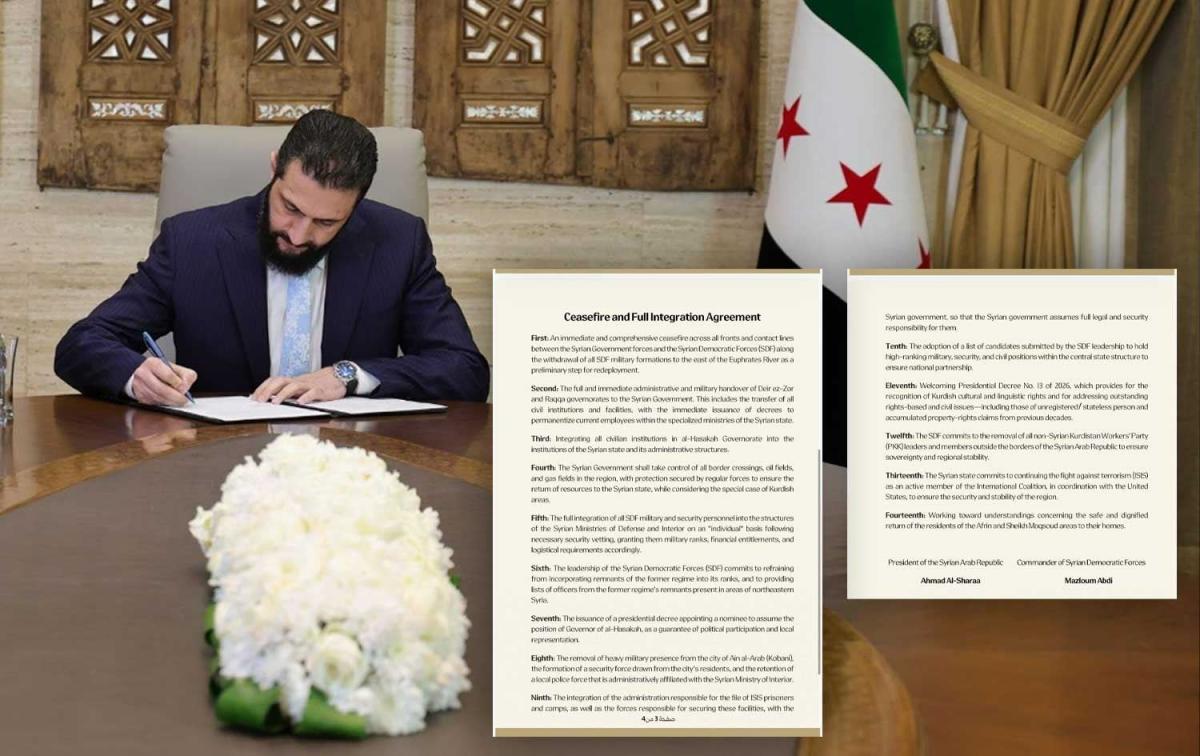
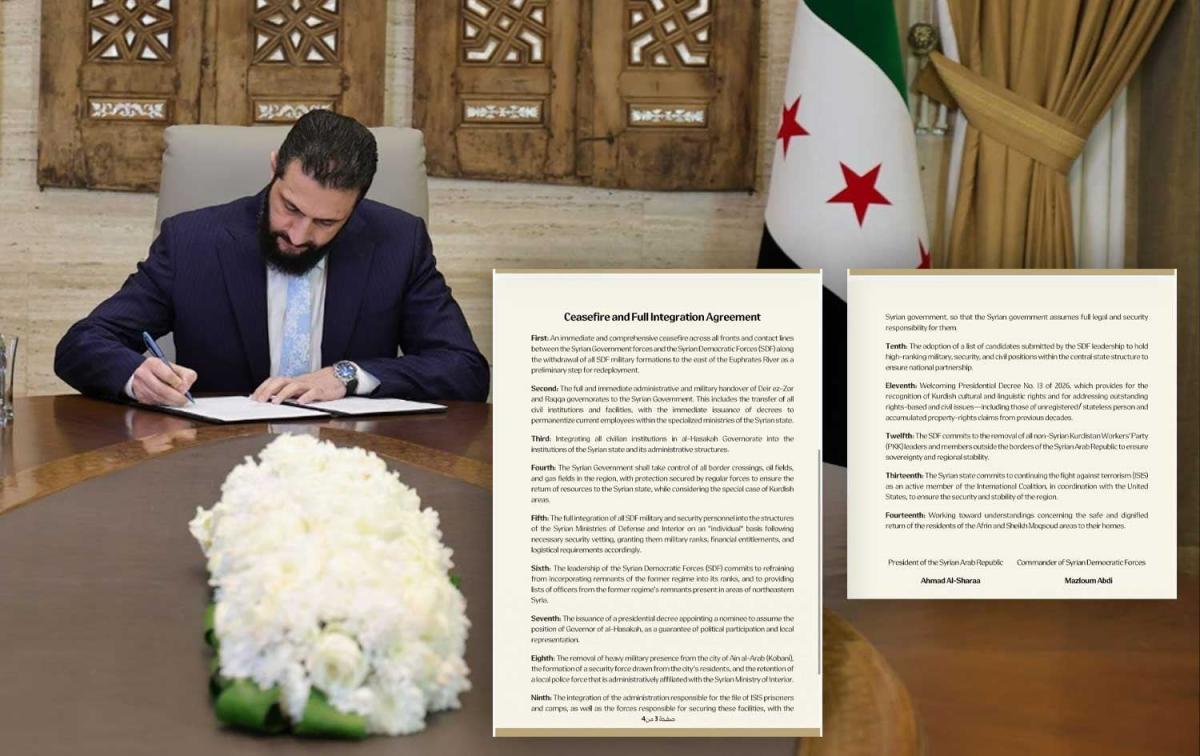
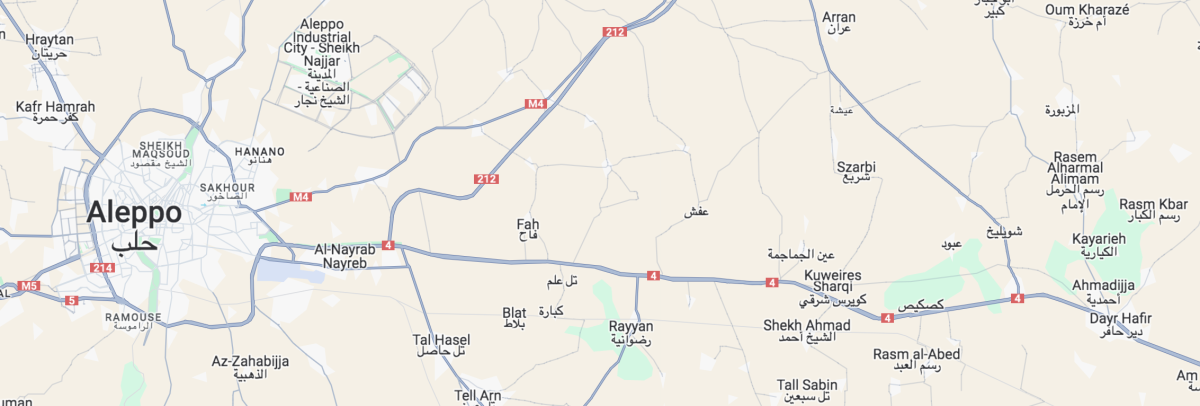
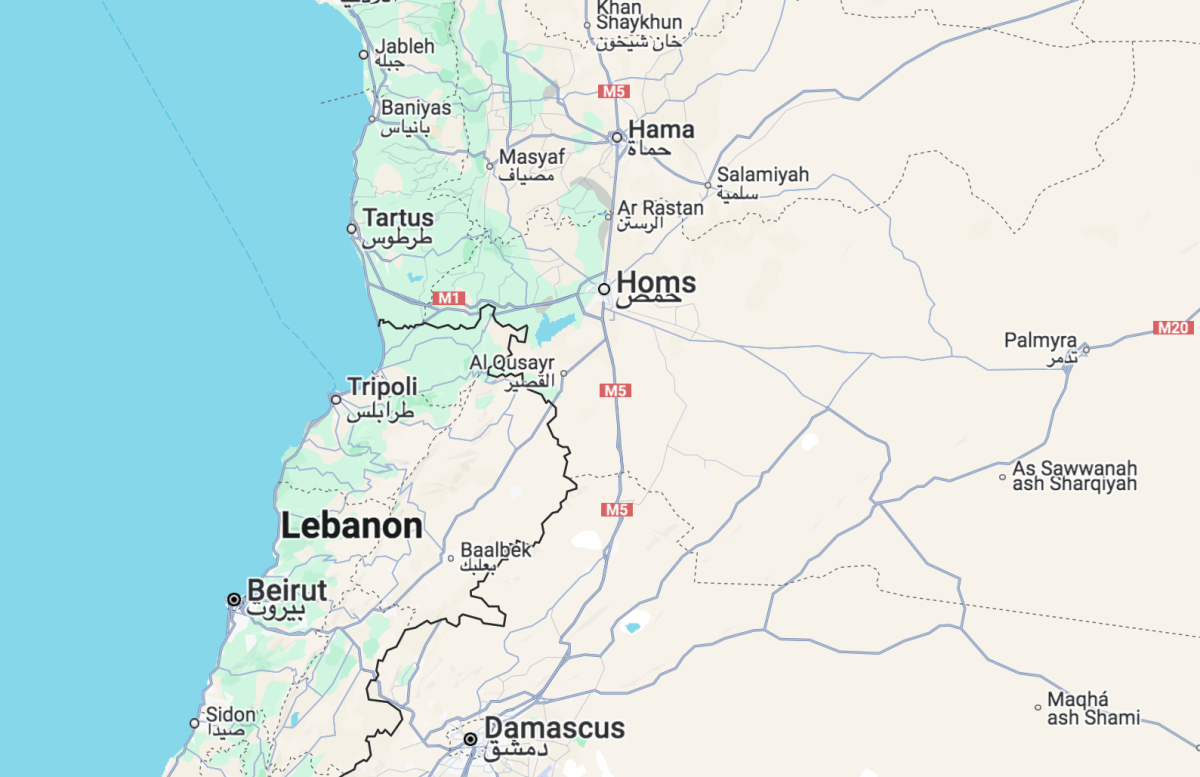
Civilians fled Kurdish-majority neighborhoods of Aleppo after the Syrian army declared them “closed military zones” and began shelling the areas. Some 300 homes are reported destroyed in the neighborhoods of Sheikh Maqsud and Ashrafiyeh, which have long been under the control of the Kurdish Asayish militia. The Asayish and the interim government’s army blamed each other for initiating the clashes. Thousands have fled through “humanitarian crossings” the army established for residents to evacuate. But the fighting is spreading into the Kurdish heartland. The town of Deir Hafer, east of Aleppo, is also coming under shelling from government forces. The town is held by the Syrian Democratic Forces (SDF), main military wing of the Kurdish-led autonomous administration that controls much of the country’s east. The clashes mark the worst outbreak of fighting since an agreement last March to merge the SDF and autonomous administration into Syria’s new government. The deal has still not been implemented, with both sides at odds over the terms. (Map: Google)

Syria
Iran

Podcast: the new Syria in the Great Game

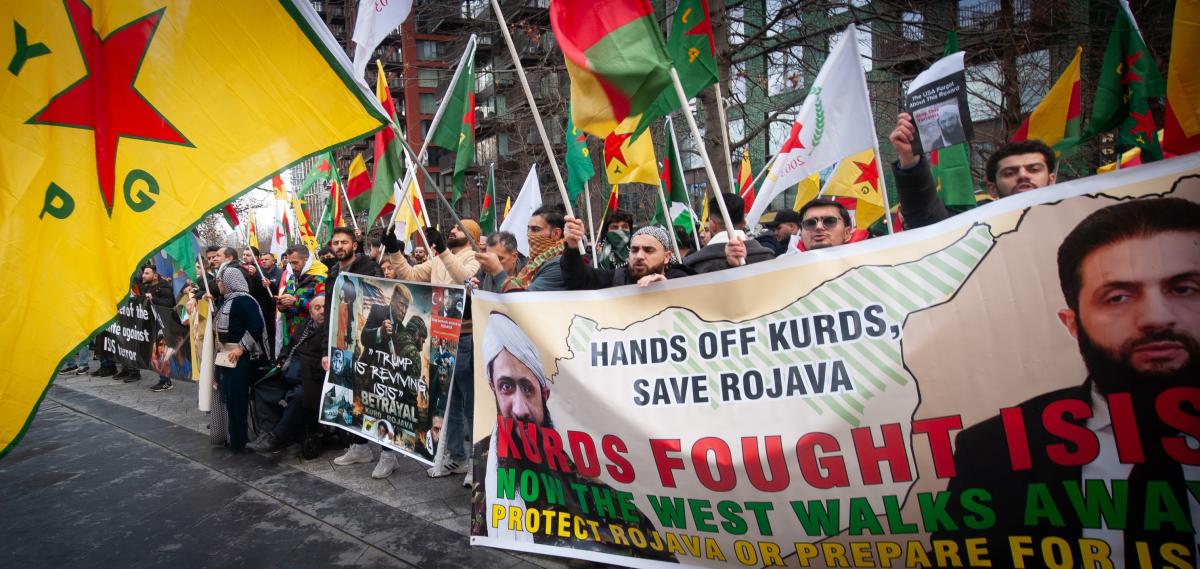
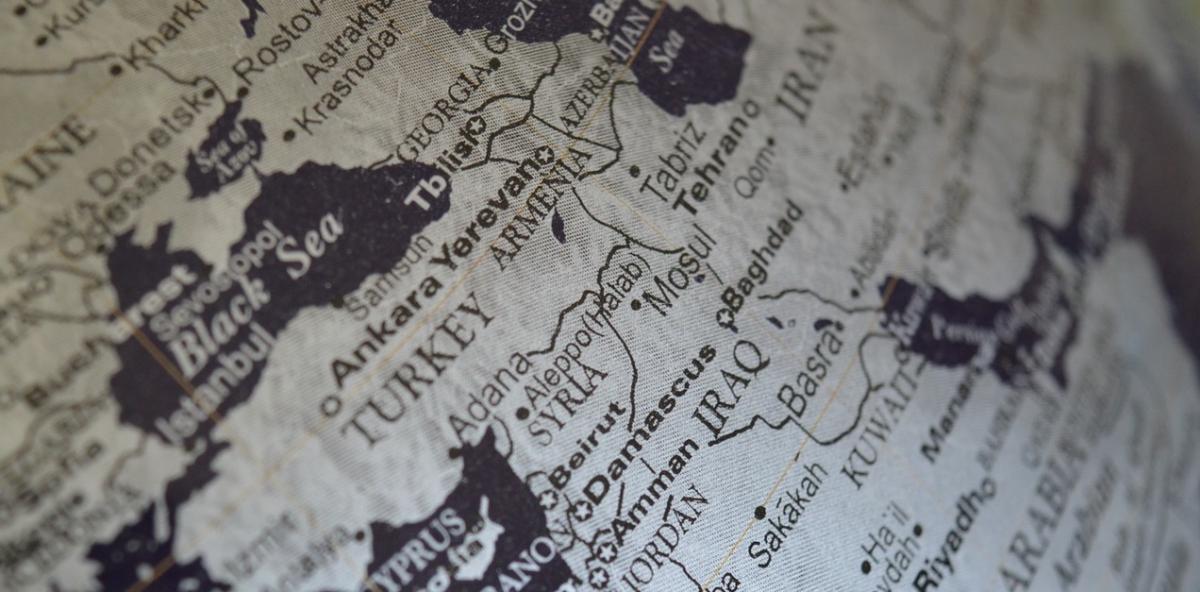
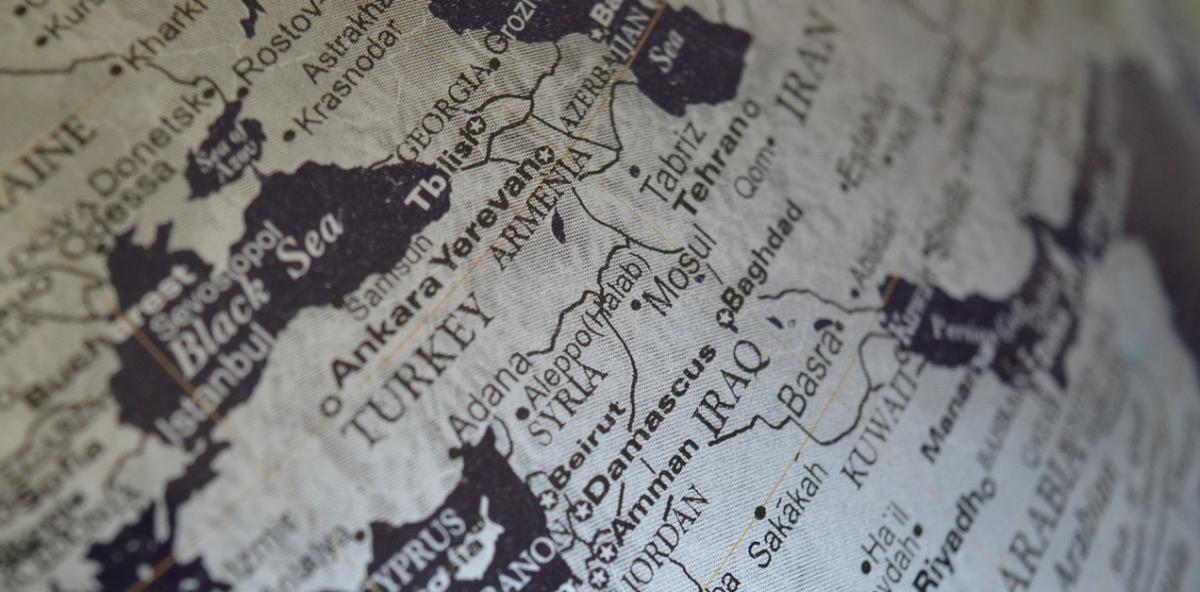
Syrian interim president Ahmed al-Sharaa’s White House meeting with Donald Trump followed the removal of his Hayat Tahrir al-Sham (HTS) from the list of designated “terrorist organizations” both at the State Department and at the UN. It also coincided with raids against ISIS by his security forces, raising the prospect of his government being invited to join the US-led Global Coalition to Defeat ISIS. The Washington visit also came just a month after al-Sharaa’s similar trip to meet Vladimir Putin in Moscow, where a deal was brokered allowing Russia to keep its military bases in Syria. Amid all this, Syria continues to see forced disappearances and other abuses targetting Druze, Alawites and Kurds—pointing to the looming threat of an ethnic or sectarian internal war. The US troop presence in Syria is largely embedded among the Kurdish forces in the east. As al-Sharaa becomes a new “anti-terrorist” partner (or proxy) for the Great Powers, will these troops be withdrawn—providing a “green light” for Damascus to attack the Kurdish autonomous zone? In Episode 305 of the CounterVortex podcast, Bill Weinberg weighs the risks at this critical moment in Syria’s transition process, nearly one year after the fall of the Assad dictatorship. (Image: Pixabay)

Iraq
Ain al-Asad

US troops to remain at Iraq air base

A “small force” of US troops will remain at Iraq’s Ain al-Asad air base in order to fight ISIS, the Baghdad government announced. The decision reverses plans for a full withdrawal of US forces from the base. Prime Minister Mohammed Shia al-Sudani said that a force of up to 350 Pentagon advisors and support personnel would stay at the base in western Iraq, as well as al-Harir base in Iraqi Kurdistan. The decision to allow the US troops to stay was made in response to “developments in Syria,” al-Sudani said. This presumably refers to the fall of the Assad regime in December 2024, after the draw-down agreement between the US and Iraq was reached. (Photo: Spc. Timothy VanDusen/US Army via Task & Purpose)

Planet Watch
Wiphala

Bolivia, Syria & the challenge of plurinationalism

The recent political reversal in Bolivia raises the question of whether the advances of nearly 20 years of rule by the indigenist left will survive—including a constitution that refounded the state as a “plurinational” republic. In Episode 299 of the CounterVortex podcast, Bill Weinberg explores how the lessons of the Bolivian experience can be applied to Syria, where the new revolutionary government faces a challenge in Kurdish and Druze demands for regional autonomy. (Photo: Aymara march in Oruro, Bolivia. Via Wikipedia)

Syria
SDF

Syria: clashes follow al-Sharaa ultimatum to SDF

Fighting broke out in the village of Um Tineh, in Syria’s Aleppo province, between the Kurdish-led Syrian Democratic Forces (SDF) and forces aligned with the Damascus regime, leaving at least seven civilians dead. The SDF said the clashes began with a drone attack on the village, followed by artillery bombardment, damaging local homes. The violence came three days after President Ahmed al-Sharaa warned that the SDF’s failure to integrate into the Syrian Armed Forces could provoke Turkish military intervention by year’s end. Planned talks in Paris on how to incorporate the Kurdish autonomous zone into the new government were broken off by the transitional regime last month. Turkey has repeatedly bombed SDF-held territory in Syria over the past months, as the threat of Arab-Kuridsh ethnic war looms larger on the ground. (Photo: SOHR)

Syria
Syria

Syria: perilous ‘roadmap’ to reconciliation with Druze

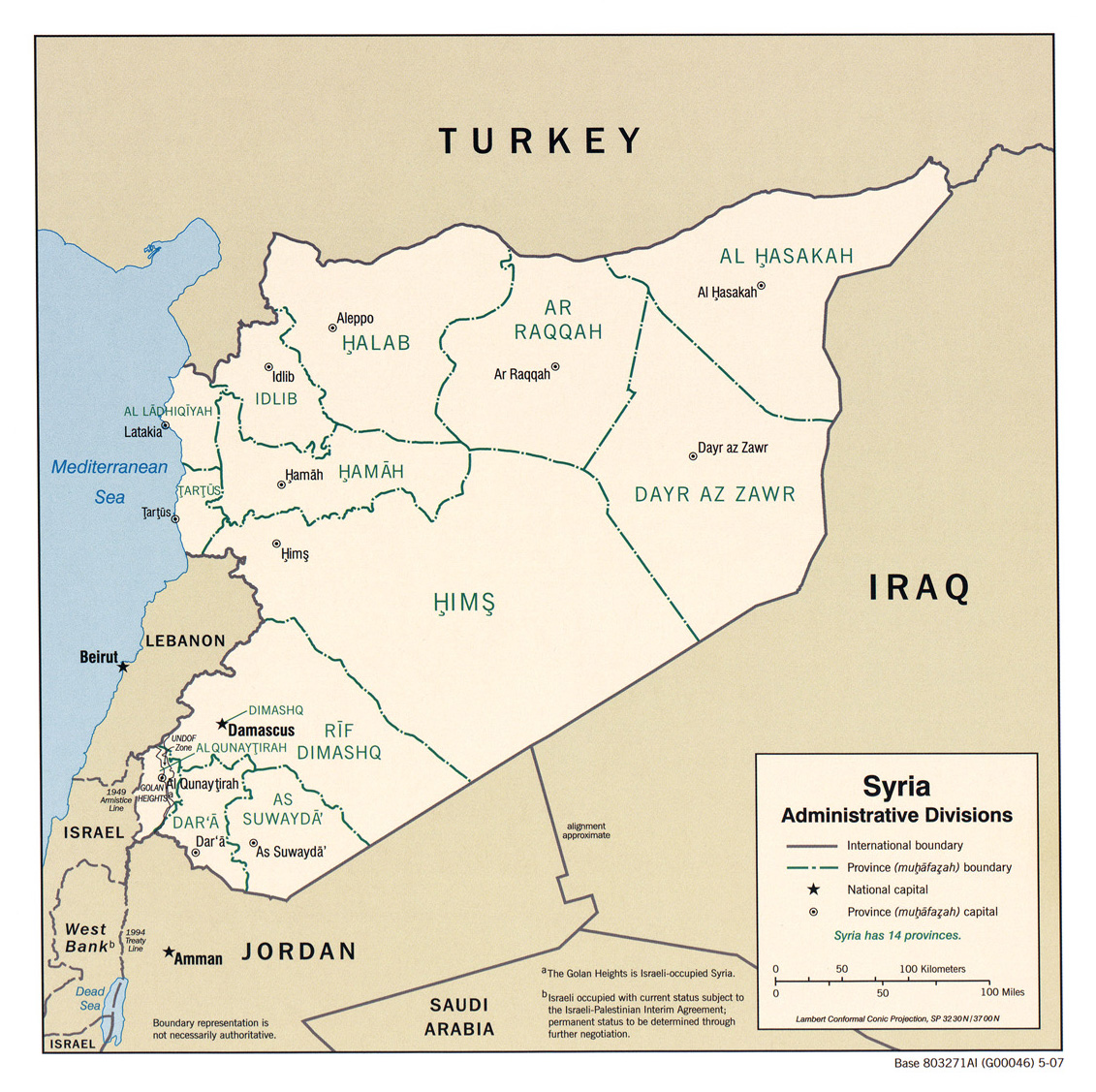
Syria, Jordan and the United States jointly announced a “roadmap” to resolve the ongoing crisis in the southern Syrian province of as-Suwayda, where July clashes between Druze and Bedouin forces escalated to sectarian killings and mass displacement. The plan seeks to strengthen a fragile ceasefire, let UN investigators look into the July events while holding perpetrators accountable under Syrian law, allow aid deliveries, and facilitate the return of some 160,000 people who remain displaced. However, some Druze leaders have rejected the plan. Sheikh Hikmat al-Hijri ruled out negotiations with the government, while adding: “I thanked Israel because it defended us and provided us with protection.” His followers have announced the creation of a “National Guard” for as-Suwayda region, which according to regional media reports has received thousands of light arms from Israel. (Map: PCL)

Greater Middle East
Roumieh

Syrian refugees in Lebanon face detention, torture

The DC-based Syrian Emergency Task Force condemned the unlawful detention, torture and abuse of Syrian refugees in Lebanon, which it says has resulted in at least 40 deaths. Since 2014, Hezbollah and complicit Lebanese forces have arrested hundreds of Syrian refugees—particularly supporters of the Syrian Revolution—and sentenced them in unfair military trials, despite repatriation efforts by Syria’s new government. Many are tried before Lebanon’s Military Court for belonging to “terrorist groups”—a reference to rebels fighting the former dictatorship of Bashar Assad, in Syria not Lebanon. (Photo via Facebook)

Syria
Damascus

Syria: revolution on the razor’s edge

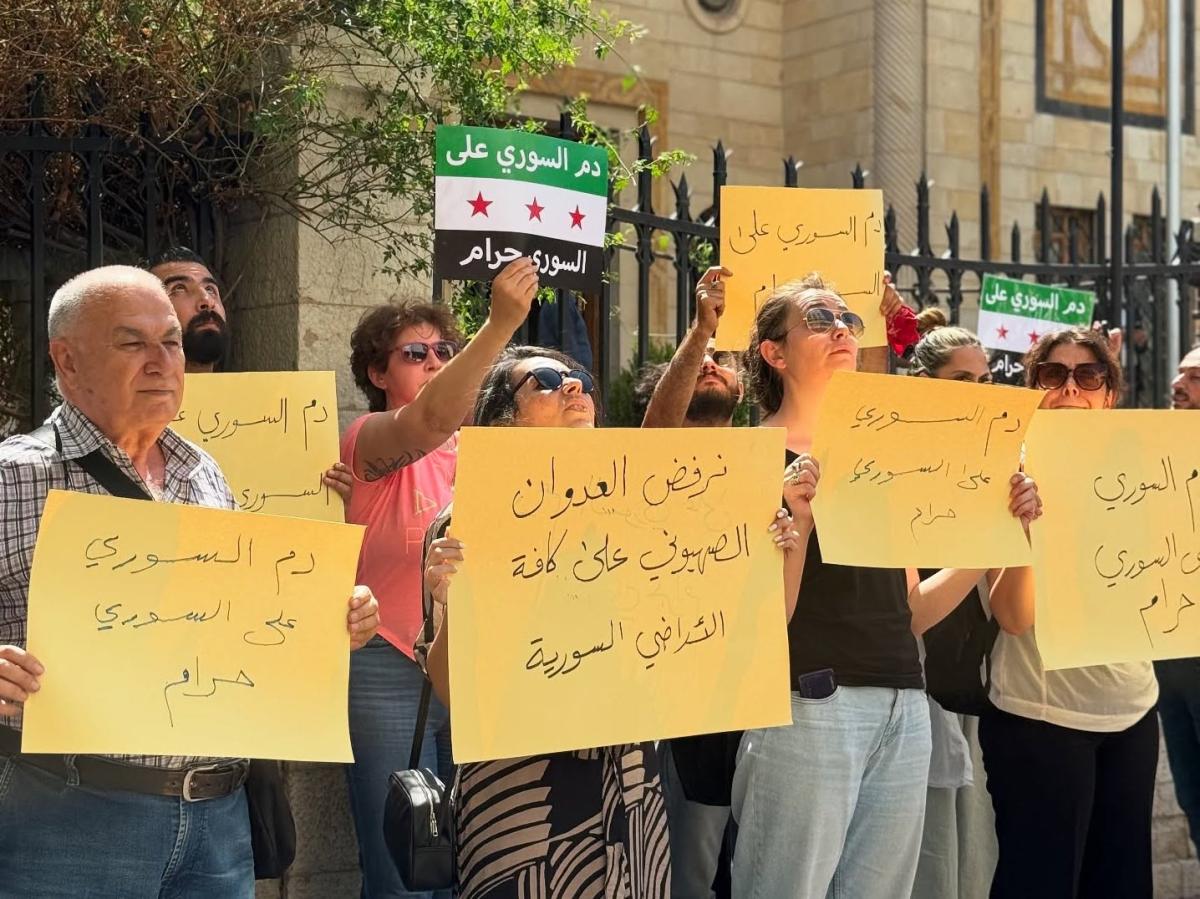
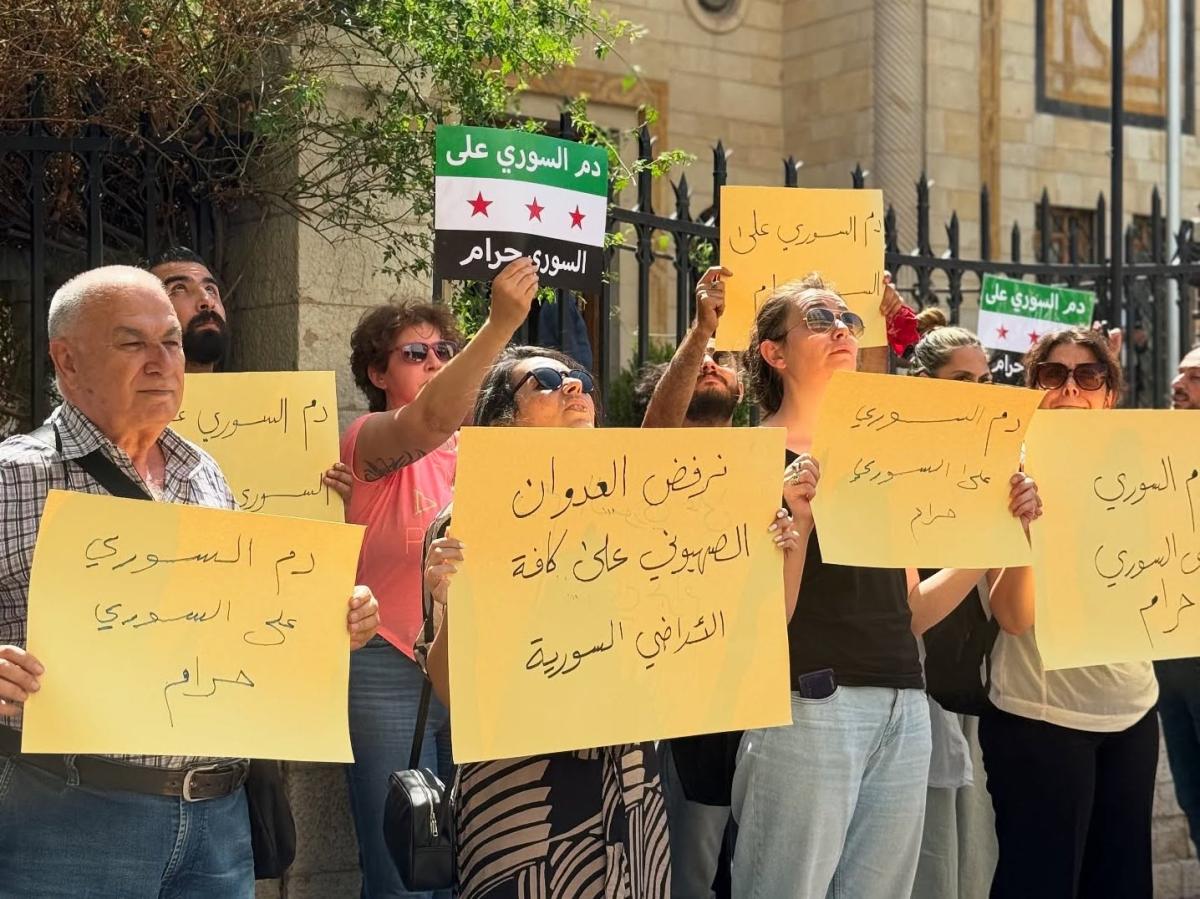
The investigation by the Syrian transition government into the March violence against the Alawites in Latakia province has been submitted—but the full findings have not been made public, and it apparently exonerates the government of involvement. Meanwhile southern Suwayda province has seen a perhaps even deadlier eruption of violence—this time pitting Druze against Bedouin, with the role of the government similarly the source of much contestation (and fodder for Internet partisans). And a Damascus protest against the violence and for co-existence was attacked by goons. Amid all this, Israel is militarily intervening, the government looks to Turkey for military aid, and both the US and Russia still have forces on the ground—treating the country as a Greet Power chessboard. In Episode 288 of the CounterVortex podcast, Bill Weinberg warns that the Syrian Revolution is poised on a razor’s edge, ready to descend into ethno-sectarian war and authoritarianism unless political space can be kept open for the secular-democratic civil resistance that began the revolution 14 years ago. (Image: Banners read “Syrians must not shed Syrian blood” and “We reject Israeli aggression against Syria.” Credit: The Syria Campaign via Facebook)

Syria
Suwayda

Syria: Israel intervenes amid Druze-Bedouin fighting

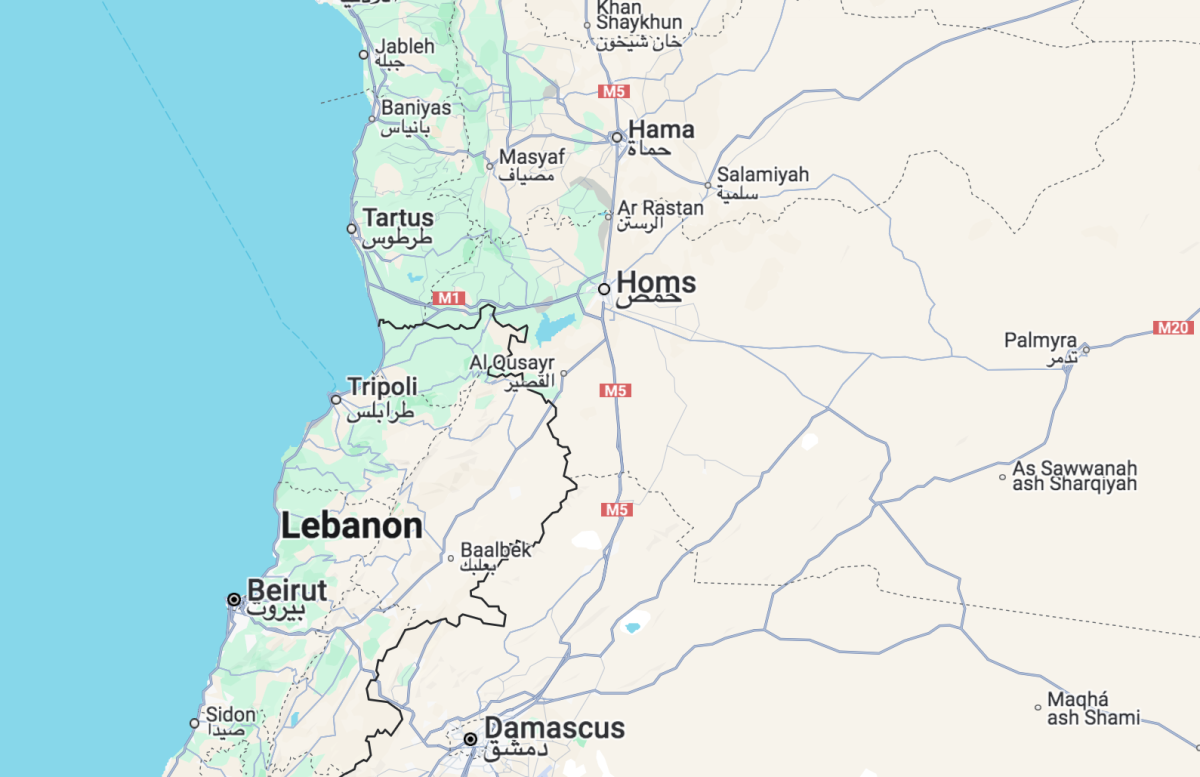
Days of clashes between Bedouin tribes and local fighters in the predominantly Druze city of Suwayda in southern Syria left some 300 dead before a ceasefire was brokered by the government. Amid the fighting, Israeli warplanes bombed Syrian government tanks as they advanced on Suwayda, and also struck military targets around Damascus. Some 1,000 Israeli Druze also amassed on the Purple Line, separating Israeli-controlled and Syrian-controlled territory in the Golan Heights, saying they were prepared to cross over to protect their brethren in Suwayda. IDF Brig. Gen. (res.) Amal As’ad, a prominent member of Israel’s Druze community, accused Syrian transitional president Ahmed al-Sharaa of seeking to “eliminate the Druze,” and criticized Israel for seeking peace with Damascus even amid the attacks. (Map: Google)

Syria
ISIS

Syria: ISIS launches attacks on ‘apostate regime’

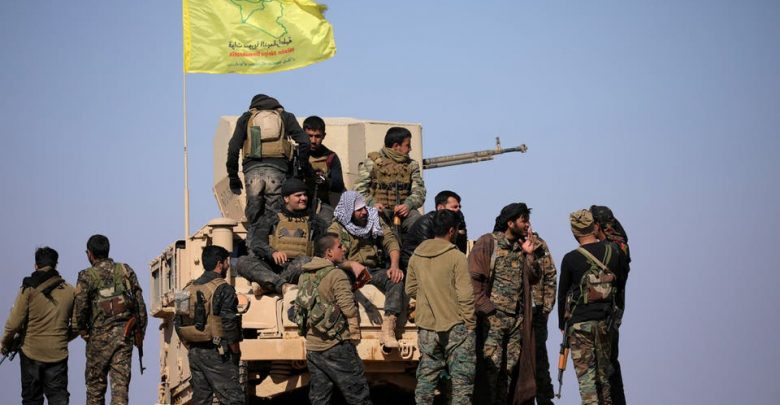
Presumed ISIS militants attacked a police station of the Kurdish autonomous administration at al-Sabha in Syria’s eastern Deir ez-Zor province. The attack with grenades and small arms was repulsed by the local police force without loss of life. But this was only the latest in a spate of new ISIS attacks in Syria. In a first attack on central government forces since the ouster the Assad dictatorship last December, ISIS boasted in a communique last week that its fighters had killed several soldiers of the “the apostate Syrian regime” at a road checkpoint in Talul al-Safa, in southern Suwayda province. One member of the Free Syrian Army faction was also killed in an ambush by ISIS militants on an FSA patrol in al-Tanf Deconfliction Zone, a US military outpost near the Jordan border. (Photo: SOHR via Kurdistan4)

Greater Middle East
Gulf states

Podcast: MAGA-fascism and the Gulf State tyrannies

Amid the hype about how Trump “snubbed” Netanyahu on his Middle East trip come reports that his White House is pushing a plan to relocate some 1 million Palestinians from Gaza to Libya—which is in the midst of a massive human rights crisis. Even while on the ground in Qatar, Trump plugged his relocation scheme for the Gazans, who now face complete ethnic cleansing from the devastated Strip. In Episode 279 of the CounterVortex podcast, Bill Weinberg debunks the notion of a Trump tilt away from Israel, and asks why some “progressives” are joining with paleocons to view massive arms deals with the repressive and arch-reactionary monarchies of Saudi Arabia, the UAE and Qatar as a good thing. (Map: PCL)

Greater Middle East
PKK

PKK resolves to dissolve at 12th Congress

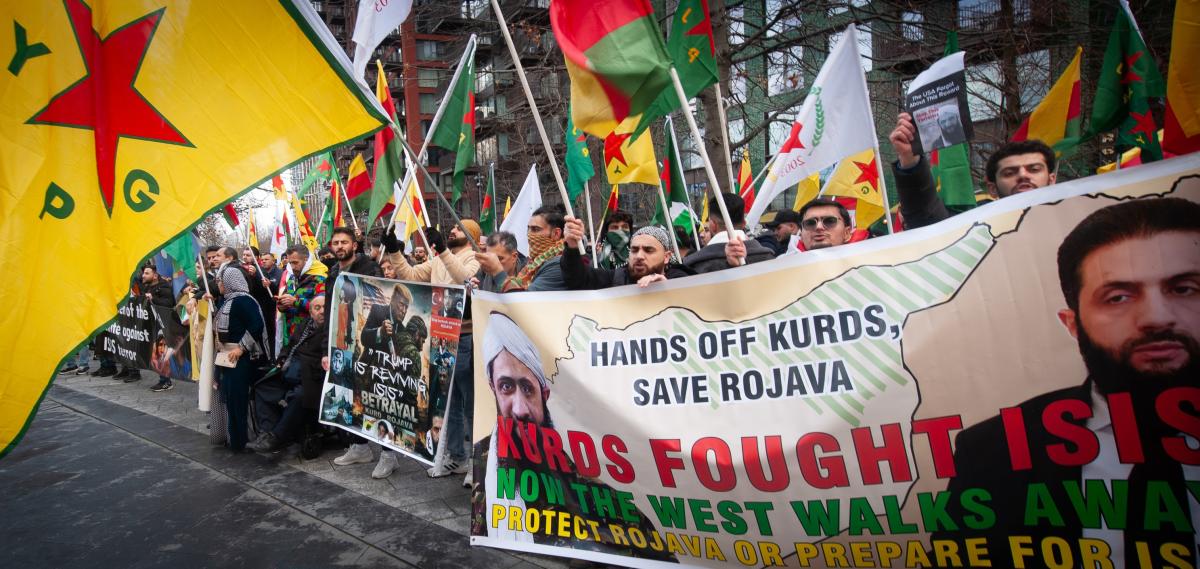
The Kurdistan Workers’ Party (PKK) held its 12th Congress in the Medya Defense Zones of northern Iraq, where delegates voted to dissolve the group’s organizational structure and end the armed struggle against the Turkish state that it has waged since 1984. The congress was convened in response to the “Call for Peace and a Democratic Society” issued in February by PKK leader Abdullah Öcalan, who has been imprisoned in Turkey since 1999. The statement called for his followers to lay down arms and pursue a civil struggle for Kurdish rights. However, Turkey continued to carry our air-strikes on the Medya Defense Zones right up to the very eve of the congress, and even in the days after it concluded. Turkey has also continued its campaign of air-strikes on the Rojava region of northern Syria, where PKK-aligned Kurdish forces have established an autonomous zone. (Image of PKK flag: Wikipedia)