

Africa

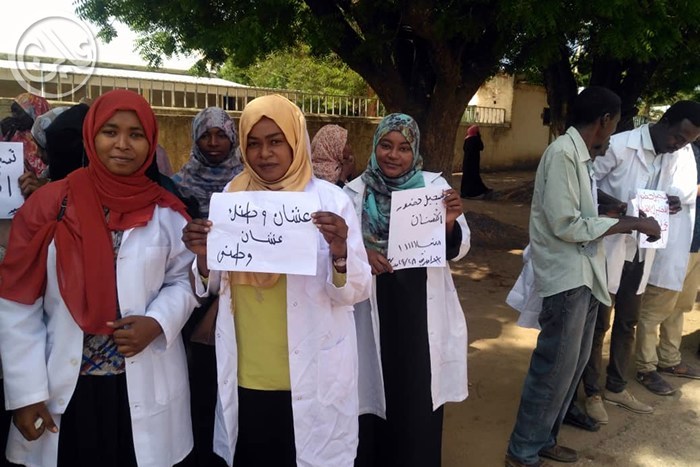
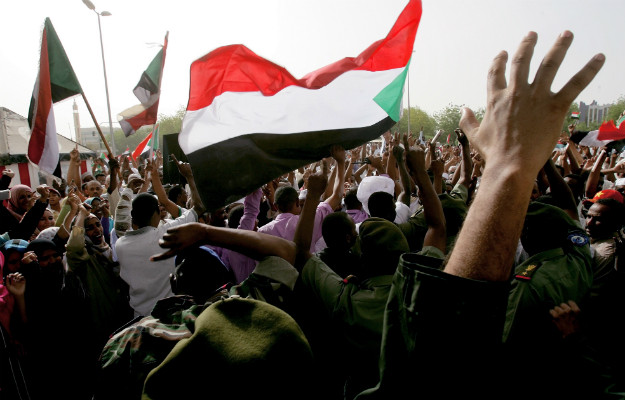
Sudan protesters defy massacre, net silence
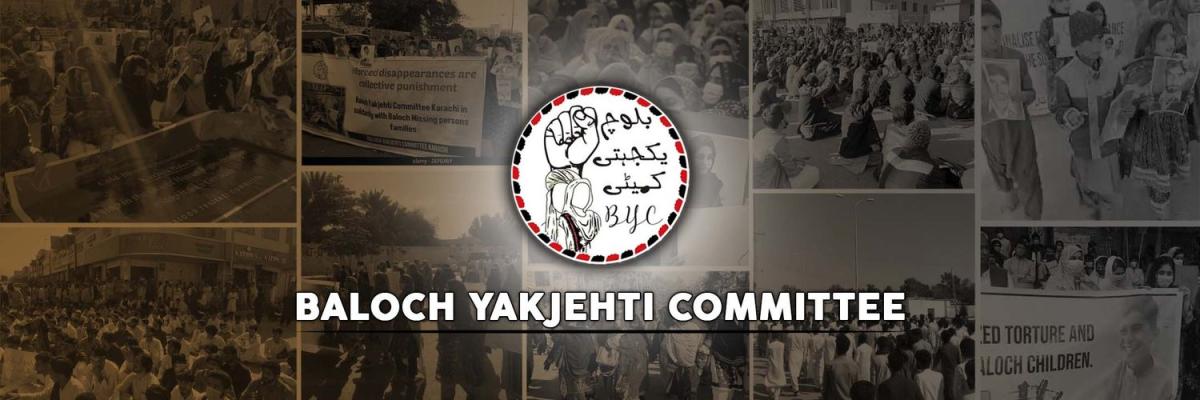
BalochThe international Baloch Human Rights Council (BHRC) called upon UN Secretary-General Antonio Guterres to urgently intervene in the repression of peaceful protests in Pakistan's conflicted Balochistan province. The group urged the UN to secure the immediate release of Dr. Mahrang Baloch and other members of the Baloch Yekjehti Committee, a local rights group. Dr. Baloch and several of her comrades were detained at a protest in provincial capital Quetta against enforced disappearances. Urging global action to hold Pakistan accountable, the BHRC described the arrests as "a blatant violation of fundamental freedoms and democratic principles." (Image: BYC)
Southeast Asia

Vietnam: ‘free trade’ advances; free speech retreats

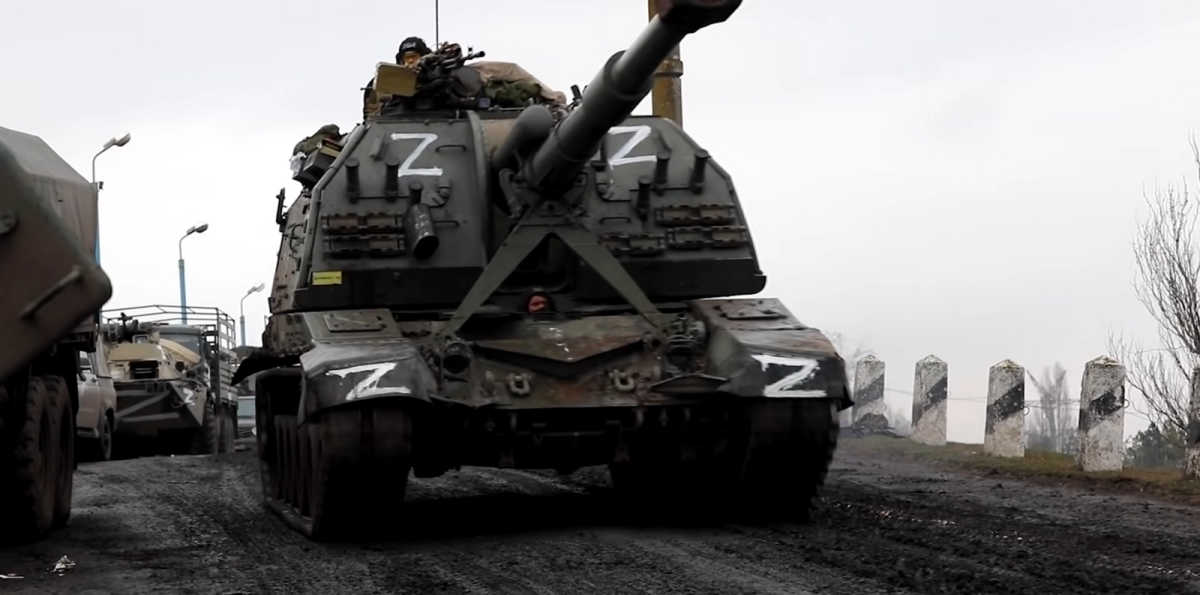
tankThe European Union Agency for Criminal Justice Cooperation (EuroJust) announced that the United States is withdrawing from the International Center for the Prosecution of the Crime of Aggression (ICPA), created to hold Russia accountable for its invasion and seizure of territory in Ukraine. The organization was launched by EuroJust in 2023 to assist Ukraine in prosecuting parties responsible for orchestrating the crime of "aggression" against Ukraine, facilitating information-sharing across international law enforcement and judicial bodies. The Biden administration collaborated with the organization by providing monetary support and appointing US prosecutors to help with the work of the ICPA. The funding cut-off comes as the White House has shifted course in US foreign policy on Ukraine, with President Donald Trump insisting on brokering a bilateral peace deal with Russia, regardless of the wishes of the Ukrainian government. (Photo: Wikimedia Commons)

Central America

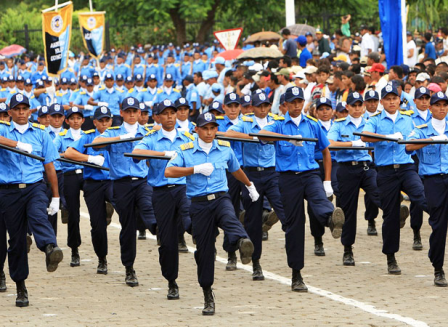
Nicaragua approves police amnesty law

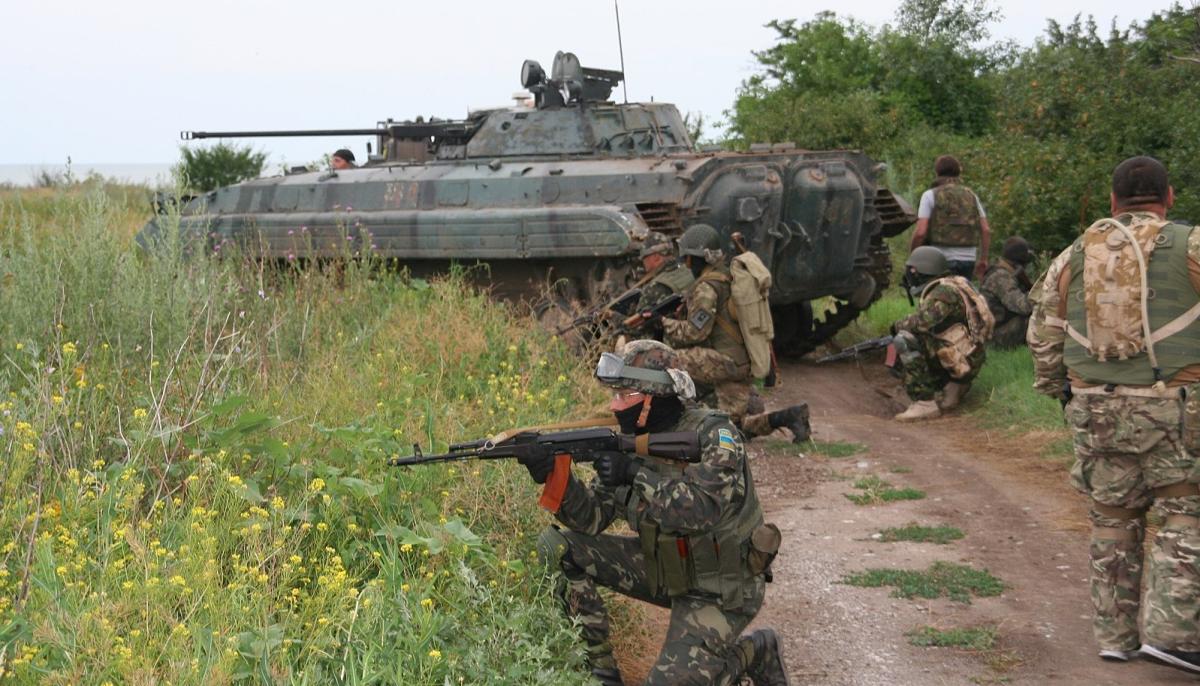
AzovThe Helsinki District Court in Finland sentenced a 38-year-old man to life for committing war crimes in Ukraine. Voislav Torden, 38, a Russian-Norwegian better known as Yan Petrovskiy, was deputy commander of a neo-Nazi paramilitary unit called Rusich, which participated in Russia's first incursions into Ukraine in 2014. According to prosecutors, Petrovskyi was responsible for leading an attack on Ukraine’s eastern frontier in 2014, which left approximately 20 Ukrainian troops dead. Petrovskyi was accused of ordering his men to carve Rusich's emblem into the chest of a wounded Ukrainian soldier. He was also charged for posing with a dead soldier's body for photos, which were later uploaded to social media. (Photo of Azov Battalion fighters: Carl Ridderstråle/Wikimedia Commons)

East Asia

Hong Kong: ‘leaderless’ protests pledge no retreat

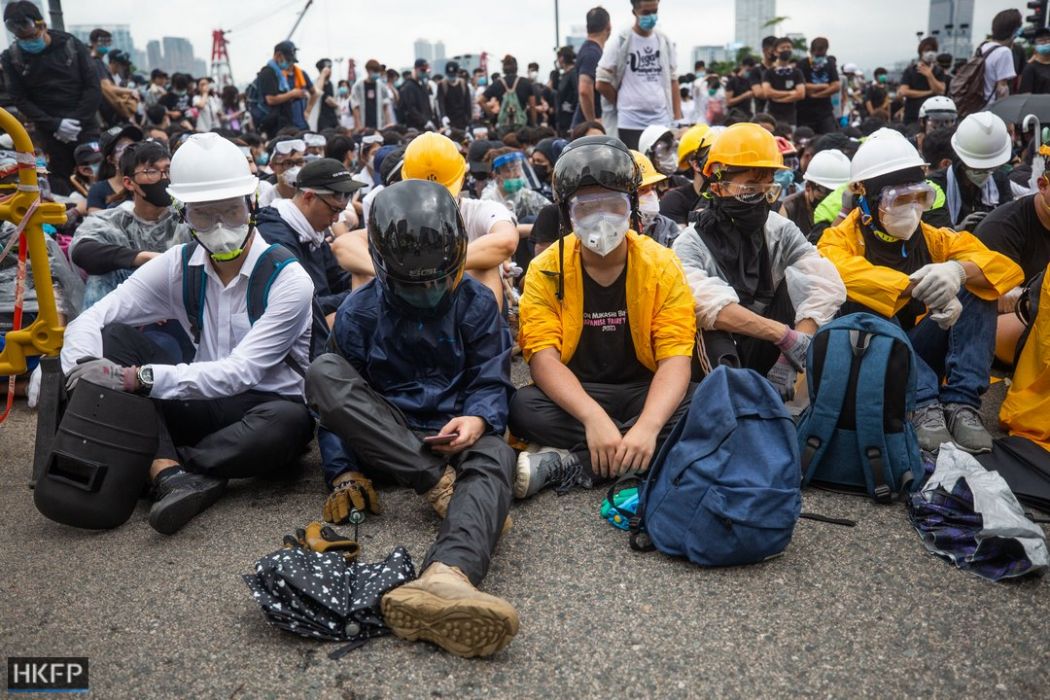
Hong Kong protestDespite limited victories, leaders of the declaredly "leaderless" protest movement that has brought hundreds of thousands to the streets in Hong Kong pledge to keep up the pressure. The unpopular bill that would have allowed extradition to mainland China has now been suspended. But six student unions issued a call to escalate protest actions if the government does not respond to their outstanding demands in the coming days. These include that the extradition bill be formally withdrawn, that all charges be dropped against arrested protesters, and investigations be opened into cases of police brutality. Protesters are also demanding that Chief Executive Carrie Lam step down. (Photo: HKFP)

New York City
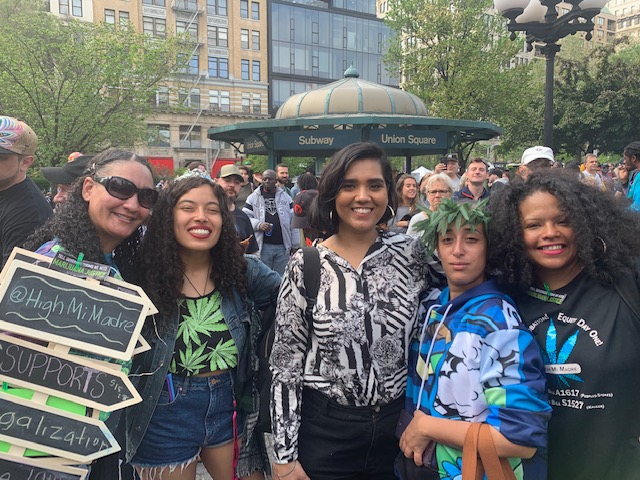
High Mi Madre

Podcast: Voices of High Mi Madre

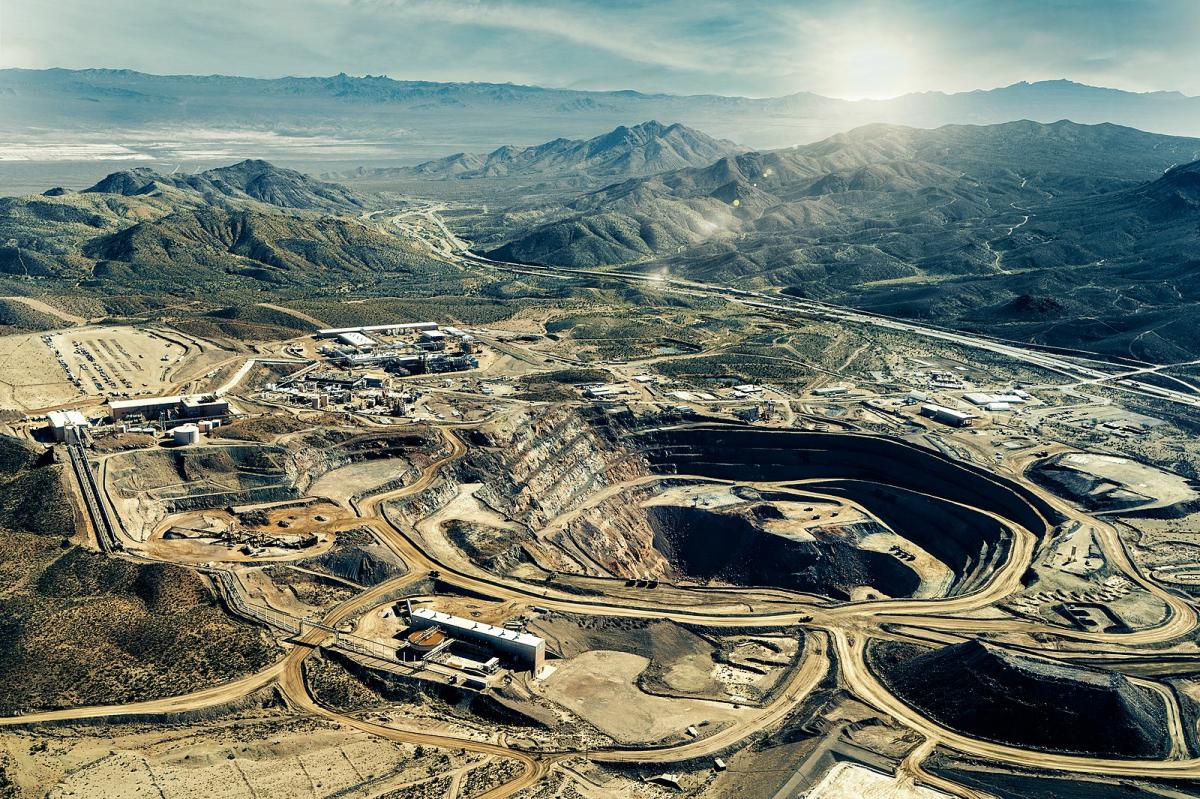
lithiumIn Episode 265 of the CounterVortex podcast, Bill Weinberg examines Trump's ultimatum to Ukraine to hand over a large share of its wealth in strategic minerals such as lithium in exchange for continued US military aid—and whether a race with China for control of the lithium and rare earth elements needed for Elon Musk's industrial interests might also be the agenda behind the Trump regime's annexationist designs on Greenland. Trump is meanwhile opening Native American lands in Nevada to lithium exploitation, while Musk's Tesla has sought to grab a share of Bolivia's lithium reserves—now also coveted by China. Listen on SoundCloud or via Patreon. (Photo: rare earth mine at Mountain Pass, Calif. Credit: Tmy350 via Wikimedia Commons)

Africa

Sudan transition deal suspended after massacre

Quaker Meeting HouseFive Quaker groups filed a lawsuit to stop immigration agents from conducting raids on houses of worship. The complaint alleges that the new Department of Homeland Security policy that allows Immigration & Customs Enforcement (ICE) officers to conduct searches and arrests at schools and religious institutions violates the First Amendment to the US Constitution. The lawsuit claims that the new policy has forced certain congregations to cancel worship services due to fear of ICE enforcement. On the first week of the new policy's implementation, a church in Georgia said it had to lock its doors to prevent ICE agents from conducting an arrest in the middle of a service. Pacifism is an integral component of Quaker beliefs, and the lawsuit asserts that the possible presence of armed agents in Quaker meeting houses is a fundamental violation of "a founding principle of their faith." (Photo: Wikipedia)

East Asia
Tiananmen

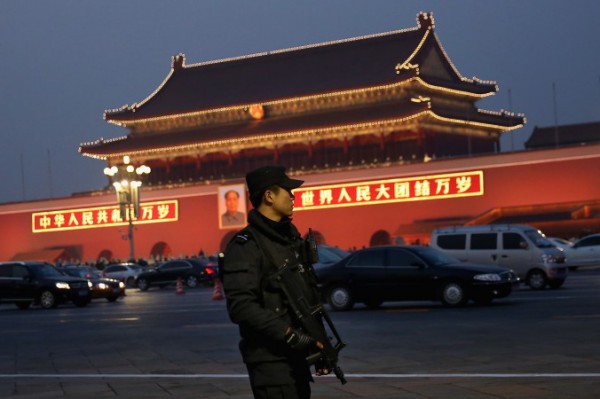
China: repression ahead of Tiananmen anniversary

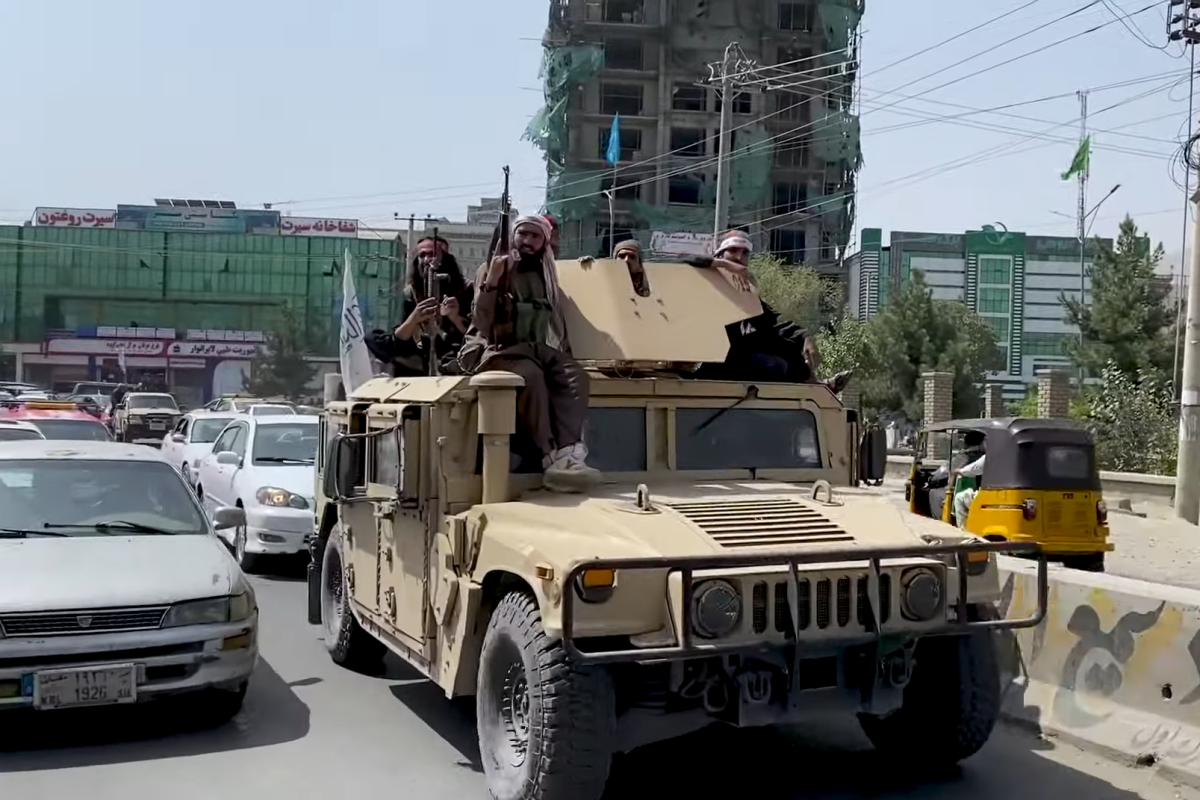
TalibanInternational Criminal Court Prosecutor Karim AA Khan announced that his office has filed applications for arrest warrants before the Pre-trial Chamber against two leading Taliban officials accused of committing crimes against humanity. Khan stated that his office collected solid evidence suggesting that the "supreme leader" of the Taliban, Haibatullah Akhundzada, and the chief justice of the "Islamic Emirate of Afghanistan," Abdul Hakim Haqqani, committed the crime of persecution on the basis of gender, violating Article 7 (1) (h) of the Rome Statute. He said that these Taliban officials have been persecuting Afghan women and girls, as well as any persons who don't follow their ideology, over the last four years. He said that the requested warrants are based on a wide range of evidence, including testimonies, official statements, and forensic reports gathered by a specialized investigation team. (Photo: VOA via Wikimedia Commons)

Southeast Asia

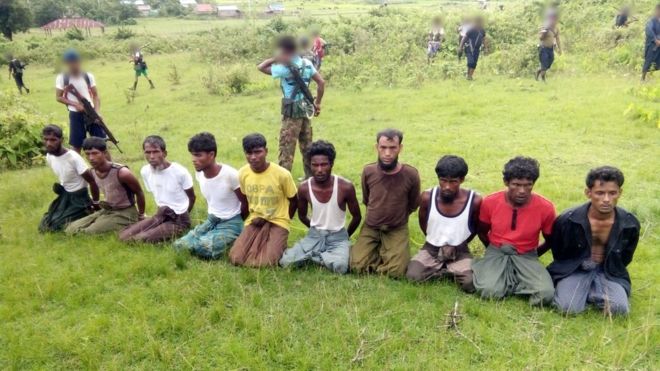
Burma: soldiers freed in Rohingya massacre

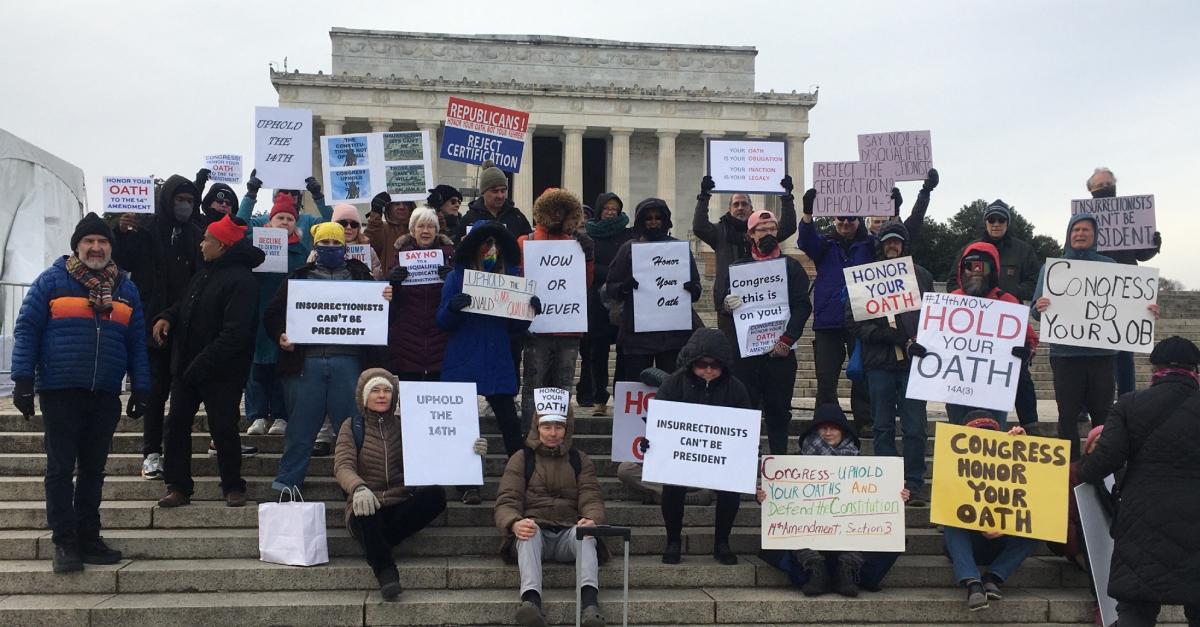
14thNowMere days before Donald Trump is to be inaugurated, Bill Weinberg continues to raise the demand for nullification of his election on 14th Amendment grounds. As Congress certified his victory last week, a demonstration calling for this was held in Washington, organized by podcaster (and former Trump campaign worker) Jessica Denson. But the centrist establishment—including Kamala Harris, who presided over the certification—is utterly capitulating to the fascist takeover of the country. In vivid contrast, protesters courageously take to the streets and politicians refuse cooperation to defend democracy from authoritarian power-grabs in South Korea, Georgia, Romania, Slovakia and Mozambique. In Episode 260, the CounterVortex podcast urges a last-ditch line of defense: pressure on Chief Justice John Roberts to refuse to administer the oath of office. Listen on SoundCloud or via Patreon. (Photo via BlueSky)

Greater Middle East

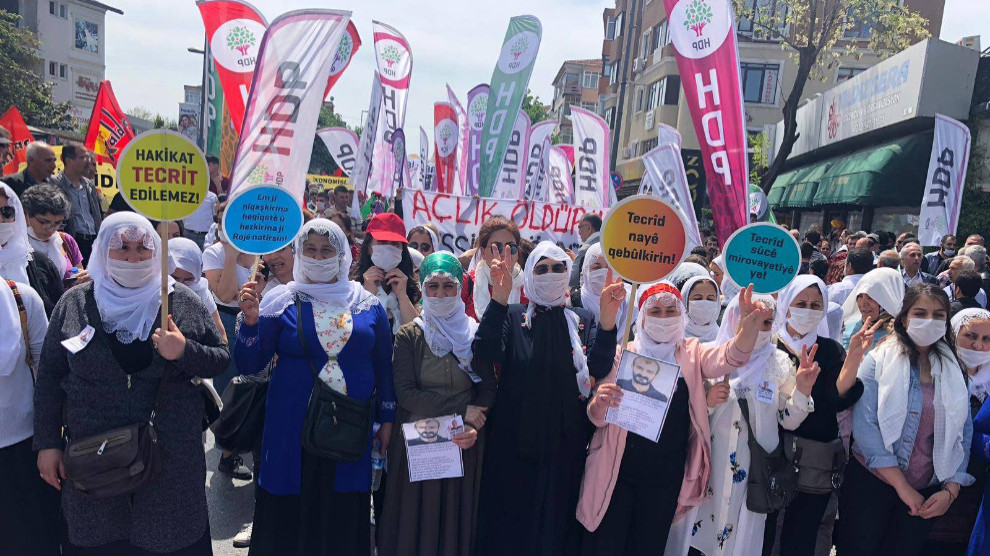
Dozens detained at Istanbul May Day march

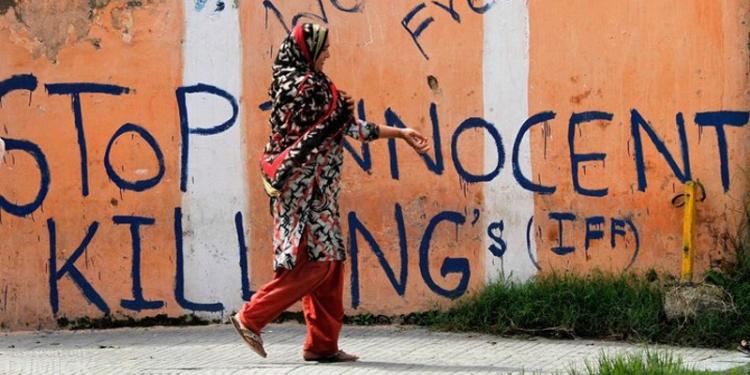
KashmirIndian-administered Kashmir was plunged back into internet darkness as India's central authorities enforced lockdowns and a news blackout following the death of Syed Ali Geelani, a prominent separatist leader. Geelani's body was immediately seized by authorities, and buried in a quiet funeral held under harsh restrictions. His son, Naseem Geelani, said the family had planned to bury him at the main martyrs' cemetery in Srinagar, as specified in his will, but was not allowed to do so. Police also charged family members under an anti-terrorism law for wrapping his body in the Pakistani flag and raising anti-India slogans. Kashmir spent months without internet following an August 2019 crackdown. High-speed mobile internet was only restored earlier this year. (Photo: Kashmir Global via Nationalia)

Europe

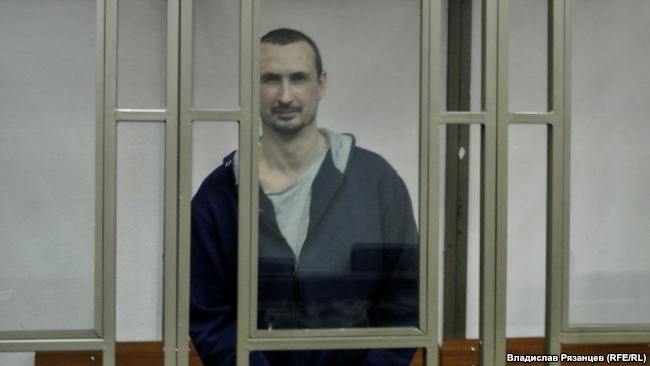
Crimean anarchist imprisoned for social media chat

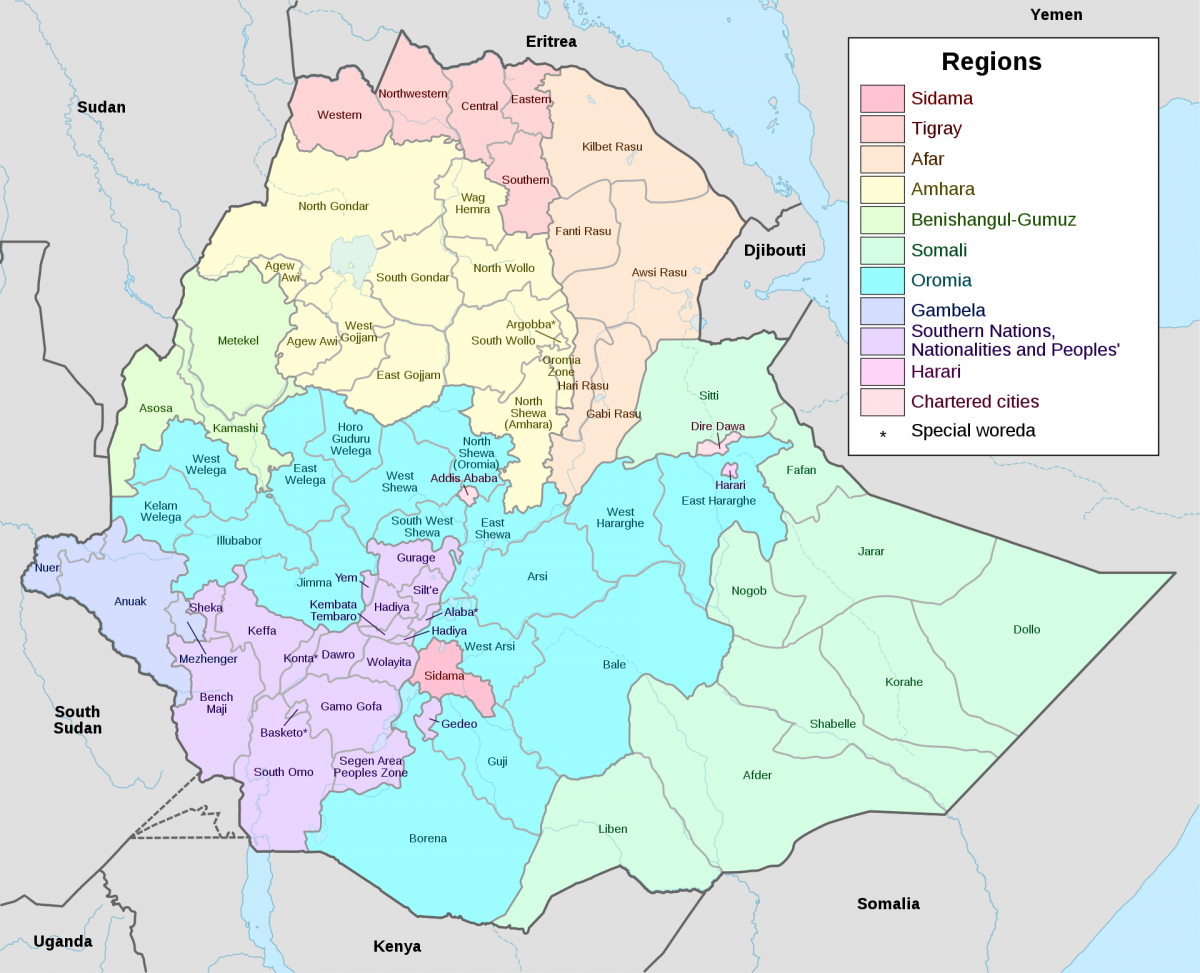
EthiopiaDespite hopes for a ceasefire in Tigray region last month, the Ethiopian conflict is expanding. The Oromo Liberation Army (OLA), the main rebel group in the country’s largest region, Oromia, warns that it is close to cutting off a major highway to Kenya—a move that could disrupt trade with the largest economy in East Africa. Having announced a pact with the Tigray People's Liberation Front, the OLA claims it is advancing on the western and southern fronts of Oromia region, and holds parts of the southern Borena zone bordering Kenya. Meanwhile, as the humanitarian crisis deepens and Tigrayan rebels push on into Amhara and Afar regions, there has been a relaunch of diplomatic efforts to halt the fighting. Sudan's Prime Minister Abdalla Hamdok—rebuffed once by Addis Ababa—said he is still willing to mediate. Sudan, however, has its own dispute with Ethiopia over the contested al-Fashaga border region—an issue Khartoum reiterated is non-negotiable. (Map via Wikipedia)

Greater Middle East

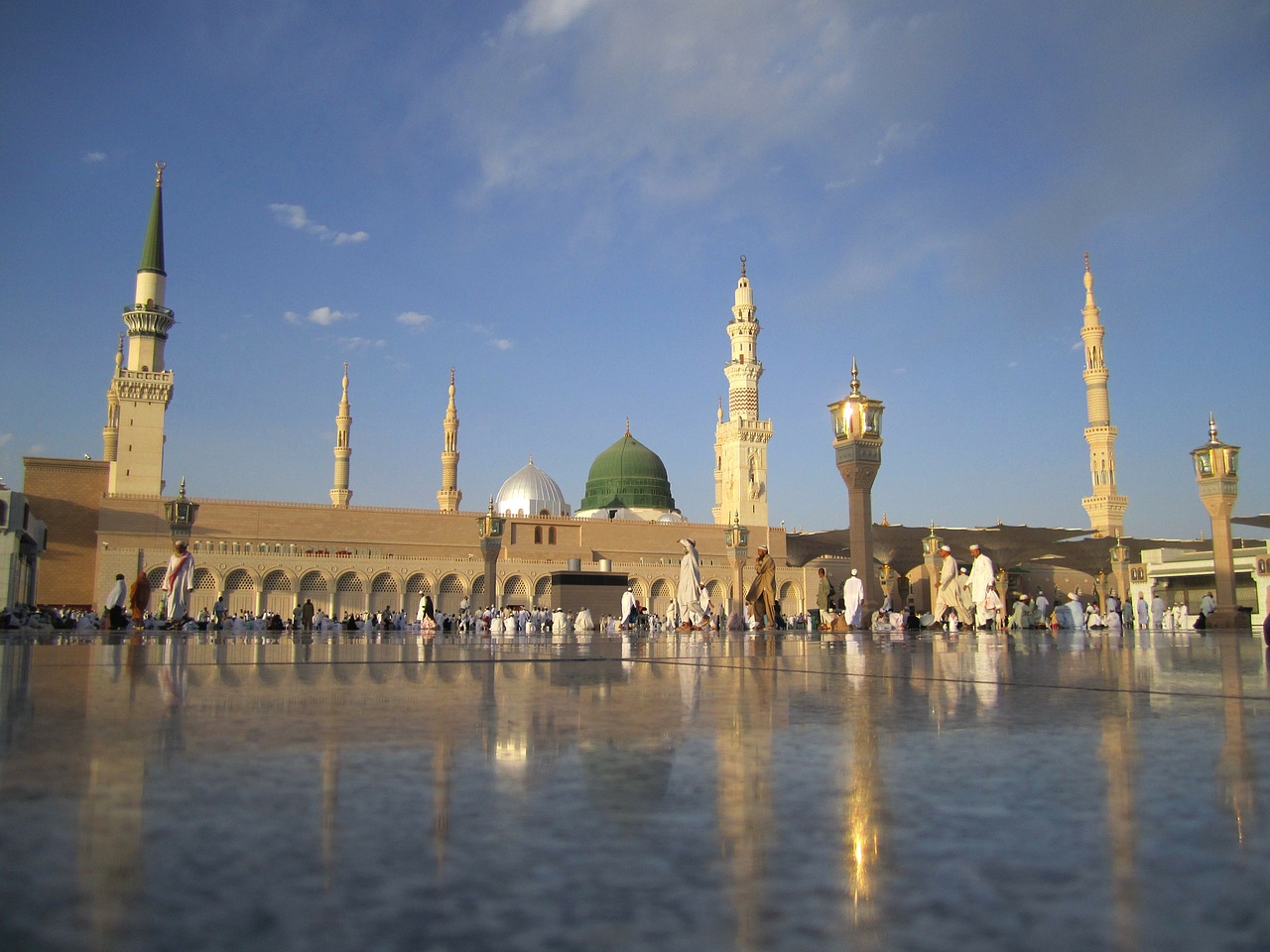
Saudi Arabia executes 37 for terror-related crimes

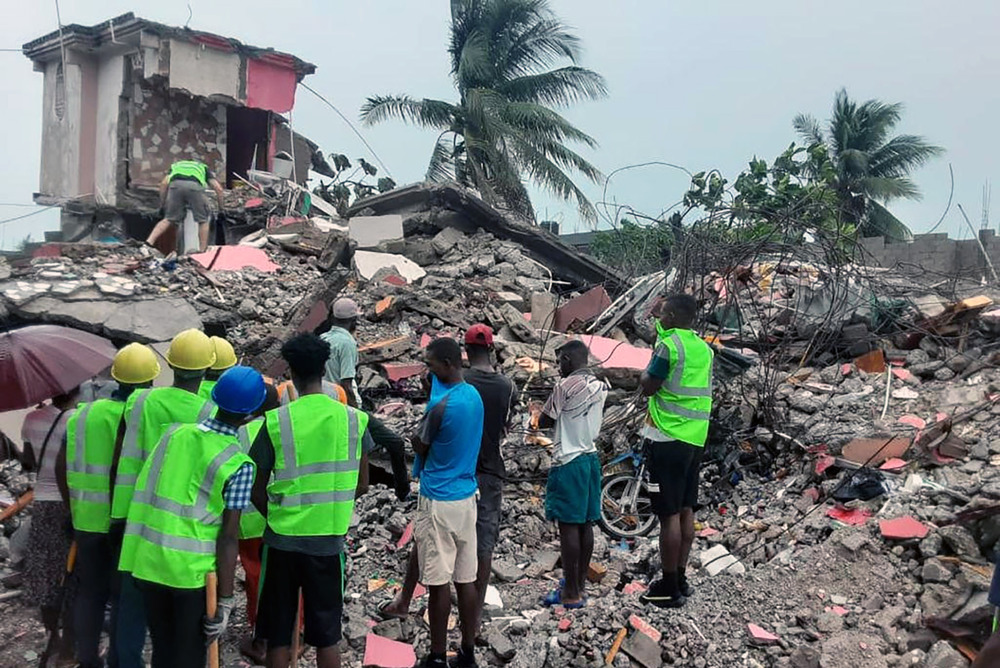
Les CayesMore than 500,000 are in need of emergency assistance in Haiti's southern peninsula, where a 7.2-magnitude earthquake has killed more than 2,100 people and injured more than 12,200. Aid and medical efforts are hampered by debris-strewn roads, rain from Tropical Storm Grace, a shortage of working hospitals, and gang violence. A hospital in Port-au-Prince was closed by a two-day shutdown to protest the kidnapping of two doctors. Violent gangs patrol many of the country's transport routes. The southern peninsula has yet to recover from Hurricane Matthew, which killed hundreds in 2016. Prime Minister Ariel Henry has promised to speed up aid efforts—more than 30,000 families are displaced, and there are fears of cholera due to lack of safe water, sanitation, and shelter. (Photo: Evens Mary/The New Humanitarian)

South Asia

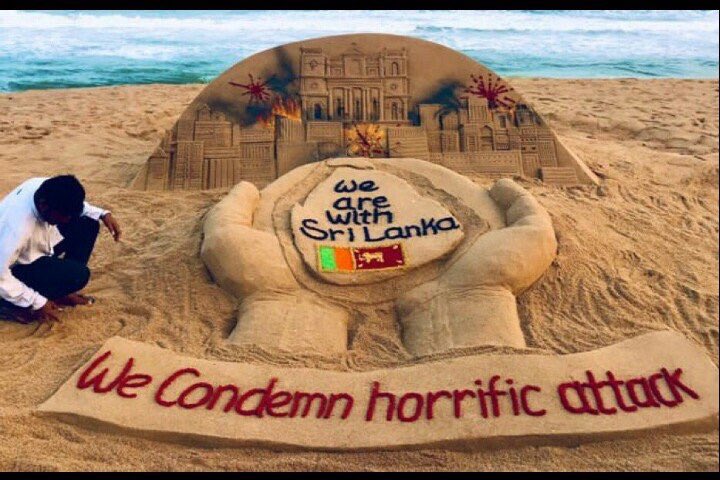
Muslim leaders had warned of Sri Lanka terror

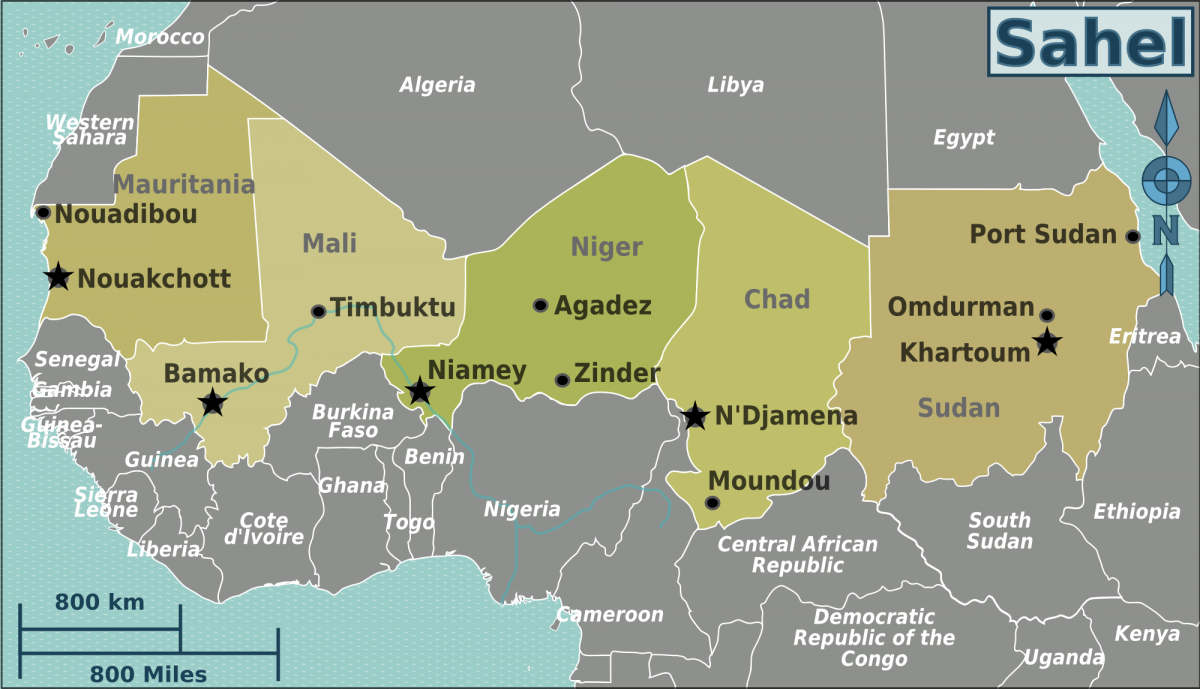
SahelThe tri-border region where the Sahel countries of Mali, Niger and Burkina Faso come together is the scene of fast-mounting massacres by presumed Islamist militants. Attacks on civilians and security forces alike have left hundreds dead this month. In Niger, peasants were gunned down while working their fields in Banibangou village—an attack attributed to a local ISIS franchise. In Mali, ongoing deadly attacks have caused a massive population exodus in several regions of the country, including Menaka, Mopti, Gao, Timbuktu and Sikasso. "Violence is spreading so rapidly across Mali that it threatens the very survival of the state," said UN human rights expert Alioune Tine after a visit to the country. (Map: Wikivoyage)