

The Amazon

Peru: emergency threatened over pipeline paralysis

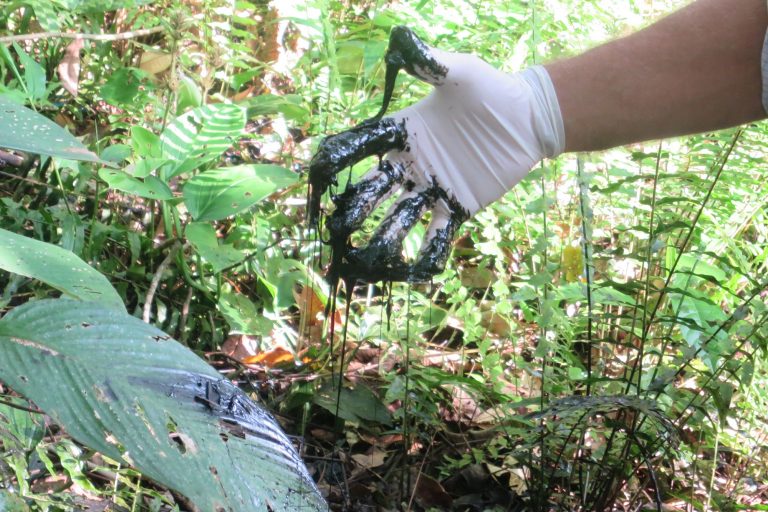
Lizardo Cauper, president of Peru’s alliance of Amazonian peoples, AIDESEP, issued an urgent call for authorities to open dialogue with indigenous communities in the northern region of Loreto rather than militarizing the area in response to mounting social conflicts and attacks on the North Peruvian Pipeline. Noting that the aging pipeline is in chronic disrepair, with repeated spills contaminating the rainforest, Cauper said: “We have made a call that, in place of militarization, they put in place a new pipeline. But it is not enough to have a new pipeline, but to respond to the demands of the people who are living around these oil activities.” Regional authorities have called upon Lima to declare a state of emergency in response to paralysis of the pipeline, which delivers crude from rainforest oilfields over the Andes. (Photo: Andina)

The Amazon

Ecuador top court: Chevron must pay for pollution
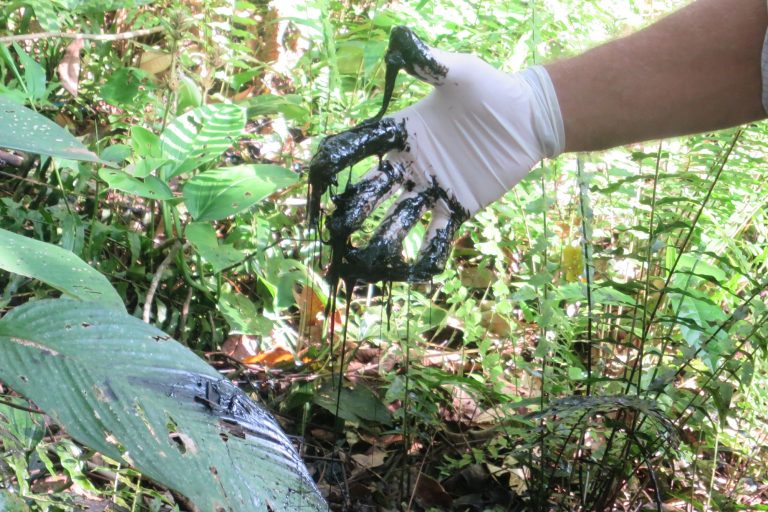
The Constitutional Court of Ecuador issued a long-awaited ruling in favor of those affected by the transnational oil company Chevron, which operated through its subsidiary Texaco in Ecuador between 1964 and 1990. Chevron will now have to pay $9.5 billion for the repair and remediation of social and environmental damage that, according to audits and expert reports, were a result of oil company operations in the Amazonian provinces of Sucumbíos and Orellana. The court found that Chevron deliberately dumped billions of gallons of toxic oil waste on indigenous lands in the Amazon rainforest. (Photo via Mongabay)
The Andes

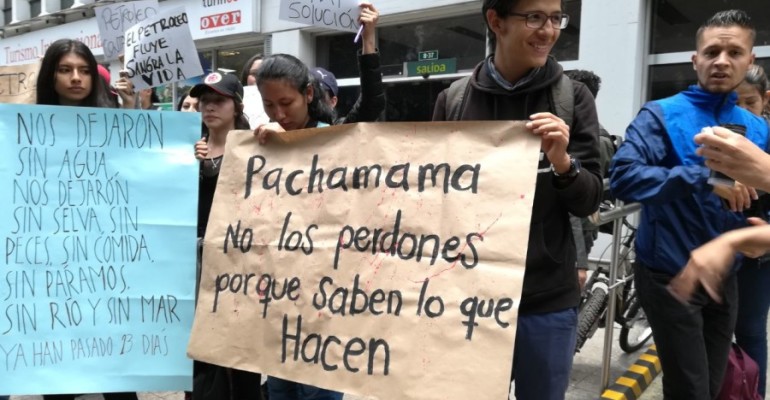
Colombia: protests over ‘catastrophic’ oil spill

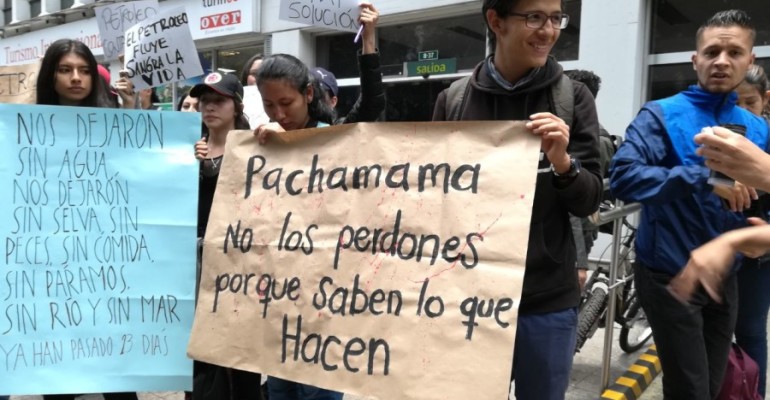
A state of emergency has been declared in Barrancabermeja, the oil hub on Colombia’s Río Magdalena, following a rupture on a pipeline delivering crude to the city’s refinery. The spill at the Lizama 158 well, run by parastatal Ecopetrol, contaminated local waterways that flow into the Magdalena, and which local campesino communities depend on. The affected area includes habitat for jaguars and manatees. The Fracking-Free Colombia Alliance called it a “catastrophe of unequaled magnitude” in a long history of oil spills in the area, and said the impacts could last 30 years. Colombia’s attorney general has opened an investigation to determine if there is criminal liability in the spill. (Photo: Contagio Radio)

The Amazon

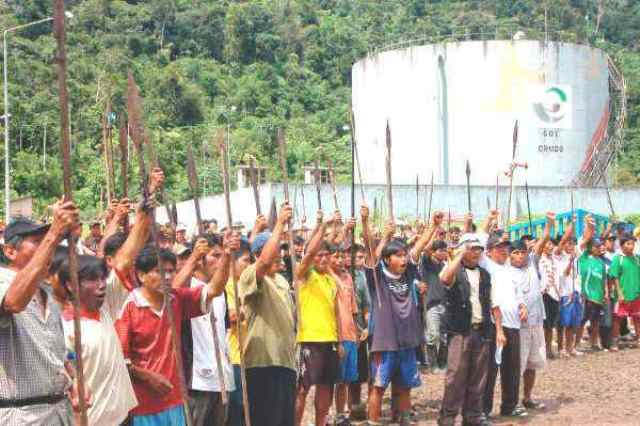
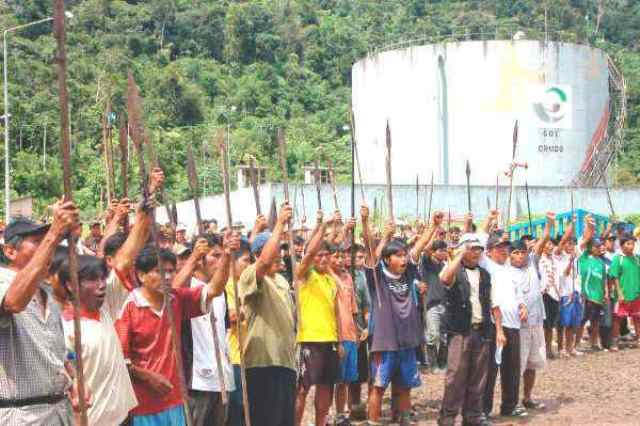
Peru: ‘Station 6’ case against indigenous leaders

Legal proceedings continue in Bagua, a town on the edge of the rainforest in Peru's Amazonas region, against 25 Awajún and Wampis indigenous activists over deadly violence at a pumping station for the North Peru Oilduct in June 2009. Station 6 had at that time been under occupation by indigenous activists opposed to expansion of oil operations into their Amazonian homelands. Violence broke out at the occupied pumping station on June 5, 2009, when word reached the activists there of that morning's Bagua massacre, precipitated by National Police attacking an indigenous roadblock. Ten agents of DINOES, the National Police elite anti-riot force, were slain in the clash at Station 6. Prominent indigenous leader Alberto Pizango, already cleared of charges connected to the violence at Bagua, is now among those being tried for the bloodshed at Station 6. (Photo: Radio Reina de la Selva)

Planet Watch

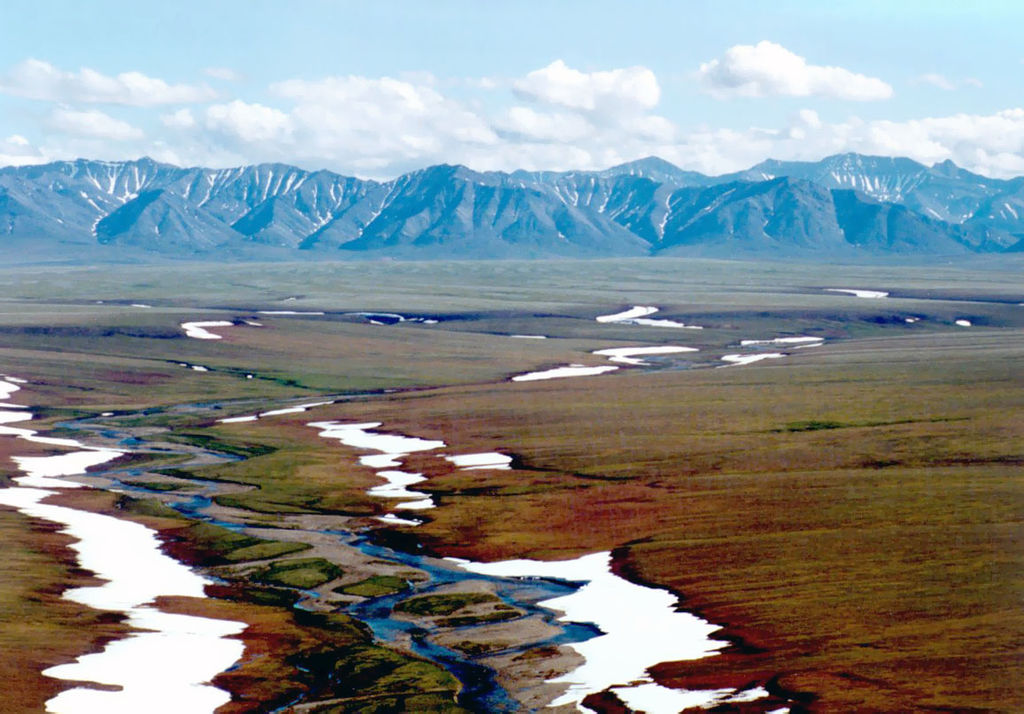
Arctic oil scramble in offing after GOP tax bill

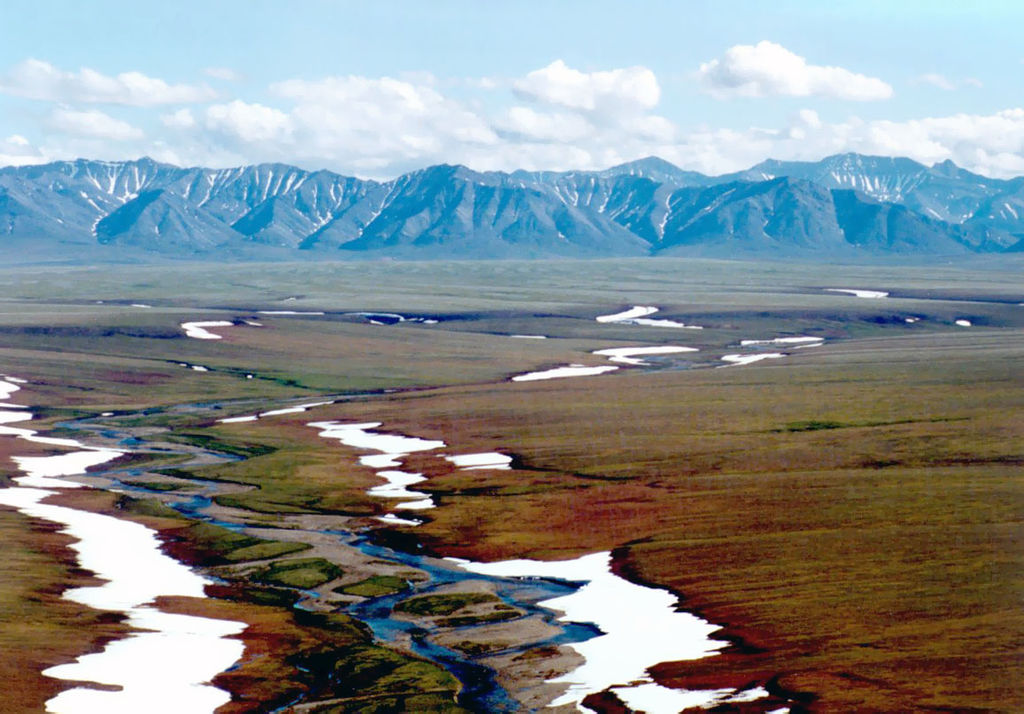
As a part of the Republican tax overhaul bill, Congress voted  to open Alaska's Arctic National Wildlife Refuge (ANWR) to oil and natural gas drilling, after more than four decades of contestation on the matter. Drilling is still years away at best, due to depressed oil prices, a lengthy review process, and likely legal challenges. But oil companies are already arguing over who will have rights to the reserve—while Native Alaskan communities that depend on its critical caribou habitat see impending cultural extermination. (Photo: FWS)

The Amazon

Colombia: campesinos block oil operation

Colombia's feared anti-riot force, the ESMAD, used tear-gas against campesinos occupying lands in the Amazonian department of Caquetá to block oil exploration efforts.

The Amazon

Amazon tribe takes hostages to protest oil spill

Members of the Wampis people of Peru's Amazon seized a military helicopter, holding the crew and eight officials to press for an emergency response plan to a devastating oil spill.