
The Andes
Venezuela protests

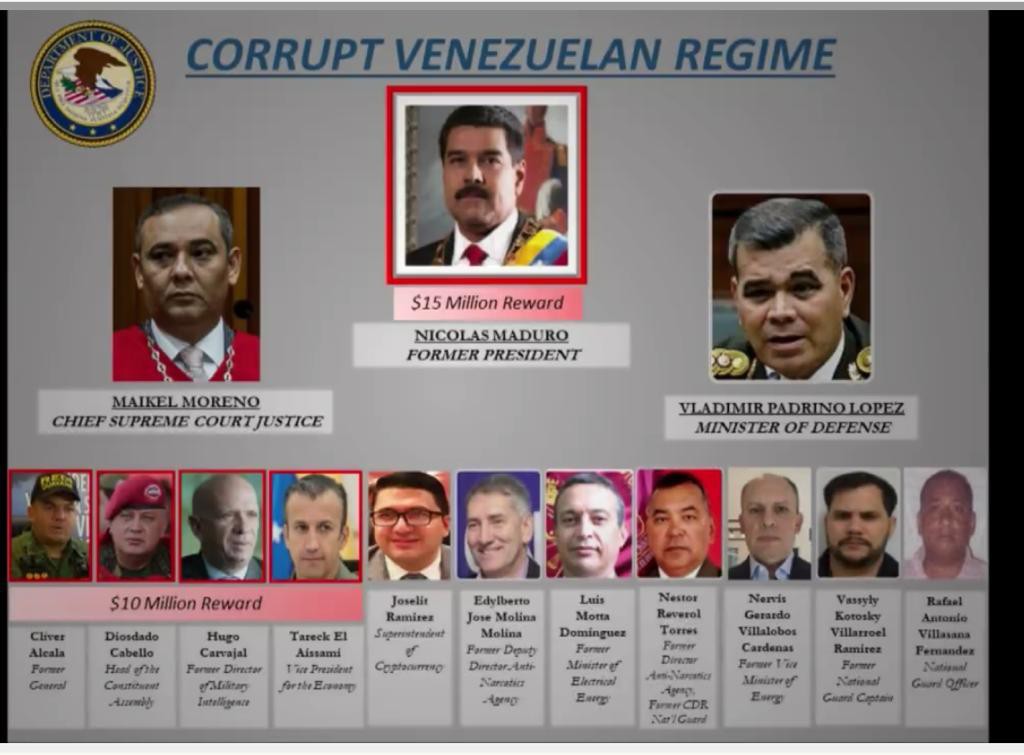
UN report: ‘crimes against humanity’ in Venezuela

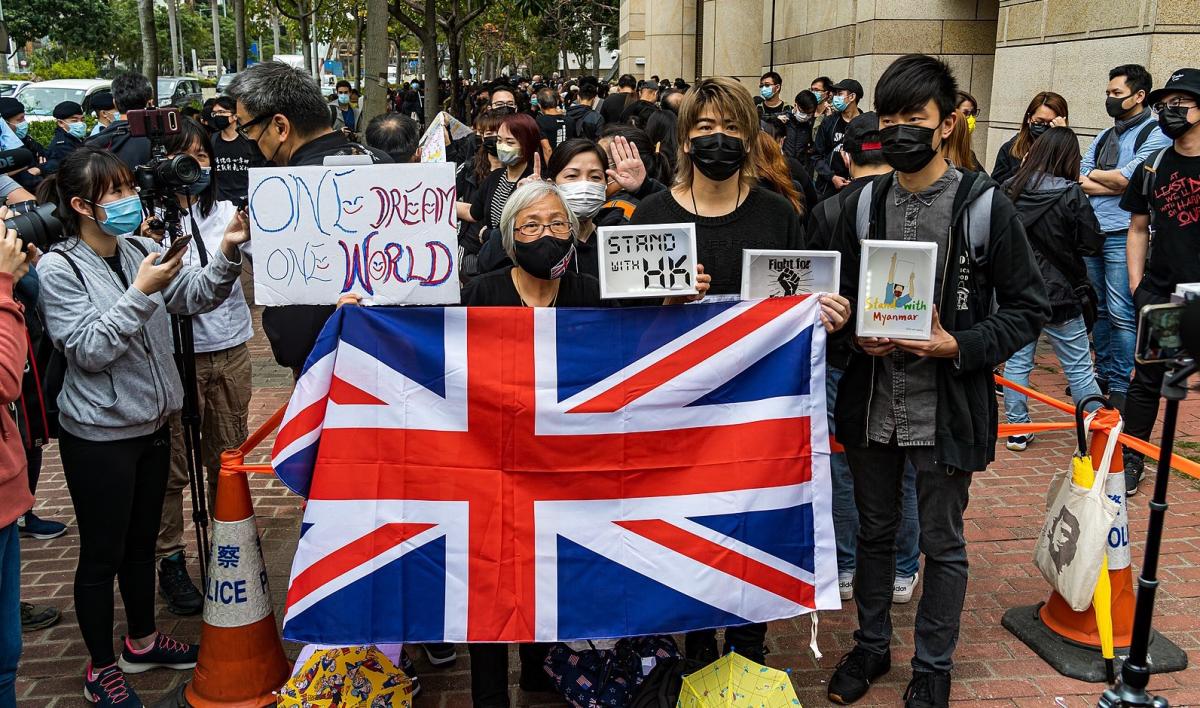
YuenHong Kong District Court judge Ernest Lin Kam-hung handed down a judgment sentencing Tommy Yuen, a former Cantopop boy-band member, to 26 months imprisonment. Yuen was convicted of "acts with seditious intention" among other charges. Lin found that Yuen made seditious statements on Facebook and Instagram in 2021 disparaging police and officials. Lin asserted that Yuen had been advocating for Hong Kong independence and insulting Hong Kong's government. Yuen was well known as a member of the Cantopop boy group E-kids, which was disbanded in 2006. He had been active in the 2019 anti-extradition protests, while Lin won a reputation for his harsh sentences handed down to protesters. (Photo: Yuen, outside West Kowloon Court in March 2021, standing to right of Alexandra "Grandma" Wong. Credit: Studio Incendo via Wikimedia Commons)

Watching the Shadows
Ukraine

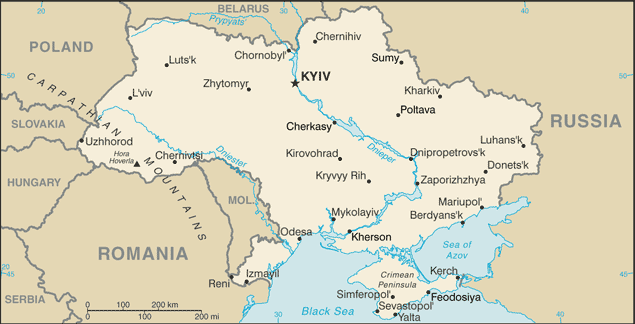
Trump’s phone call: the view from Ukraine

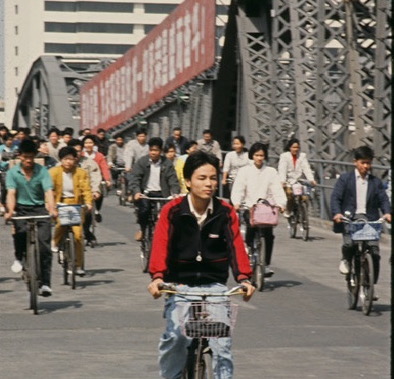
GuangzhouLegendary transportation activist George Bliss will be presenting a slideshow and hosting a discussion of his 1991 trip to China at the Museum of Reclaimed Urban Space (MoRUS) in New York City on Friday Dec. 9. What would NYC be like if we got rid of cars and everybody rode bikes? In 1991, Bliss and filmmaker Ted White visited Guangzhou, China (then pop. six million). Only one in a thousand owned cars. Bikes cost about $50. There was no theft because cheap attended bike-parking was everywhere. Riding en masse was fun, and traffic flowed safely and efficiently with almost no red lights. The term "critical mass"—first applied to this phenomenon by Bliss in White's film Return of the Scorcher—soon became a rallying cry in the global bike movement. While that China is long gone, its legacy points to the city we could yet have, even half a world away. (Photo: George Bliss)

Central America

UN protests Nicaragua ‘anti-terrorism’ law

Nicaragua protestsThe UN Office of the High Commissioner for Human Rights expressed concern for a law approved in Nicaragua, ostensibly aimed at money-laundering, arms-trafficking and terrorism. The statement warned that the definition of "terrorism" under the law is dangerously "vague," and that it could be used to suppress opposition. The law defines as "terrorism" any damage to public or private property, punishable by up to 20 years in prison. Additionally, anyone found guilty of directly or indirectly financing or aiding so-called "terrorist operations" can also face up to 20 years. The law was introduced in April, just as Nicaragua's political crisis was breaking out. The OHCHR noted that the law was passed by a National Assembly "almost completely controlled" by the ruling Sandinista party. (Poto via Noticiias ONU)

Mexico

Mexico: fugitive narco-governors snared

Javier Duarte, the ex-governor of Mexico's Veracruz state, was detained by Interpol in Guatemala—the latest in a string of fugitive Mexican ex-governors to be arrested abroad.

The Andes

Panama Papers pummel Peru politicians

Four of Peru's presidential candidates, including far-right front-runner Keiko Fujimori, have been implicated in the "Panama Papers" revelations.

Southern Cone

Protests rock Brazil as Lula takes cabinet post

Brazil has seen its biggest protests since the end of the dictatorship as ex-president "Lula" da Silva is appointed to a cabinet post that gives him immunity in a corruption scandal.

The Andes

DEA sees Hezbollah link to Colombian cartel

The DEA claims that Shi'ite militant group Hezbollah is laundering money for the "Oficina de Envigado,"  successor organization to Colombia's legendary Medellín Cartel.