

Syria

Lebanon: halt ‘refoulement’ of Syrian refugees
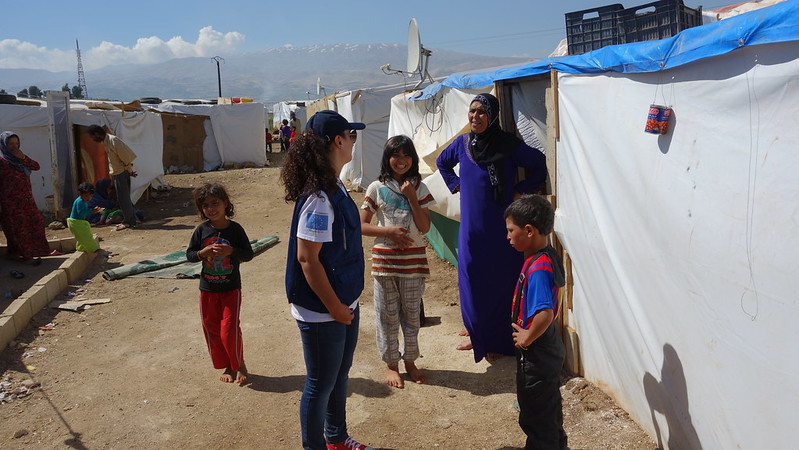
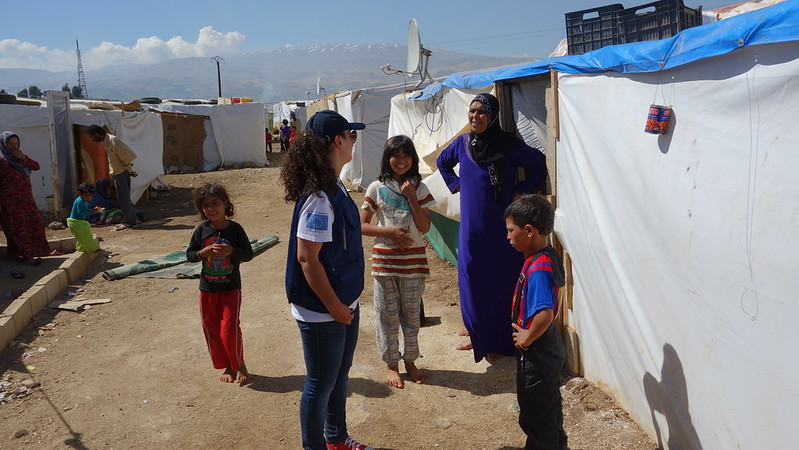
Syrian refugeesThe Syrian Network for Human Rights (SNHR) joined with 20 other human rights organizations to issue a joint statement protesting Lebanon's summary deportation of Syrian refugees. The rights organizations say the deportations violate the international law principle of non-refoulement, which protects individuals from being returned to a country where they may face torture, cruel or degrading treatment, or other irreparable harm. "The Lebanese Armed Forces have recently summarily deported hundreds of Syrians back to Syria, where they are at risk of persecution or torture," the statement charges. "The deportations come amid an alarming surge in anti-refugee rhetoric in Lebanon and coercive measures intended to pressure refugees to return." (Photo: EU Civil Protection & Humanitarian Aid via Flickr)
Syria

Syria: regime ‘normalization’ —amid war and hunger

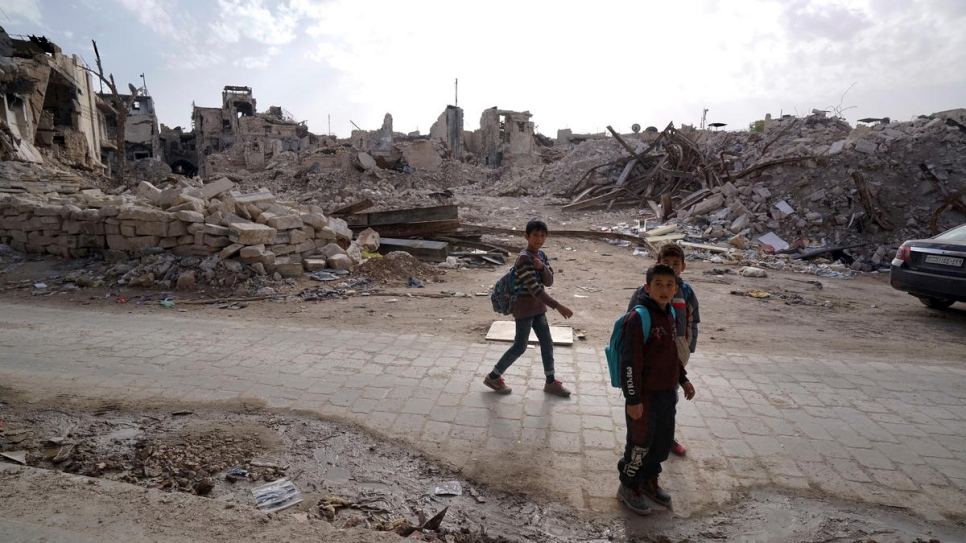
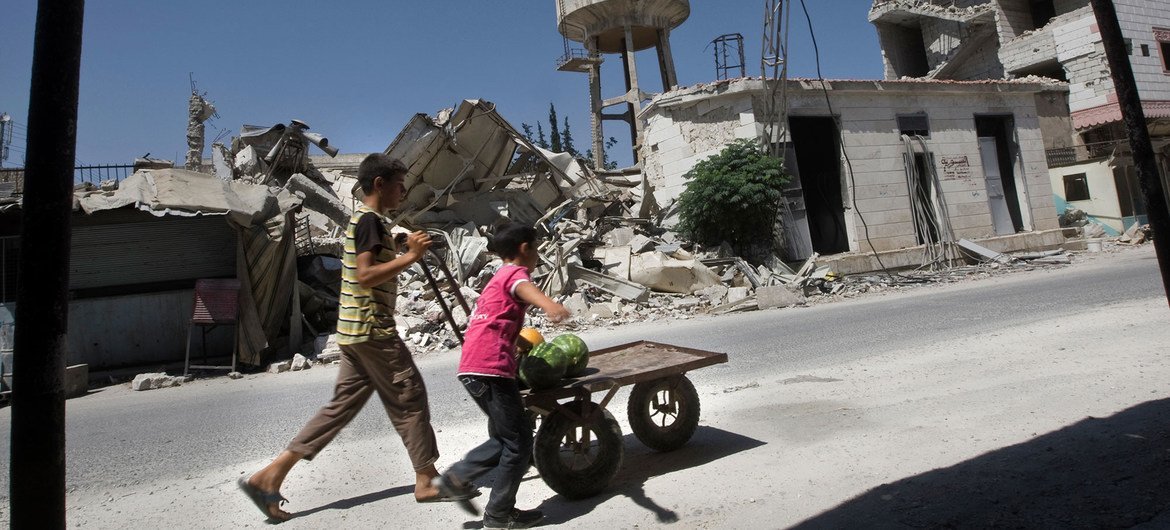
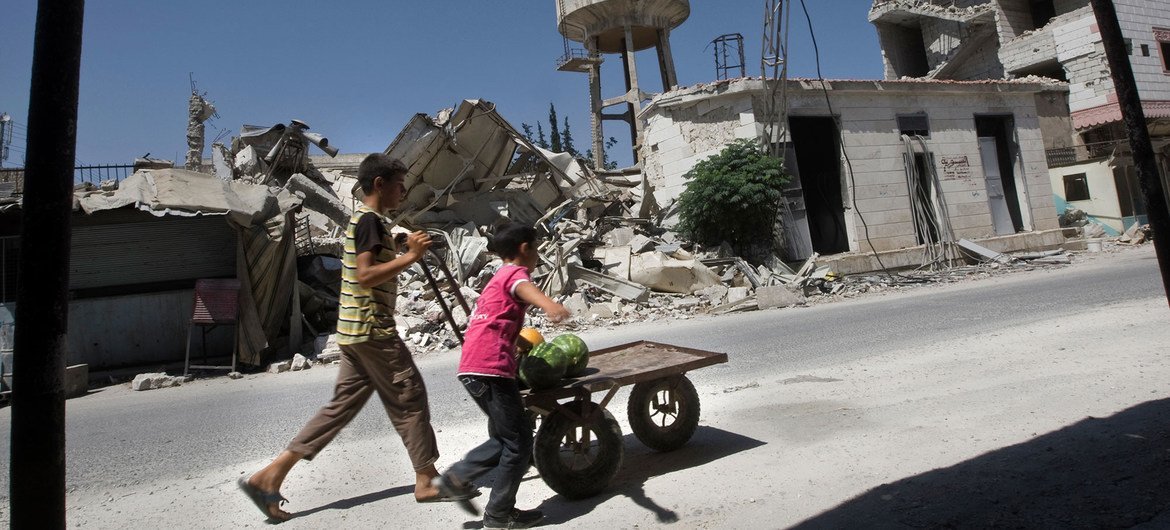
SyriaAt a closed meeting in Cairo, Arab League foreign ministers approved a measure to readmit Syria after more than a decade of suspension—a critical victory for the normalization of Bashar Assad's genocidal regime. This diplomatic coup, however, cannot mask the reality that Syria's war is not over. Assad may have retaken most of the country, but various rebel and Kurdish forces still control much of the north. Civilians are still being killed in shelling and other violence. Even before earthquakes devastated large parts of northern Syria three months ago, continuing conflict and a debilitating economic crisis meant deepening hunger. Humanitarian needs in Syria were already at a record high. But amid mounting global crises, the UN-coordinated appeal for Syria in 2023 is only eight percent funded. And food prices are still rising, making it harder still for aid groups to meet the urgent and growing needs of millions of Syrians. (Photo: Giovanni Diffidenti/UNICEF via UN News)

Syria

Israel’s paramilitary plan advances

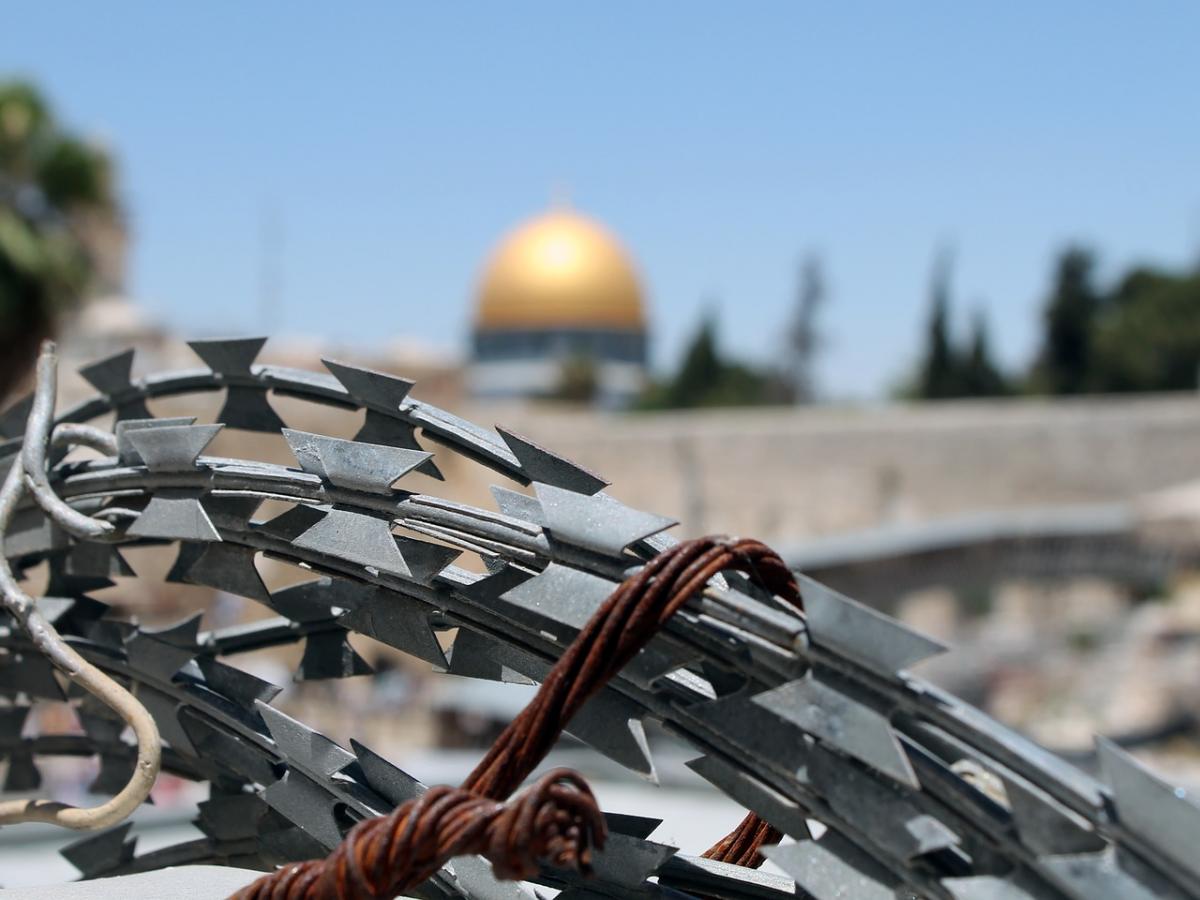
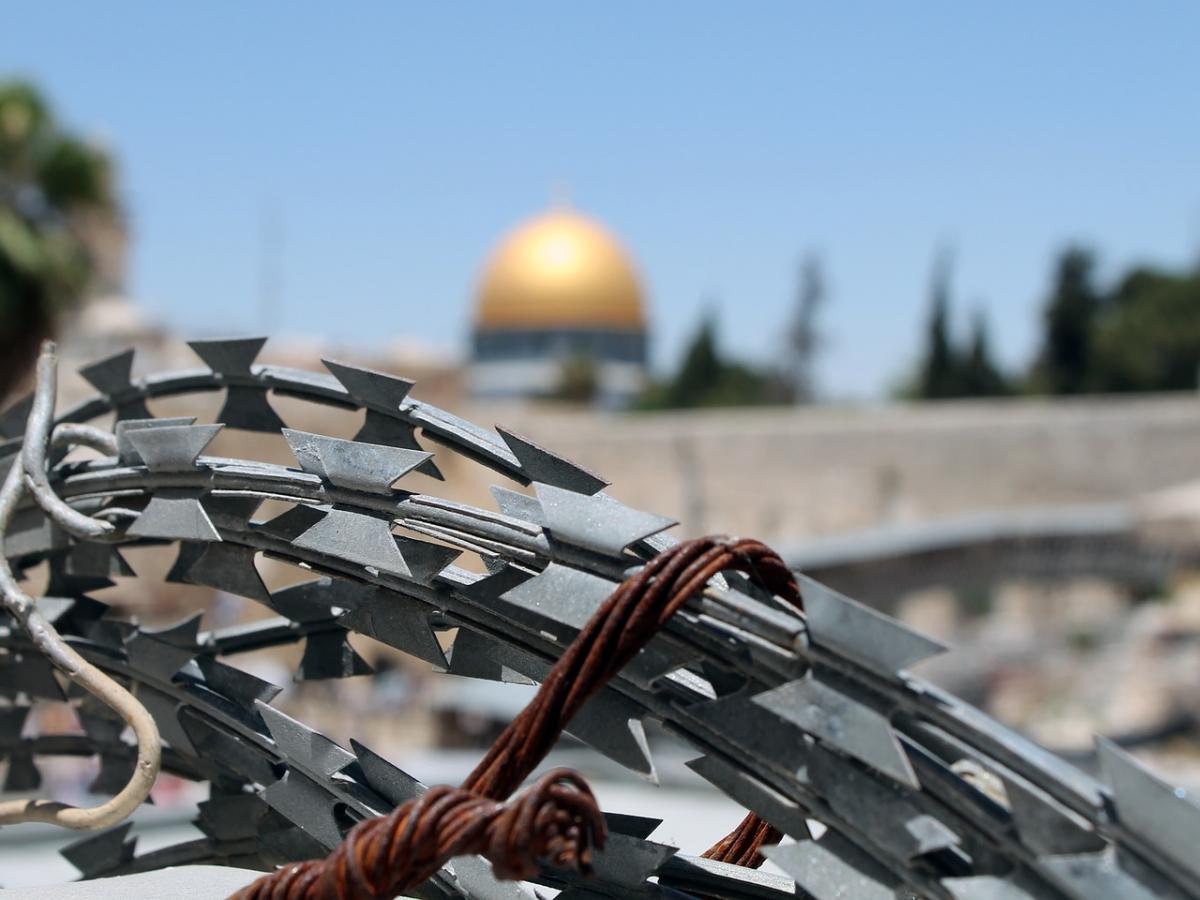
PalestineThe Israeli cabinet authorized plans for a paramilitary "National Guard" sought by far-right National Security Minister Itamar Ben-Gvir to target violence and unrest in Palestinian communities within Israel. Prime Minister Benjamin Netanyahu's office said that a committee comprised of Israel's existing security forces is to determine the Guard's responsibilities, and whether it will be subordinate to the Israel Police or take orders directly from Ben-Gvir, as he demands. Opposition leader Yair Lapid responded by calling the plan an "extremist fantasy of delusional people," and slammed a decision to cut budgets from other ministries "to fund Ben-Gvir's private militia." (Photo: RJA1988 via Jurist)

Syria

Syria faces ‘dire water crisis’

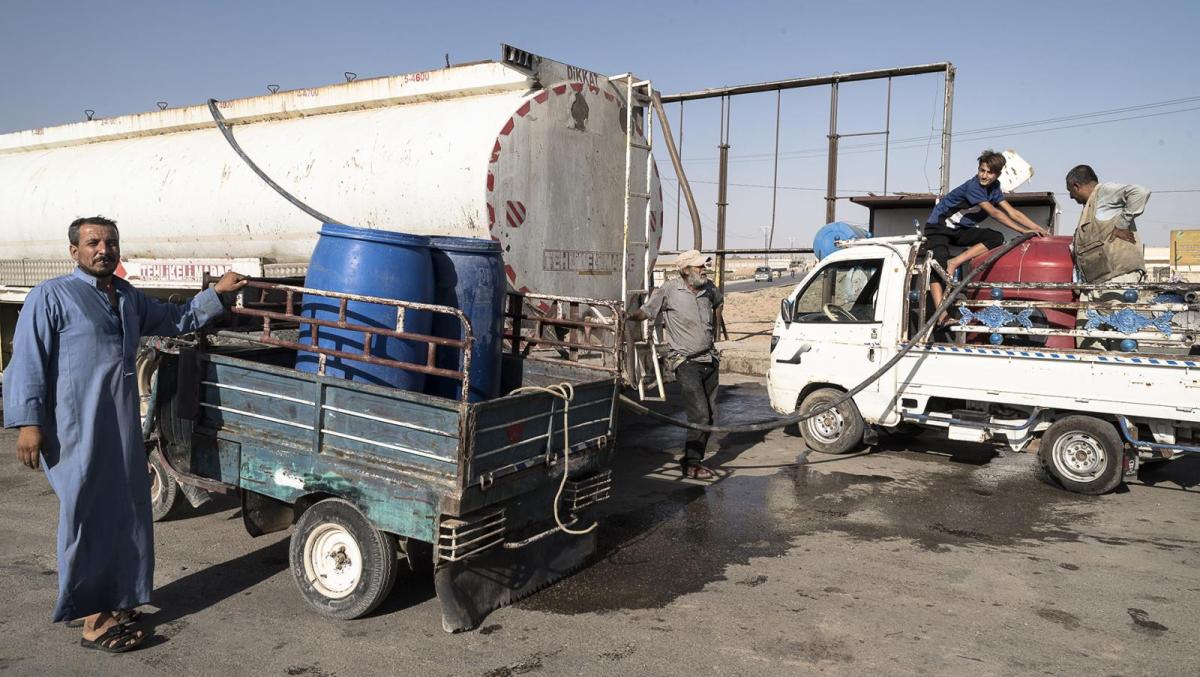
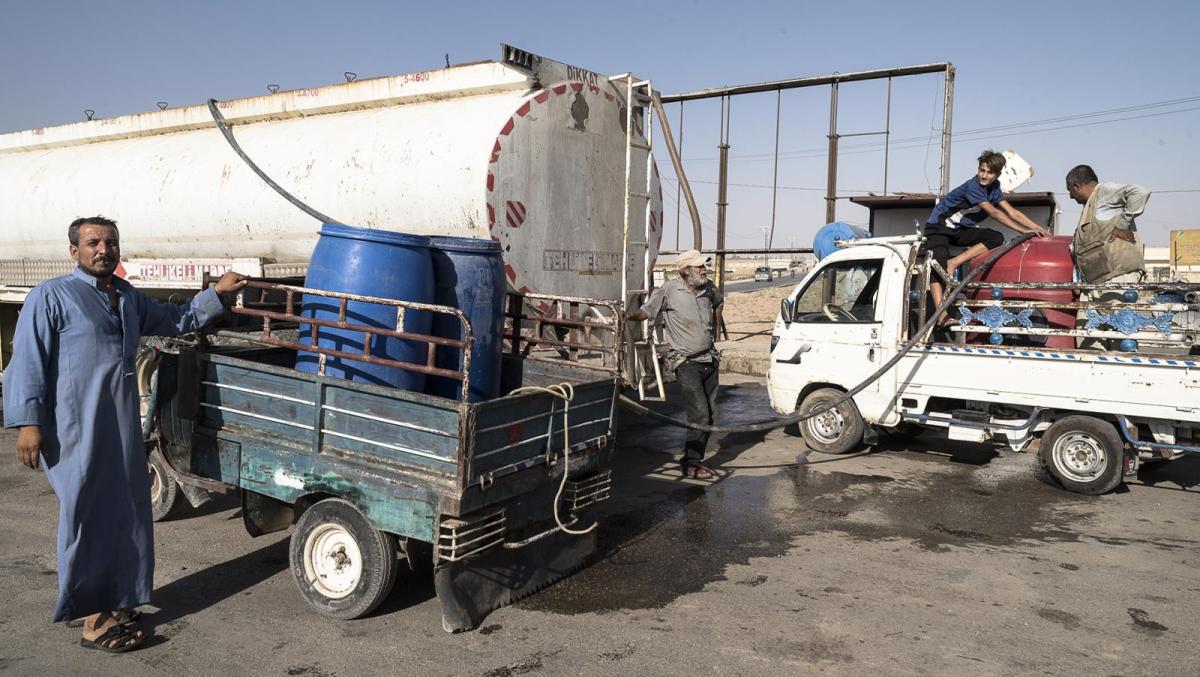
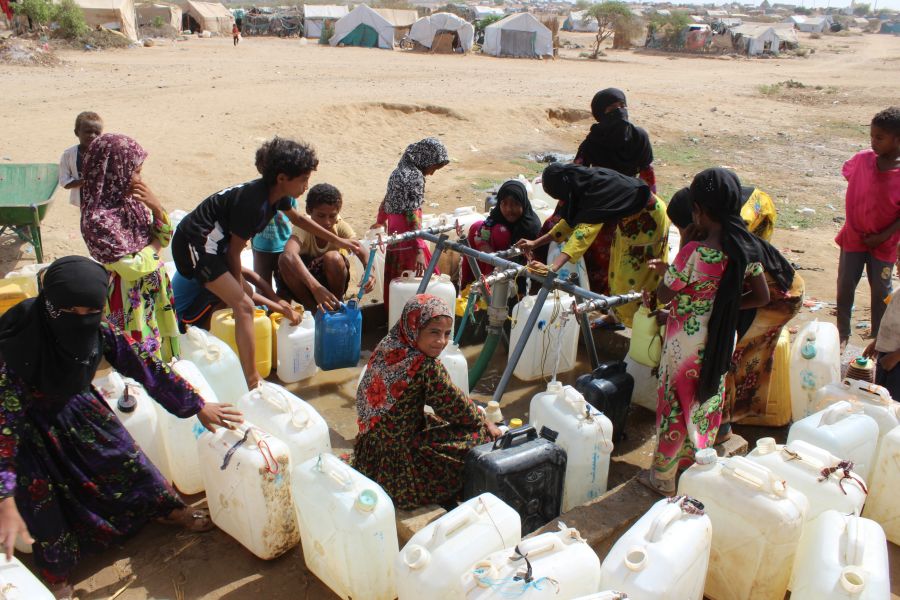
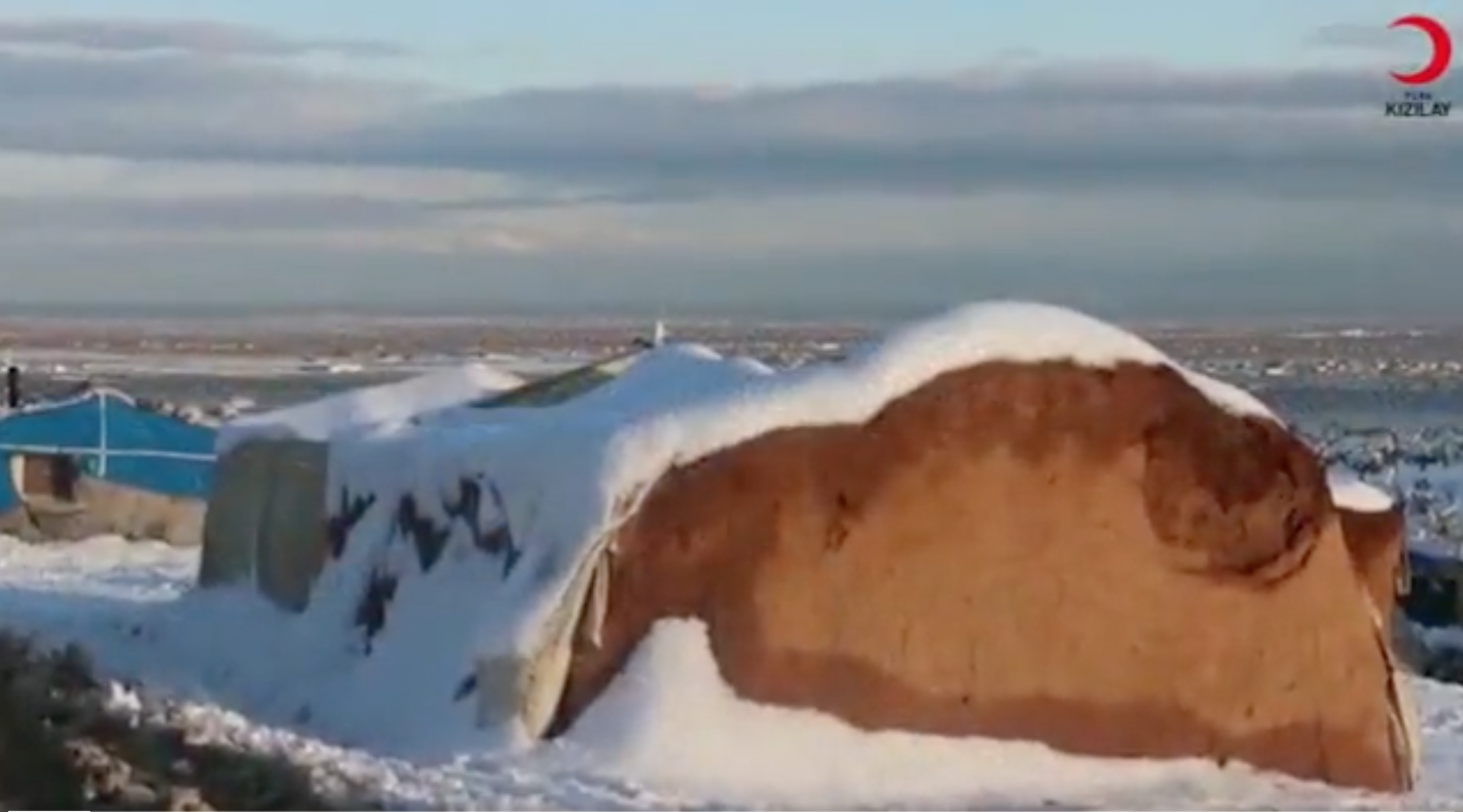
HassakehSyria's cholera outbreak has now spread to every one of the country's 14 provinces, with 24,000 suspected cases and more than 80 deaths since early September. Severe water shortages—exacerbated by war, politics, and climate change—have forced people to drink unsafe water and allowed cholera bacteria to spread in the extremely low Euphrates River. There are other dangerous impacts from what the UN calls an "already dire water crisis" that is likely to get worse: Pastures dry up, and farmers have to sell their livestock. Crop yields are low, prices go up, and more families are forced to skip meals. This has especially grim implications as winter comes to northern Syria, where some 1.7 are displaced and living in camps—already facing privation and harsh conditions. (Photo: Daniela Sala/TNH)

Syria
Aleppo ruins

Syria: controlled elections amid crisis —again

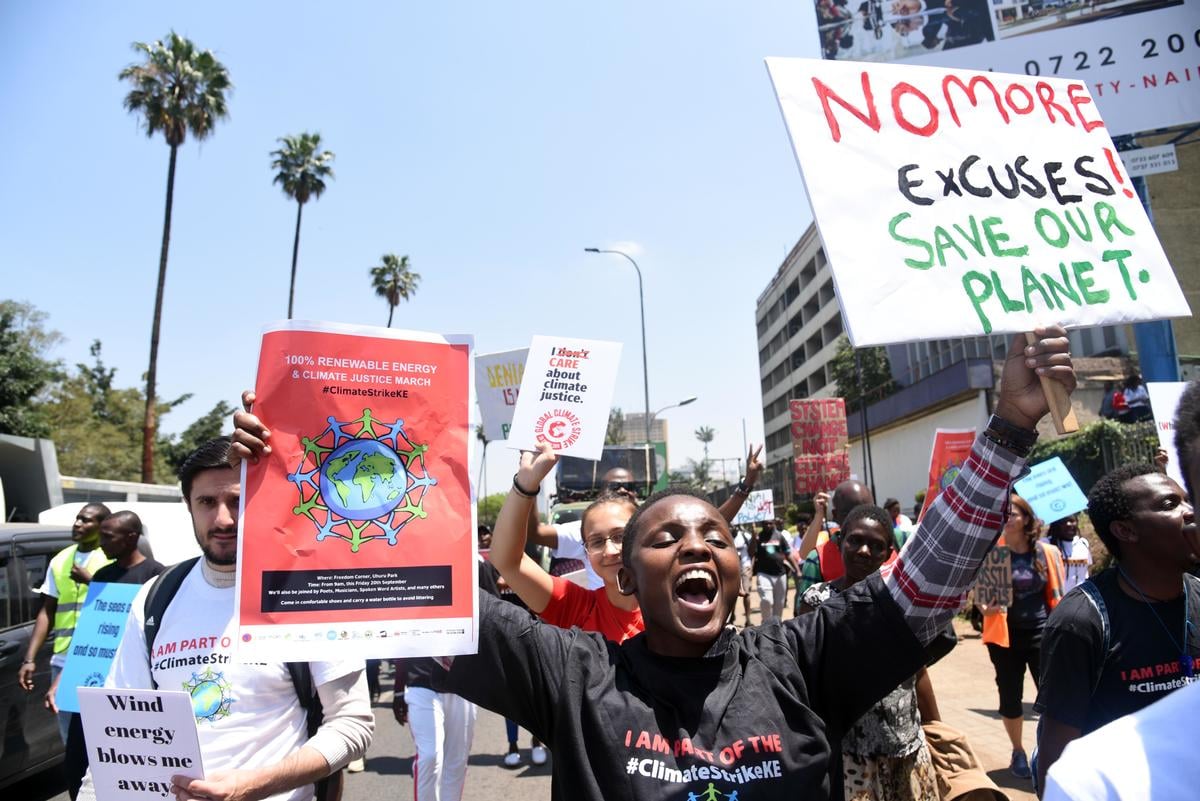
Africa Climate SummitThe inaugural biennial Africa Climate Summit, attended by some 30,000 delegates including 17 heads of state, wrapped up in the Kenyan capital, Nairobi, following three days of discussions largely centred on the opportunities for "green" economic growth on the continent. The summit issued the Nairobi Declaration, containing a slew of pledges and demands, including calls to accurately value the continent's natural carbon sequestration assets (such as its forests). The declaration also called on wealthy countries to live up to their existing commitments to cut emissions and to deliver funds for adaptation—by properly launching, for example, the Loss & Damage Fund agreed to at last year's COP27 in Egypt. However, the summit was also dogged by controversy and protests, with more than 500 civil society organizations signing an open letter claiming its agenda had been hijacked to market "false solutions" such as carbon markets. (Photo: Evan Habil/Greenpeace)