


Europe
Albania

Greco-Albanians protest Trump-linked development scheme

Protesters clashed with security forces at the site of a planned luxury resort on Albania’s Adriatic coast linked to Ivanka Trump and Jared Kushner, the daughter and son-in-law of US President Donald Trump. The site, at Zvërnec, is one of the last nearly pristine coastal zones in the entire Mediterranean, and is located within Albania’s southern Greek-speaking region. The project has raised serious concerns among local ethnic Greek residents over the loss of their traditional lands. (Image: Wikimedia Commons)
The Andes
Catacaos

Peru: ‘Mass of Reparation’ for abuses of Catholic society

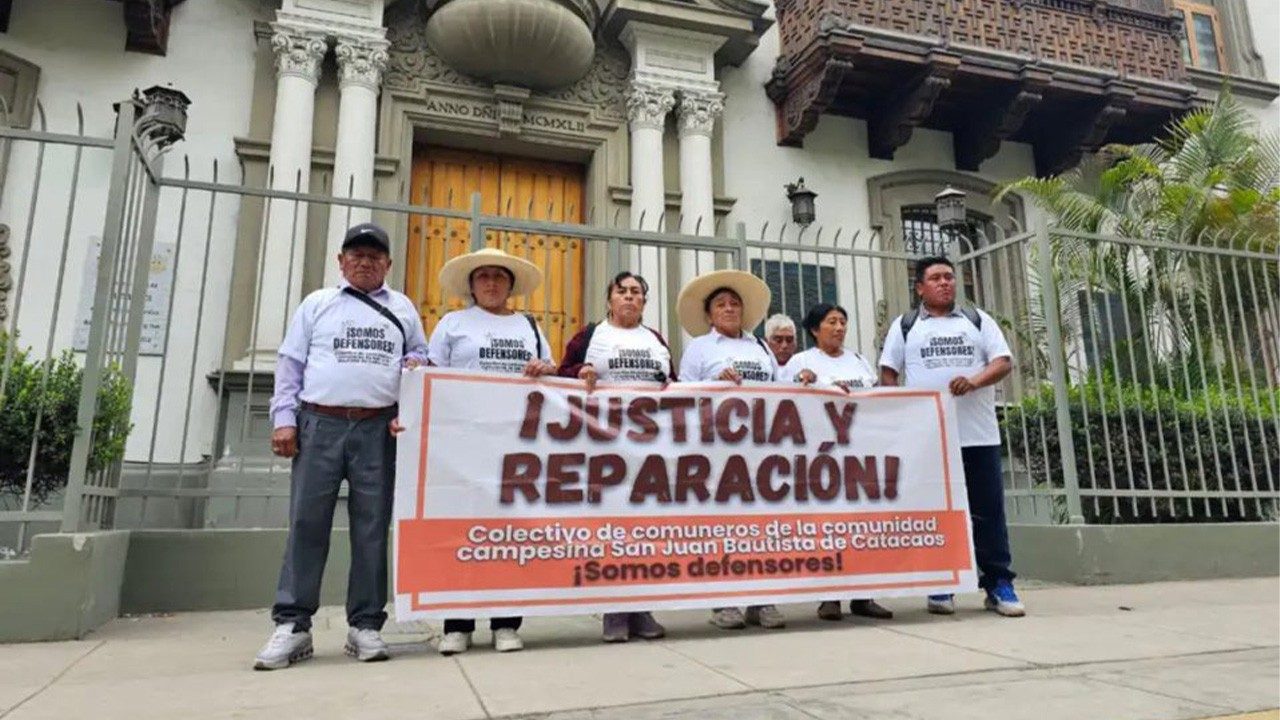
A delegation from the Vatican—including cardinals and bishops—joined representatives of the Catholic Church in Peru to kneel before local campesinos and ask their forgiveness at a “Mass of Reparation” held at the parish of San Juan Bautista in Catacaos, Piura region. A Vatican investigation found that the Tallán indigenous communities of the parish for over a decade suffered land expropriation, physical threats and other abuses at the hands of the Sodalitium Christianae Vitae. The lay society, better known as “Sodalicio,” was among the most active Catholic movements in Latin America from the early 1970s until it was suppressed by order of Pope Francis in April 2025. (Photo: Vatican News)

Palestine
settlement

Israeli cabinet meets on West Bank annexation

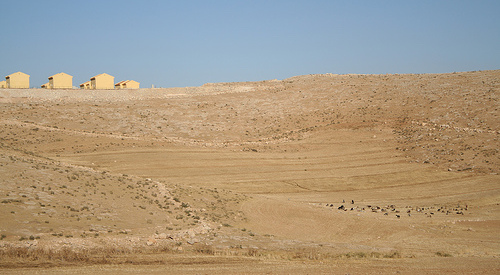
The Israeli cabinet will convene to discuss annexation of areas of the West Bank, local media report. The discussion has been called in light of the recently-approved settlement construction plan spearheaded by Finance Minister Bezalel Smotrich, which will see some 3,400 housing units built in the West Bank’s contentious E1 area between Jerusalem and the Ma’ale Adumim settlement bloc. This follows approval of a Knesset resolution in favor of annexing the entirety of the West Bank. The motion, which passed 71-13, declared that the West Bank is “an inseparable part of the Land of Israel, the historical, cultural and spiritual homeland of the Jewish people,” and that “Israel has the natural, historical and legal right to all of the territories of the Land of Israel.” (Photo: delayed gratification via New Jewish Resistance)

Southeast Asia
Preah Vihear

Orwell and the Thai-Cambodia conflict

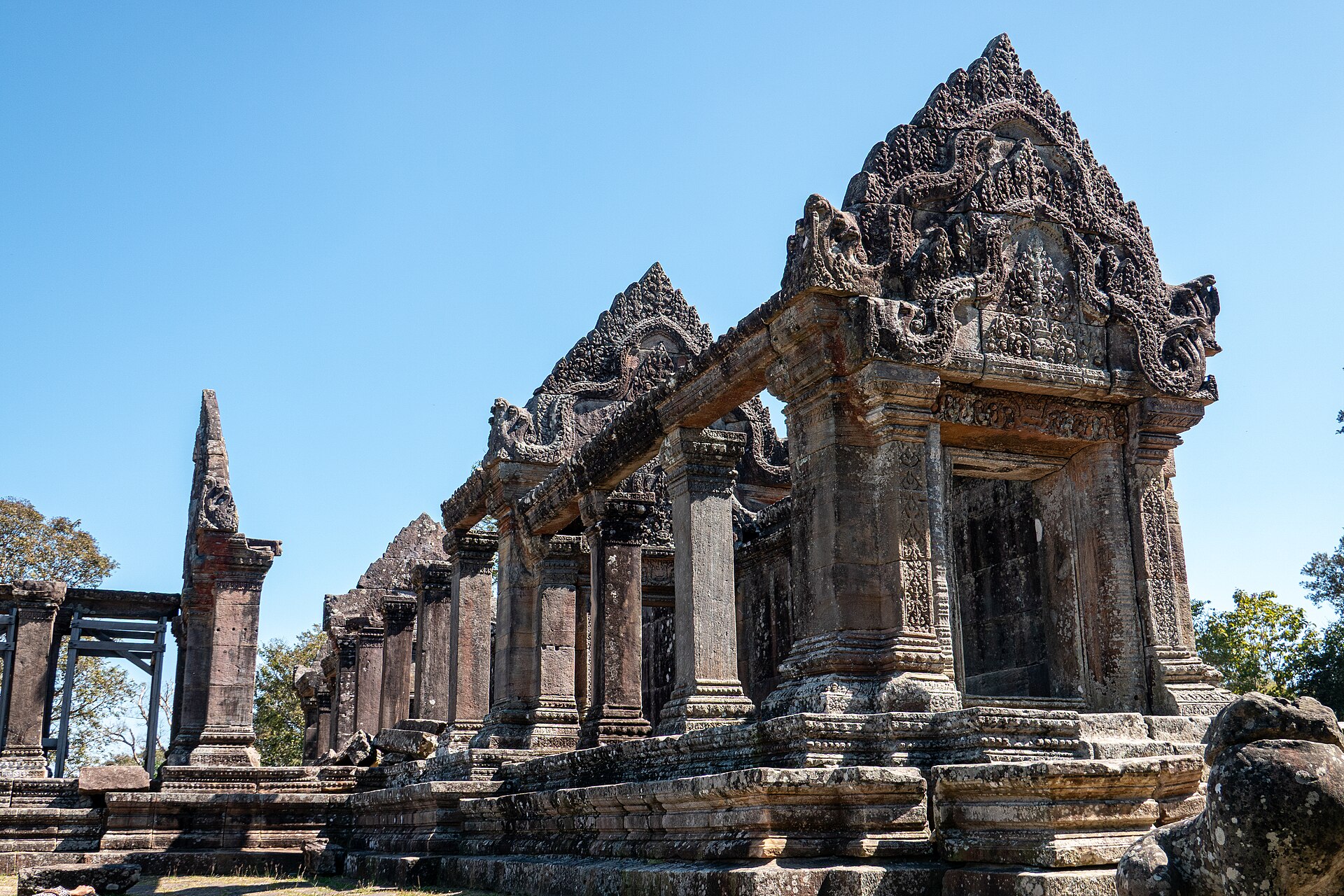
Cambodia’s prime minister, Hun Manet, nominated Donald Trump for the Nobel Peace Prize on Aug. 7, citing his “crucial role” in restoring peace after bloody border fighting with Thailand. The gushy statement praised Trump’s “extraordinary statesmanship” and “innovative diplomacy.” (NYT) Cambodia now… Read moreOrwell and the Thai-Cambodia conflict

East Asia
Guangdong

Nuclear power and the struggle in Guangdong

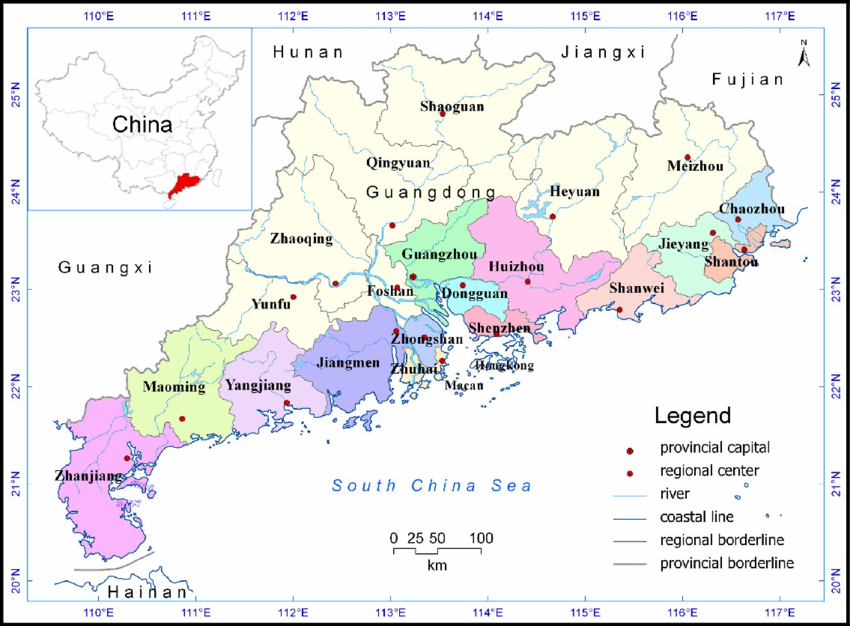
In Episode 240 of the CounterVortex podcast, Bill Weinberg discusses China’s hubristic plans for massive expansion of its nuclear power sector—and notes that some of the new plants are slated for the southern province of Guangdong, which in recent years has seen repeated outbursts of protest over land-grabs and industrial pollution as well as wildcat labor actions (and was, in fact, the site of a nuclear accident in 2021). China’s expropriated peasant class has been left behind by the breakneck industrialization of the past decades, and may prove a source of resistance to the new thrust of nuclear development that would further accelerate it—despite the current crackdown on dissent. Listen on SoundCloud or via Patreon. (Map via ResearchGate)

Watching the Shadows
Bialystok

From Baghdad to Bialystok —to Pico-Robertson

In Episode 232 of the CounterVortex podcast, Bill Weinberg examines the politics of the ugly dust-up between pro-Palestinian protesters and local Jewish residents in the Los Angeles neighborhood of Pico-Robertson—and notes the anniversary of June 1941 anti-Jewish pogroms in Bialystok, Poland, and Baghdad, Iraq. Propagandistic and distorted portrayals of the LA protest as mere arbitrary anti-Semitism ignore the fact that the targeted synagogue was hosting a real estate event promoting sale of lands to create “Anglo neighborhoods” in Israel, and probably in the occupied West Bank (which would be a clear violation of international law). On the other hand, insensitivity to (or ignorance of) the historical context(and contemporary context) that makes an angry protest outside a synagogue an inevitably problematic “optic” only abets the propaganda. Listen on SoundCloud or via Patreon. (Photo: The Great Synagogue of Bialystok before it was destroyed by the Nazis in 1941. Via Jewish Historical Institute)

Africa

Podcast: a cannabis coup in the Congo?

The attempted coup d’etat in the Democratic Republic of the Congo may or may not have been assisted by the CIA, but one of the Americans arrested in the affair is named as a “cannabis entrepreneur“—pointing to the possibility of legal cannabis playing the same destructive role in Central Africa that bananas have played in Central America. Yet while corporate power sees a lucrative new cash crop, lives (and especially Black lives) are still being ruined by cannabis prohibition in the United States. In Episode 228 of the CounterVortex podcast, Bill Weinberg argues that the old anarchist slogan “Neither your war nor your peace” can be updated as “Neither your prohibition nor your legalization!” Listen on SoundCloud or via Patreon. (Map: CIA)

Planet Watch
UNDROP

World peasant movements mobilize for UNDROP

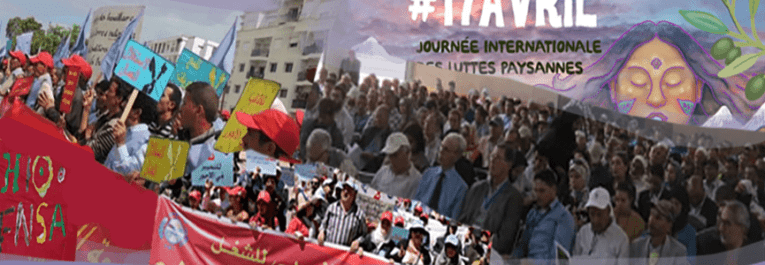
The world organization for land-rooted peasant farmers, Vía Campesina, launched an international campaign for full approval of the UN Declaration on the Rights of Peasants & Other People Working in Rural Areas (UNDROP), and for implementation of policies in line with its principles. Several events were held around the world marking the International Day of Peasant Struggle. El Salvador was one of the first countries to commit to ratifying UNDROP after it was adopted by the UN Human Rights Council in 2018. However, Vía Campesina affiliates in the Central American nation accused the government of pursuing policies contrary to its spirit, noting that in the years since then, there has been a reduction in cultivated areas of maize and beans, with a loss of at least 10,000 hectares of maize. (Image: Vía Campesina)

Iraq
Kirkuk

Oil, ethnicity at issue in Kirkuk land dispute

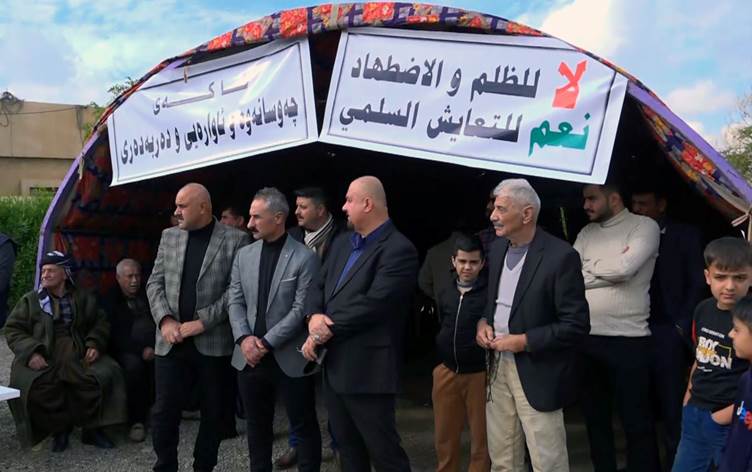
Residents of a disputed neighborhood in Iraq’s northern city of Kirkuk staged a sit-in to protest eviction orders and criminal charges filed against them by a state-owned oil company. Hundreds of Kurdish families who were pushed out of Kirkuk during Saddam Hussein’s Arabization campaign returned to the city following the fall of his regime in 2003. With their former homes now occupied by Arab families, many took up residence in a residential complex in Arafa neighborhood, previously inhabited by functionaries of Saddam’s Baath party. Now, the North Oil Company is claiming ownership of the residential complex, and ordering the Kurdish families to vacate. Arrest orders have been issued against residents who have refused to comply. In the background lie ongoing tensions between Baghdad and the Kurdistan Regional Government over control of the Kirkuk oil-fields. (Photo: Rudaw)

The Amazon
Secoya

Ecuador: court orders return of Siekopai homeland

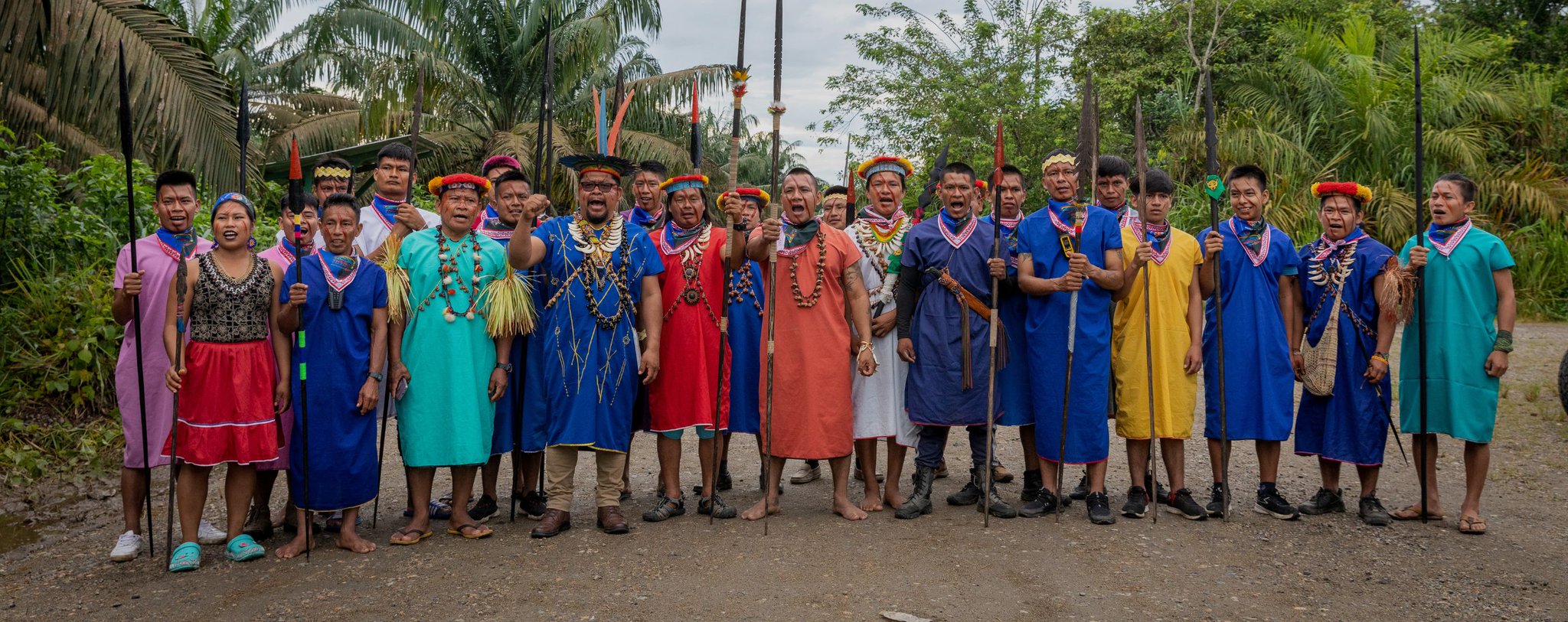
In what is being hailed as an historic decision, an appeals court in Ecuador ordered the return of a 42,360-hectare expanse of the Amazon rainforest to the Siekopai indigenous people, generations after they were driven from the territory by the military. The Provincial Court of Sucumbios ruled that the Siekopai retain indigenous title to their ancestral homeland, known as Pë’këya, which lies along the border with Peru in remote country. The lands were seized by Ecuador’s army during the war with Peru in 1941, and remained a military-controlled zone until being incorporated into Cuyabeno Wildlife Reserve in 1979. Ecuador’s Ministry of Environment has been given 45 days to deliver a property title to the Siekopai Nation, and make public apologies for the usurpation of their homeland. (Photo: Amazon Frontlines)

The Amazon
Ato Pela Terra

Brazil: high court nixes ‘time limit’ on native land claims

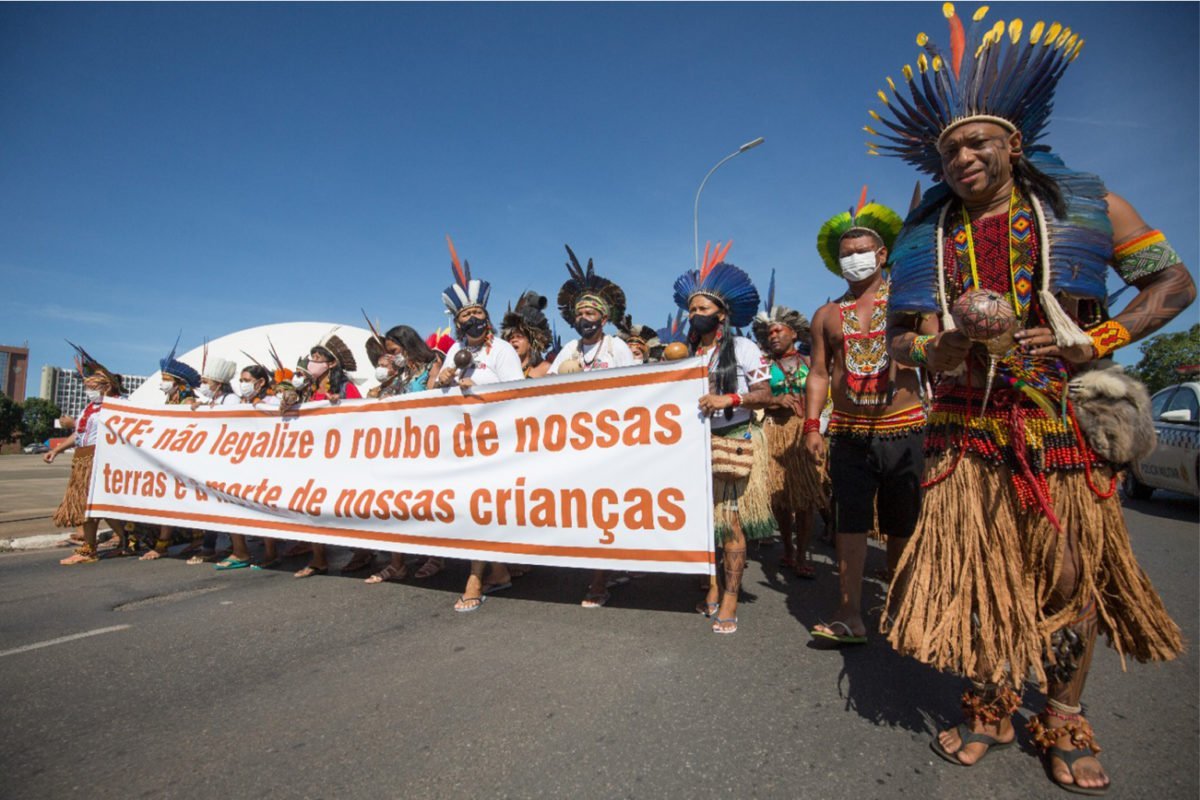
Brazil’s Supreme Federal Tribunal struck down the spurious thesis behind a legislative proposal advancing in the country’s Congress, which would impose a marco temporal or “time limit” on indigenous land recovery claims. The marco temporal law would nullify any indigenous group’s claim to traditional lands that they weren’t physically occupying on Oct. 5, 1988, the day of the enactment of Brazil’s Constitution, which for the first time recognized native peoples’ territorial rights. Instead, these lands would be considered the property of those currently in occupancy, or of the state. The thesis ignores the forced displacements that occurred during Brazil’s dictatorship in the generation before 1988, as well as the nomadic lifeways of some indigenous groups. Environment Minister Marina Silva declared the high court’s annulment of the marco temporal thesis an “act of justice.” (Photo via Twitter)

Southeast Asia
Dhamma Sakyamuni

Malaysia rainforest at issue in fight over historic monastery

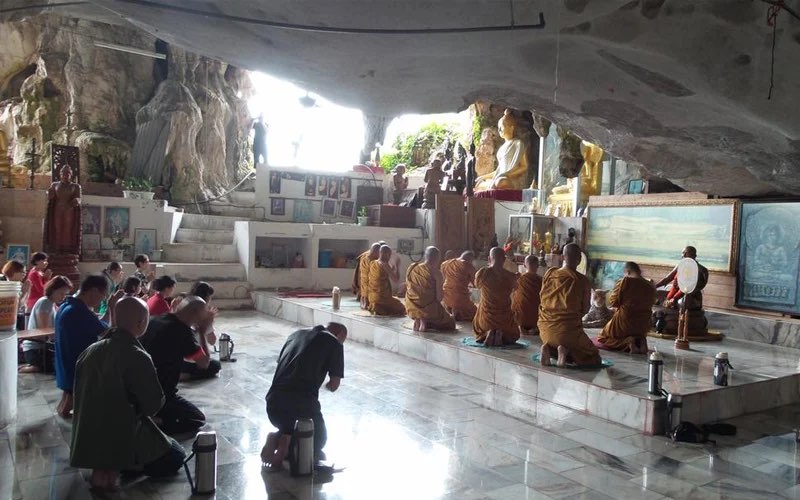
A Buddhist monastery carved out of a cave complex in the rainforest of Malaysia stands to be evicted after losing a legal appeal in its case against a cement manufacturer. The Court of Appeal ruled for Associated Pan Malaysia Cement in the case brought by the century-old Dhamma Sakyamuni Caves Monastery, finding that the company has the right to evict “squatters” from the tract at issue in a limestone massif known as Gunung Kanthan—despite the fact that it lies within the Kinta Valley National Geopark. The forested massif is home to several endangered species of both flora and fauna, and most of it has already been cleared for quarries. After the appeals court ruling, the Perak state government formed a special committee to mediate in the conflict. The Dhamma Sakyamuni monks pledge they will resist eviction. (Photo via Free Malaysia Today)