

Syria
Damascus

Syria: revolution on the razor’s edge

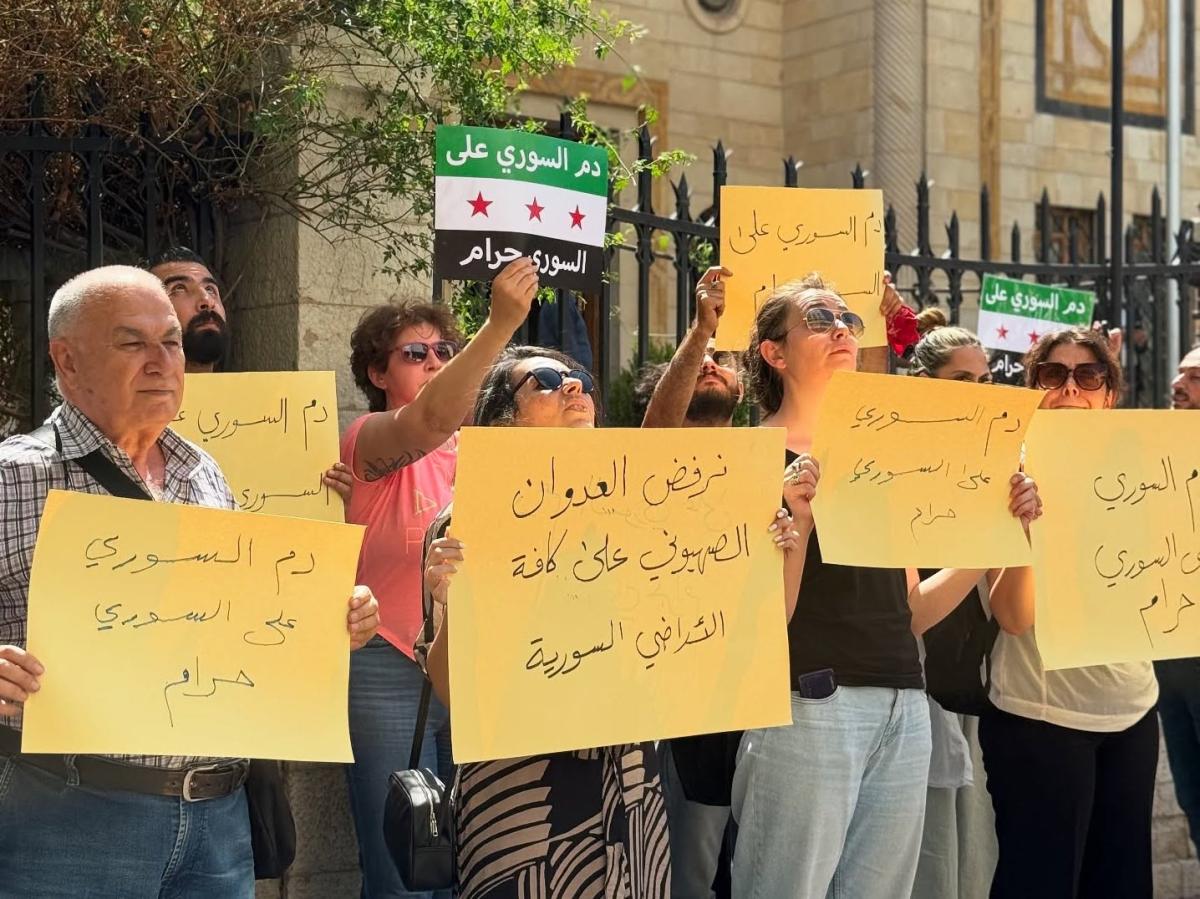
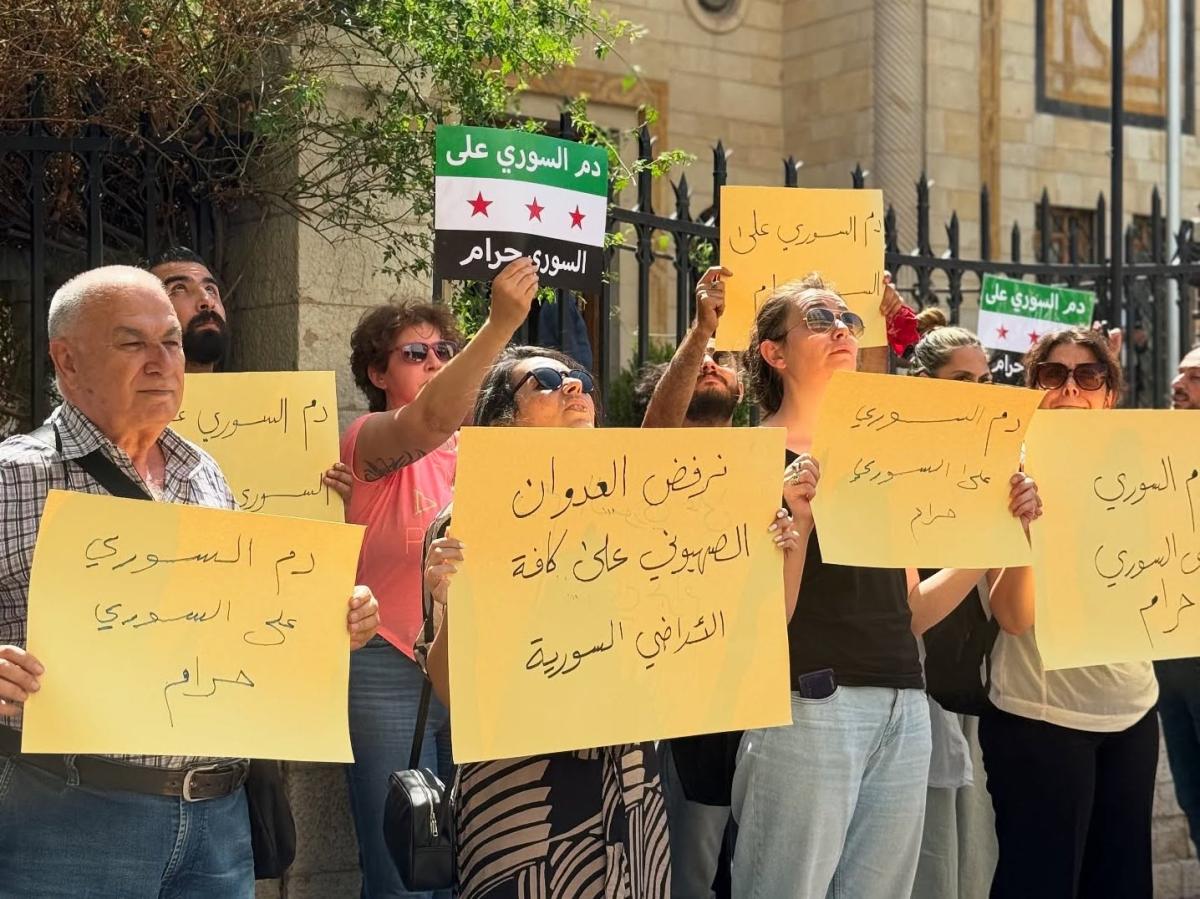
The investigation by the Syrian transition government into the March violence against the Alawites in Latakia province has been submitted—but the full findings have not been made public, and it apparently exonerates the government of involvement. Meanwhile southern Suwayda province has seen a perhaps even deadlier eruption of violence—this time pitting Druze against Bedouin, with the role of the government similarly the source of much contestation (and fodder for Internet partisans). And a Damascus protest against the violence and for co-existence was attacked by goons. Amid all this, Israel is militarily intervening, the government looks to Turkey for military aid, and both the US and Russia still have forces on the ground—treating the country as a Greet Power chessboard. In Episode 288 of the CounterVortex podcast, Bill Weinberg warns that the Syrian Revolution is poised on a razor’s edge, ready to descend into ethno-sectarian war and authoritarianism unless political space can be kept open for the secular-democratic civil resistance that began the revolution 14 years ago. (Image: Banners read “Syrians must not shed Syrian blood” and “We reject Israeli aggression against Syria.” Credit: The Syria Campaign via Facebook)

New York City
NYC

Zohran Mamdani and municipal resistance II

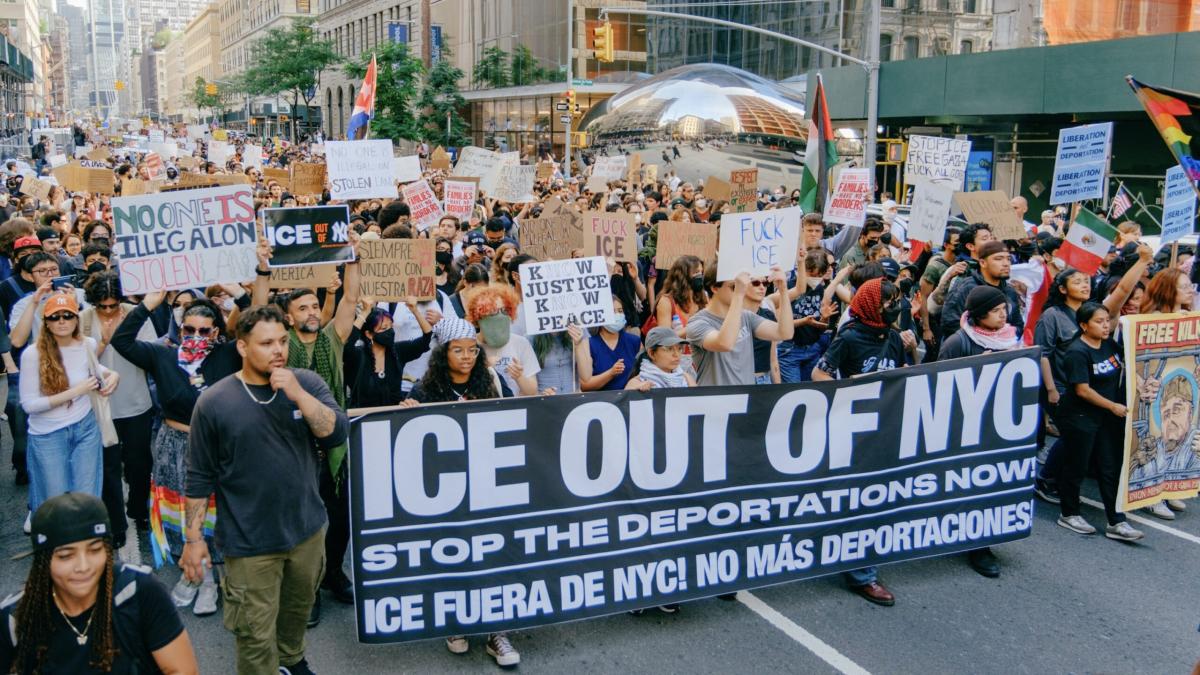
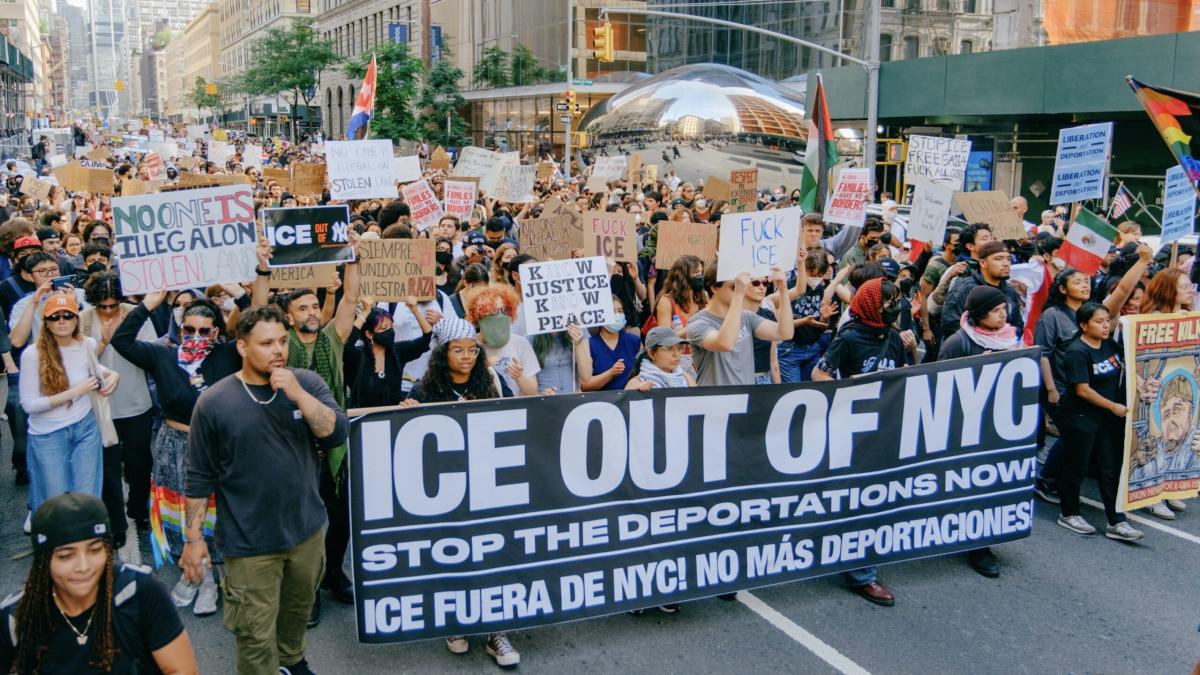
As a dictatorship consolidates in Turkey, aspiring strongman Recep Tayip Erdogan is launching a special attack on municipalities, arresting the mayor of Istanbul and removing elected governments in hundreds of cities and towns across the country—mostly in the restive Kurdish east. In the United States, aspiring strongman Donald Trump is now threatening to similarly remove Zohran Mamdani if he becomes mayor of New York, and order a federal take-over of the city government. Border czar Tom Homan says he will “flood the zone” with ICE agents in “sanctuary cities” such as New York and Los Angeles. In Episode 287 of the CounterVortex podcast, Bill Weinberg argues that Trump forcing the issue could accelerate the breaking point in which localities coast-to-coast assert their autonomous powers in repudiation of the fascist-coopted federal leviathan—vindicating Murray Bookchin’s theories of radical municipalism. (Photo: Wyatt Souers/Peoples Dispatch)

Iraq
KRG

Iraq: mysterious drone strikes on Kurdistan oil-fields

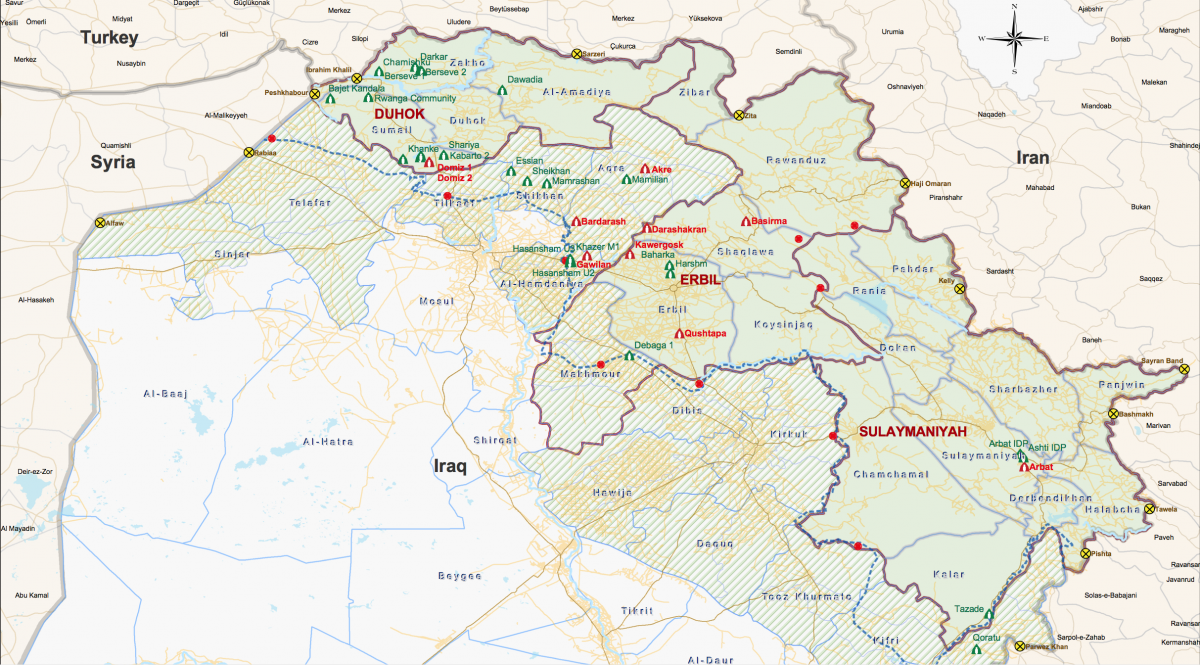
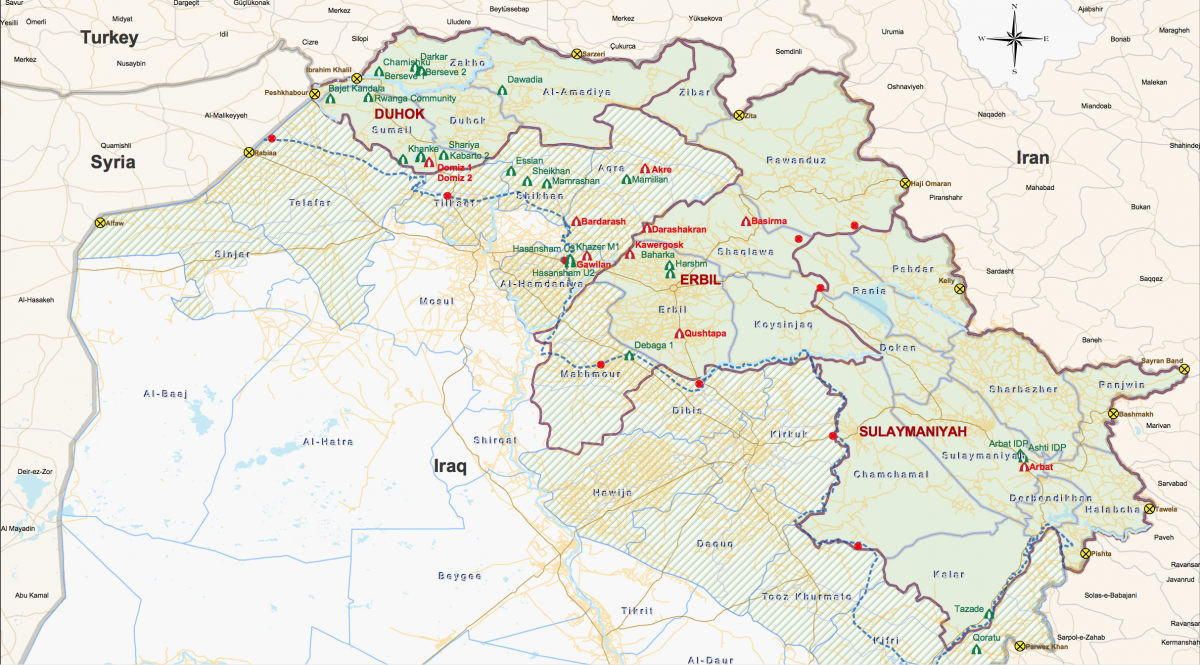
Three days of drone attacks on oil-fields in Iraq’s autonomous Kurdistan region have brought operations at several facilities to a halt and slashed crude output. The targeted sites include fields at Zakho, operated by Norway’s DNO; the Sarsang field, operated by US-based HKN Energy; and the Ain Sifni field, operated by Hunt Oil, all in Dohuk governorate. Kurdistan authorities also said a drone was downed near Erbil airport, which hosts US troops. Nobody has claimed responsibility for the attacks, but Kurdish authorities blamed the Hashd al-Shaabi, or Popular Mobilization Units, a paramilitary network aligned with the Baghdad government and backed by Iran. The attacks come amid renewed dispute between Baghdad and the Kurdistan Regional Government over whether the KRG may enter into hydrocarbon contracts with foreign firms. In May, the central government filed a complaint against the KRG for signing gas contracts with two US companies, including HKN Energy, asserting that all oil and gas deals must go through Baghdad. (Map: UNHCR via ReliefWeb)

Syria
ISIS

Syria: ISIS launches attacks on ‘apostate regime’

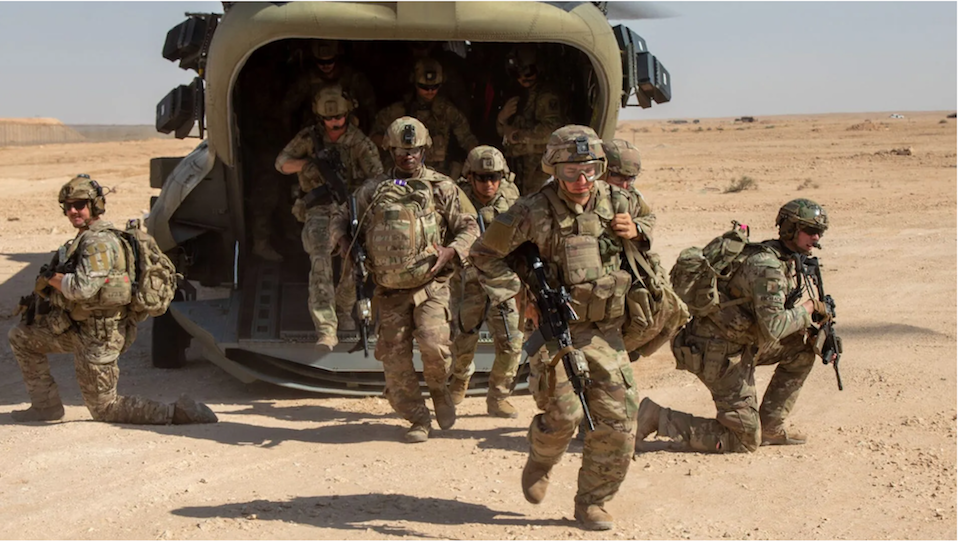
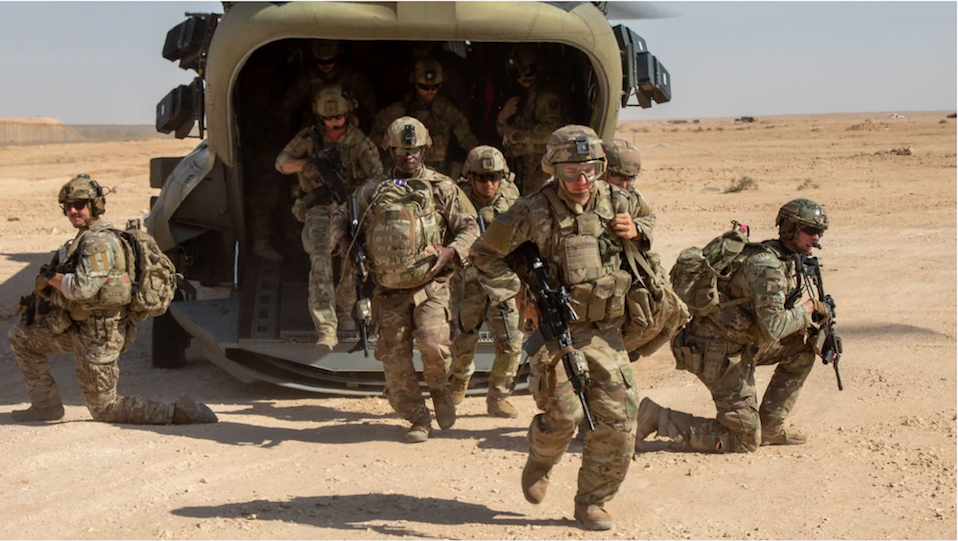
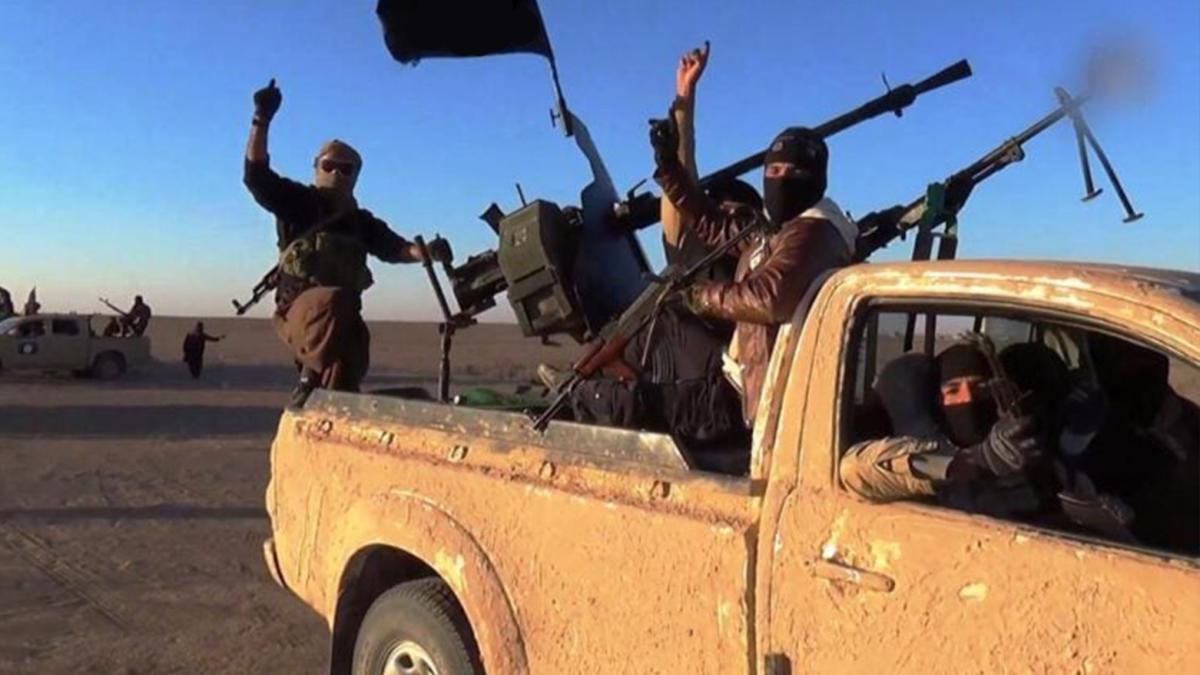
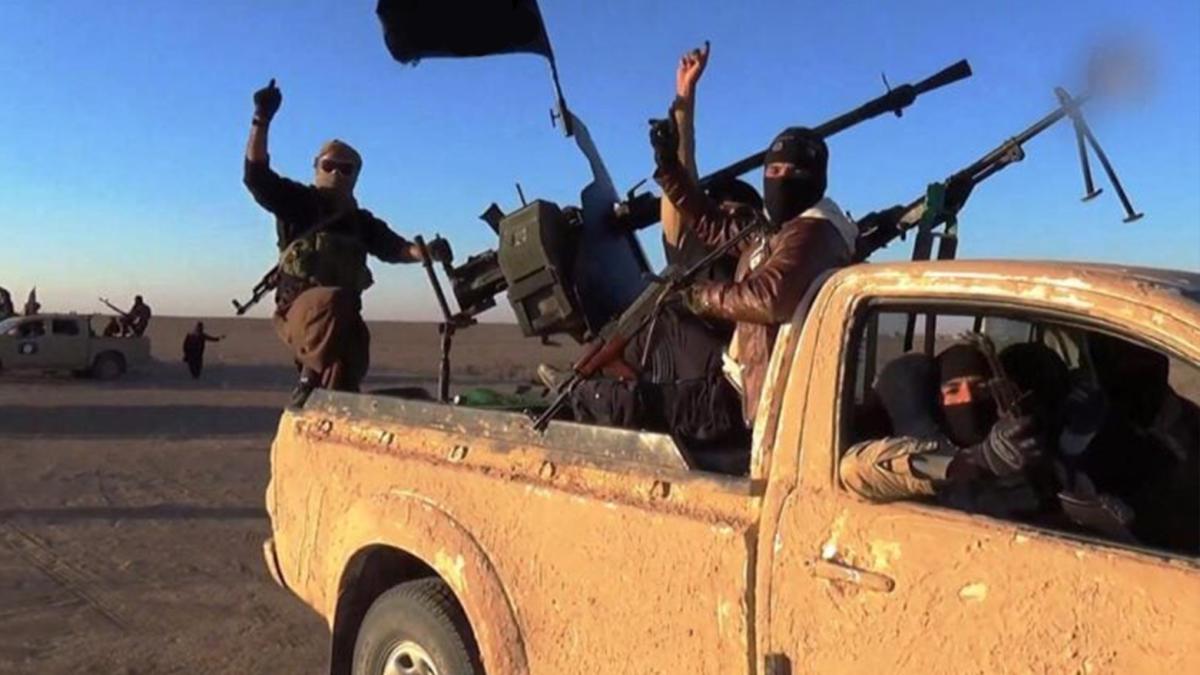
Presumed ISIS militants attacked a police station of the Kurdish autonomous administration at al-Sabha in Syria’s eastern Deir ez-Zor province. The attack with grenades and small arms was repulsed by the local police force without loss of life. But this was only the latest in a spate of new ISIS attacks in Syria. In a first attack on central government forces since the ouster the Assad dictatorship last December, ISIS boasted in a communique last week that its fighters had killed several soldiers of the “the apostate Syrian regime” at a road checkpoint in Talul al-Safa, in southern Suwayda province. One member of the Free Syrian Army faction was also killed in an ambush by ISIS militants on an FSA patrol in al-Tanf Deconfliction Zone, a US military outpost near the Jordan border. (Photo: SOHR via Kurdistan4)

Greater Middle East
PKK

PKK resolves to dissolve at 12th Congress

The Kurdistan Workers’ Party (PKK) held its 12th Congress in the Medya Defense Zones of northern Iraq, where delegates voted to dissolve the group’s organizational structure and end the armed struggle against the Turkish state that it has waged since 1984. The congress was convened in response to the “Call for Peace and a Democratic Society” issued in February by PKK leader Abdullah Öcalan, who has been imprisoned in Turkey since 1999. The statement called for his followers to lay down arms and pursue a civil struggle for Kurdish rights. However, Turkey continued to carry our air-strikes on the Medya Defense Zones right up to the very eve of the congress, and even in the days after it concluded. Turkey has also continued its campaign of air-strikes on the Rojava region of northern Syria, where PKK-aligned Kurdish forces have established an autonomous zone. (Image of PKK flag: Wikipedia)

Syria
Iran

Israel, Turkey turn Syria into chessboard

The Israeli military carried out air-strikes on several sites in Syria—including Tiyas airbase, also known as T4, and Palmyra airbase, both in Homs province. The interim government in Damascus called the strikes “a blatant violation of international law and Syrian sovereignty.” Israeli Defence Minister Israel Katz responded in a statement addressed to President Ahmed al-Sharaa: “If you allow forces hostile to Israel to enter Syria and endanger Israeli security interests—you will pay a very heavy price.” This was a barely veiled reference to Turkey. Local media reports indicate that Turkish forces are preparing to deploy to the T4 and Palmyra bases. Ankara reportedly plans to install Hisar-O and Hisar-U air defense systems and potentially the long-range SIPER system at these locations. The deployment of a Russian-made S-400 system is also under consideration, pending Moscow’s approval. (Image: Pixabay)

Syria
SDF

Syria: interim government, SDF sign integration pact

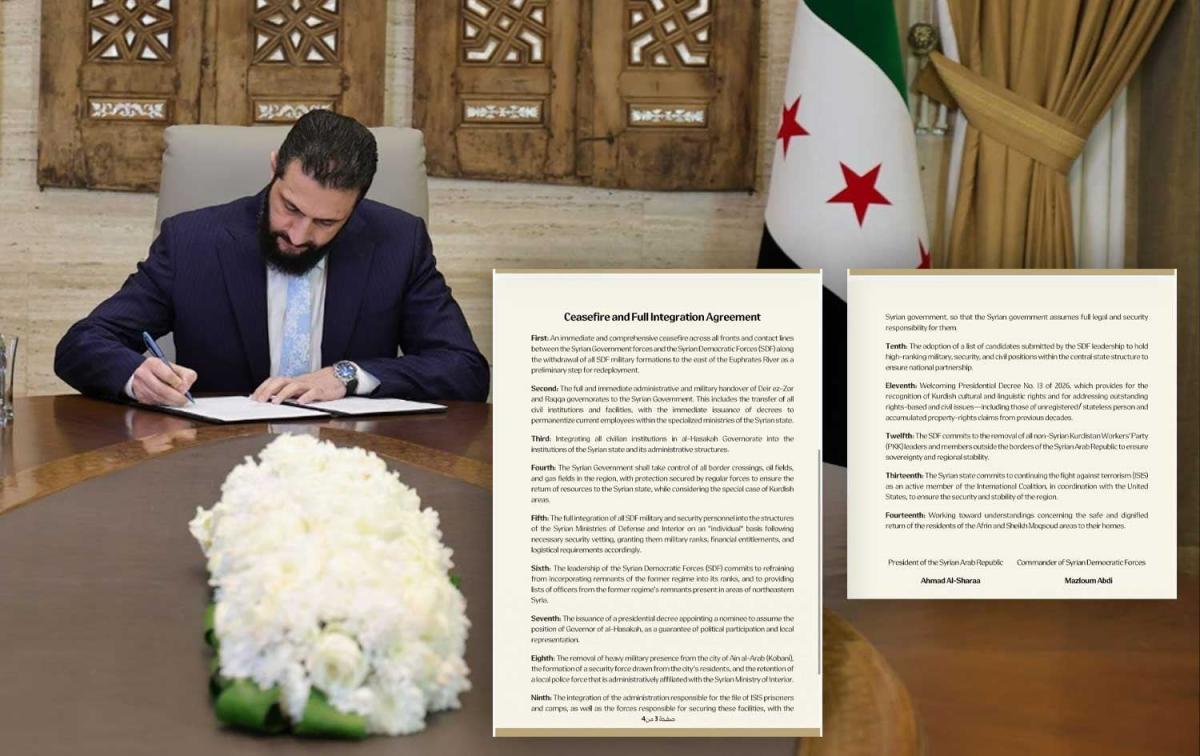
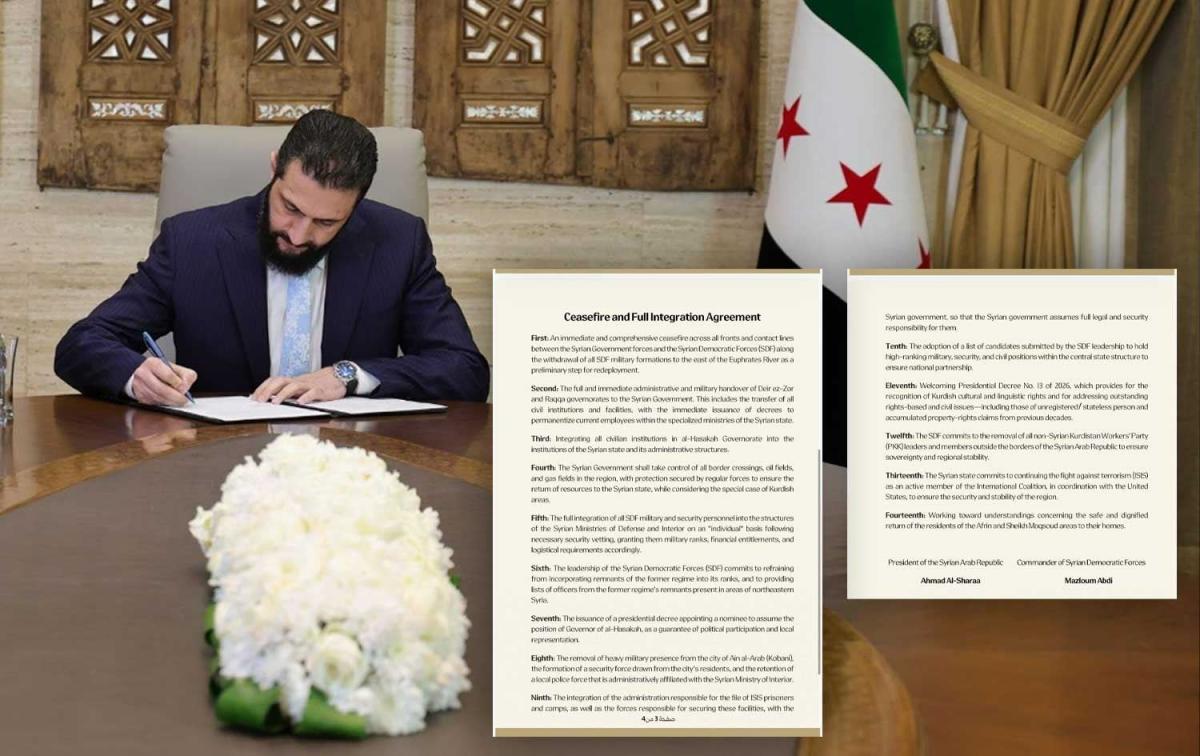
Syria’s interim president Ahmed al-Sharaa and Syrian Democratic Forces (SDF) chief Mazloum Abdi signed an agreement to integrate the Kurdish-led SDF into Syria’s state institutions. A statement by the Syrian Presidency said a pact was reached to “integrate all civil and military institutions in northeast Syria [Rojava] under the administration of the Syrian state, including border crossings, the [Qamishli] Airport, and oil and gas fields.” The statement emphasized that “the Kurdish community is indigenous to the Syrian state, which ensures this community’s right to citizenship and all of its constitutional rights.” (Image: Rudaw)

Syria
SDF

Podcast: Free Syria and the Kurdish question II

In Episode 268 of the CounterVortex podcast, Bill Weinberg examines the continued fighting in Syria since the fall of the Bashar Assad dictatorship in December. The recent outburst of violence in the Alawite heartland on the Mediterranean coast made headlines, but this week also saw anti-regime protests by Druze in Syria’s south. And fighting has never stopped between forces aligned with the new transition government and those of the Kurdish autonomous zone in the northeast. The situation is complicated by continuing military adventures on Syrian territory by foreign powers—Israel, Turkey, Russia and the US. Will Syrians be able to overcome these challenges and forge a democratic and multicultural order, in repudiation of sectarianism, ethno-nationalism and Great Power intrigues? (Photo: SOHR)

Syria
Syria

External, internal challenges for Syrian Revolution

Apparent Assad loyalists have taken up arms against Syria’s transitional government in the Alawite heartland of Latakia on the Mediterranean coast. Fighting meanwhile continues between the Turkish-backed Syrian National Army (SNA) and Kurdish-led Syrian Democratic Forces (SDF) in the northeast, while Israel grabs a “security zone” in the south and continues intermittent air-strikes. Elsewhere in the south, the Druze of Suweida protest their perceived exclusion from the transition process. All this as Russia opens talks with the new authorities in a bid to keep its military bases in Syrian territory. (Map: PCL)

Greater Middle East
ARSA

Rojava and the Rohingya: fearful symmetry

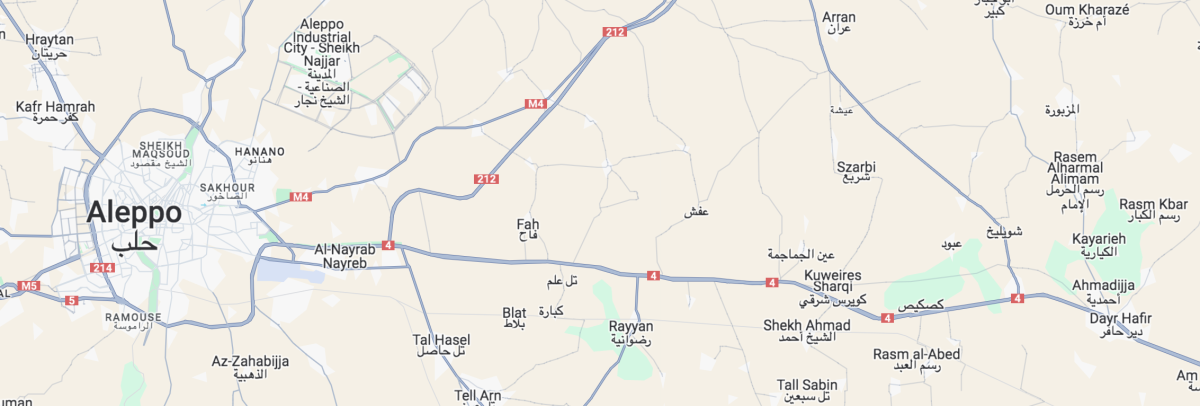
Three weeks after the fall of the Bashar Assad dictatorship, the only fighting in Syria remains between Arab and Kurdish militias—holding grim potential for destabilization of the democratic revolution. Kurds had been persecuted and even denied citizenship under the Assad regime, but the invasion of their autonomous territory of Rojava by the Turkish-backed rebels of the Syrian National Army (SNA) drove them into a paradoxical tactical alliance with the dictatorship. The tragic situation in Burma’s Rakhine state mirrors this disturbing reality. The Muslim Rohingya people had been persecuted, denied citizenship and finally targeted in a campaign of genocide by the military, but are now facing attacks by the Buddhist-supremacist rebels of the Arakan Army—driving some Rohingya into a paradoxical tactical alliance with the military junta. In Episode 258 of the CounterVortex podcast, Bill Weinberg offers this analogy in the hope that the peoples of Burma can unite across religious lines to defeat the junta, and that Syrians can find a way toward co-existence in the new revolutionary order and avoid ethnic war. Listen on SoundCloud or via Patreon. (Photo of Arakan Rohingya Salvation Army-ARSA rebels: Burma News International)

Syria
SDF

Podcast: Free Syria and the Kurdish question

Amid jubilation following the overthrow of long-ruling dictator Bashar Assad, the only fightingin Syria is now between Arabs and Kurds—as the Turkish-backed Syrian National Army (SNA) expels the Kurdish-led Syrian Democratic Forces (SDF) from the town of Manbij. Ankara’s design is clearly to expunge the Kurdish autonomous zone in the northeast region of Rojava. Yet there are also positive signs of an accommodation between the Rojava Kurds and the new revolutionary administration in Damascus. In Episode 256 of the CounterVortex podcast, Bill Weinberg examines the new political landscape in Syria and tries to identify a way forward—past the threat of ethnic war and toward a multicultural democracy. Listen on SoundCloud or via Patreon. (Image: Rudaw)

Syria
B-52

Syrian revolution met with US, Israeli air-strikes

The same day the Assad regime fell and rebel forces took Damascus, the US military carried out a series of air-strikes against Islamic State positions across central Syria. The Pentagon’s Central Command announced that it “struck over 75 targets using multiple US Air Force assets, including B-52s, F-15s, and A-10s.” The targets included “ISIS leaders, operatives, and camps.” Also that day, Israeli warplanes conducted dozens of raids across Syria, including in Damascus. The Syrian Observatory for Human Rights (SOHR) counted more than 100 Israeli strikes on military and industrial targets, including a research center believed to be linked to chemical weapon production. Israel said it was acting to stop weapons from falling “into the hands of extremists.” Israel has additionally seized control of a demilitarized “buffer zone” in the Golan Heights, saying the 1974 disengagement agreement with Syria had “collapsed” with the rebel take-over of the country. (Photo of B-52 bomber: USAF via A&SF)