

Palestine
Gaza

UN decries ‘weaponized hunger’ in Gaza —again

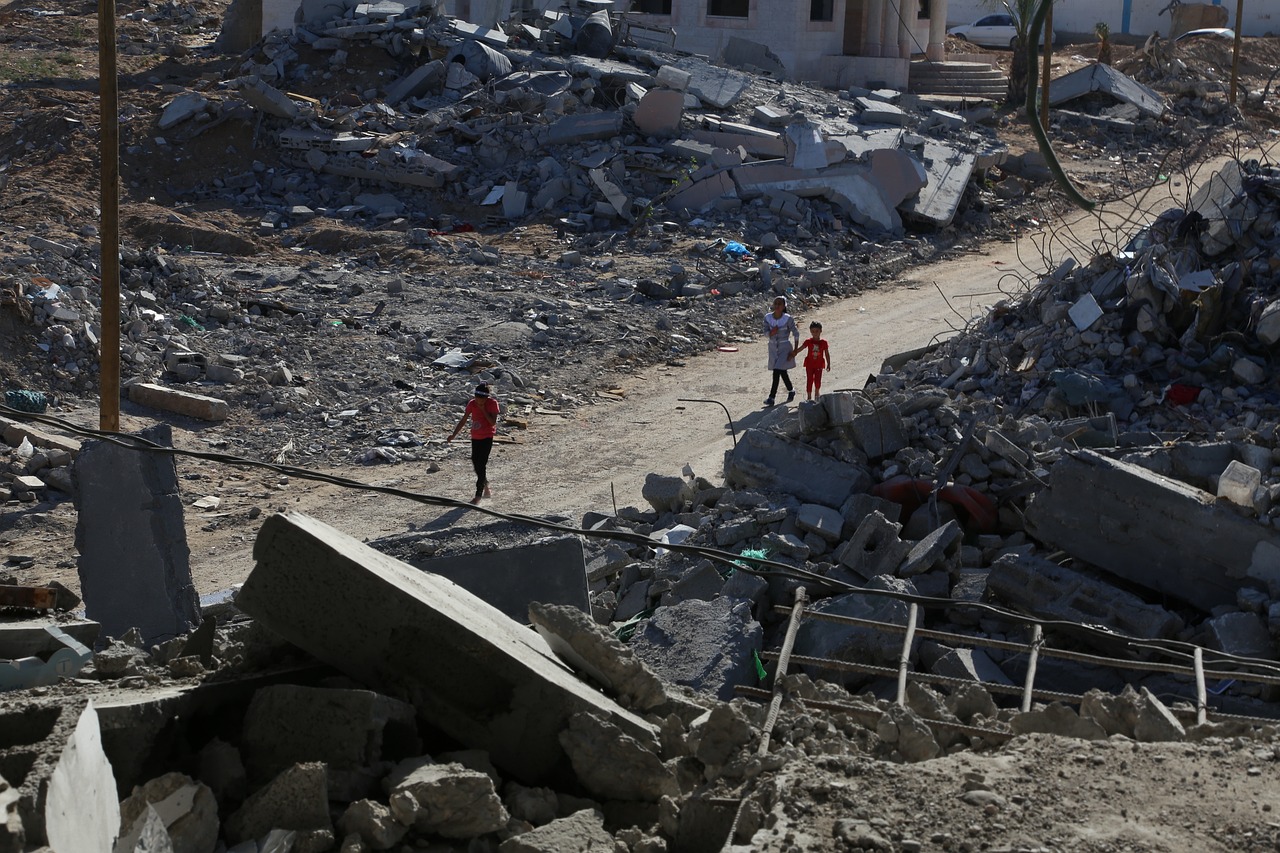
Several United Nations agencies condemned the use of starvation as a weapon of war, as malnutrition rates in Gaza spike under Israeli siege. During the UN Food Systems Summit Stocktake taking place in Addis Ababa, Ethiopia, Secretary-General António Guterres stressed: “Hunger fuels instability and undermines peace. We must never accept hunger as a weapon of war.” Guterres’ statement follows Israel’s decision to permit a one-week scale-up of humanitarian aid into the Gaza Strip, where famine conditions now prevail. UN agencies welcomed the easing of aid restrictions and so-called “humanitarian pauses” in the ongoing bombardment; however, as emphasized by UN Emergency Relief Coordinator Tom Fletcher: “This is progress, but vast amounts of aid are needed to stave off famine and a catastrophic health crisis.” (Photo: Maan News Agency)

Palestine
Gaza

Israeli rights groups accuse Israel of genocide

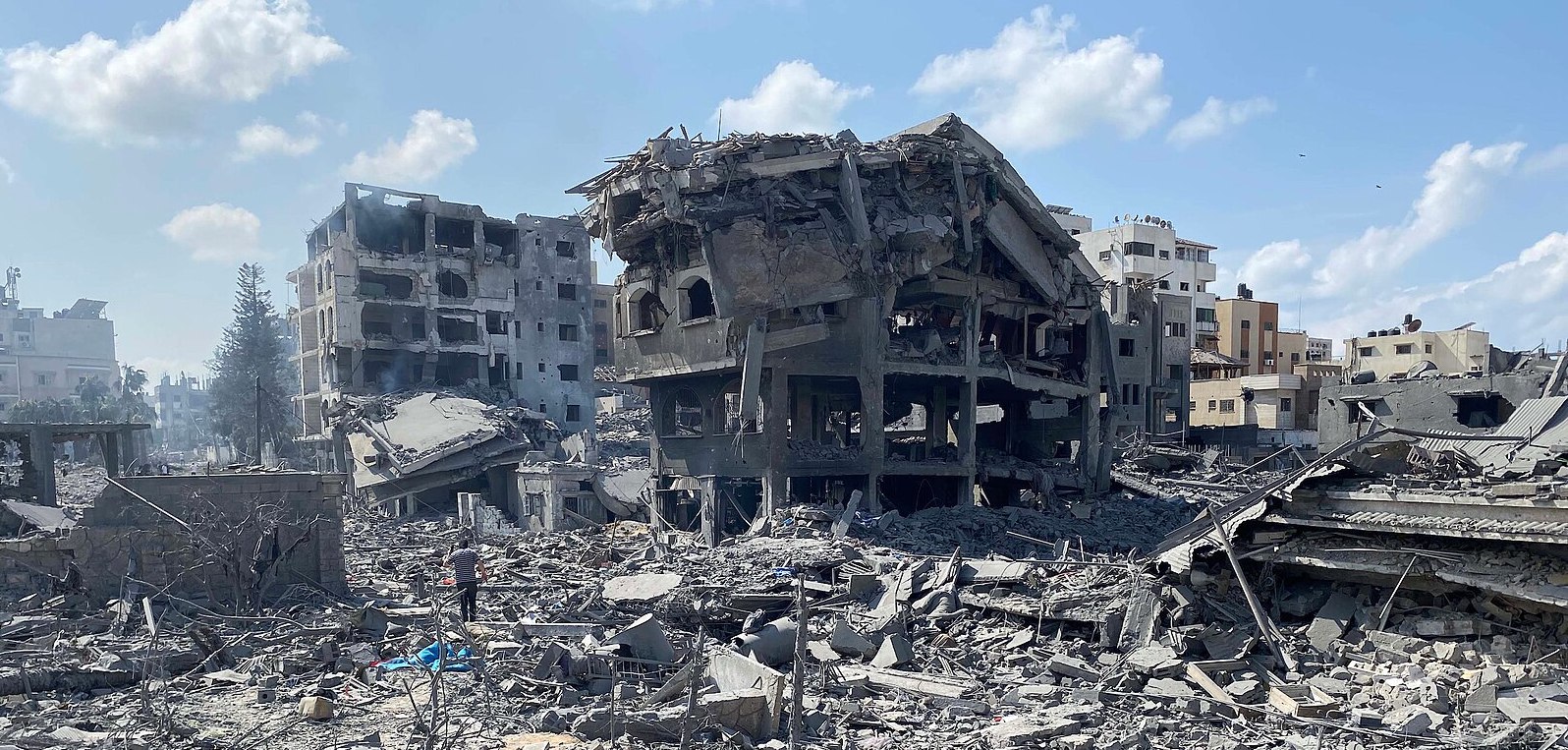
Two of Israel’s leading human rights organizations charged that government practices and policies in the Gaza Strip amount to an ongoing genocide against the Palestinian people. B’Tselem and Physicians for Human Rights-Israel each published a report and jointly announced their findings. It marks the first time that any Israel-based rights group has labeled state actions as genocide. Both organizations invoked the “legal and moral duty” of Israel’s Western allies to bring a halt to Israel’s conduct. (Photo: Jaber Jehad Badwan via Wikimedia Commons)

Greater Middle East
Yemen

Houthi attacks on Red Sea shipping condemned as war crimes

Human Rights Watch criticized renewed attacks launched by Yemen’s Houthi rebels on commercial cargo ships in the Red Sea. HRW characterized the recent attacks—one deadly—as  war crimes, and called for their immediate cessation as well as the release the crew members in Houthi custody. Houthi authorities claimed one of the attacked ships, which was returning from delivering aid to Somalia, was headed for the Israeli port of Eilat. However, this has not been corroborated. (Map via PCL)

Syria
Damascus

Syria: revolution on the razor’s edge

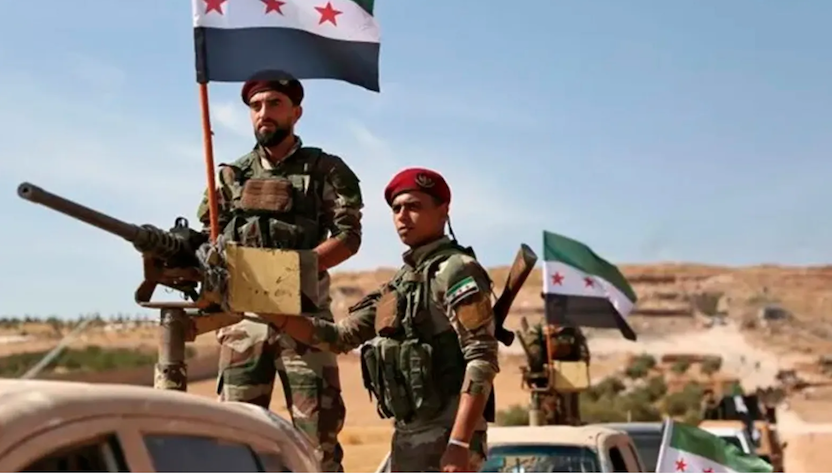
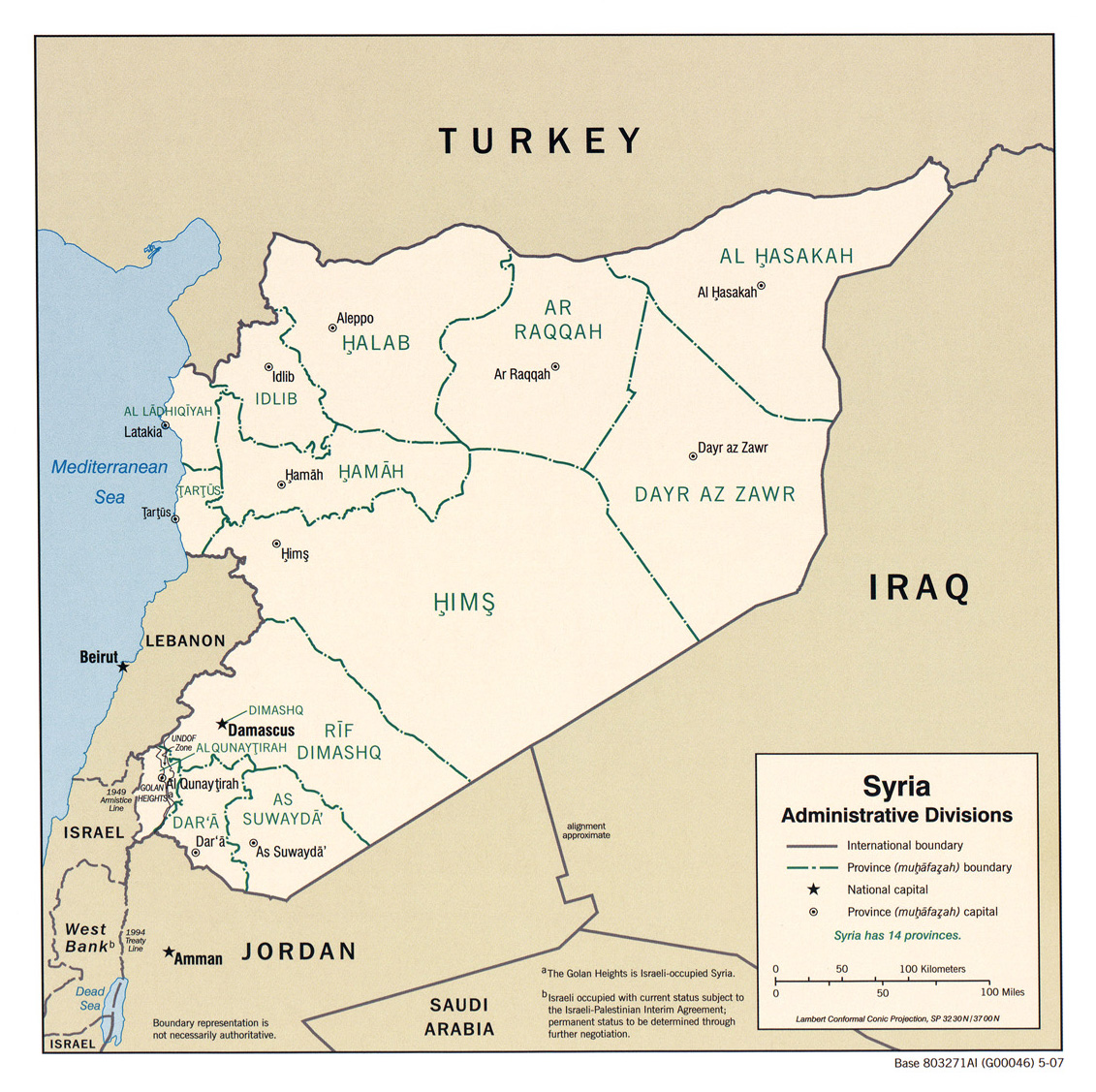
The investigation by the Syrian transition government into the March violence against the Alawites in Latakia province has been submitted—but the full findings have not been made public, and it apparently exonerates the government of involvement. Meanwhile southern Suwayda province has seen a perhaps even deadlier eruption of violence—this time pitting Druze against Bedouin, with the role of the government similarly the source of much contestation (and fodder for Internet partisans). And a Damascus protest against the violence and for co-existence was attacked by goons. Amid all this, Israel is militarily intervening, the government looks to Turkey for military aid, and both the US and Russia still have forces on the ground—treating the country as a Greet Power chessboard. In Episode 288 of the CounterVortex podcast, Bill Weinberg warns that the Syrian Revolution is poised on a razor’s edge, ready to descend into ethno-sectarian war and authoritarianism unless political space can be kept open for the secular-democratic civil resistance that began the revolution 14 years ago. (Image: Banners read “Syrians must not shed Syrian blood” and “We reject Israeli aggression against Syria.” Credit: The Syria Campaign via Facebook)

Palestine
Holy Family Catholic Church

UN condemns attack on Gaza Catholic church

UN Secretary-General António Guterres strongly condemned a deadly Israeli artillery strike that damaged Gaza’s Holy Family Catholic Church, calling the attack “unacceptable” and reiterating calls for an immediate ceasefire and the release of all hostages. The strike killed three civilians and injured several others, including parish priest Father Gabriel Romanelli, according to the Vatican. The Holy Family Church, Gaza’s only Catholic parish, had served as a refuge for displaced civilians since the onset of the war, and held up to 600 people when it was struck by tank fire. (Photo: Dan Palraz/Wikipedia)

Palestine
Gaza

EU in ‘cruel and unlawful betrayal’ of Gaza

At a meeting of European Union foreign ministers in Brussels, the bloc opted not to take punitive action against Israel over widespread evidence of war crimes and atrocities committed in Gaza. For weeks, the EU had been discussing a range of potential actions, including: suspending its free trade agreement with Israel, an arms embargo, banning the import of products from Israeli settlements in the occupied West Bank, and ending visa-free travel for Israeli citizens. Instead of taking any of these measures—which advocates argue are necessary to avoid complicity in serious violations of international law—EU ministers pointed to an aid deal for Gaza struck days earlier as justification for inaction. The details of that deal remain vague, and it has so far shown little on-the-ground impact. Amnesty International assailed the apparent quid pro quo as a “cruel and unlawful betrayal” of the Gazans. (Photo: Mohammed Zaanoun/TNH)

Syria
Suwayda

Syria: Israel intervenes amid Druze-Bedouin fighting

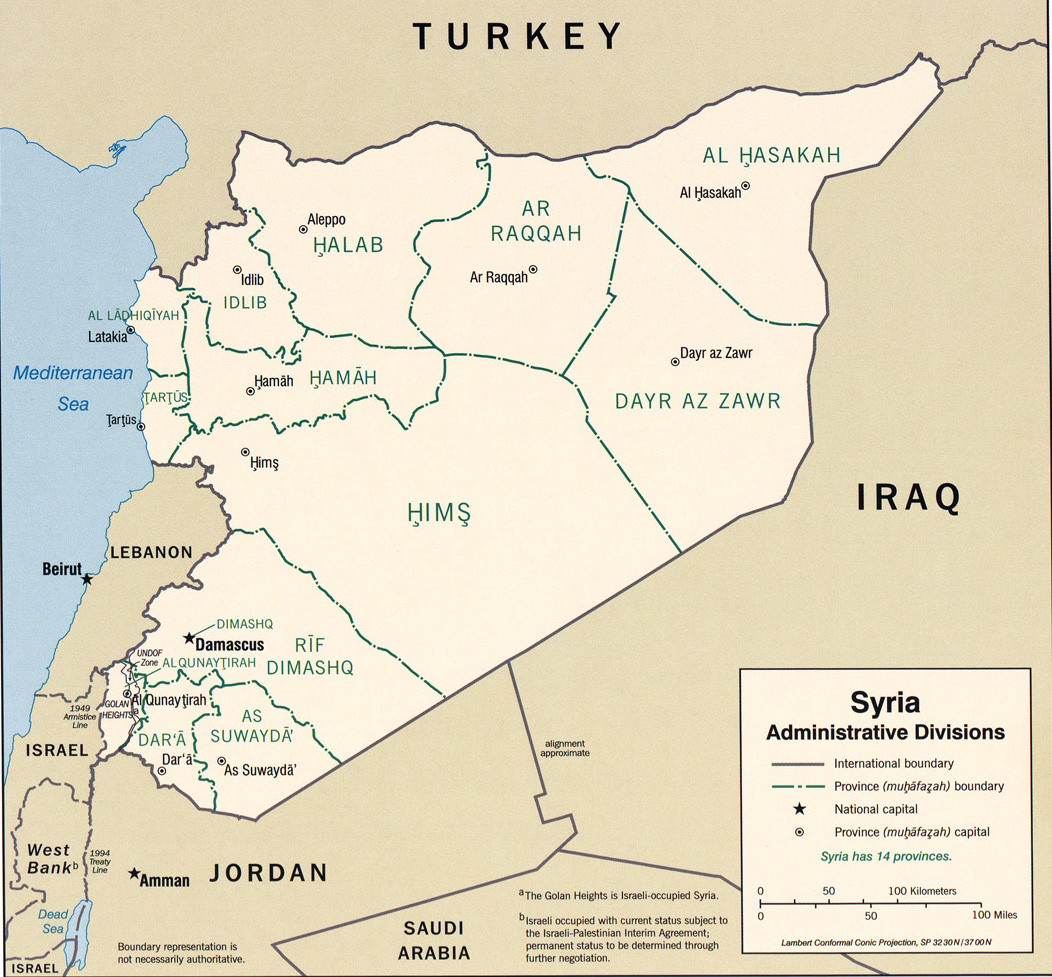
Days of clashes between Bedouin tribes and local fighters in the predominantly Druze city of Suwayda in southern Syria left some 300 dead before a ceasefire was brokered by the government. Amid the fighting, Israeli warplanes bombed Syrian government tanks as they advanced on Suwayda, and also struck military targets around Damascus. Some 1,000 Israeli Druze also amassed on the Purple Line, separating Israeli-controlled and Syrian-controlled territory in the Golan Heights, saying they were prepared to cross over to protect their brethren in Suwayda. IDF Brig. Gen. (res.) Amal As’ad, a prominent member of Israel’s Druze community, accused Syrian transitional president Ahmed al-Sharaa of seeking to “eliminate the Druze,” and criticized Israel for seeking peace with Damascus even amid the attacks. (Map: Google)

Palestine
Taybeh

West Bank: settler attacks on Christian village

The two most senior church leaders in the Holy Land toured the Christian Palestinian town of Taybeh in the West Bank, which has been the scene of repeated attacks by Israeli settlers in recent weeks. In a joint statement, the Greek Orthodox Patriarch of Jerusalem, Theophilos III, and Latin Patriarch of Jerusalem, Pierbattista Pizzaballa, called the settler attacks a threat to Christian heritage, and demanded an investigation into the failure of Israeli authorities to respond to the ongoing assaults. Taybeh, the biblical Ephraim, has three churches—Greek Orthodox, Roman Catholic and Melkite—whose pastors have issued an joint appeal calling on Israeli authorities to prevent further settler violence. They charged that the violence—including arson attacks that have threatened the Byzantine-era Church of Al-Khader (St. George)—has often taken place in the presence of passive Israeli soldiers. The settlers have also damaged the olive groves that are Taybeh’s primary source of income, and are preventing farmers from accessing and working their lands. (Photo: VisitPalestine)

Palestine
Gaza

Podcast: Orwell in Gaza

Amid starvation and horrifically escalating atrocities in Gaza, Israel announces plans to build a giant concentration camp on the ruins of Rafah, an evident preparation for forced “transfer” of the Palestinian population from the Strip entirely—an idea Trump enthusiastically embraces. On the West Bank, amid growing settler attacks, more Palestinian land is enclosed behind separation walls built to protect Israeli settlements. Amid all this, Benjamin Netanyahu (wanted for war crimes by the ICC) meets with Trump in Washington to openly discuss the “transfer” plan—and announces that he has nominated the American president for the Nobel Peace Prize. In Episode 286 of the CounterVortex podcast, Bill Weinberg argues that Trump could in fact get get the Nobel prize while facilitating genocide in Gaza and instating a mass detention state in the US—a fitting inauguration of the fascist world order. (Photo: Jaber Jehad Badwan via Wikimedia Commons)

Palestine
Gaza

UN warns of ‘weaponized hunger’ in Gaza

The Office of the United Nations High Commissioner for Human Rights (OHCHR) announced that the recent killing of Palestinians trying to receive food from aid hubs may constitute a war crime, warning of a policy of “weaponized hunger” in the Gaza Strip. Jonathan Whittall, the head of the United Nations Office for the Coordination of Humanitarian Affairs (OCHA) in Gaza and the West Bank, reported that more than 400 people have now died in the process of trying to reach food distribution points. “We see a chilling pattern of Israeli forces opening fire on crowds gathering to get food,” Whittall said, adding that “Israel’s militarized humanitarian assistance mechanism is in contradiction with international standards on aid distribution.” (Photo: Maan News Agency)

Iran
Frieda Afary

Podcast interview: Iranian-American activist Frieda Afary

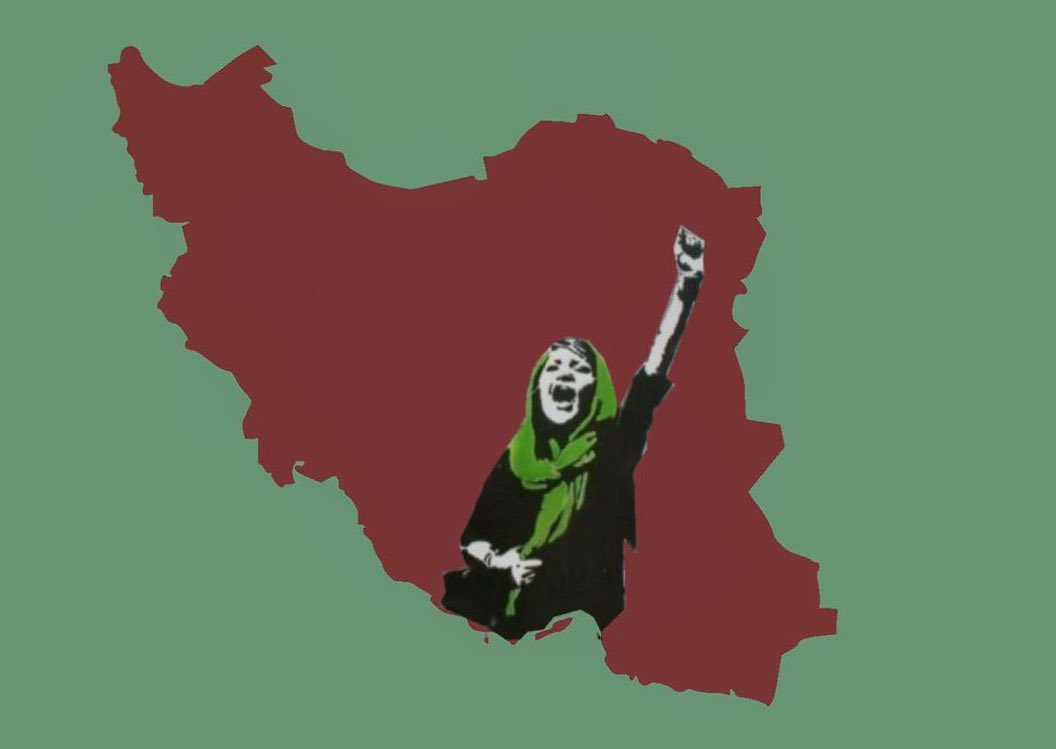
In Episode 284 of the CounterVortex podcast, Bill Weinberg interviews Frieda Afary of the blog Iranian Progressives in Translation, author (most recently) of Socialist Feminism: A New Approach, and a longtime voice for democratic-secular opposition movements in Iran. How is the situation of Iran’s civil resistance complicated by the US-Israeli air-strikes on the country, and how should progressives in the West respond? Listen on SoundCloud or via Patreon.

Iran
Udeid

Iran’s retaliation: choreographed charade?

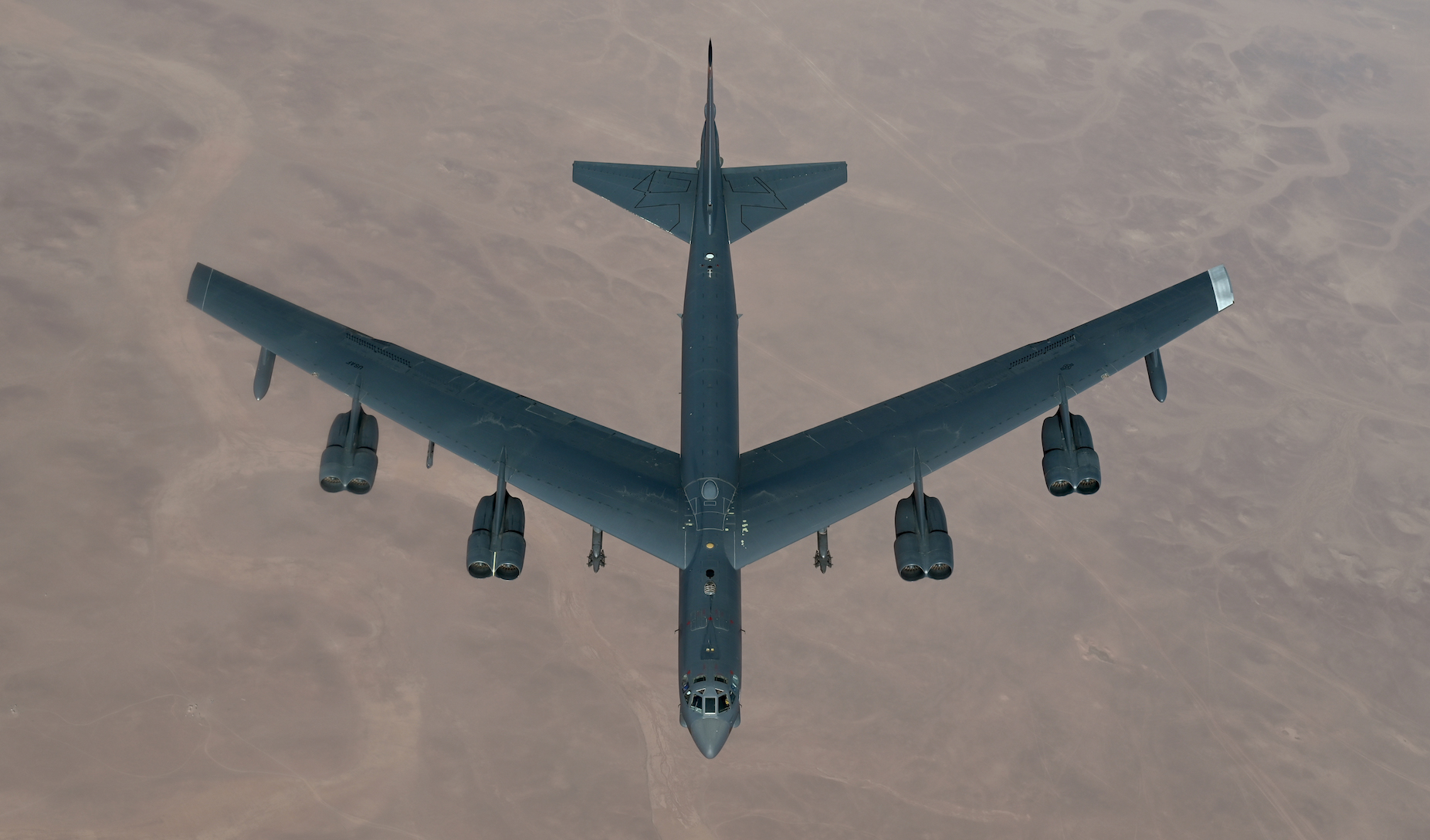
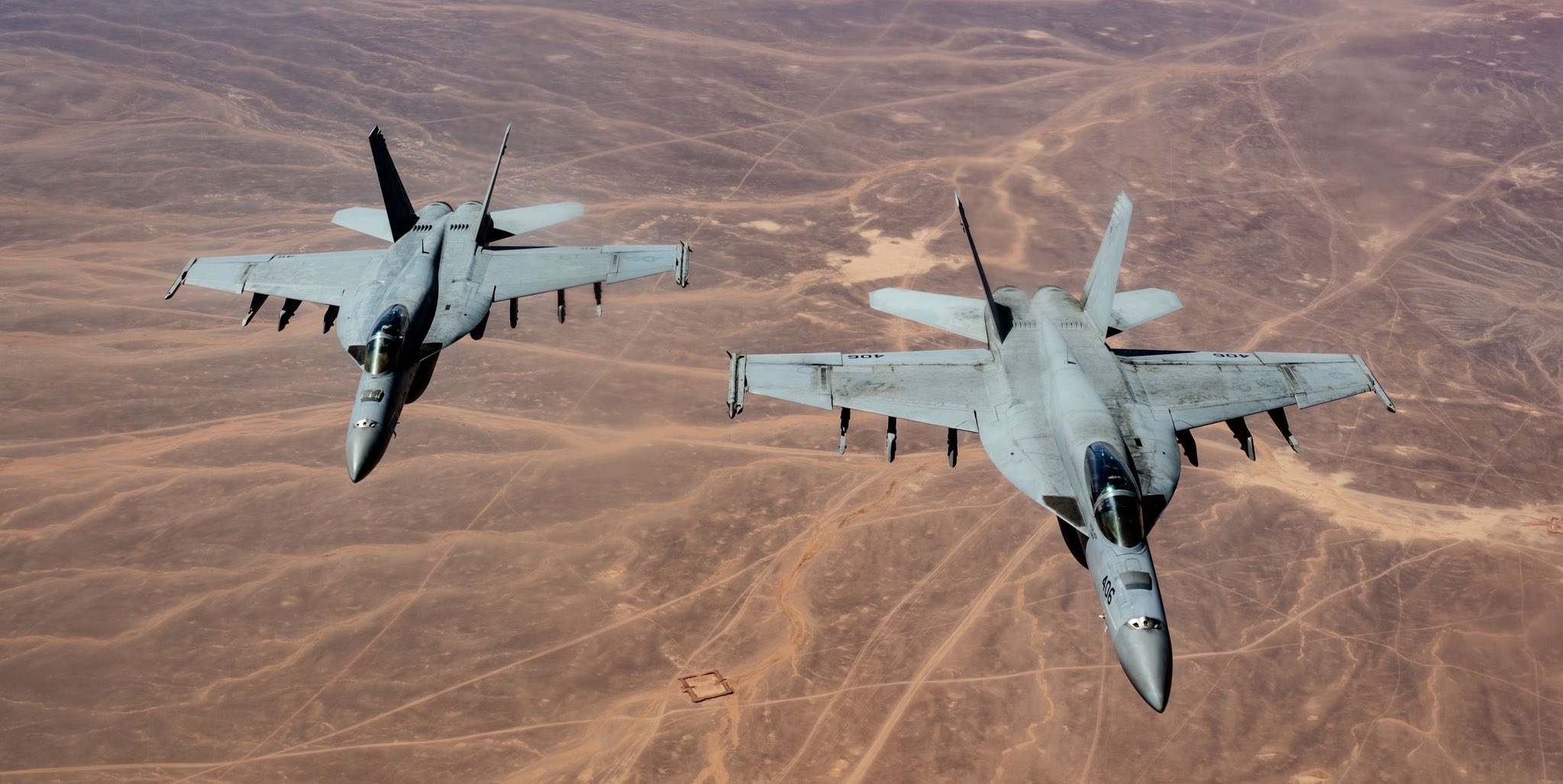
Two days after the US carried out air-strikes against Iran’s nuclear sites in what is being dubbed Operation Midnight Hammer, Iran launched missiles at al-Udeid air base in Qatar, headquarters for US Central Command’s regional operations and host to some 8,000 US troops. The US said nearly all the missiles were intercepted and there were no casualties. In a post on TruthSocial, President Trump shortly later claimed a ceasefire between Israel and Iran has been reached, with Israeli media reporting that the truce was brokered by Qatar. Sources also told Reuters that Iran had tipped off Qatar authorities before the attack, who then warned the US—accounting for the light damage and raising the possibility that, as in US-Iran brinkmanship of early 2020, the supposed Iranian retaliation was choreographed to allow Tehran to save face. The US, Israel and Iran alike are now all claiming victory, and it remains unclear how seriously Tehran’s nuclear capabilities have in fact been degraded. (Image of al-Udeid air base: Wikimedia Commons)