North America
SCOTUS

Podcast: Trumpism must be smashed

In Episode 134 of the CounterVortex podcast, Bill Weinberg documents the increasingly real threat of a right-wing authoritarian takeover of the United States within the next two years. The recent alarming Supreme Court decisions on reproductive rights, migrant detention and environmental regulation could be a mere prelude to a decision that could effectively mean the end of democracy. In Moore v. Harper, ostensibly about North Carolina’s congressional map, the state’s legislators hope to upend 200 years of election law and give statehouses unfettered authority to make rules and seat electors. This comes as Trump’s scheme to use “fake electors” to throw the 2020 elections has come to light. After the failed coup of 2021, the Republicans are laying the groundwork to do it again in 2024—and this time more methodically. Trumpism needs to be defeated—by any and all means necessary. This includes pressure for a criminal indictment of Donald Trump, readiness to contend with MAGA fascism for control of the streets if it comes down to a physical stand-off—but also voting for the Democrats, however odious it may be. Listen on SoundCloud or via Patreon. (Photo: Wikimedia Commons)

North America
russian alaska

Russia: irredentist claims on Alaska

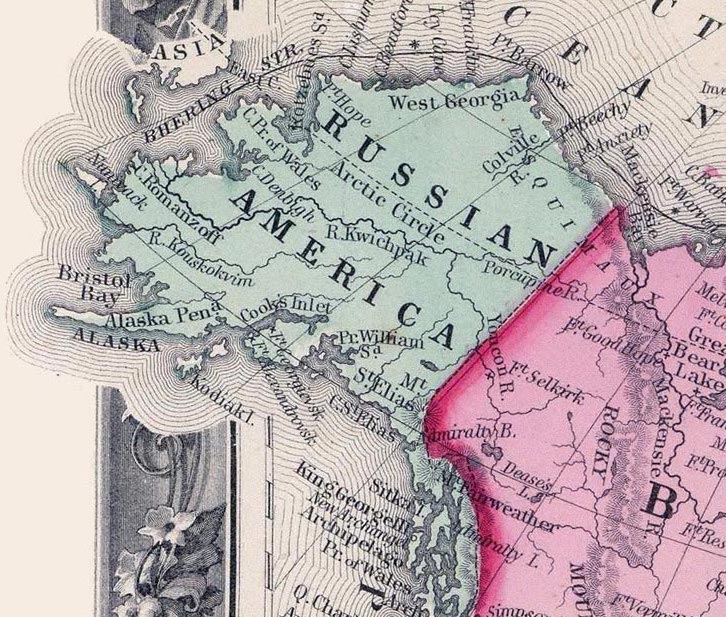
The speaker of Russia’s lower house of parliament threatened to “claim back” Alaska if the United States freezes or seizes Russian assets in retaliation for its invasion of Ukraine. “Let America always remember: there’s a piece of territory, Alaska,” Vyacheslav Volodin said at the last session of the State Duma before summer break. “When they try to manage our resources abroad, let them think before they act that we, too, have something to take back,” Volodin said. He noted that deputy speaker Pyotr Tolstoy had recently proposed holding a referendum in Alaska on joining Russia. The day after Volodin’s comments, billboards proclaiming “Alaska Is Ours!” appeared in the Siberian city of Krasnoyarsk, apparently placed by a local “patriot.” (Map via Wikipedia)

Central America
roe

El Salvador: warning for post-Roe US

The US Supreme Court decision overturning Roe v. Wade comes six weeks after a court in El Salvador sentenced a woman to 30 years in prison after she suffered an obstetric emergency that resulted in termination of her pregnancy, according to a local advocacy group that was assisting in her defense. The Citizen Group for the Decriminalization of Abortion (ACDATEE) denounced the sentence and said it would appeal the conviction. The woman, identified only as “Esme,” was held in pre-trial detention for two years following her arrest when she sought medical care at a hospital. She already had a seven-year-old daughter. (Photo: Debra Sweet/WikiMedia via Jurist)

North America
standwithmashpee

Podcast: Thanksgiving and Atonement

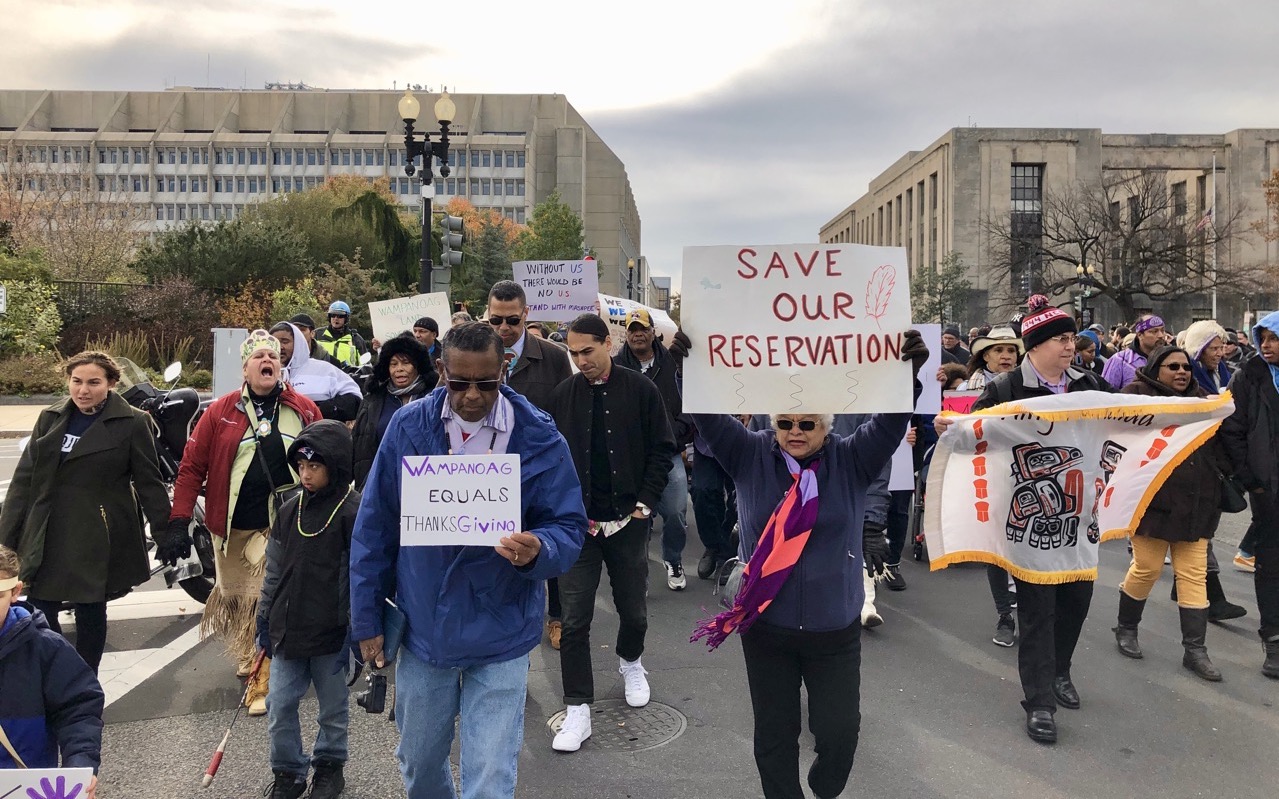
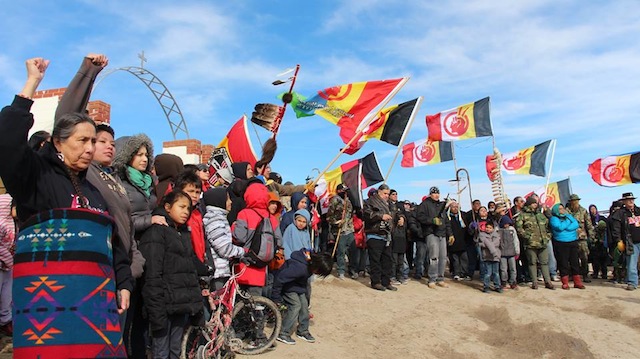
In Episode 98 of the CounterVortex podcast, Bill Weinberg discusses the book Thanksgiving: The Holiday at the Heart of the American Experience by Melanie Kirkpatrick. A work of Thanksgiving boosterism, it nonetheless recognizes the dissidents who reject the holiday as a celebration and sanitization of genocide, and even call for replacing it with a day of atonement. The idealized portrayal the first Thanksgiving in 1621 belies the bloody realities of the Pequot War and King Philip’s War that shortly followed. Perversely, the Wampanoag indigenous people, who shared in that first Thanksgiving and were later defeated in King Philip’s War, were the target of a new attempt at “termination” by the Trump administration, which sought to disestablish their reservation at Mashpee, on Cape Cod just 30 miles south of Plymouth Rock. Listen on SoundCloud or via Patreon. (Photo: Indianz.com)

North America
cannabis

Podcast: the dialectics of cannabis liberation II

In Episode 94 of the CounterVortex podcast, Bill Weinberg presents a special cannabis harvest season interview with Karla Avila in Northern California’s Emerald Triangle. A licensed producer of artisanal outdoor cannabis for the legal market through her homestead-based company Flowerdaze Farm, Avila is an advocate for small-scale “legacy” growers through her work with the Trinity County Agriculture Alliance. She is also a founding member of the statewide Origins Council, which is seeking to establish official “appellations” for cannabis, certifying a strain’s regional origin. Avila discusses the challenges now facing small legacy growers who are struggling to keep alive heirloom genetics and ecologically sound cultivation methods in a legal market increasingly dominated large-scale enterprises on an agribusiness model. Listen on SoundCloud or via Patreon. (Photo via Wikimedia Commons)

North America
thacker-pass

Paiute and Shoshone oppose Nevada lithium mine

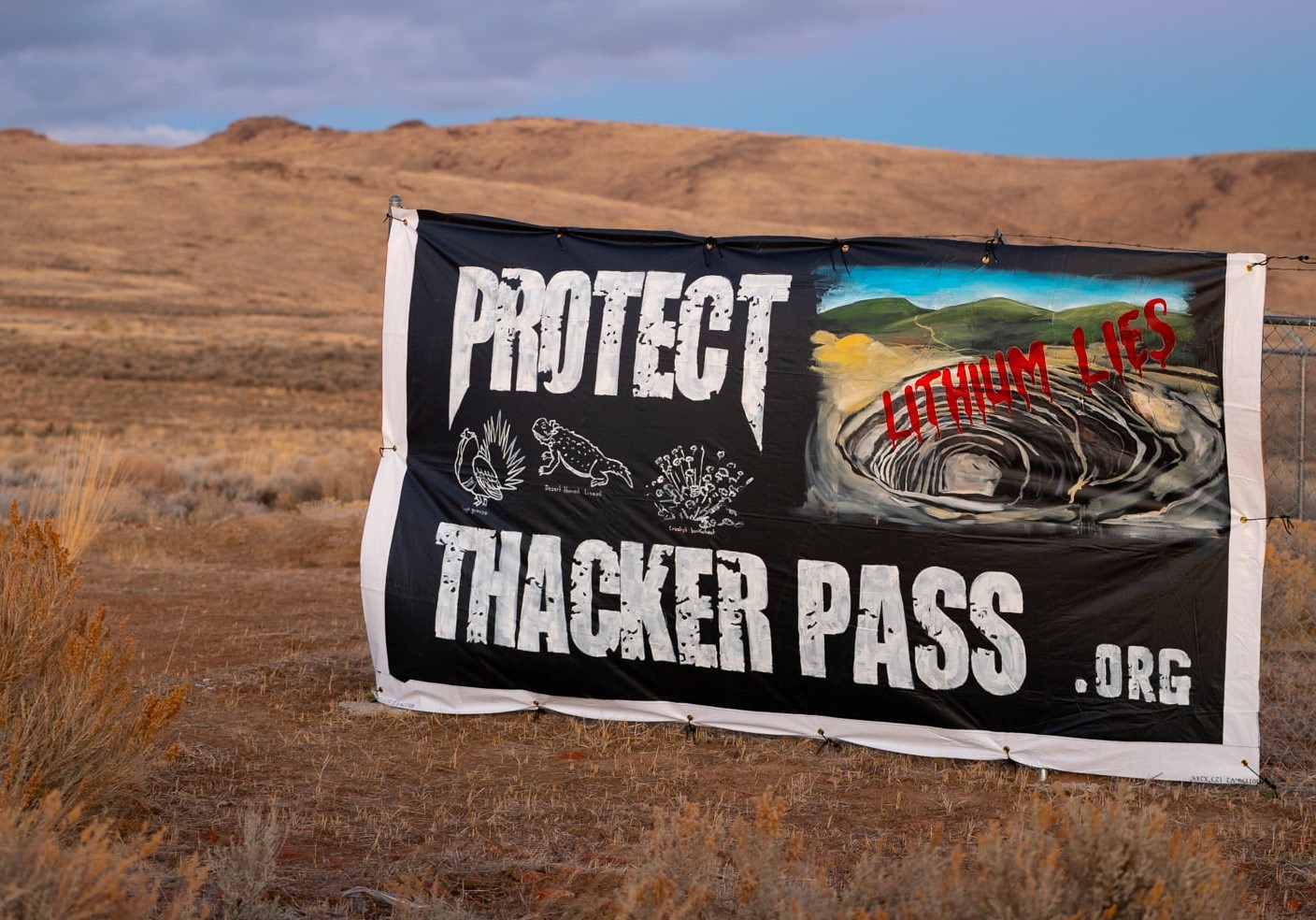
Local indigenous peoples and their environmentalist supporters have rallied outside the federal courthouse in Reno, Nev., as they await a decision on their request for an injunction to stop the Thacker Pass Lithium Mine Project, set to be developed on public lands within the ancestral territory of the Paiute and Shoshone. Opponents have also established a protest camp near the mine site. If the injunction is denied, Lithium Nevada, a subsidiary of Canada-based Lithium Americas, will be able to move ahead with an archaeological survey in preparation for breaking ground on the mine. (Photo: Protect Thacker Pass)

Planet Watch
Greenland

Greenland suspends oil exploration, citing climate crisis

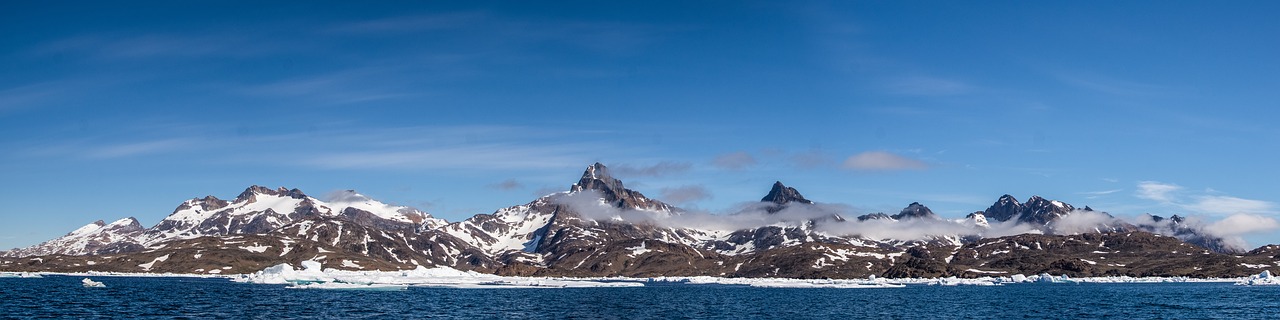
The government of Greenland announced that it will suspend all oil exploration, saying the territory “wants to take co-responsibility for combating the global climate crisis… The future does not lie in oil. The future belongs to renewable energy, and in that respect we have much more to gain.” The US Geological Survey estimates there could be 17.5 billion undiscovered barrels below the territory’s lands and waters. Many had hoped potential reserves could allow Greenland to acheive independence, compensating for the annual subsidy of 3.4 billion kroner ($540 million) the territory receives from Denmark. (Photo: Pixabay)

Planet Watch

Podcast: climate change and the global struggle

In Episode 81 of the CounterVortex podcast, Bill Weinberg takes stock of the fast-mounting manifestations of devastating climate destabilization—from Oregon to Siberia, from Germany to Henan. In Angola, traditional pastoralists are joining the ranks of “climate refugees” as their communal lands are stricken by drought. In Iran’s restive and rapidly aridifying Ahwazi region, protests over access to water have turned deadly. These grim developments offer a foreboding of North America’s imminent future. Yet media commentators continue to equivocate, asking whether these events are “linked to” or “caused by” climate change—rather than recognizing that they are climate change. And the opportunity for a crash conversion from fossil fuels that was posed by last year’s pandemic-induced economic paralysis, when already depressed oil prices actually went negative, is now being squandered. Oil prices are again rising, with the return to pre-pandemic dystopian “normality.” Listen on SoundCloud or via Patreon. (Photo of Ahwazi protesters in Iran: Ahwazna)

Planet Watch
BLM

UN: end systemic racism in law enforcement

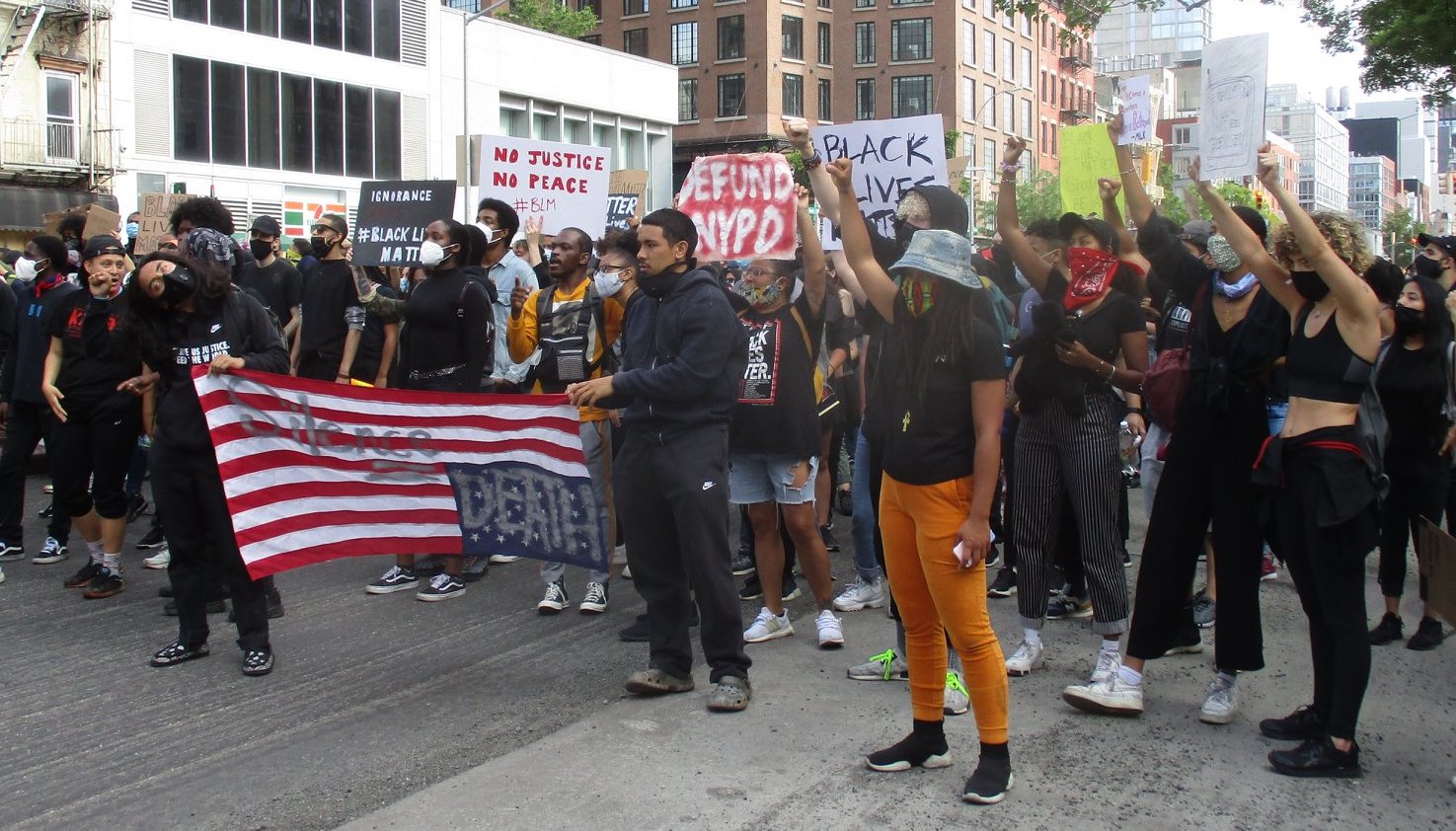
UN High Commissioner for Human Rights Michelle Bachelet urged states to dismantle systematic racism against African and African-descendent peoples, in a report focusing on law enforcement around the world. The report features an analysis of 190 deaths at the hands of law enforcement, including George Floyd and Breonna Taylor in the United States, as well as cases in the United Kingdom, France, Brazil and Colombia. “The status quo is untenable,” Bachelet said. “Systemic racism needs a systemic response… We need a transformative approach that tackles the interconnected areas that drive racism, and lead to repeated, wholly avoidable, tragedies like the death of George Floyd.” (Photo: The Village Sun)

Planet Watch
colonial pipeline

Podcast: lessons of the Colonial Pipeline disaster

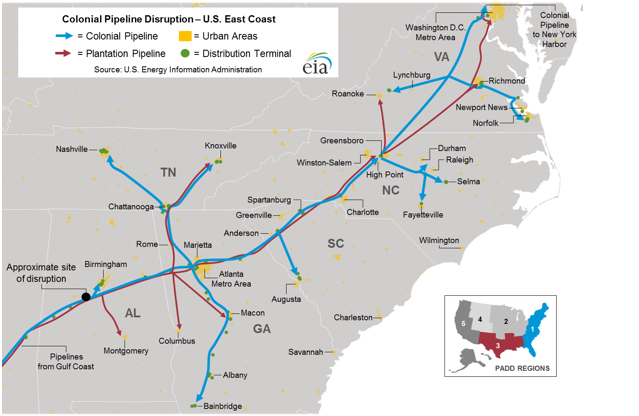
In Episode 75 of the CounterVortex podcast, Bill Weinberg examines distorted reportage on the shutdown of the Colonial Pipeline by Russian hackers. The disaster illustrates the urgent need for a crash conversion from fossil fuels—but also from digital technology. Signs of hope are seen in the cancellation of the Keystone XL pipeline, the recent indigenous-led protests against the Line 3 Pipeline in Minnesota, and the gas bill strike launched by Brooklyn residents to oppose the North Brooklyn Pipeline that would cut through their neighborhoods. Listen on SoundCloud or via Patreon. (Map: US Energy Information Administration)

Planet Watch
lakota

Keystone XL pipeline cancelled —struggle continues

Calgary-based TC Energy Corporation (formerly TransCanada) confirmed that it has terminated the Keystone XL Pipeline Project. Construction on the project was suspended following the revocation of its presidential permit in January. The pipeline, which was to transport tar sands oil from western Canada, has been a critical concern in the fight against climate change. It has been especially opposed by Native American peoples whose lands lie along the project’s path. Dallas Goldtooth  of the Indigenous Environmental Network reacted to the announcement on Twitter: “We took on a multi-billion dollar corporation and we won!!” However, Canadian oil exports to the US are still expected to rise to over 4 billion barrels per day in the next years—a fourfold increase over levels in 2004, when Canada surpassed Saudi Arabia as the top US foreign supplier. (Photo of Lakota protest against Keystone pipeline: Victor Puertas/Deep Roots United Front via Intercontinental Cry)

North America
Fort Bliss

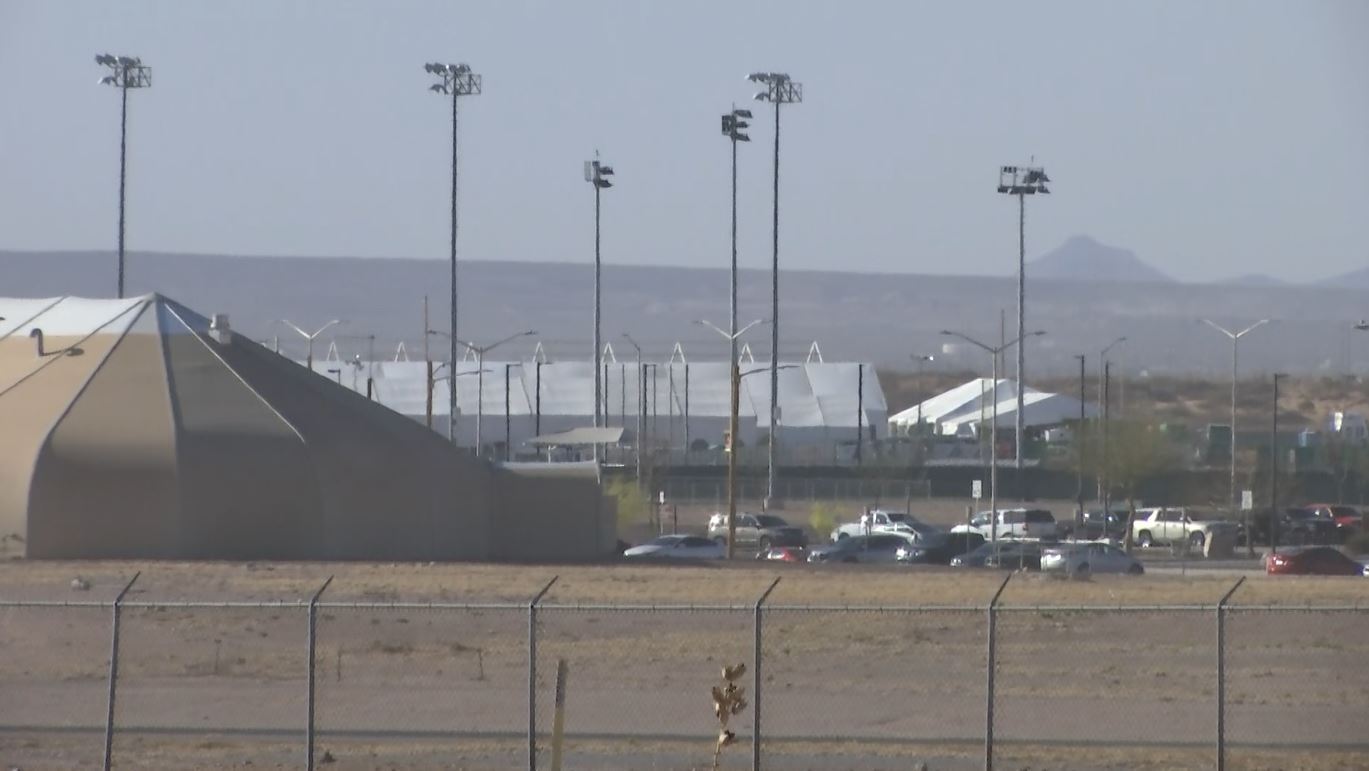
Migrant kids languish at Fort Bliss

Advocacy groups for migrants on the US southern border are protesting conditions at Texas’ Fort Bliss, an Army base that the Biden administration has opened as an emergency holding facility. Nearly 5,000 minors who crossed the border without a parent or guardian are currently being held in large tents at the base. This is about a quarter of the total number of minors in the care of the US Department of Health & Human Services’ Office of Refugee Resettlement. As of late May, nearly 600 of these had spent 40 days or longer at the “megasite.” Nearly 1,700 minors had been there for at least a month, according to government data. Unlike traditional HHS shelters for migrant children, Fort Bliss and other emergency “influx” sites are not licensed by state authorities to care for minors, and have lower standards of care. (Photo via Border Report)