

The Andes

Peru: opposition protests US troop deployment
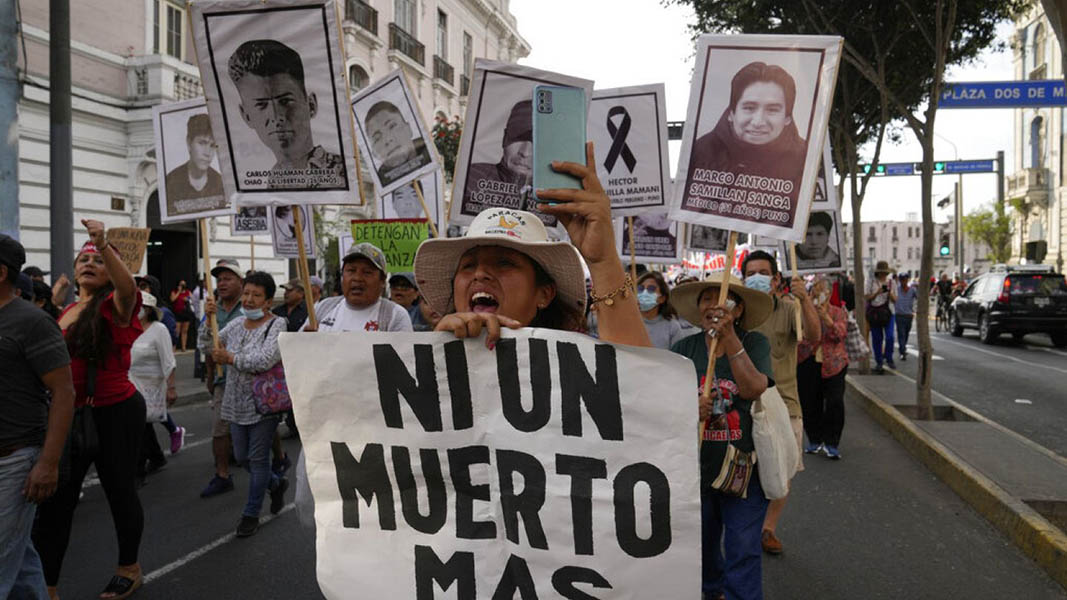
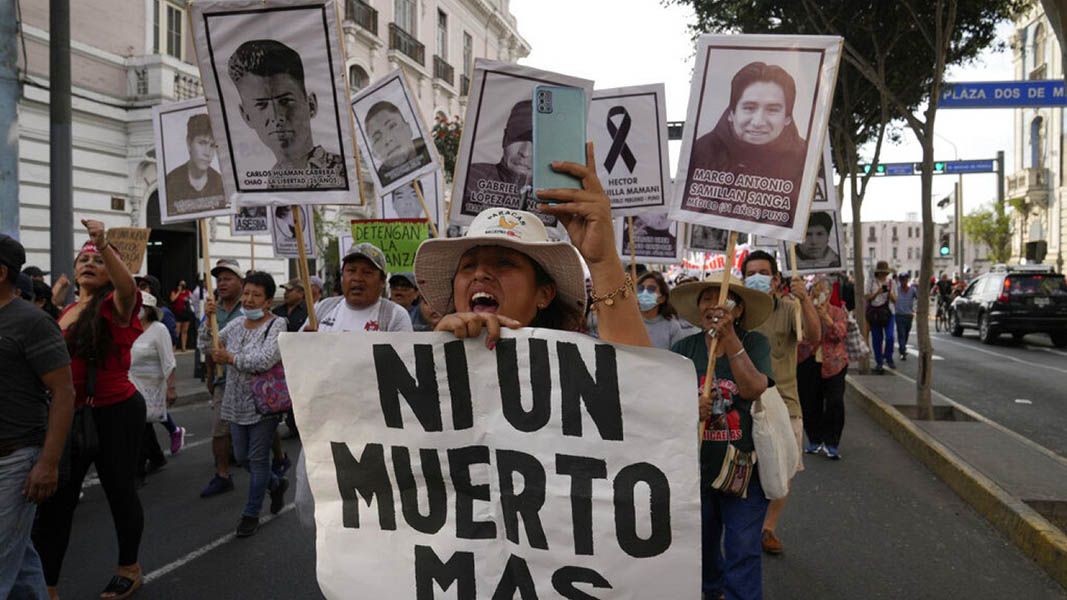
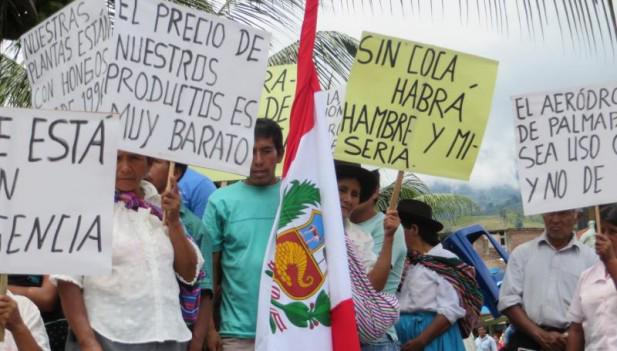
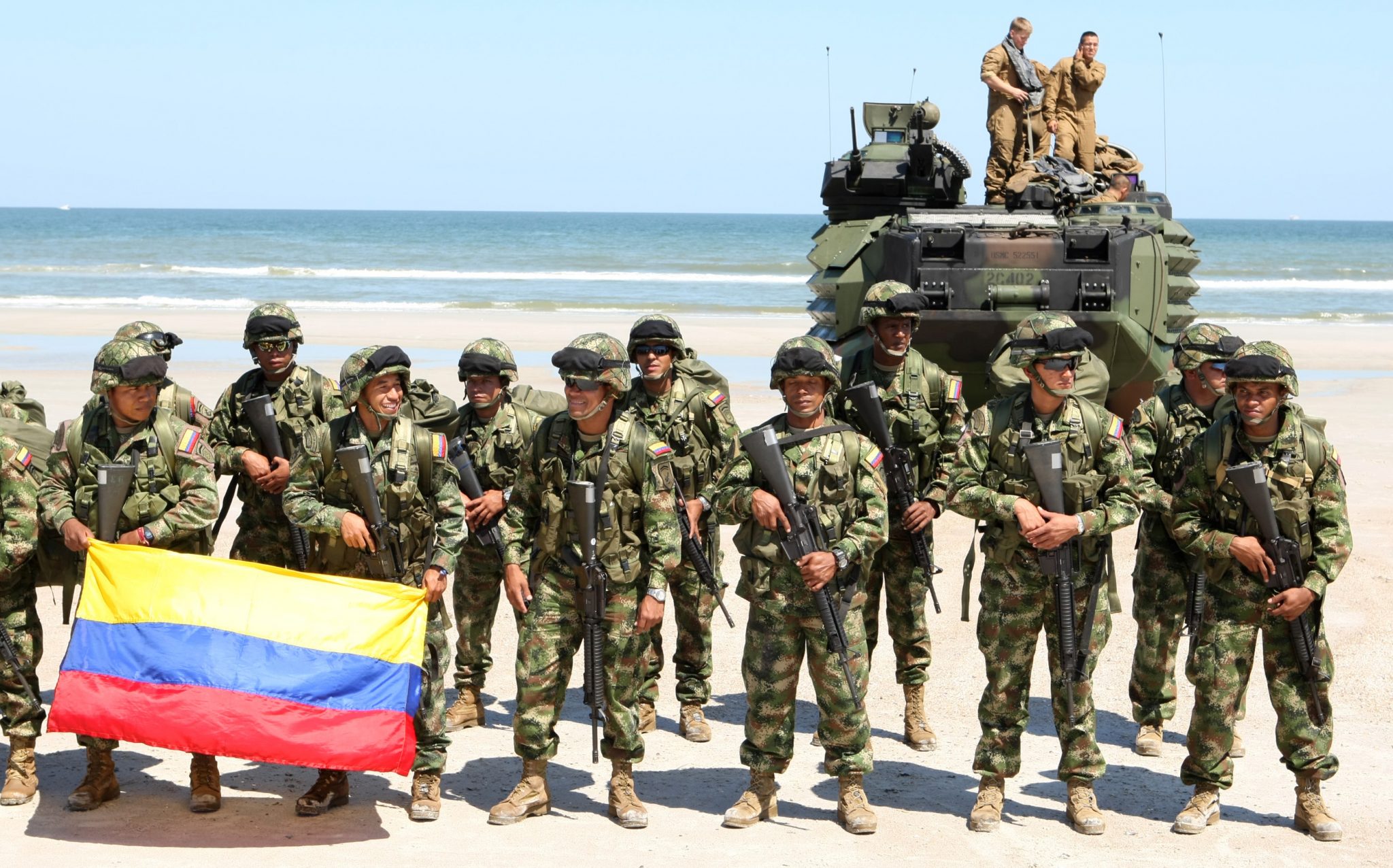
Toma de LimaPeru's Congress voted to approve Legislative Resolution 4766, authorizing US troops to be stationed on the national territory from June 1 to Dec. 31. Lima lawmaker Alfredo Azurín, president of the Commission on National Defense, Internal Order & Anti-Drug Struggle, said the soldiers will carry out training missions and joint exercises with Peru's armed forces and National Police. The vote was harshly condemned by former foreign minister Héctor Béjar, who said the estimated 700 US troops will be disposed to support operations by the security forces against Peru's social movements, now preparing a new mobilization: "It is obvious that the presence of these soldiers is a deterrent, part of a policy of intimidation of the Peruvian people, who have announced new protests for next July." (Photo: IndymediaArgentina)
Central America

Honduras transition in the New Cold War

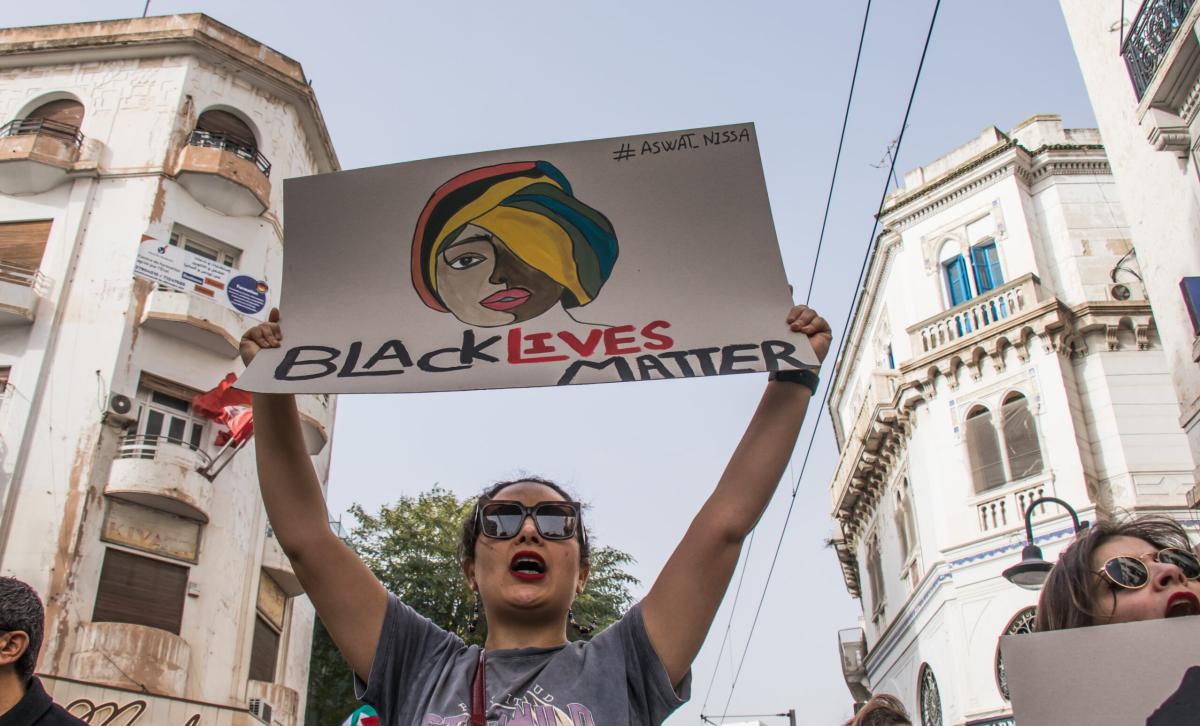
TunisAmnesty International called on Tunisia to put an immediate end to racist and xenophobic attacks targeting Black African migrants. The wave of violence began in early February and was exacerbated by a racially-charged speech by President Kais Saied at a National Security Council meeting. President Saied's statements sparked street protests in Tunis, in defiance of an official ban on demonstrations. Activists also opposed a widening crackdown on dissent since Saied seized near-total powers in July 2021. The Tunisian National Salvation Front has vowed continued weekly protests. (Photo: Chahd Lina Belhadj/Meshkal)

The Andes
ELN

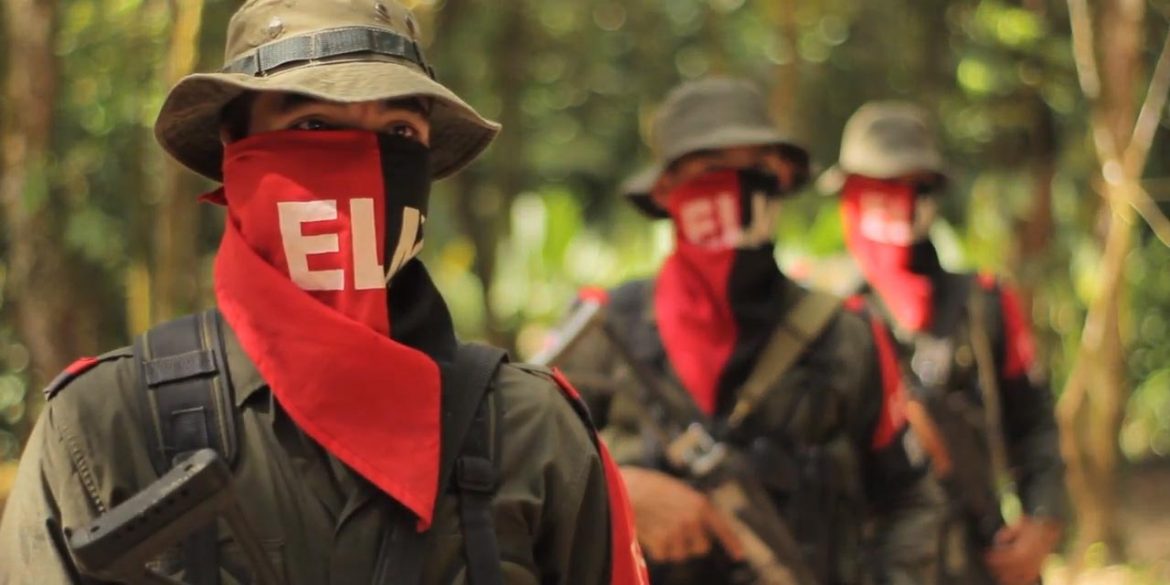
US ‘committed’ to ‘dismantle’ Colombia’s ELN

anthropoceneThe COP28 climate summit concluded in the United Arab Emirates with a so-called "UAE Consensus" that resolves to "transition away from fossil fuels"—hailed as an historic first commitment to eliminate the principal cause of climate change. Many climate activists, however, assail the document as vague and non-binding. Another failure pointed to by skeptics is the lack of finance commitments to come out of COP28. The funds made available by rich countries to help developing countries adapt and transition continue to lag far behind what is needed. A New Collective Quantified Goal for Climate Finance is set to be discussed next year at COP29, to be held in Azerbaijan. (Photo: CounterVortex)

Mexico
Mexico police

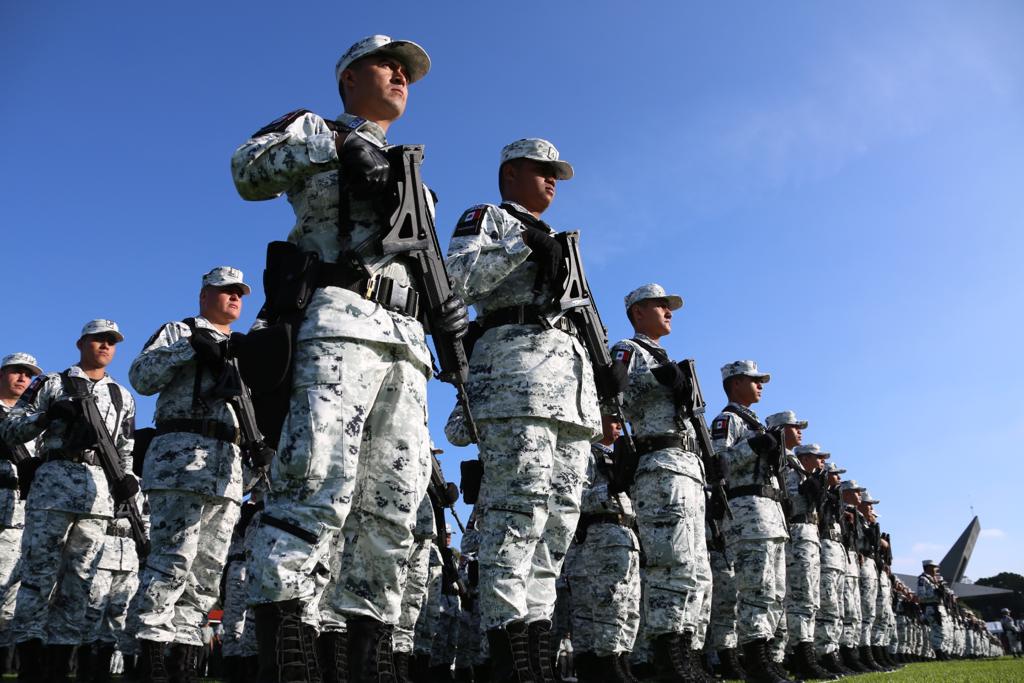
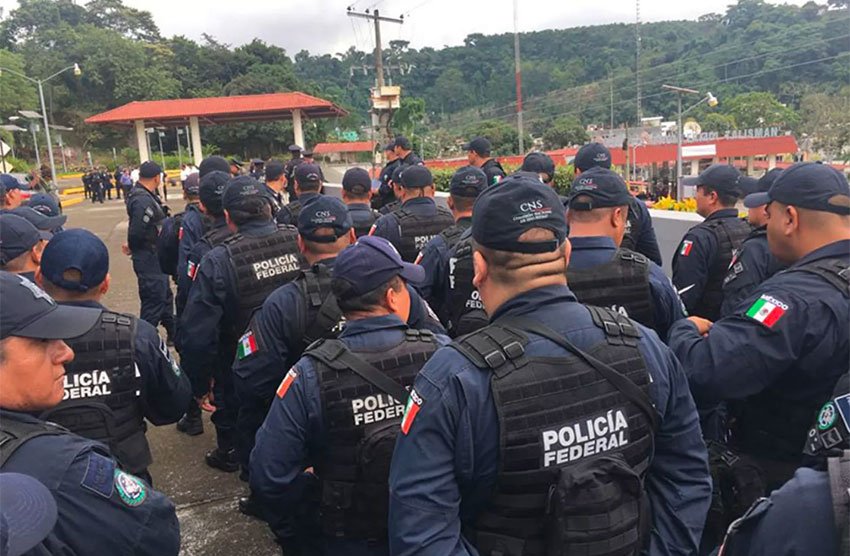
Mexico: new security force to Guatemalan border

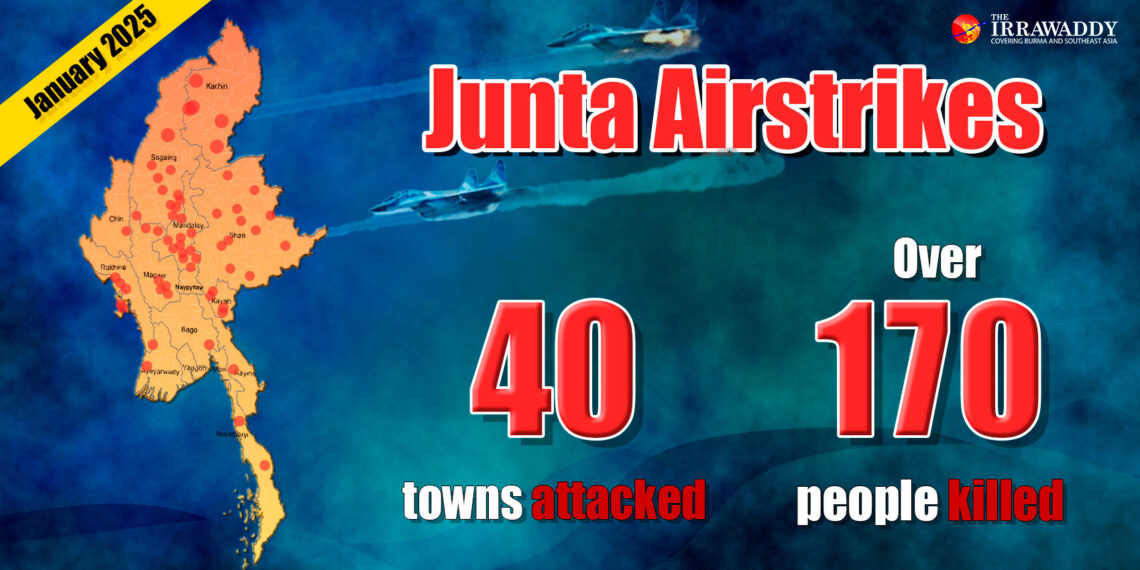
BurmaJunta air-strikes killed over 170 people across Burma in January, a fourfold increase over the previous month, according to an analysis by The Irrawaddy, an independent exile-based newspaper that maintains a network of reporters on the ground. The strikes hit villages, health facilities, a prison and a gold mine in various areas held by the resistance, although most of those killed were civilians. More than 1,800 people have been killed in air-strikes since the February 2021 coup. (Image: The Irrawaddy)

Mexico

Mexico rejects US drug war aid

CantoneseIn Episode 264 of the CounterVortex podcast, Bill Weinberg interviews Kim of New York City's Chinatown Cantonese Toisan group about her efforts to promote Cantonese and Toisan language and culture. Indigenous to China's Guangdong province, these tongues are spoken by millions in a global diaspora. Thanks to the efforts of State Sen. Iwen Chu, Feb. 12 is now Taishan (Toisan) Day in New York state, commemorating the day in 1499, during the Ming Dynasty, that Toisan County was officially created—and honoring the contributions of Toisan immigrants, most notably in the dangerous work of building the Transcontinental Railroad. It was a Toisan man born in San Francisco, Wong Kim Ark, who won the 1898 Supreme Court case that established birthright citizenship as a constitutional right. Yet in China, Cantonese and Toisan are relegated to the status of fangyan (regional dialects) and officially discouraged in favor of Mandarin—leading to protests in provincial capital Guangzhou in 2010. Even in the US, the children's book Coolies, about the Cantonese railroad workers, has been banned from public libraries by local forces of intolerance. Through exhibits, social gatherings and a weekly language class, Kim works to keep Cantonese and Toisan heritage and pride alive in the New York metropolitan area. Listen on SoundCloud or via Patreon.

Mexico
Mexico army

Mexico remilitarizes drug enforcement

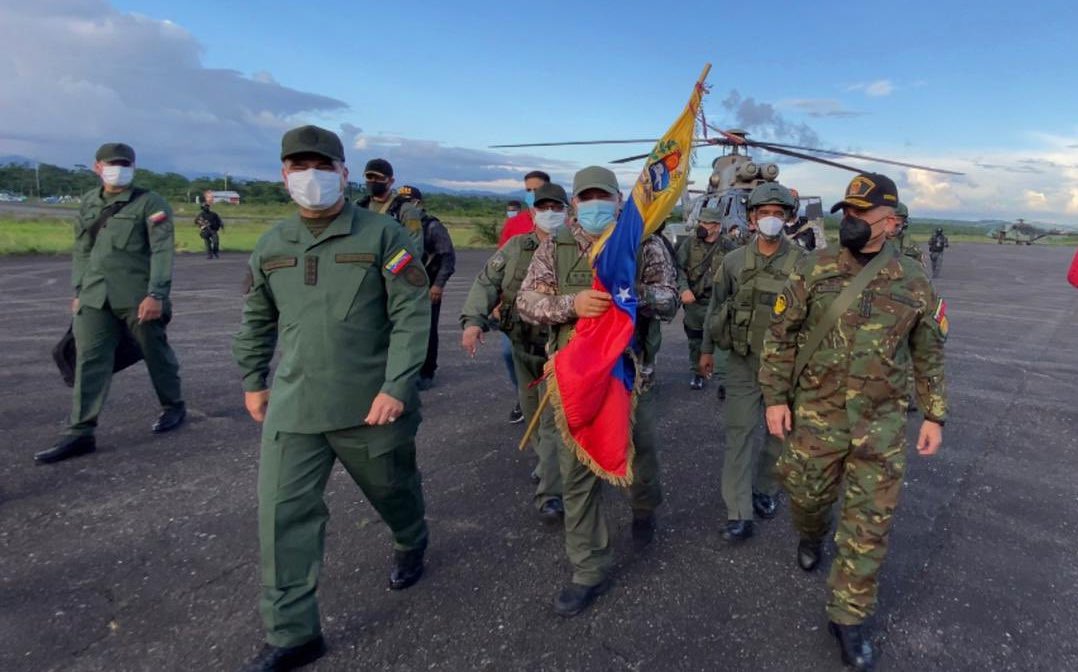
ApureSo-called "dissident" FARC factions that have refused to accept the Colombian peace accords and taken refuge across the border in Venezuela now appear to be waging a local insurgency against the Nicolás Maduro regime. A group calling itself the Martin Villa 10th Front announced last month that it had captured eight Venezuelan soldiers during a battle in Apure state, near the Colombian border. Venezuela's National Bolivarian Armed Forces later announced that the soldiers had been freed in a rescue operation. But independent media in Venezuela report that the eight were actually released under terms of a deal negotiated in Cuba. The deal was said to have been brokered with the help of the National Liberation Army (ELN), a second Colombia guerilla group which remains in arms and whose leadership is based in Havana. (Photo of captive soldiers being released via FANB)

Mexico

Mexican police crisis in prelude to power transition

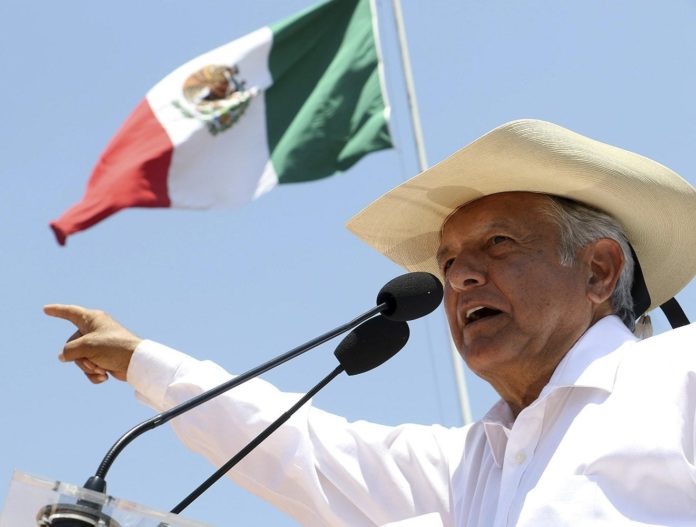
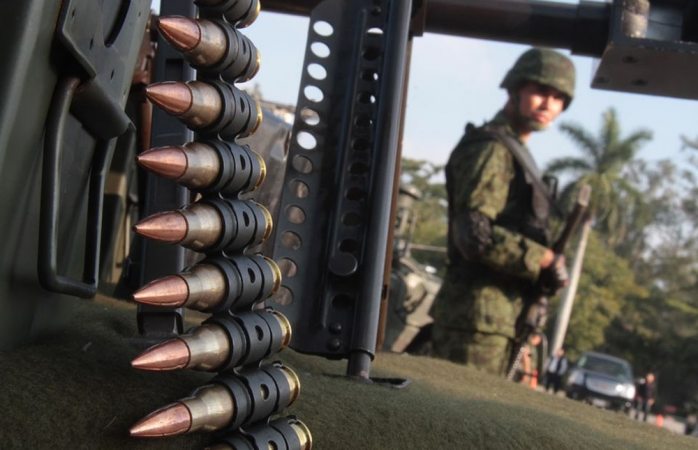
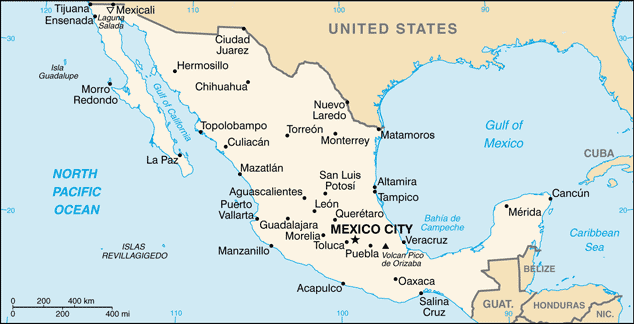
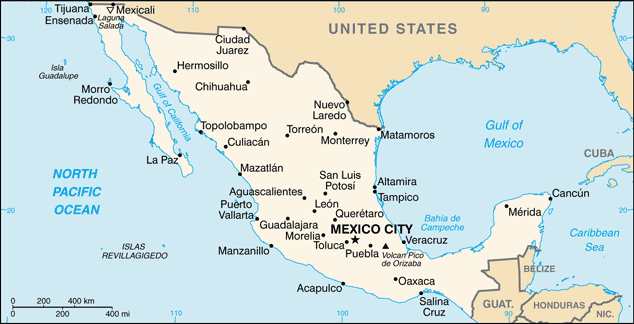
MexicoMexican federal police and the military have taken over policing duties in Acapulco, after the entire municipal force was disarmed due to suspected co-optation by criminal gangs. But the federal forces are also accused of endemic corruption and brutality. The country's National Human Rights Commission just accused military troops in Puebla of extrajudicial executions of suspected fuel thieves in a bloody incident in Puebla that left 10 dead. Meanwhile, a new Internal Security Law vastly expands the powers of federal troops operating in a domestic security capacity against the drug trade, and frees them from public oversight. Mexico's left-populist president-elect Andrés Manuel López Obrador is scheduled to take office Dec. 1 amid an escalating human rights crisis in the country. (Map: CIA)

The Andes

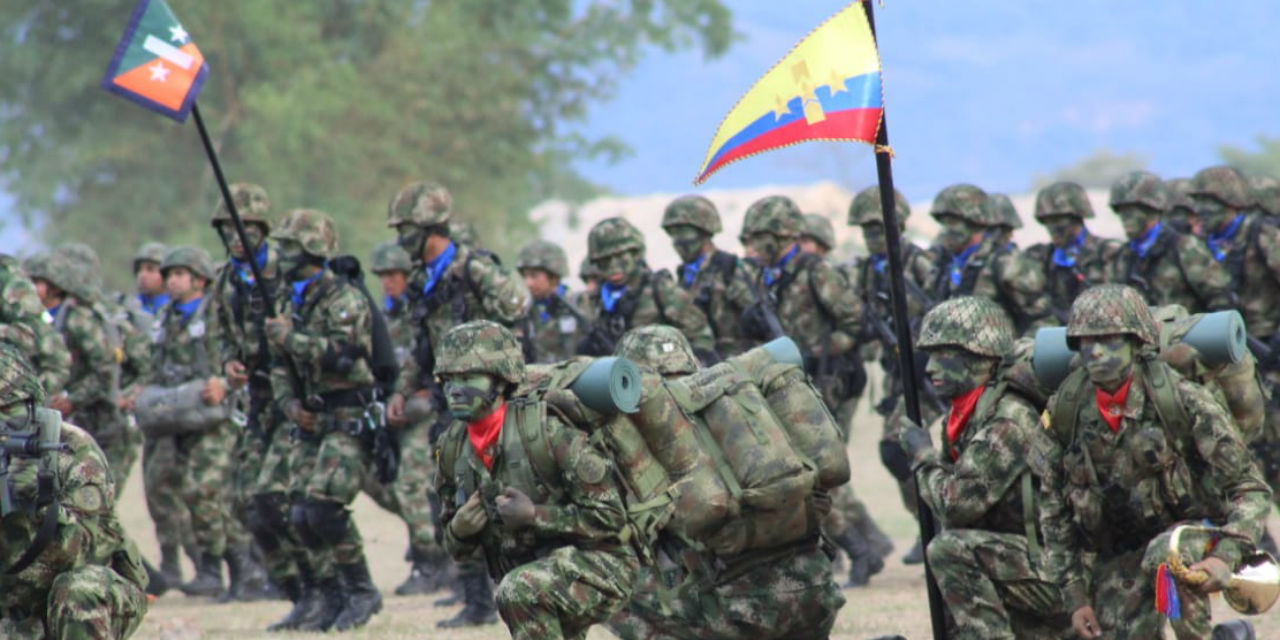
Colombia to resume aerial spraying, join NATO

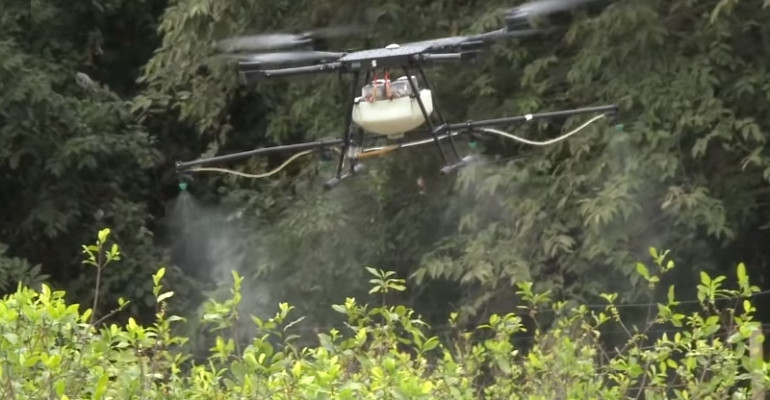
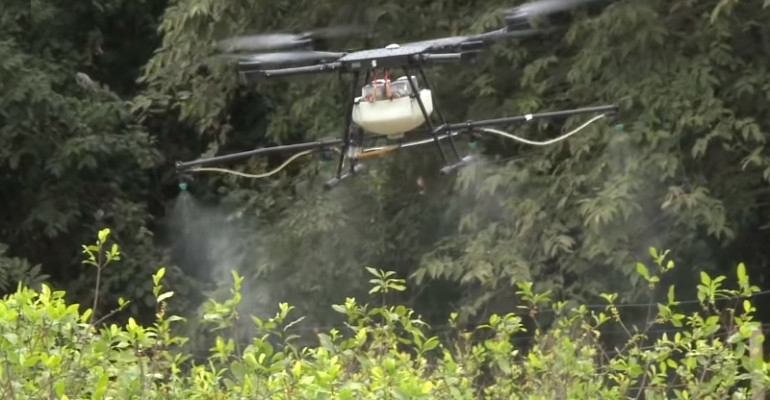
glyphosateColombia has taken significant steps back in a hardline pro-Washington direction since the election of the right-wing Iván Duque as the country's new president last month. Shortly after Duque's victory, the government announced that it will resume aerial spraying of glyphosate on coca crops—this time using drones rather than planes, to supposedly target the planted areas with greater exactitude. The move comes in response to a new report from the White House finding that Colombian coca cultivation has reached a new record. Incumbent President Juan Manuel Santos also announced in the lead-up to the election that Colombia will formally join the North Atlantic Treaty Organization as a "global partner"—making it the only Latin American nation with NATO affiliation. (Photo: Contago Radio)