Central America
PNC Guatemala

Anti-mara militarization in Guatemala

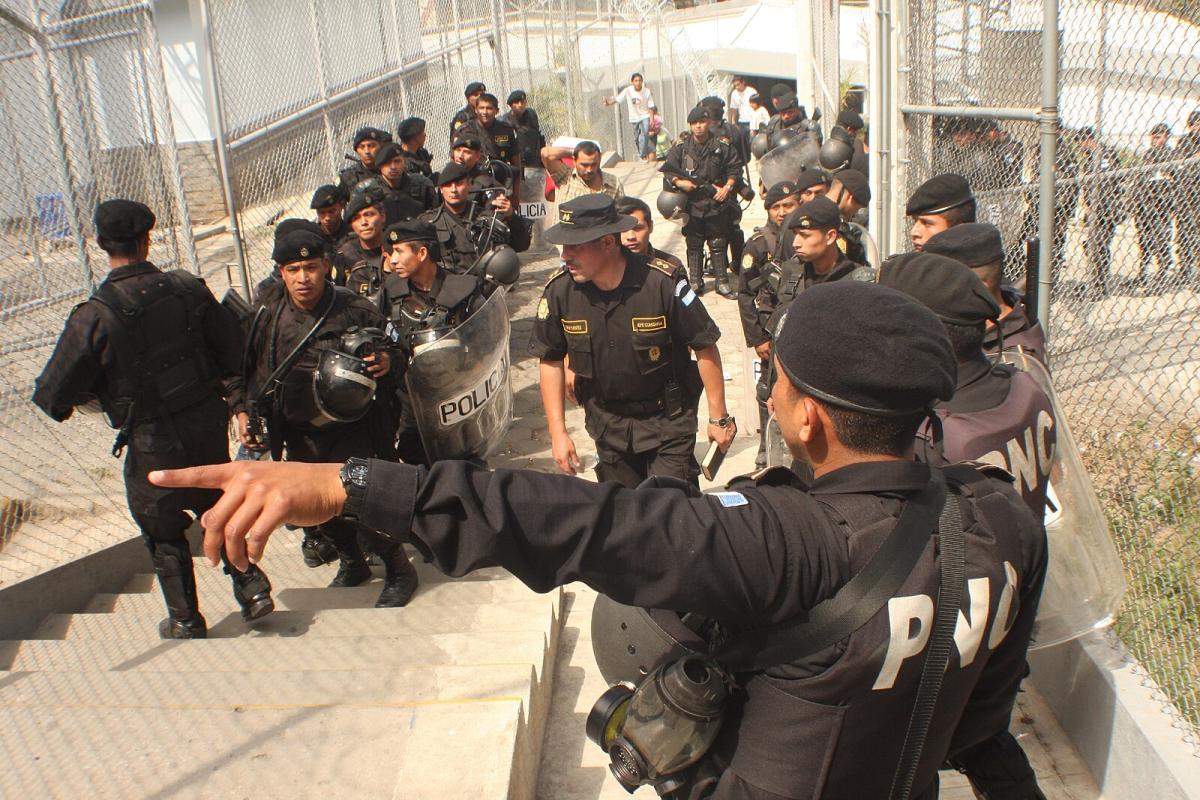
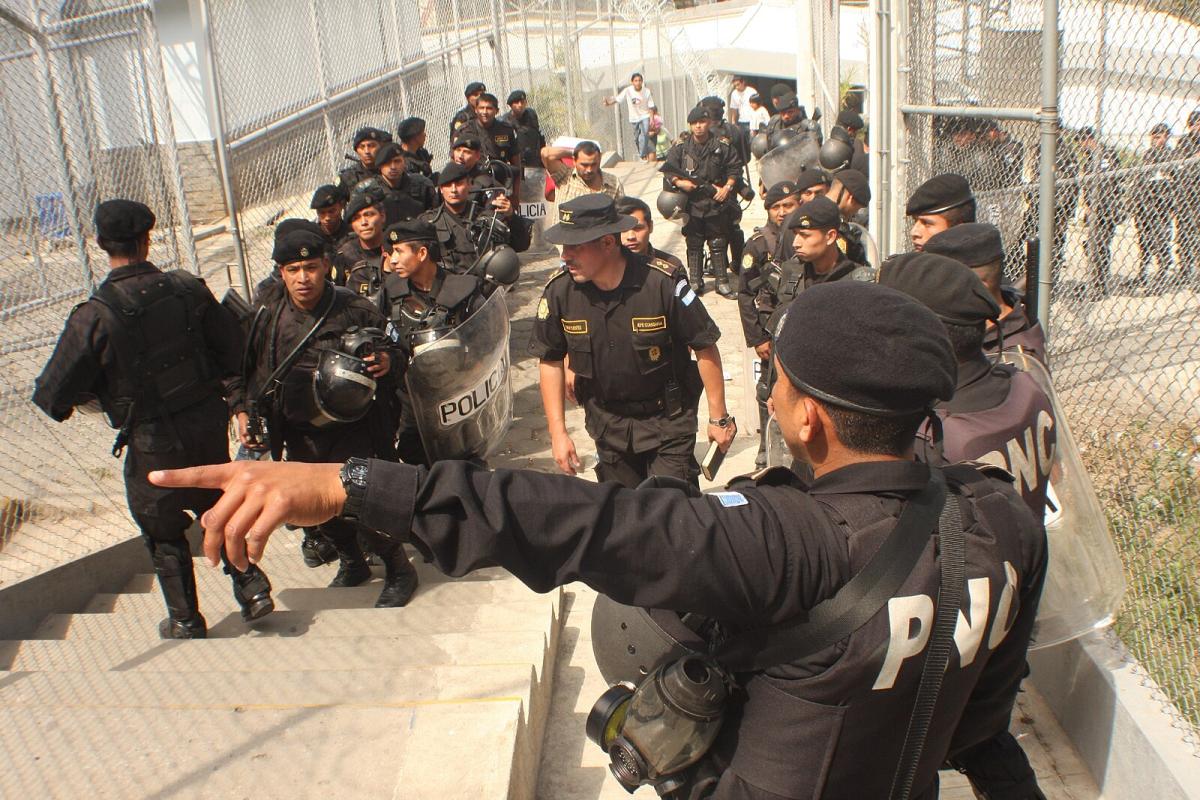
Guatemala’s Congress passed a law designating the Barrio 18 and MS-13 gangs as “terrorist organizations.” The move came days after 20 Barrio 18 convicts broke out of the maximum-security Fraijanes II prison outside the capital. The new “Ley Anti-pandillas” provides for heavier sentences for gang members convicted of crimes such as extortion or recruitment of minors, and calls for the construction of more-maximum security prisons. (Photo: Danilojramirez via Wikimedia Commons)
Africa

Podcast: a cannabis coup in the Congo?

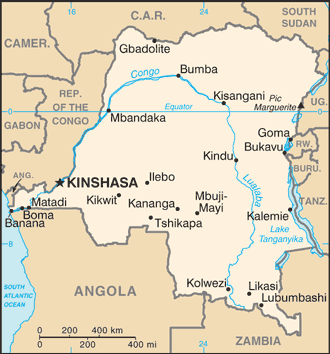
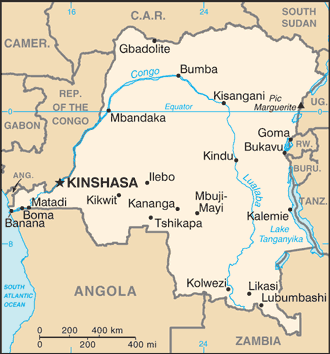
The attempted coup d’etat in the Democratic Republic of the Congo may or may not have been assisted by the CIA, but one of the Americans arrested in the affair is named as a “cannabis entrepreneur“—pointing to the possibility of legal cannabis playing the same destructive role in Central Africa that bananas have played in Central America. Yet while corporate power sees a lucrative new cash crop, lives (and especially Black lives) are still being ruined by cannabis prohibition in the United States. In Episode 228 of the CounterVortex podcast, Bill Weinberg argues that the old anarchist slogan “Neither your war nor your peace” can be updated as “Neither your prohibition nor your legalization!” Listen on SoundCloud or via Patreon. (Map: CIA)

Planet Watch
climate

2023 hottest year on record —by ‘alarming’ margin

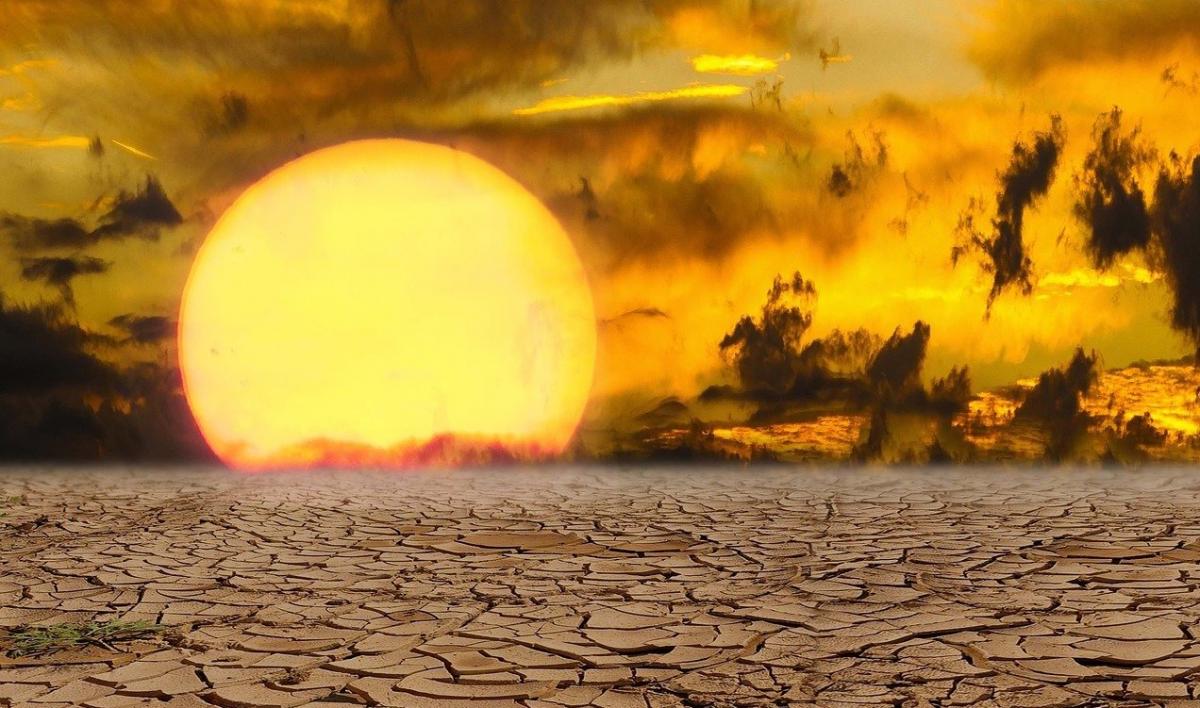
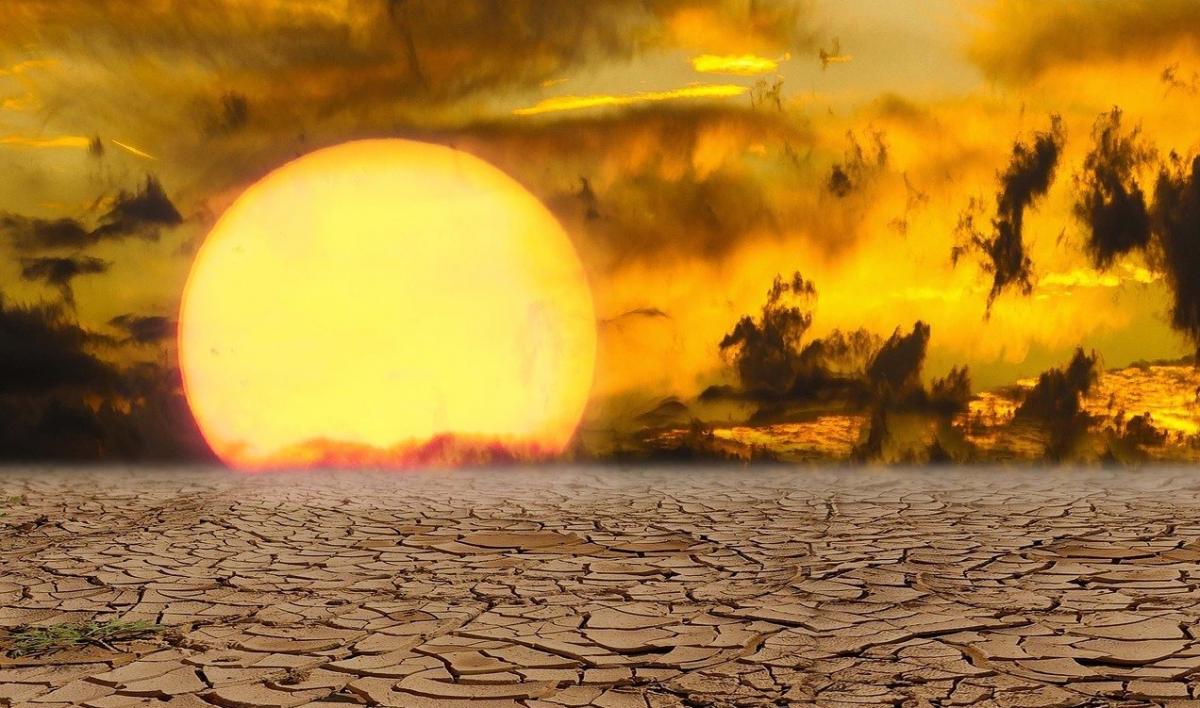
The year 2023 is officially the warmest on record—overtaking 2016, the previous warmest year, by an alarming margin. According to new data from the European Union’s Copernicus Climate Change Service, Earth was 1.48 degrees Celsius hotter last year compared with pre-industrial levels—dangerously close to the 1.5-degree threshold set by the Paris climate deal. 2023 also marked the first year in which each day was over one degree warmer than the pre-industrial average. Temperatures over 2023 likely exceeded those of any year over the past 100,000 years. This was partially due to the year’s El Niño climate phenomenon, but those impacts only began in June—and every subsequent month last year was the warmest on record for that particular month. September represented the largest climatological departure since record-keeping began over 170 years ago. (Image: blende12/Pixabay)

North America

Biden admin to expand Title 42 expulsions

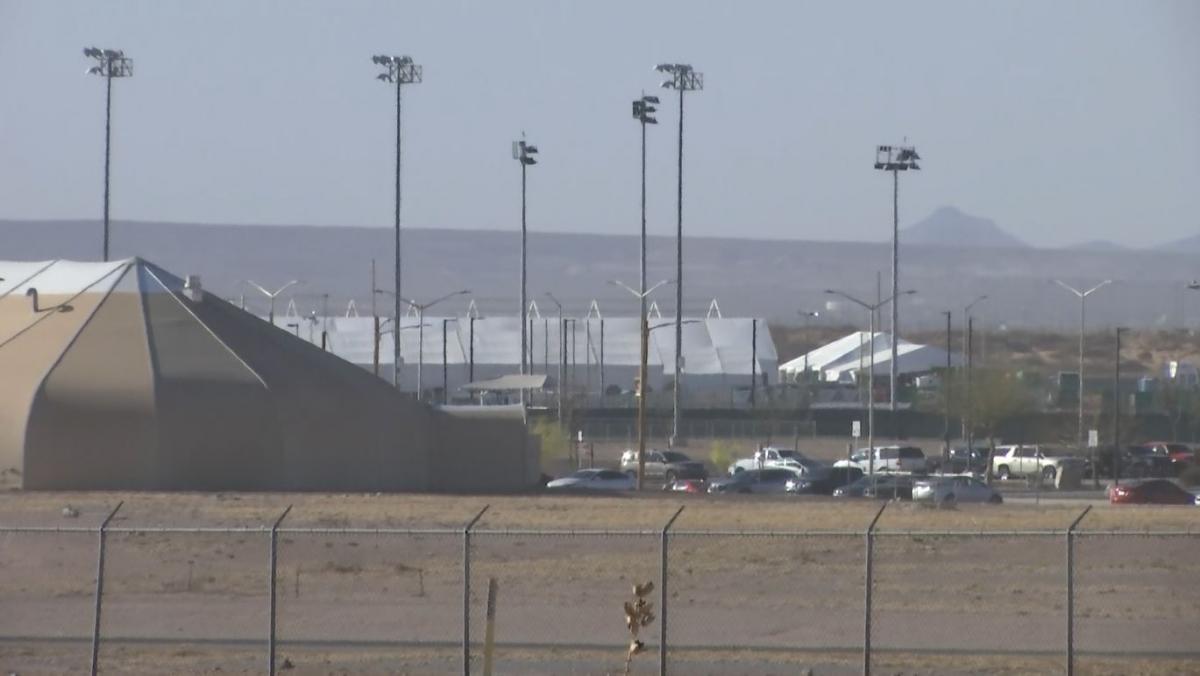
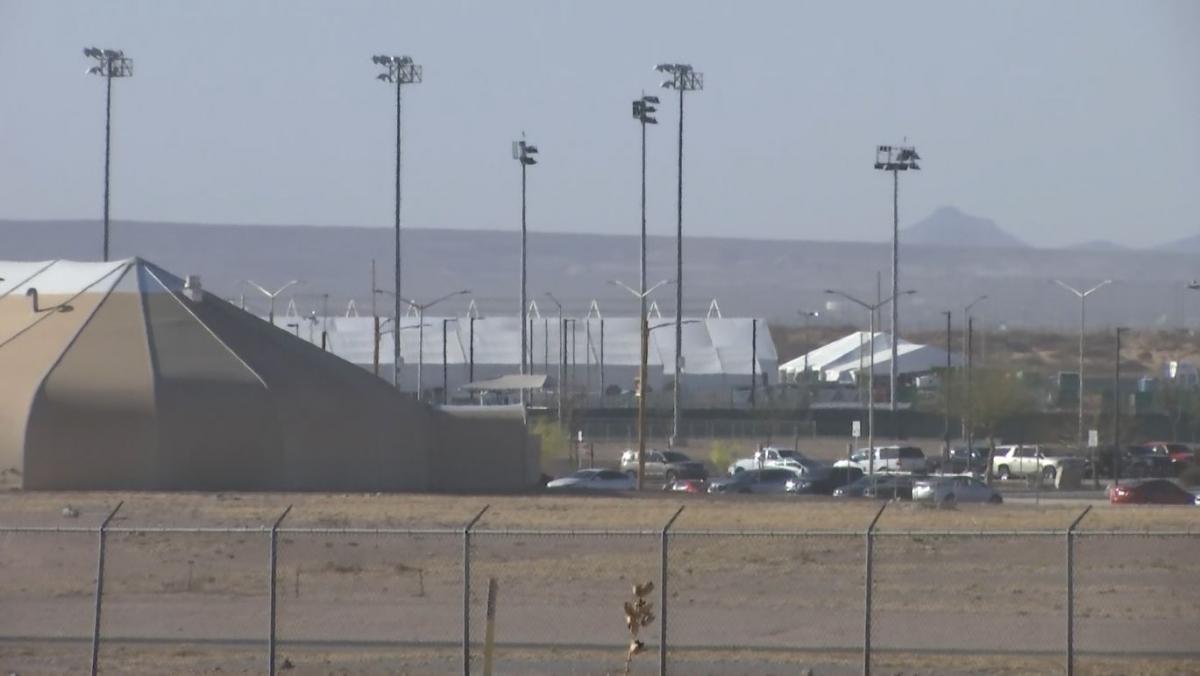
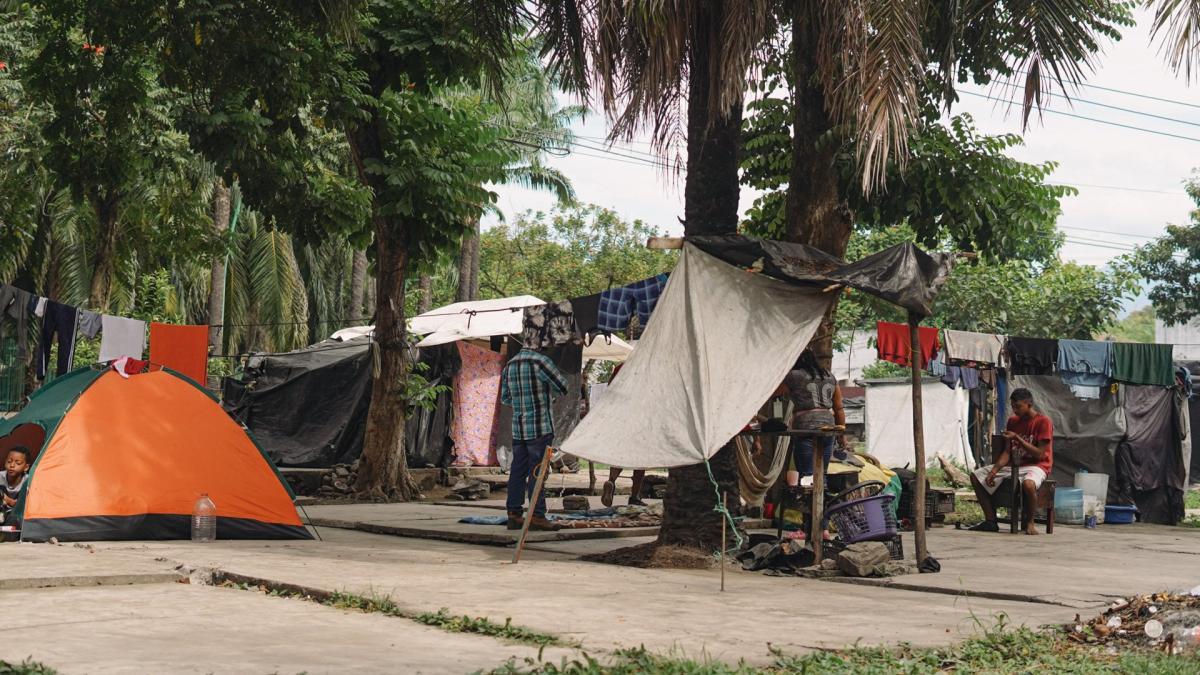
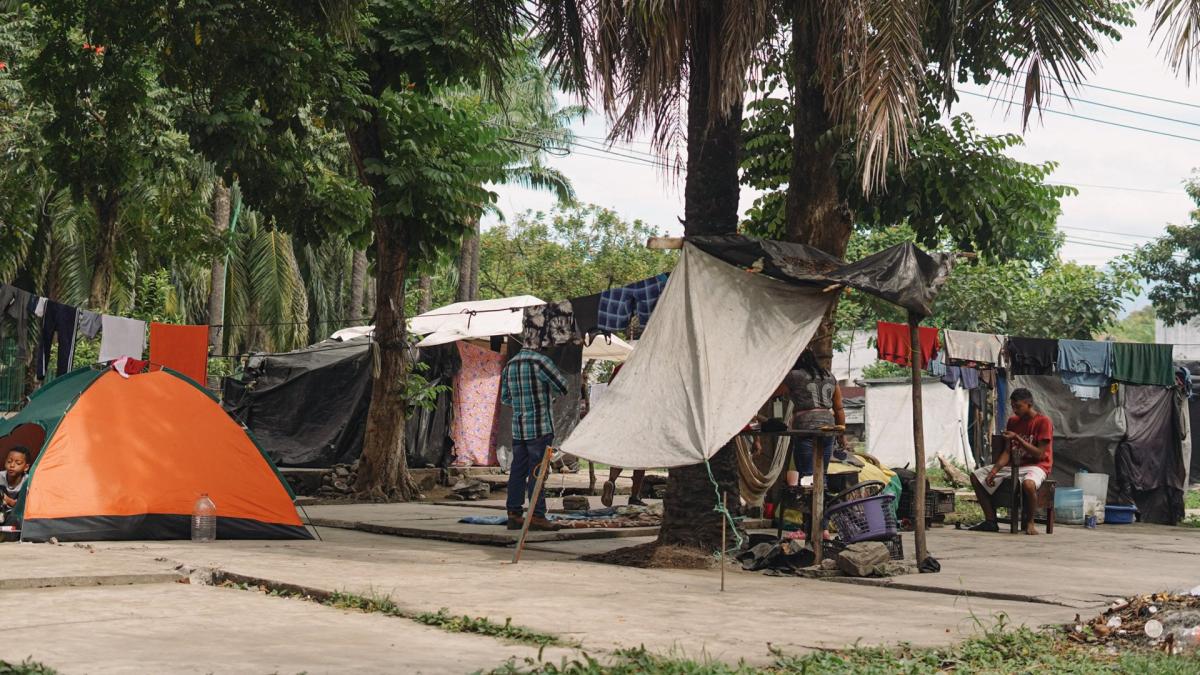
President Joe Biden announced that the US is to extend a parole program previously offered only to migrants from Venezuela to those from Cuba, Nicaragua and Haiti, allowing them to apply for residency—but reiterated that his administration will continue to enforce Title 42, in compliance with a recent order from the Supreme Court. In fact, under his new policy, Title 42 expulsions are to increase, with Mexico agreeing to accept expelled Cubans, Nicaraguans and Haitians. A provision of the Public Health Service Act allowing for summary expulsion of migrants at the southern border, Title 42 is in effect pursuant to a Centers for Disease Control order of March 2020 as a COVID-19 emergency measure. The policy shifts as litigation over Title 42 has been batted back and forth in the US courts has led to confusion in cities on both sides of the border. Squalid encampments have sprung up in Matamoros, Reynosa and other Mexican border towns as migrants await entry to the US. (Photo via FWS)

Central America
Guatemala congress

Guatemala: protesters set fire to Congress building

Thousands protested in Guatemala’s capital against a newly approved 2021 national budget that imposes deep cuts in funding for health care, education and programs to combat malnutrition—at a time when the country is hit hard by natural disasters and COVID-19. One breakaway group of protesters hurled improvised incendiary devices at the Congress building, setting it on fire. Police used batons and tear-gas to push protesters back, attacking not only the some 1,000 in front of Congress but also a much larger demonstration in front of the National Palace. The Inter-American Commission on Human Rights condemned what it called an “excessive use of force” by the National Civil Police, while the government of President Alejandro Giammattei accused the protesters of “terrorist acts” that will be “punished with the full force of the law.” (Photo via Prensa Libre)

Central America
Hurricane Eta

Villagers abandoned in Eta’s deadly aftermath

Some 150 are dead, with remote indigenous and campesino communities left stricken and without aid, a week after Hurricane Eta tore through Central America. Eta made landfall south of Puerto Cabezas, Nicaragua, as a Category 4 storm. Two güiriseros, or artisanal gold-miners, were among the first killed, as a landslide inundated the mining camp of Tigre Norte in Bonanza municipality of Nicargua’s North Caribbean Coast Autonomous Region. Far worse was follow in Guatemala, where officials have called off the search for dozens believed to have been buried when a mountainside collapsed, engulfing the hamlet of Queja. Ovidio Choc, mayor of San Cristobal Verapaz municipality, said the site of Queja will probably be declared a cemetery. Elsewhere in Guatemala’s Maya Highlands, villagers have had to mobilize their own rescue and recovery efforts, effectively abandoned by the government. (Map: National Hurricane Center)

Central America
Cubilguitz

Maya villagers attacked by gunmen in Guatemala

Q’eqchi Maya campesinos in Guatemala’s central Alta Verapaz department were attacked by a group of unknown gunmen who violently evicted them from their homes before setting them to the torch. At least 40 families lost their homes in the attack at the hamlet of Balbatzul, in Cobán municipality. President Alejandro Giammattei said National Civil Police troops have taken control of the hamlet, and the Fiscalía has opened an investigation. Some of the targetted homes were on occupied lands of a large farm, Finca Cubilguitz, which appears to have been at issue in the conflict. Local campesinos moved onto the lands last year, but leadership of the occupation has been contested between followers of the Committee for Campesino Unity (CUC) and ex-guerilla commander César Montes. (Photo: CUC)

Mexico
Mexico police

Mexico: crisis, militarization on both borders

There were scenes of chaos in Mexico’s northern border towns in response to rulings in rapid succession by a US federal appeals court on the Trump administration’s “Remain in Mexico” policy, which forces migrants and refugees seeking asylum to wait in Mexico while their claims are reviewed. Asylum-seekers who had been camped out for weeks in Matamoros, Ciudad Juárez, Nogales and Tijuana immediately amassed at the border crossings as the policy was struck down by the Ninth Circuit Court of Appeals. But the crossings were closed, and hours later, the Ninth Circuit granted an emergency stay on the injunction, as requested by the administration. The gathered migrants were dispersed by Mexican security forces. Mexico has meanwhile deployed its new National Guard force to the southern border with Guatemala, to halt the flow of migrants though its territory, under pressure from the White House. (Photo: Mexico News Daily)

Central America
Diana Isabel Hernández

Environmental defender slain in Guatemala

Environmental activist Diana Isabel Hernández was slain in an attack by armed men on a religious procession in her community of Monte Gloria,  in the Guatemalan department of Suchitepéquez. Hernández was a leader of the Mujeres Madre Tierra Association, a group linked to the local Catholic church that worked to protect forests and promote organic agriculture. The Alianza por la Solidaridad human rights network denounced the slaying as a “cowardly murder that adds to the many cases of attacks on leaders who work for the common good.” The network counts 16 social leaders assassinated in Guatemala last year—compared to three in 2017. (Photo via InfoLibre)

New York City

NYC: outrage over automotive terror —at last

Hundreds of bicyclists staged a “die-in” in New York’s Washington Square Park, expressing outrage over the spate of killings of cyclists on the city’s streets. Three deaths came in a one-week period, finally prompting demands for public action: Robyn Hightman, a 20-year-old bicycle messenger and track racer, was killed by a truck driver in Manhattan. Ernest Askew, 57, riding an e-bike in Brooklyn, was hit and killed by a teen driver. And Devra Freelander, 28, an artist, was killed by a cement truck driver, also in Brooklyn. Hightman was the 12th cyclist killed on New York City streets in 2019; 10 were killed in all of 2018. (Photo: Streetsblog)

Central America

Central America climate crisis fuels migration

Commentators have noted the roots of the current massive migration from Central America in the political economy of the free trade order. The US-led repression and counter-insurgency in the isthmus in the 1980s allowed the imposition of “free trade” or “neoliberal” regimes in the generation since then—culminating in the passage of CAFTA. This, in turn, has exacerbated the expropriation from the peasantry of their traditional lands by agribusiness and agro-export oligarchies. But this dynamic is now being augmented by factors related to political ecology—the degradation of the land itself due to climate destabilization. (Photo: IOM)

Mexico
Mexico police

Mexico: new security force to Guatemalan border

The first mission of the new security force created by Mexican President Andres Manuel Lopez Obrador will be blocking migrants on the Guatemalan border, evidently part of a deal struck with the Trump administration. Mexico has pledged to deploy up to 6,000 National Guard troops to its southern border in an effort to avoid Trump’s threatened tariff on all exports to the United States. The deal was announced as Foreign Secretary Marcelo Ebrard is leading a Mexican delegation in talks with White House officials in Washington. Mexican officials said that 10 National Guard contingents of 450 to 600 troops each will be assigned to the border with Guatemala by September. The deployment would represent a fourfold increase on the 1,500 federal troops currently patrolling the border. A further three units will be deployed to the Isthmus of Tehuantepec in southern Mexico, to set up roadblocks and checkpoints to stop the movement of migrants. (Photo: Mexico News Daily)