

Africa
JNIM

Podcast: West Africa escalates toward genocide

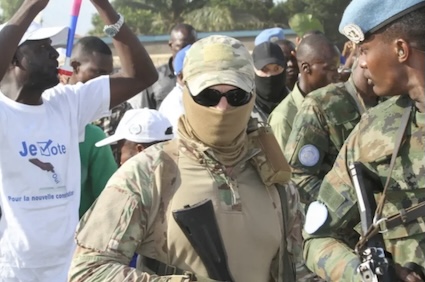
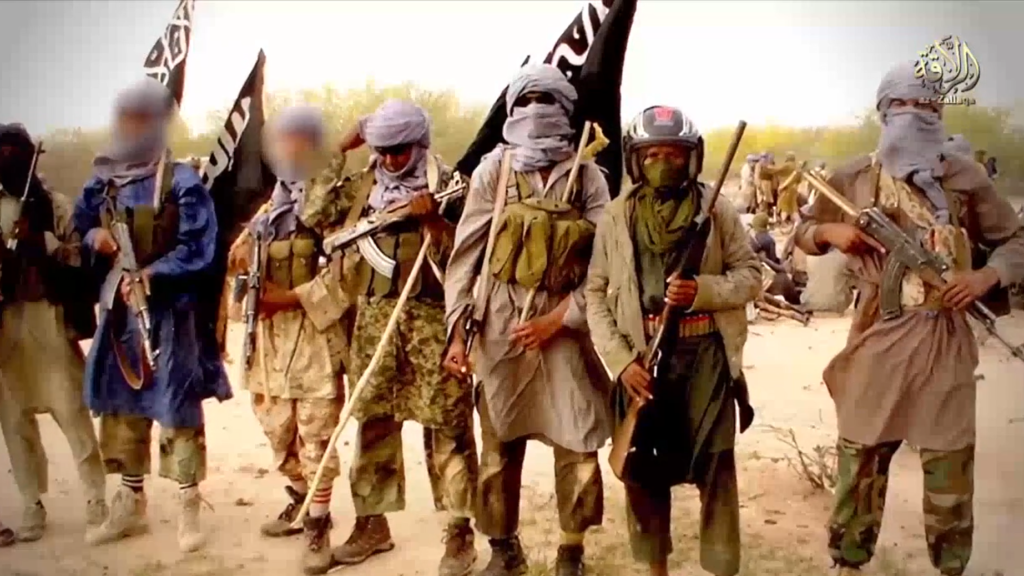
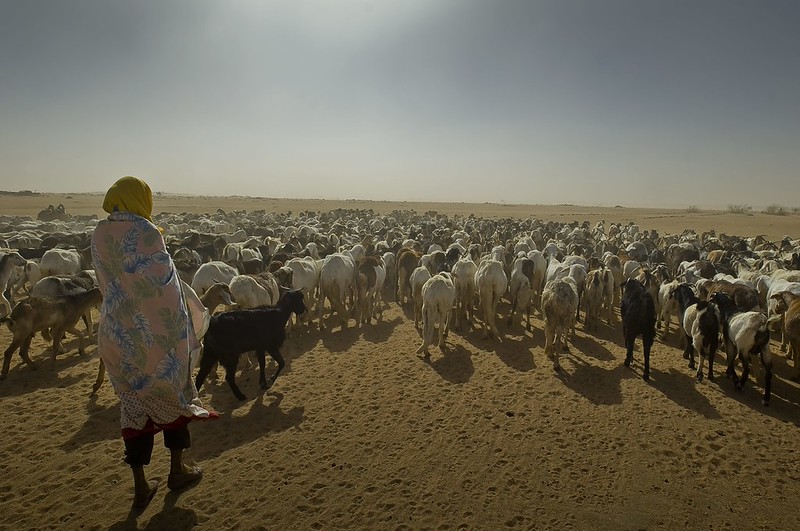
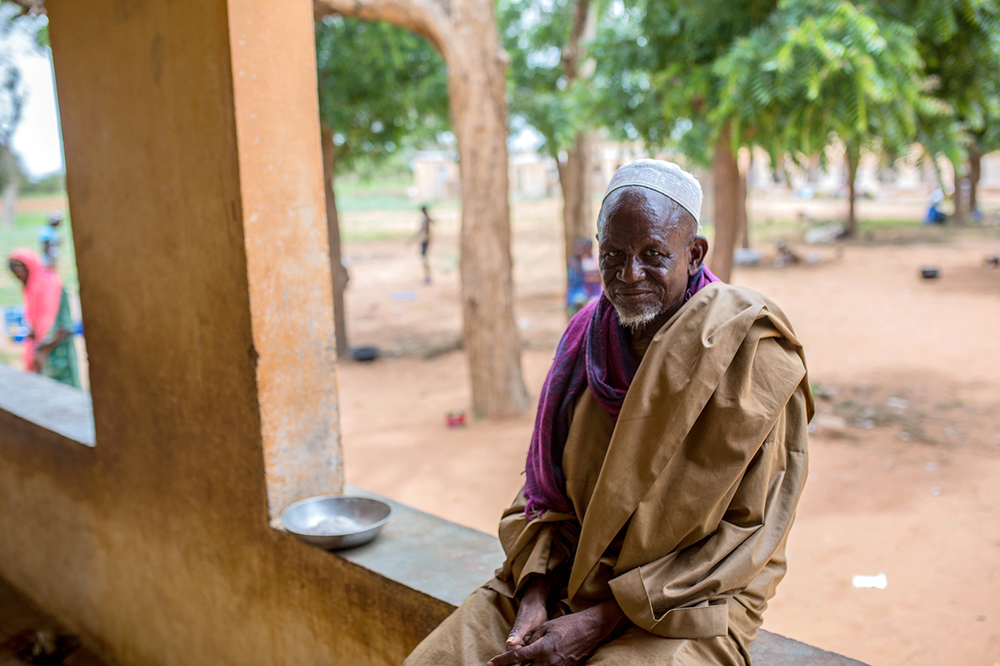
Alarming reports that Nigeria has established “concentration camps” for the Fulani ethnic minority cast an ironic light on Nigeria’s tension with the Sahel states of Niger, Mali and Burkina Faso to the north. These three regimes have broken from the Western imperial camp (to embrace the nascent Russian imperial camp)—but are likewise subjecting their Fulani minorities to persecution and massacre. With the recent shock rebel offensive in Mali, the “terrorist” stigma that attaches to the Fulani and Tuareg peoples across the imperial camps makes their position more precarious than ever. Meanwhile, prominent voices on the both the right and the (supposed) “left” are spreading propaganda about the struggle in West Africa that is alarmingly wrong, because it exclusively views the crisis through a campist lens. In Episode 327 of the CounterVortex podcast, Bill Weinberg tries to provide some clarity on these fast-escalating and grossly under-reported conflicts. (Photo: Az-Zallaqa via LWJ)

Africa
Sahel summit

Sahel states launch new joint counter-insurgency force

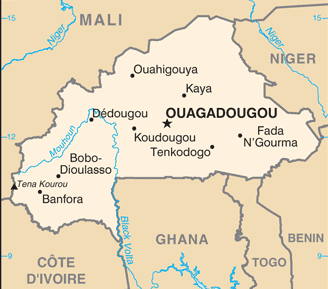
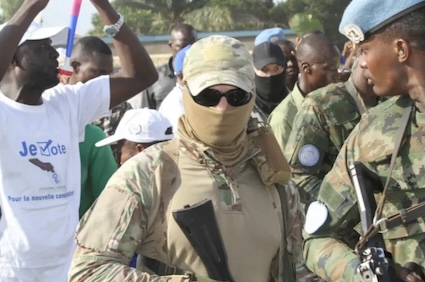
At an air base in Bamako, Mali’s military ruler Gen. Assimi Goita presided over a ceremony marking the launch of a unified force for three Sahel states to fight the rising tide of jihadist insurgency across their borders. The move comes after the three countries—Mali, Niger and Burkina Faso, all now ruled by military juntas—collectively withdrew from the West African regional bloc ECOWAS to form their own Alliance of Sahel States (AES). This new body has deepening ties to Russia, which has maintained paramilitary forces in the AES countries under the rubric of the Wagner Group or Africa Corps. These forces are increasingly accused of atrocities, with Malian refugees in Mauritania reporting rapes, beheadings and mutilation of civilians at the hands of Russian mercenaries. (Photo: Présidence de la République du Mali)

Africa
Plateau

Massacres mount in Nigeria’s Plateau state

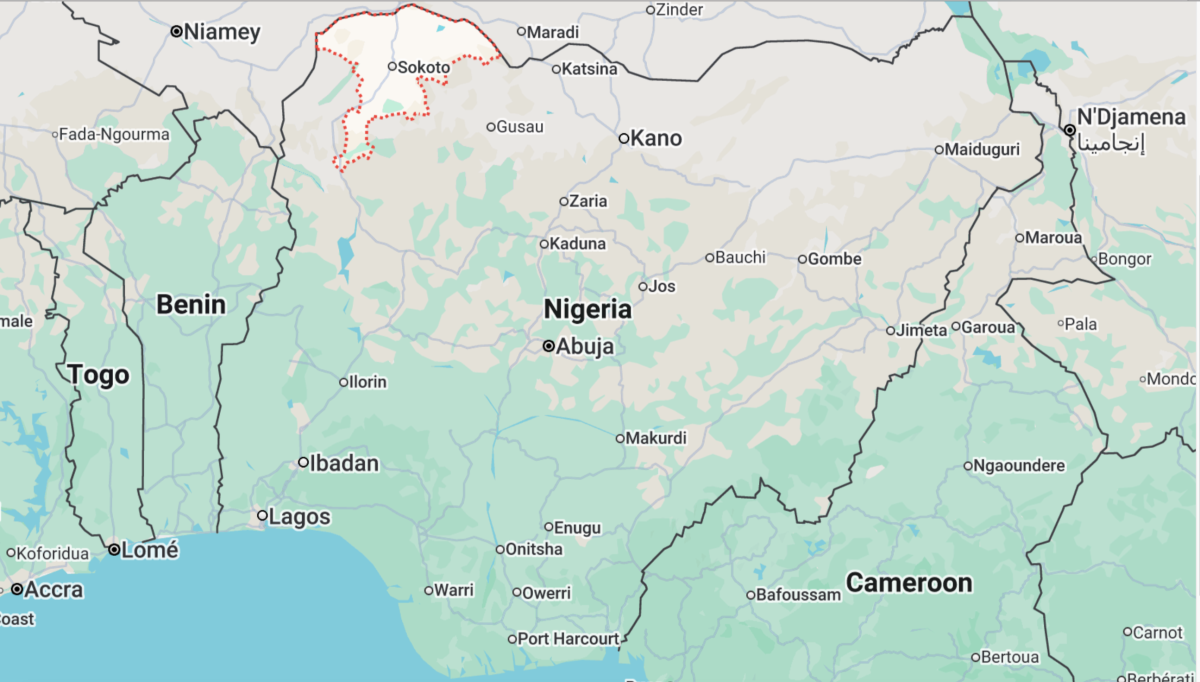
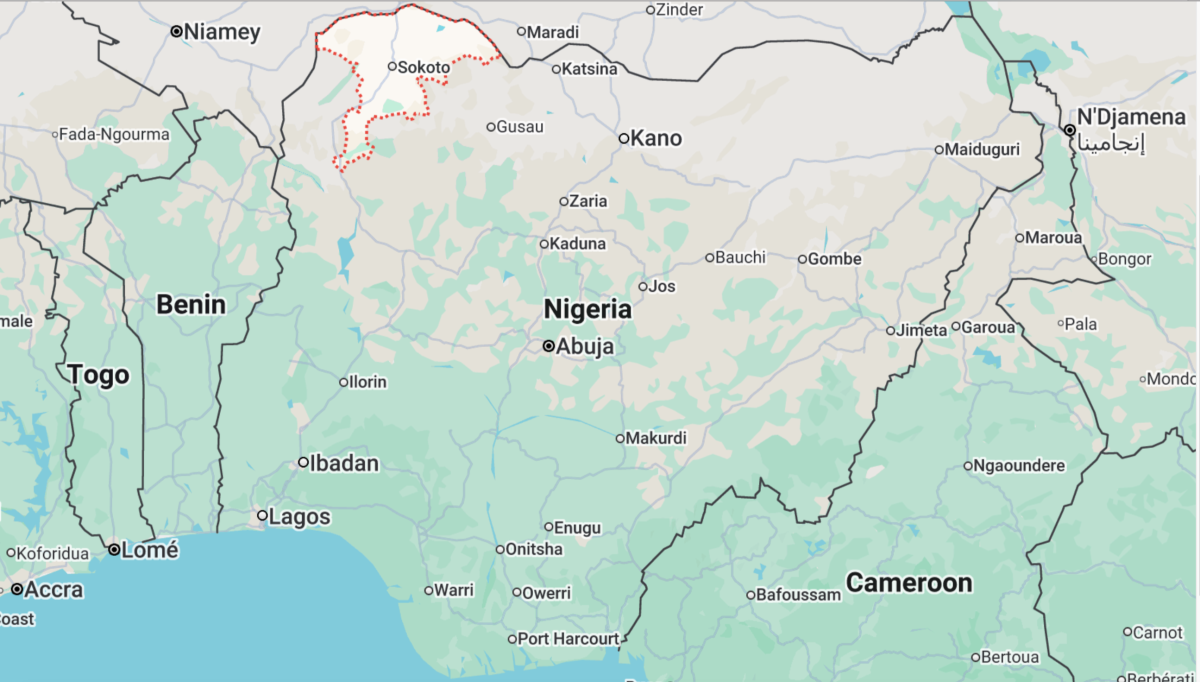
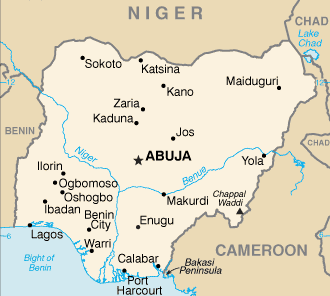
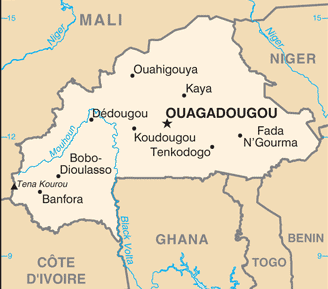
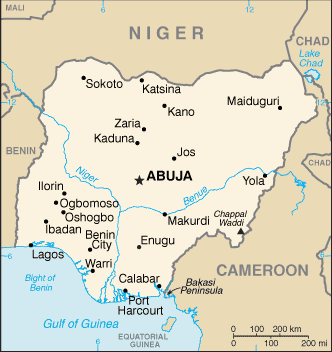
Communal violence in Nigeria’s troubled north-central state of Plateau has killed more than 100 people in just under two weeks. Plateau has a history of tensions between Muslim pastoralists and mostly Christian farmers over access to land. The state governor described the latest killings as “coordinated acts of terror” and has blamed armed Fulani herders for the violence. In what seems like an abdication of responsibility for security by the police—a trend across much of Nigeria—he said every community “must defend itself.” (Map: Google)

Africa
Mali

War crimes seen in Mali conflict

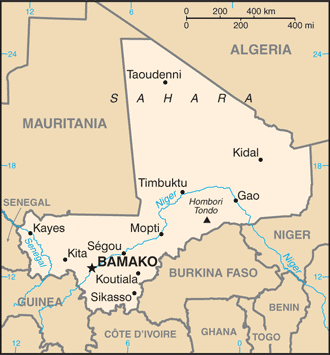
An Islamist armed group linked to al-Qaeda killed at least 32 civilians, including three children, and set fire to over 350 homes in central Mali in January, forcing about 2,000 villagers to flee, Human Rights Watch reports. Earlier in January, a Bambara ethnic militia formed to oppose the jihadists killed at least 13 civilians, including two children, abducted 24 other civilians, and looted property and livestock in central Mali. These attacks, which HRW said are apparent war crimes, occurred amid a cycle of reprisal killings and communal violence in central Mali, pitting the Dogon and Bambara against the Fulani. (Map: PCL)

Africa
Ambazonia

Fulani pitted against rebels in Cameroon conflict

Amnesty International urged Cameroon’s authorities to investigate human rights violations committed in the country’s conflicted Anglophone regions, the North-West and South-West. According to a new report, armed separatists and the military alike are responsible for killings, torture, rape and destruction of property. In the North-West in particular, long-standing conflicts between Mbororo Fulani herders and sedentary farmers have been fuelling armed violence. As the situation has deteriorated over the past years, militias, mainly composed of Mbororo Fulani and supported or tolerated by the authorities, have committed atrocities against civil populations. The official security forces have responded to this situation with further rights violations. (Photo: Moki Edwin Kindzeka/VOA via Wikimedia Commons)

Africa
Fulani

Podcast: West Africa’s forgotten wars

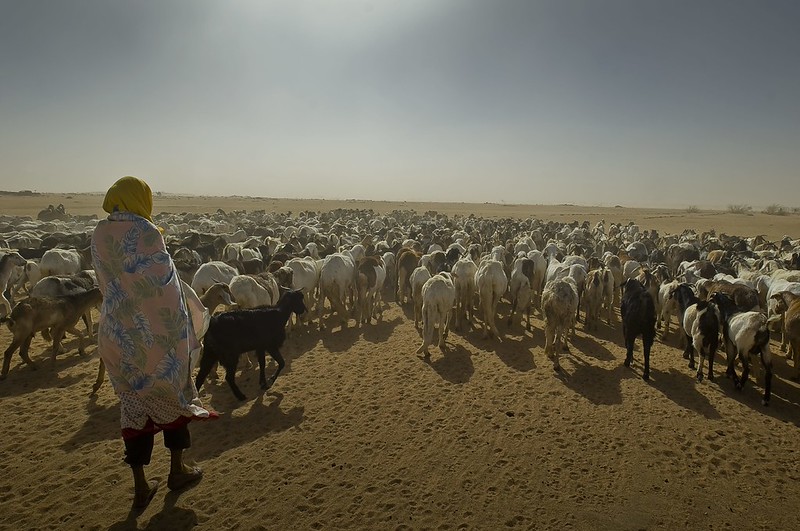
In Episode 161 of the CounterVortex podcast, Bill Weinberg provides an overview of the under-reported conflicts in West Africa, where government forces and allied paramilitary groups battle multiple jihadist insurgencies affiliated either with ISIS or al-Qaeda on a franchise model. Horrific massacres have been committed by both sides, but the Western media have only recently started to take note because of the geopolitical angle that has emerged: both Mali and Burkina Faso have cut long-standing security ties with France, the former colonial power, and brought in mercenaries from Russia’s Wagner Group. In both countries, the pastoralist Fulani people have been stigmatized as “terrorists” and targeted for extra-judicial execution and even massacre—a potentially pre-genocidal situation. But government air-strikes on Fulani communities in Nigeria have received no coverage in the Western media, because of the lack of any geopolitical rivalry there; Nigeria remains firmly in the Anglo-American camp. Listen on SoundCloud or via Patreon. (Photo: Sahara Reporters)

Africa
Mali

Mali massacre: jihadism or ethnic war?

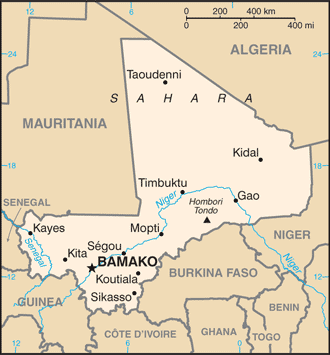
Scores of Malians demonstrated in the town of Bankass, in central Mopti region, to demand state protection after more than 130 civilians were killed by presumed jihadist militants in three villages over the past days. The massacres in the localities are said to have been carried out by the Katiba Macina, a militant group led by Fulani preacher Amadou Kouffa. The gunmen burned huts and stole cattle in addition to killing villagers. The Katiba Macina is apparently an offshoot of the Qaeda-aligned Group for Support of Islam & Muslims (JNIM). However, in Mopti region, traditionally known to the Fulani as Macina, the violence appears to have taken on an ethnic cast. In March 2019, more than 160 Fulani civilians were massacred at the village of Ogossagou. Fulani were also targeted in an April 2022 massacre attributed to Russian mercenaries from the Wagner Group. (Map: PCL)Afri

Africa
Mali

Russian mercenaries accused in Mali massacre

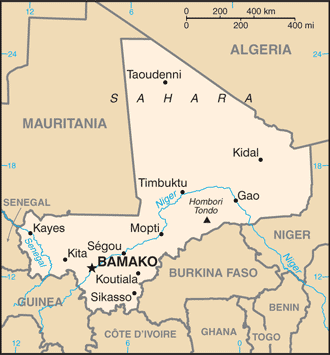
Malian armed forces and associated foreign soldiers are believed to have summarily executed an estimated 300 civilian men in a town they occupied in late March, Human Rights Watch says in a new report, calling it “worst single atrocity reported in Mali’s decade-long armed conflict.” The men were detained at a marketplace in the central town of Moura, Mopti region, during a military raid. Army troops and foreign soldiers—identified by several sources as Russians—are said by witnesses and survivors to have broken the detainees up into small groups and marched them to an area outside town before putting them to death. The Malian regime is battling an insurgency by jihadist militants linked to ISIS and al-Qaeda with the help of private military contractors from Russia’s Wagner Group. (Map: PCL)

Africa
Nigeria

Sectarian massacre in Nigeria’s Plateau state

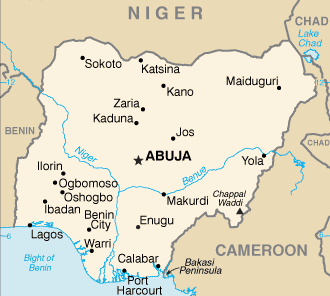
Nigerian authorities imposed a curfew in Jos, capital of north-central Plateau state, after at least 20 Muslim travelers passing through the city were massacred by a presumed Christian militia. The Muslims, mostly of the Fulani ethnicity, were in a convoy of vehicles, returning to their homes in Ondo and Ekiti states from a celebration in neighboring Bauchi state marking the start of Muharram, the Islamic new year. In Jos, the convoy was caught in a traffic jam, and the vehicles set upon by militiamen, the occupants slain with machetes, daggers and other weapons. The assailants were apparently Christians of the Irigwe ethnicity. Northern and central Nigeria have for years seen growing violence between Muslim semi-nomadic herders and Christian farmers over control of land and water. (Map: Perry-Castañeda Library)

Africa
Misau

Nigeria: Fulani conflict upends traditional rule

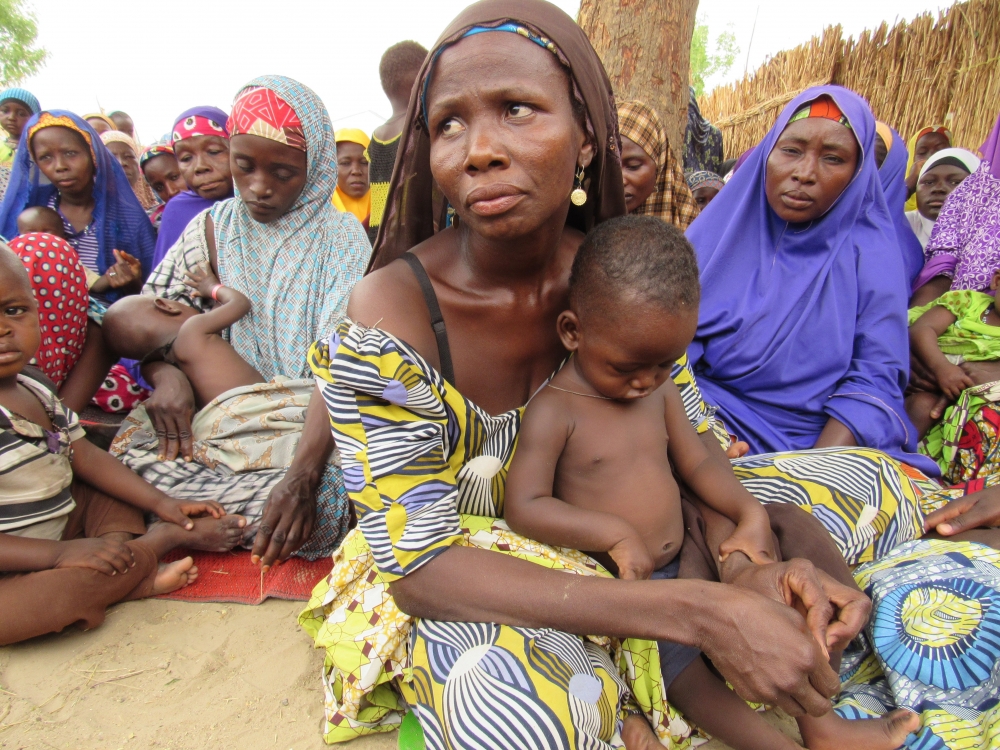
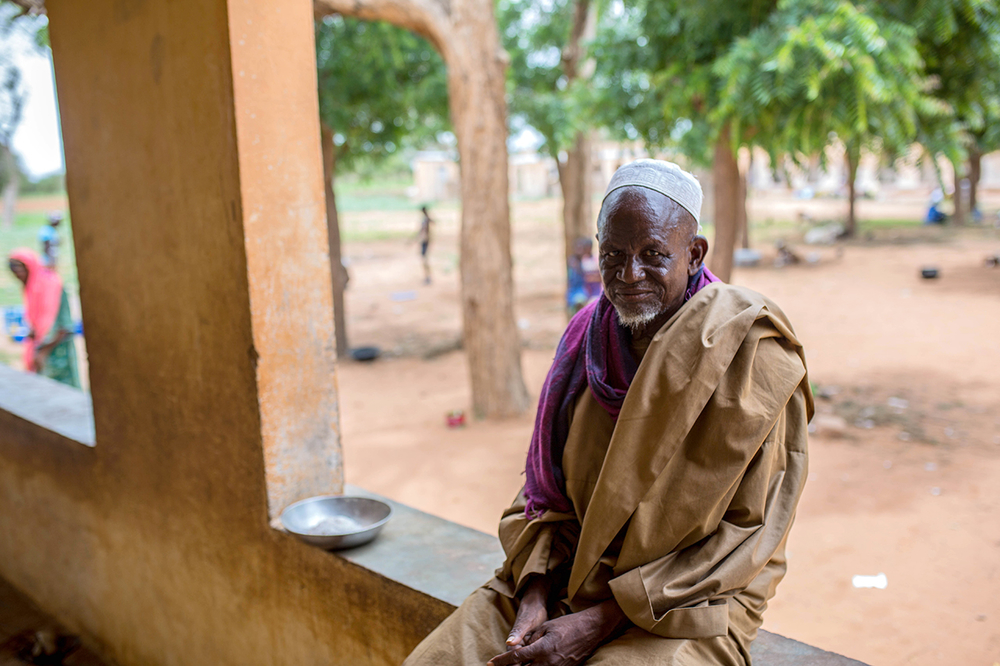
The ongoing conflict between settled farmers and Fulani herdsmen in northern Nigeria again exploded into violence in Bauchi state. The clash at Zadawa village left nine dead and several injured on both sides. The village is part of the Misau Local Government Area, a traditional emirate recognized by the state and national authorities. In the aftermath of the communal violence, Bauchi Gov. Bala Mohammed officially suspended the powers of the emir of Misau, Alhaji Ahmed Suleiman, finding that he had taken actions that led to the escalation. At issue were lands owned by the emirate on the periphery of the village that had long been used for grazing by Fulani herders, but which were turned over to local farmers. Restoration of the emirate’s powers are pending, based on the findings of a commission called by the governor to investigate the matter. (Photo: Sahara Reporters)

Africa
ISIS Nigeria

Vigilantism fears in Nigeria’s conflicted north

Traditional rulers in Nigeria’s strife-torn north are warning that vigilante militias now forming to fight Boko Haram are a sign of a generalized social breakdown in the region. The Sultan of Sokoto, Alhaji Sa’ad Abubakar, told a public meeting in Kaduna that the new paramilitaries could themselves metamorphose into terror groups. “Governors must see that they do more to address insecurity, just imagine that there are over 50,000 orphans. They will be worse than Boko Haram if allowed to grow without proper care,” he said. Abubakar is chair of the Northern Traditional Rulers Council, but a youth-led Coalition of Northern Groups has emerged outside control of the traditional rulers, and launched a paramilitary network called Shege Ka Fasa to defend against the Islamist militias. (Photo: Sahara Reporters)

Africa
minusma

Insurgency mounts on Mali-Burkina borderlands

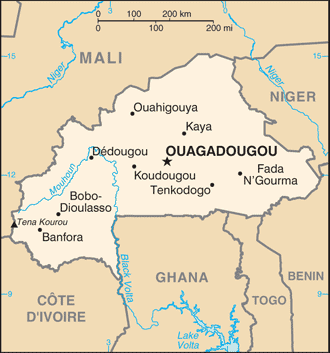
At least 25 Malian soldiers are dead and more than 60 others missing after two assaults on bases in central Mali, near the border with Burkina Faso. Jihadist forces simultaneously targeted a Malian army base and a G5 Sahel force camp. The G5 Sahel group includes Mali, Burkina Faso, Niger, Chad and Mauritania, and receives logistical support from the UN Stabilization Mission in Mali (MINUSMA). Malian officials say the insurgents used “heavy weapons” in the assaults, and that at least 15 militants were killed. Local reports indicate the militants were able to briefly hold the bases and capture large amounts of weapons and equipment. Mali has now launched a joint operation with Burkina Faso and French forces in the region to hunt down the militants. (Photo:  UN News)