Africa
Sudan

Darfur: ‘ethnic cleansing’ targets Massalit

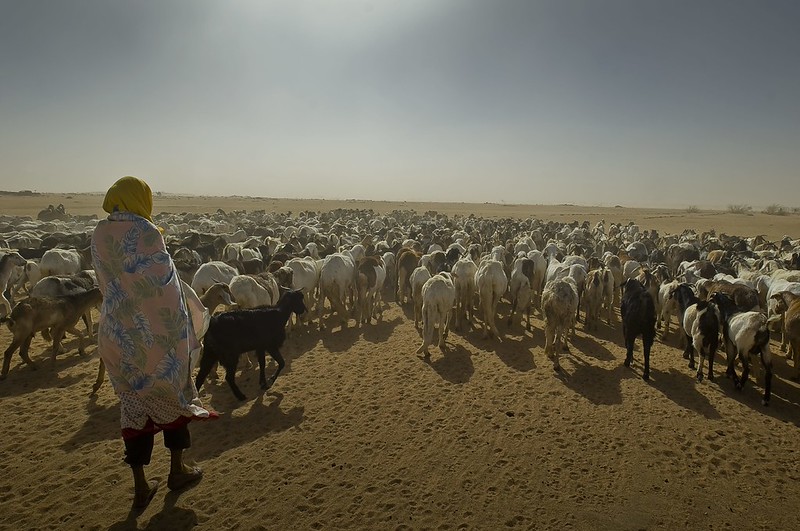
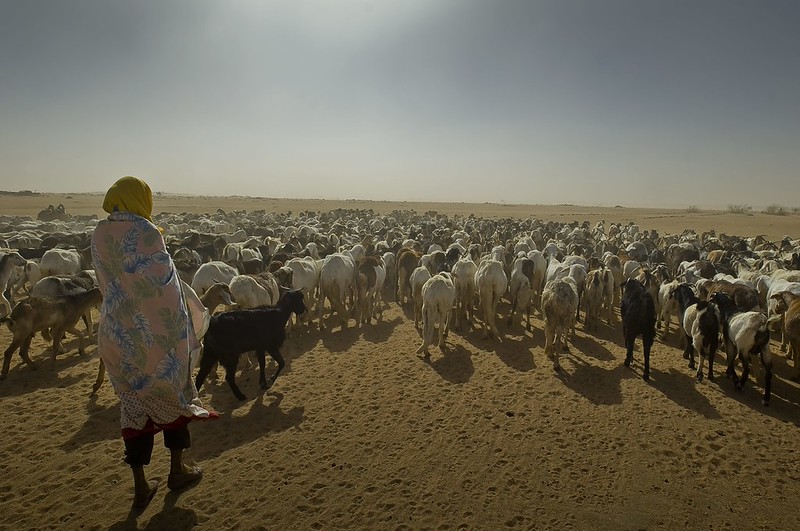
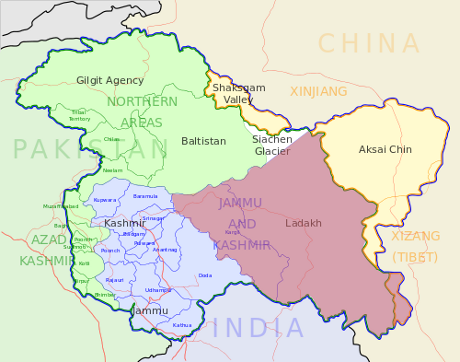
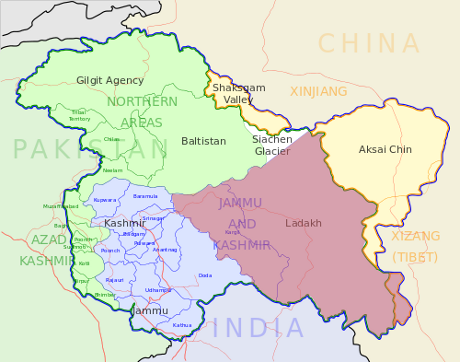
Human Rights Watch (HRW) reported that “ethnic cleansing” and crimes against humanity are being committed in El Geneina, capital of Sudan’s West Darfur state. The crimes are described as “among the worst atrocities against civilians so far in the current conflict in Sudan.” The Rapid Support Forces (RSF) are responsible for the widespread attacks and massacres that have been carried out against the Massalit ethnic minority. The wave of attacks commenced in April 2023, with the start of the conflict. Since then, it is estimated that between 10,000 and 15,000 people have been killed in El Geneina. HRW called for these killings to be investigated as genocide. The RSF meanwhile continues to close a ring around El Fasher, North Darfur, the last city in Darfur region it has not yet taken.  (Map: PCL)

Planet Watch
UNDROP

World peasant movements mobilize for UNDROP

The world organization for land-rooted peasant farmers, Vía Campesina, launched an international campaign for full approval of the UN Declaration on the Rights of Peasants & Other People Working in Rural Areas (UNDROP), and for implementation of policies in line with its principles. Several events were held around the world marking the International Day of Peasant Struggle. El Salvador was one of the first countries to commit to ratifying UNDROP after it was adopted by the UN Human Rights Council in 2018. However, Vía Campesina affiliates in the Central American nation accused the government of pursuing policies contrary to its spirit, noting that in the years since then, there has been a reduction in cultivated areas of maize and beans, with a loss of at least 10,000 hectares of maize. (Image: Vía Campesina)

Planet Watch
air pollution

Lower emissions from US power grid (at least)

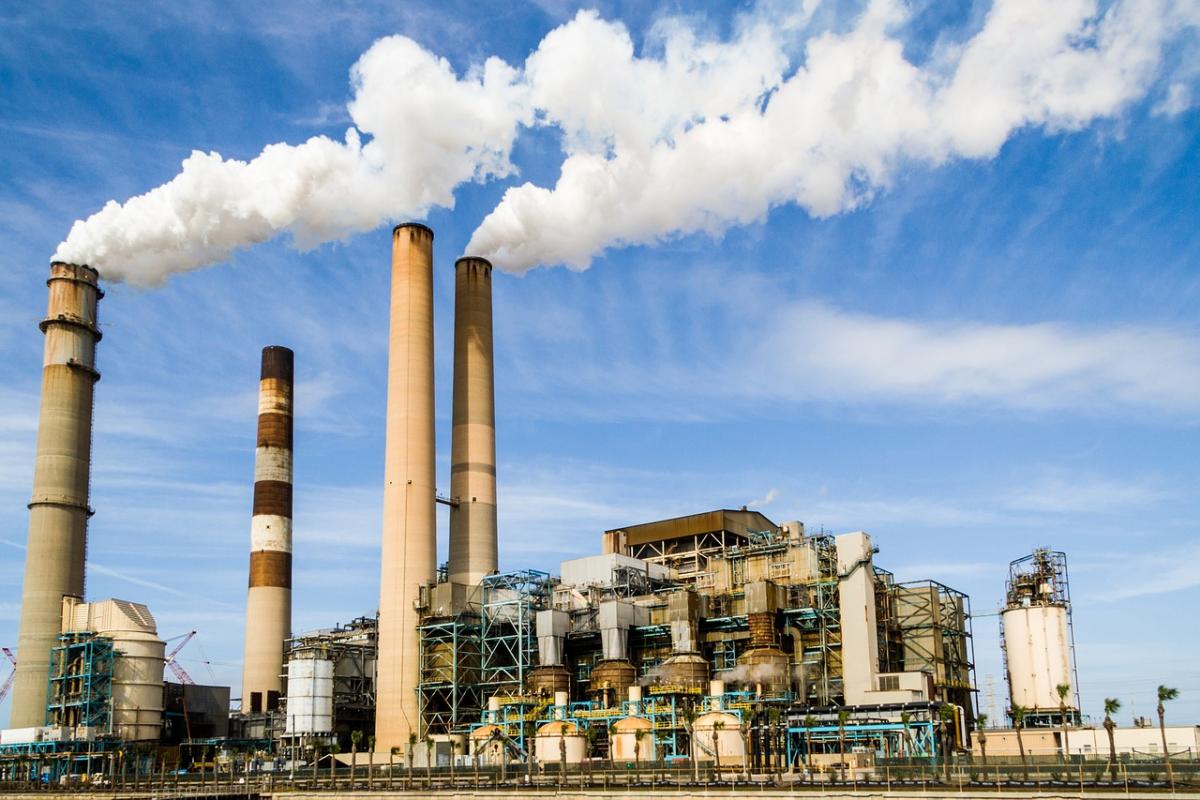
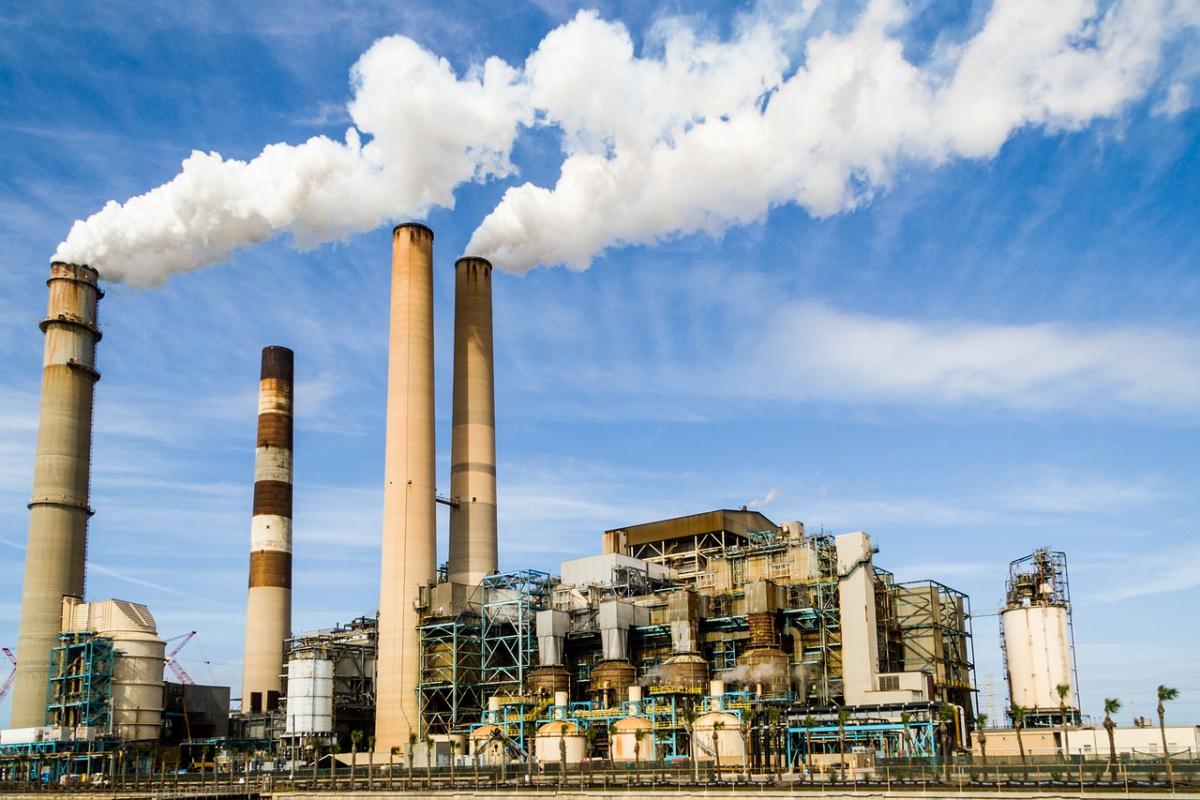
The US Department of Energy released its preliminary estimate for the nation’s carbon emissions in the previous year. While falling far short of the kind of drop needed to meet the Paris Agreement goals, a dip in emissions was recorded—almost entirely due to changes in the electric power sector. US carbon emissions have been trending downward since 2007, when they peaked at about six gigatonnes. The COVID-19 pandemic produced a dramatic drop in emissions in 2020, bringing the yearly total to below five gigatonnes for the first time since before 1990, when DoE monitoring began. Carbon releases rose after the return to “normalcy“; 2023 marked the first post-pandemic decline. The drop is largely due to the phase-out of coal-burning power plants. However, electricity generation remains the second source of emissions, behind transportation. (Photo: Ralf Vetterle, Pixabay)

Planet Watch
toad

Podcast: further thoughts on the common toad

In Episode 221 of the CounterVortex podcast, Bill Weinberg continues the Spring ritual from his old WBAI program, the Moorish Orthodox Radio Crusade (which he lost due to his political dissent), of reading the George Orwell essay “Some Thoughts on the Common Toad“—which brilliantly predicted ecological politics when it was published way back in April 1946. The Social Ecology of Murray Bookchin today informs a radical response to the global climate crisis, emphasizing self-organized action at the local and municipal levels as world leaders dither, proffer techno-fix solutions, or consciously obstruct progress. Listen on SoundCloud or via Patreon. (Photo: National Wildlife Federation)

Planet Watch
anthropocene

2023: ‘bonkers year’ for global climate

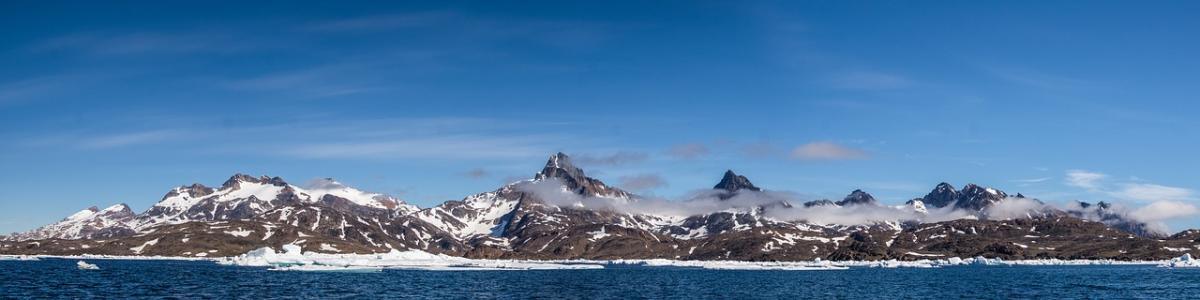
Records were once again broken last year for greenhouse gas levels, surface temperatures, ocean heat and acidification, sea level rise, and retreat of glaciers, according to a new global report issued by the World Meteorological Organization (WMO). The WMO State of the Global Climate 2023 report finds that on an average day in 2023, nearly one third of the ocean surface was gripped by a marine heatwave, harming vital ecosystems and food systems—far beyond the already inflated levels seen in recent years. Antarctic sea ice reached its lowest extent on record—at one million square kilometers below the previous record year of 2022, an area equivalent to the size of France and Germany combined. One leading oceanographer wryly stated: “The scientific term is bonkers year.” (Photo: CounterVortex)

Planet Watch
climate

2023 hottest year on record —by ‘alarming’ margin

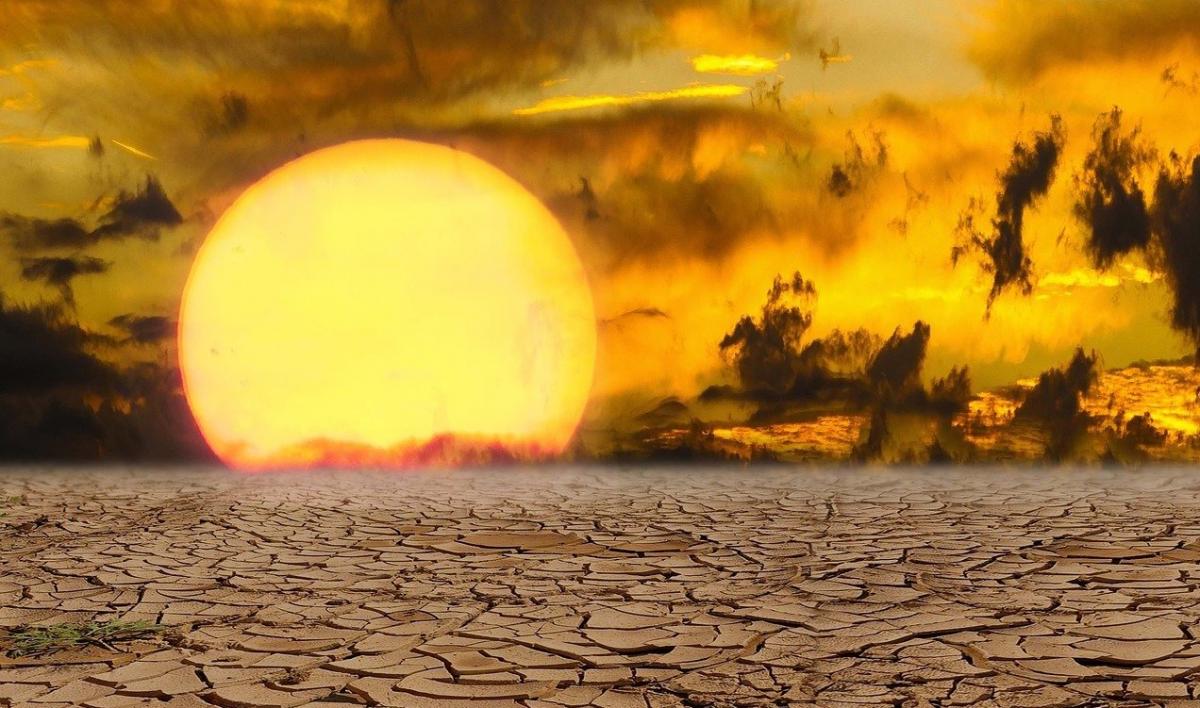
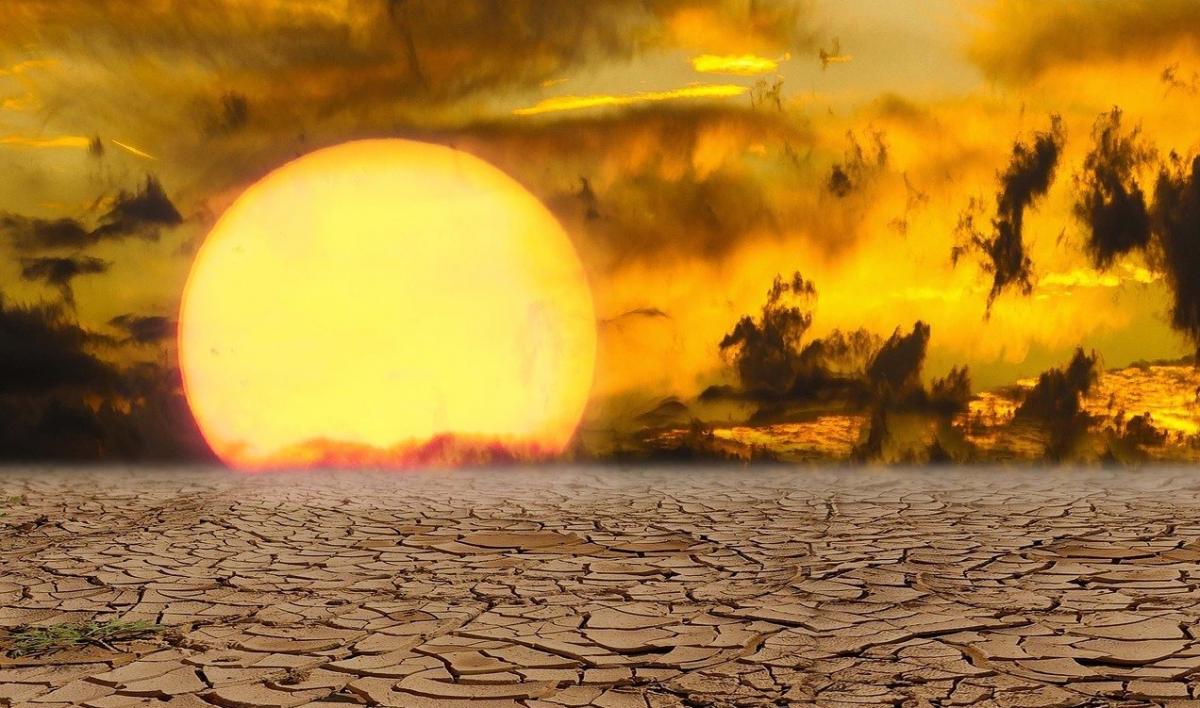
The year 2023 is officially the warmest on record—overtaking 2016, the previous warmest year, by an alarming margin. According to new data from the European Union’s Copernicus Climate Change Service, Earth was 1.48 degrees Celsius hotter last year compared with pre-industrial levels—dangerously close to the 1.5-degree threshold set by the Paris climate deal. 2023 also marked the first year in which each day was over one degree warmer than the pre-industrial average. Temperatures over 2023 likely exceeded those of any year over the past 100,000 years. This was partially due to the year’s El Niño climate phenomenon, but those impacts only began in June—and every subsequent month last year was the warmest on record for that particular month. September represented the largest climatological departure since record-keeping began over 170 years ago. (Image: blende12/Pixabay)

Central America
Panama

Protests prompt Panama mining moratorium

Panama’s President Laurentino Cortizo announced that he will hold a referendum to determine the fate of a contentious mega-mining contract, after several days of the country’s largest protests in decades. Cortizo also said he would instate a moratorium on any new mining projects in response to the protests, a move signed into law on Panama’s independence day. The protests, driven by environmental concerns, were sparked by the National Assembly’s earlier vote to award an extended concession to Canadian company First Quantum, allowing it to operate the largest open-pit copper mine on the Central American isthmus for another 20 years. The Cobre Panamá mine, in Colón province, has faced strong opposition from local residents since it opened in 2019, but extension of the contract brought thousands of angry demonstrators to the streets of Panama City. The protests reached the doors of the capital’s Marriott Hotel, where regional environment ministers were meeting for the Latin America & the Caribbean Climate Week summit. (Photo via Twitter)

South Asia
Tamang

Deadly Sikkim GLOF: a disaster foretold

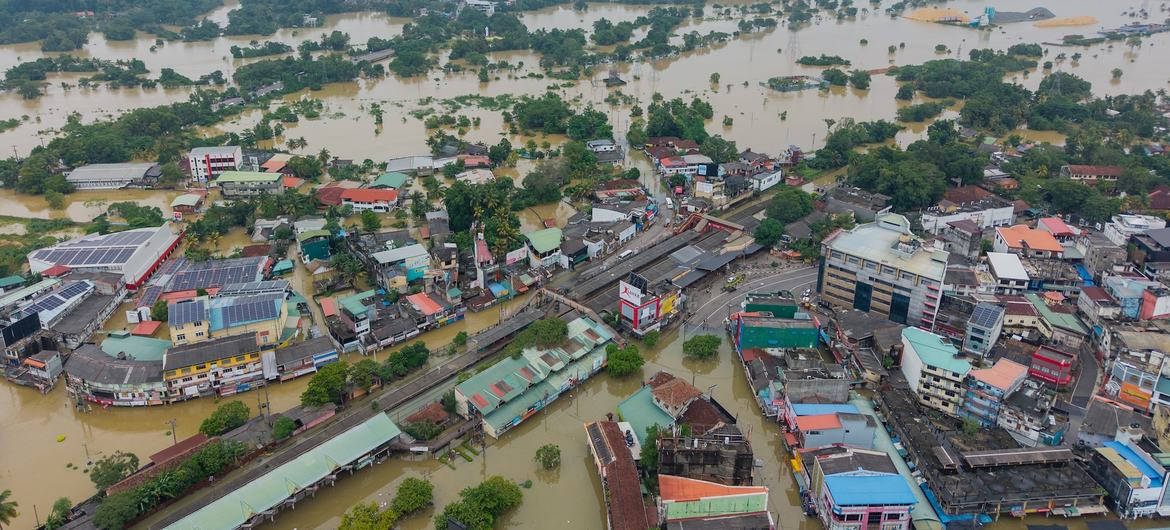
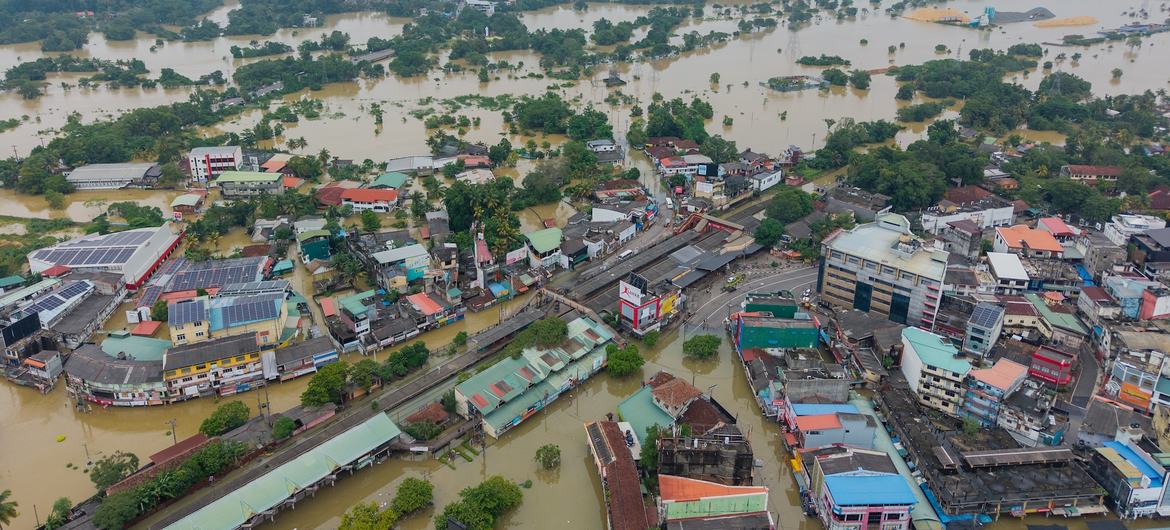
At least 14 people were killed and over 100 are missing after South Lhonak glacial lake in the Indian state of Sikkim burst due to incessant rains, inundating downstream areas. The sudden deluge on the Teesta River destroyed the Chungthang dam and flooded several districts. Many residents remain cut off. Scientists had long warned that South Lhonak lake would burst. A detailed study, Future Glacial Lake Outburst Flood (GLOF) hazard of the South Lhonak Lake, Sikkim Himalaya, was published in Geomorphology journal in September 2021. It noted that the lake had witnessed a significant increase in size over the past decades due to glacial retreat. India’s Central Water Commission had initiated an advisory to evaluate the condition of the Himalayan lake system in Sikkim. (Photo via DownToEarth)

Planet Watch
anthropocene

Sixth mass extinction lops branches off tree of life

The sixth mass extinction, primarily driven by human activities, is more dire than previously anticipated, with entire branches on the tree of life now disappearing, finds a new study published in the Proceedings of the National Academy of Sciences. Researchers from Stanford University and the National Autonomous University of Mexico assessed 5,400 genera of terrestrial vertebrates, including 34,600 species. The staggering results: 73 genera have become extinct since 1500 AD. This rate of extinction surpasses the last million years by 35 times. In other words, in just five centuries, human actions have triggered a surge of genus extinctions that would have otherwise taken 18,000 years. The researchers refer to this as a “biological annihilation.” (Photo: CounterVortex)

The Amazon
Ato Pela Terra

Brazil: high court nixes ‘time limit’ on native land claims

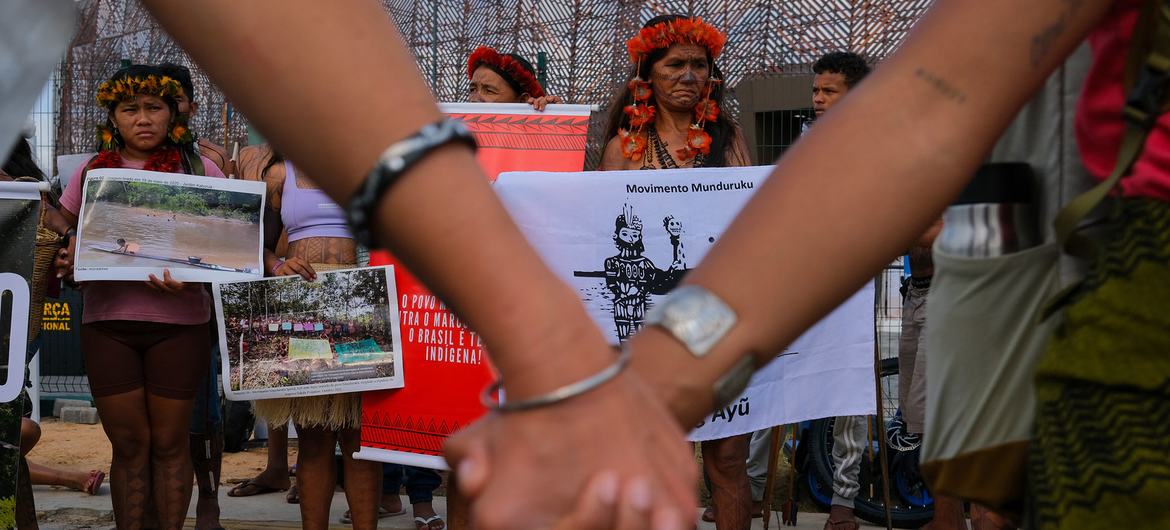
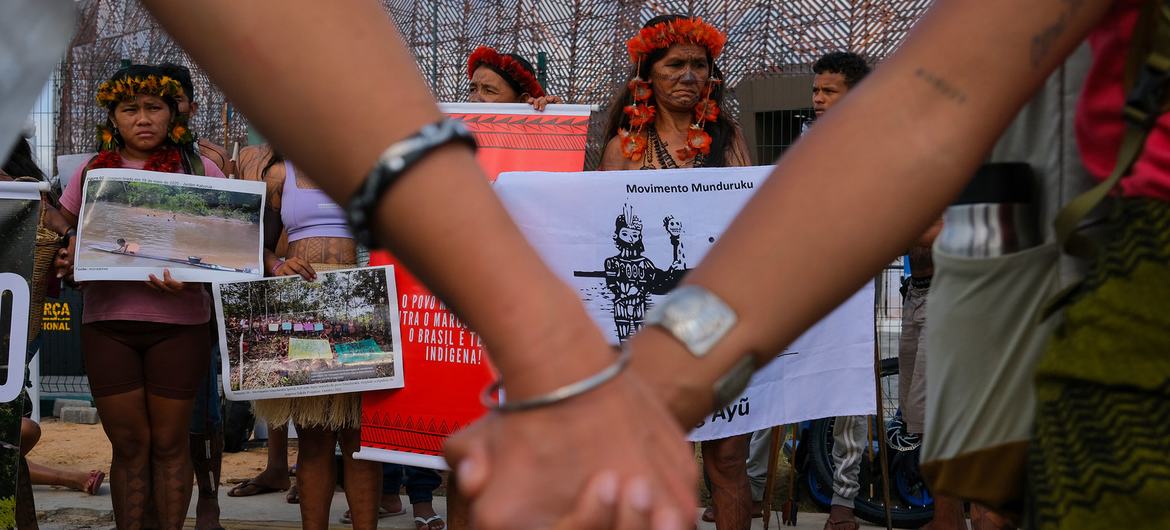
Brazil’s Supreme Federal Tribunal struck down the spurious thesis behind a legislative proposal advancing in the country’s Congress, which would impose a marco temporal or “time limit” on indigenous land recovery claims. The marco temporal law would nullify any indigenous group’s claim to traditional lands that they weren’t physically occupying on Oct. 5, 1988, the day of the enactment of Brazil’s Constitution, which for the first time recognized native peoples’ territorial rights. Instead, these lands would be considered the property of those currently in occupancy, or of the state. The thesis ignores the forced displacements that occurred during Brazil’s dictatorship in the generation before 1988, as well as the nomadic lifeways of some indigenous groups. Environment Minister Marina Silva declared the high court’s annulment of the marco temporal thesis an “act of justice.” (Photo via Twitter)

Southeast Asia
Dhamma Sakyamuni

Malaysia rainforest at issue in fight over historic monastery

A Buddhist monastery carved out of a cave complex in the rainforest of Malaysia stands to be evicted after losing a legal appeal in its case against a cement manufacturer. The Court of Appeal ruled for Associated Pan Malaysia Cement in the case brought by the century-old Dhamma Sakyamuni Caves Monastery, finding that the company has the right to evict “squatters” from the tract at issue in a limestone massif known as Gunung Kanthan—despite the fact that it lies within the Kinta Valley National Geopark. The forested massif is home to several endangered species of both flora and fauna, and most of it has already been cleared for quarries. After the appeals court ruling, the Perak state government formed a special committee to mediate in the conflict. The Dhamma Sakyamuni monks pledge they will resist eviction. (Photo via Free Malaysia Today)

Greater Middle East
UAE

‘Repressive petro-state’ UAE to host climate summit

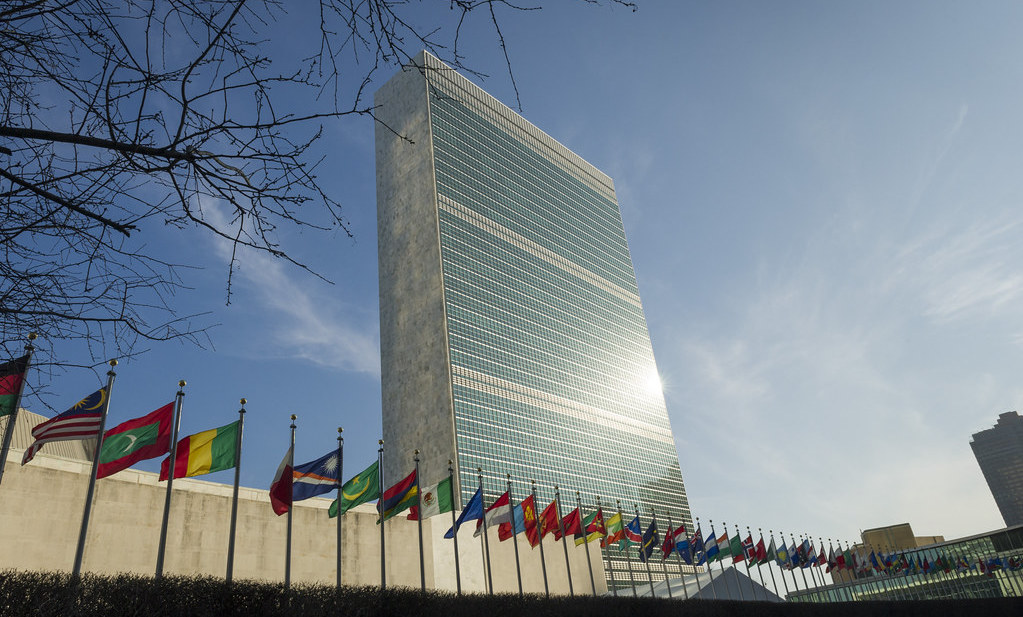
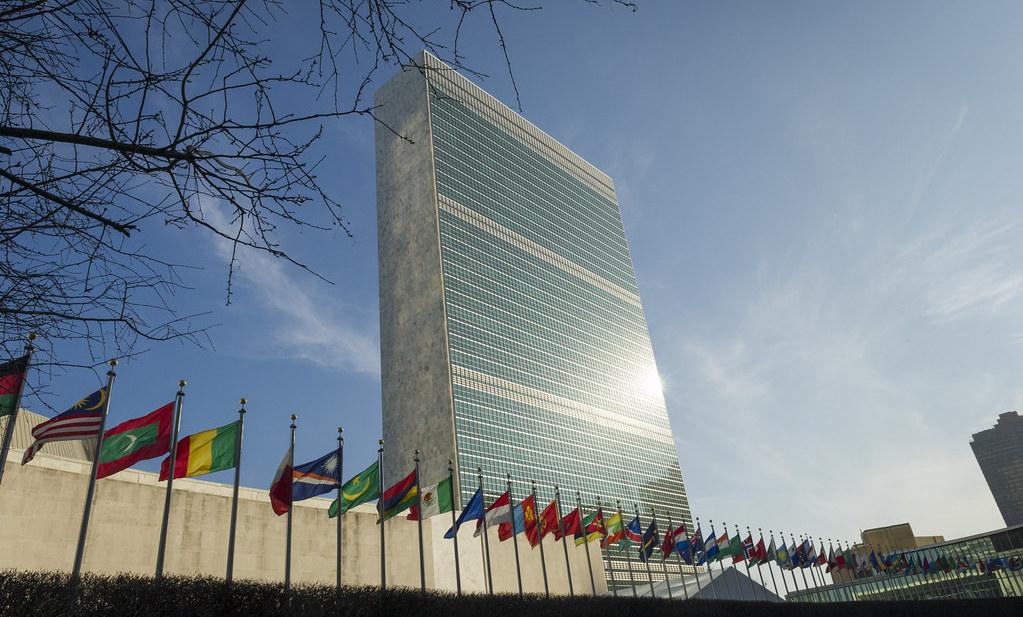
Amnesty International joined with over 200 civil society organizations to call upon participating governments of the 28th Conference of the Parties (COP28) to address the human rights record and climate policies of the United Arab Emirates. The COP, the annual conference of governments from around the world to discuss climate policy, is to be held in the UAE in December—convened by Sultan al-Jaber, CEO of the Abu Dhabi National Oil Company (ADNOC). The open letter states: “We support the concerns expressed by climate justice movements that allowing COP28 to be held by the rulers of a repressive petrostate, and overseen by an oil executive, represents a blatant conflict of interest, and threatens the legitimacy of the whole process.” (WildPixar via Jurist)