

New York City
James Bay

Podcast: the struggle for James Bay

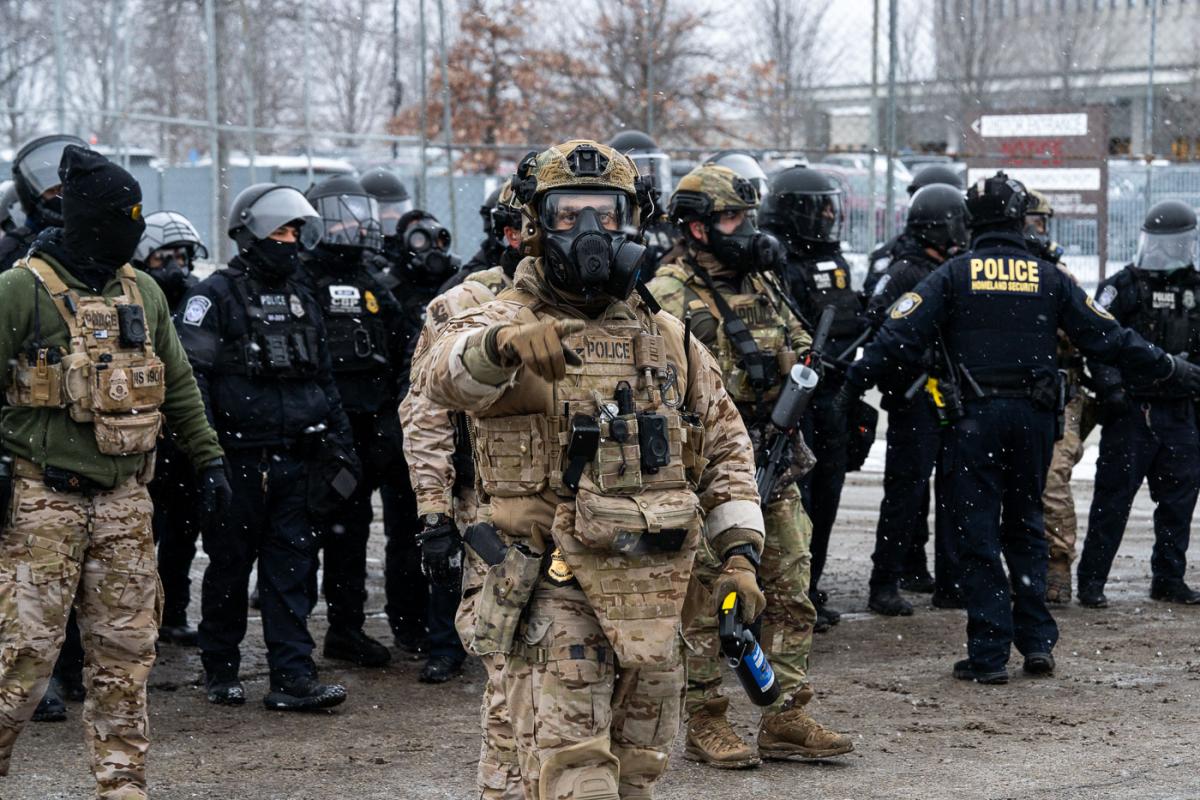
ICENew York Gov. Kathy Hochul signed legislation that places limits on where and how Immigration & Customs Enforcement (ICE) agents can enforce immigration law in the state. The new legislation also prohibits state and local police from cooperating with ICE to enforce civil laws. Under the new law, local governments, police forces and corrections agencies are no longer allowed to enter 287(g) agreements, under which ICE delegates immigration enforcement to state or local officers. (Photo of ICE agents in Minnesota: Chad Davis)

New York City
Rupert River

NYC ‘Green New Deal’ to fund mega-hydro?

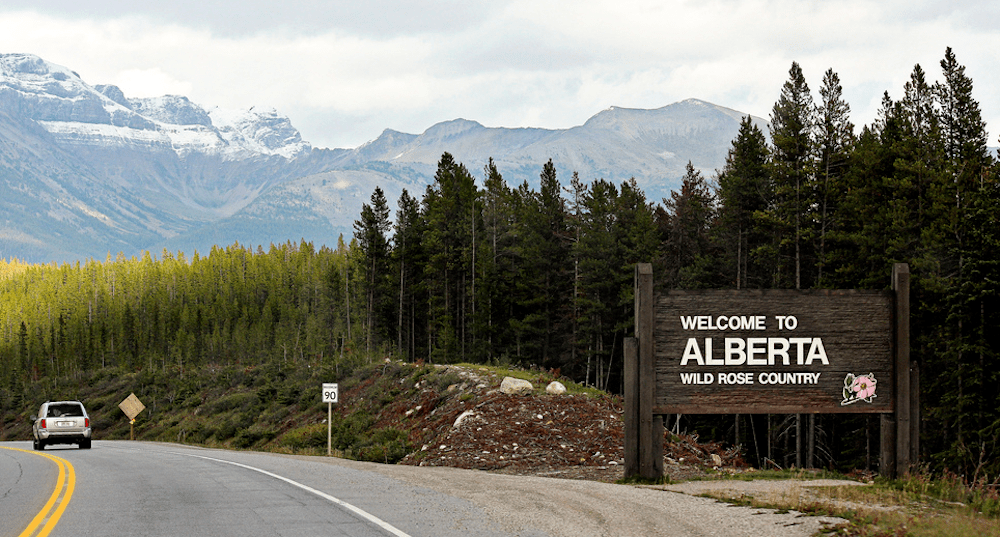
AlbertaProvincial electoral authorities in Alberta have received a petition for independence from Canada. Elections Alberta affirmed that it received the petition, "A Referendum Relating to Alberta Independence," and signature sheets from "pro-sovereignty" group Stay Free Alberta. The group told the CBC news that it has collected over 301,000 signatures, significantly more than the 178,000 threshold. The proposed referendum will ask voters: "Do you agree that the Province of Alberta should cease to be a part of Canada to become an independent state?" However, the verification process for the signatures is currently on hold, pending a decision from the provincial courts on the compatibility of the petition with First Nations treaty rights. (Photo: Magalie L'Abbe via Alberta Politics)

Mexico
Mexico police

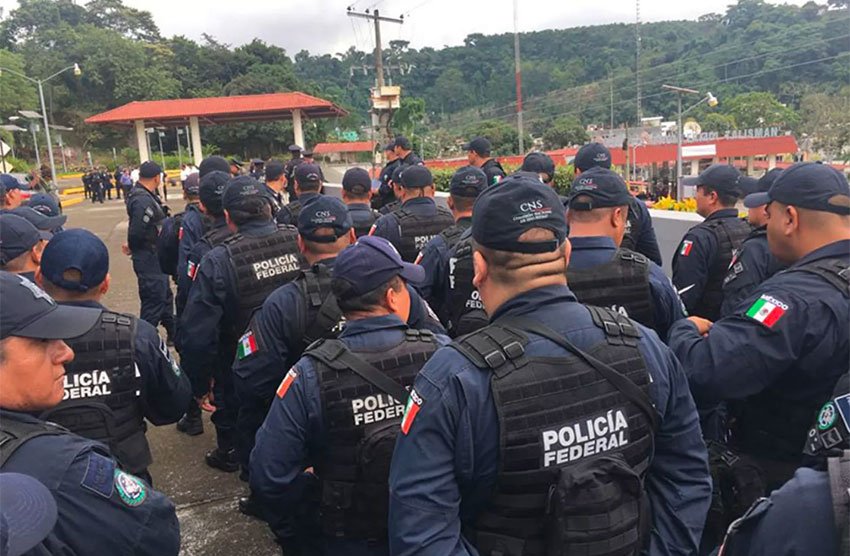
Mexico: new security force to Guatemalan border

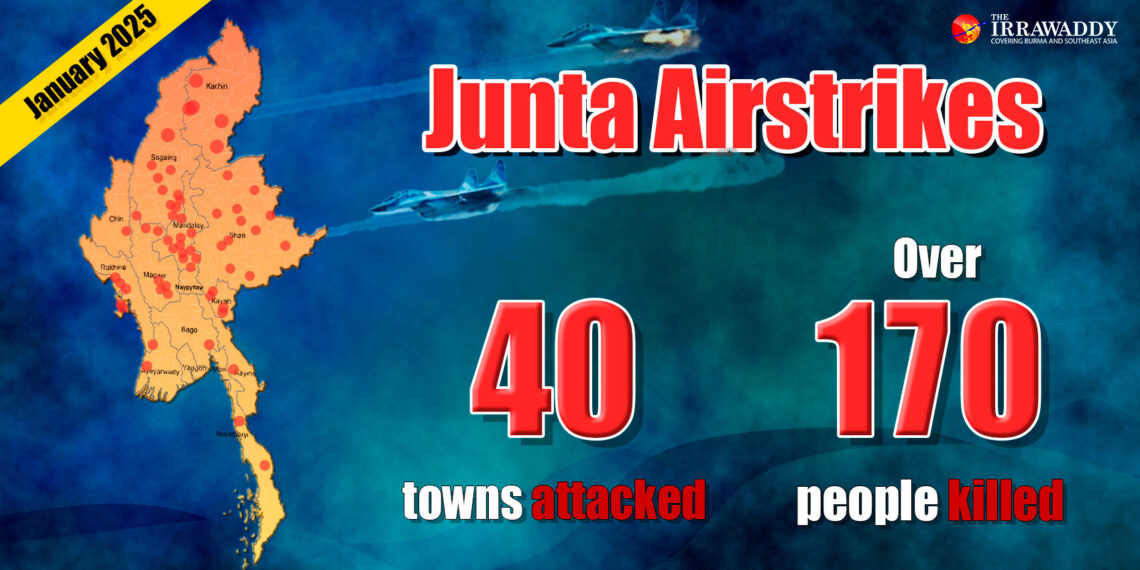
BurmaJunta air-strikes killed over 170 people across Burma in January, a fourfold increase over the previous month, according to an analysis by The Irrawaddy, an independent exile-based newspaper that maintains a network of reporters on the ground. The strikes hit villages, health facilities, a prison and a gold mine in various areas held by the resistance, although most of those killed were civilians. More than 1,800 people have been killed in air-strikes since the February 2021 coup. (Image: The Irrawaddy)

North Africa

Lavalin-Libya sleaze at issue in Trudeau turpitude

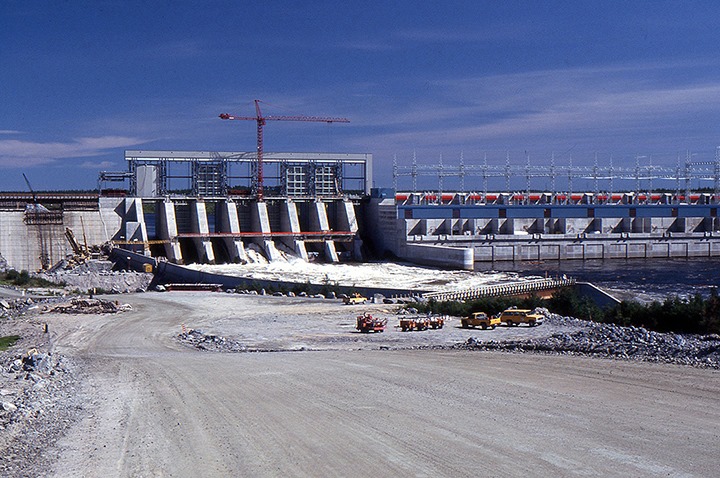
Site CCanadian opposition parties are crying foul after an investigation into the corruption scandal rocking the government of Prime Minister Justin Trudeau was shut down by a parliamentary committee dominated by his ruling Liberals. The affair concerns Quebec-based construction giant SNC-Lavalin's apparent attempts to secure leniency from the Trudeau government in various criminal investigations it faces. Obstruction of justice charges were stayed earlier this year against Lavalin executive Sami Bebawi, on the ostensible basis that too much time had elapsed since the offense under investigation—which involved alleged bribes to the Moammar Qaddafi regime to secure construction contracts in Libya in 2011. The company is best known within Canada for controversial mega-projects under contruction from British Columbia to Labrador. (Photo: BC Hydro via Journal of Commerice)

The Andes

Forgotten voices in Venezuela crisis

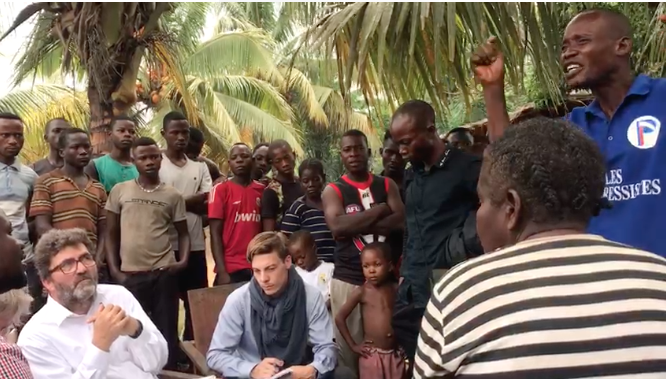
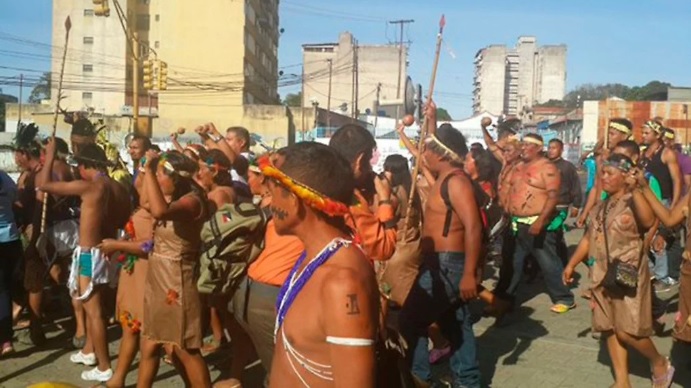
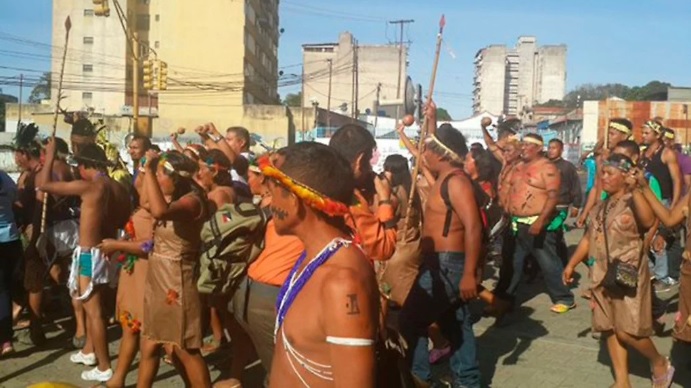
PemonTrump, the great enthusiast for dictators, suddenly develops a touching concern with democracy in Venezuela, grasping at the opportunity for long-sought regime change. Predictably overlooked in the world media's Manichean view of the crisis are voices of Venezuela's dissident left that takes a neither/nor position opposed to both the regime and the right-wing leadership of the opposition. Also unheard are voices of indigenous dissent and resistance. In an episode that received little coverage, December saw protests in the remote Orinoco Basin after a leader of the Pemón indigenous people was killed in a confrontation with elite Military Counterintelligence troops. The military operation was ostensibly aimed at clearing the region of illegal mining—while the Pemón themselves had been protesting the mining. The indigenous leaders view the militarization of the region as intended to make way for corporate exploitation under the Orinoco Mineral Arc plan. (Photo: EcoPolitica Venezuela)

Planet Watch

Canada’s high court deals blow to treaty rights

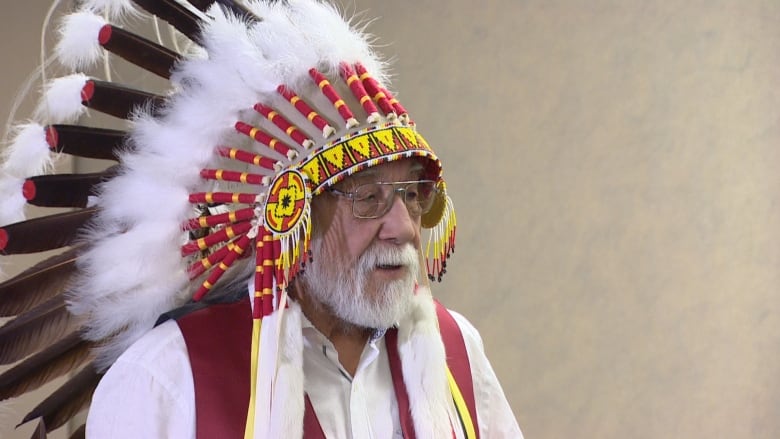
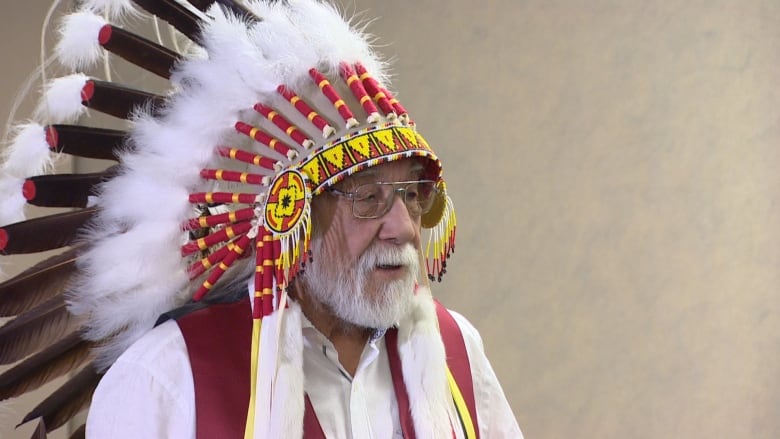
Chief Archie WaquanThe Supreme Court of Canada ruled that the federal government does not have a responsibility to consult with First Nations before introducing legislation, even in cases when it would impact their lands and livelihood. The 7-2 ruling ends a challenge by the Mikisew Cree First Nation of Alberta to a 2013 reform of Canada's environmental laws by the administration of then-prime minister Stephen Harper. The reform altered the Canadian Environmental Assessment Act, the Fisheries Act, the Species at Risk Act, and the Navigable Waters Protection Act, reducing the number of projects that require environmental assessment studies and narrowing the scope of those assessments. The Mikisew Cree contended that the reform violated constitutionally-protected treaty rights of Canada's indigenous First Nations. (Photo of Mikisew Cree Chief Archie Waquan via CBC)

Planet Watch

Refugee resettlement hits 10-year low

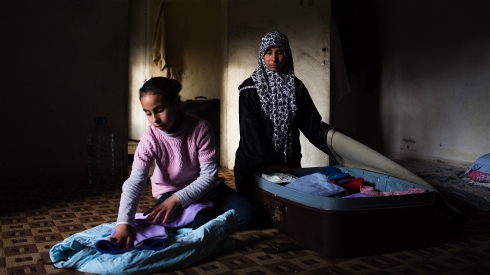
Syrian refugeesSome 50,000 to 60,000 people fleeing war and persecution will start a new life and be on track for a new passport in 2018, but it will be the fewest number of refugees resettled globally any year since 2007, UN figures show. The drop is mainly due to President Donald Trump’s administration slashing the US quota. The United States took in 68% of the 770,000 refugees permanently resettled in the last 10 years, according to the UN—an average of about 51,000 per year. But, this calendar year, fewer than 10,000 had made the journey to the United States by the end of July. Developing regions host 85% of the world’s refugees, according to the UN’s refugee agency UNHCR. (Photo: IRIN)

Europe

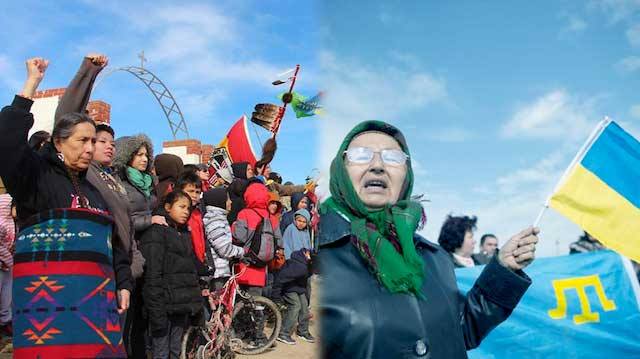
Podcast: Toward Lakota-Tatar solidarity

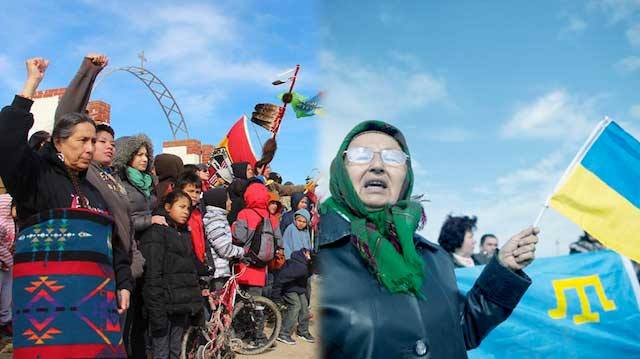
Lakota TatarIn Episode 17 of the CounterVortex podcast, Bill Weinberg discusses growing repression against the Tatar people of the Crimea, and the abrogation of their autonomous government by the Russian authorities since Moscow's illegal annexation of the peninsula. This is a clear parallel to violation of the territorial rights of the Lakota people in the United States through construction of the Dakota Access Pipeline, and the legal persecution of indigenous leaders who stood against it. The parallel is even clearer in the cases of the Evenks and Telengit, indigenous peoples of Siberia, resisting Russian construction of pipelines through their traditional lands. Yet the US State Department's Radio Free Europe aggressively covers the Tatar struggle, while Kremlin propaganda organ Russia Today (RT) aggressively covered the Dakota Access protests. Indigenous struggles are exploited in the propaganda game played by the rival superpowers. It is imperative that indigenous peoples and their allies overcome the divide-and-rule game and build solidarity across borders and influence spheres. Listen on SoundCloud, and support our podcast via Patreon.