East Asia
hong kong vigil

Hongkongers defy police on Tiananmen anniversary

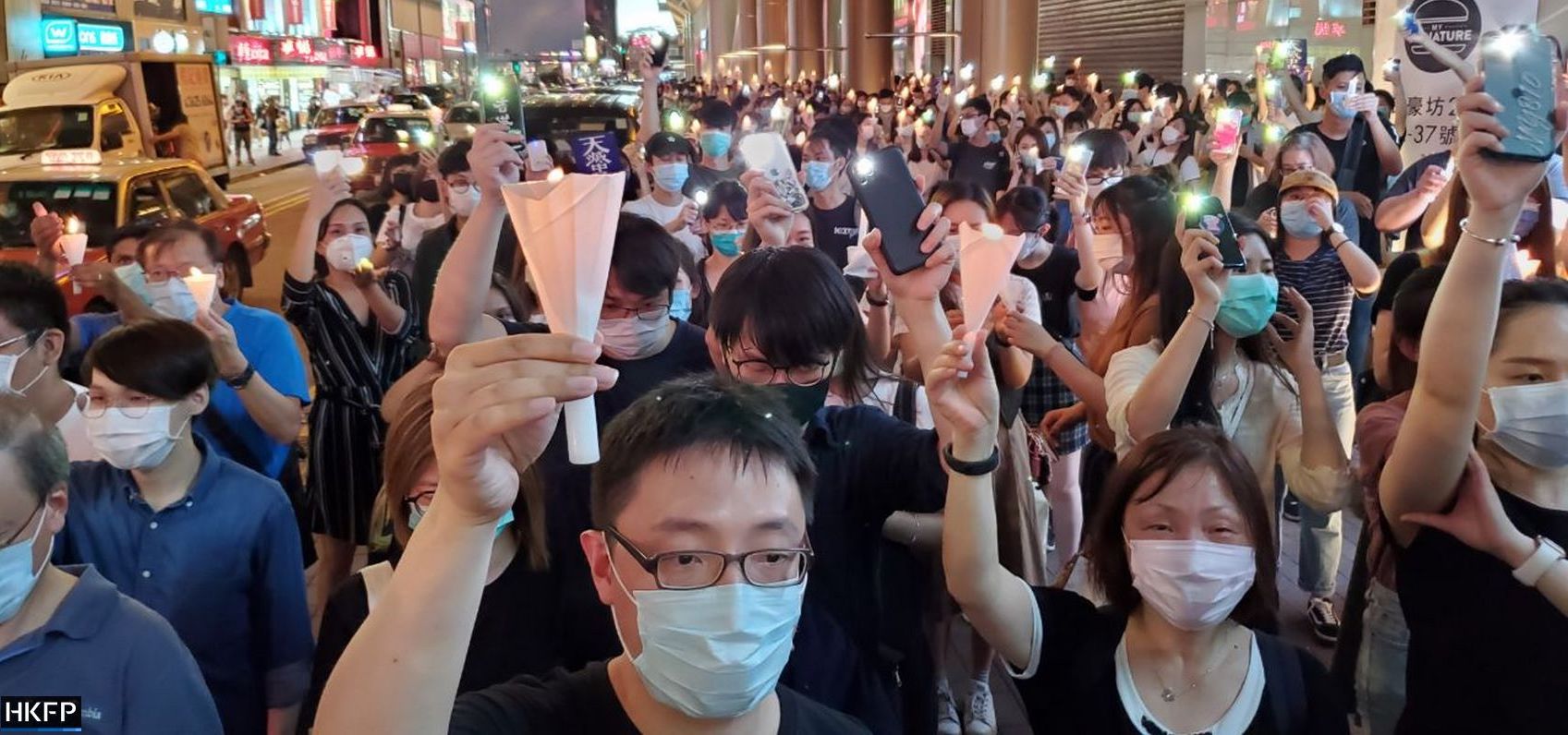
Thousands gathered in Hong Kong’s Victoria Park to attend the annual candlelight vigil commemorating the 1989 Tiananmen Square massacre—in defiance of an unprecedented police ban, ostensibly imposed as a measure to contain COVID-19. Attendees wearing surgical masks clambered over police barriers to enter the park. Thousands of riot police on stand-by did not interfere, although there were street clashes as troops broke up gatherings elsewhere in the city. The commemoration—the only one that can be freely held on Chinese soil—may no longer be possible in future, following Beijing’s passage of a “National Security Law” harshly limiting Hong Kong’s autonomy.  (Photo: HKFP)

Planet Watch
ICC

ICC complaint filed over COVID-19

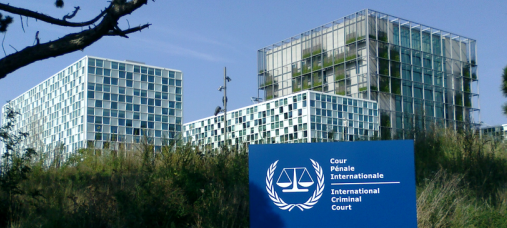
The Canadian Institute for International Law Expertise (CIFILE) has asked the prosecutor of the International Criminal Court (ICC) to investigate individual world leaders and the World Health Organization (WHO) for alleged international crimes relating to their handling of the COVID-19 pandemic. The group states that past disease outbreaks, including SARS, suggest that the director-general of the WHO should have notified nations well before the initial March 11 notification date. The complaint asserts that the response to the pandemic constitutes a “crime against humanity” under Article 7(k) of the Rome Statute. The complaint further states that the ICC may exercise jurisdiction over international crimes under Articles 12 and 13 when a member state of the ICC has been affected. Specifically the complaint cites Canada as an affected signatory to the Rome Statute. (Photo: WikiMedia via Jurist)

Planet Watch
air pollution

UN climate talks delayed one year by COVID-19

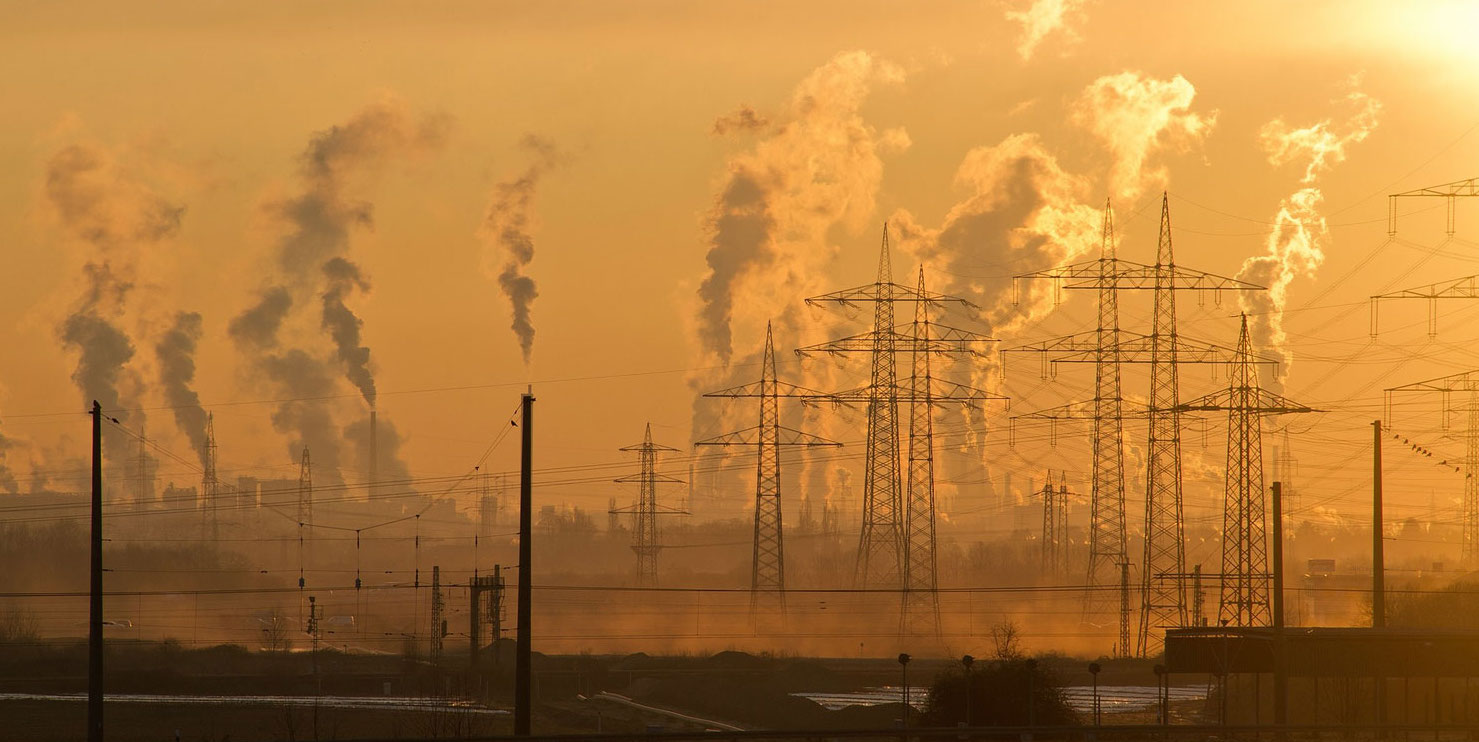
International climate negotiations will be delayed by a full year due to the coronavirus pandemic, the UN Framework Convention on Climate Change (UNFCCC) and the UK government announced. The next summit, dubbed COP26, was due to take place this November in Glasgow, but has now been put off to November 2021. Delaying the talks could encourage governments, industrial concerns and financial institutions to adopt recovery plans with high climate costs—such as a bailout for the oil companies. The postponement is particularly critical given the failure of last year’s summit, held in Madrid, to reach any agreement. (Photo: Ralf Vetterle, Pixabay)

Watching the Shadows
Kremlin

Kremlin in new drive to co-opt US ‘alternative’ voices

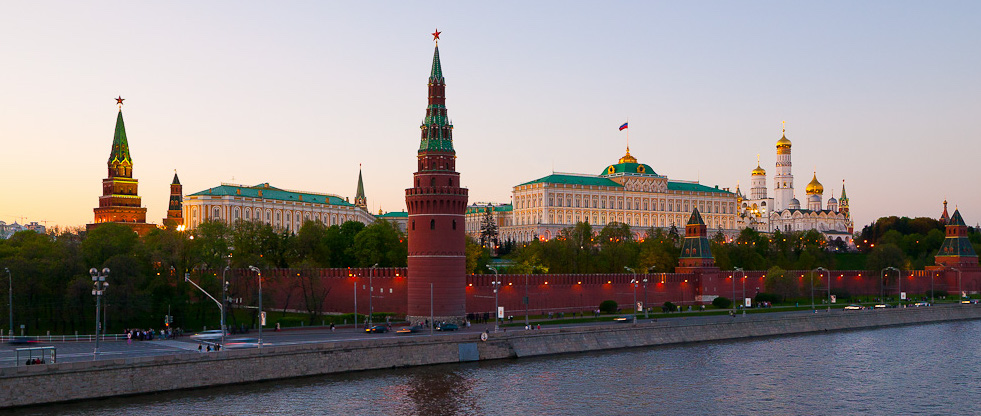
In a truly surreal irony, CounterVortex chief blogger Bill Weinberg got e-mail from RT.com editor-in-chief Igor Ogorodnev, saying he’s impressed with our website and extending an invitation to contribute to RT. This is evidently part of a concerted push by RT—a direct organ of Russian state propaganda—to appropriate dissident and alternative voices in the American blogosphere ahead of this year’s elections. The strategy here is clear: Wth Fox News playing to the right and RT playing to the left, the Putin-Trump agenda will control both sides of the debate. It is imperative that progressives do not take the RT bait. (Photo: Wikipedia)

Europe
refugees in italy

Italy’s COVID-19 ‘amnesty’: hope and skepticism

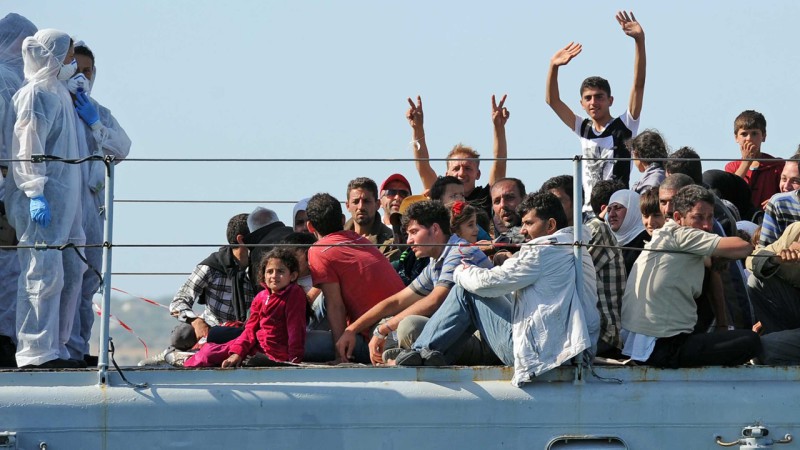
The Italian government passed a measure allowing some 200,000 undocumented workers to apply for six-month residency permits, as part of the coronavirus pandemic recovery effort. But the initial atmosphere of hope has quickly faded. The amnesty only applies to workers in “essential” industries such as agriculture—a sector that relies on undocumented migrants for some 25% of its labor force. It excludes those who were stripped of humanitarian protection or legal status by the anti-migrant “security decrees” issued under former far-right interior minister Matteo Salvini. And after six months, applicants will be in the same situation as before the pandemic. (Photo: Jordi Bernabeu Farrús via Flickr)

South Asia
Amphan

‘Super Cyclone’ Amphan deepens COVID-19 crisis

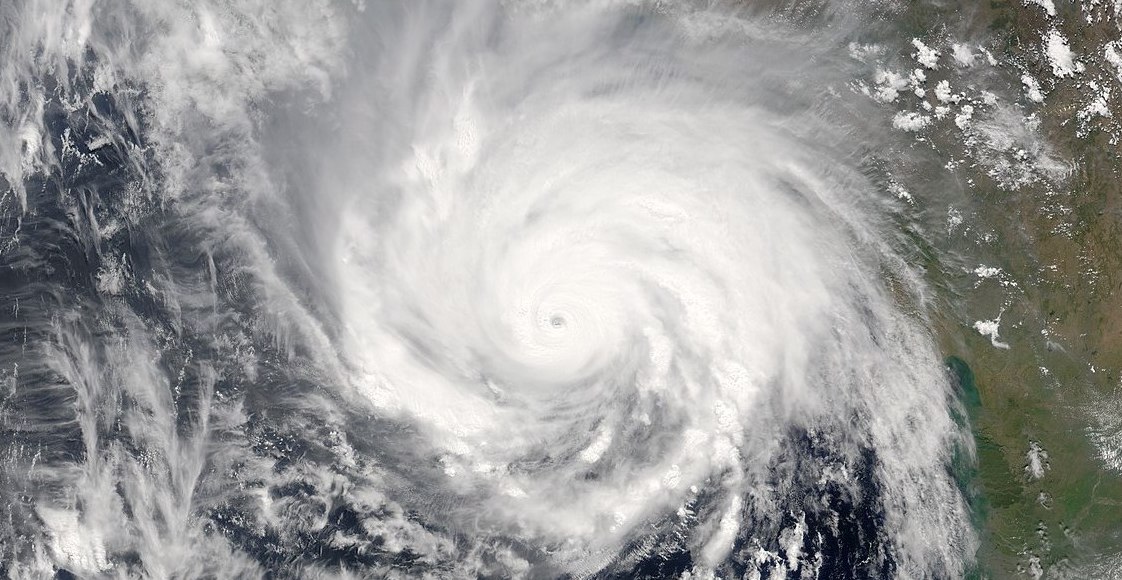
Tropical Cyclone Amphan unexpectedly intensified into a rare “Super Cyclonic Storm”—becoming the northern hemisphere’s strongest tropical cyclone yet in 2020. Amphan left a trail of destruction along coastal areas both in India and Bangladesh, impacting tens of millions of people. At least 77 deaths in India and 25 in Bangladesh have been reported so far. Over three million people in both countries remain displaced from their homes, taking refuge in community shelters—obviously placing them at risk of contracting COVID-19. In India’s West Bengal state, thousands of people evacuated from their homes are crammed inside buildings that were being used as COVID-19 quarantine centers, because there is no other shelter available. (Photo via Wikipedia)

Greater Middle East
Yemen

COVID-19 concern in war-torn Yemen

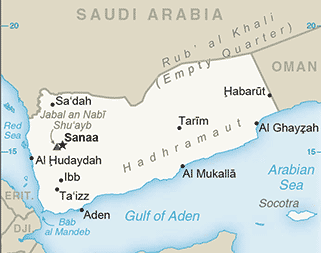
With testing capacity low and the health system ravaged by five years of war, nobody really knows how many people are infected or dying of COVID-19 in Yemen, but the outlook does not seem good. Hundreds of people in Aden have reportedly died with symptoms that appear consistent with the coronavirus, while in the Houthi-controlled north there are unconfirmed but persistent rumors of a cover-up to mask a rising case count. To make matters worse, the UN—concerned it can’t protect its staff from the virus inside their compound—has pulled half of its remaining international workforce out of Sana’a. (Map: Perry-Castañeda Library)

East Asia
Wuhan police

Another independent journalist arrested in Wuhan

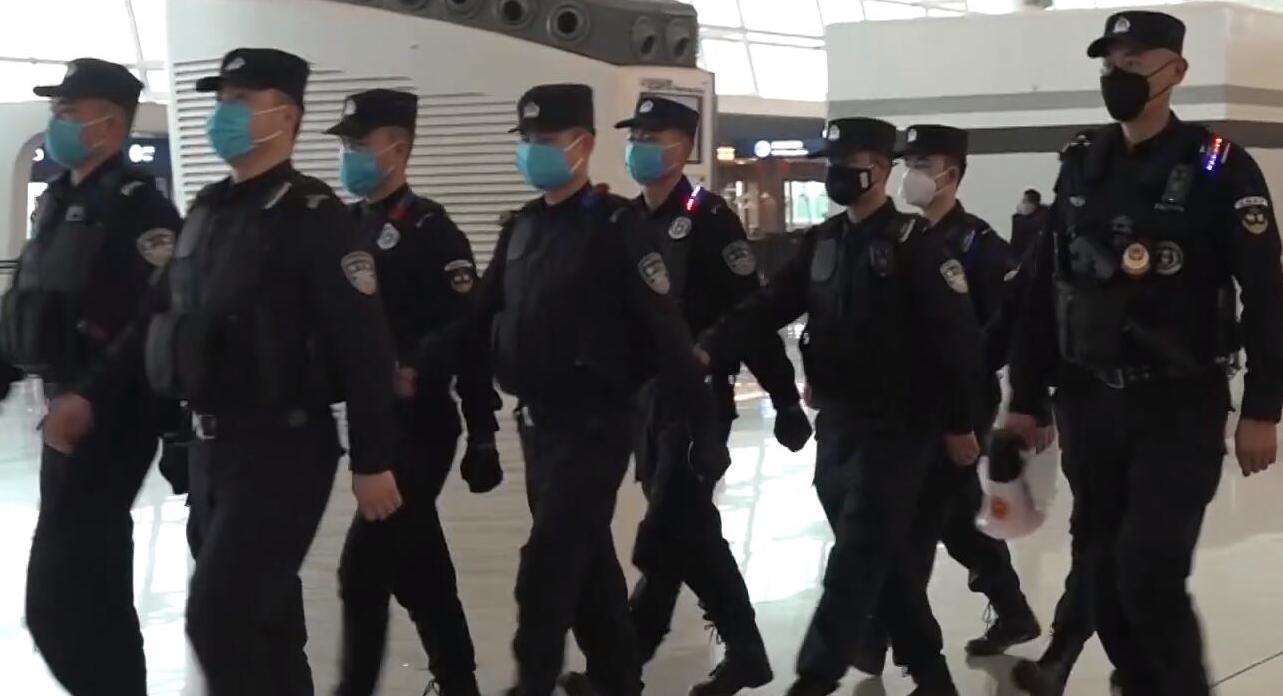
The New York-based Committee to Protect Journalists is urging Chinese authorities to immediately release journalist Zhang Zhan, drop any charges against her, and ensure that the media can cover the coronavirus pandemic without fear of arrest. Zhang, an independent video journalist who had been posting reports from Wuhan on Twitter and YouTube since early February, went missing in the city one day after she published a video critical of the government’s countermeasures to contain the virus. The Shanghai Municipal Public Security Bureau issued a notice stating that Zhang had been arrested and detained for “picking quarrels and provoking trouble.” If convicted, she could face up to five years in prison, according to the Chinese criminal code. (Photo: China News Service via Wikimedia Common)

Africa
Sudan

SCOTUS: Sudan liable for terrorism damages

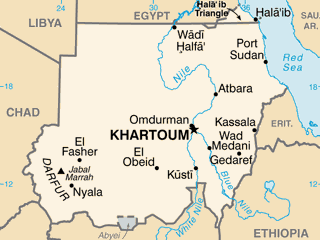
The US Supreme Court ruled in Opati v. Republic of Sudan that the Foreign Sovereign Immunities Act permits a punitive damages award against Sudan for the role it played in the 1998 bombings at the US embassies in Kenya and Tanzania. Plaintiffs in the case argued that Sudan had harbored al-Qaeda leaders who plotted the attacks, including Osama bin Laden. Officials in Khartoum have been seeking a settlement with the victims outside the court. Sudan is in a precarious economic situation following the ouster of long-ruling strongman Omer Hassan al-Bashir, now exacerbated by the COVID-19 pandemic. The Trump administration made it clear that Sudan must settle all terrorism-related claims to get off the US list of “state sponsors of terrorism”—a precondition for Washington’s support for debt relief for the African country. (Map: Perry-Castañeda Library Map Collection)

Southern Cone
santiago protest

Protests erupt in Santiago, São Paulo

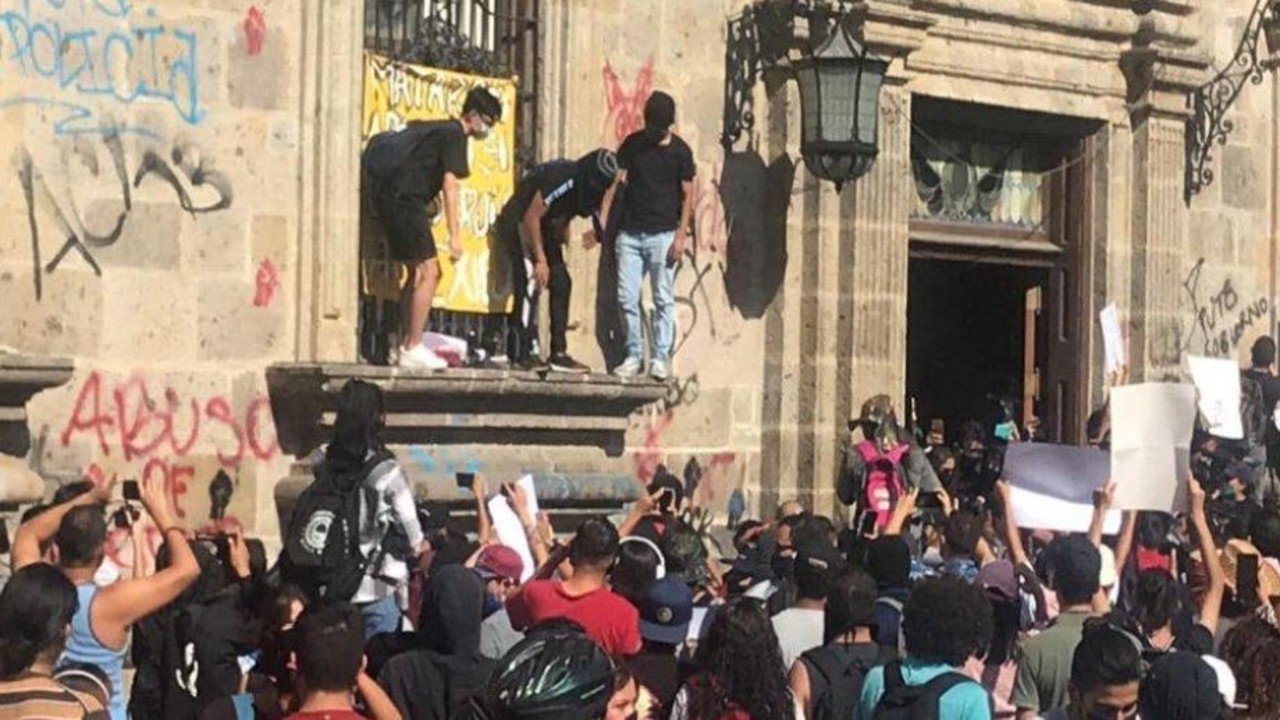
Protesters and riot police clashed on the outskirts of the Chilean capital Santiago, amid growing anger over food shortages during the lockdown imposed to halt the spread of COVID-19. Police deployed armored vehicles, water cannons and tear-gas to put down protests in the poor district of El Bosque. Residents blocked traffic and hurled stones at police in running clashes that lasted most of the day. Sporadic incidents were also reported in other parts of the city. Nightly pot-banging protests have been held for weeks in several neighborhoods, promoted under the hashtag #CacerolasContraElHambre—or, pot-banging against hunger. That same day, hundreds poured out of the favelas to fill the main streets of São Paulo, Brazil. In an audacious move, the favela residents marched on the state governor’s palace, demanding more support in the face of the lockdown. (Photo: Piensa Presna)

Planet Watch
Warsaw riot

Biological police state preparations advance

As rising strongmen in places like Poland and Ethiopia exploit the COVID-19 pandemic to postpone elections and grab extraordinary powers, even democratic countries are putting unprecedented police-state measure into place in the supposed interest of a return to “normality.” In the latter category is New Zealand, where a bill has been passed giving police sweeping powers to enter homes without warrants while enforcing new “Alert Level 2” rules. The COVID-19 Public Health Response Act creates a new corps of “enforcement officers” to track social contacts among the populace and conduct raids on the premises of suspected violators. (Photo of Warsaw police action via Twitter)

Planet Watch
iraq.pipeline

Yes, ‘peak oil’—but demand, not supply

After oil prices went negative for the first time ever last month, they are now starting to rise again as lockdowns imposed by the COVID-19 pandemic are gradually lifted. US crude is now back to nearly $30 a barrel. But this is less than half what the price was a year ago, and a third what it was a dozen years ago. Iraq, OPEC’s second-largest producer, is at the forefront of the cartel’s effort to squeeze supply to consumer nations, as part of its recent deal to curb output. Baghdad just announced a 30% cut of exports to Asia. But it remains to be seen if such measures will jack up prices and ease the economic pain that has led to a remobilization of anti-regime protests, despite pandemic fears. (Photo via Iraqi News Agency)