Planet Watch
moon

Podcast: lunar hubris and the end of the Earth

Plans by Trump’s fascist tech bros as well as Putin and Xi to build AI-run nuclear reactors on the Moon open jurisdictional dilemmas that far outpace the modest UN efforts to put a regulation regime in place for artificial intelligence. These plans are unveiled just as the Bulletin of the Atomic Scientists moves the symbolic hands of the Doomsday Clock to an unprecedented 85 seconds to midnight. The new Doomsday Clock Statement explicitly names AI, as well as nuclear weapons and climate change, as a potential threat to human survival. The International Campaign to Abolish Nuclear Weapons, in conjunction with the Doomsday Clock move, reiterated its position that “we must move beyond managing nuclear weapons and start phasing them out before midnight strikes.” In Episode 316 of the CounterVortex podcast, Bill Weinberg argues that we must take a similar abolitionist position on AI and space expansionism, citing unacceptable threats on ecological, epistemological and eschatological grounds. (Photo: NASA via Surfer Today)

Planet Watch
doomsday

Doomsday Clock moves: 85 seconds to midnight

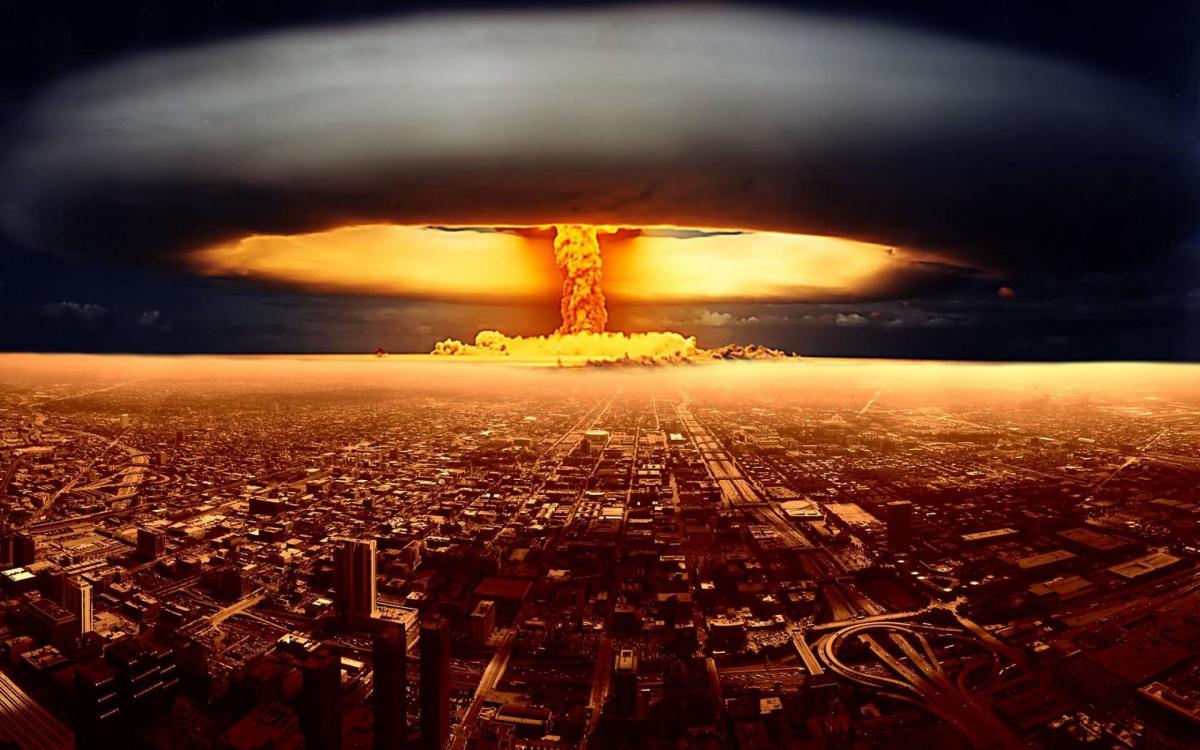
The Science & Security Board of the The Bulletin of the Atomic Scientists moved the symbolic hands of the Doomsday Clock to an unprecedented 85 seconds to midnight. The decision came a year after the clock was set to an also unprecedented 89 seconds to midnight—and three years after it was moved to 90 seconds to midnight. Each increment since 2017, when it was set at 2.5 minutes of midnight, has brought the Clock closer to doomsday than ever before. This year’s statement reads: “A year ago, we warned that the world was perilously close to global disaster and that any delay in reversing course increased the probability of catastrophe. Rather than heed this warning, Russia, China, the United States, and other major countries have instead become increasingly aggressive, adversarial, and nationalistic. Hard-won global understandings are collapsing, accelerating a winner-takes-all great power competition and undermining the international cooperation critical to reducing the risks of nuclear war, climate change, the misuse of biotechnology, the potential threat of artificial intelligence, and other apocalyptic dangers.” (Image: misucell.com)

Planet Watch
Awá

World’s ‘uncontacted’ peoples face imminent extermination

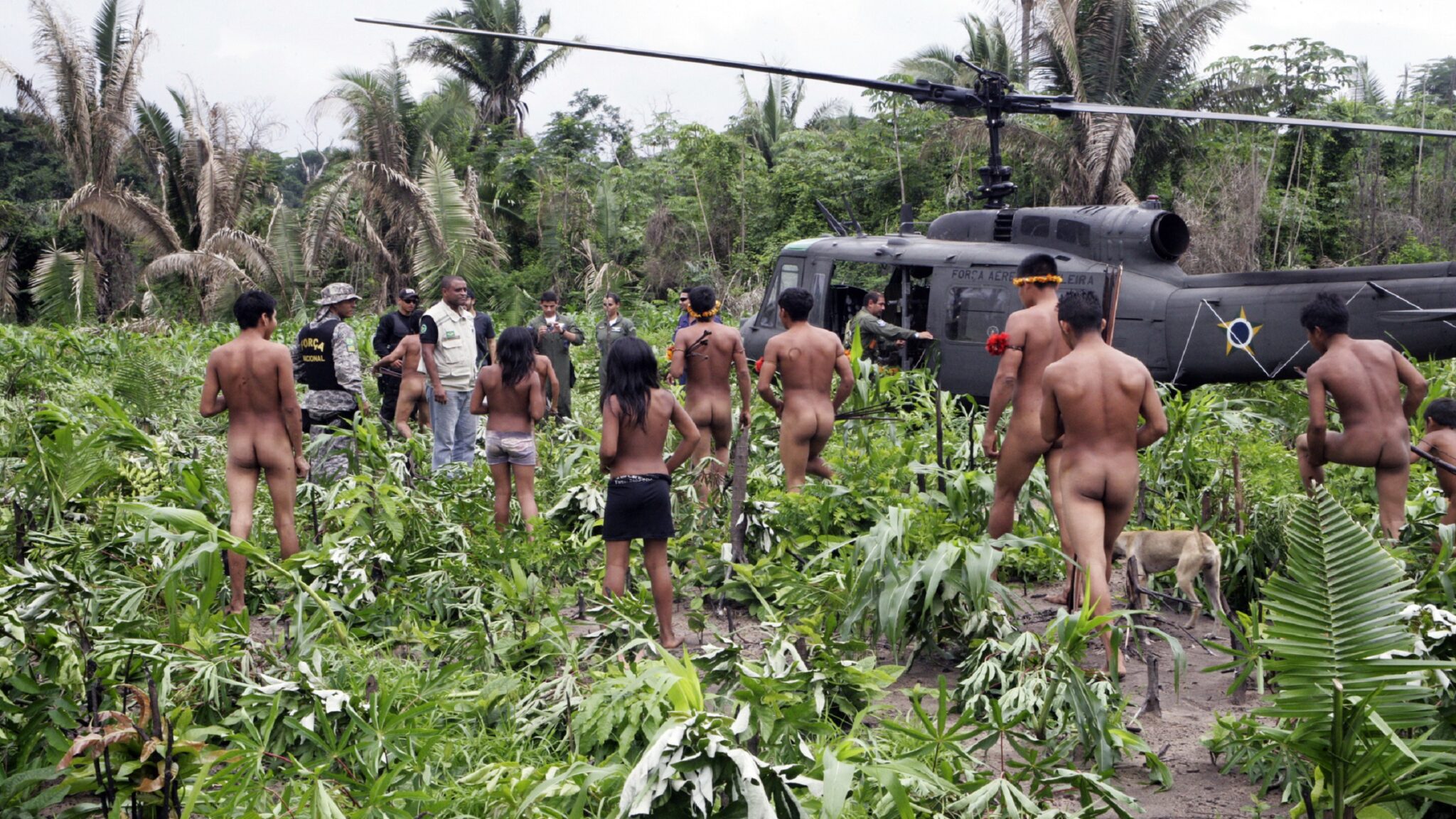
A comprehensive global report on “uncontacted” indigenous peoples published by UK-based Survival International estimates that the world still holds at least 196 uncontacted or isolated peoples living in 10 countries in South America, Southeast Asia and the Pacific region. Nine out of 10 of these groups face the threat of unwanted contact by extractive industries, including logging, mining and oil and gas drilling. It’s estimated that a quarter are threatened by agribusiness, with a third terrorized by criminal gangs. Intrusions by missionaries are a problem for one in six groups. After contact, indigenous groups are often decimated by illnesses, mainly influenza, for which they have little immunity. Survival International found that unless governments and private companies act to protect them, half of these groups could be wiped out within 10 years. (Photo: Brazil’s indigenous agency, FUNAI, makes contact with the Awá people in 2014. Credit: FUNAI via Mongabay)

Africa
Sudan

Sudan: RSF announce rival government

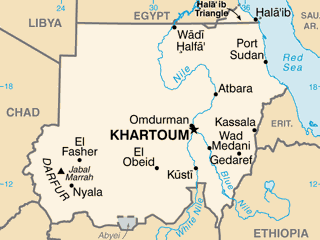
A coalition led by the paramilitary Rapid Support Forces (RSF) has announced formation of a parallel government in Sudan, further cementing the country’s territorial split between army-held and RSF-held regions. Paramilitary leader Mohamed Hamdan Dagalo (“Hemedti“) will head a 15-person council with Abdel Aziz al-Hilu, head of the SPLM-N rebel group, as deputy. The African Union urged member states to not recognize the new regime, which wants to rival the Port Sudan-based army-led transitional government. This effectively leaves the RSF-led regime in control of much of the south, the army in control of the north, and the center of the country contested. (Map: PCL)

Palestine
Gaza

World Court hears challenge to Israel’s UNRWA ban

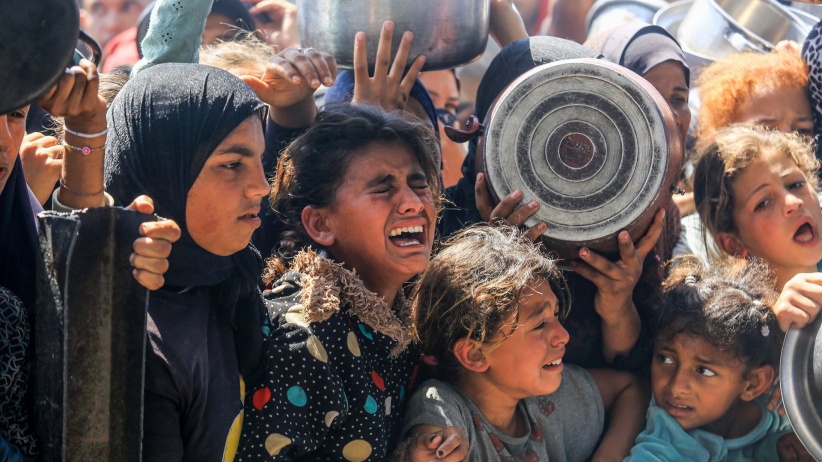
The International Court of Justice held hearings on Israel’s ban on cooperation with UNRWA, the UN’s agency for Palestine refugees. It could take some time for a (non-binding) ruling on Israel’s move to cut ties with UNRWA, and it has already been two months since Israel reinstated its full siege on Gaza, blocking the entry of aid and commercial goods while bombarding the territory. On the ground in the Strip, the situation is becoming more dire by the day. UNICEF says vaccines are quickly running out, disease is spreading, and malnutrition is on the rise. Amnesty International says the past two months of renewed siege constitute a “genocidal act, a blatant form of unlawful collective punishment, and the war crime of using starvation of civilians as a method of warfare.” (Photo: Maan News Agency)

Syria
Roumieh

Demand release of Syrian political prisoners in Lebanon

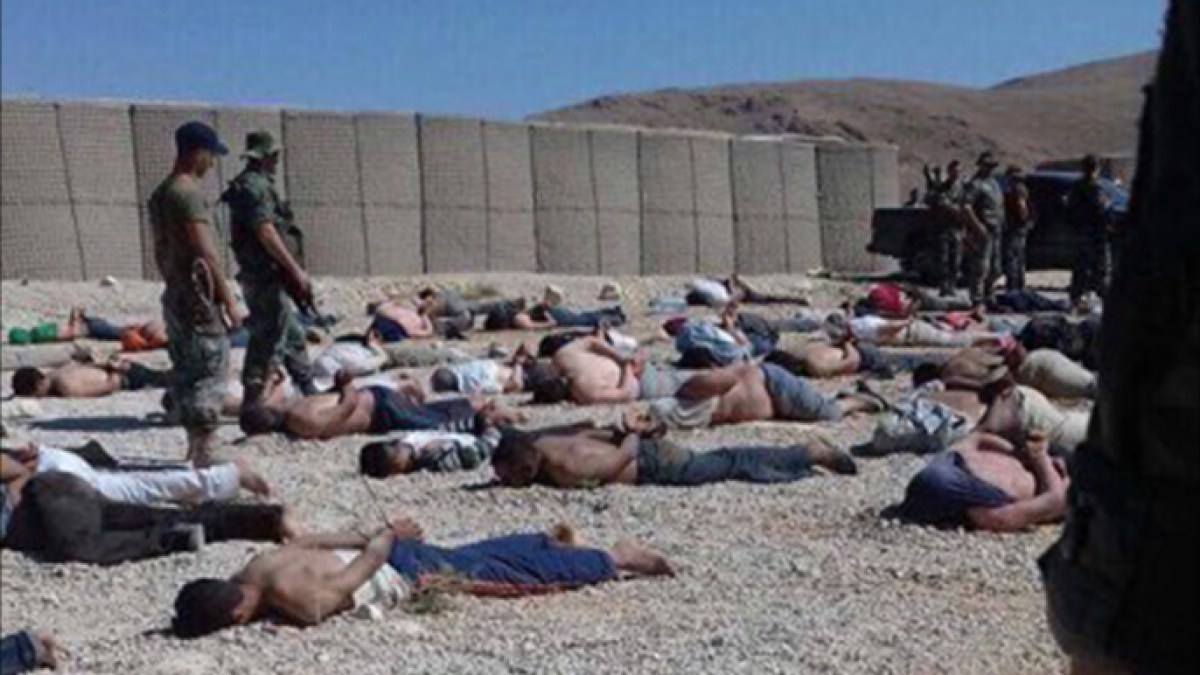
Detained Syrians held in harsh conditions in Lebanon are demanding their release, asserting that the fall of the Bashar Assad dictatorship invalidates the terrorism-related charges against them, which were originally made due to their support for the opposition or affiliation with the rebel Free Syrian Army. Since the revolution began in 2011, hundreds of Syrian refugees have been detained in Lebanon, sometimes in relation to their supposed membership in armed groups, but often arbitrarily. Syrian inmates at Roumieh prison, east of Beirut, managed to get a message out to the new transitional government in Damascus earlier this year, appealing for intervention on their behalf. Interim President Ahmad al-Sharaa raised the issue of “prisoners of conscience” in Lebanon during negotiations with the Lebanese government in February. But there has been no action since then—despite the fact that nearly 100 prisoners went on hunger strike to press the issue. Amnesty International has documented torture and other abuses at Roumieh, with Syrians being particularly targeted. (Photo via Facebook)

South Asia
Sentinelese

Isolated people under threat in Andaman Islands

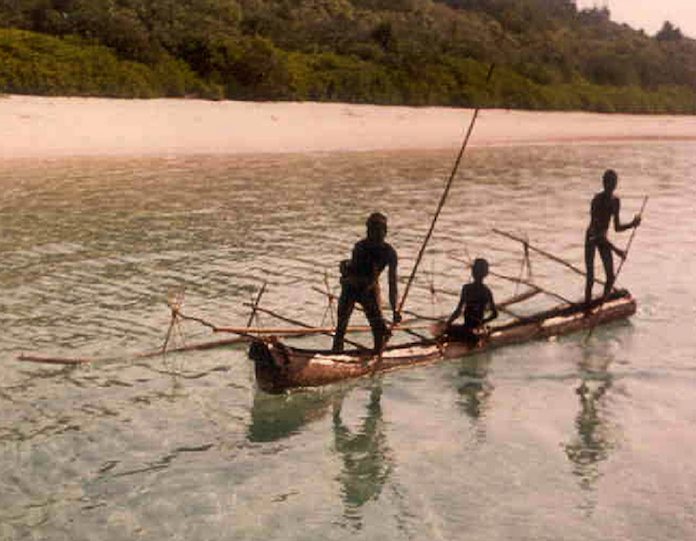
A US national was arrested on North Sentinel Island, in India’s remote Andaman & Nicobar archipelago, for illegally seeking to make contact with the isolated Sentinelese people, an officially designated “particularly vulnerable tribal group” (PVTG). London-based Survival International expressed relief at the arrest, but called the news deeply disturbing, saying the adventurer’s actions “put the lives of the entire Sentinelese tribe at risk,” due to their lack of immunity to common outside diseases. Within days of the arrest, a journalist with local news channel Republic Andaman was found dead—apparently targeted for his reportage on illegal logging and mining in the archipelago. And far greater threats loom; Survival warns that isolated peoples could be wiped out if New Delhi goes ahead with its plan to transform Great Nicobar Island into the “Hong Kong of India,” with massive new port facilities and rapid urbanization. (Photo: Survival International)

Africa
DRC

Chaos in Congo as M23 seize Goma

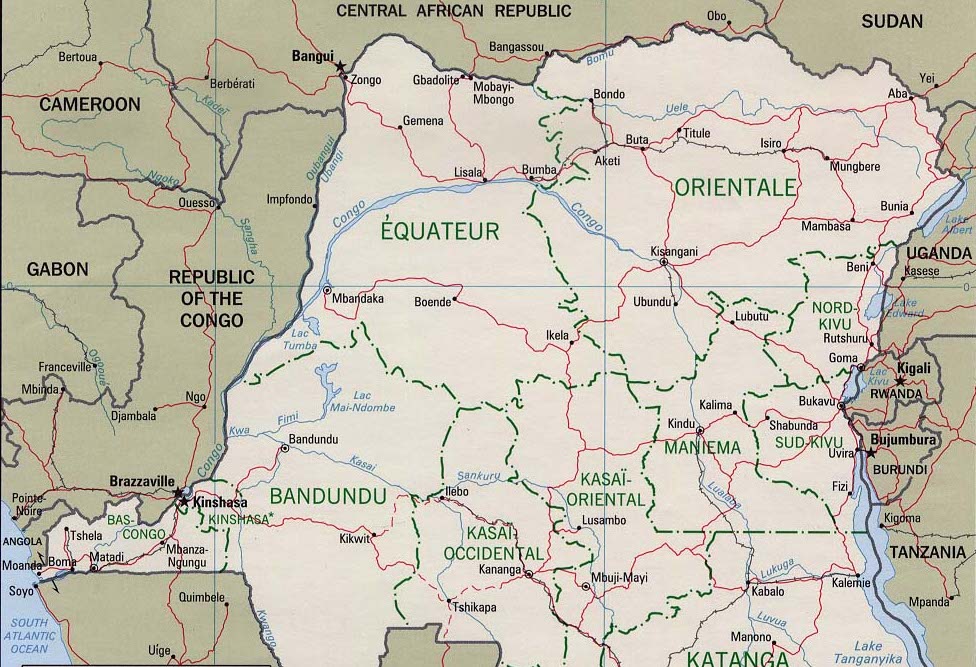
In a dramatic escalation of the ongoing conflict in eastern Democratic Republic of Congo (DRC), the M23 rebels seized Goma, the capital of North Kivu province on the Rwandan border. The UN Security Council held an emergency meeting to discuss the situation, with the DRC accusing Rwanda of sending hundreds of troops across the border to support the M23. The DRC is calling for an arms embargo on Rwanda, and sanctions on its mineral exports. The fall of Goma has sparked protests in the DRC capital, Kinshasa, with foreign embassies vandalized and set on fire, including those of Rwanda, South Africa, the US, Belgium and France. Amid the turmoil, President Felix Tshisekedi has promised a counter-offensive to retake Goma. The DRC’s reliance on foreign mercenaries in the war in the east has drawn sharp criticism. Reports indicate that around 2,000 mercenaries, mostly from Eastern European countries such as Romania, have been hired to fight the M23. (Map: PCL)

Africa
Sudan

Sudan: worst humanitarian crisis ever recorded

The International Rescue Committee declared that Sudan is currently experiencing the worst humanitarian crisis ever recorded. The report states that approximately 30.4 million people—over half of Sudan’s population—are in urgent need of humanitarian assistance, a staggering figure that accounts for 10% of all people globally requiring aid, despite Sudan representing less than 1% of the world’s population. Health services have been critically impacted, with more than 70% of healthcare facilities nonfunctional and widespread outbreaks of diseases like cholera and malaria threatening already vulnerable populations.(Map: PCL)

The Caribbean
Cuba decide

Cuba: investigate death of political prisoner

Several non-governmental organizations have demanded access to Cuban prisons, calling for international support following the death of a man imprisoned for participating in the July 2021 anti-government demonstrations on the island. Manuel de Jesús Guillén Esplugas, a member of the opposition Patriotic Union of Cuba (UNPACU), had been serving a sentence of six years in the Combinado del Este prison in Havana. Guillén Esplugas was among those arrested after participating in the protests that began on July 11, 2021, when thousands of Cubans, spurred by their dissatisfaction with living conditions, organized demonstrations against the regime for its handling of the economy and COVID-19 crisis, and repression of dissidents. (Image: Justicia11J)

Syria
Syria rebels

Syria: rebel forces launch new offensive on Aleppo

In the most significant escalation in Syria since a 2020 ceasefire instated under emergency conditions during the COVID pandemic, rebel forces in northwestern Idlib province  launched a surprise offensive on the country’s most populous city, Aleppo. The rebel advance is said to have penetrated the perimeter of the city, which had been held for years by rebel forces before it was retaken by the regime with the help of Russian air power in 2016. Russia has responded to the new offensive with fresh air-strikes on Idlib, which has been coming under intermittent Russian bombardment for years. At least 225 fatalities are reported in the new fighting, including some 25 civilians killed in Russian air-strikes. (Photo: Syrian Observer)

East Asia
HK47

Hong Kong: 45 activists sentenced for ‘subversion’

The Hong Kong Court of First Instance sentenced 45 defendants for conspiracy to commit “subversion” under the National Security Law, with prison terms ranging from 50 to 120 months, depending on their alleged roles in an unauthorized primary election staged by pro-democracy groups in 2020. The case stems from activists’ efforts in 2020 to gain a majority in Hong Kong’s Legislative Council. The LegCo election was ultimately suspended, ostensibly as an emergency measure during the COVID-19 pandemic. (Image: HKDC)