Greater Middle East

Ecological disaster looms after Houthi ship attack
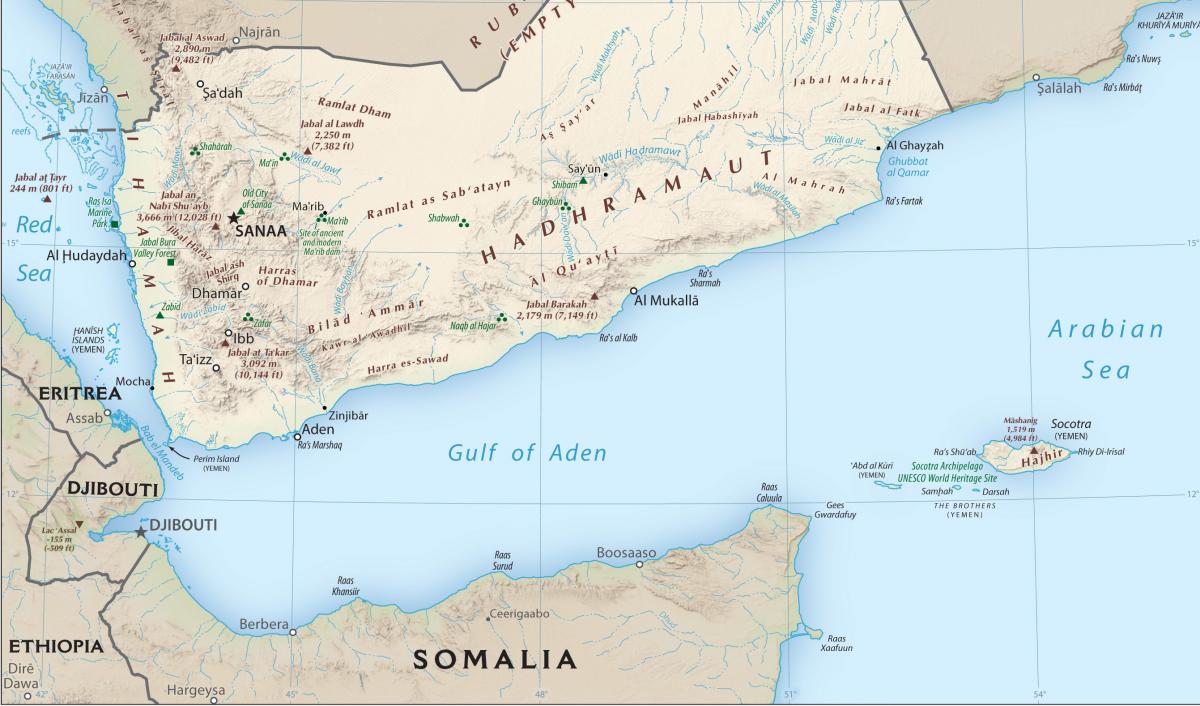
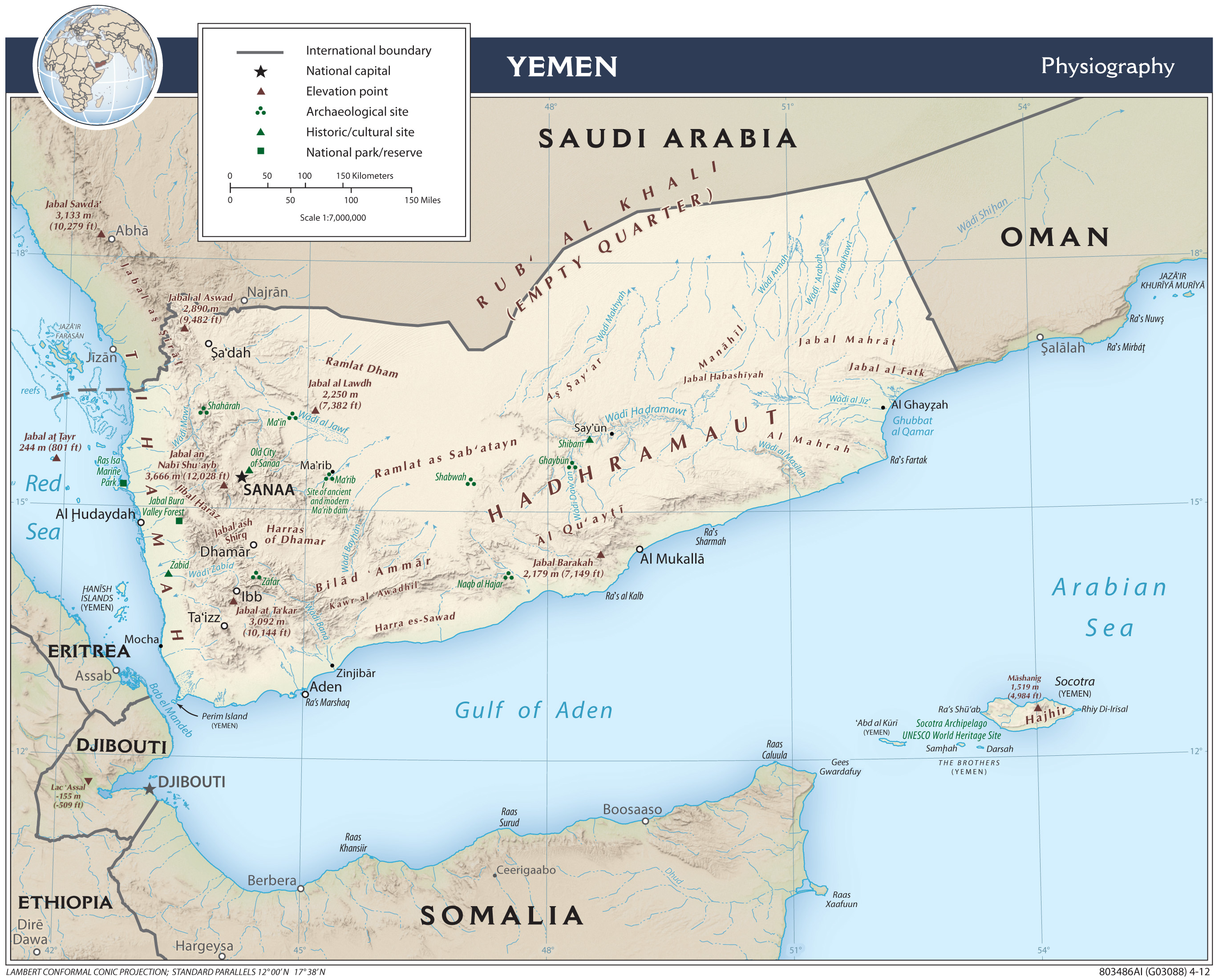
YemenThe internationally recognized Yemeni government issued an urgent plea to the international community following a Houthi attack on the Rubymar, a British-owned cargo ship carrying hazardous materials through the Red Sea. The attack has raised fears of an imminent environmental disaster due to the potential leakage of fertilizer and oil from the abandoned and damaged vessel. Yemen has formed an emergency committee tasked with crafting a plan to mitigate the threat. But the Houthis, who control much of Yemen's territory, say they will only allow salvage or mitigation efforts in exchange for entry of relief aid into the Gaza Strip. US Central Command reports that a a 30-kilometer oil slick is already spreading from the stricken vessel, foreboding a significant ecological crisis in the area. (Map via PCL)
Palestine

Gaza humanitarian response: ‘convenient illusion’

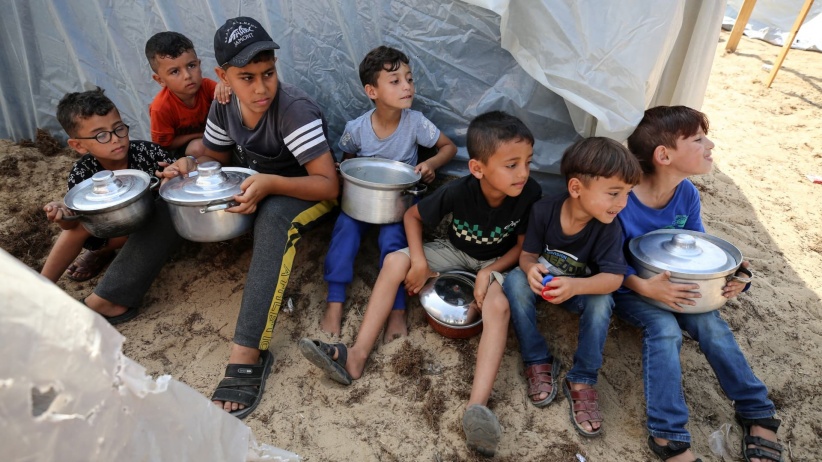
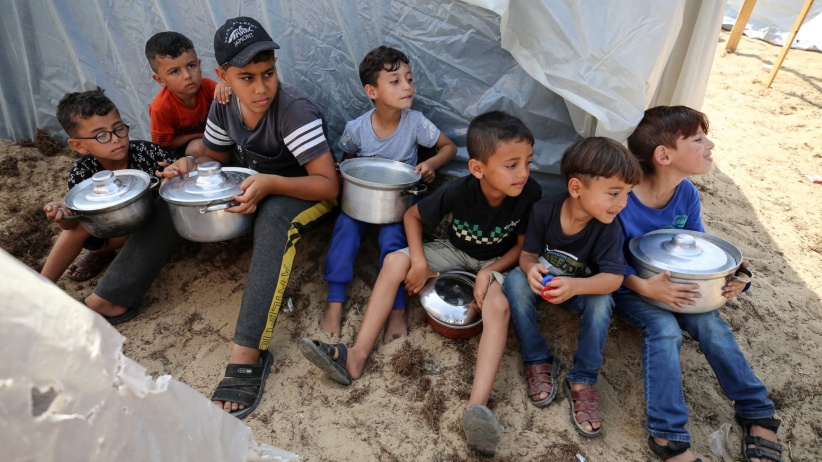
GazaIn a message delivered to the UN Security Council, the head of Médecins Sans Frontières, Christopher Lockyear, said that the "illusion" of a humanitarian response in Gaza "perpetuates a narrative that this war is being waged in line with international laws." The already low volume of aid being delivered to Gaza has collapsed in recent weeks, despite Israel having been ordered by the World Court to enable the provision of humanitarian aid. The World Food Program announced that it has suspended aid deliveries to northern Gaza—where the humanitarian suffering is most extreme—because of the dissolution of public order. A new report from the Gaza Health Impact Projections Working Group estimates that, even in the best-case scenario of an immediate permanent ceasefire, there will be more than 6,500 excess deaths in Gaza over the next six months due to the catastrophic food, shelter, sanitation, and healthcare situation in the enclave. If the status quo of ongoing bombardment continues, the projections rise to more than 74,000 deaths. Reports are beginning to emerge of children dying of hunger. (Photo: Maan News Agency)

Planet Watch

Frontline fighters (and martyrs) for free speech

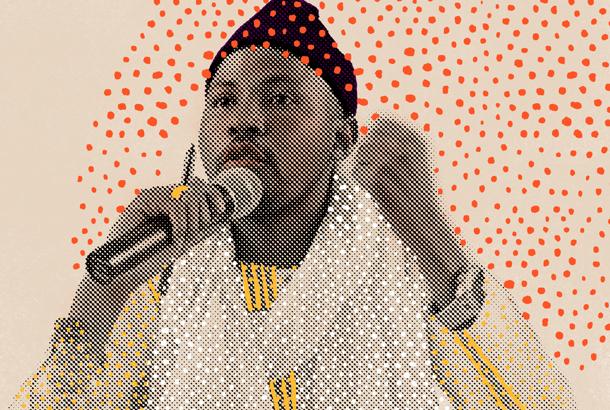
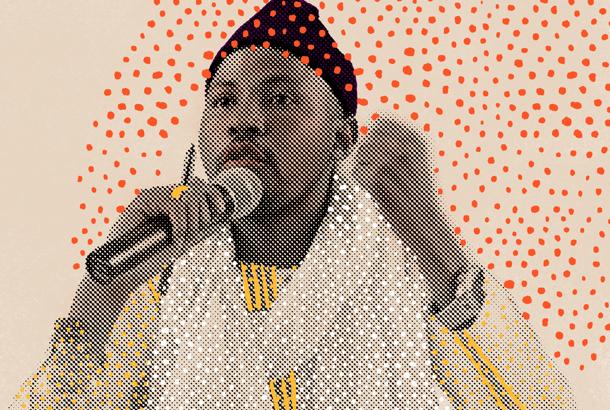
DialloIn Burma, the mutilated body of independent journalist Myat Thu Tan was found at the military base where he had been detained, after the camp was overrun by rebels of the pro-democratic resistance. In Kazakhstan, detained activist Aqylbek Muratbai is fighting extradition to Uzbekistan, where he had been speaking out against bloody repression faced by his Karakalpak ethnic minority. And in Burkina Faso, human rights defender Daouda Diallo remains missing months after he was "disappeared," presumably at the hands of the ruling military junta. Yet neither the mainstream media nor "progressives" in the West pay heed to these cases—while the reactionary and Kremlin-coopted Julian Assange is a cause célèbre. In Episode 214 of the CounterVortex podcast, Bill Weinberg asks: Why is that? Listen on SoundCloud or via Patreon. (Image: CISC via OHCR)

Inner Asia

Karakalpak activist detained in Kazakhstan

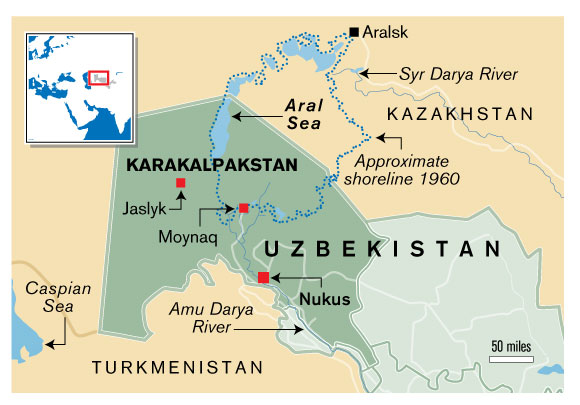
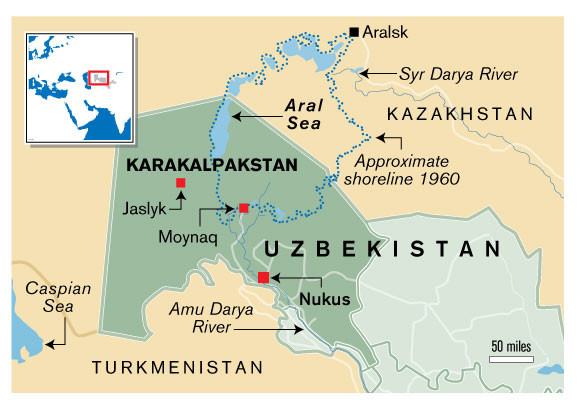
KarakalpakstanPolice in Almaty, Kazakhstan, detained Aqylbek Muratbai, an activist who has been working to raise international awareness about the bloody crackdown on a mass protest in his native Karakalpakstan, an autonomous region of western Uzbekistan, in July 2022. It is feared that Kazakh authorities intend to deport him to Uzbekistan, where he could face a severe prison sentence. (Map: Wikipedia)

Southeast Asia

Burma: investigate killing of journalist Myat Thu Tan

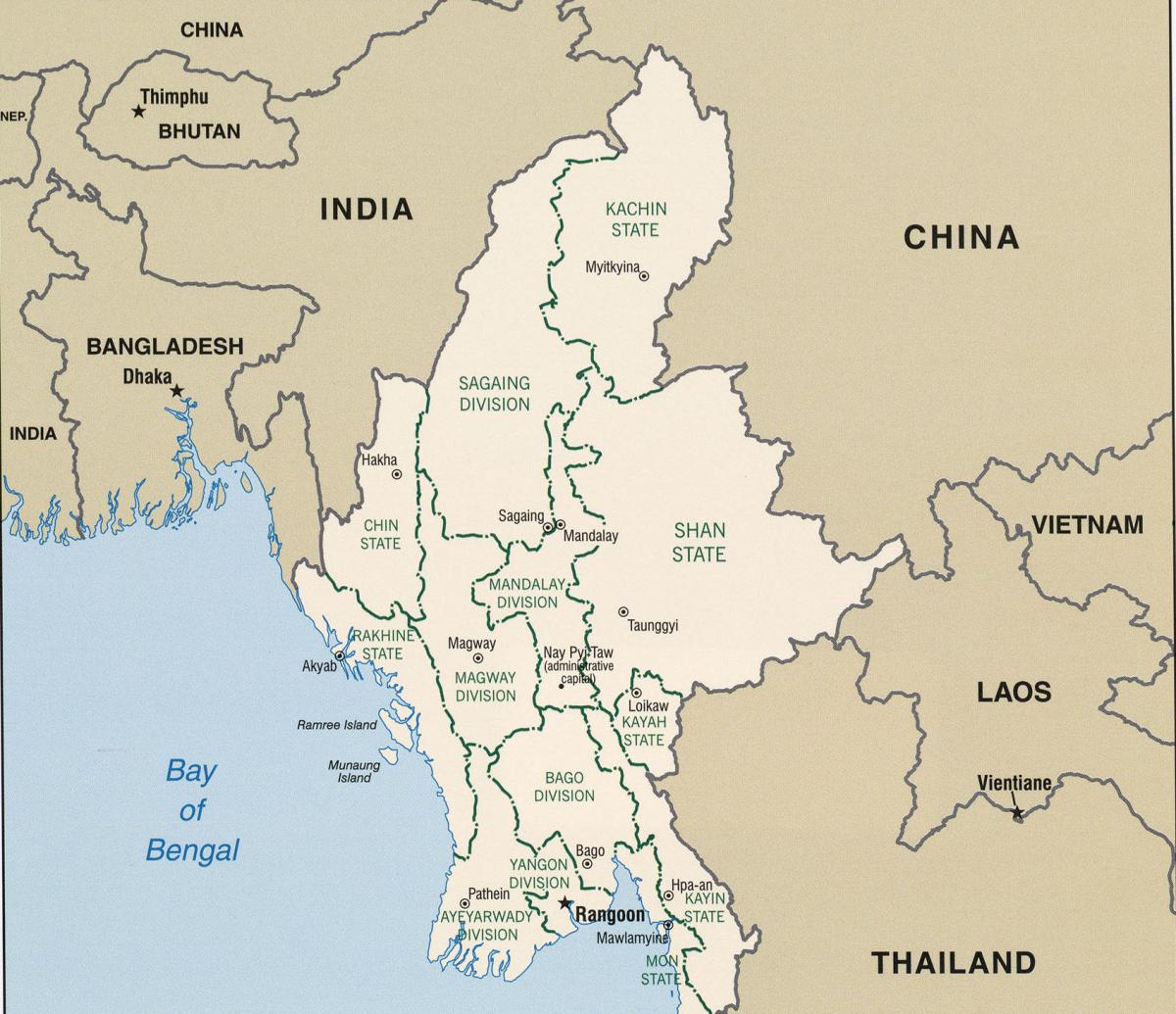
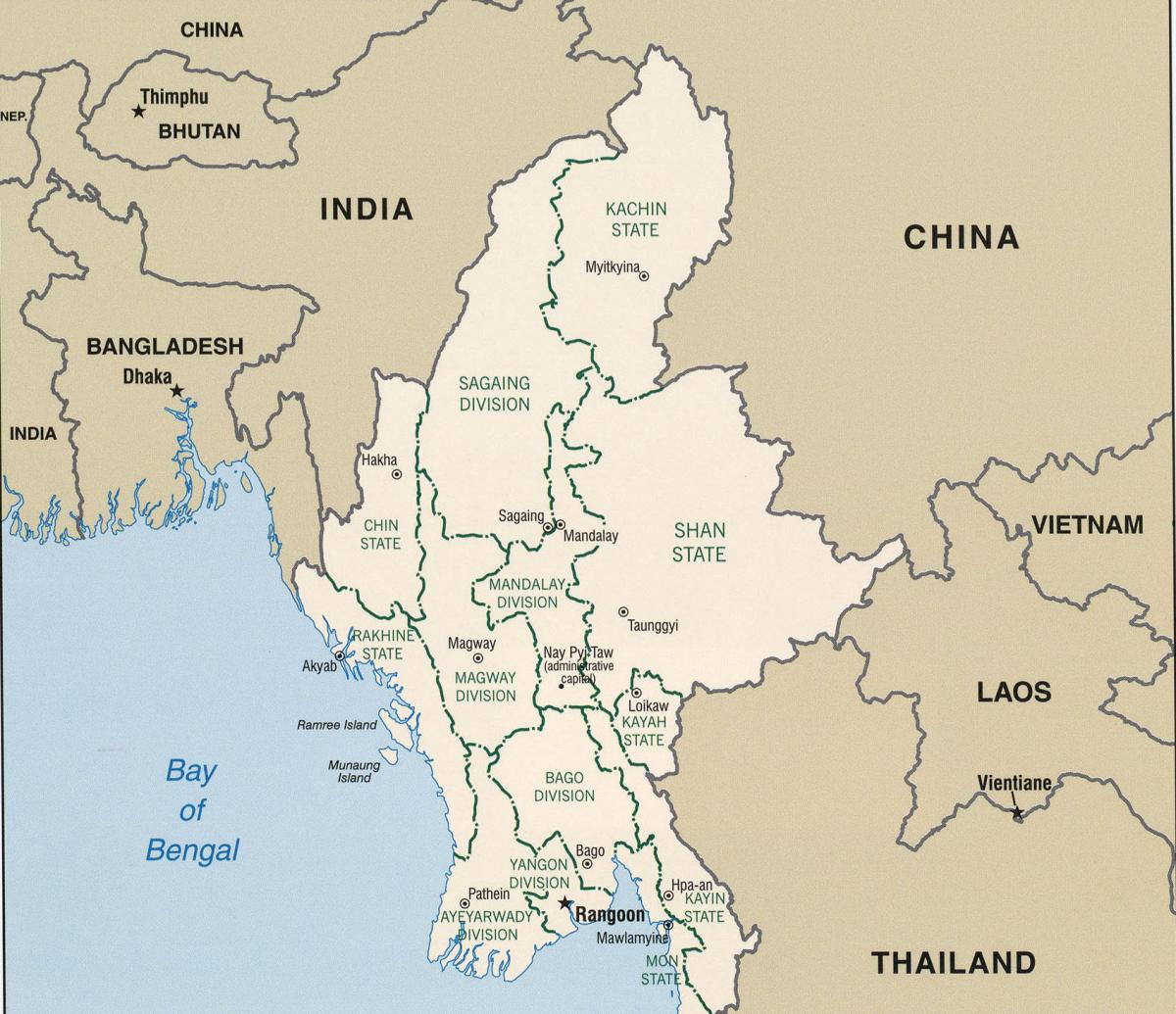
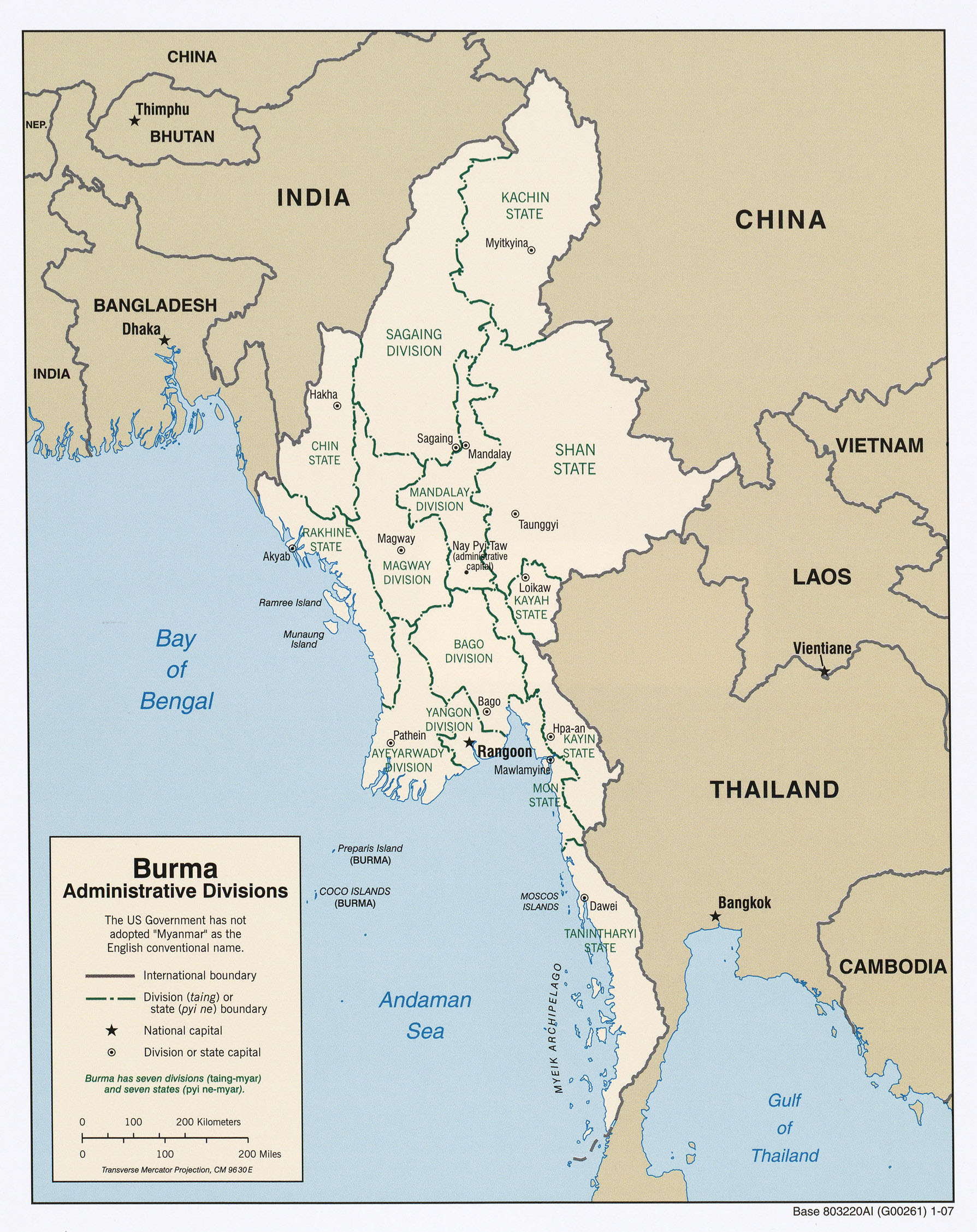
BurmaThe New York-based Committee to Protect Journalists called for the Burmese military government to investigate the killing of journalist Myat Thu Tan and prosecute the perpetrators. The journalist's remains were found buried in a bomb shelter at a military camp in Rakhine state. The body, bearing signs of torture, was discovered along with six other political detainees after the camp was overrun by the insurgent Arakan Army. Since September 2022, authorities had held Myat Thu Tan in pre-trial detention. At the time of his death, he had not been tried or convicted of any offense. He was accused of disseminating "defamatory material" on social media, in violation of the Burmese Penal Code. According to Human Rights Watch, the offense is used "to target those speaking critically of the military" following the coup of February 2021. (Map: PCL)

Europe

Ukraine accuses Russia of using chemical weapons

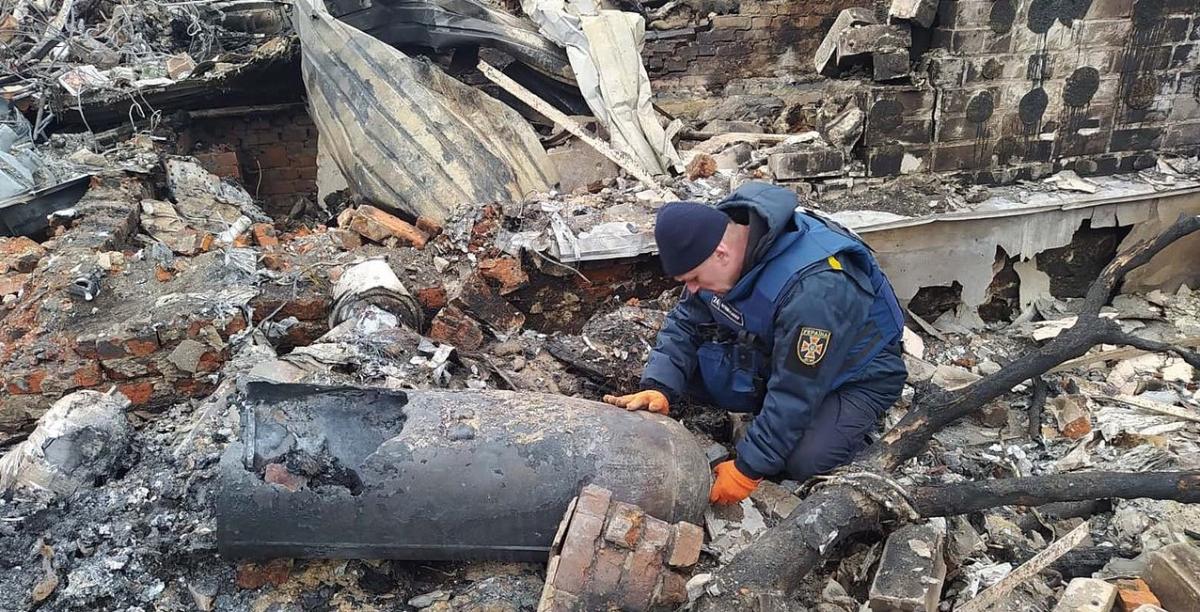
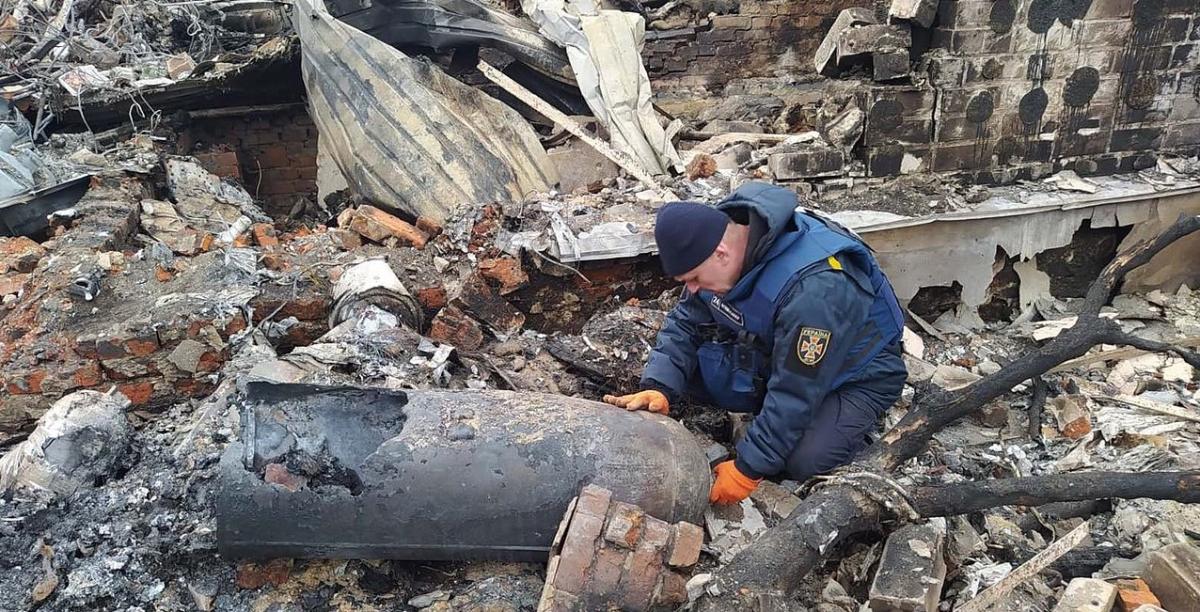
UkraineThe Public Relations Service of the General Staff of the Armed Forces of Ukraine accused Russia of using chemical weapons in the ongoing conflict, with a staggering total of 815 recorded attacks since the commencement of the large-scale war. The report highlights the use of munitions equipped with poisonous chemical substances, particularly grenades such as the K-51, RGR, and RG-Vo, which contain the dangerous chemical compound CS. To gather evidence, Ukrainian radiation, chemical and bacteriological intelligence units have been carrying out sampling of soil, vegetation, and ammunition fragments, which are then sent for analysis. Documented cases of the use of dangerous chemicals are being submitted to investigative bodies as part of open criminal proceedings. (State Emergency Service of Ukraine via WikiMedia Commons)

Afghanistan

Afghanistan: UN decries restrictions on women’s rights

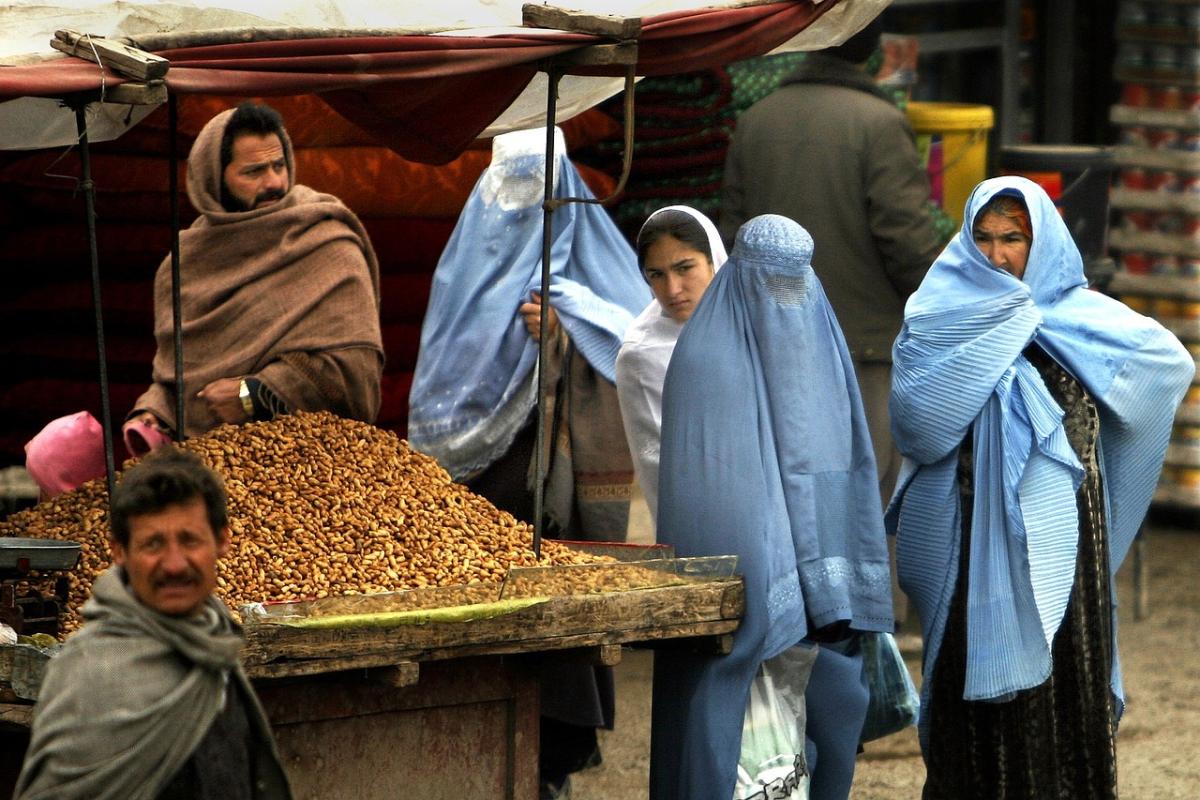
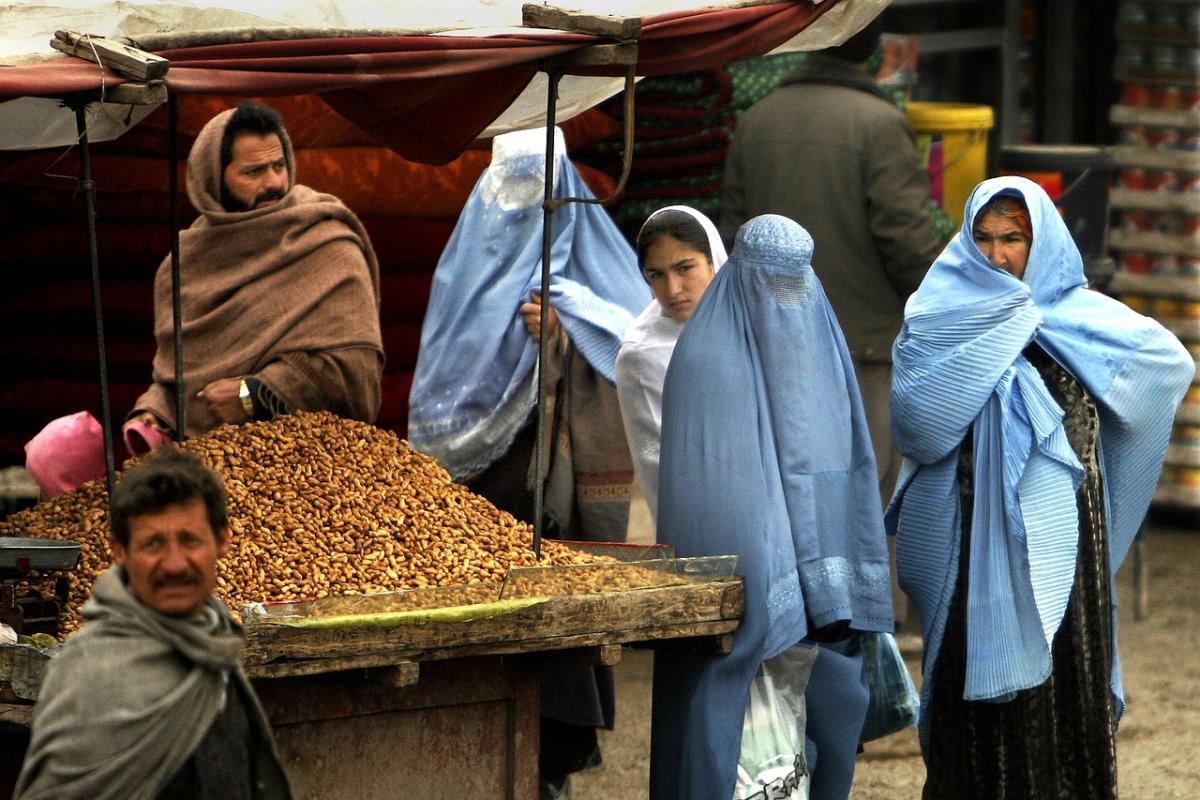
burqaA United Nations report found that the Taliban's restrictions on women's attire and its requirement that women have a male guardian in public are limiting Afghan women’s freedom of movement and access to education, employment, health care and other basic rights. The report by the UN Assistance Mission in Afghanistan (UNAMA) states that many Afghan women are not leaving their homes alone due to decrees issued by the Taliban. The hardline Islamist regime has demanded women wear specific attire in public, such as the all-covering burqa, and only venture outside if accompanied by a close male relative, known as a mahram. (Photo: 12019/Pixabay via Jurist)

South Asia

Farmers’ march on Delhi met with repression

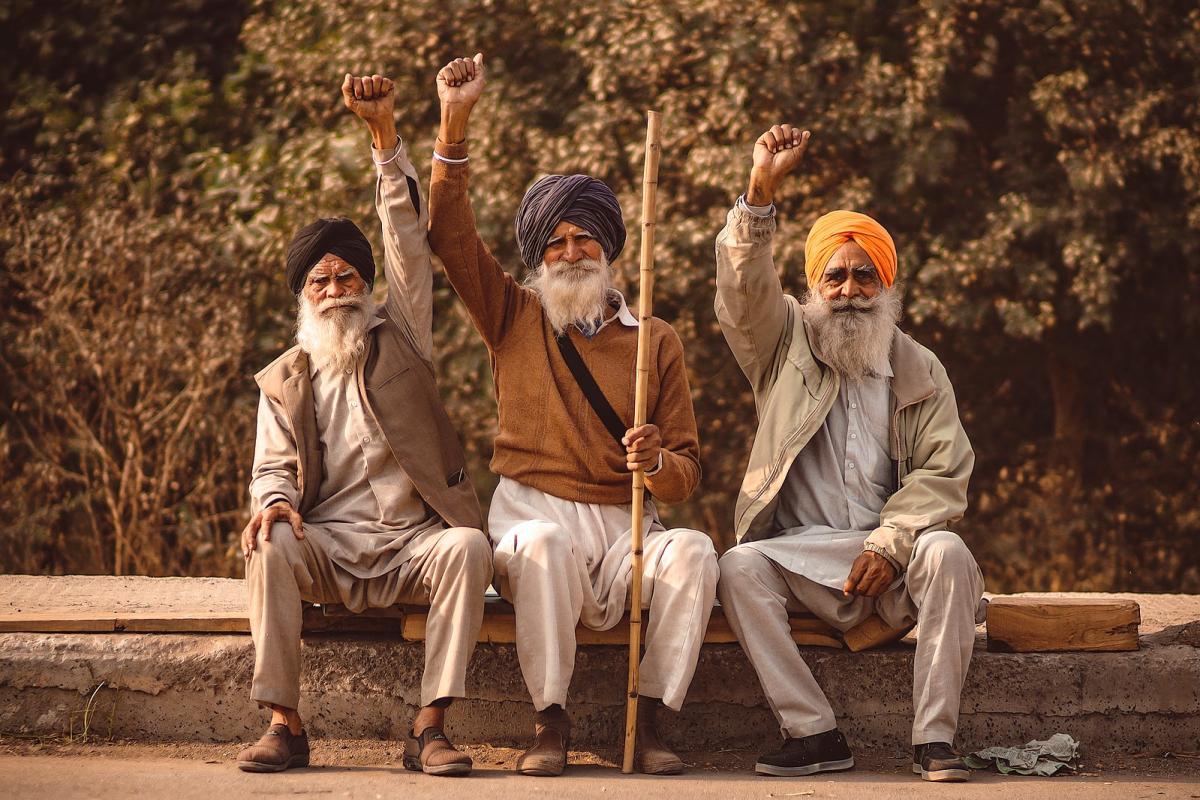
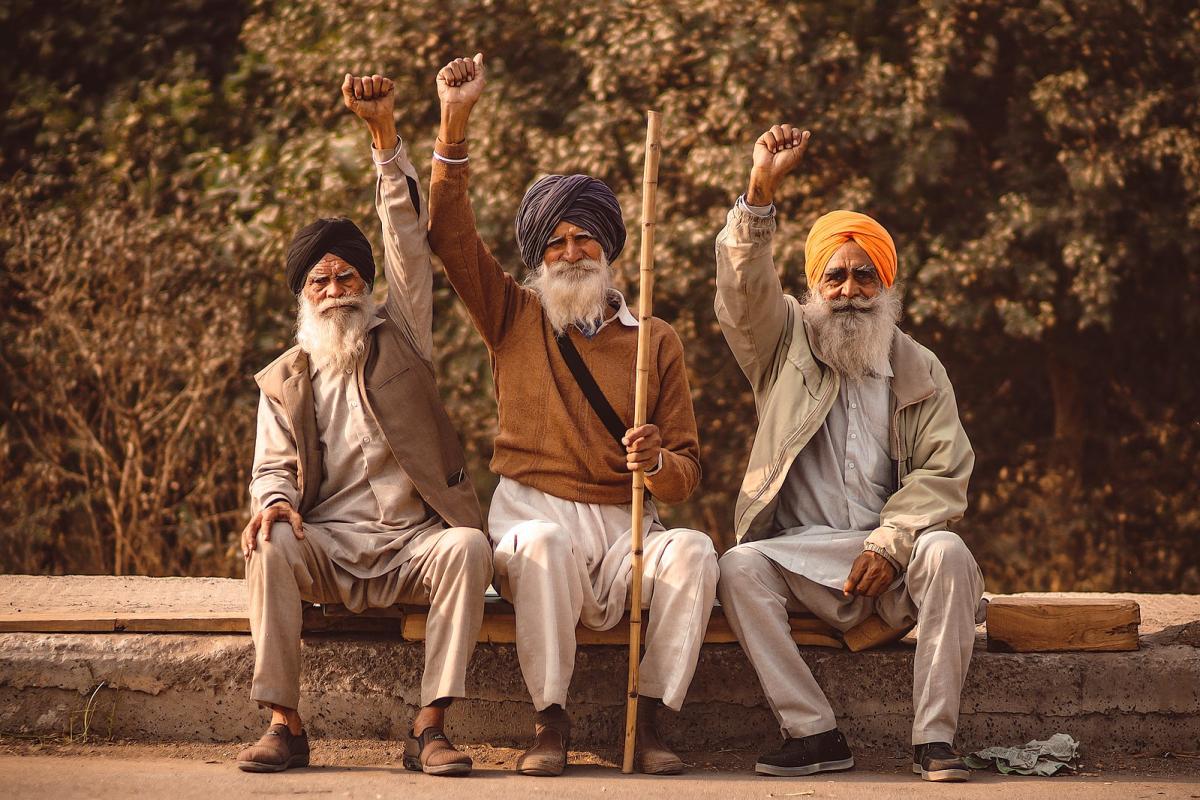
Delhi ChaloAmnesty International released a statement decrying the Indian government's disproportionate restrictions on the right to peaceful protest instated to quell the "Dilli Chalo" (on to Delhi) farmers protest. In response to farmers' cross-country mobilization to protest agricultural policies, Indian authorities imposed limitations on group gatherings, erected barricades along the route of the march, and used tear-gas and rubber bullets against the farmers. (Photo: Ravan Khosa via Wikimedia Commons)

Africa

Conflict lingers in Mozambique’s Cabo Delgado

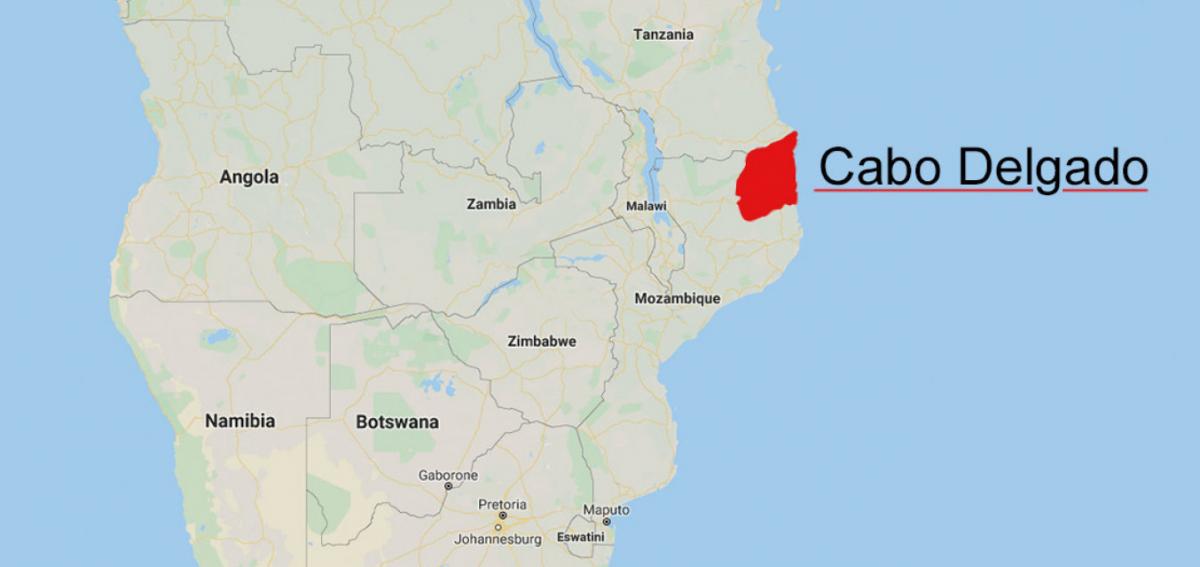
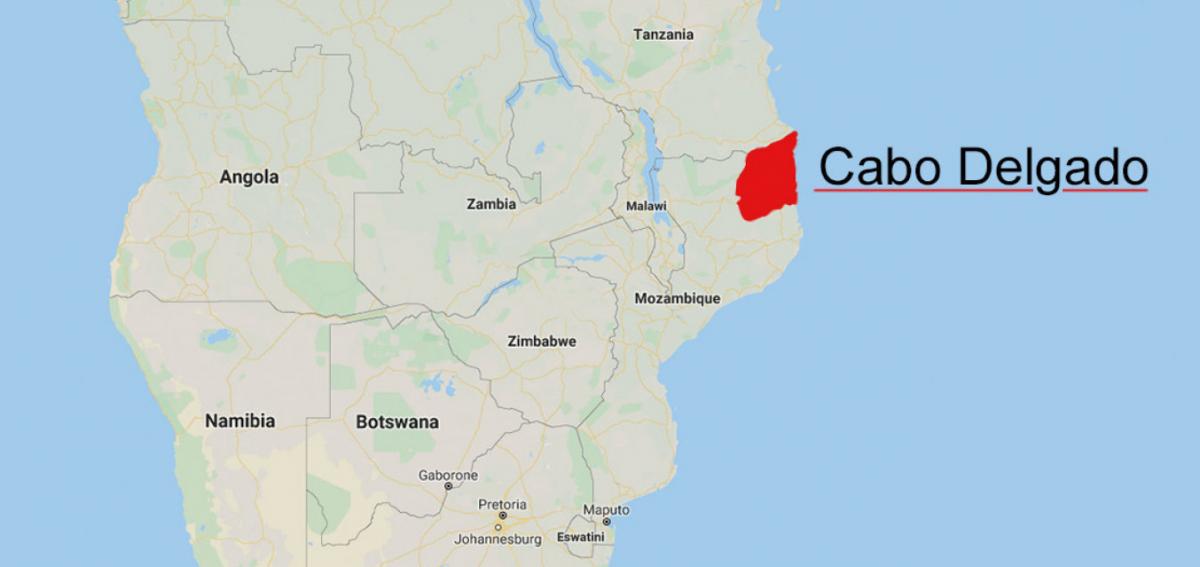
MozambiqueMozambique's military said last year that more than 90% of northern Cabo Delgado province had been secured from ISIS-affiliated insurgents known locally as al-Shabab—yet ongoing attacks indicate that the conflict is far from over. After seizing a strategic village last month, jihadists killed more than 20 soldiers in a battle this month. Cases of beheadings, kidnappings, and ambushes are still being reported by conflict monitors, even as a regional military intervention force is set to end its three-year mission. (Map via Moscow Times)

Palestine

Podcast: for Palestinian-Uyghur solidarity

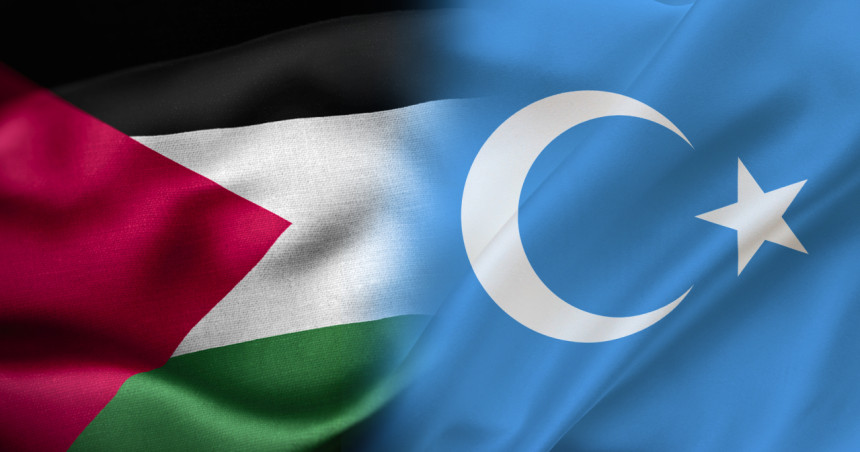
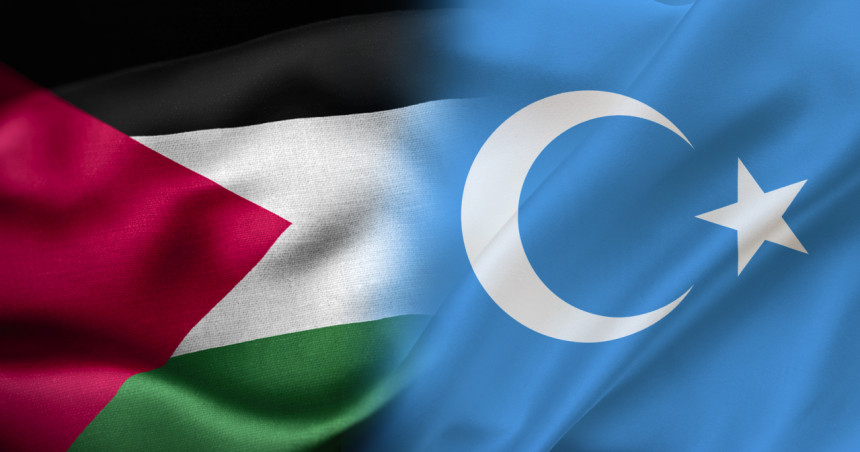
Palestinian UyghurIn Episode 213 of the CounterVortex podcast, Bill Weinberg notes how divergent responses to the ethnic cleansing of the Palestinians and mass internment of the Uyghurs reveal the West's shifting definition of genocide. Tragically, elements of the Palestinian leadership merely reverse the double standard, causing elements of the exiled Uyghur leadership to balk at supporting the Palestinians. Yet another example of how a global divide-and-rule racket is the essence of the state system. Illustrating the irony, the same corporate nexus is involved in putting in place the surveillance state that monitors the Uyghurs for China and the Palestinians for Israel. Fortunately, principled voices of dissent among both the Palestinians and the Uyghurs are calling for Palestinian-Uyghur solidarity. Listen on SoundCloud or via Patreon. (Image: Hasbi Sahin & Tatohra/Shutterstock via Islam21c)

Africa

Russia creates new Africa Corps

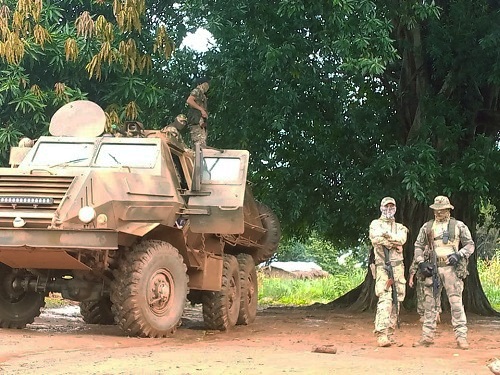
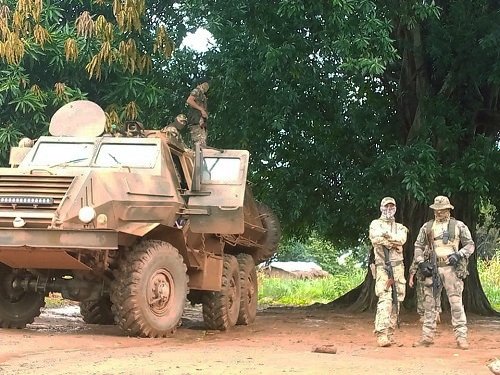
WagnerFollowing the death of Wagner Group leader Yevgeny Prigozhin, the Russian ministries of defense and foreign affairs quickly moved to reassure African client states that business as usual would continue—meaning that Moscow's unofficial boots on the ground would keep operating in these countries. Now reports indicate a transformation, with Wagner's estimated force of 5,000 troops—deployed from the Sahel to Libya to Sudan—to be brought under Defense Ministry command as a new Africa Corps. (Photo: Russian mercenaries in the Central African Republic. Credit: Corbeau News Centrafrique via Wikipedia)

Afghanistan

China moves toward recognition of Taliban regime

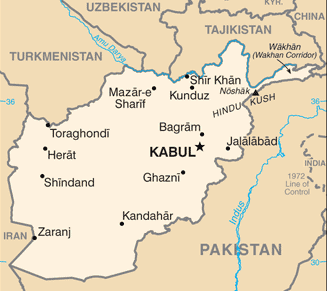
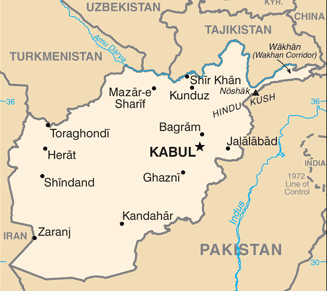
AfghanistanChinese President Xi Jinping officially accepted the credentials of the envoy to Beijing from Taliban-ruled Afghanistan—a clear step toward recognition of the regime. A month before that, Wang Yi, the Chinese foreign minister, visited Kabul to meet with Taliban foreign minister Amir Khan Muttaqi—the highest-level meeting between China and the Taliban regime since its return to power in 2021. China has already struck hydrocarbon deals with the Taliban, and has been eyeing Afghanistan's lithium, copper and rare-earth metal mines. This is in line with Beijing's perceived design to establish control over the planet's rare earth minerals. (Map: Perry-Castañeda Library)