Africa

Court dismisses child labor case against Big Tech
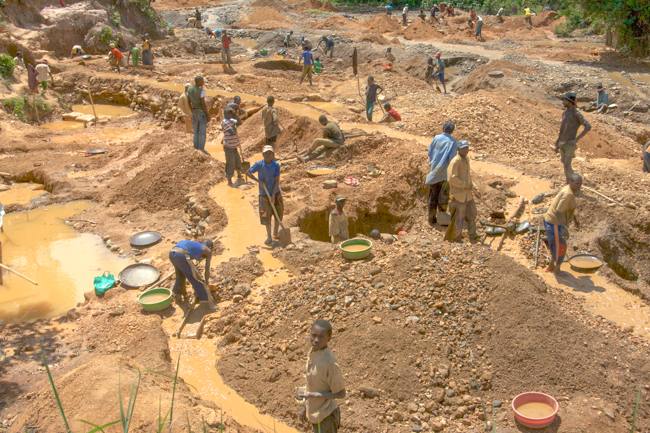
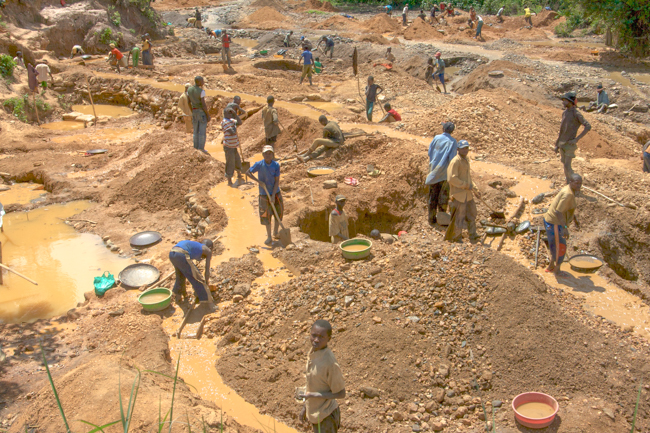
DRC mineThe US Court of Appeals for the District of Columbia dismissed a child labor case against technology companies and refused to hold them accountable for complicity in the use of children in cobalt mining in the Democratic Republic of the Congo (DRC). Former cobalt miners and their representatives filed a lawsuit against Alphabet (Google), Apple, Dell Technologies, Tesla and Microsoft under the Trafficking Victims Protection Reauthorization Act of 2008 (TVPRA). The TVPRA penalizes anyone who "knowingly benefits financially from participating in a venture that engaged in trafficking crimes." They claimed that the companies were involved in a "venture" with their suppliers that engaged in forced labor of children to obtain the metal. The court rejected these claims and dismissed the lawsuit, upholding a lower court's decision. (Photo via Africa Up Close)
Watching the Shadows

Podcast: the Facebook dilemma

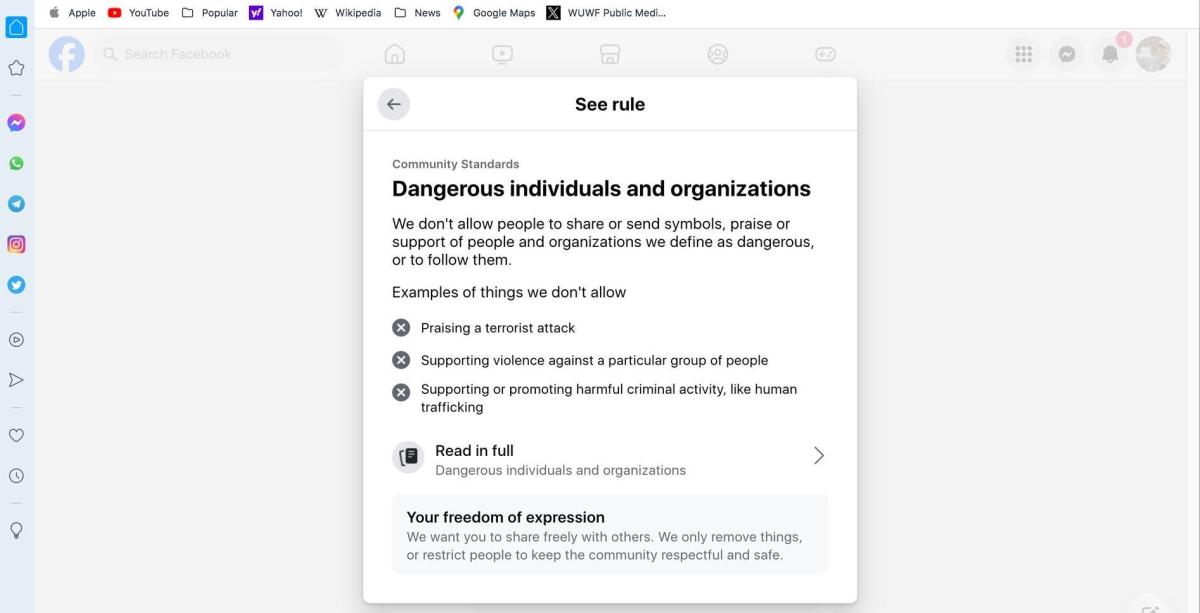
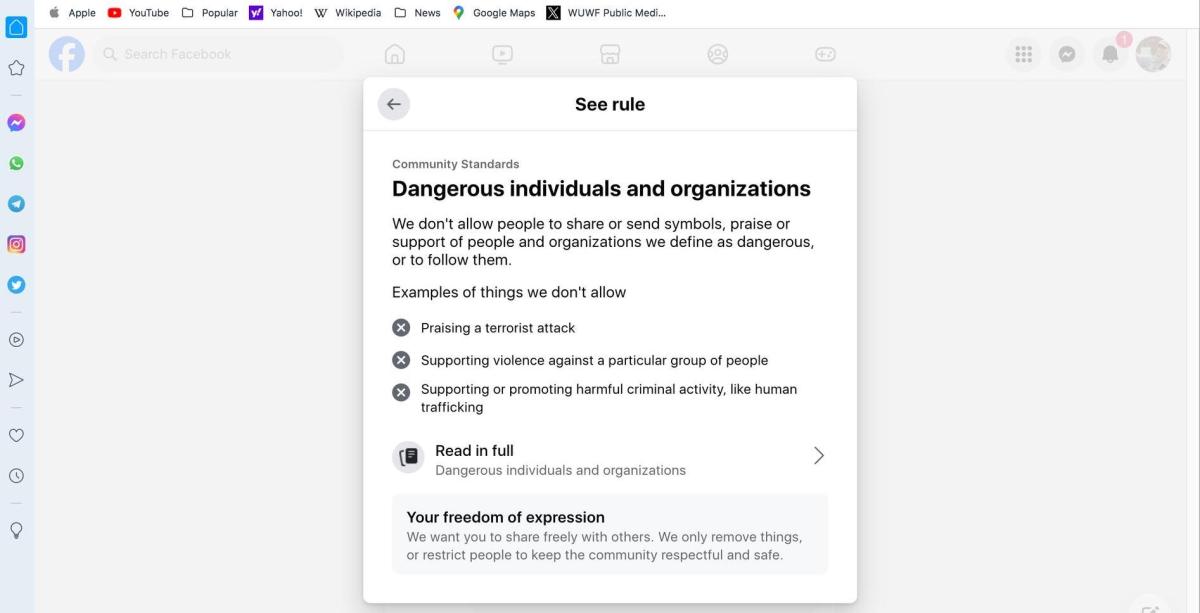
FacebookThis week's Meta outage plunged millions around the world into panic. No sooner did Bill Weinberg get back on Facebook than its robots slapped restrictions on his account for supposedly promoting "dangerous organizations"—precisely in response to his protests against online stanning for extremist groups! Apart from subjection to such Orwellian diktats from Meta's robotocracy, Facebook has tweaked its algorithm to sideline links to news articles and instead boost "reels" and "memes," with high entertainment value but little informational content. This has tanked SEO for news outlets and resulted in ominous layoffs across the news industry. In Episode 216 of the CounterVortex podcast, Bill reiterates his call for a meme moratorium, as the ony means of consumer resistance to Meta's profiteering, anti-social agenda—but also asks what can be done about the more fundamental question of this corporate Borg's assimilation of every sphere of human reality. Listen on SoundCloud or via Patreon.

Europe

ICC issues warrants for Russian military commanders

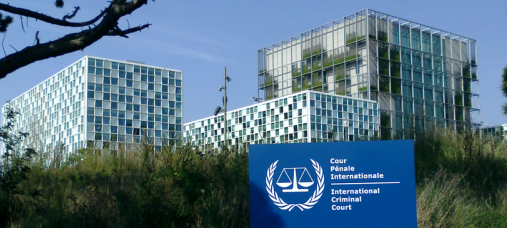
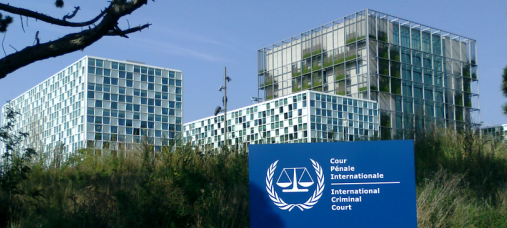
ICCThe International Criminal Court issued arrest warrants for two high-ranking Russian military commanders, finding there were "reasonable grounds" to believe they committed war crimes in the context of Moscow's ongoing war on Ukraine. According to a Court announcement, Sergei Kobylash, a lieutenant general in the Russian armed forces, and Viktor Sokolov, a navy admiral, are accused of having ordered attacks on "civilian objects" and of having caused excessive "incidental civilian harm," in violation of Article 8 of the Rome Statute. (Photo: OSeveno/WikiMedia)

Inner Asia

China arrests hundreds as Tibetans protest dam

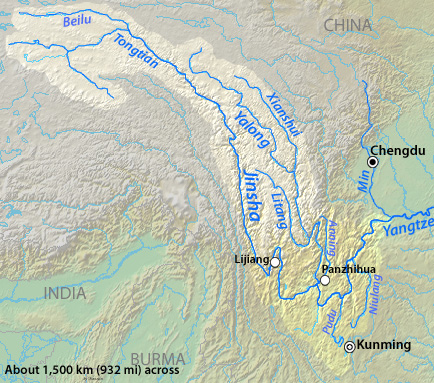
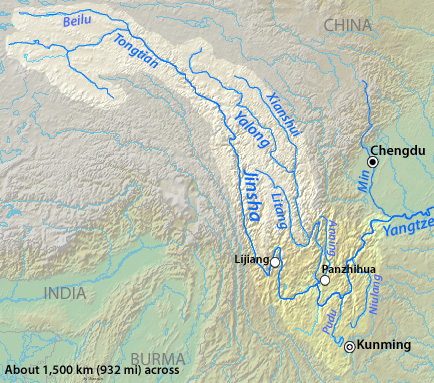
JinshaChinese authorities have made mass arrests in the ethnically Tibetan region of western Sichuan province amid protests against a giant hydro-electric dam project that would force villages to vacate and destroy ancient Buddhist monasteries. Up to 1,000 villagers and monks have been detained in Sichuan's Kardze Tibetan Autonomous Prefecture, and their current status remains unknown. The Kamtok dam is the sixth in a proposed series of 13 on the Dri Chu River, known as the Jinsha or Upper Yangtze in Chinese. They are being built as part of the West-East Electricity Transmission Project, to supply power to industrial cities in eastern China. (Map: Wikipedia)

Africa

UN mission to DRC begins withdrawal

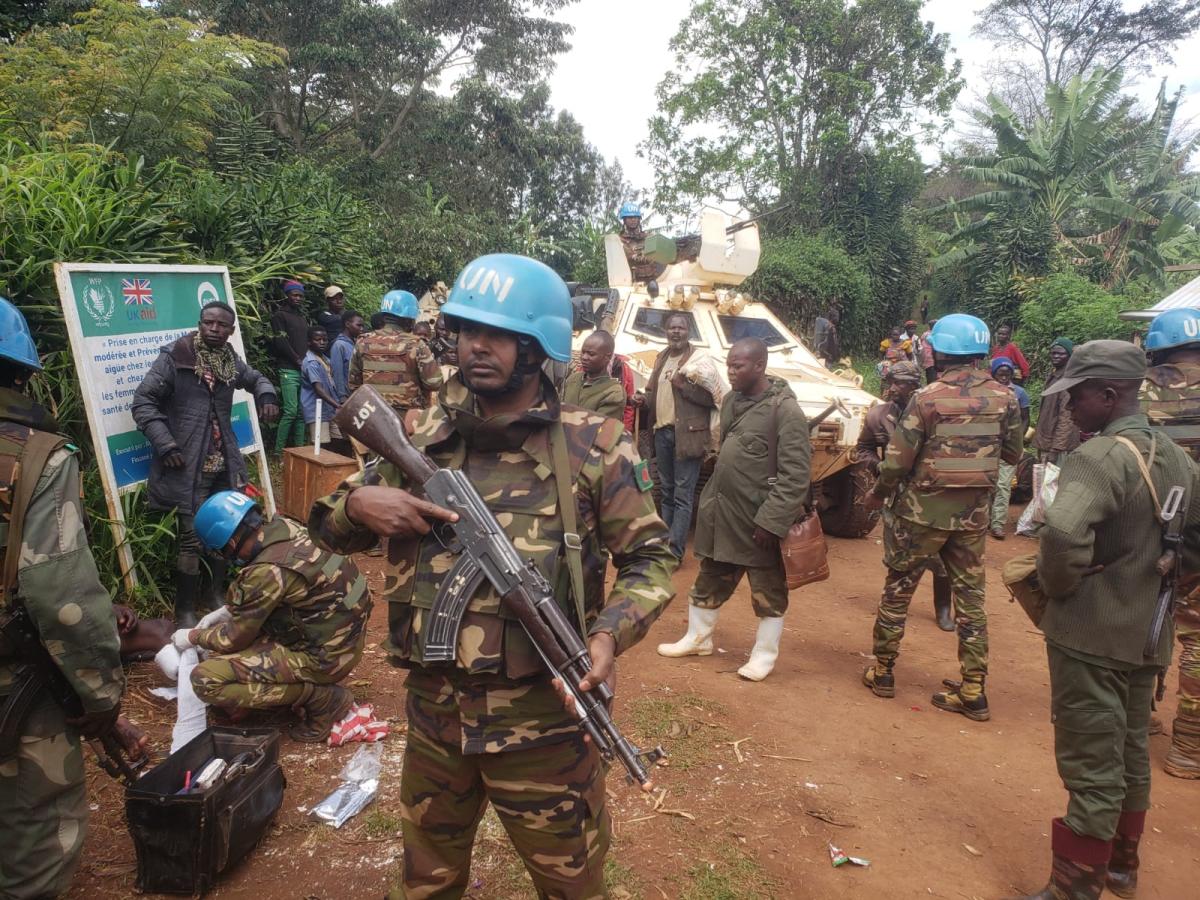
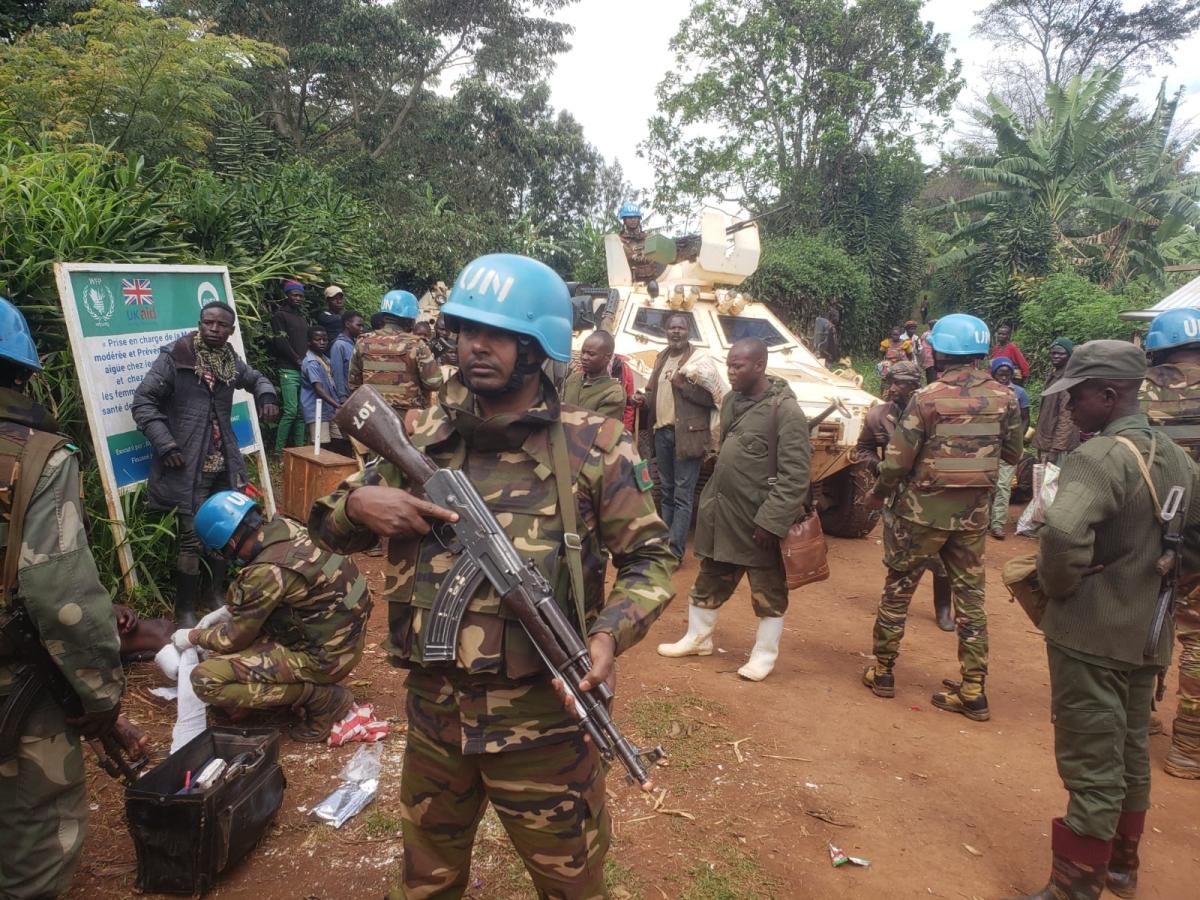
MONUSCOThe UN has transferred control of its first base of operations in the Democratic Republic of the Congo to the Congolese government. The move is a part of the UN's plan to end its current peacekeeping operations within the DRC by the end of the year. The UN made the decision to withdraw at the request of the DRC government in December, despite ongoing instability in the country. Last year,  conflicts in the eastern DRC internally displaced more than 6.1 million people. (Photo: MONUSCO via Wikimedia Commons)

Palestine

Lebanon: displacement as Israel intensifies air-strikes

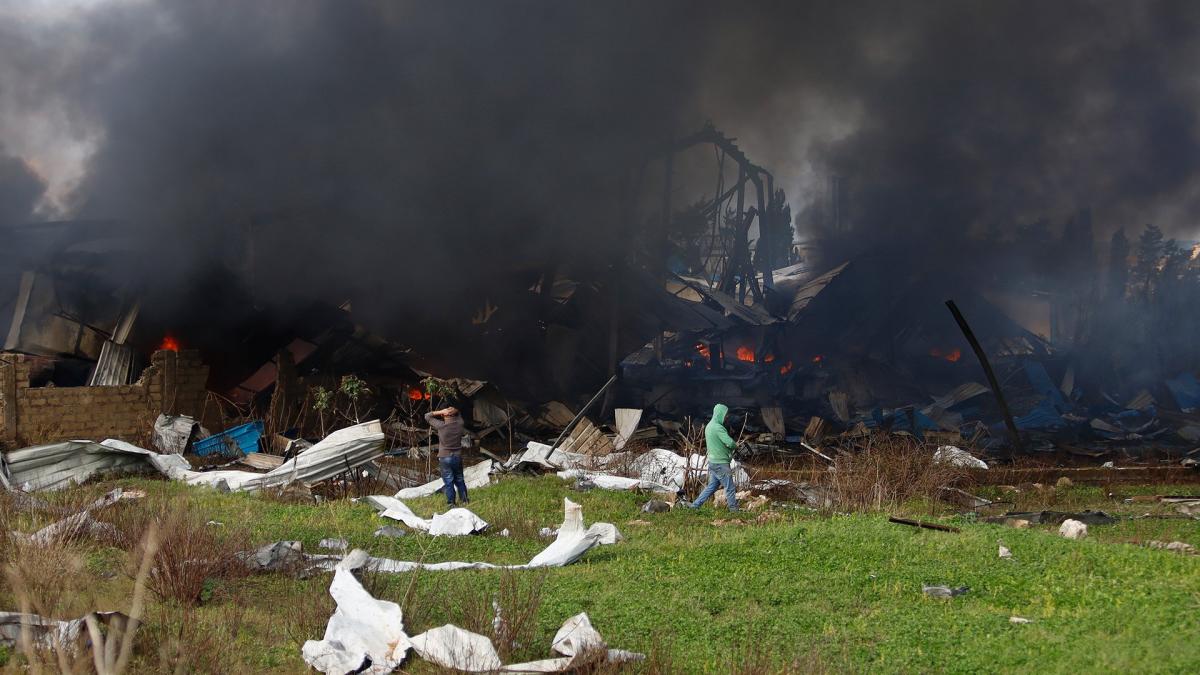
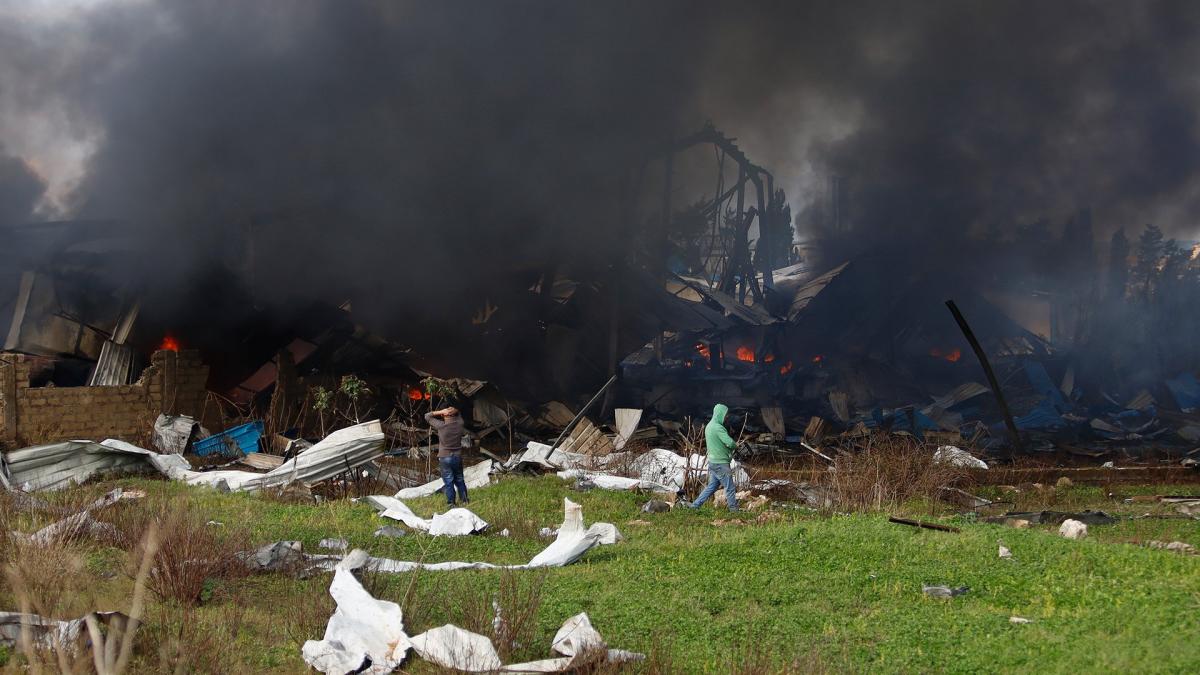
GhaziyahAs Israel expands its air-strikes deeper into Lebanon, hitting parts of the country previously considered safe, those already forced to flee the conflict are struggling to get by without jobs or much aid, unsure where to go next if things get even worse. Cross-border tensions between Israel and Hezbollah, the Lebanese political and militant group, have been growing since the outbreak of war in Gaza, with almost daily exchanges of fire. According to UN figures, the violence has forced more than 90,000 people to flee their homes inside Lebanon since early October. (Photo: Aftermath of Feb. 19 Israeli air-strikes in south Lebanon town of Ghaziyeh, where Israel said it targeted a Hezbollah weapons depot. Credit: Egab/TNH)

Africa

Political violence erupts in Chad

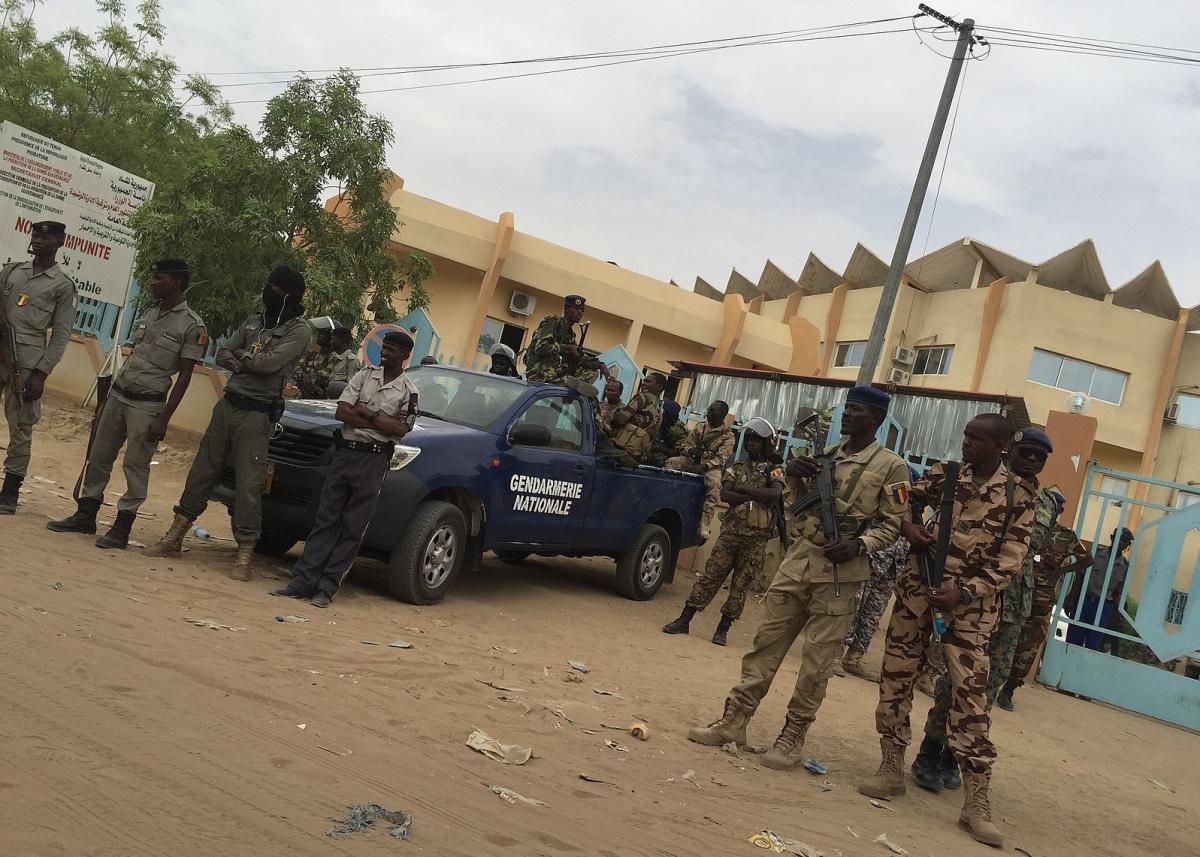
ChadViolence erupted in Chad shortly after the country's elections agency confirmed dates for a May presidential poll, which is supposed to restore democracy after three years of junta rule. The outbreak began with an armed attack on the headquarters of the National Security Agency, which the government blamed on followers of the Socialist Party Without Borders (PSF), the main opposition party in Chad. The PSF denied the charge. But the following day party leader Yaya Dillo—a vocal critic of ruler Gen. Mahamat Idriss Déby—was killed alongside dozens of the others in a shoot-out with security forces at the PSF headquarters in the capital, N'Djamena. (Photo: Chadian gendarmerie in N'Djamena. Credit: Bagassi Koura/VOA via Wikimedia Commons)

Palestine

Podcast: the electoral dilemma in apartheid Jerusalem

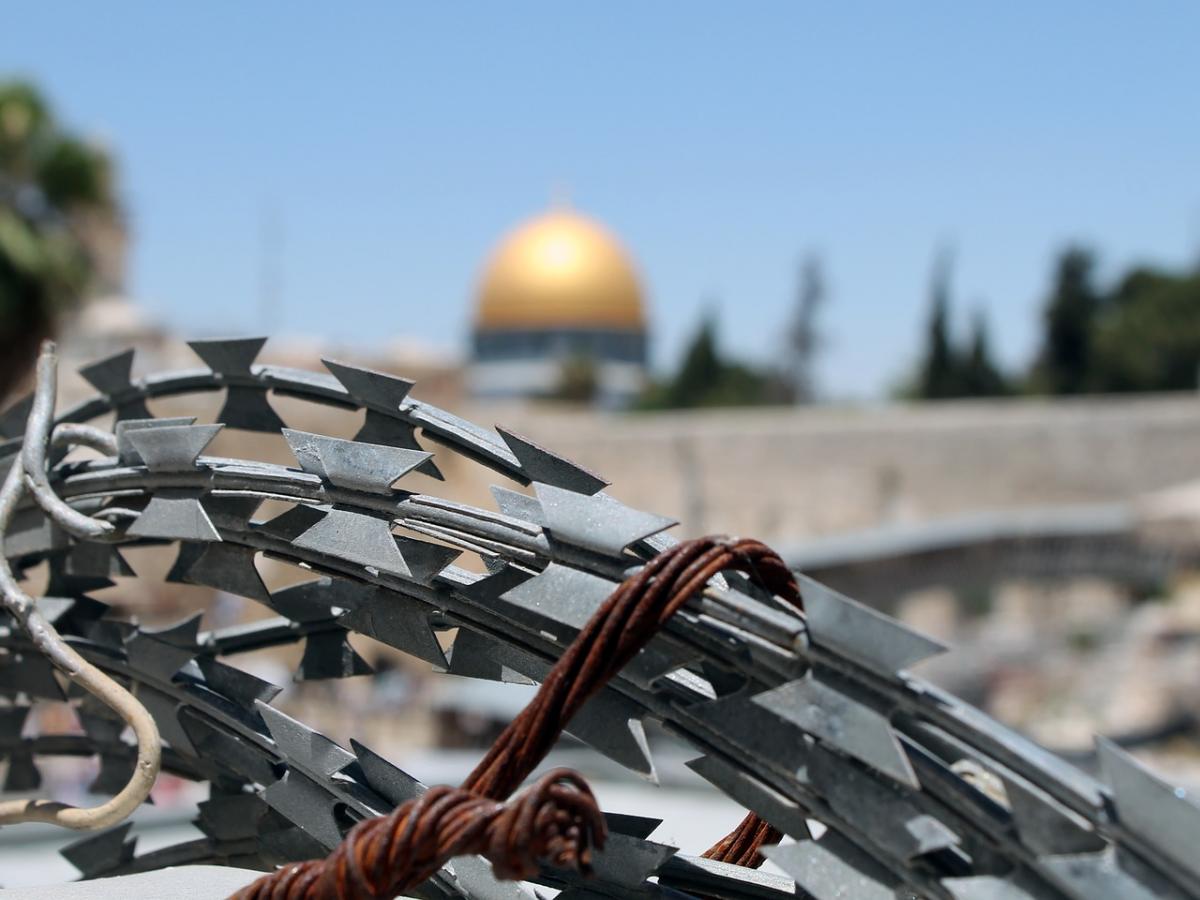
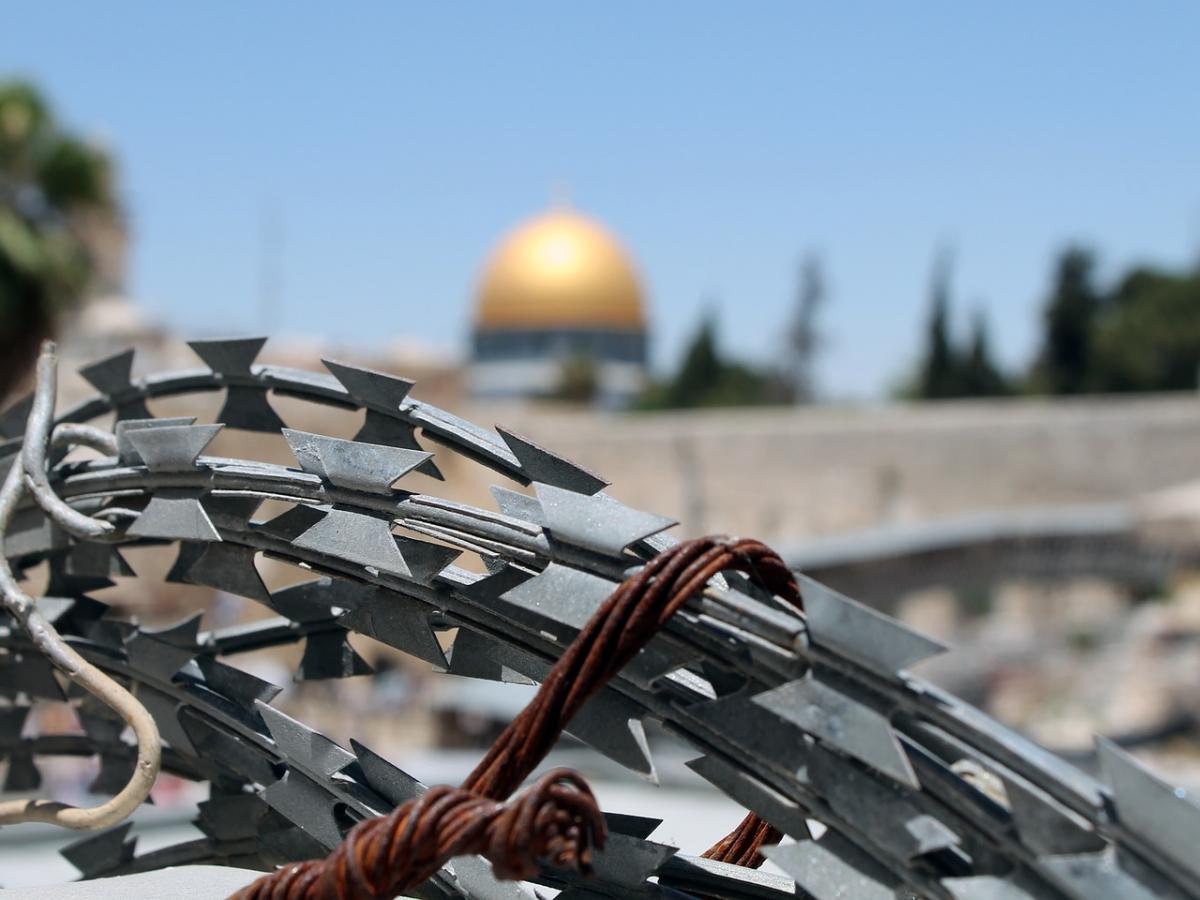
PalestineAmid the mounting horror in Gaza, Israel held municipal elections—which saw gains for the ultra-Zionist right, including in Jerusalem. But the city for the first time saw a Palestinian council candidate—Sondos Alhot, a pro-coexistence activist who ran with a new list called Kol Toshaveha (All Its Residents). Her candidacy, which came in defiance of a boycott called by the Palestinian leadership, nonetheless posed a challenge to the system of apartheid Israel has imposed in the Holy City. In Episode 215 of the CounterVortex podcast, Bill Weinberg explores what this electoral question may tell us about the prospects for an eventual just peace in historic Palestine. Listen on SoundCloud or via Patreon. (Photo: RJA1988 via Jurist)

East Asia

China: activist filmmaker faces prison

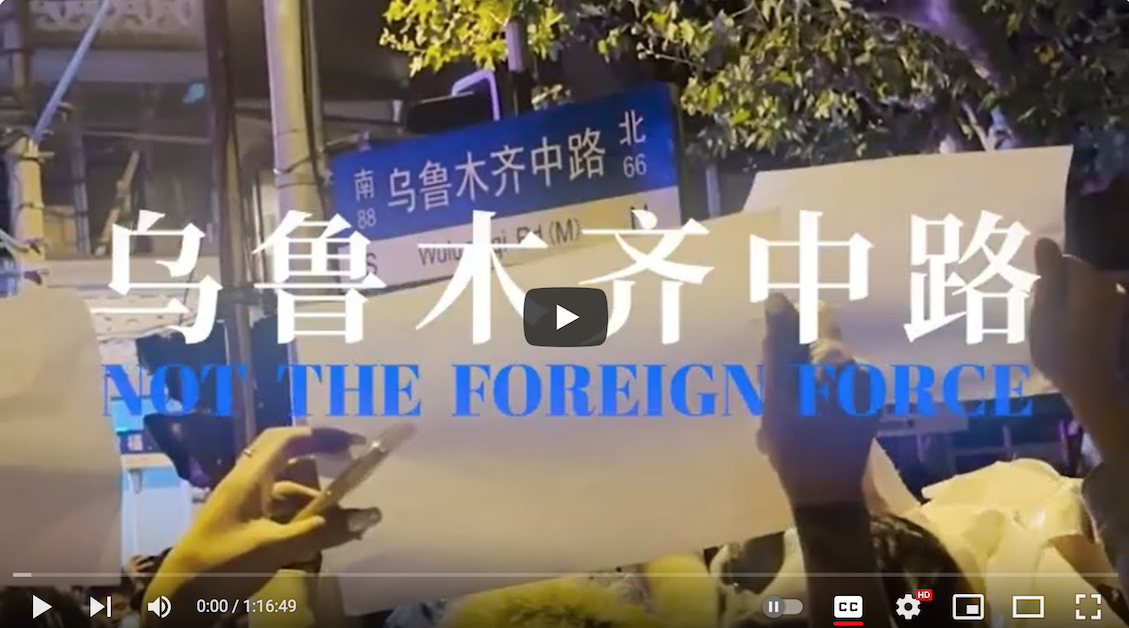
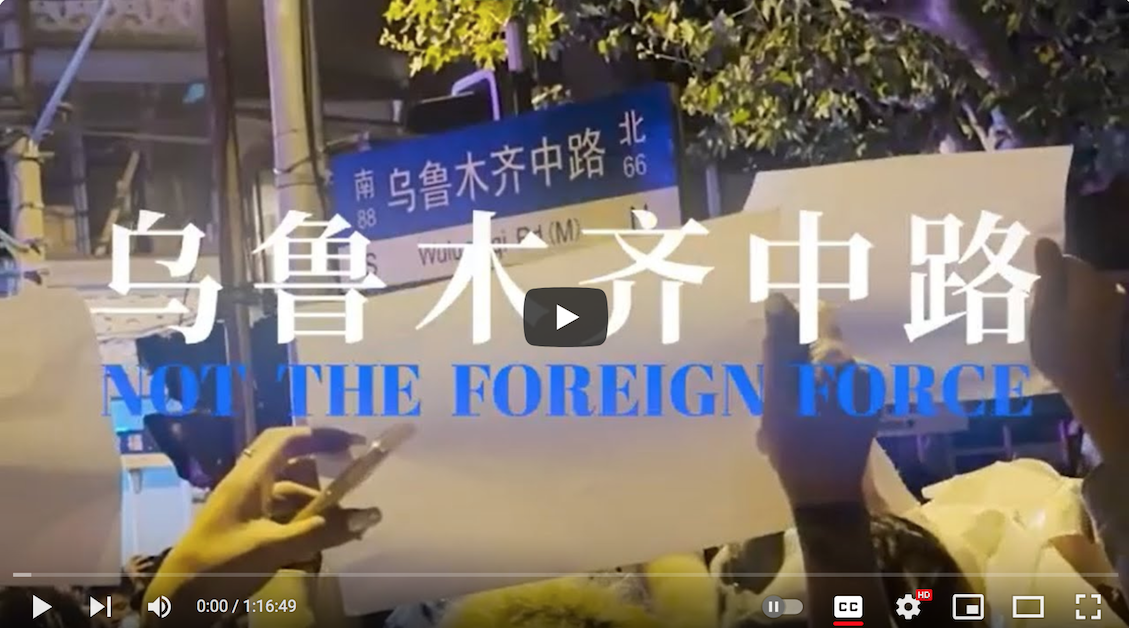
Urumqi RoadPolice in China charged Chen Pin Lin, director of documentary Not the Foreign Force, with "picking quarrels and provoking trouble," according to Chinese human rights monitors Weiquanwang and Civil Rights & Livelihood Watch. The charge, an offense under Article 293 of China's Criminal Act, has been widely criticized for its elusive definition and use against dissidents and human rights defenders. The film, also known as Ürümqi Road in Chinese, depicts the nationwide protests against COVID-19 lockdown measures in China. Posted online by Chen under the pseudonym "Plato," the film criticizes the Chinese government for attempting to blame foreign forces for the protests. (Image via YouTube)

Africa

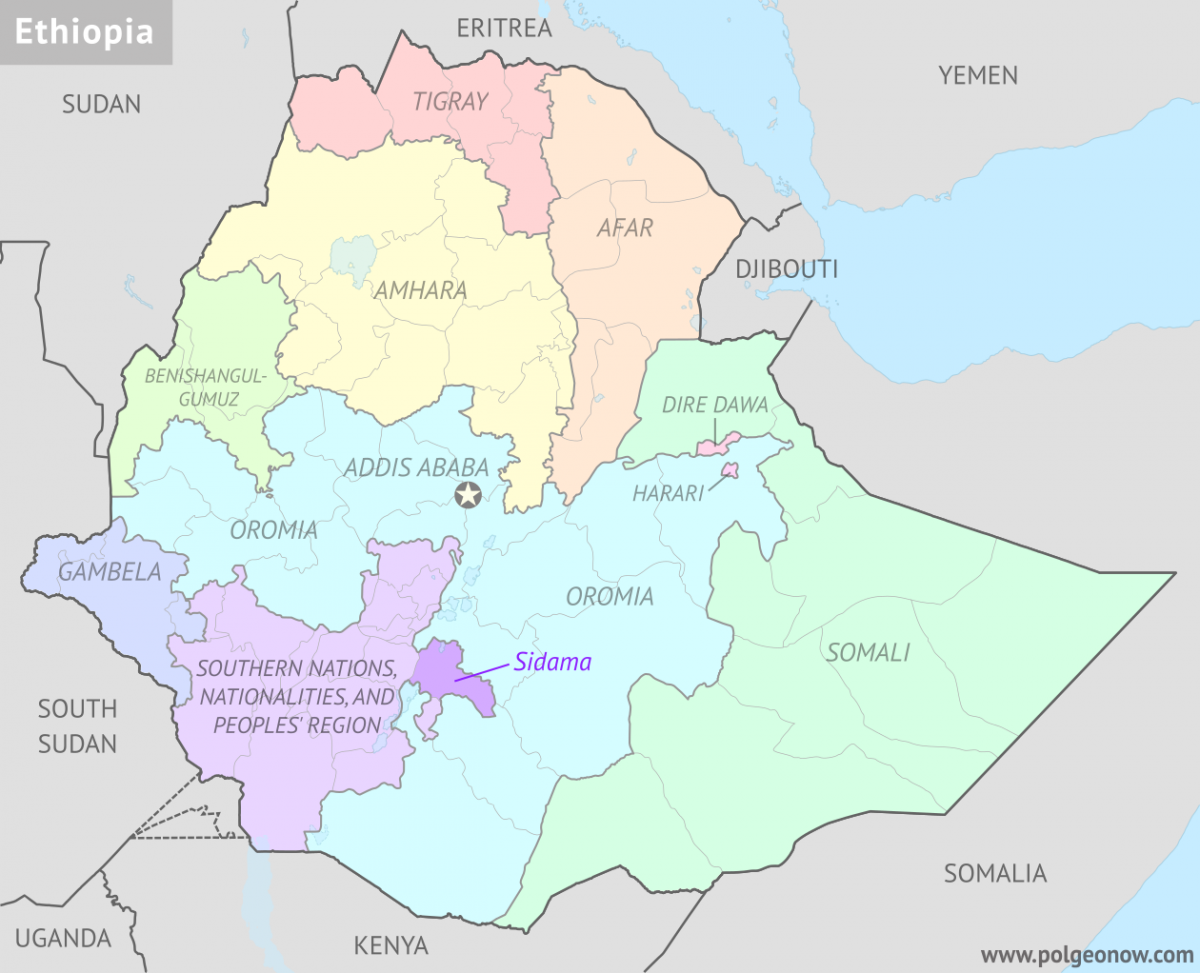
Ethiopia: ‘secret committee’ to suppress Oromo insurgency

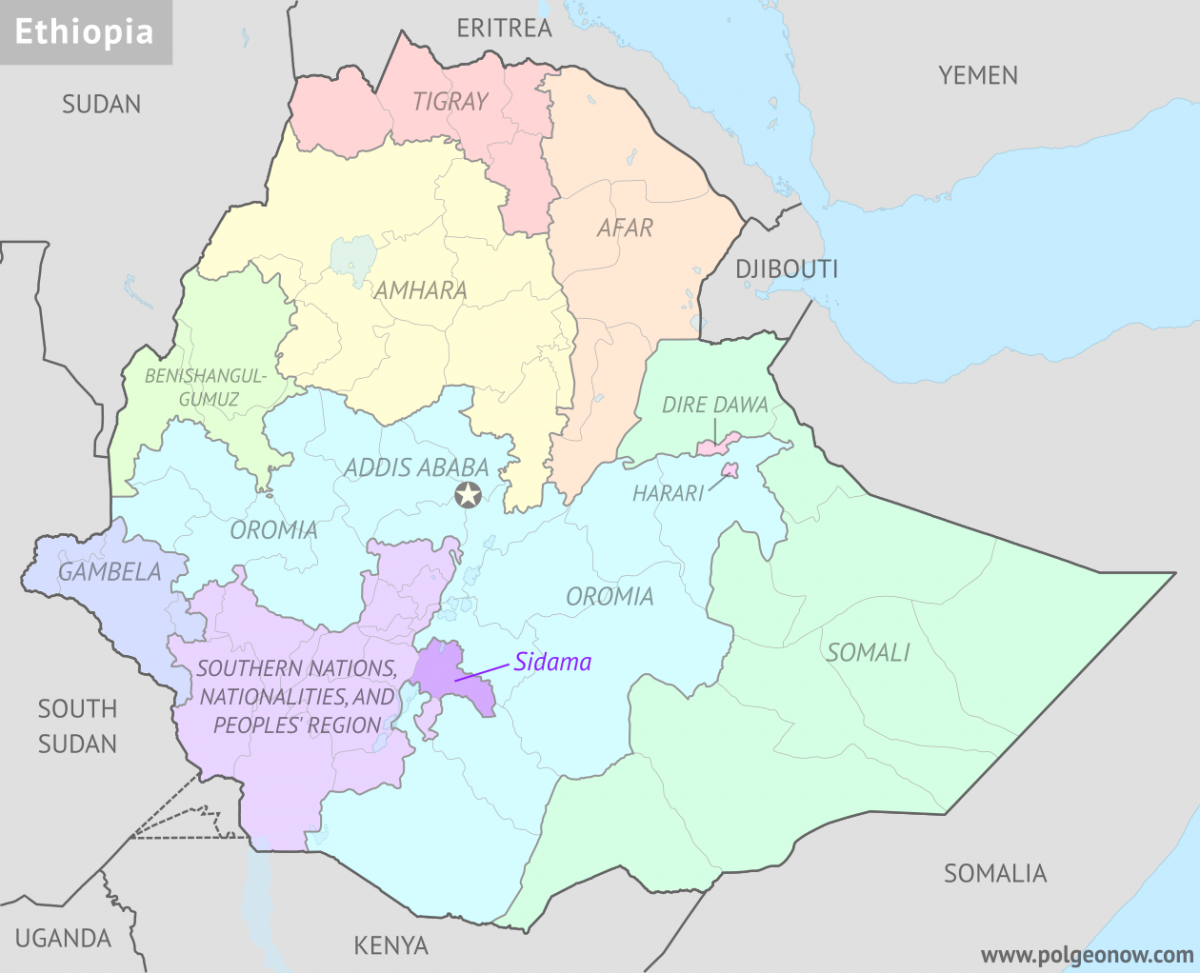
EthiopiaAn investigation published by Reuters reveals that a "secret committee" of high-ranking officials in Ethiopia has been overseeing a campaign of extra-judicial killings, illegal detentions and other human rights violations in an effort to eliminate the Oromo Liberation Army (OLA) insurgent group. The so-called Koree Nageenyaa (Security Committee in the Oromo language) has ordered "hundreds of arrests" and "dozens of killings" of any persons suspected of involvement with the OLA, as well as a "massacre of 14 shepherds in Oromia in 2021 that the government has previously blamed on OLA fighters." The Koree Nageenyaa is reportedly headed by Prime Minister Abiy’s former chief of staff and current president of the Oromia region, Shimelis Abdisa. (Map: Political Geography Now)

Greater Middle East

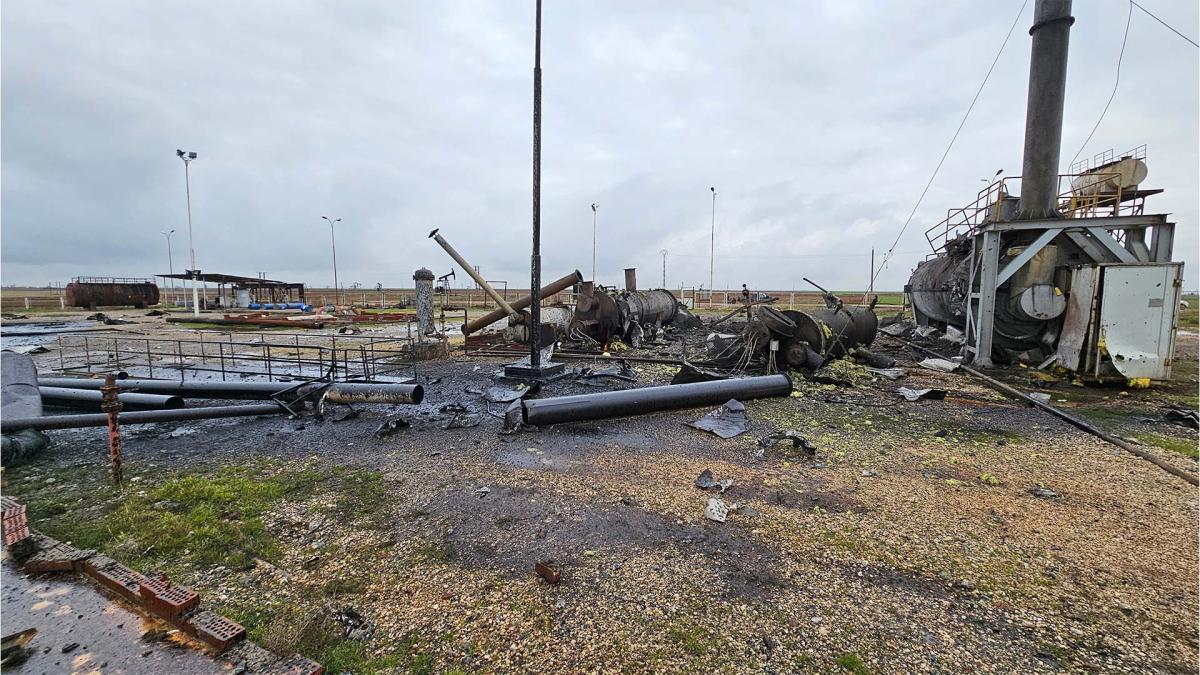
Turkish airstrikes deepen privation in northeast Syria

SyriaMonths of Turkish air-strikes on Kurdish-controlled northeast Syria have left more than a million people without power and double that number with no reliable access to water. Starting in early October, an initial series of heavy Turkish drone strikes knocked out civilian infrastructure and killed dozens—apparent retaliation for a suicide bombing outside a government building in Ankara. The strikes have intensified since. Attacks in December and January struck healthcare facilities as well as roads that are key for aid access, while a series of strikes in mid-January hit even more power stations. (Photo: al-Zarba oil field in northeast Syria, after it was hit by an air-strike in mid-January. Credit: Ivan Hasseeb/TNH)

Palestine

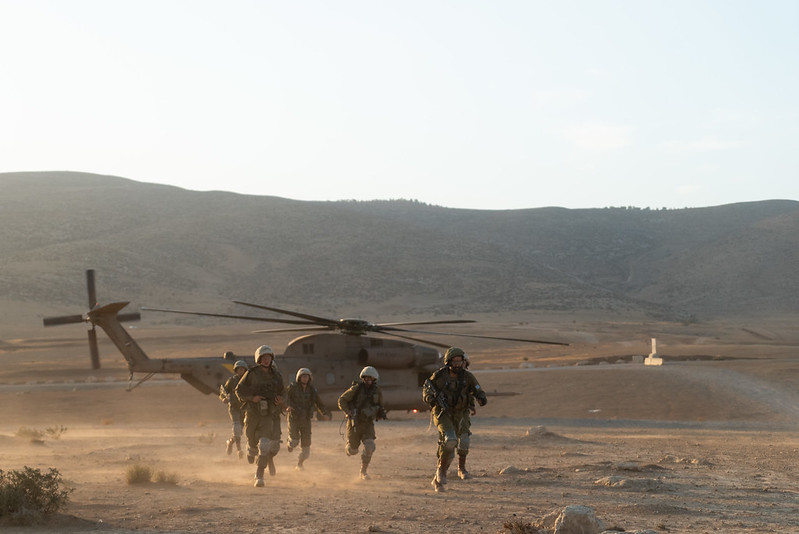
UN rights experts warn against arms exports to Israel

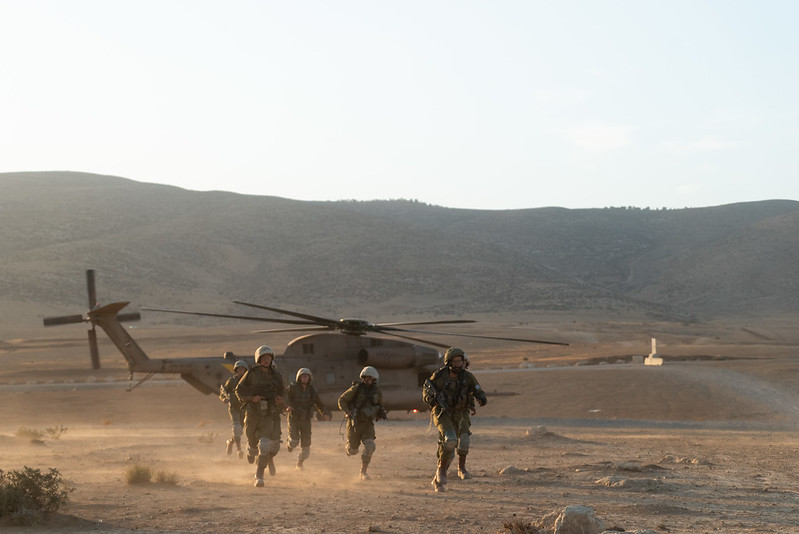
IDFA statement released by the Office of the UN High Commissioner for Human Rights on behalf of United Nations rights experts warns countries against the transfer of war material to Israel, as such transfers could constitute violations of international humanitarian law if weapons are used contrary to the Geneva Conventions. Invoking the recent Word Court orders concerning Israel's siege and bombardment of Gaza, the statement asserts that "states must accordingly refrain from transferring any weapon or ammunition—or parts for them—if it is expected, given the facts and past patterns of behaviour, that they would be used to violate international law." (Photo: IDF via Flickr)