


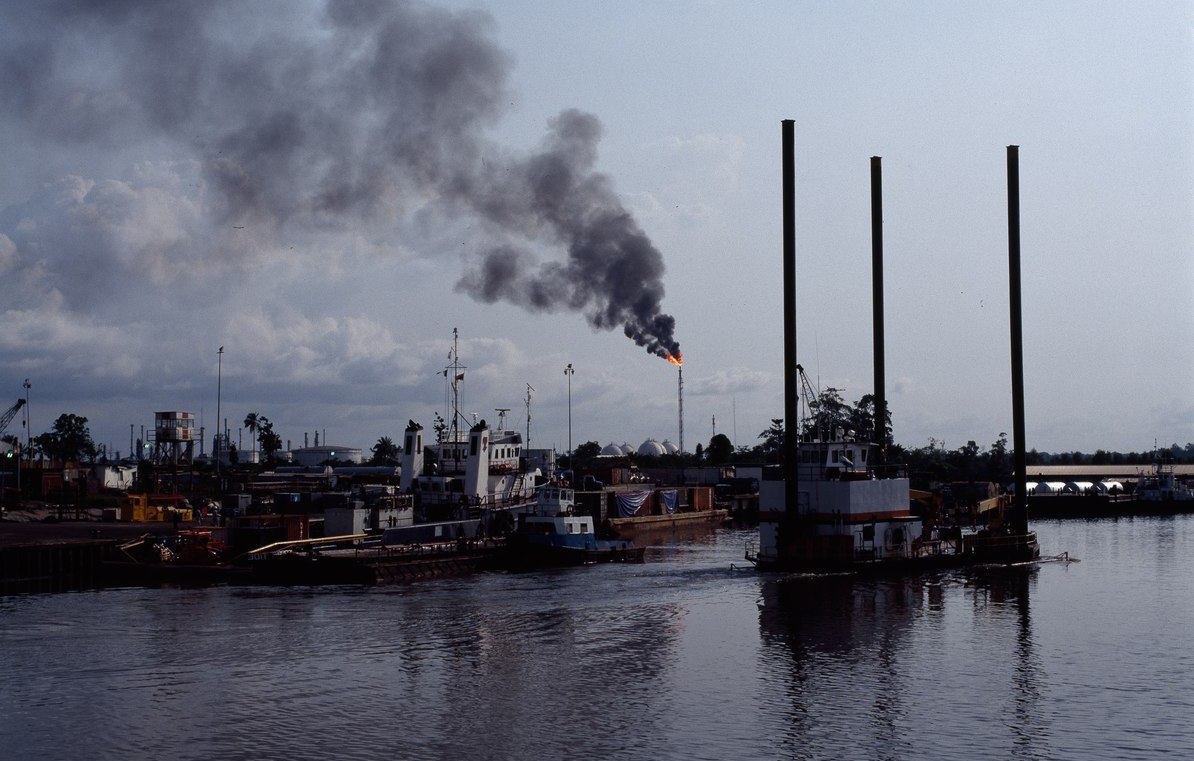
Amnesty International on July 29 called on Shell PLC to answer for decades of pollution in the Niger Delta following release of a report detailing how oil pollution has damaged water, farmland, fisheries, health and livelihoods, while the company continued to profit and deny responsibility.
The report, titled “Lifting the Lid: Internal documents expose Shell’s negligent oil operations,” examines company records that appear to confirm the long-standing complaints of residents of the Niger Delta. Amnesty reports that the documents also loan weight to concerns raised by the Nigerian army over neglectful conduct and “complicity” in oil theft that has led to spills. Amnesty is the first group to report on these disclosed documents following legal proceedings in the UK last summer.
Isa Sanusi, director of Amnesty International Nigeria, stated:
Shell has long blamed oil theft and sabotage for pollution in the Niger Delta. But these documents cut through years of denial and raise grave questions about what Shell knew, what it allowed to continue, and whether it then sought to walk away from the costs of its toxic legacy. The scandal was not simply illegal ‘bunkering’ or oil theft. The real scandal is Shell’s pursuit of profit at the expense of people’s rights.
Shell was approached by Amnesty International with the findings, and responded in a statement: “The characterisation and portrayal of Shell in your letter is not one we recognise. Shell is committed to honesty, integrity and respect for people, and to conducting business in an ethical and transparent manner.”
A 2022 UN General Assembly resolution recognized the right to a healthy, clean, and sustainable environment. This right includes such substantive elements as the right to clean air, to safe water, to healthy food, and to non-toxic environments to live and work in.
From JURIST, July 30. Used with permission.
Photo: Wikimedia Commons

