Africa
Sudan

Ethiopia accused of backing Sudan’s RSF

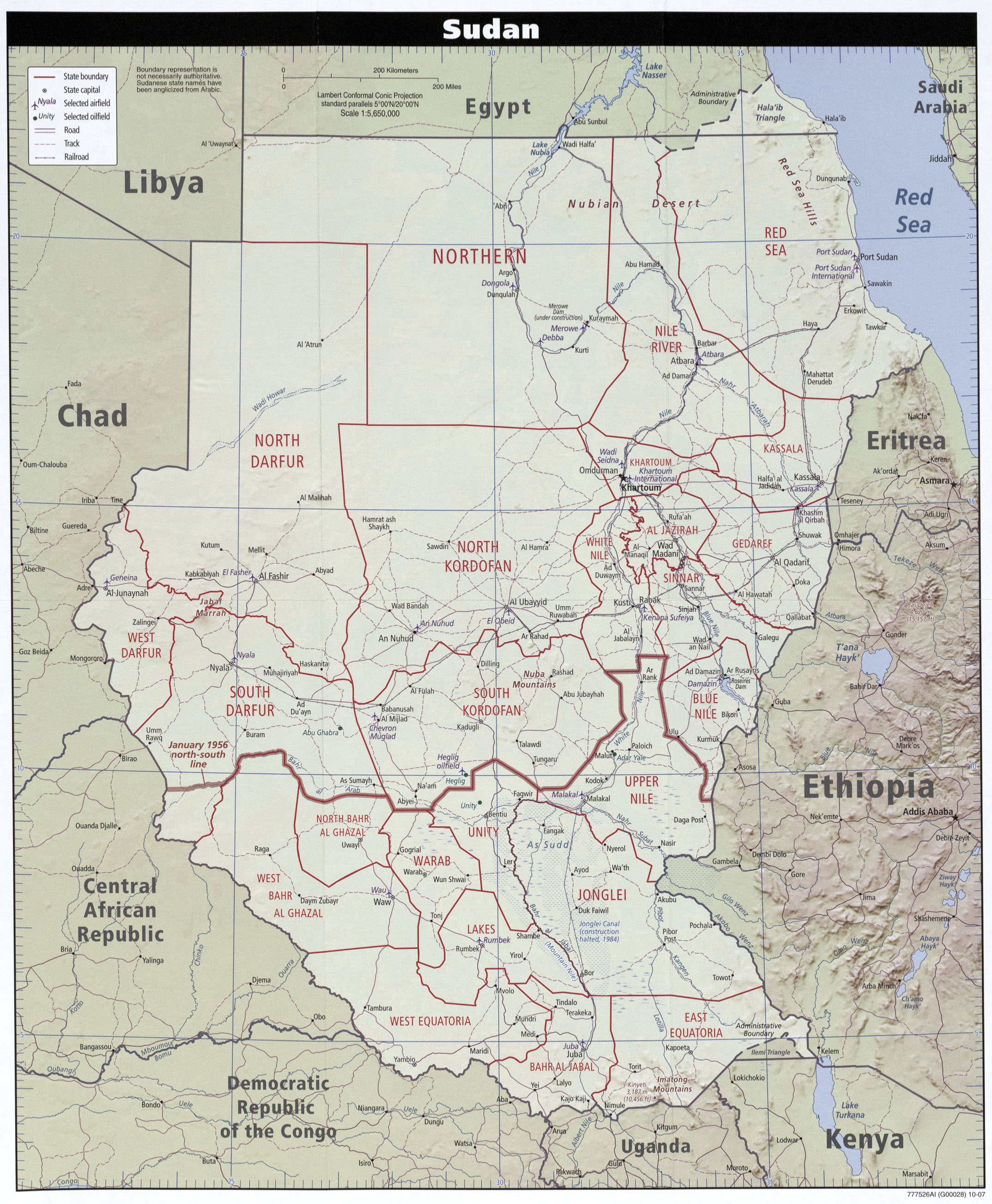
Sudan has accused Ethiopia of allowing drones to be launched from its territory to carry out attacks against Sudanese government forces. This marks the first time Sudan has directly accused its neighbor of involvement in the three-year civil war against the paramilitary Rapid Support Forces (RSF). In a statement, Sudan’s Foreign Ministry warned of unspecified consequences. The drone accusation follows reports of the construction of an RSF training base in northwest Ethiopia, paid for by the United Arab Emirates. (Map: PCL)
Greater Middle East
Yemen

Yemen: UAE-backed southern separatist forces advance

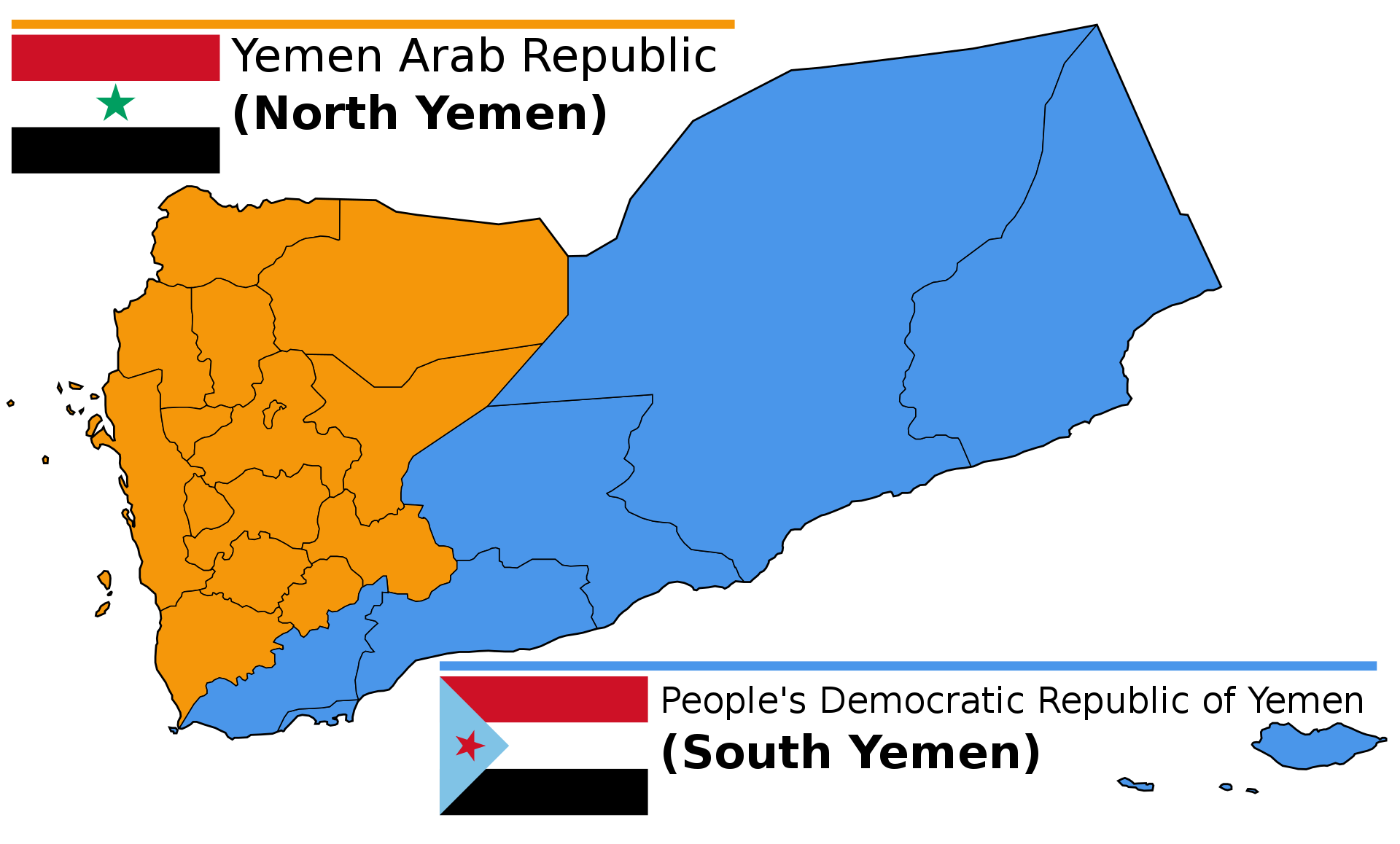
Yemen’s separatist Southern Transitional Council, which is said to be backed by the United Arab Emirates, has been rapidly advancing through large parts of the country’s south and east, in Hadramawt, al-Mahra and Shabwa provinces. They are taking over control from groups backed by Saudi Arabia, including the Hadramawt Tribal Alliance. While all forces involved are supposed to be on the same side in a broader anti-Houthi alliance, the move is yet another reminder that Yemen’s war is not over, and that it involves a variety of actors and local grievances. (Map of Yemen before 1990 unification via Wikipedia)

Africa
El Fasher

Podcast: Darfur again —a genocide foretold

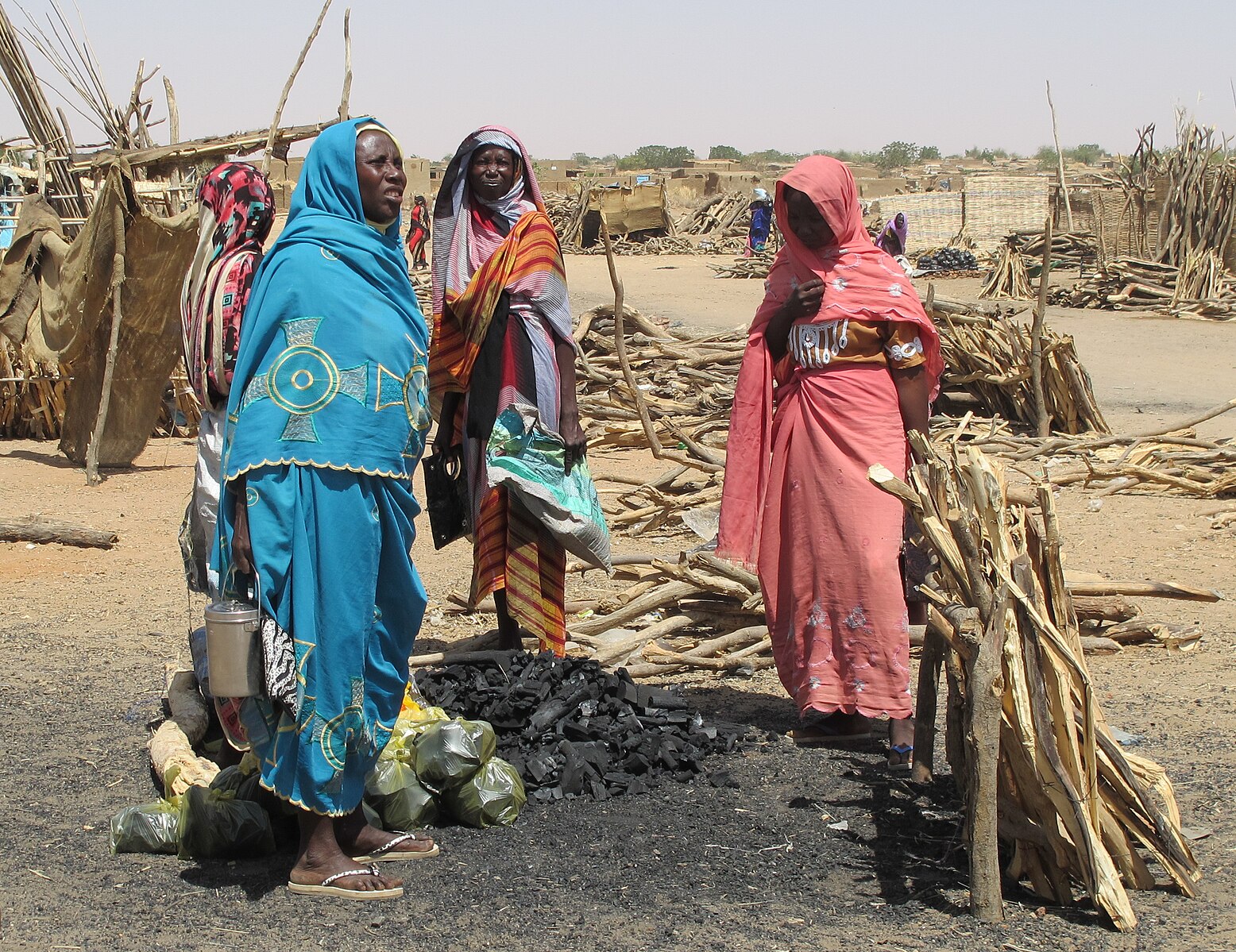
Throughout the 18-month siege of El Fasher, capital of Sudan’s North Darfur state, international human rights observers had been warning that the city’s residents faced a general massacre when it eventually fell to the Rapid Support Forces (RSF). Yet nothing was done, apart from ineffectual Great Power diplomacy that had zero impact on the ground. Now that the foretold massacre is underway—with hundreds killed, thousands missing, and no end in sight—calls are at last emerging for boycott, divestment and sanctions against the United Arab Emirates, the apparent underwriter of the genocidal RSF. In Episode 302 of the CounterVortex podcast, Bill Weinberg notes the contrast with the situation 20 years ago, when #SaveDarfur was a cause célèbre—and asks what has changed. (Photo: Roman Deckert via Wikimedia Commons)

Africa
Darfur

Sudan: ‘roadmap’ to peace —amid escalation to genocide

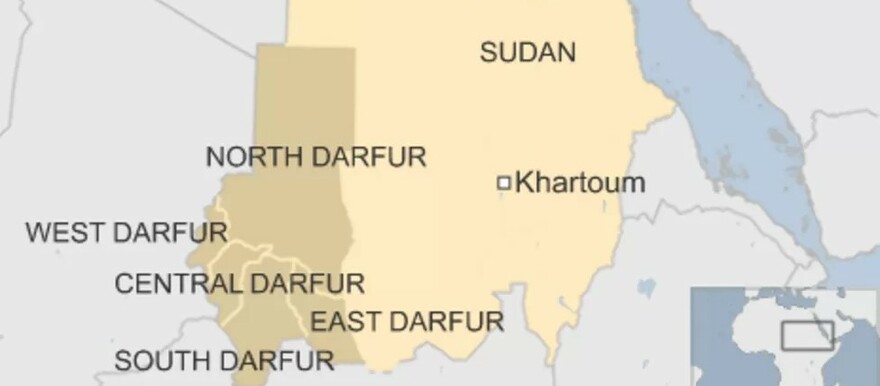
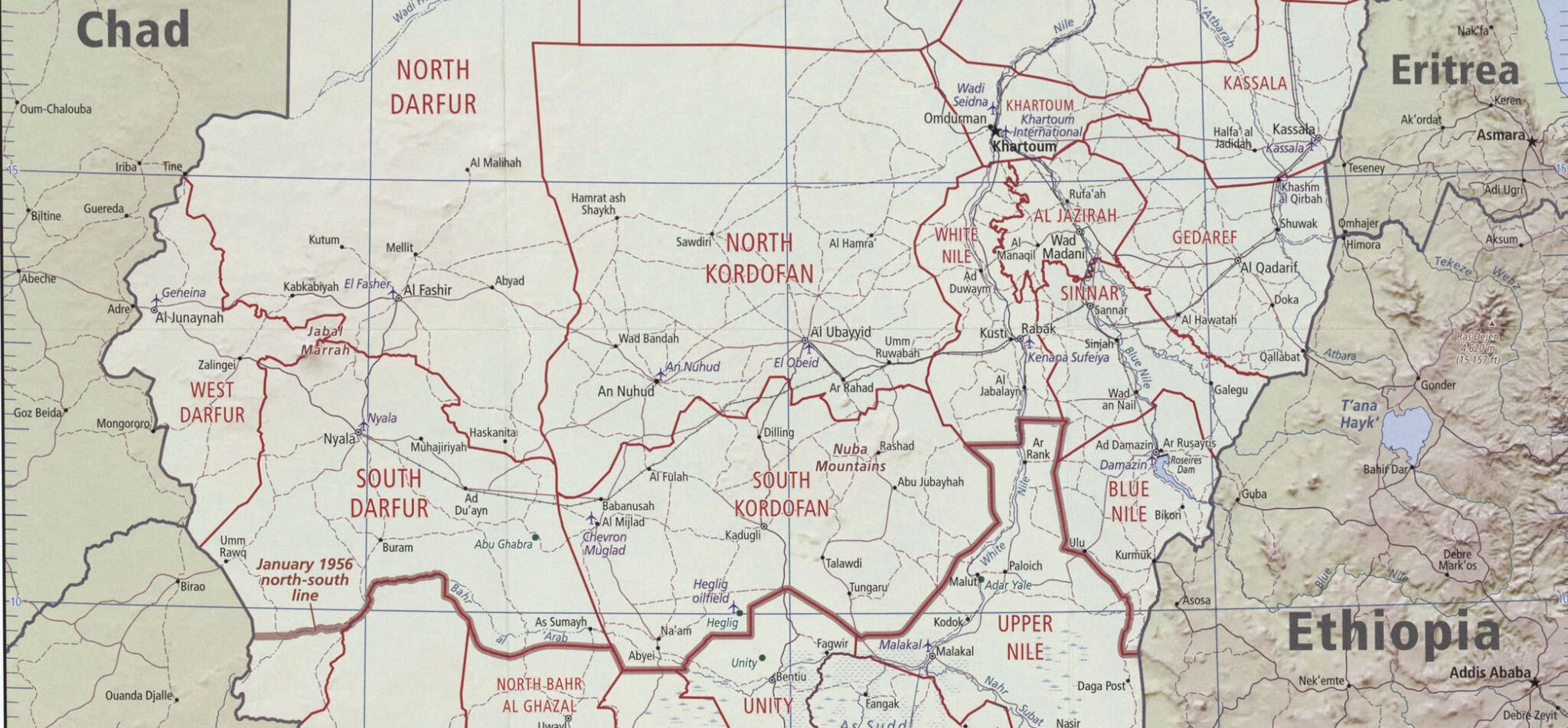
After months of US-led negotiations, the United States, Saudi Arabia, Egypt and the United Arab Emirates (the “Quad“) issued a “roadmap to peace” in Sudan, starting with a push for a three-month “humanitarian truce.” However, despite the agreement with the main regional backers of the two sides in the war, fighting continues between the Sudanese armed forces and paramilitary Rapid Support Forces (RSF). Since the “roadmap” was announced, the RSF has continued to close its ring around El Fasher, the besieged capital of North Darfur state. UN officials have condemned the assault and warned of catastrophic consequences for civilians under siege, facing severe shortages of food, clean water, and medical services. When the RSF offensive was launched earlier this year, a coalition of aid organizations and human rights groups issued a statement finding: “Genocide and atrocity crimes are being committed now in North Darfur. The RSF is engaged in the mass killing of civilians and will likely continue this if/when they reach El Fasher.” (Map via Radio Tamazuj)

Palestine
Gaza

UN decries ‘weaponized hunger’ in Gaza —again

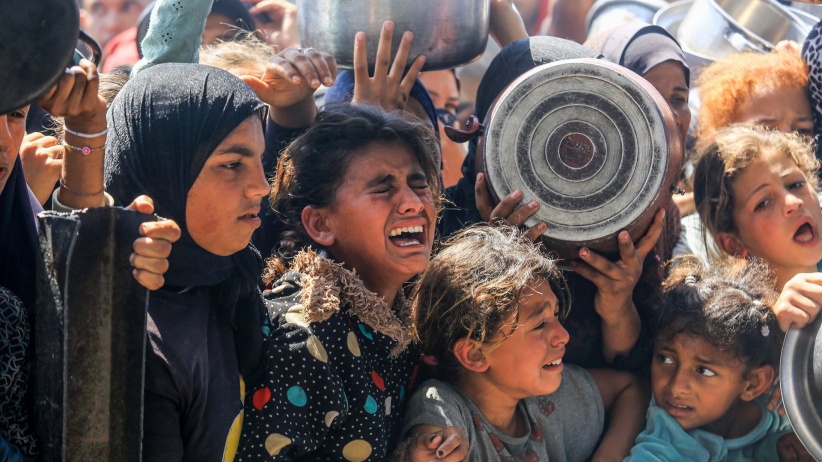
Several United Nations agencies condemned the use of starvation as a weapon of war, as malnutrition rates in Gaza spike under Israeli siege. During the UN Food Systems Summit Stocktake taking place in Addis Ababa, Ethiopia, Secretary-General António Guterres stressed: “Hunger fuels instability and undermines peace. We must never accept hunger as a weapon of war.” Guterres’ statement follows Israel’s decision to permit a one-week scale-up of humanitarian aid into the Gaza Strip, where famine conditions now prevail. UN agencies welcomed the easing of aid restrictions and so-called “humanitarian pauses” in the ongoing bombardment; however, as emphasized by UN Emergency Relief Coordinator Tom Fletcher: “This is progress, but vast amounts of aid are needed to stave off famine and a catastrophic health crisis.” (Photo: Maan News Agency)

Greater Middle East
Gulf states

Podcast: MAGA-fascism and the Gulf State tyrannies

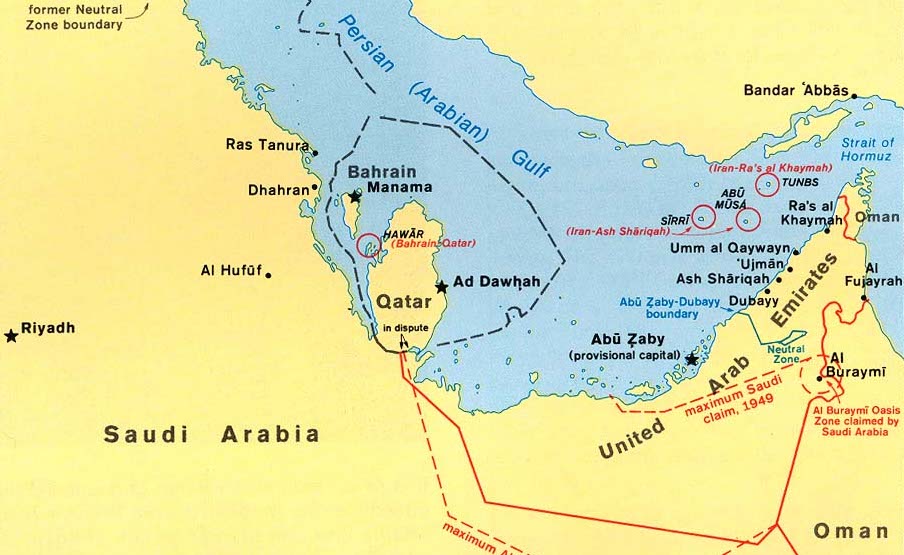
Amid the hype about how Trump “snubbed” Netanyahu on his Middle East trip come reports that his White House is pushing a plan to relocate some 1 million Palestinians from Gaza to Libya—which is in the midst of a massive human rights crisis. Even while on the ground in Qatar, Trump plugged his relocation scheme for the Gazans, who now face complete ethnic cleansing from the devastated Strip. In Episode 279 of the CounterVortex podcast, Bill Weinberg debunks the notion of a Trump tilt away from Israel, and asks why some “progressives” are joining with paleocons to view massive arms deals with the repressive and arch-reactionary monarchies of Saudi Arabia, the UAE and Qatar as a good thing. (Map: PCL)

The Amazon
Ecuador

Israel, UAE to assist Ecuador drug war

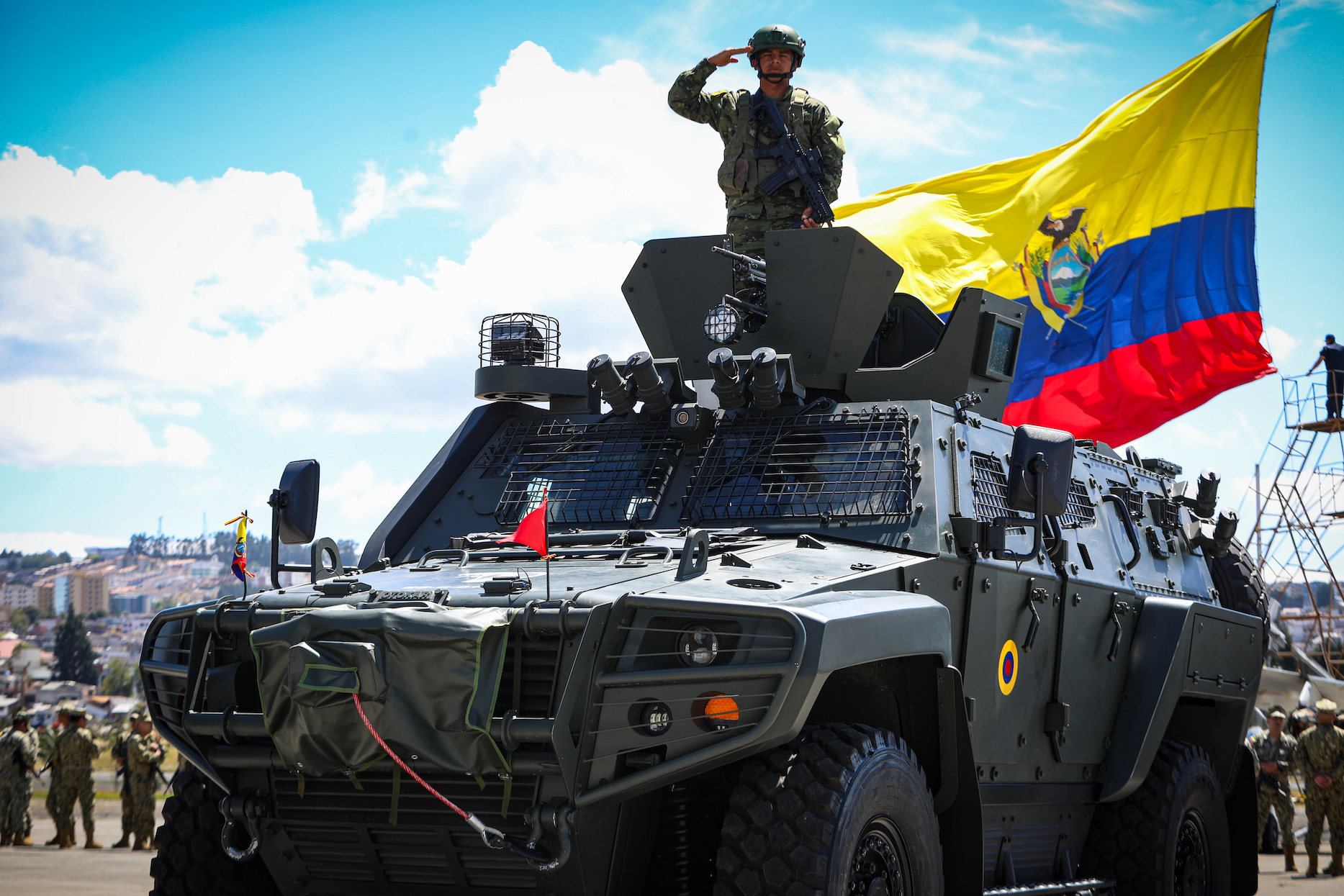
Ecuador’s President Daniel Noboa says he is seeking assistance from Israel and the United Arab Emirates to combat the drug cartels that are terrorizing the South American country. The hardline rightist who won re-election last month said Israel and the UAE have agreed to provide intelligence aid “to help” fight the narco gangs. A day after Noboa’s comments, Ecuadoran authorities announced that 11 soldiers were killed while carrying out an operation to combat illegal mining in a region near the border with Colombia. The Prosecutor General’s office said the troops were attacked by the Comandos de la Frontera, a “dissident” faction of Colombia’s FARC guerillas that controls cross-border drug trafficking and illegal gold-mining operations in the eastern province of Orellana. (Photo: Presidencia de la República del Ecuador via WikimediaCommons)

Africa
DRC

Trump prepares arms-for-minerals deal with DRC

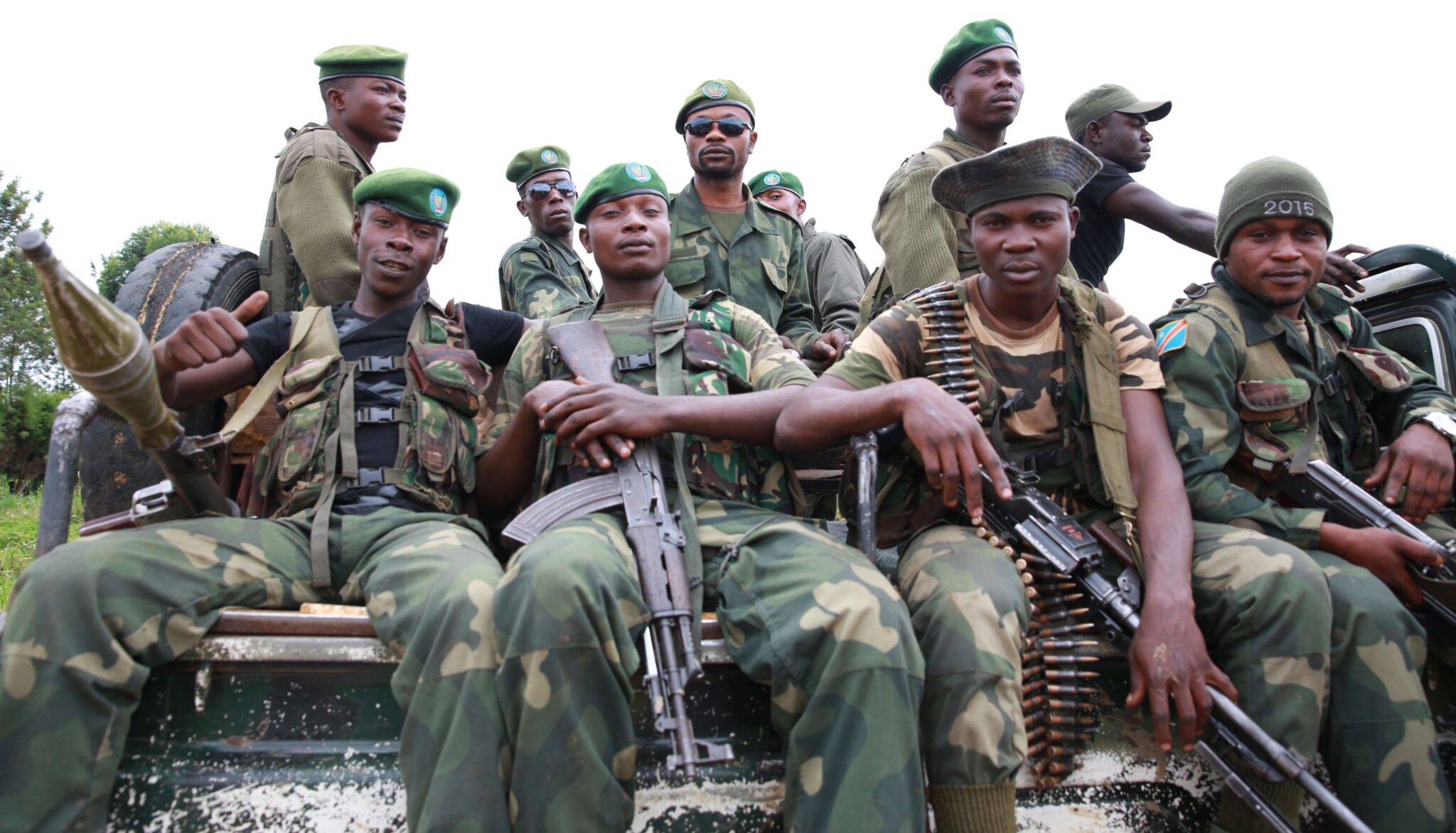
Former Blackwater CEO and and mercenary boss Erik Prince is to lead a team helping the Democratic Republic of Congo (DRC) secure and tax its extensive mineral wealth, news reports reveal. The deal, reached before the M23 rebels launched a major offensive in January, was just confirmed to Reuters by Congolese officials and diplomats. M23 has since January seized the eastern DRC’s two largest cities, Goma and Bukavu, and is threatening to march on Kinshasa, the capital. The Prince-led initiative runs parallel to a broader minerals-for-security deal being negotiated between the DRC and the Trump White House. (Photo: Abel Kavanagh/MONUSCO via Wikimedia Commons)

Africa
El Fasher

Russia vetoes UN resolution on Sudan ceasefire

Russia vetoed a United Nations Security Council resolution aimed at protecting civilians in Sudan amid the country’s ongoing conflict. The resolution, which called on the warring factions to cease hostilities and engage in dialogue in good faith, was blocked despite widespread support—including from China, which frequently votes in a bloc with Russia. Introduced by the United Kingdom and Sierra Leone, the draft resolution demanded that the Sudanese Armed Forces (SAF) and Rapid Support Forces (RSF) honor and fully implement their pledges in the “Declaration of Commitment to Protect the Civilians of Sudan,” which was signed by both sides in Jeddah, Saudi Arabia, in May 2023. Russia said the resolution did not sufficiently respect Sudan’s sovereignty in justifying its veto, which was assailed by international human rights organizations. Sudan’s government rejected the resolution for failing to condemn the United Arab Emirates for backing the RSF—an accusation the UAE has consistently denied. (Photo: Roman Deckert via Wikimedia Commons)

South Asia
Baluchistan

Pakistan: new escalation in Baloch insurgency

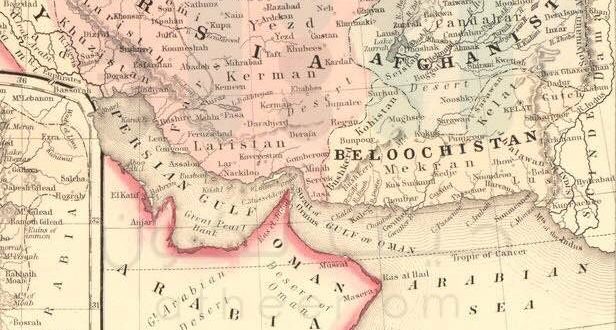
The Human Rights Commission of Pakistan expressed concern over the deteriorating security situation, rampant rights abuses and ongoing political dysfunction in Balochistan province. The commission highlighted a continued pattern of enforced disappearances and extrajudicial killings, with an alarming lack of government action in holding perpetrators accountable. The report came days after at least 73 people were killed in clashes between the military and Baloch ethnic separatists as insurgents launched a series of attacks across the province. The Baloch Liberation Army (BLA) claimed responsibility for the attacks targeting police and security outposts. The attacks were timed for the anniversary of the death of Baloch leader Nawab Akbar Bugti, who was killed in a 2006 raid by the military. Former President Pervez Musharraf was put on trial for the slaying, but acquitted in 2016. (Map via Atheer)

Europe
Urengoy-Pomary-Uzhgorod pipeline

Pipeline goad of Ukraine’s Kursk incursion?

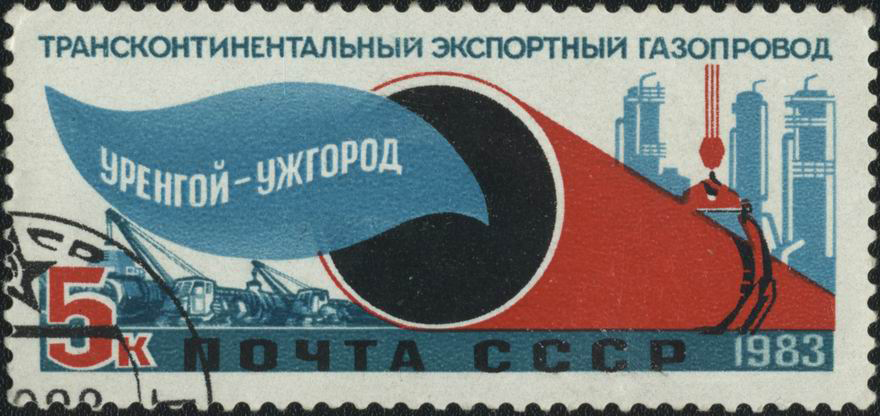
One day into their unprecedented cross-border incursion into Russia’s Kursk oblast, Ukrainian forces captured the Sudzha gas metering station—a key node of the last remaining Russian pipeline still sending gas to Europe through Ukraine. The Urengoy-Pomary-Uzhgorod pipeline, built by the Soviets in the 1980s, sends natural gas from Siberian fields through Ukraine to Slovakia, the Czech Repubic, Hungary and Austria. Despite the capture of the Sudzha station, Gazprom hasn’t halted the flow of gas through the station—nor has Ukraine shut the pipeline over the past two and a half years of war, apparently due to pressure from Europe. EU sanctions have only gradually started to affect Russia’s massive hydrocarbons sector. (Image: Soviet postage stamp celebrating the Urengoy-Uzhgorod pipeline. Via Wikipedia)

North Africa
Khalifa Haftar

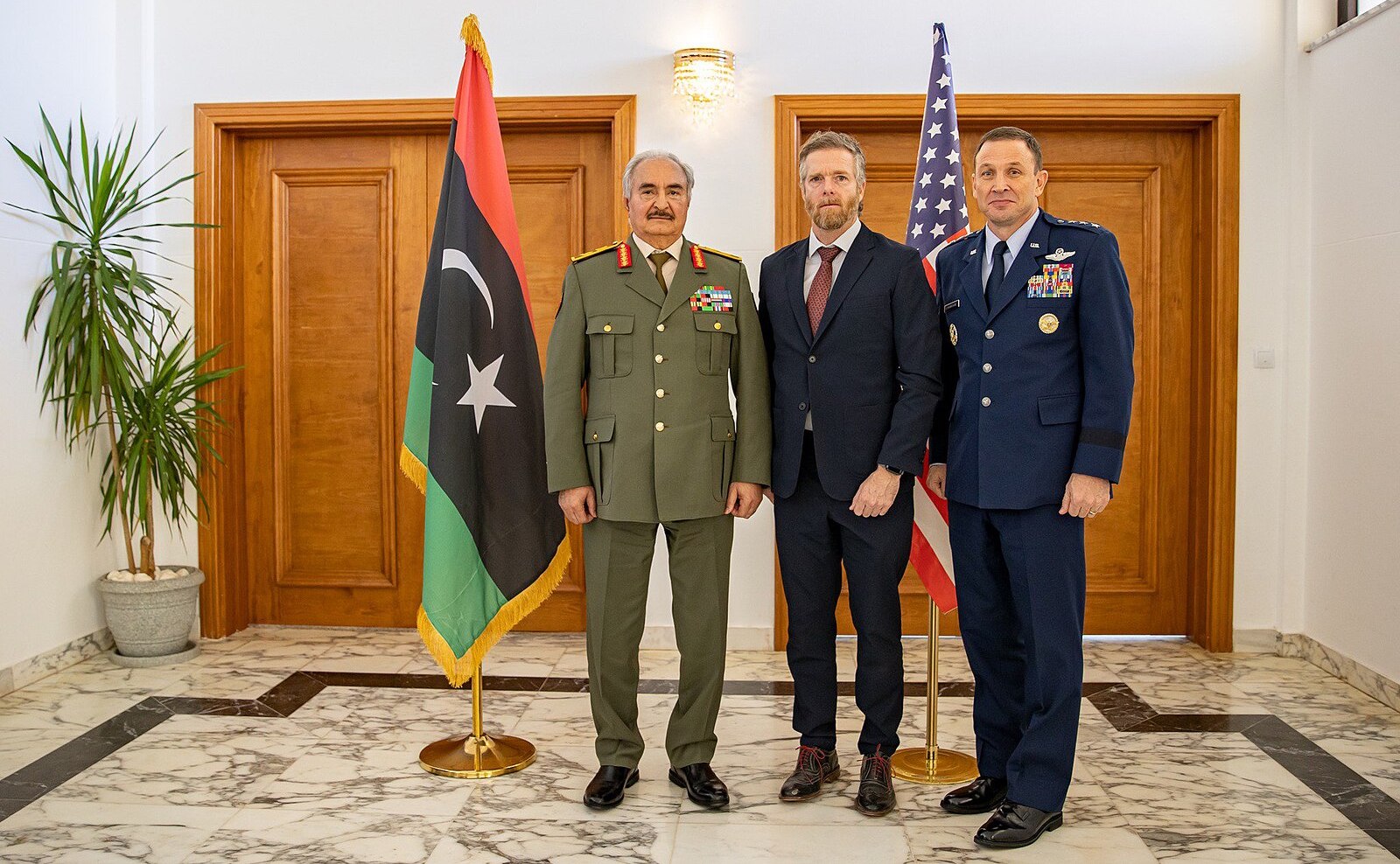
War crimes suits against Libya’s Haftar dismissed

A US judge dismissed a group of civil lawsuits accusing Libyan military leader Khalifa Haftar of war crimes. District Judge Leonie Brinkema said she had no jurisdiction to preside over a case concerning crimes committed in Libya—even though Haftar has US citizenship and lived for more than 20 years in the DC suburbs of northern Virginia. In the suits, first filed in 2019 under the Torture Victim Protection Act, the plaintiffs charged that family members were killed in bombardments conducted by Haftar’s forces on civilian areas of Tripoli that year. Plaintiffs noted that Haftar’s extensive properties in Virginia could have been used to compensate the survivors. The head of the Libyan-American Alliance, Issam Omeish, expressed his regret over the court’s decision, calling it a setback in the groups’ work seeking justice and accountability for rights abuses in Libya’s civil war. (Photo: Haftar with US embassy Chargé d’Affaires Leslie Ordeman and USAF Lt. Gen. John Lamontagne, January 2023. Via Wikimedia Commons)