


Identifying victims of the US boat strikes
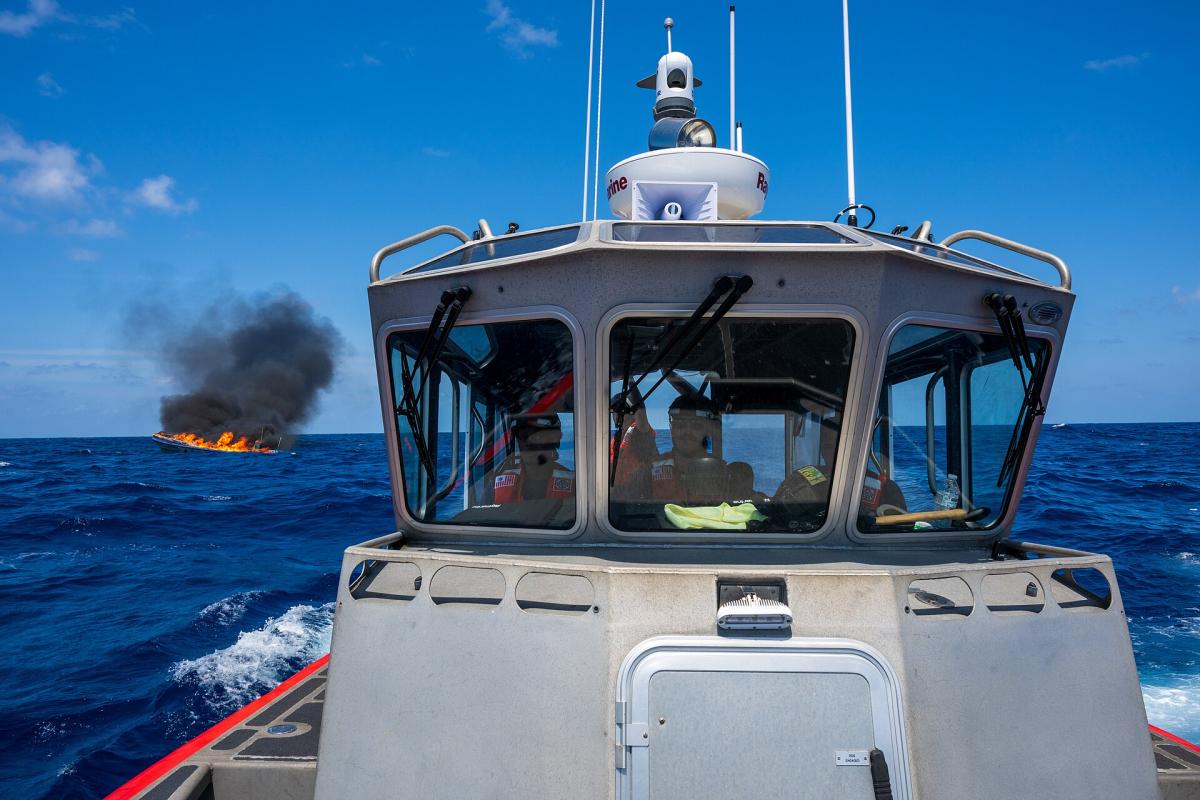 Nearly 200 people have been killed since the US started bombing boats supposedly believed to be carrying drugs in the Caribbean and Eastern Pacific last September—and the figure keeps rising. The strikes have caused an international outcry over the violation of international human rights law, but there has been little information about the victims themselves. A months-long cross-border investigation coordinated by the Latin American Center for Investigative Journalism (CLIP) has now managed to piece together the details of over 20 of the young men believed to have been killed, plus three survivors. They were overwhelmingly poor fishermen and small boat transporters without criminal records. They came from economically vulnerable coastal communities, including in Colombia, Venezuela, Saint Lucia, Trinidad & Tobago and Ecuador. The investigation identified each of the boats targeted and noted that their home governments have failed so far to investigate the attacks. (US Coast Guard via Wikimedia Commons)
.jpg)

